

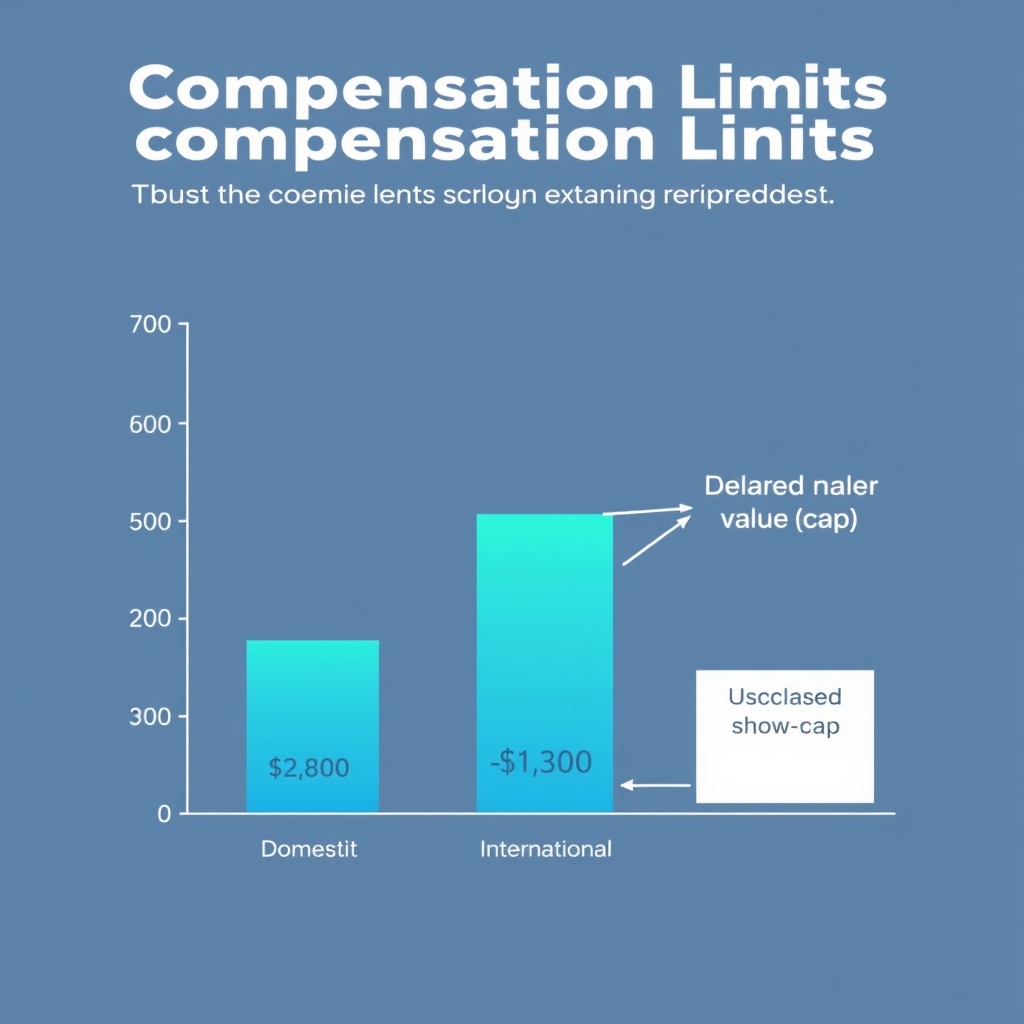
To file an airline baggage claim, report the loss or damage to the airline before leaving the airport, file a written claim within 21 days, and provide receipts for the contents. The process typically takes 2–6 weeks, though some carriers resolve claims faster. Compensation ranges widely domestic flights may be limited to $2,800 per bag, while international flights cap at roughly $1,300 as of August 2026 (though you can declare higher values for an extra fee). Here’s exactly how to navigate each step.
What You’ll Need to File a Baggage Claim
Before you start the process, gather these items:
- Boarding pass and baggage tag receipt – proof of when and where you flew
- Photos of the luggage (exterior and interior, if damaged)
- Original receipts or credit card statements for lost items inside the bag
- Proof of value – manufacturer tags, invoices, or bank records showing what you owned
- Written correspondence – emails with the airline confirming the loss or damage
- Travel insurance documents – if you filed a separate claim for reimbursement
- Incident Report Number – issued at the airport when you first reported the problem
If you don’t have all of these, don’t delay filing start with what you have and add documents as you locate them.
Step 1: Report the Damage or Loss at the Airport
Do this before you leave the baggage claim area. This is the single most important step and the one most travelers skip.
Approach the airline’s baggage office immediately. Tell them:
- Your flight number, date of travel, and departure/destination cities
- Whether the bag is missing entirely or damaged, and describe the damage
- What you saw when you picked up your luggage (or didn’t)
The agent will ask you to fill out a Property Irregularity Report (PIR), sometimes called an Incident Report. This document officially records the loss or damage and creates a timestamp. Request a copy for your records. Write down the report number and the agent’s name you’ll need both later.
If your bag arrives damaged but intact, inspect it carefully before accepting it. Take photos showing the damage from multiple angles. If it’s severely damaged, ask the agent to document the damage in the report right then.
Why this matters: If you leave the airport without reporting the issue, some airlines will assume you accepted the bag as-is, which weakens your claim significantly.
Step 2: Contact Your Airline Within 21 Days
Submit a written claim to your airline’s baggage department within 21 days of the incident. This is a legal requirement under federal aviation regulations, and missing the deadline can void your right to compensation.
Visit the airline’s website and look for:
- “Baggage claims” or “File a claim”
- A dedicated customer service form or email address
- Their baggage liability office address (for mailed claims)
Include:
- Your name, confirmation number, and contact details
- Flight details (flight number, date, route)
- The Incident Report number from Step 1
- A clear description of what happened (2–3 sentences)
- The date you discovered the loss or damage
- A list of items lost or damaged with estimated replacement cost
- Your claim amount (see compensation limits below)
Send this via email if possible it creates a timestamped record. If mailing, use certified mail so you have proof of delivery.
Step 3: Gather and Submit Documentation
Within a week of filing your initial claim, the airline will ask for proof of value. Collect:
For lost items:
- Original receipts from purchases
- Credit card or bank statements showing the purchase
- Photos of you using the items (if you have them)
- Brand and model information (for electronics, for example)
- Manufacturer tags still attached to unworn clothing
For damaged luggage:
- Photos of the damage (outside and inside the bag, plus contents if they were damaged)
- The original purchase receipt for the bag itself
- An estimate from a repair shop if applicable (optional but helpful)
Submit everything in one organized email or packet. Create a simple list showing each item, its category (clothing, electronics, toiletries), the original cost, and which receipt or photo backs it up. This makes it harder for the airline to reject your claim due to missing paperwork.
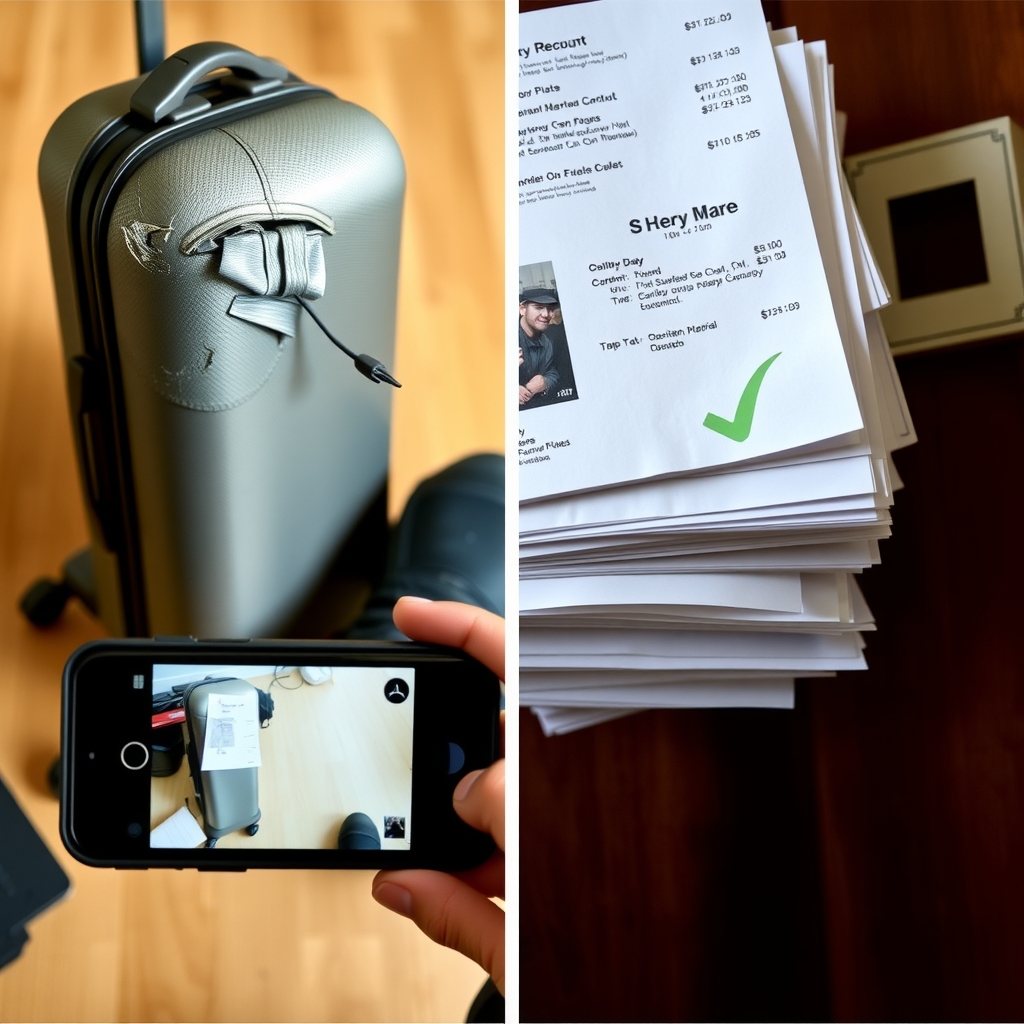
If you’ve lost receipts, don’t stress credit card statements, Amazon order confirmations, and even screenshots of similar items at the same retailer can substitute. The airline knows not everyone keeps receipts for every item.
Step 4: Know the Compensation Limits (By Carrier)
Compensation is capped by law, not by what your items actually cost. Understand your airline’s limits before you file:
| Airline / Carrier Group | Domestic Liability Limit | International Liability Limit | Higher Value Declaration Available |
|---|---|---|---|
| United, American, Delta, Southwest | ~$2,800 per bag | ~$1,300 (SDR 1,131) | Yes, additional fee may apply |
| JetBlue, Alaska, Frontier, Spirit | ~$2,800 per bag | ~$1,300 (SDR 1,131) | Yes, additional fee may apply |
| All U.S. Carriers (regulated) | ~$2,800 per bag | ~$1,300 (SDR 1,131) | Yes, additional fee may apply |
Limits are approximate for international flights and based on the Montreal Convention as of August 2026. SDR-based figures fluctuate with exchange rates. Verify current amounts with your specific carrier before filing, as regulations can shift.
Key point: If your actual loss is $5,000 but the limit is $2,800, you’ll receive $2,800. To claim more, you must have declared a higher value when you bought your ticket (usually $1–5 extra). This is why travelers with expensive luggage often file a value declaration at check-in.
Step 5: Follow Up and Track Your Claim
The airline has 30 days to acknowledge your claim. After that, response time varies: based on owner reports and published carrier timelines, most straightforward claims resolve in 4–8 weeks, though complex disputes can take longer.
Check on your claim:
- Weekly for the first two weeks (email or call the baggage office)
- Every two weeks after that
- Keep a log of every call and email names, dates, and what was said
Ask the airline:
- Has any documentation been received?
- What is the current status (under review, approved, pending more info)?
- When do they expect a decision?
If the airline goes silent for more than two weeks, escalate to the customer relations department. Be polite but firm: “My claim #12345 hasn’t been updated since [date]. I’ve submitted all documentation. Can you provide a timeline for resolution?”
Step 6: Understand Common Reasons Claims Are Denied (or Reduced)
Here are the mistakes that tank otherwise valid claims:
1. No proof of value – You say you lost a $2,000 watch but have no receipt. The airline offers $300 based on a similar generic model. Solution: Search for old purchase confirmations, bank statements, or online orders. If you really can’t find them, get a written quote from a jeweler or retailer valuing the same item.
2. Damage wasn’t reported at the airport – You get home, unpack, and find a shattered item. You file a claim three weeks later. The airline says they can’t prove the damage happened on their flight. Solution: Report all damage immediately, even minor cosmetic damage. Get it in the Incident Report.
3. Wear and tear confusion – Your five-year-old carry-on has a dented corner. You claim $400. The airline offers $50 because the bag was already used. Solution: For checked luggage, be realistic about depreciation. A new bag might cost $200, but a used one is worth less. Don’t claim full replacement cost if the bag was already worn.
4. Personal items not covered – You packed glasses, medication, or irreplaceable documents in checked luggage and lost them. The airline’s policy excludes certain categories. Solution: Always carry prescription medications, eyeglasses, and critical documents in your carry-on, not checked bags.
5. Inflation on claim amount – You claim $3,500 in items lost from a $600 bag. Red flag. Solution: Be honest. A carry-on bag holds roughly 10–15 items of typical travel clothing. Don’t claim inflated per-item values.
Step 7: Appeal a Denied or Low Claim
If the airline denies your claim or offers less than you believe is fair, you have options:
First appeal (internal):
- Email the airline’s baggage department with the subject “Appeal: Claim #12345”
- State clearly why you disagree (e.g., “I submitted receipts for all items, but you only compensated for three”)
- Attach any new documentation you’ve found
- Ask for a specific revised offer
- Expect a response in 2–4 weeks
Second appeal (external): If the airline refuses to budge, file a complaint with the Department of Transportation (DOT) via their Aviation Consumer Protection Division. This is free and carries weight airlines take DOT complaints seriously because multiple complaints can trigger federal review.
Third option (small claims court): For claims under $5,000–$10,000 (varies by state), file in small claims court. You’ll need your original claim documents, the airline’s denial letter, and proof that you served the airline properly. Small claims courts often side with consumers on baggage disputes when receipts are in order.
When to hire a lawyer: For losses exceeding $5,000 or disputes involving damaged high-value items (jewelry, cameras, instruments), consult a consumer rights attorney. Many offer free consultations and will take the case on contingency if they believe you have a strong claim.
How to Prevent Baggage Loss or Damage
Claiming compensation is easier than replacing items, but prevention is better:
- Use a trackable AirTag or Tile inside your checked bag. Many carriers now allow these and they help locate lost luggage.
- Get a durable checked bag with wheels and a solid shell (not soft-sided) damage claims are easier if the bag itself survives the trip.
- Take a photo of packed contents before checking the bag. If something goes missing, you have proof of what was inside.
- Don’t overpack fragile items in checked luggage. Carry breakable items on board if possible.
- Label your bag clearly inside and out with your name and phone number. If it’s found, the airline can contact you.
- Get baggage insurance for trips with expensive items. It costs $10–25 per trip but covers loss and damage beyond the airline’s limits.
- Declare high-value items at check-in. This costs $2–5 extra but raises your compensation limit if the bag is lost.

Frequently Asked Questions
How long does it take to get paid after my claim is approved? Once approved, expect payment in 1–3 weeks. The airline will mail a check or deposit funds to your original payment method. If they’re taking longer than four weeks after approval, call and ask about the payment status delays sometimes happen due to accounting backlogs.
Can I get compensation for flights I missed because my luggage was lost? Generally, no. U.S. airlines are liable only for the contents of the bag and the bag itself, not for indirect costs like missed connections, hotel stays, or replacement flights. Exception: some travel insurance policies cover these costs, so check your policy.
What if the airline says my bag was never scanned on the flight? Request the airline’s load documentation and baggage-handling records. If the bag truly wasn’t scanned, ask them to check unclaimed baggage systems and sister airline warehouses (bags sometimes end up on partner airlines). If it can’t be found after 14 days, file your loss claim. The airline’s inability to track the bag is their problem, not yours.
Do I need to keep a damaged bag as evidence? No, but take extensive photos first. Keep the photos in multiple places (cloud storage, email to yourself). Most airlines will issue a claim payout without requiring you to hold onto the bag, though they may ask to inspect it. Ask before throwing it away.
Can I claim for emotional distress or inconvenience? U.S. regulations allow compensation only for tangible losses (the items and the bag). Emotional distress, inconvenience, and lost time are not compensable under federal law. However, if the airline acted with gross negligence (e.g., deliberately damaged your bag), you could pursue a civil lawsuit for additional damages, though this is rare.
Airline baggage policies and compensation limits can change. Verify current limits with your specific carrier on their website before you travel, and check the DOT website for any recent regulatory updates.