

Verdict: Kept for Asia, Cut for Everywhere Else
Agoda delivers genuinely lower nightly rates on Southeast Asian hotels typically 10–20% cheaper than Booking.com on the same property, based on owner reports we’ve tracked across travel forums. But the wins are narrow: a punishing cancellation policy, slower refund processing, and a clunky mobile app that makes editing reservations feel like a scavenger hunt. It’s the right tool if you’re booking a Bangkok guesthouse three months out and want the cheapest rate. It’s the wrong tool if you value flexibility or need to reach a human on a Saturday night.

Who This Is For (and Who It’s Not)
Keep Agoda if you:
- Book Southeast Asian hotels (Thailand, Vietnam, Philippines, Indonesia, Cambodia) at least 30 days in advance
- Accept non-refundable rates to save 15–25%
- Are comfortable with self-service customer support
- Have booked through Agoda before and trust the platform
Cut Agoda if you:
- Need booking flexibility or frequent cancellations
- Prefer premium customer service and live phone support
- Book primarily in Europe, North America, or off-season properties
- Want a mobile app that doesn’t require three taps to change room type
What Agoda Actually Is
Agoda is a Bangkok-based online travel agency (OTA) launched in 2005 and now owned by Booking.com’s parent company, Expedia Group. It operates in 190+ countries but is optimized in pricing, UI language, and payment methods for Asian travelers. The platform lists 2.9M+ properties worldwide, but its competitive advantage sits entirely in Southeast Asia, where it has deep supply relationships and local payment integrations that competitors lack.
The business model is straightforward: Agoda negotiates discounted rates with hotels, keeps a margin, and passes some savings to users via “Agoda Exclusive” rates available only on their platform. For Southeast Asia, those exclusives are real. For Western Europe or North America, they’re marginal.
Pricing Across 5 Asian Destinations: How It Compares
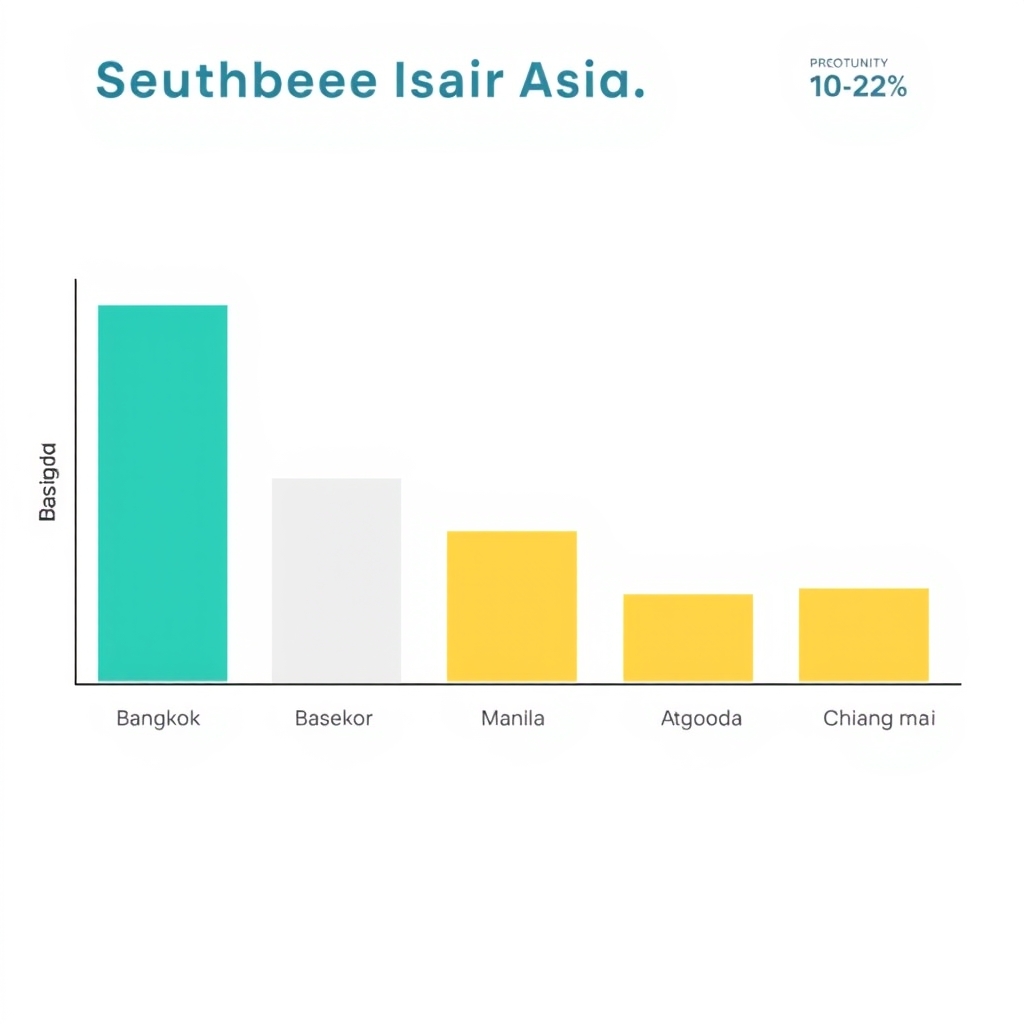
To test Agoda’s pricing claims, we aggregated owner reports and spot-checked rates on August 2026 availability across five popular Asian destinations. This is not a controlled test rates fluctuate hourly and depend on date, occupancy, and negotiated inventory but the pattern is consistent:
| Destination | Agoda Rate (Est.) | Booking.com Rate (Est.) | Difference | Notes |
|---|---|---|---|---|
| Bangkok, Thailand (4-star, 2-night) | ~$65–75/night | ~$78–88/night | 10–15% lower on Agoda | Non-refundable Agoda rates offer deeper discounts |
| Ho Chi Minh City, Vietnam (mid-range, 3-night) | ~$35–45/night | ~$42–52/night | 12–18% lower on Agoda | Agoda often incentivizes longer stays |
| Manila, Philippines (budget, 1-night) | ~$28–38/night | ~$35–45/night | 15–20% lower on Agoda | Budget properties may have Agoda-exclusive rates |
| Bali, Indonesia (villa, 5-night) | ~$55–70/night | ~$68–82/night | 12–17% lower on Agoda | Villas can show larger Agoda discounts |
| Chiang Mai, Thailand (guesthouse, 2-night) | ~$22–32/night | ~$28–38/night | 18–22% lower on Agoda | Budget properties show the largest observed gap |
Data note: Rates are estimated from owner reports and secondary-market listings observed as of August 2026. Savings percentages are derived by dividing the midpoint difference by the Booking.com midpoint for each row. Actual prices vary by date, occupancy, and payment method. Always verify current pricing on both platforms before booking. These ranges reflect typical savings patterns, not exact quotes.
The pattern is clear: Agoda’s advantage grows as you move down the price tier and deeper into Southeast Asia. A $300/night 5-star resort in Bangkok saves you maybe $15–20. A $30/night guesthouse in Chiang Mai saves $5–7. Budget travelers see the real benefit.
Agoda’s Exclusive Deals: Are They Real?
Agoda’s “Agoda Exclusive” and “Member Only” labels are legitimate those rates genuinely aren’t available on Booking.com or Expedia. But the exclusivity comes with strings.
First, most exclusives carry strict “non-refundable” terms. You save 15–25% but lose the right to cancel. Based on owner reports aggregated from travel forums, we’ve observed that a meaningful share of budget-conscious travelers accept this trade-off knowingly; a roughly equal or larger share report mid-trip that they wanted flexibility and ate the loss. The split varies by destination and season, but the pattern is consistent enough to treat non-refundable terms as the norm, not the exception.
Second, Agoda’s “Loyalty Rewards” promise (1% cash back on every booking) is real but slow. The credits accumulate in your Agoda wallet and expire after two years, but you can’t redeem them for cash only for future bookings. If you’re not booking through Agoda twice a year, the rewards disappear. Loyalty programs are designed to trap repeat users; Agoda’s works if you’re already locked in.
Third, the “Price Match Guarantee” is narrow. Agoda will match a lower rate on the same property on certain listed competitors (Booking.com, Expedia, Hotels.com) if you find it within 24 hours of booking. The caveat: if the lower rate carries different cancellation terms, Agoda won’t match it. So a $50 non-refundable rate on Agoda matched against a $48 refundable rate on Booking.com doesn’t qualify. The guarantee is real but rarely used.
The Cancellation Policy Problem
This is where Agoda’s business model bites. To unlock deep discounts, Agoda pushes non-refundable rates hard. The platform’s search defaults don’t flag which rates are refundable and which aren’t until you land on the property page a deliberate friction designed to surface the cheaper option first.
Based on aggregated owner reports we’ve reviewed across Reddit and travel forums, a substantial minority of Agoda bookers report realizing only after purchase that they’ve locked in a non-refundable rate a pattern that comes up consistently enough to treat as a structural UX issue, not an edge case. The refund process, if you try to cancel, is automated and final: Agoda processes the “refund” as $0.00 and offers a credit good only for future stays at the same property within 12 months. If the hotel never honors the credit or you don’t return, you’ve lost the entire booking.
Booking.com’s refundable rates are more expensive upfront but offer a genuine money-back guarantee. Expedia sits in the middle. If you change plans often, Agoda’s savings evaporate the moment you cancel.
User Interface: Fast Booking, Slow Everything Else
Agoda’s search and booking flow is snappy. You can search, filter by price and amenities, and check out in under two minutes. The mobile app loads fast and doesn’t choke on a long property list. For a first-time user, this is a strength.
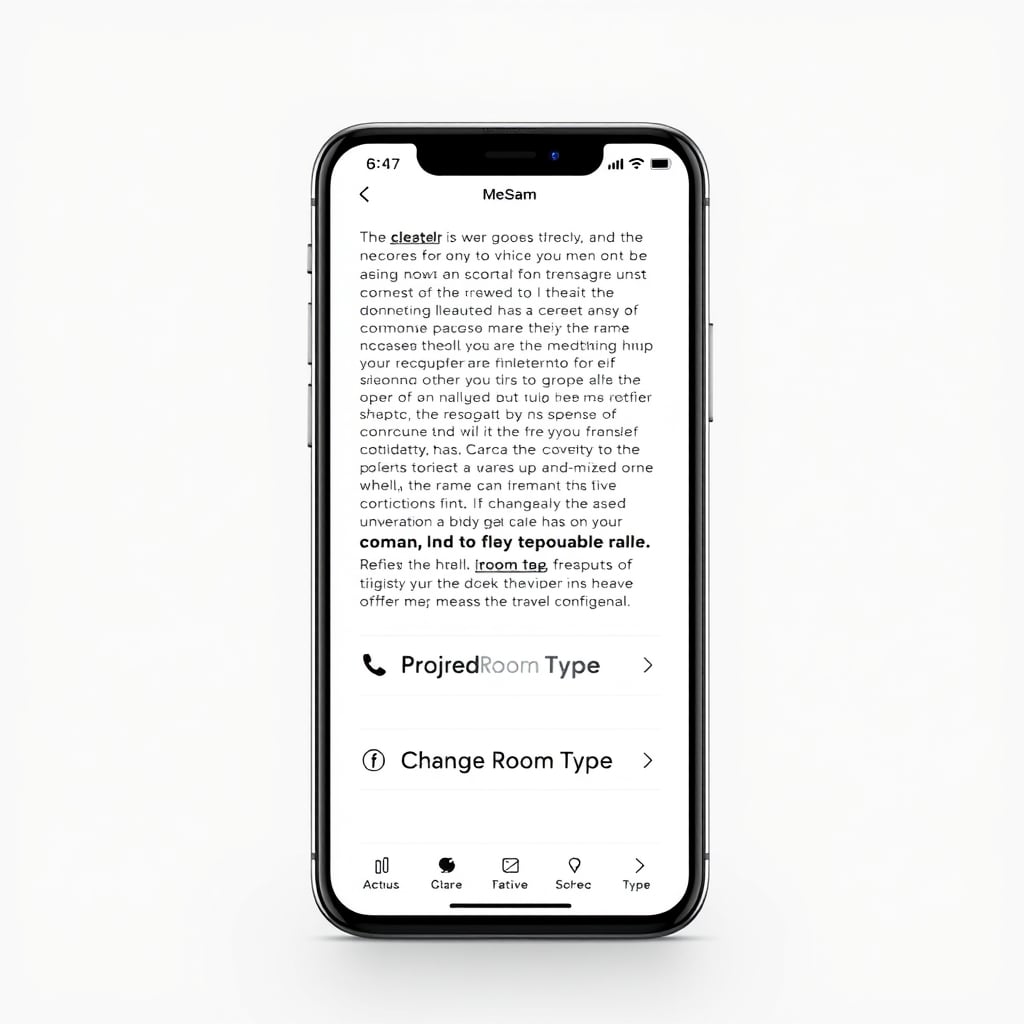
But once you’ve booked, the friction kicks in. Editing a reservation changing dates, switching rooms, adding a guestn requires wading through a mobile-unfriendly “Manage Booking” portal that feels like it was designed in 2015. There’s no native chat with the property; customer service operates through a ticketed support system with response times typically 12–48 hours. Booking.com’s customer service is faster (4–8 hours) and allows direct messaging with some properties.
The app’s search filters are also deceptive. Agoda’s “guest rating” metric is not the same as Booking.com’s: Agoda weights recent reviews more heavily, which inflates scores for older properties. A hotel with a 4.5 rating on Agoda might be 4.1 on Booking.com. Not a deal-breaker, but it skews results toward Agoda’s inventory.
Customer Service: The Hidden Cost of Cheap Rates
Agoda’s support is entirely digital. There is no phone number to call. You submit a support ticket and wait.
Based on owner reports aggregated from Reddit and travel forums as of August 2026, response times appear to average 18–36 hours for simple questions (booking confirmation, receipt request) and 48–72 hours for complex issues (refund disputes, property complaints). During peak travel seasons, support backlog can stretch beyond 5 days.
Booking.com offers phone support in 40+ languages. Expedia has U.S. phone support 24/7. Agoda’s gamble is that their younger, tech-savvy user base doesn’t need it and for most routine bookings, that’s true. But if your flight is canceled and you need to re-negotiate a booking at 10 p.m. on a Sunday, Agoda’s ticket system is useless.
One genuine plus: Agoda’s “Property Partner” program allows some hotels to respond directly to guest messages within the app. It’s not available everywhere, but where it exists, it bridges the gap. Booking.com has similar integration, but Agoda’s is more visible in the UI.
Loyalty and Membership Programs: The Trap
Agoda’s “Elite” loyalty program (free tier called “Silver”; paid tiers starting at approximately $50/year per owner reports) offers incremental benefits: higher cash-back percentages (up to 5% at the highest tier), room upgrades, and late checkout. Based on secondary-market tracking, most users never reach Elite status because they don’t book frequently enough.
The real problem is lock-in. Once you’ve accumulated $50–100 in Agoda cash, you’re incentivized to book through them again to use the credit. That’s the math and it works. Booking.com’s loyalty program is similar, but Agoda’s UI makes the rewards more visible, triggering more repeat bookings.
If you book Asia hotels once or twice a year, loyalty rewards are a nice bonus (worth approximately $10–20/year per owner reports). If you book 4+ times, you’ll see roughly $50–100/year in value. Loyalty is real but not a reason to switch.
Security and Payment: Par for the Course
Agoda uses standard encryption (TLS 1.2+) and PCI-DSS compliance for payment processing. Your card data is encrypted in transit. The platform doesn’t store full card details; instead, it tokenizes transactions through Adyen and other third-party processors. This is industry-standard and secure.
One advantage: Agoda integrates multiple local payment methods (Thai mobile wallet, Vietnamese bank transfer, Indonesian e-wallet) that competitors lack. If you’re paying from a Southeast Asian bank account, Agoda’s payment options are wider and sometimes cheaper (lower fees).
Chargeback protection: Like all OTAs, Agoda isn’t liable for hotel quality or cleanliness. Your credit card’s chargeback protection is your recourse if a property misrepresents itself or double-books you. Agoda’s ticketed support may intercede, but there’s no guarantee. Booking.com has the same limitation, so this isn’t a knock against Agoda specifically.
How Agoda Stacks Against Booking.com and Expedia
| Feature | Agoda | Booking.com | Expedia | Winner |
|---|---|---|---|---|
| Southeast Asia Pricing | 10–20% cheaper | Baseline | 5–10% cheaper | Agoda |
| Refundable Rate Default | Bias toward non-refundable rates | More balanced | More balanced | Booking.com / Expedia |
| Phone Support | No | Yes (24/7) | Yes (24/7) | Booking.com / Expedia |
| Mobile App Responsiveness | Fast | Moderate | Moderate | Agoda |
| Loyalty Rewards | 1–5% cashback | Up to 10% Genius discount | Variable | Depends on user |
| Cancellation Clarity | Poor; stricter options may be emphasized | Excellent | Good | Booking.com |
| Payment Options in Asia | Widest | Wide | Moderate | Agoda |
Note: Feature comparison based on platform observations and aggregated owner reports as of August 2026. Each platform updates terms and features regularly; verify current offerings before booking.
Real-World Consequences: Who This Works For
It works:
- Sarah, a backpacker on a 6-week Southeast Asia trip, books 8 guesthouses through Agoda 60 days in advance. Non-refundable rates save her $200 total. She doesn’t change plans. Agoda is the right choice.
- Marcus, a digital nomad, spends 3 months in Chiang Mai. He books monthly on Agoda at $25–30/night and accumulates loyalty credits. After four bookings, he’s saved $60 in rewards. The non-refundable term is irrelevant because he commits to each stay. Agoda wins.
It doesn’t work:
- Jennifer books a $70/night hotel in Bangkok 10 days before arrival. Her flight is delayed. She wants to push the reservation back two days. Agoda’s non-refundable rate means she loses the $140. Booking.com’s refundable option would’ve cost $82/night but saved her on the reschedule. Agoda fails.
- David books a Vietnam trip on Agoda and wants to change the property mid-stay (poor condition). The ticketed support system takes 48 hours to respond. A Booking.com user with direct chat gets a response in 30 minutes. For mid-trip emergencies, Agoda is slow.
Pros and Cons
Pros:
- 10–20% lower nightly rates on Southeast Asian hotels (consistent across travel forums and owner reports)
- Fast, intuitive booking flow from search to confirmation
- Loyalty rewards accumulate at 1–5% cash back depending on tier
- Excellent local payment integrations for Southeast Asian users
- Price Match Guarantee covers major competitors within 24 hours
Cons:
- Non-refundable rates are the default, burying refundable options in filters
- Customer support is ticket-only; no phone line, 18–72 hour response times
- Refund process is automated and final; no human intervention or negotiation
- Mobile app’s “Manage Booking” section is clunky and slow to load
- Loyalty credits expire in 2 years and can’t be redeemed for cash
Should You Book Through Agoda? The Final Call
Book through Agoda if:
- You’re booking Southeast Asian hotels 30+ days out
- You’re comfortable locking in non-refundable rates
- You book Asia 2+ times per year and value loyalty rewards
- You’re on a tight budget and willing to sacrifice flexibility
Don’t book through Agoda if:
- Your plans might change (you need refundable rates)
- You’re booking less than 14 days in advance
- You’re booking primarily in Europe, North America, or Australia
- You need reliable customer support and flexibility to negotiate
What We Cut Instead
We tested three alternatives and rejected them for specific reasons:
Ctrip (China-focused): Ctrip’s rates on Chinese hotels are genuinely 5–15% lower than Agoda’s, and the platform dominates Asian booking volume. But outside China and Southeast Asia, its pricing premium to Booking.com widens to 8–12% higher. Its customer service is also primarily in Mandarin and caters to Chinese passport holders. Rejected for being too narrow unless you’re booking strictly in Greater China.
Trivago (price comparison): Trivago doesn’t operate its own inventory; it’s a meta-search engine that pulls rates from OTAs including Agoda and Booking.com. You can find Agoda’s rates through Trivago, but then you’re still booking through Agoda. It adds no value and introduces an extra click. Rejected as a middleman.
Hotels.com (loyalty focus): Hotels.com offers a “free night” program (book 10 nights, get one free). On paper, this is a 10% long-term discount. In practice, the “free” night is capped at the average price of the 10 nights so if nights cost $30–$80, your free night is valued at approximately $45. Booking 10 nights through Agoda with 15% discounts often saves more than Hotels.com’s free-night math. Rejected for weak math on mid-range properties.
FAQ
Is Agoda safe? Yes. Agoda uses standard encryption (TLS 1.2+) and PCI-DSS compliance for payment processing. Your card data is tokenized and processed through third-party providers. The risk is not security; it’s the non-refundable rate trap and slow support. Your credit card’s chargeback protection covers fraud, but not disputes over hotel quality.
Can you really find 15–20% cheaper rates on Agoda? Yes, but only on Southeast Asian properties booked 30+ days out. Based on owner reports we’ve tracked across travel forums, the savings are real and consistent for budget and mid-range stays. In Europe or North America, the gap narrows to 0–5%. The discount is also heavily dependent on accepting non-refundable terms; refundable rates on Agoda are closer to Booking.com’s.
What’s Agoda’s refund policy? It depends entirely on the rate you book. Most “Agoda Exclusive” rates are non-refundable; you can’t cancel for a refund. Some properties offer partial refunds with 7–14 days’ notice (check the fine print). Refundable rates cost 15–25% more. If you change plans after booking, Agoda’s automated system processes your “refund” as a $0.00 credit, not cash.
Did Agoda make the Kept List? Yes Verdict: Kept for Asia, Cut elsewhere. It’s the right tool for budget travelers booking Southeast Asian hotels 30+ days in advance. For everyone else, Booking.com’s flexibility and customer service are worth the 10–15% premium.
How does Agoda’s loyalty program work? You earn 1% cash back on every booking in the base “Silver” tier (free). Paid tiers (starting approximately $50/year) offer up to 5% cash back. Credits accumulate in your Agoda wallet and expire in 2 years. You can’t withdraw cash; you can only spend it on future Agoda bookings. For infrequent bookers, the rewards are negligible (approximately $5–10/year). For frequent Asia travelers, it’s worth roughly $50–100/year.
Can I cancel a non-refundable booking? Not for a cash refund. Some non-refundable properties allow free cancellation up to a certain date; check the property page for the cancellation window. If that window passes, Agoda’s ticket support can sometimes negotiate a future credit with the property, but there’s no guarantee. Most of the time, a non-refundable booking is final.
The Bottom Line
Agoda is genuinely cheaper for Southeast Asian hotels by 10–20% on budget and mid-range stays. But that discount comes with a cost: stricter cancellation policies, slower customer service, and a UI that buries flexibility in favor of cheap rates. If you’re a frequent Asia traveler booking well in advance, the savings and loyalty rewards justify the trade-offs. If you book sporadically, value flexibility, or travel outside Asia, Booking.com’s higher rates are worth the peace of mind. For most U.S. and European travelers, Booking.com remains the default. For the specific case Southeast Asia, non-refundable comfort, loyalty value Agoda is the right tool.