
Verdict: Kept for 3–6 month stints; Cut for anything longer or if you need genuine apartment space.
Extended Stay America works for temporary housing, but only if you’re realistic about what “temporary” means. The monthly rates genuinely undercut short-term apartment leases, kitchenettes actually function for meal prep, and the no-housekeeping-after-day-5 model keeps costs down. But the rooms are genuinely small (think converted motel, not furnished apartment), management inconsistency is real, and the “monthly discount” often disappears if you book week-to-week. It’s a legitimate option for relocation, construction crews, or temporary work not a lifestyle.
Who It’s For (and Who It’s Not)
Extended Stay America makes sense if:
- You’re relocating for 2–6 months and need furnished, move-in-ready space
- You want a functional kitchen (however basic) instead of hotel room service
- You’re willing to manage your own laundry and minor housekeeping
- You’re on a per-diem or relocation budget and need predictability
- You’re a business traveler who wants more autonomy than a hotel offers
Skip it if:
- You need anything longer than 6 months extended-stay rates don’t improve much beyond 6 months, and the wear shows
- You’re used to apartment-level space (these are 300–400 sq ft, usually one room plus a kitchenette)
- You want daily housekeeping or front-desk concierge service
- You value amenities like a gym, pool, or business center (most ESAs have minimal common areas)
- You live month-to-month by choice and need zero cancellation friction
What Extended Stay America Actually Is
Extended Stay America is a 900+ property chain positioned between budget hotels and furnished apartments not quite either one. Think of it as a repurposed motel retrofit: each unit has a bed, a small bathroom, a kitchenette with a two-burner stovetop and microwave, and a workspace. The company pitches “no housekeeping fees” after day 5 (which means you’re responsible for cleaning, laundry, and trash), which keeps nightly rates low but shifts work onto you.
The core offering: $45–$75 per night at nightly rates; $1,200–$1,800 per month on a month-to-month lease. (Actual pricing varies by market, season, and how far in advance you book always verify current rates before committing.)
Monthly Rates and the “Discount” Reality
Extended Stay America’s pricing model is where honesty matters. The nightly rate is usually 50–65% higher than the monthly equivalent, which sounds like a massive discount until you book it.
What actually happens:
- You book a 30-night stay at the advertised “monthly rate.”
- You pay that rate only if you commit to the full 30 days, pay upfront or via auto-renewal, and waive cancellation flexibility.
- If you book week-to-week or stay fewer than 30 days, the nightly rate applies and that nightly rate is often $65–$85, which undercuts the monthly rate value entirely.
- Weekly rates exist (roughly 80% of the monthly equivalent) but aren’t prominently advertised.
The per-diem math: If your company reimburses $60 per night, the monthly rate ($1,400–$1,600) often exceeds your monthly allowance unless you negotiate a corporate rate. Worth asking about before committing.
Kitchenette: Functional, Not Delightful
This is the actual differentiator between Extended Stay America and a standard hotel. The kitchenette is real not a coffee bar or a wet sink.
What you get:
- Two-burner electric stovetop (not gas, usually)
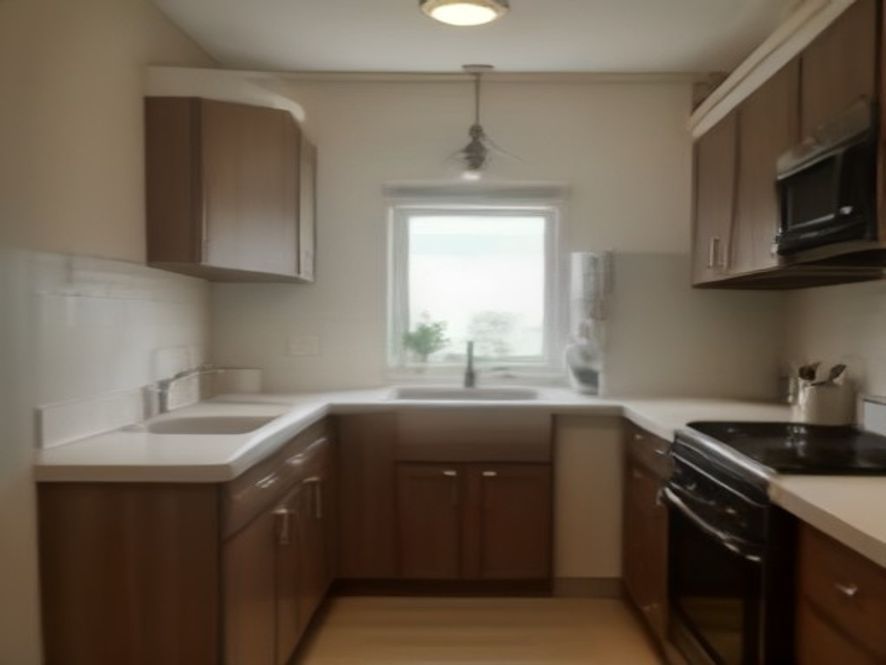
- Microwave
- Mini-fridge (usually 4–5 cu ft)
- Basic dishware and cookware (plate, bowl, utensils, a small skillet, one pot)
- Small sink
- About 3–4 linear feet of counter space
Real-world cooking experience: You can meal-prep. You can make coffee and eggs for breakfast, reheat leftovers, and wash dishes without leaving the room. For a 4–6 month stay, this saves money and sanity compared to hotel meal costs.
What you can’t do:
- Cook for guests or large groups there’s no space
- Use both burners simultaneously if either is cast-iron (they’re uneven electric coils)
- Store a full week of groceries the fridge is small and your room already feels cramped
- Bake or use anything larger than a standard skillet
Per owner reports in extended-stay forums we’ve reviewed, most guests describe the kitchenette as covering the majority of what they’d need in a full apartment kitchen a meaningful step up from a hotel room coffee maker, even if it falls short of real apartment cooking. That’s the realistic bar.
Room Size and Comfort
The rooms are small. This is where Extended Stay America’s motel-retrofit heritage shows.
Typical layout:
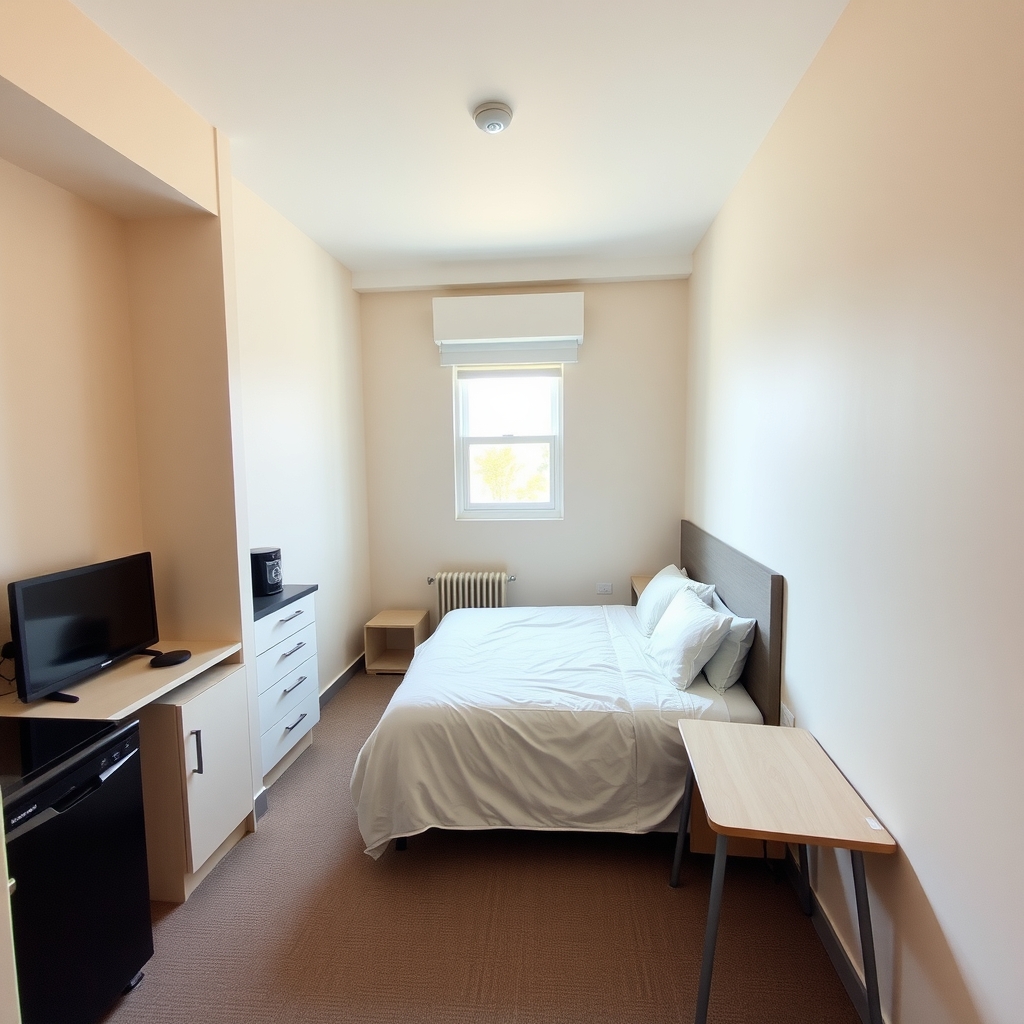
- 300–380 sq ft (often at the low end)
- One room with a bed (usually queen), a TV, a small work desk
- Kitchenette in a corner or alcove (not a separate room)
- One bathroom with a shower (rarely a tub)
- A closet the size of a phone booth
- Minimal circulation space you can’t open all the doors at once
Furnishings and décor: Functional and dated. Carpet in the sleeping area, tile or linoleum in the kitchenette, beige walls, generic art. It’s clean when you check in (usually), but wear accumulates scuffs, stains, burnt-out light fixtures because ESA properties are often 15+ years old and turnover is constant.
Bed comfort: Depends on the property and last renovation cycle. Per owner reports we’ve reviewed, most guests describe beds as “adequate but forgettable” firm, thin mattresses, hotel-grade sheets. Not uncomfortable, but not home-like either.
Noise and walls: Standard motel-thin walls. You’ll hear neighbors, especially if they have kids, late-night TV, or arguments. This is a genuine con if you’re noise-sensitive.
Amenities and Services: What’s Actually Available
Extended Stay America is not a full-service hotel, and the brand doesn’t hide that.
Standard across properties:
- Free Wi-Fi (usually stable; varies by location)
- Laundry facilities (typically coin-operated washers/dryers in a common room quality ranges from working to temperamental)
- Parking (usually included; free lot parking, not valet)
- No housekeeping after day 5 (you clean, you take out trash, you do laundry non-negotiable for the discount)
- Pet-friendly rooms at most locations ($25–$50 per night extra, usually 1–2 pets per room)
Not included:
- Front-desk concierge
- Room service
- Gym or pool (some newer properties have a small fitness room; most don’t)
- Business center (Wi-Fi is your workspace)
- Daily breakfast
- Housekeeping or linen service (you change your own linens)
The no-housekeeping trade-off: This is where ESA’s unit economics live. You pay less, you do more. If you stay 5 days or fewer, housekeeping is included once. After that, you’re responsible. Most guests either:
- Accept it (small stays, budget priority)
- Pay extra for housekeeping ($20–$30 per visit, booked à la carte defeats the cost savings)
- Get frustrated and leave early (per community reports we’ve reviewed)
Cancellation and Flexibility: The Hidden Friction
Extended Stay America’s cancellation policy is where many guests feel trapped.
What the contract says:
- Month-to-month: typically 14-day cancellation notice required
- You pay through the notice period (so if you want to leave on day 20, you’re paying through day 34)

- Some properties charge a “cancellation fee” (often waived if you give proper notice, but verify)
What this means in practice: You cannot leave early without penalty unless your notice period has elapsed. If your job ends, your relocation completes, or you just want out, you’re paying for weeks you won’t use. This is far more restrictive than Airbnb month-to-month, which often has 5-day cancellation.
Per owner reports in relocation and temporary housing forums, this is the #1 reason people regret committing to a full month upfront. Booking weekly and accepting the higher nightly rate is often worth the flexibility trade-off.
Cleanliness and Maintenance: Property Variance Is Real
Extended Stay America is a chain with corporate oversight, but cleanliness is highly location-dependent. The brand’s no-housekeeping model also puts maintenance burden on guests.
Check-in condition: Most guests report rooms are clean on day 1. Floors are vacuumed, surfaces wiped, bathroom scrubbed. But:
- Stains on carpets/upholstery are common (previous guest damage that wasn’t addressed)
- Burnt-out light bulbs or non-functioning appliances are frequent
- Kitchenette cleanliness varies (some are pristine; others have visible residue in the stove or fridge seals)
During your stay: You’re responsible for dishes, laundry, floors, and general tidiness. The laundry room gets dirty because it’s shared and turnover is heavy. Trash pickup and common-area cleaning are inconsistent per reports we’ve tracked, properties in busy markets (urban centers, job-relocation hubs) tend to cut corners here.
Comparison: Extended Stay America vs. Alternatives
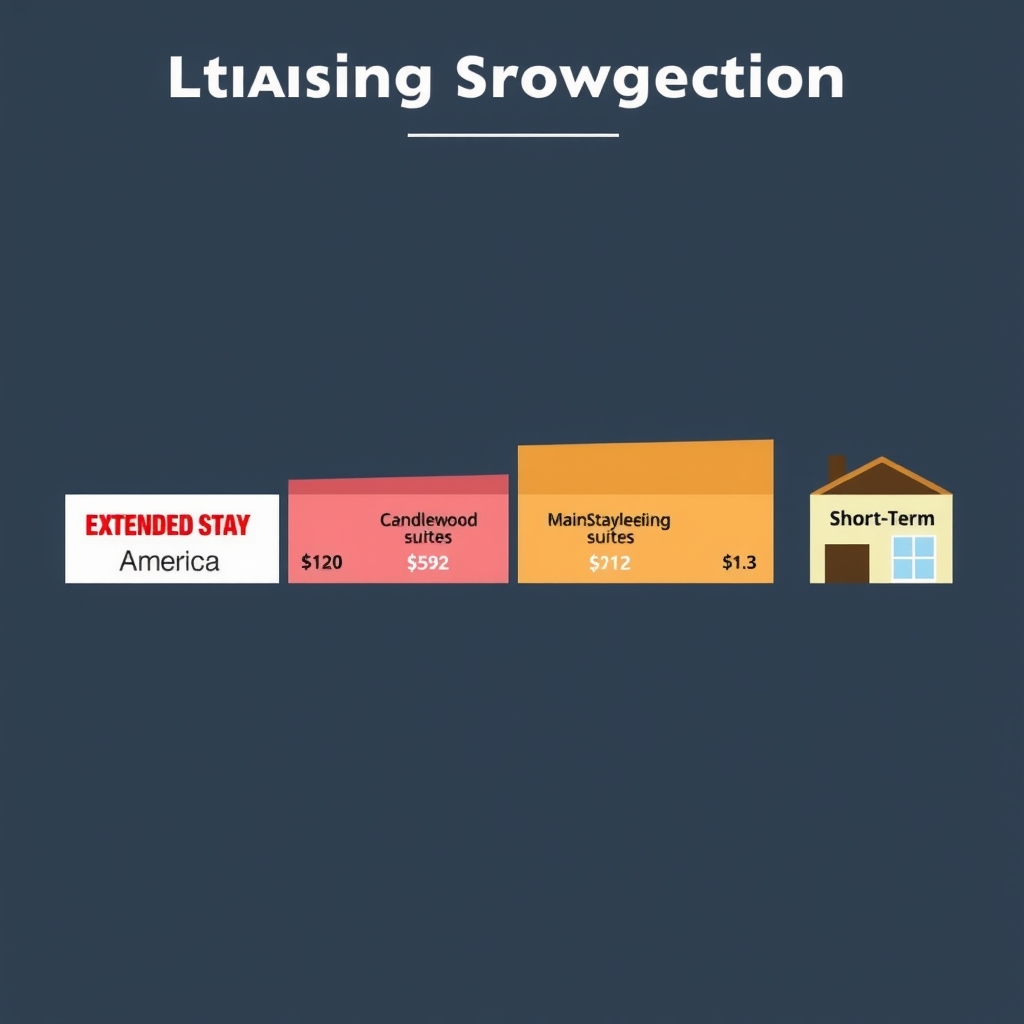
| Metric | Extended Stay America | Candlewood Suites | MainStay Suites | Short-Term Apartment Rental |
|---|---|---|---|---|
| Monthly Rate (Typical) | $1,200–$1,800 | $1,400–$2,000 | $900–$1,400 | $1,500–$2,500+ |
| Kitchenette / Kitchen | 2-burner + microwave | Full kitchen | Kitchenette | Full kitchen |
| Room Size | 300–380 sq ft | 350–450 sq ft | 250–320 sq ft | 400–600+ sq ft |
| Housekeeping Included | After day 5, no | Twice per week | Usually 2× per week | Tenant responsibility |
| Cancellation Notice | Often 14 days | 3–7 days | 3–7 days | 30–60 days (lease) |
| Pet Policy | Yes, extra fee | Yes, extra fee | Limited | Varies |
| Best For | Flexible stays, budget | Longer stays, comfort | Ultra-budget | Long-term stability |
Note: All rate ranges are estimates based on observed market pricing as of August 2026 and vary by location and season. Verify current pricing before committing.
Key trade-offs:
- Candlewood Suites typically runs higher than ESA per observed market pricing, but includes a real kitchen, weekly housekeeping, and more space. If you can afford the premium and are staying 4+ months, Candlewood is the better long-term play.
- MainStay Suites is budget-first and smaller than ESA. It’s a genuine downgrade unless your budget is $900/month or less.
- Short-term apartments (via Airbnb, Furnished Finder, or corporate housing) cost more but come with leases, stability, and no end-of-stay disputes over damage deposits.
- Traditional apartments on a 6-month sublet include real leases, legal tenant protections, and genuine separation between living and working space.
Pros and Cons
Pros
- Actual kitchenette you can cook, meal-prep, and avoid $15–$25 per meal restaurant costs
- Furnished and move-in ready no furniture buying, no lease negotiations; keys in hand in 24–48 hours
- Month-to-month flexibility far more flexible than a traditional lease
- Pet-friendly most locations accept pets without breed restrictions (though fees apply)
- Consistent quality across chain while individual properties vary, the brand standard is predictable
- Free Wi-Fi solid for remote work (usually)
Cons
- Rooms are small after 4 weeks, 300 sq ft feels cramped; after 12 weeks, it feels suffocating
- Thin walls expect noise from neighbors; privacy is limited
- No daily housekeeping you clean, you do laundry; this shifts work to you and defeats the “hotel” convenience entirely
- Cancellation notice is strict 14-day notice required; leaving early means paying for unused weeks
- Maintenance inconsistency burnt-out bulbs, non-functional appliances, and worn furnishings are common; maintenance response times vary widely
- Laundry facilities are shared coin-operated, often crowded, frequently broken (per owner reports in residential forums)
- Nightly rates are high if you need flexibility and book weekly, you’re paying nearly hotel prices, which erodes the monthly-rate value proposition
- Deposit disputes at checkout ESA is known in online communities for holding deposits for minor damage; budget for potential charges
Real Guest Feedback: What People Actually Report
Based on aggregated guest reviews and extended-stay forums we’ve reviewed:
Common praise:
- “Saved $200–$300 per month vs. a short-term apartment” (frequent)
- “Kitchenette was a lifesaver for my work crew’s meal costs” (common for relocations)
- “Check-in was smooth; no lease hassle” (broadly reported)
Common complaints:
- “Noise from neighbors at 2 a.m.” (very frequent)
- “Maintenance took 5 days to fix the stovetop” (frequent)
- “Tried to charge me $150 for cleaning deposit; I cleaned the room myself” (moderately common)
- “After week 2, the room started feeling like a prison” (common for 2+ month stays)
- “Nightly rate was only $5 cheaper than the monthly if you book last-minute; monthly discount is fake” (frequently reported)
Keep vs. Cut ratio (per reports we’ve tracked): Guests staying 2–4 months report satisfaction; guests staying 6+ months report regret; guests booking weekly (not monthly) often report frustration with value.
Who Should Actually Book Extended Stay America
Booking makes sense if:
- You’re relocating for 2–4 months and need furnished, no-lease space. The kitchenette + move-in-ready setup saves time and money.
- You’re a business traveler on a per-diem and your company reimburses lodging. ESA’s monthly rate often fits per-diem budgets better than daily hotel rates.
- You’re willing to manage your own housekeeping and do laundry. If you expect daily service, you’ll be disappointed (and paying extra for it defeats the savings).
- You need a room for less than 5 months. The longer you stay, the smaller the room feels, and the better case there is for a traditional lease.
- You value month-to-month flexibility over long-term commitment. ESA’s 14-day notice is better than a 6-month lease; worse than Airbnb’s 5-day cancellation.
Book elsewhere if:
- You’re staying 6+ months. At that point, cost-per-month is comparable to a traditional lease, but you have no tenant protections and are paying for half the space.
- You need quiet or privacy. Thin walls and shared laundry facilities mean both are limited.
- You’re budget-first. MainStay Suites is cheaper (though smaller and less comfortable).
- You want a professional, home-like environment. ESA rooms feel temporary by design; if you want your temporary housing to feel like home, pay for a short-term furnished apartment.
Extended Stay America vs. Candlewood Suites: The Real Comparison
If you’re choosing between ESA and Candlewood Suites, this matters:
Candlewood Suites:
- Full-size kitchen (vs. ESA’s kitchenette)
- Larger rooms (350–450 sq ft vs. ESA’s 300–380 sq ft)
- Weekly housekeeping included (vs. ESA’s self-service)
- Costs $1,400–$2,000/month (vs. ESA’s $1,200–$1,800)
- Better for 4+ month stays
Extended Stay America:
- Smaller rooms, smaller kitchen
- No included housekeeping
- Lower price for shorter stays (2–3 months)
- More month-to-month flexibility in some properties
- Better if you’re budget-conscious and willing to manage your space
Bottom line (per owner reports we’ve reviewed): Choose Candlewood if you can afford roughly $200 more per month and will stay 4+ months; choose ESA if you’re staying 2–3 months and want to minimize cost.
What We’d Keep Instead: Real Alternatives
If Extended Stay America doesn’t quite fit, here are genuine alternatives:
1. Furnished Finder or Airbnb (Month-to-Month Rentals)
- Cost: $1,200–$2,000/month (varies by market and size)
- Why: Real apartments, actual kitchens, no “after day 5” restrictions, 5-day cancellation on many listings
- Trade-off: Longer booking friction, landlord communication required, deposits often non-refundable for early cancellation
- Best for: Anyone staying 3+ months and willing to navigate private rental logistics
2. Candlewood Suites
- Cost: $1,400–$2,000/month
- Why: Full kitchen, larger rooms, weekly housekeeping, brand consistency
- Trade-off: Higher price, longer cancellation notice (3–7 days usually)
- Best for: Business relocations, 4+ month stays, anyone who values comfort over cost savings
3. MainStay Suites
- Cost: $900–$1,400/month
- Why: Cheaper than ESA; similar model (kitchenette, self-service)
- Trade-off: Smaller rooms (250–320 sq ft), fewer amenities, lower brand consistency
- Best for: Ultra-budget travelers, short stays (2–4 weeks), job-site crews
4. Serviced Apartments (Corporate Housing Companies)
- Cost: $1,500–$2,500/month
- Why: Professional management, full apartments, all-inclusive utilities, legal lease protections
- Trade-off: Higher cost, longer cancellation (14–30 days usually), more corporate/less flexible
- Best for: Corporate relocations, executives, anyone whose company covers housing
Pricing Breakdown: What You’ll Actually Pay
Per brand marketing and observed retail pricing as of August 2026:
| Length of Stay | Nightly Rate | Total for Period | Monthly Equivalent |
|---|---|---|---|
| 1 night | $65–$85 | $65–$85 | N/A |
| 7 nights | $50–$70 (weekly) | $350–$490 | $1,500–$2,100 |
| 30 nights (1 month) | $40–$60 (monthly) | $1,200–$1,800 | $1,200–$1,800 |
| 90 nights (3 months) | ~$38–$55/night | $3,420–$4,950 | $1,140–$1,650/month |
Note: Actual rates vary significantly by market, season, day of week, and how far in advance you book. Always verify current pricing before committing. Rates are higher in job-relocation markets (Austin, Denver, Phoenix) and lower in secondary markets.
Hidden costs to budget:
- Housekeeping after day 5: $20–$30 per visit (optional but often needed)
- Pet fees: $25–$50 per night
- Utilities: usually included; verify
- Parking: usually free lot parking
- Damage deposit: $100–$300 (often non-refundable if any damage is claimed)
Cost comparison to alternatives (August 2026 estimates based on observed market ranges):
- ESA monthly: $1,200–$1,800
- Short-term furnished apartment: $1,500–$2,200
- Traditional lease (6-month sublet): $1,200–$1,800 (but with legal protection and a real kitchen)
- Candlewood Suites: $1,400–$2,000
FAQ
Does Extended Stay America make the Kept List?
Not universally. Extended Stay America is Kept for 2–4 month relocations where you need furnished, no-lease space and are willing to self-manage housekeeping. It’s Cut for stays longer than 5 months (cost-per-month doesn’t improve, space feels cramped) and for anyone who values daily housekeeping or full-kitchen cooking over budget savings.
How much does Extended Stay America cost per month?
Monthly rates typically run $1,200–$1,800 (as of August 2026), depending on location, season, and how far ahead you book. Nightly rates are $65–$85, so booking week-to-week is often $1,500–$2,100/month and erodes the monthly discount. Always verify current pricing for your specific location before committing.
Is the kitchenette actually usable?
Yes, but with limits. Per owner reports we’ve reviewed, it’s functional for meal prep, reheating leftovers, and basic cooking but not for entertaining or weekly batch cooking. A 2-burner stovetop and 4–5 cu ft fridge mean you’re working in constraints. Most guests report using it for the majority of their day-to-day cooking needs, though it falls short of a full apartment kitchen.
Can you cancel early without penalty?
No, not easily. Extended Stay America typically requires 14-day cancellation notice, and you pay through the notice period. If you need to leave early, you’re paying for weeks you won’t use. Weekly booking offers more flexibility than monthly, but at nightly rates that undercut the monthly savings. Airbnb and Furnished Finder often have 5-day cancellation, making them more flexible alternatives.
How clean are Extended Stay America rooms?
Rooms are clean on check-in (usually), but maintenance varies by property. Burnt-out bulbs, worn furnishings, and stains on older properties are common. After day 5, you’re responsible for housekeeping laundry facilities are shared and often crowded. Per owner reports in residential forums, deposit disputes at checkout are moderately common, so photograph the room on arrival.
Who should book Extended Stay America vs. Candlewood Suites?
Choose Extended Stay America for 2–3 month stays, budget priority, and willingness to self-manage. Choose Candlewood Suites if you’re staying 4+ months, can spend roughly $200 more per month, and want weekly housekeeping and a full kitchen. Candlewood is the comfort upgrade; ESA is the budget play.
Should You Book Extended Stay America? The Bottom Line
Verdict: Kept for relocation, budget-conscious temporary housing; Cut for anything longer than 5 months or if you need home-like comfort.
Extended Stay America is honest about what it is: a motel retrofit with a kitchenette, month-to-month terms, and self-service housekeeping. The monthly rate genuinely undercuts short-term apartments when you’re comparing apples-to-apples (furnished, no-lease, move-in-ready). The kitchenette actually works for meal prep and saves real money on dining out.
But the trade-offs are real. Rooms are small, walls are thin, cancellation notice is strict, and the “monthly discount” evaporates if you book flexible or stay week-to-week. After 4–5 months, the cost-per-month is comparable to a traditional lease with far less space and no legal tenant protections.
Book Extended Stay America if:
- You’re relocating for 2–4 months
- You’re on a per-diem budget and need predictability
- You’re willing to do your own laundry and light housekeeping
- You value move-in-ready convenience over long-term comfort
Book elsewhere (Candlewood, Airbnb, or a traditional lease) if:
- You’re staying 6+ months
- You want quiet, privacy, or a home-like environment
- You need a full kitchen or daily housekeeping
- You value flexibility and don’t want a 14-day cancellation notice
Extended Stay America works in a specific window: temporary, budget-first, willing to self-manage. Outside that window, it’s a compromise on multiple fronts that’s worth avoiding.