
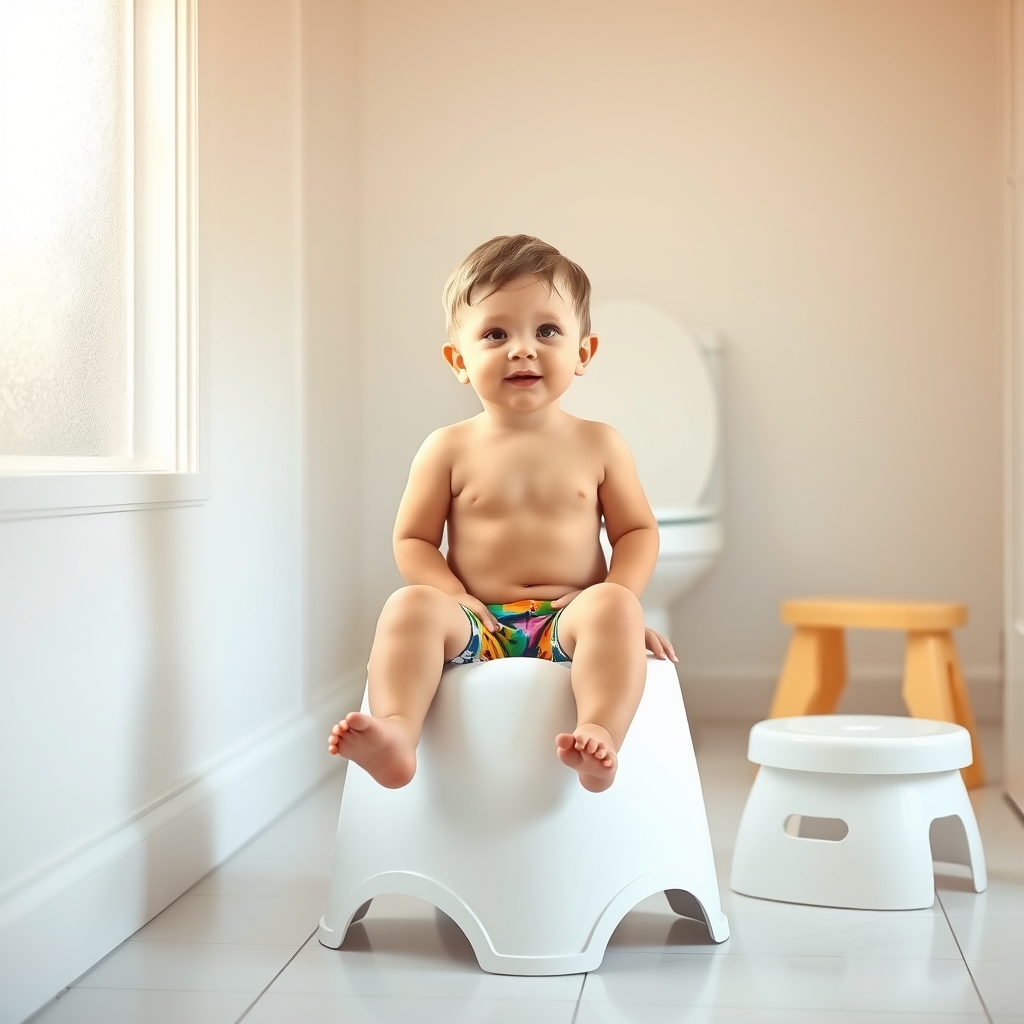
Potty training is teaching your child to recognize bodily signals and use the toilet independently instead of diapers. Most children show readiness between 18 and 36 months, though every child develops at their own pace. The entire process typically takes 3 to 6 months, though some children take longer and that’s normal.
This guide walks you through recognizing true readiness, choosing a method that fits your family, implementing positive reinforcement without pressure, and troubleshooting the inevitable setbacks.
What You Need Before Starting
You don’t need much, but a few items make the process smoother:
- Child-sized potty seat or seat reducer. A standalone potty chair (such as the Baby Björn Potty Chair or a Summer Infant seat reducer) works well if your child is small; a seat reducer that fits on your regular toilet is more compact and mirrors what they’ll eventually use. We haven’t independently tested these products; they’re included based on consistently positive owner reports and wide availability.
- Step stool. Lets your child climb up safely and feel in control.
- Training pants or underwear. Some families skip straight to underwear; others use pull-ups as a bridge. Pull-ups feel more like diapers to some children, which can blur the signal. Regular underwear sends a clearer message: you’re in big-kid territory now.
- Books about potty training. Potty by Leslie Patricelli or Everyone Poops by Taro Gomi normalize the process and give your child language to talk about it.
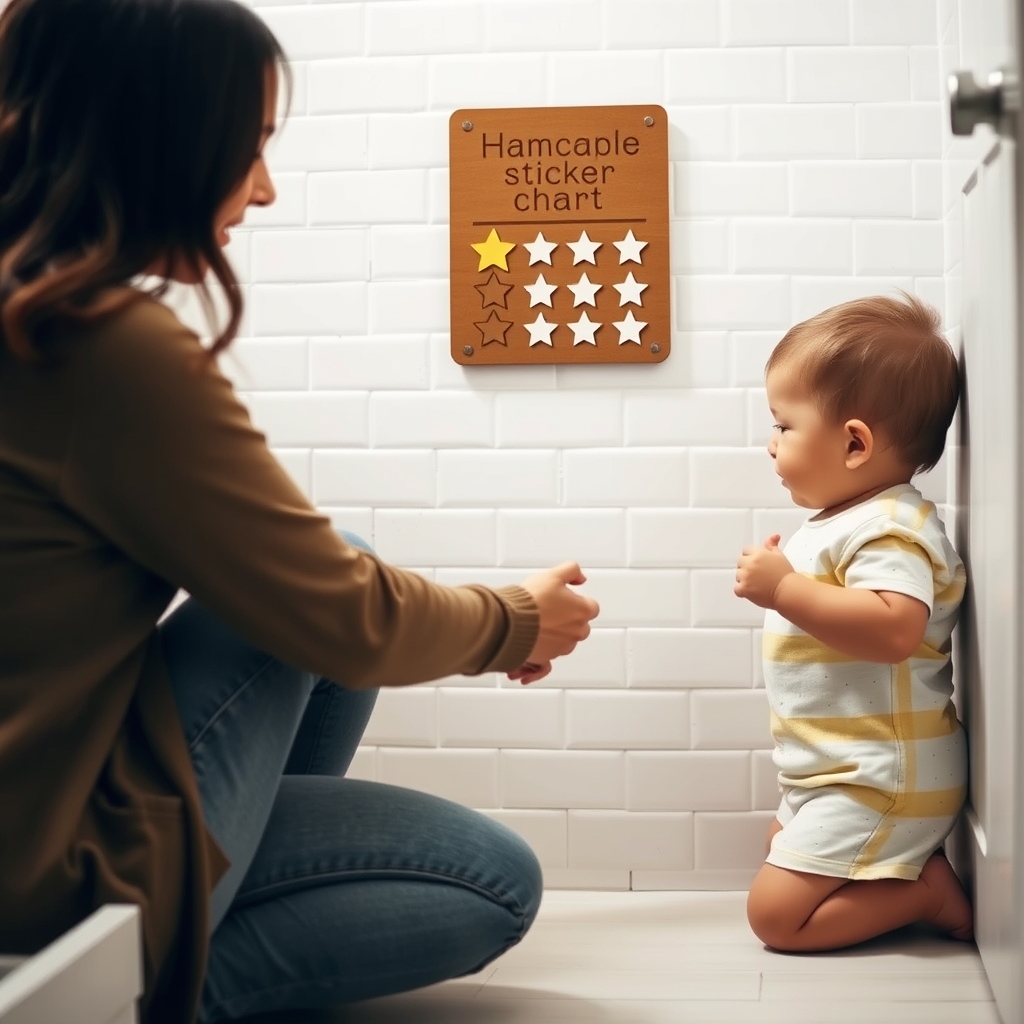
- Rewards chart or stickers. Optional, but a visual tracker especially one your child helps decorate can maintain motivation without pressure.
- Nighttime protection. A waterproof mattress pad and nighttime pull-ups, kept separate from daytime training.
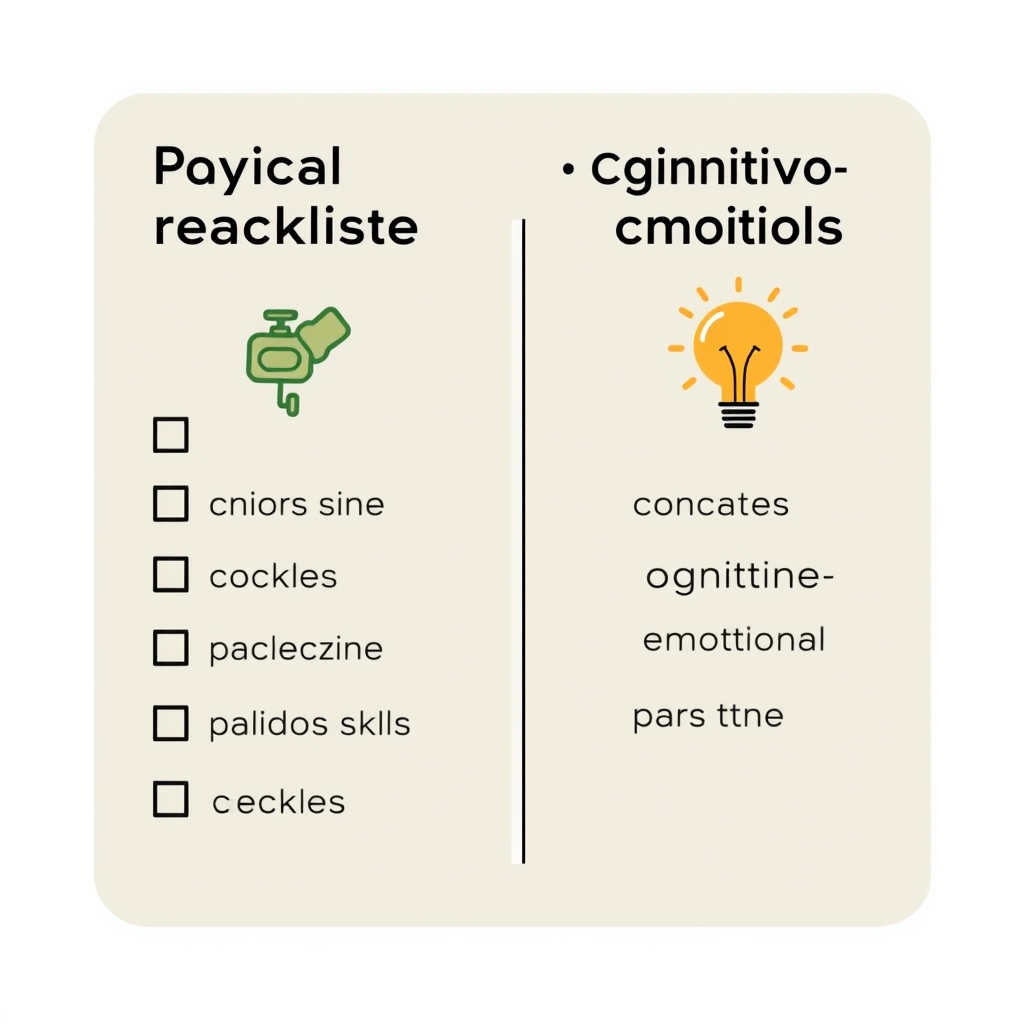
Recognizing Potty Training Readiness: The Real Checklist
The biggest mistake parents make is starting too early based on age alone. Readiness is a constellation of developmental signs, not a calendar date.
Physical readiness signs:
- Stays dry for at least 2 hours during the day (a sign the bladder is maturing).
- Shows interest in the bathroom or in wearing underwear.
- Can follow simple two-step instructions (“Go get your shoes and put them by the door”).
- Has developed enough motor control to sit still for short periods.
Cognitive and emotional readiness signs:
- Can recognize and communicate the urge to go (might say “pee” or “poop,” or might just grab their diaper).
- Shows interest in what others are doing in the bathroom.
- Expresses discomfort with a dirty or wet diaper (wants to be changed immediately).
- Can tolerate small changes to routine without major meltdowns.
The readiness you cannot fake: intrinsic motivation. If your child resists, seems anxious, or shows regression after a stressful event (new sibling, move, parent separation), pause. Forcing a child who isn’t ready typically extends the process and creates power struggles.
The Common Myth: “18 Months Is the Target Age”
Not really. Age 18 months is early for most children. Based on widely reported pediatric guidance including positions associated with the American Academy of Pediatrics most children tend to be ready between 24 and 36 months. Some aren’t ready until age 4, and that’s still within normal range. Starting at 18 months works for some children usually those with older siblings who model it but it’s not a magic milestone. Readiness is individual.
Step-by-Step Potty Training Methods
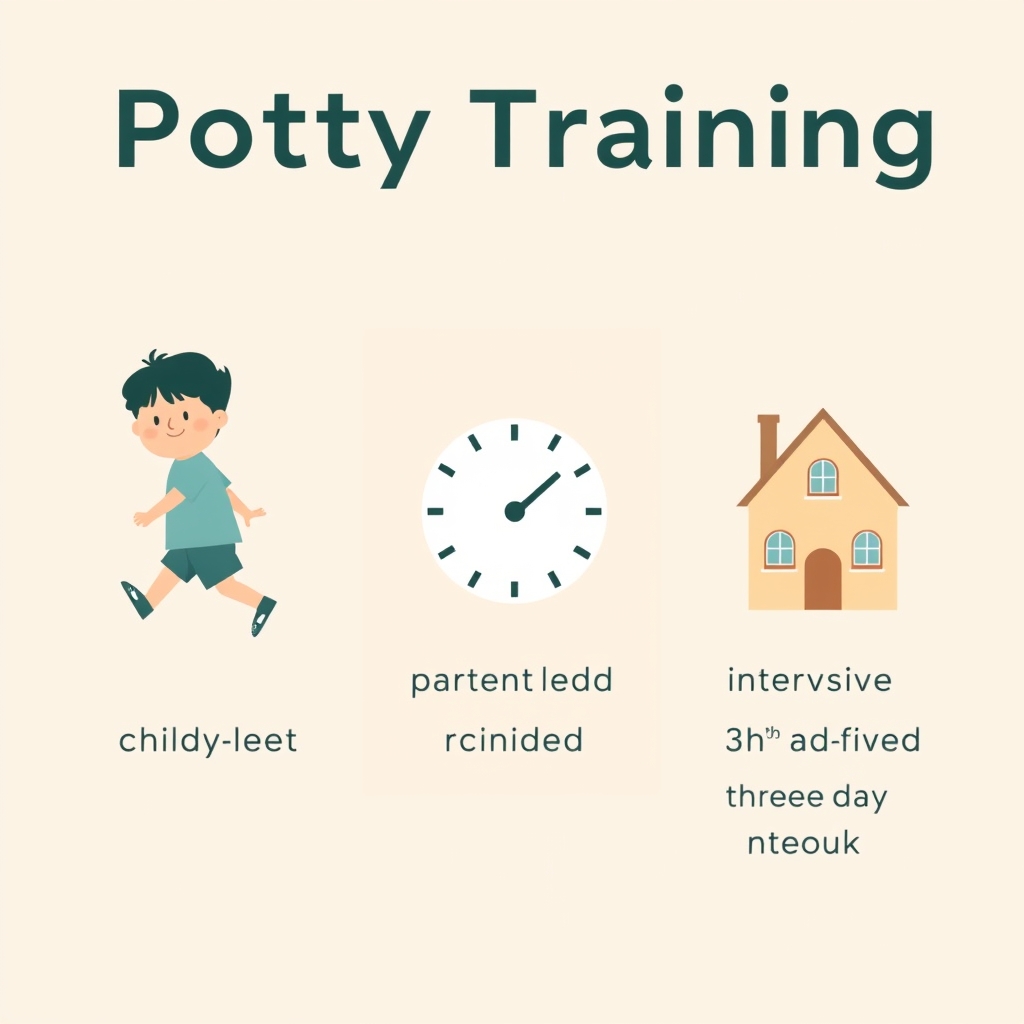
Child-Led (Responsive) Approach
This method follows your child’s lead and respects their pace.
Step 1: Normalize the toilet. Let your child come into the bathroom with you (if you’re comfortable). Read books about potty training during diaper changes. Talk matter-of-factly about what their body does. No shame, no cutesy language just “People pee and poop in the toilet.”
Step 2: Introduce the potty without pressure. Offer a potty chair or seat reducer in the bathroom. Let them sit fully clothed at first, just to get used to it. Celebrate sitting, not producing. “You sat on the potty awesome!”
Step 3: Offer at natural times. Before bed, after meals, before leaving the house. Offer without insisting. “Do you want to try the potty?” If they refuse, move on without frustration.
Step 4: Notice patterns and offer proactively. Over days or weeks, you’ll see when they usually pee or poop. Suggest the potty just before those times. “I notice you usually poop after lunch. Do you want to try?”
Step 5: Transition to underwear only when they stay dry consistently. Once they’re using the potty regularly even if not every time consider switching to underwear. Some families do this gradually (underwear at home, pull-ups out).
Step 6: Handle accidents with calm, zero shame. “Oops, pee went in your underwear. That happens when bodies are learning. Let’s clean up and try the potty next time.” Never punish or express disappointment.
Parent-Led (Scheduled) Approach
This method works well for structured families or when you have a deadline (starting preschool).
Step 1: Choose a start date. Pick a calm period no major changes coming. Announce it matter-of-factly: “Next Monday, we’re going to practice using the potty.”
Step 2: Establish a routine. Potty sits at consistent times: morning after waking, before bed, before leaving, and after meals. Sit for 5 minutes max. Bring a book or sing a song so it’s not boring.
Step 3: Use positive reinforcement consistently. Praise effort and calmness, not just success. “You sat so nicely and listened to a story!” If they produce, celebrate but keep it proportionate. Over-the-top reactions can make accidents feel like failures.
Step 4: Move accidents to a neutral narrative. “Accidents are part of learning. Let’s clean up together.”
Step 5: Gradually increase independence. Once they’re comfortable sitting, teach wiping (front to back for girls), flushing, and hand-washing. Let them do as much as they can; you fill in the gaps.
Step 6: Extend duration. If starting with pull-ups, move to underwear once you have several dry days in a row.
Three-Day Method (Intensive Approach)
Some families use a concentrated, high-attention approach over a weekend.
Step 1: Commit 3 days to staying home. Stock easy-cleanup clothing and snacks. Make it low-pressure but present.
Step 2: Offer frequent potty sits (every 30–60 minutes) and lots of fluids so there are more opportunities to succeed.
Step 3: Keep celebrations modest. The goal is normalcy, not hype.
Step 4: Be prepared for regression. Kids trained intensively sometimes regress within weeks. This approach works for some families but requires follow-through.
Choose the method that matches your temperament and your child’s. Child-led usually takes longer but creates fewer power struggles. Parent-led is more structured. The three-day method is fast but can feel intense.
Positive Reinforcement Without Pressure
This is the critical balance. Positive reinforcement means celebrating effort and wins; pressure means making your child feel ashamed of accidents or dependent on your approval.
What works:
- Immediate, specific praise: “You peed in the potty! Your body told you it was time, and you listened.” (Not: “You’re such a good girl!” that makes success conditional on your reaction.)
- A sticker chart your child decorates and maintains (not one you control as leverage).
- Small, predictable rewards unrelated to toileting: picking the next snack, choosing a story at bedtime.
- Celebrating independence: “You can wash your hands all by yourself now!”
What backfires:
- Making accidents a source of shame (“You’re too big for accidents”).
- Withholding affection or approval based on potty success.
- Over-celebrating success so much that accidents feel catastrophic.
- Using rewards as bribes (“If you poop on the potty, you get a toy”) rather than recognizing what they’ve already done.
Common Challenges and How to Handle Them
Accidents and Regression
Accidents are normal during the entire learning phase sometimes for months. A child might have three dry days, then wet the bed or have a daytime accident. This is not backsliding; it’s how learning works.
Regression (reverting to diapers after weeks or months of success) often signals stress: new sibling, starting school, parental conflict, or illness. Respond by returning to pull-ups calmly, addressing the stressor, and trying again when life settles.
Action: Clean up quickly with neutral language. Change clothes. Move on. Do not shame, scold, or make your child sit on the potty longer as punishment. These responses can create anxiety around toileting that extends the process by months.
Resistance or Fear
If your child refuses to sit, is scared of flushing, or panics on the potty, forcing it will backfire. Fear is real to them, even if it seems small to you.
What to do: Pause formal training. Let them observe without pressure. Some children need to flush with you beside them, or flush a tissue down first so they see it’s safe. Others are nervous about falling in; a seat reducer plus a step stool makes the hole smaller and the seat more secure. Fear-based resistance can add months to the process waiting it out is nearly always faster than pushing through it.
Daytime Dryness vs. Nighttime Dryness
These are separate skills. Nighttime dryness depends heavily on a physiological process the body gradually develops the ability to concentrate urine overnight that matures on its own schedule. It often comes much later than daytime dryness: ages 5, 6, 7, or beyond. Do not expect daytime and nighttime training to happen together.
Many families train daytime first, then introduce nighttime protection (waterproof pad, nighttime pull-ups) separately when the child is older and shows signs of staying dry overnight.
Withholding Poop
Some children pee on the potty consistently but refuse to poop. This is surprisingly common and often rooted in a loss-of-control feeling or fear that poop “hurts” or “falls out of them.”
Don’t push. Poop is more intimate, and your child has legitimate control over it. Some children poop in a pull-up for months after peeing in the potty. Others poop on the potty once they’re emotionally ready. Pushing creates constipation and power struggles. Let it happen on their timeline.
Transition to Underwear and Independence
Once your child is using the potty regularly even if not perfectly every time transition to underwear. Let them choose a fun design. Make it clear: underwear is what you wear when you use the potty.
Teach wiping and hand-washing as part of the routine. Girls should be taught to wipe front to back. Boys often aim for the water, then wash. You’ll need to supervise and help until they have the motor skill and memory to do it alone typically somewhere around age 5 or 6 for fully independent wiping, though it varies.
Remind without nagging: “You used the potty now let’s wash hands.” Over time, these steps become automatic.
FAQ
Q: What’s the difference between pull-ups and training pants?
Pull-ups (such as Huggies Pull-Ups, included here based on wide availability and owner reports, not independent testing) are designed to feel like underwear but absorb like diapers. Training pants are thinner and less absorbent, so the child feels wetness more and gets more sensory feedback. For some children, this feedback accelerates learning. For others, it’s frustrating. Choose based on your child’s sensitivity and your preference.
Q: Can you start potty training before age 2?
Yes, some children are ready before age 2, but it’s less common. If your child shows all the readiness signs and seems interested, you can gently introduce it just don’t expect mastery. Earlier doesn’t mean better; it means more time for learning. Most children are readier between 24 and 36 months.
Q: Is it okay to use a regular toilet seat, or does your child need a special potty?
Both work. A standalone potty chair gives your child privacy and control (they can sit and stand independently). A seat reducer on your regular toilet teaches them what they’ll eventually use. Some families use both: a potty chair in the bathroom for quick access, and practice on the big toilet occasionally. Choose what feels practical for your home.
Q: How long does potty training actually take?
It varies. Daytime training often takes 3 to 6 months from first sits to mostly dry with occasional accidents. Nighttime training can take years. Some children stay dry all day after a few weeks; others have accidents for months. Consistency and a calm approach usually speed things up more than pressure or starting earlier.
Q: What should you do if potty training isn’t working after 6 months?
Pause and reassess. Check for readiness signs your child might not be developmentally ready yet, regardless of age. Look for stressors (family changes, new school, new sibling). Talk to your pediatrician to rule out medical issues such as constipation or urinary tract infections. Sometimes starting again in a few months with a calm, pressure-free approach works better than pushing.
Last checked: June 2026
Final Thoughts
Potty training is a developmental milestone, not a parenting test. Your child will eventually use the toilet independently some faster, some slower. The kindest, most effective approach is to watch for readiness, offer a consistent routine, celebrate effort, and stay calm about accidents. Pressure, shame, and forcing the issue usually extend the process. Patience and consistency typically shorten it.