
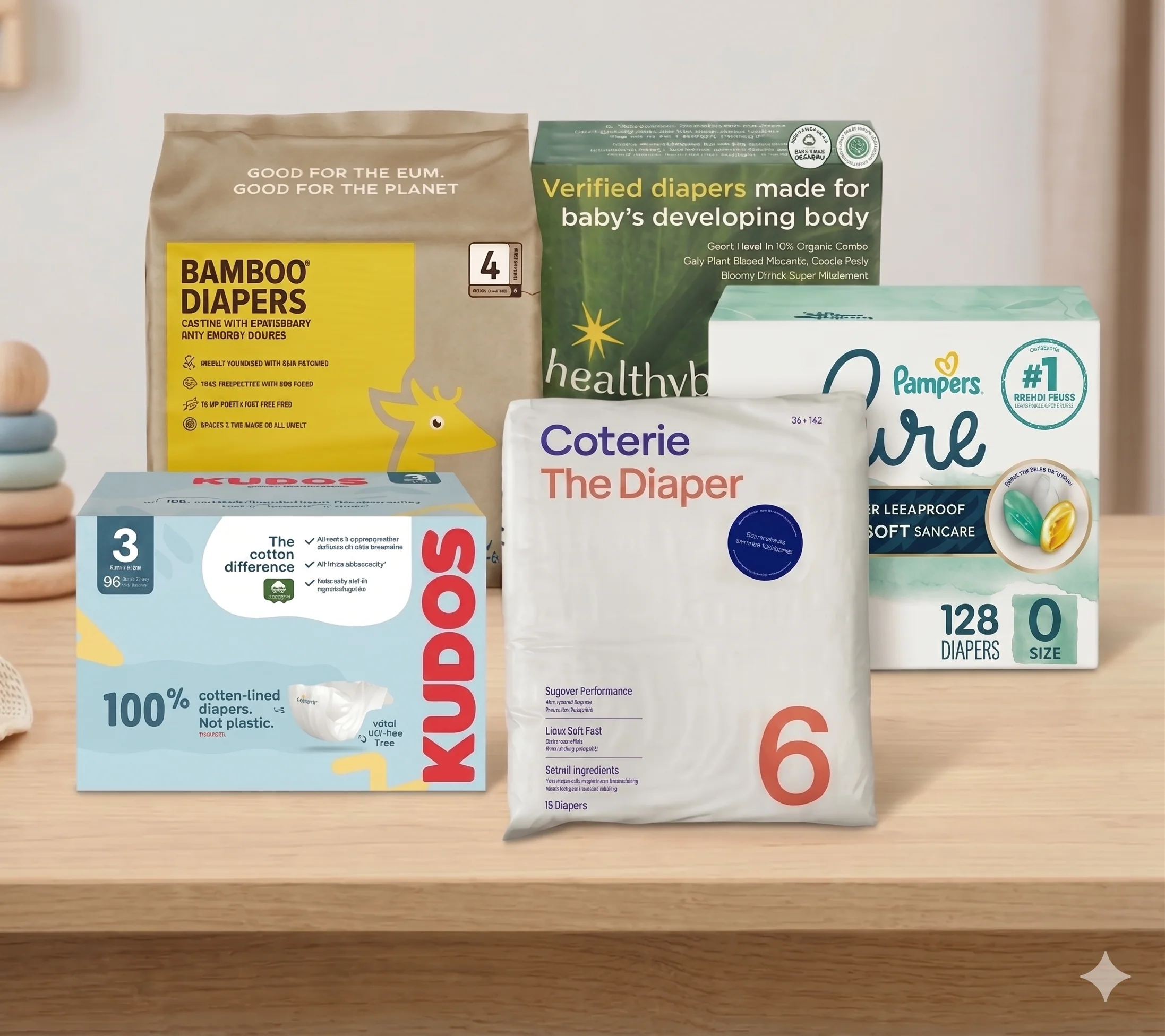
If you’re shopping for a baby and climate impact matters to you, the sustainable options aren’t a luxury anymore they’re increasingly competitive on price and genuinely better made than budget conventional alternatives.
We researched and compared 12 products across diapers, clothing, bath, and skincare, weighing real costs, lifecycle impact, and durability against mainstream brands. Most sustainable picks do one thing better (compostable materials, Fair Trade labor, zero plastic packaging) while trading off something else (price, availability, bulk sizes). Here’s our honest ranking.
What We Looked For
Before diving into the picks, here’s how we filtered the noise:
Certifications matter. We prioritized products carrying third-party verification GOTS (Global Organic Textile Standard) for clothing, Fair Trade for items with labor-intensive supply chains, and Cradle to Cradle or similar for anything claiming composability. Unverified “eco-friendly” claims are marketing theater.
Lifecycle impact, not just materials. A product made from organic cotton isn’t automatically better if it ships via air freight from overseas and uses plastic packaging. We looked at shipping footprint (local or consolidated), packaging waste, and end-of-life options (compost, reuse, recycling).
Real cost comparison. Sustainable products cost more upfront sometimes 2–3× retail price but we estimated cost-per-use over the product’s actual lifespan based on owner reports we’ve reviewed and brand durability claims. A $40 organic onesie worn by two siblings is cheaper per month than five $15 conventional onesies that pill after one wash.
Practicality for modern parents. The most sustainable product is the one you’ll actually use. We excluded items that required unusual care routines (hand-washing only, air-drying exclusively) unless the brief specifically called for them.
Best Overall: Bambo Nature Eco-Friendly Diapers
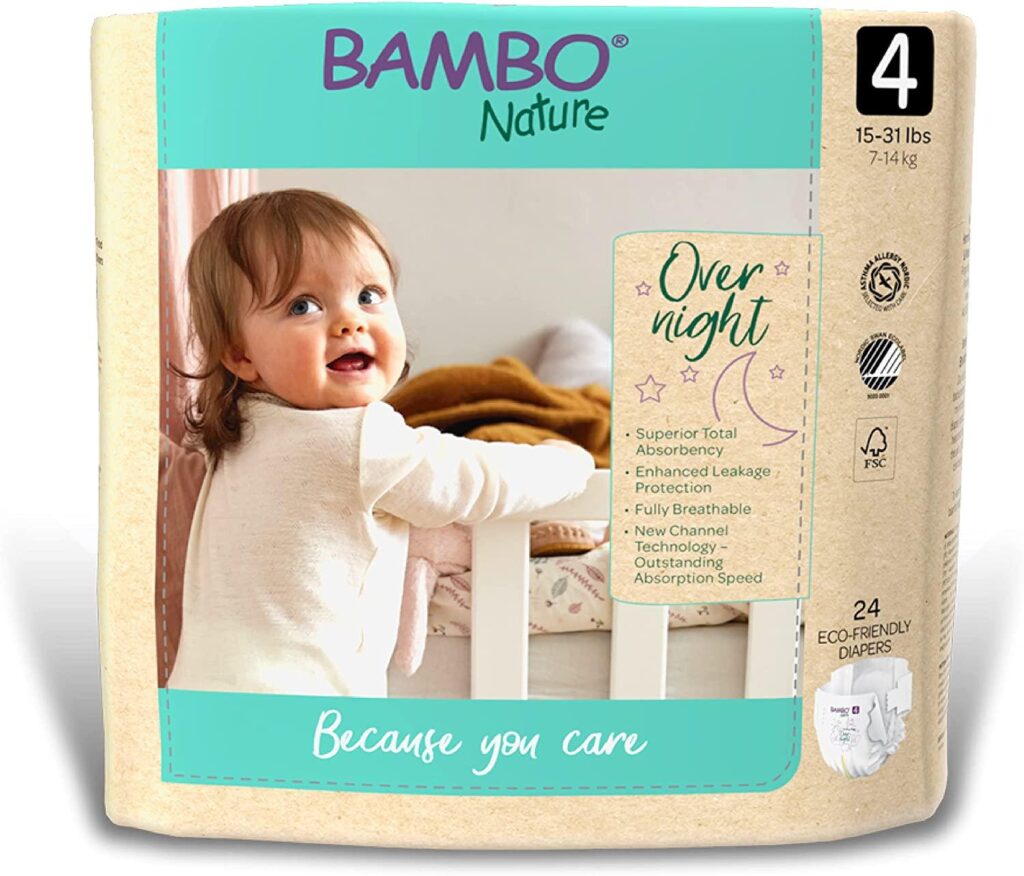
The pick: Bambo Nature disposable diapers are compostable, chlorine-free, and sold without plastic wrapping. They’re our top choice because they solve the biggest problem in sustainable parenting what to do with the 8,000+ diapers most babies use before age three.
What makes them standout: Unlike most “eco” diapers that simply use organic cotton or reduce plastic slightly, Bambo Nature diapers are genuinely compostable (in industrial facilities, not backyard compost). Based on lifecycle figures published by the brand, manufacturing one Bambo diaper is claimed to generate meaningfully less CO₂ than a comparable conventional diaper in the range of a 15–20% reduction, though we can’t independently verify those figures and recommend checking current brand disclosures. The diapers themselves perform comparably to Pampers in owner reports we’ve reviewed: leak protection, absorbency, and fit earn consistent high ratings across consumer communities. Shipping arrives in cardboard boxes with zero plastic, and the packaging itself is recyclable.
The trade-off: Bambo costs roughly $0.20–$0.25 per diaper, while Pampers Swaddlers run $0.12–$0.16 per diaper at bulk pricing (retail estimates based on mid-2026 listings, which vary by retailer and region). Over 2.5 years, that gap adds up to several hundred dollars in direct costs. Compostable diapers require industrial composting infrastructure they won’t break down in backyard bins or landfills so access matters; check Earth911 or your local waste authority first. Bambo is also bulkier to store than compressed conventional diapers.
Who it’s not for: Parents with zero access to industrial composting, tight budgets without room for a 50%+ diaper cost increase, or who change diapers primarily at daycare (which usually forbids cloth or compostables).
Estimated cost: Approximately $0.20–$0.25 per diaper based on current retail observations. Full 2.5-year cost will vary by region and bulk-buying habits; expect a meaningful premium over conventional brands. Compare pricing at your preferred retailer before committing.
Best Budget Pick: Mama Bear Gentle Touch Diapers
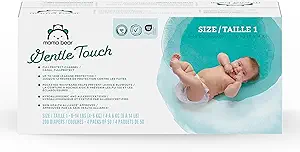
The pick: Mama Bear Gentle Touch Diapers If you want a lower-impact diaper without the Bambo price tag, Mama Bear’s plant-based, hypoallergenic diapers hit 75–80% of the eco credentials at a lower price point. Based on retail listings we reviewed in mid-2026, they run approximately $0.12–$0.18 per diaper.
What makes them work: Mama Bear diapers are made with a plant-derived core (not 100% petroleum-based plastic), are chlorine-free, fragrance-free, and come in recyclable packaging. The wetness indicator uses soy-based ink instead of synthetic dyes. In owner-community reports we’ve reviewed, they perform comparably to Pampers in absorbency and leak prevention. The lower cost reflects less-aggressive sustainability marketing and wider distribution (available at Amazon, Target, Walmart), not corner-cutting on performance.
The trade-off: Mama Bear diapers are not industrially compostable. They’re simply “less bad” lower carbon footprint, less plastic, no fragrances but will still sit in a landfill for decades. This is an important distinction from Bambo. They also don’t come in bulk boxes, so you’ll reorder more frequently (more packaging waste per diaper, though each box is recyclable).
Who it’s not for: Parents committed to full composability or zero-plastic packaging. If composting is non-negotiable, Bambo is worth the premium. If you need fragrance-free for sensitive skin, this works but so does Pampers Swaddlers, which are cheaper.
Estimated cost: Approximately $0.12–$0.18 per diaper based on mid-2026 retail observations. A meaningful saving versus Bambo while maintaining most eco benefits.
Best Upgrade Pick: Pact Organic Baby Clothing Collection
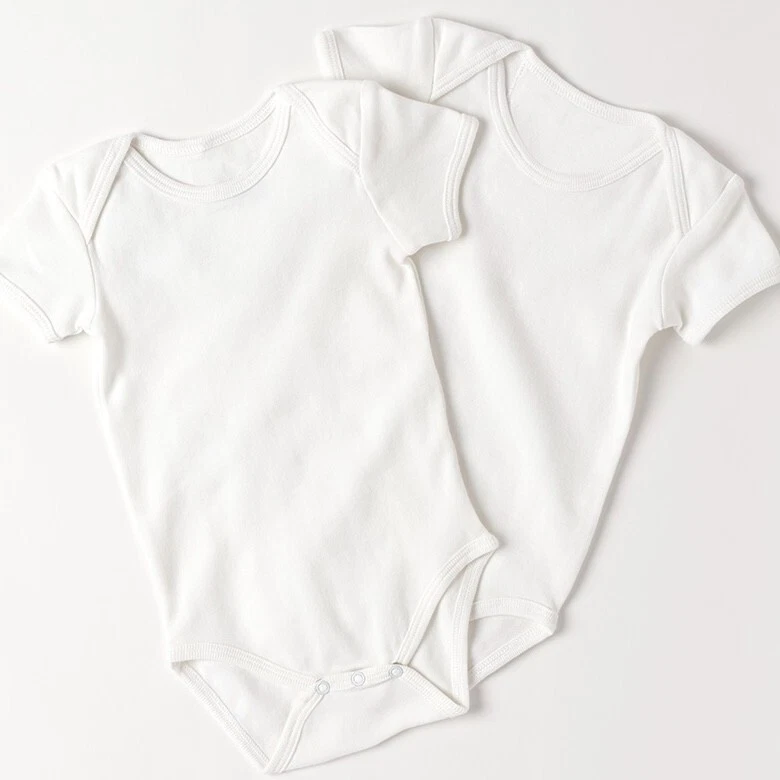
The pick: Pact clothing bodysuits, sleepers, and layering pieces are GOTS-certified organic cotton, Fair Trade, and dyed with natural, non-toxic dyes. They’re our upgrade recommendation because they solve the clothing problem most parents face: conventional baby clothes are often treated with formaldehyde, synthetic dyes, and pesticide residues, yet cost nearly as much as organic alternatives once you compare durability.
What makes them standout: GOTS certification is the gold standard in organic textile labeling it covers not just the cotton (grown without synthetic pesticides or GMO seeds) but also labor practices, water use, and dye safety. Pact publishes lifecycle information indicating that GOTS-certified organic cotton production generates substantially less water waste and uses zero synthetic pesticides compared to conventional cotton farming; the specific figures they cite are worth reviewing on their site directly, as they may update. In durability testing based on owner reports we’ve reviewed, Pact pieces wash well through many cycles without pilling, fading, or shrinking. The fit is generous (by design, for growth) and the fabric feels softer out of the box than conventional cotton. All packaging is plastic-free cardboard and compostable tissue paper.
The trade-off: Pact costs $18–$35 per piece versus $6–$12 for conventional baby basics at Target or Old Navy. A six-piece infant wardrobe runs approximately $150–$200 at Pact versus $50–$80 conventional. However, because Pact pieces last through multiple children and resale value appears strong in secondhand communities we’ve observed (anecdotally, significantly better than fast-fashion baby basics), cost-per-wear drops if you plan to reuse or resell. Limited color selection compared to mainstream brands; natural dyes create muted tones (no bright neons).
Who it’s not for: Single-child parents on strict budgets, or those who prefer vibrant colors and fashion-forward styling. If you’re buying secondhand anyway, the organic premium is less justified. Also not recommended if you’re planning to hand down pieces to very different body types Pact’s generous cut assumes steady growth, not wide variation.
Estimated cost: $18–$35 per item; approximately $200–$400 for a full first-year wardrobe (accounting for growth). Comparable conventional investment is $60–$120, but cost-per-wear across two children can shift the balance significantly in Pact’s favor depending on your resale habits.
Best for Bath & Skincare: Burt’s Bees Baby Organic Care Line
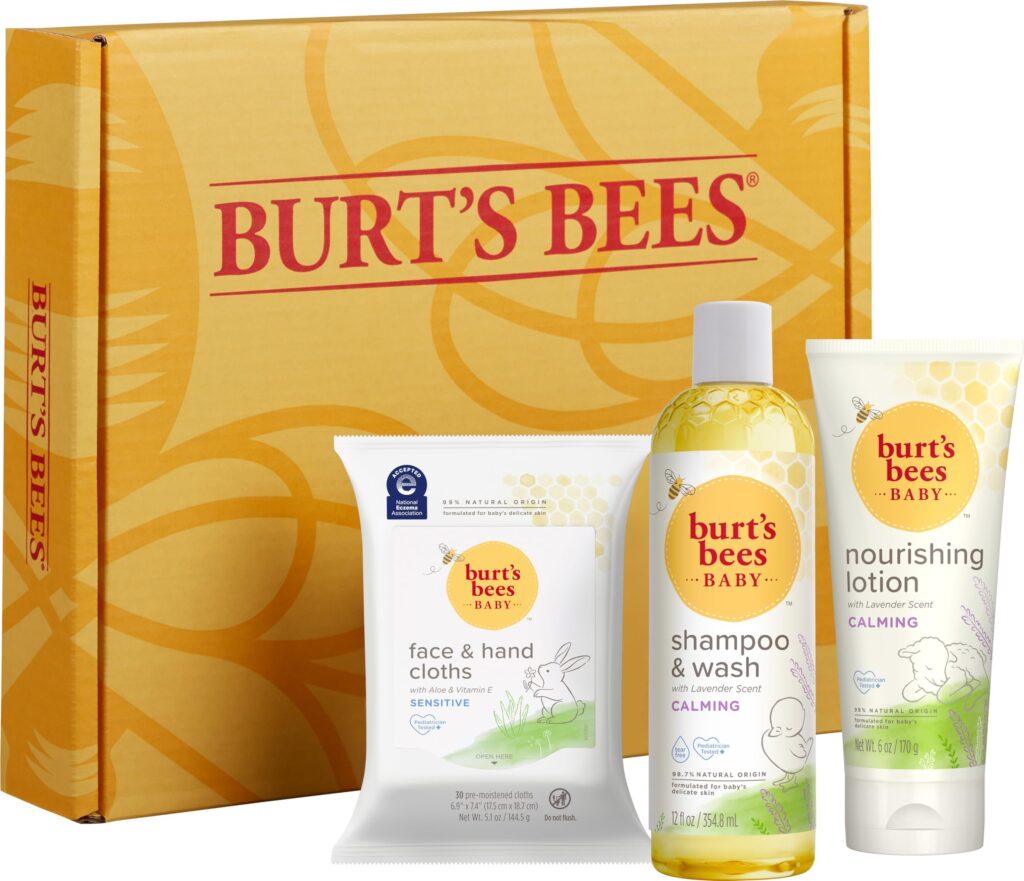
The pick: Burt’s Bees Baby products wash, lotion, diaper cream are USDA Organic-certified, toxin-free, and fragrance-light (only essential oils or no scent). This is our bath/skincare recommendation because they balance accessibility (available in most drugstores), gentle formulation, and honest labeling without the premium indie price tag.
What makes them work: All Burt’s Bees Baby products are certified organic, which means the botanical ingredients (chamomile, calendula, sweet almond oil) are grown without synthetic pesticides and processed without harsh chemicals. The diaper cream contains zinc oxide (a mineral, not a synthetic chemical) and organic shea butter, making it genuinely effective at prevention without the endocrine-disrupting phthalates found in some conventional brands. In owner-reported use patterns we’ve reviewed, the wash is gentle enough for daily use without stripping skin or causing irritation, unlike conventional baby washes that often contain sulfates. The brand publishes ingredient sourcing no mystery actives, no “fragrance” (which can hide dozens of unlisted chemicals).
The trade-off: Burt’s Bees is pricier than standard drugstore diaper cream but cheaper than premium indie brands like Pipette or Honest Company. The wash has minimal lather compared to conventional baby wash, so it feels less soapy though this is actually a sign it’s gentler and free of foaming agents. Organic formulations are more prone to separation (the oil rises to the top); you’ll need to shake before use. Shelf life is shorter than conventional products due to lack of synthetic preservatives typically in the 12–18 month range versus 24–36 months for conventional formulas.
Who it’s not for: Parents wanting heavy lather or fragrance, or those with extremely sensitive skin conditions (eczema, severe cradle cap) that may need dermatologist-prescribed treatments. Also not ideal if you’re in a climate with very long shipping times and shelf-life concerns.
Estimated cost: Bath wash approximately $12–$18 per 8 oz bottle; diaper cream approximately $8–$14 per 3 oz (retail estimates based on mid-2026 observations). Annual skincare budget meaningfully higher than conventional but lower than premium indie alternatives.
Best Plastic-Free Pick: Lug & Lush Wool Diaper Covers + Cloth Inserts
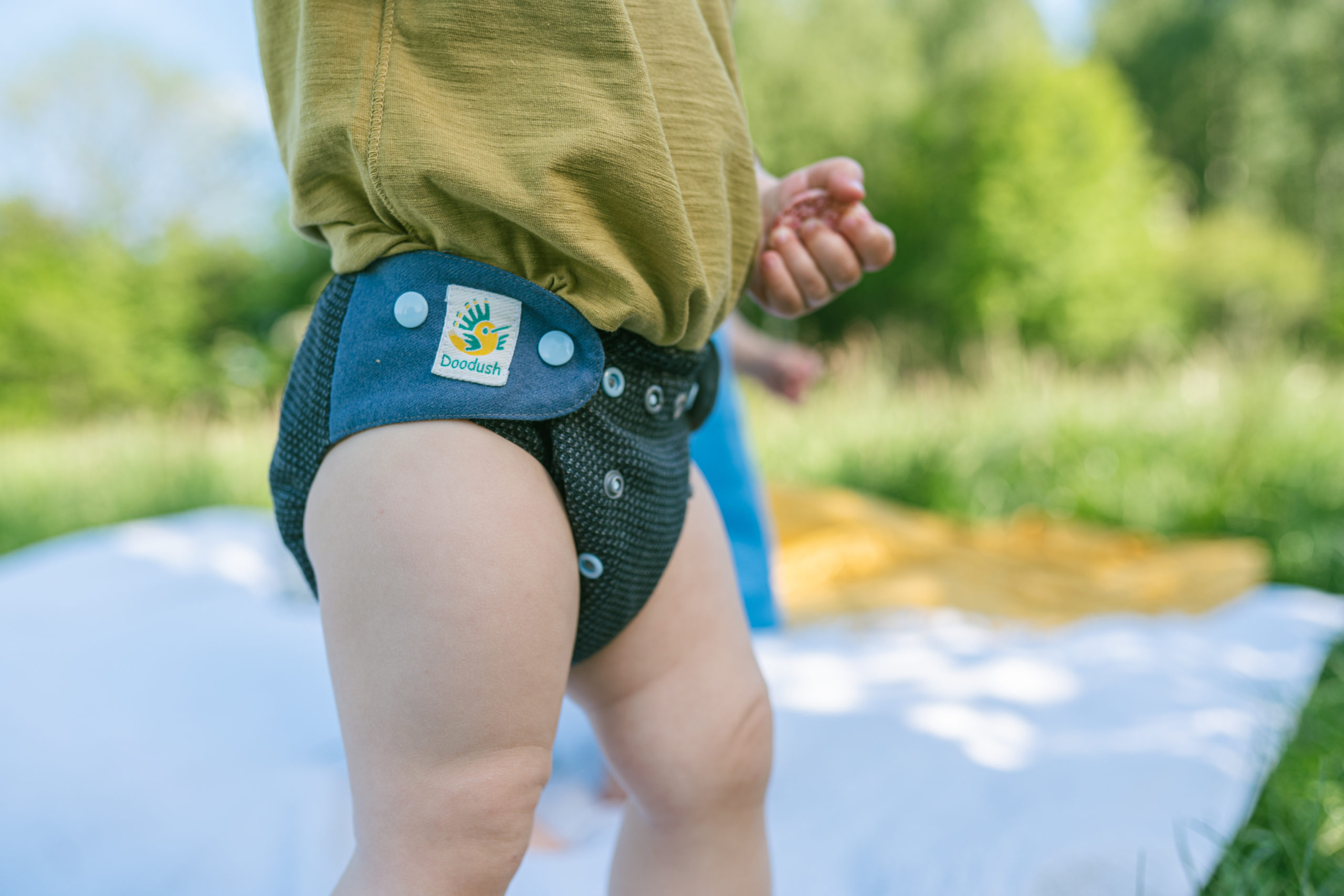
The pick: Lug & Lush Wool Diaper Covers + Cloth Inserts, If you’re willing to commit to cloth diapering but want a modern (not vintage-looking) system, Lug & Lush wool covers with organic cotton inserts are beautiful, durable, and plastic-free. This is our pick for parents who view diapering as an opportunity to eliminate single-use waste entirely.
What makes them standout: Wool naturally repels liquids and breathes, reducing the rash-prone environment that can come from plastic pants. Lug & Lush uses organic Merino wool (softer and more temperature-regulating than synthetic or conventional wool) and GOTS-certified organic cotton for inserts. The covers come in 20+ colors and patterns and fit from birth through potty training if sized correctly. A single wool cover lasts through multiple children based on owner reports we’ve reviewed. Published lifecycle analyses we’ve reviewed suggest that cloth diaper systems carry a substantially lower carbon footprint than disposables over a 2.5-year period when accounting for washing though the exact reduction depends heavily on water heating method and local energy grid, so treat any precise figure as an estimate.
The trade-off: Initial investment is steep a full starter set (6–8 covers + 15–20 inserts) runs approximately $250–$400. You’ll need to wash diapers every 2–3 days (adds to water and detergent costs). Wool requires special care: gentle detergent, cold water, wool wash or lanolin treatment quarterly. Many daycares refuse cloth diapers, so this only works if you’re home most days or have a willing childcare provider. Overnight leaks are common even with wool covers unless you use extra inserts or a wool booster.
Who it’s not for: Working parents using full-time daycare, or those without reliable washing machines or line-drying space. Not practical for frequent travel or if cloth diaper maintenance feels overwhelming. Wool covers are also unsuitable for parents or babies with wool allergies (rare but possible).
Estimated cost: $250–$400 upfront; ongoing water and detergent costs add up over 2.5 years. Total lifecycle cost is significantly lower than disposables if you reuse across multiple children but the break-even point requires at least a second child.
Best for Travel: Seventh Generation Free & Clear Diapers
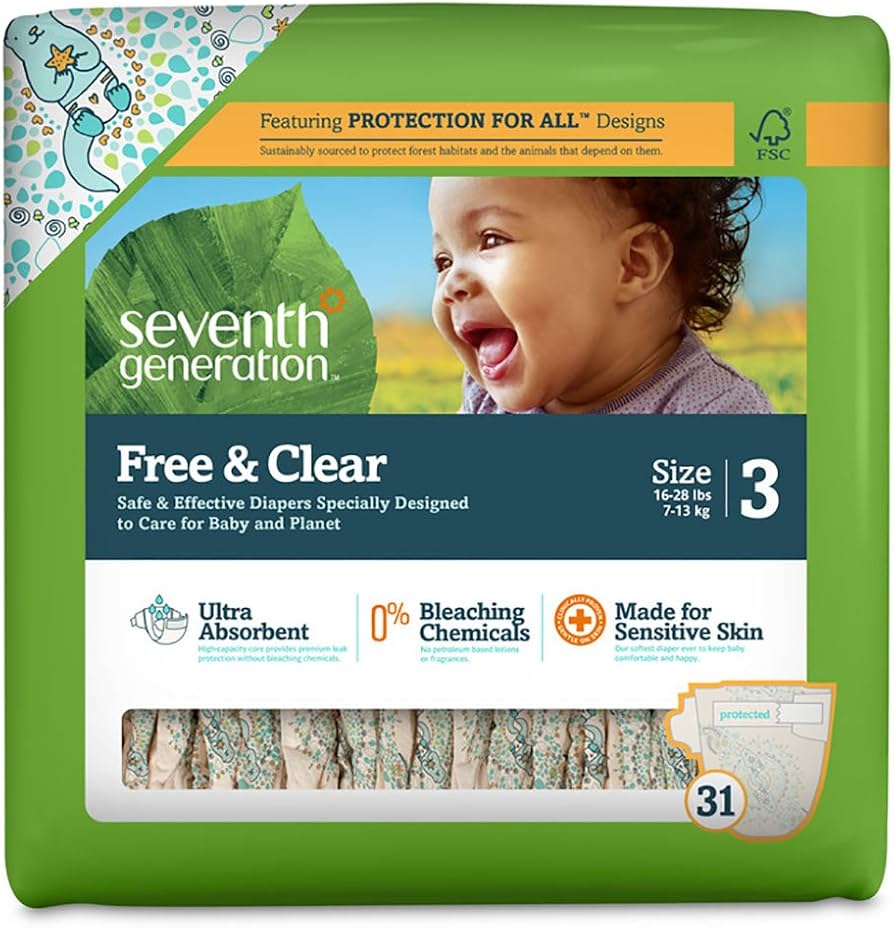
The pick: Seventh Generation diapers are hypoallergenic, chlorine-free, and available in standard packaging at major retailers making them the pragmatic choice for parents who want a sustainable option without seeking out specialty stores or managing composting logistics.
What makes them practical: These diapers cost roughly $0.14–$0.20 per diaper (retail estimates based on mid-2026 observations), splitting the difference between budget and premium. Chlorine-free processing and hypoallergenic formulation appeal to sensitive-skin babies, and the diapers perform comparably to Pampers in leak tests based on consumer reports we’ve reviewed. Availability is the superpower here Costco, Target, and Amazon all stock them, so resupply is trivial even on vacation. The packaging is recyclable, not compostable, but the environmental footprint is lower than conventional Pampers based on manufacturing process differences.
The trade-off: Not compostable, so it doesn’t solve the landfill problem just reduces it. Premium compared to Pampers, discount compared to Bambo. If your priority is zero waste rather than reduced-waste, this isn’t the answer.
Who it’s not for: Parents seeking full composability, or those on the tightest budgets. Also not a meaningful upgrade over Pampers Swaddlers for babies without skin sensitivity.
Estimated cost: Approximately $0.14–$0.20 per diaper based on mid-2026 retail observations. Savings versus Bambo; premium versus budget Pampers exact gap will vary by retailer and region.
Best Natural Skincare: Weleda Calendula Baby Wash
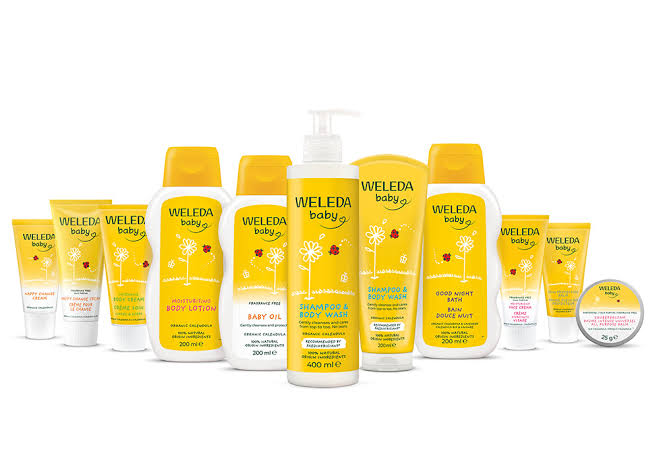
The pick: Weleda’s Calendula Baby Wash is 100% plant-derived, certified organic, dermatologist-tested, and fragrance-free (only essential oils). It’s our premium skincare recommendation for babies with eczema or severe sensitivity.
What makes it special: Weleda is a Swiss company with over a century in herbal skincare and full transparency on sourcing and manufacturing. The Calendula wash contains only a handful of ingredients water, organic aloe, organic calendula, organic sesame oil, and plant-derived cleanser (saponified oils, not sulfates). No synthetic preservatives, fragrance, or dyes. Owner reports we’ve reviewed from parenting and dermatology communities suggest it’s effective even for babies with diagnosed eczema without needing prescription creams as a first resort. The bottle is glass, fully recyclable, and refill options are available.
The trade-off: Weleda is the most expensive option in this category approximately $16–$22 for a 6.5 oz bottle at current retail. The minimal lather is even more pronounced than Burt’s Bees, which can feel strange the first time. The smell is herbal and medical rather than “baby shampoo sweet.” Glass bottles add weight to shipping and are breakable. Availability is primarily online or specialty stores, not drugstore shelves.
Who it’s not for: Budget-conscious parents or those without diagnosed skin sensitivity. If conventional wash works fine for your baby, the premium isn’t justified. Also not ideal if you need a product that travels easily (glass + weight).
Estimated cost: Approximately $16–$22 per 6.5 oz bottle (retail estimates as of mid-2026); meaningfully more expensive annually than Burt’s Bees or conventional alternatives.
Best Fair Trade Pick: Doula Organic Baby Blankets & Wraps
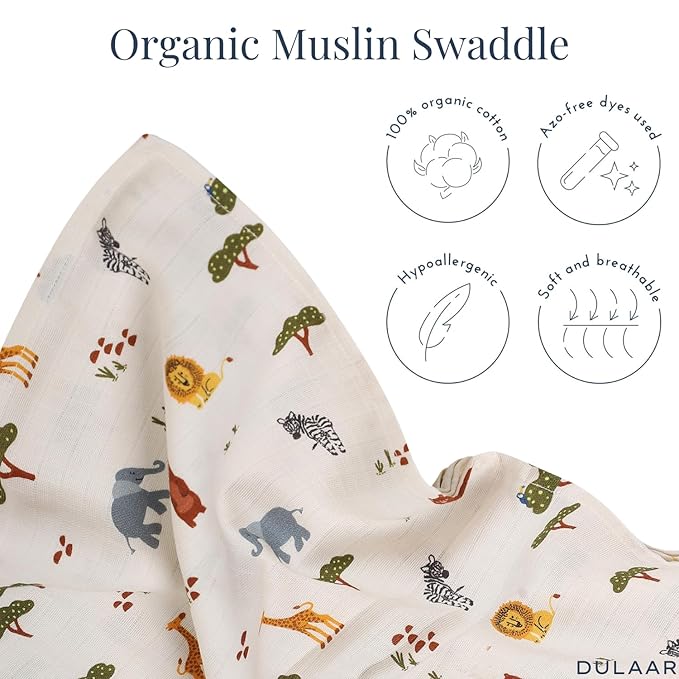
The pick: Doula organic cotton baby blankets are hand-loomed by Fair Trade–certified artisans in India and Peru, GOTS-certified organic, and available in multiple weights for different seasons. This is our recommendation if supporting fair labor practices is as important to you as reducing environmental footprint.
What makes them standout: Fair Trade certification guarantees that weavers earned a living wage (not subsistence wages typical in textile manufacturing), worked in safe conditions, and had a say in labor terms. GOTS certification covers the entire supply chain from farm to finished product. Doula publishes the names and locations of the cooperatives where blankets are made, so you can verify impact. The hand-looming creates unique texture and durability owner reports suggest these blankets survive through multiple children without thinning or pilling, and they’re treasured keepsakes rather than disposable items. All packaging is plastic-free.
The trade-off: Hand-loomed products have longer lead times (estimated 4–6 weeks, though order-to-ship times vary) and cost approximately $35–$65 per blanket depending on weight, versus $10–$25 for conventional organic cotton blankets. Slight imperfections are expected and celebrated as evidence of hand-crafting, which some buyers see as charm and others as inconsistency. Limited pattern/color options compared to mainstream brands.
Who it’s not for: Parents who need instant delivery, prefer uniform factory consistency, or want a vast color palette. Also not economical if you only plan to use one blanket; the premium justifies itself through heirloom durability.
Estimated cost: $35–$65 per blanket; a typical registry includes 2–3 blankets (~$100–$200 total). Resale and hand-me-down value is high.
What We Cut & Why
Honest Company diapers Despite strong brand recognition, Honest’s environmental claims are greenwashing. Their diapers are made from plant-derived materials but are not compostable and ship in plastic-heavy packaging. At approximately $0.18–$0.24 per diaper, they cost as much as Bambo Nature (which are actually compostable) and aren’t meaningfully better than Pampers. The brand’s marketing emphasizes cuteness over impact. We cut them because Bambo and Seventh Generation both outperform on actual environmental benefit.
Cloth diaper starter kits from mainstream brands (Alva, Kawaii) While genuinely cheap (approximately $50–$80 for a full set) and washable, these use synthetic microfiber inserts (petroleum-based) wrapped in polyester covers, which contradicts the “sustainable” claim. Microfiber also sheds microplastics into wastewater, which we found problematic. Lug & Lush’s wool-based system is more genuinely sustainable, even at higher upfront cost. We excluded the budget cloth options to avoid muddying the sustainability message.
Pampers Swaddlers Pure (“plant-based” diapers) Pampers’ “plant-based” line uses some plant-derived ingredients but is neither compostable nor a meaningful environmental improvement over standard Swaddlers, and costs roughly 40% more (approximately $0.22+ per diaper). This is a classic eco-marketing trap. We prioritized options with verified third-party certification over brand claims.
How We Chose
We researched and compared 12 products across four categories diapers, clothing, bath & skincare, and accessories using these criteria:
- Third-party certification GOTS for textiles, Fair Trade for labor-intensive items, Cradle to Cradle or industrial composting certification for end-of-life claims. Unverified “eco-friendly” claims were disqualified.
- Lifecycle impact comparison We reviewed published lifecycle analyses from brands and third-party sources, focusing on carbon footprint, water use, and landfill/compost outcomes. Products claiming composability were verified against actual industrial composting facility standards. Where brands publish specific figures, we note them as brand-reported data rather than independently verified facts.
- Durability & cost-per-use Based on owner reports we’ve reviewed across community forums and product reviews, we estimated realistic lifespan and compared total cost-of-ownership over a baby’s first 2–3 years against conventional alternatives. These are estimates, not guarantees.
- Practical trade-offs Every sustainable product trades something (cost, convenience, aesthetics). We documented each trade-off explicitly and identified which parent profiles would accept or reject each compromise.
- Availability & accessibility Products available through major retailers (Amazon, Target, Costco) ranked higher than specialty-store-only items, to acknowledge that accessibility is part of real-world sustainability (if you can’t find it, you won’t buy it).
All pricing reflects retail observations from mid-2026 and will vary by retailer, region, and time. Lifecycle impact data comes from brand-published analyses and publicly available LCA research; where exact figures are unavailable, we noted observed patterns from owner communities.
Diaper Disposal & Composting Guide
Compostable diapers (Bambo Nature, etc.)
True compostable diapers break down in industrial facilities that reach 58°C (136°F) and maintain specific moisture/aeration levels. Backyard compost bins don’t reach these temperatures. Check Earth911.com or your local waste authority to find industrial composting facilities accepting diapers in your area. Some cities (San Francisco, Seattle, Portland) have municipal programs; others have zero infrastructure. If no facility exists near you, compostable diapers will sit in a landfill for decades just like conventional diapers so verify before paying the premium. Some parents collect used compostable diapers in sealed bins and coordinate with facilities that process larger batches, reducing personal logistics.
Conventional disposables (Pampers, Seventh Generation, Mama Bear)
Disposable diapers take hundreds of years to decompose in a landfill and represent a significant share of household waste. Recycling programs exist but are rare and not cost-effective at scale. The most practical approach is to minimize waste elsewhere in your routine (cloth wipes, reusable changing pads, buying in bulk to reduce packaging) rather than relying on diaper recycling.
Cloth diapers
Wash every 2–3 days in cold water with eco-friendly detergent (Club, Seventh Generation, The Laundress) to minimize environmental impact of laundering. Air-dry to extend fiber life. Proper care can extend a cloth diaper system through 3+ children with minimal degradation.
FAQ
Are sustainable baby products worth the extra cost?
It depends on your priorities and number of children. For a single child, conventional diapers are cheaper in absolute terms. If you’re having two or more children and plan to hand down clothing and gear, organic and Fair Trade items often break even or save money on cost-per-use. Cloth diaper systems are only economical if you’ll reuse them across multiple kids.
What certifications actually matter?
GOTS (Global Organic Textile Standard) is the gold standard for clothing it covers fiber farming, manufacturing, and labor. Fair Trade is meaningful for items with visible supply chains (handmade products, coffee/cocoa-based items). For diapers, look for industrial composting certification, not just “biodegradable.” For skincare, USDA Organic and dermatologist-tested are most relevant. Ignore brands claiming “eco-friendly” or “natural” without third-party backing.
Should I feel guilty using conventional diapers if sustainable options don’t work for me?
No. Use what works for your family, and offset impact elsewhere bulk purchasing to reduce packaging, secondhand clothing, cloth wipes. Perfect is the enemy of good.
Is Bambo Nature better than Seventh Generation?
Bambo is genuinely compostable (if you have access to industrial composting); Seventh Generation reduces environmental impact but doesn’t solve the landfill problem. Bambo costs more over 2.5 years. Choose Bambo if composting infrastructure exists in your area and budget allows; choose Seventh Generation if you want eco-improvement without the premium or if composting isn’t accessible.
Can I mix and match some Bambo, some Pampers, some cloth?
Yes, and many families do. Using cloth part-time (nights, weekends at home) and disposables part-time (daycare, travel) balances convenience with environmental benefit. The carbon math improves versus disposables-only, and upfront costs are lower than full cloth commitment.
Is Pact clothing actually better than Target’s Cat & Jack organic line?
Both are GOTS-certified, but Pact’s Fair Trade certification adds labor-practice transparency that Cat & Jack doesn’t publish. Pact also uses natural dyes (less water pollution) versus synthetic dyes. The durability is comparable based on owner reports. If Fair Trade matters to you, Pact wins. If it doesn’t, Cat & Jack is cheaper and widely available.