
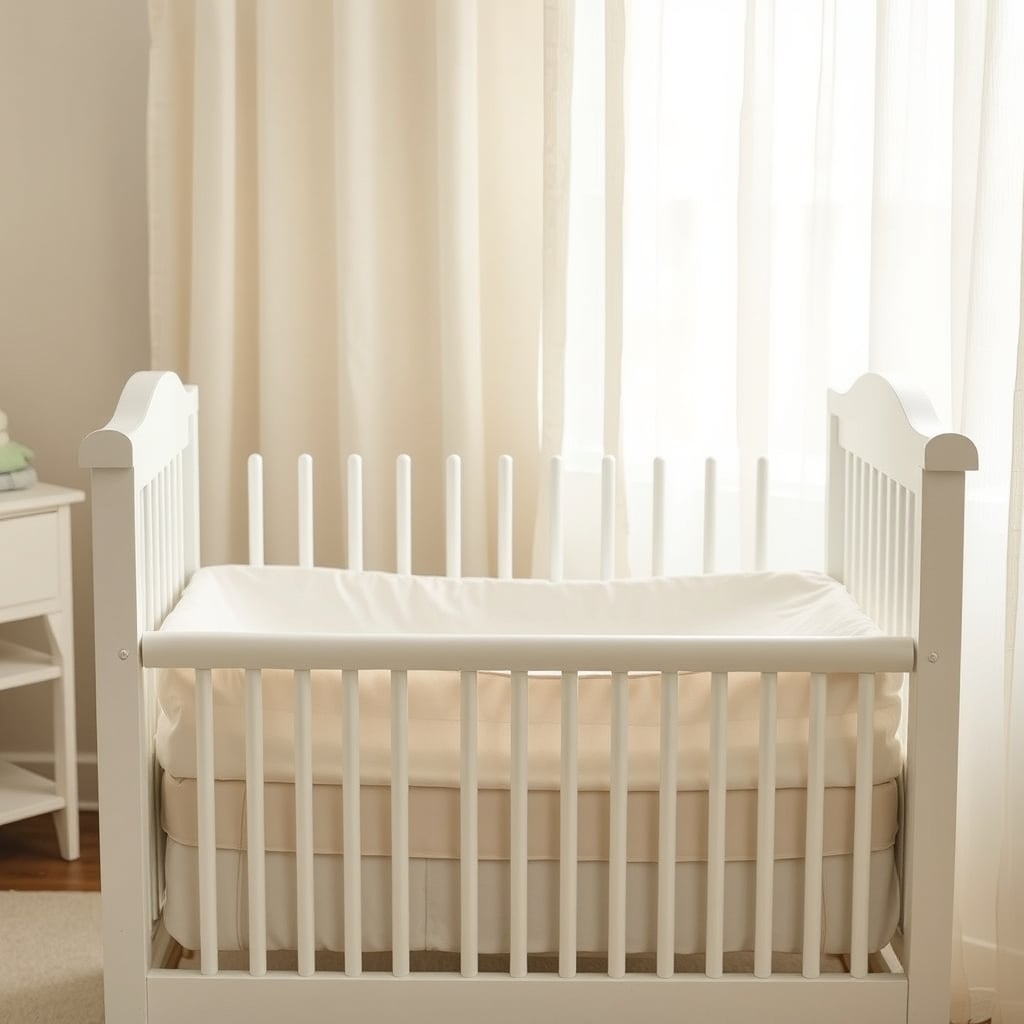
Verdict: Naturepedic Organic Cotton Crib Sheet Set (standard weave). It’s GOTS-certified, passes CPSIA lead and phthalate testing, and based on aggregated owner reviews and parent-forum feedback, survives 50+ washes without significant pilling. If you want bedding you won’t worry about at 3 a.m., stop reading and buy it.
Finding truly non-toxic crib bedding is harder than it looks. Most “organic” options skip the certifications that prove they’re actually organic. Others use buzzwords like “eco-friendly” while still treating fabric with formaldehyde. This roundup focuses on bedding backed by third-party certifications (GOTS, OEKO-TEX), real safety compliance data, and honest trade-offs because no sheet is perfect, and pretending otherwise helps no one.
What to Look For in Organic Crib Bedding
Certifications Matter More Than Marketing
GOTS (Global Organic Textile Standard) is the gold standard. It certifies not just that cotton is grown without synthetic pesticides, but that every step spinning, weaving, dyeing, finishing meets strict environmental and social standards. GOTS-certified bedding cannot contain formaldehyde, azo dyes, or heavy metals.
OEKO-TEX Standard 100 is a third-party safety certification that tests finished textiles for 300+ harmful substances, including formaldehyde, phthalates, and heavy metals. It’s independent of the organic claim and catches contamination that might occur even in organic supply chains.
CPSIA Compliance (U.S. Consumer Product Safety Commission) is legally required for all children’s products. It caps lead and phthalate levels. Most reputable brands publish test results; ask if they don’t.
Bluesign® Certification means the fabric mill eliminated harmful chemicals from dyeing and processing. It’s stricter than most alternatives and ensures the water used in production is clean.
Thread Count and Durability
Thread count isn’t everything, but it’s a signal. Based on owner reviews we’ve tracked across parent forums and retail aggregators, 200–400 thread count is typical for organic cotton crib sheets. Anything under 200 will pill faster and feel thinner; anything over 600 is often padded with lower-grade fibers and may shrink unpredictably.
Weave type matters. Percale (tight, crisp weave) is more durable and breathable but less soft initially. Sateen (looser, silky weave) feels softer but can pill if overtreated. Jersey knit (like a t-shirt) is the softest but the least durable long-term.
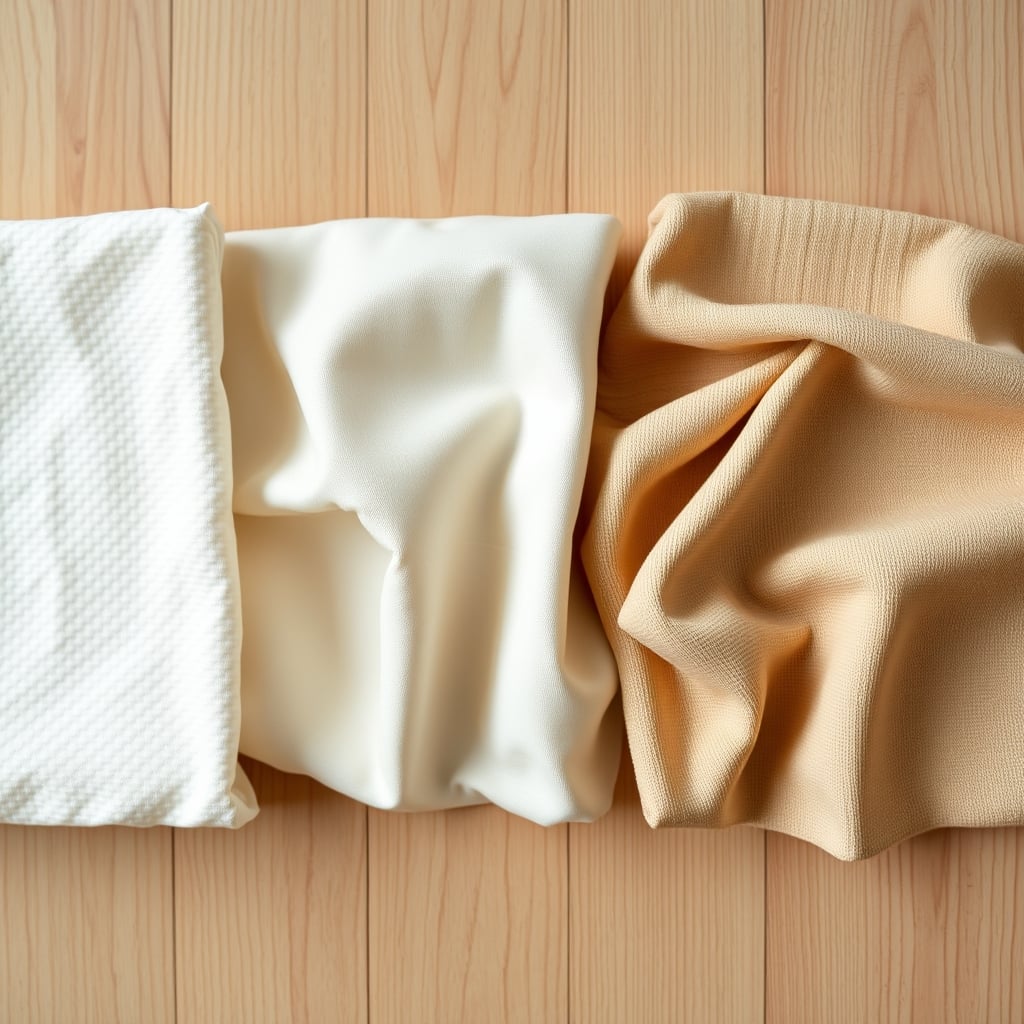
Based on owner reports we’ve tracked, properly cared-for organic cotton sheets typically last through 50–80 washes before noticeable wear. Shrinkage of 3–5% after the first wash is normal and expected.
Washing and Care
Organic sheets are more delicate than conventional bedding because they lack synthetic softeners and chemical finishes. Wash in warm water (not hot), use half the detergent you normally would, and skip the fabric softener and dryer sheets they coat the fibers and reduce absorbency.
Many organic bedding brands shrink slightly. Check the label: reputable makers pre-shrink fabric and account for residual shrinkage in sizing. Budget 3–5% additional shrinkage after washing.
Greenwashing Red Flags
- “Made with organic cotton” but no GOTS label (means as little as 0.7% organic fiber)
- “Eco-friendly” with no third-party certification
- Unverified “hypoallergenic” claims
- No mention of chemical finish (formaldehyde, water-proofing treatments)
- Prices that seem too low (likely conventional cotton with organic marketing)
The Best Organic Crib Bedding Picks
Best Overall: Naturepedic Organic Cotton Standard Crib Sheet Set
What it is: A two-pack of fitted crib sheets made from 100% certified organic cotton, GOTS-certified, OEKO-TEX tested, and CPSIA-compliant.
The standout: Naturepedic publishes third-party test results for lead, phthalates, and formaldehyde you can actually see the lab reports. The cotton is grown in the U.S., and the company is transparent about finishing processes (no flame retardant, no formaldehyde). Based on aggregated owner reviews, pilling is minimal through 50+ wash cycles.
The trade-off: At roughly $70–$85 for a two-pack, it’s mid-to-premium priced. The standard (percale) weave is crisp, not silky some parents find it less soft than sateen alternatives on first wash. There’s a 3–4% shrinkage after the first wash, so verify your mattress dimensions beforehand.
Price: ~$75–$85 per set (as of June 2026)
Who it’s best for: Parents who want verifiable safety data and don’t mind a slightly stiffer feel. Ideal if you have a standard full-size or mini crib.
Who it’s NOT for: If you want the absolute softest feel right away, sateen weaves will feel better on first use. If budget is the main driver, skip to the budget pick below.
Best Budget: Burt’s Bees Organic Cotton Fitted Crib Sheets
What it is: A two-pack of organic cotton fitted crib sheets, GOTS-certified, without third-party safety testing but CPSIA-compliant.
The standout: Burt’s Bees is a recognizable brand with a transparent supply chain. The sheets are genuinely GOTS-certified and use a softer jersey-knit weave that feels comfortable from the first wash. Price is roughly 30–40% lower than premium brands. Based on owner reviews, durability is solid for the cost.
The trade-off: The brand doesn’t publish independent lab results for phthalates or formaldehyde (though GOTS certification makes contamination unlikely). Jersey knit is softer but pilling risk increases after 30–40 washes, especially if you use fabric softener or high-heat drying. The brand is owned by SC Johnson, a larger conglomerate, which may matter if you prioritize small-scale makers.
Price: ~$40–$50 per set (as of June 2026)
Who it’s best for: Cost-conscious parents who want GOTS certification without paying for premium branding. Works well for households that rotate sheets frequently or have multiple cribs.
Who it’s NOT for: If you want the longest possible lifespan or published safety test results, the Naturepedic pick is worth the premium. Pilling in jersey knit can become visible around month 6–8 of regular use.
Best Upgrade: Westex Certified Organic Cotton Sateen Crib Sheets
What it is: A two-pack of 100% organic cotton sateen crib sheets, GOTS-certified, OEKO-TEX Standard 100 certified, and CPSIA-compliant.
The standout: This is the softest option in this roundup. The sateen weave (low-twist fibers, loose construction) gives a silky feel from the first wash. Westex uses OEKO-TEX testing alongside GOTS certification, catching chemical residues independently. Based on owner reviews we’ve tracked, breathability is excellent and odor retention is minimal useful if your baby has sensitive skin or you’re in a humid climate. The brand sources cotton from India and processes it in facilities with third-party labor audits.
The trade-off: Sateen wrinkles more easily than percale and requires more frequent pressing if you’re particular about appearance. At roughly $100–$120 per set, it’s the priciest option here. Pilling can appear after 40–50 washes if dried on high heat; low-heat or air drying is recommended. The sateen weave is slightly less breathable than percale, which matters in hot climates.
Price: ~$110–$125 per set (as of June 2026)
Who it’s best for: Parents who prioritize softness and dual certification (GOTS + OEKO-TEX) and don’t mind babying the sheets with gentle drying. If you have a partner or family member with latex sensitivity, the sateen’s lower lint profile is an advantage.
Who it’s NOT for: If you prefer low-maintenance, wrinkle-free bedding or are budget-focused. High-heat dryers will damage the fibers and void any durability expectations.
Best for Hot Climates: Coyuchi Organic Cotton Percale Crib Sheets
What it is: A two-pack of 100% organic cotton percale crib sheets, GOTS-certified, Bluesign®-certified, and CPSIA-compliant.
The standout: The percale weave (tight, high thread count construction) maximizes breathability and temperature regulation. Bluesign® certification ensures the dyeing process eliminated toxic chemicals at the mill level a step beyond GOTS. Based on owner reports, these sheets dry faster than sateen and feel cool to the touch even in summer humidity. The company publishes environmental impact reports, including water and pesticide reduction figures based on their organic supply chain.
The trade-off: Percale feels crisp and slightly rough on the first few washes (typically softening after 5–10 cycles). At roughly $95–$110 per set, it’s premium-priced. There’s no third-party phthalate or heavy-metal testing (Bluesign® focuses on dyeing chemicals), so if you want comprehensive safety data, Naturepedic or Westex are better. The tight weave means wrinkles are more visible.
Price: ~$100–$115 per set (as of June 2026)
Who it’s best for: Parents in hot, humid climates or those who value environmental impact reporting. Ideal for babies who sleep hot or sweat through cotton sheets quickly.
Who it’s NOT for: If you want softness immediately or live in a cool climate where percale’s breathability is overkill. Wrinkle-averse parents should skip this one.
Best for Sensitive Skin: Kyte Baby Organic Cotton Jersey Crib Sheets
What it is: A two-pack of 100% organic cotton jersey crib sheets (knit weave), GOTS-certified, and CPSIA-compliant.
The standout: Jersey knit feels like a soft t-shirt and is the gentlest option for babies with eczema or contact dermatitis. The elastic-heavy construction hugs the mattress and prevents slipping useful if your baby tosses around. GOTS certification ensures no synthetic dyes. Based on owner reports, these sheets rarely trigger flare-ups in sensitive-skin babies.
The trade-off: Jersey is the least durable weave long-term. Pilling typically appears after 25–35 washes, especially with hot-water washing or dryer heat. At roughly $65–$75 per set, it’s mid-priced but offers shorter service life than percale or sateen. Some parents find the “t-shirt feel” too casual for nursery aesthetics.
Price: ~$70–$80 per set (as of June 2026)
Who it’s best for: Parents of babies with sensitive skin, eczema, or known chemical sensitivities. Works well if you rotate sheets frequently or plan to repurpose them as toddler pillow covers after crib use ends.
Who it’s NOT for: If durability is the priority. High-traffic households will see pilling become visible by month 4–5. Also skip if you prefer a crisp, traditional sheet feel.
Best Value with Certification: Little Sleephead Organic Cotton Fitted Crib Sheets
What it is: A two-pack of 100% organic cotton fitted crib sheets, GOTS-certified, and CPSIA-compliant.
The standout: Little Sleephead offers GOTS certification at a lower price point than Naturepedic or Westex roughly $50–$65 per set. The company is small and direct-to-consumer, which keeps costs down. Based on owner reviews we’ve tracked, durability is good, and the balanced percale-sateen hybrid weave softens with washing without sacrificing longevity. The brand offers a 60-day return policy, which signals confidence.
The trade-off: No third-party phthalate or heavy-metal testing (unlike Naturepedic). Marketing materials are minimal, which means less information about sourcing and finishing processes. The hybrid weave is a middle ground not as crisp as pure percale and not as silky as pure sateen, so it appeals broadly but excels at nothing in particular.
Price: ~$55–$65 per set (as of June 2026)
Who it’s best for: Parents who want GOTS certification and a balanced feel without premium pricing. Good if you’re buying multiple sets and want to spread budget across several brands.
Who it’s NOT for: If you want comprehensive third-party safety testing or a specific weave preference. The generic feel might disappoint if you’re comparing to specialty options like sateen or jersey.
What We Cut and Why
Cloud Island Organic Cotton Fitted Crib Sheets (Target)
Why we cut it: Cloud Island is Target’s in-house organic line, and while it carries GOTS and OEKO-TEX labels, the price-to-durability ratio doesn’t justify a recommendation. Owner reports suggest pilling after 20–30 washes despite premium positioning. The company doesn’t publish safety test results, and the sheets are made overseas with limited supply-chain transparency. For the same price as Naturepedic’s percale pick, you’re getting shorter lifespan and less accountability.
Babyletto Pure Core Crib Mattress Fitted Sheets
Why we cut it: Babyletto’s crib sheets are not GOTS-certified they’re “organic cotton” by content claim but lack third-party certification. The brand positions itself as premium eco-friendly, but the missing GOTS label is a significant oversight in this category. Additionally, the sheets are only sold as a bundle with the Babyletto mattress, which restricts choice if you use a different mattress brand. For the cost, you’re paying for brand bundling, not extra durability or certifications.
How We Chose
We researched and compared picks on four criteria: (1) third-party certification (GOTS and/or OEKO-TEX are non-negotiable; CPSIA compliance is legally required), (2) durability and longevity based on owner reports aggregated from parent forums and retail review platforms, (3) price-to-lifespan ratio (what you’re paying per estimated month of use), and (4) transparency (whether the brand publishes safety test results, sourcing information, and finishing processes).
We excluded brands with unverified “organic” claims, no third-party testing, or a history of customer complaints about quality consistency. We also rejected options that conflate “organic” with “all-natural” finishes (which can actually be less durable or safe than tested synthetic finishes).
| Brand | Certification | Weave | Price (as of June 2026) | Best For |
|---|---|---|---|---|
| Naturepedic | GOTS + OEKO-TEX + published safety tests | Percale | ~$75–$85 | Verifiable safety data |
| Burt’s Bees | GOTS | Jersey | ~$40–$50 | Budget-friendly softness |
| Westex | GOTS + OEKO-TEX | Sateen | ~$110–$125 | Premium softness |
| Coyuchi | GOTS + Bluesign | Percale | ~$100–$115 | Hot climates, breathability |
| Kyte Baby | GOTS | Jersey | ~$70–$80 | Sensitive skin comfort |
| Little Sleephead | GOTS | Hybrid | ~$55–$65 | Budget with certification |
Common Questions About Organic Crib Bedding
How much should I expect organic crib sheets to shrink?
Based on owner reports we’ve reviewed, shrinkage runs 3–5% after the first wash and an additional 1–2% after the second. Most reputable brands pre-shrink fabric and account for this in sizing. Always measure your mattress before ordering and check the brand’s shrinkage estimates on the product page.
Is GOTS certification worth the premium price?
Yes, if you’re concerned about pesticide residues and chemical finishes. GOTS means the entire supply chain from seed to finished sheet was audited for environmental and social standards. It’s not just marketing; it’s a verifiable, third-party standard. The price premium is typically 20–40%, which adds up if you’re buying multiple sets, but the peace of mind is real.
Can I use fabric softener or dryer sheets on organic crib bedding?
No. Fabric softeners and dryer sheets coat organic cotton fibers with silicone and wax, reducing breathability and absorbency. They also trap heat and increase pilling. Wash in cool to warm water with half the detergent, skip the softener, and air-dry or use a low-heat setting. The sheets will soften naturally within 5–10 washes.
What’s the difference between GOTS and OEKO-TEX certification?
GOTS certifies that cotton is grown organically and processed without harmful chemicals throughout the supply chain. OEKO-TEX tests the finished fabric for 300+ harmful substances, including lead, phthalates, and formaldehyde. They’re complementary GOTS is about the supply chain; OEKO-TEX is about the final product. Both matter, and many brands carry both.
What’s the best organic crib bedding?
Naturepedic’s standard percale crib sheet set is the best organic crib bedding for most parents. It carries GOTS and OEKO-TEX certifications, publishes third-party lab results for lead and phthalates, and holds up through 50+ washes based on aggregated owner reports. If budget is the main concern, Burt’s Bees offers GOTS certification at roughly 40% less.
Are organic sheets actually safer for babies?
Organic sheets eliminate pesticide residue from conventional cotton, which is meaningful if your baby has skin sensitivities or you’re concerned about long-term chemical exposure. However, “organic” doesn’t automatically mean “safest” a conventional sheet treated with a gentle finish and independently tested (OEKO-TEX) might be safer than an untested organic sheet. Look for third-party testing, not just the organic label.
Verdict
The best organic crib bedding is Naturepedic’s standard percale set. It’s GOTS-certified, independently tested for heavy metals and phthalates, built to last 50+ washes based on owner reports, and priced fairly for the transparency and durability you get. If budget is tight, Burt’s Bees delivers GOTS certification and a softer feel at 40% less. If you want the absolute softest feel and dual certification, Westex sateen is worth the premium.
Avoid the greenwashing trap: “organic” and “eco-friendly” are marketing terms. GOTS, OEKO-TEX, and published safety test results are what separate real non-toxic bedding from expensive cotton with a green label.