
Baby essentials are the core products diapers, wipes, bottles, sleep gear, and monitors that every parent needs in the first year to keep a newborn safe, healthy, and comfortable. This guide walks you through what actually matters, what you can skip, and how to build a practical registry without overspending.
Why Baby Essentials Matter
Your first weeks at home are exhausting. Having the right gear on hand means you can focus on feeding, soothing, and bonding instead of scrambling to buy basics or wasting money on stuff you’ll never use. A focused registry also makes it easier for friends and family to help they know exactly what you need.
Most first-time parents overbuy. You don’t need five different white-noise machines or a dedicated diaper warmer. This guide separates the real must-haves (things you’ll use daily) from the nice-to-haves (things that make life easier but aren’t essential).
What Counts as a Baby Essential
Essentials are products that directly address your baby’s basic needs: feeding, diaper changes, sleep safety, temperature regulation, and health monitoring. They’re items you’ll use multiple times per day or that address a safety requirement not convenience items, luxury upgrades, or novelty gear.
Non-essentials include things like wipe warmers, fancy nursery decor, designer diaper bags, or the latest app-connected gadgets. They’re nice, but not necessary.
The Five Core Categories of Baby Essentials
Feeding (Bottles, Formula, Breast Pumps)
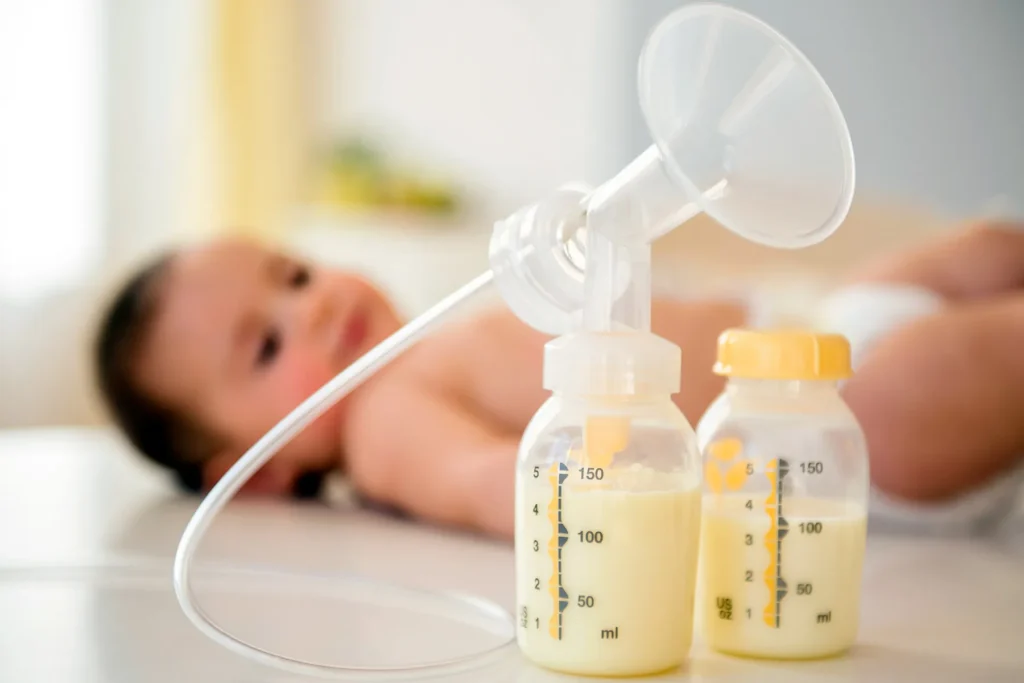
If you’re bottle-feeding (formula, expressed breast milk, or combination), you’ll need bottles, nipples, a sterilizer or clean method, and formula or milk supply.
Must-have specs:
- Bottles: Start with 8–10 standard-size bottles (4–5 oz for newborns, transitioning to 8–9 oz around month 3–4). Look for bottles designed to reduce colic anti-colic valves are a real feature, not marketing.
- Nipple flow rates: Newborns use “slow” or “preemie” flow; most bottles include these, but confirm before buying.
- Sterilizer: A simple microwave sterilizer bag or a cold-water sterilizing solution (like Milton) works just as well as expensive electric sterilizers. Boiling also works.
- Formula (if applicable): Start with a few small containers before committing to bulk. Sensitive or specialty formulas vary by baby; you may need to experiment.
Real brands to evaluate: Tommee Tippee, Dr. Brown’s, Comotomo, Avent, MAM. (These represent budget-friendly through mid-range options; no affiliation.)
Breast-feeding parents: A hand pump or electric pump depends on whether you plan to return to work or express regularly. Hands-free pumping bras and collection cups are optional but widely used.
Budget tier: Based on current retail ranges we’ve tracked, expect roughly $80–$200 for a starter bottle set, sterilizer, and supplies. Add $100–$400 if you buy a pump. Prices shift by retailer and region, so treat these as planning benchmarks.
Diapers and Wipes
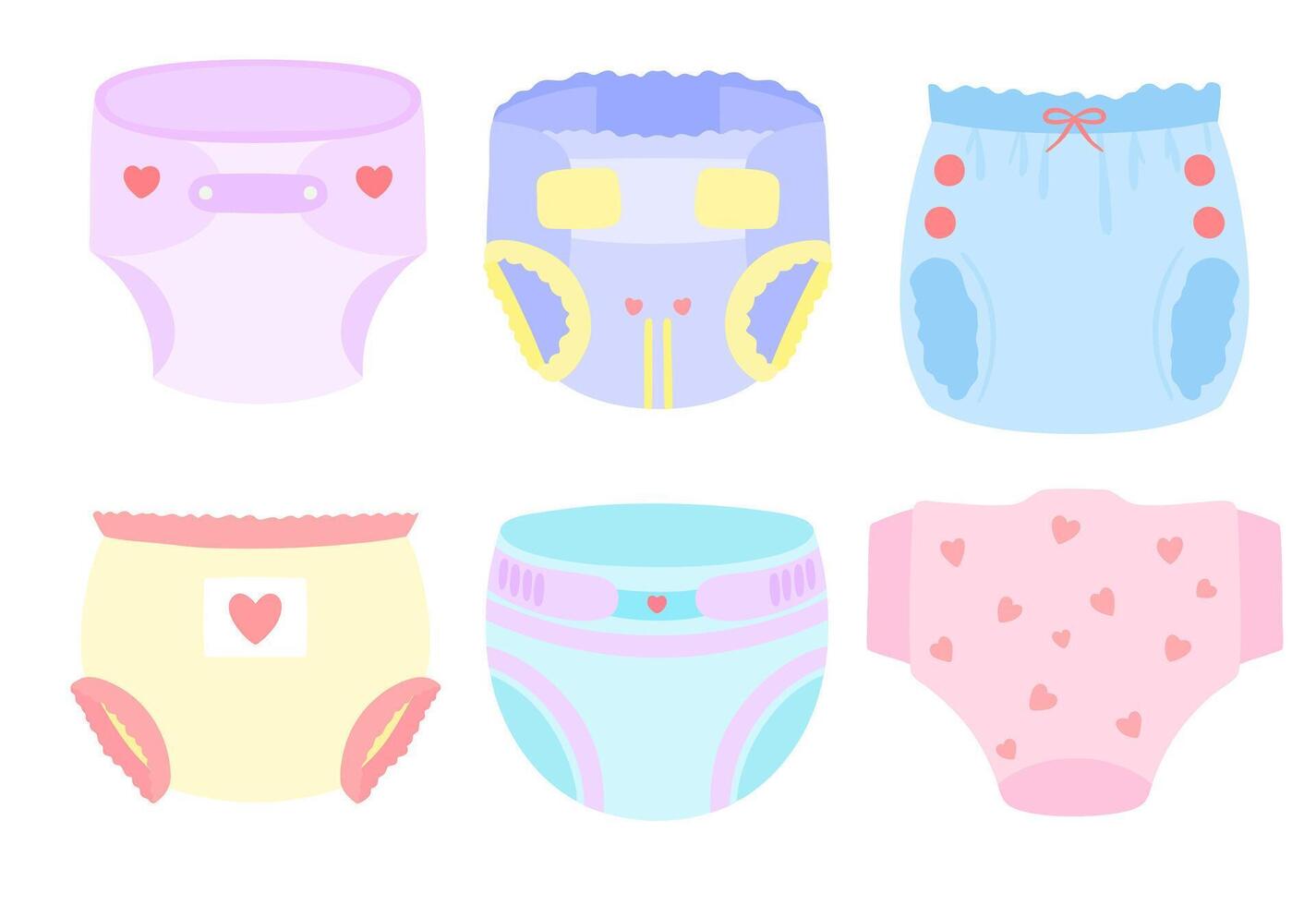
You’ll change 8–12 diapers daily for the first month, then around 6–8 daily through month six based on typical newborn feeding frequency. This is non-optional spending.
Must-have specs:
- Diaper sizes: Newborns start in Size N (roughly 5–8 lbs); around 8–12 lbs, move to Size 1. Buy only a small pack of newborn size many babies outgrow this stage in two to three weeks.
- Wetness indicator: Most modern diapers include a blue line that shows when the diaper is wet. Not essential, but helpful.
- Fit and rash prevention: A good fit prevents blowouts and rash. If your baby’s skin reacts, try a hypoallergenic or fragrance-free option.
- Wipes: Unscented, alcohol-free wipes are safest. Water-only wipes are the gentlest option for newborn skin (especially if rash develops).
Real brands to evaluate: Pampers, Huggies, Mama Bear, Seventh Generation, Pampers Swaddlers. The “best” diaper depends on your baby’s fit and skin sensitivity there’s no universal winner.
Budget tier: Plan for roughly $60–$100/month for diapers and wipes. Prices vary by location and brand; bulk buying from warehouse clubs (Costco, Sam’s Club) typically saves a meaningful amount per unit compared to drugstore single-pack pricing.
Common myth: “Premium brands prevent all rash.” No. Rash usually means either a diaper size or fit issue, too-long wear between changes, or a skin sensitivity. Changing brands doesn’t always fix it; checking fit and change frequency does.
Sleep Safety Gear (Crib, Mattress, Sheets, Sleep Sack)
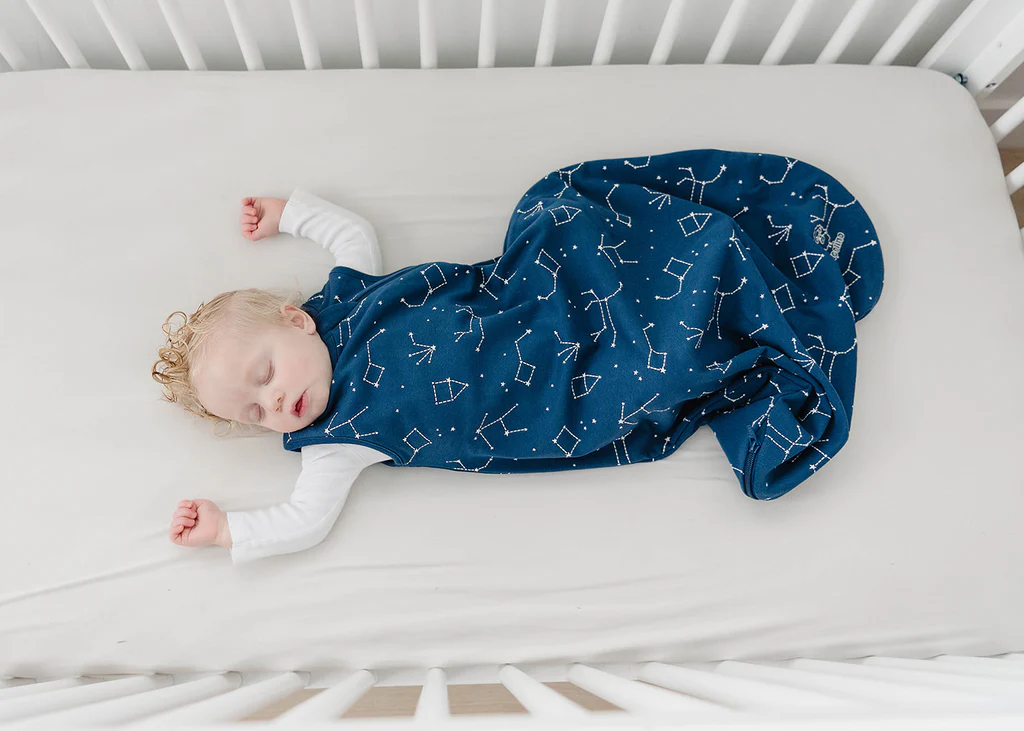
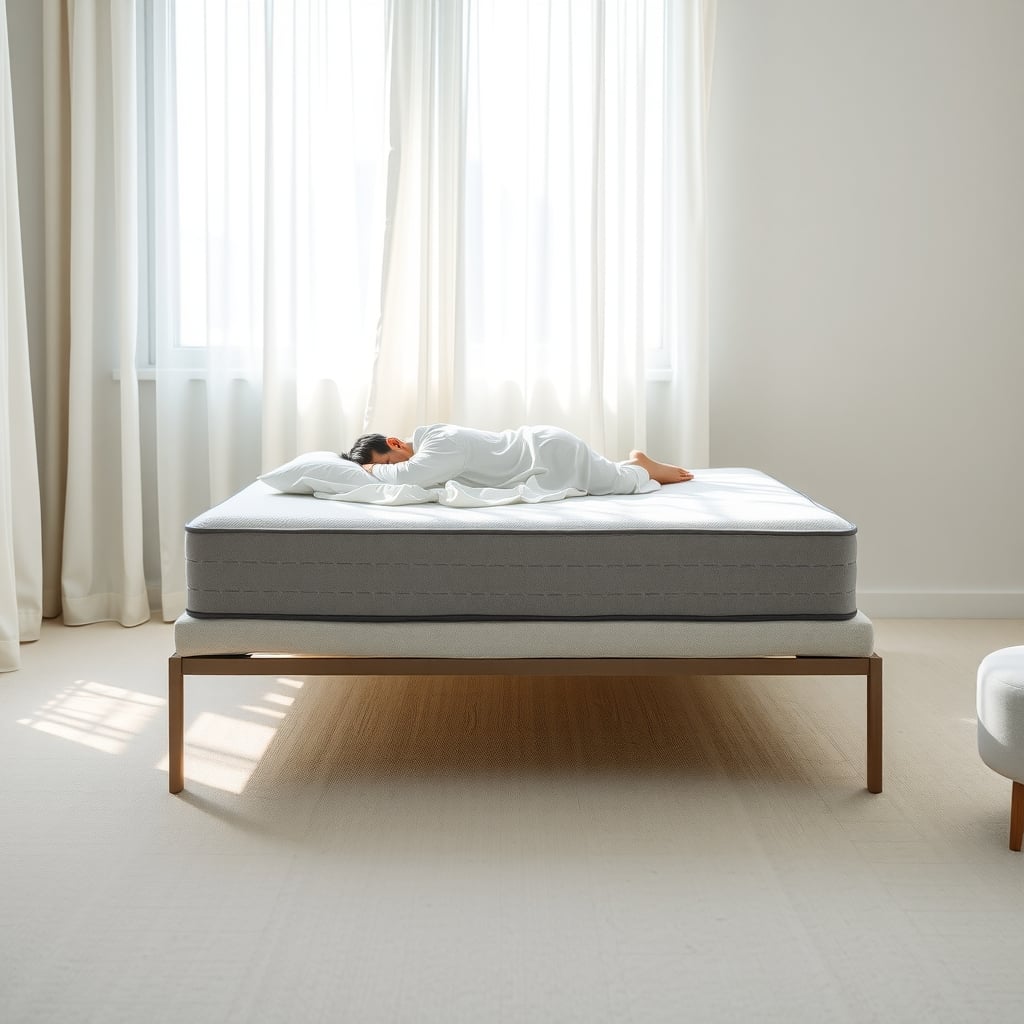
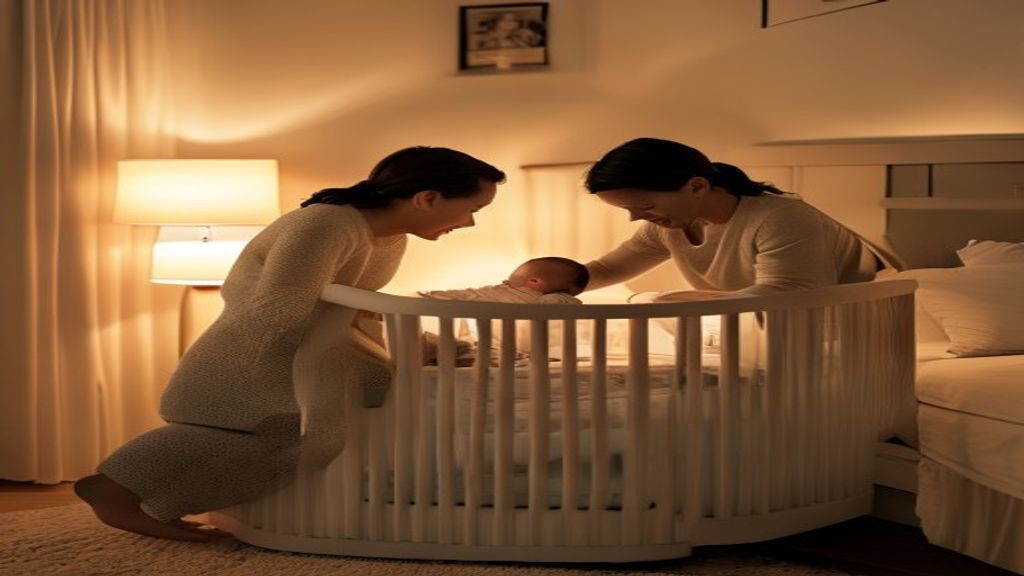
Newborns sleep a lot the commonly cited range is 16–17 hours per day in the earliest weeks and almost all of it should happen on a safe, flat surface in your room.
Must-have specs:
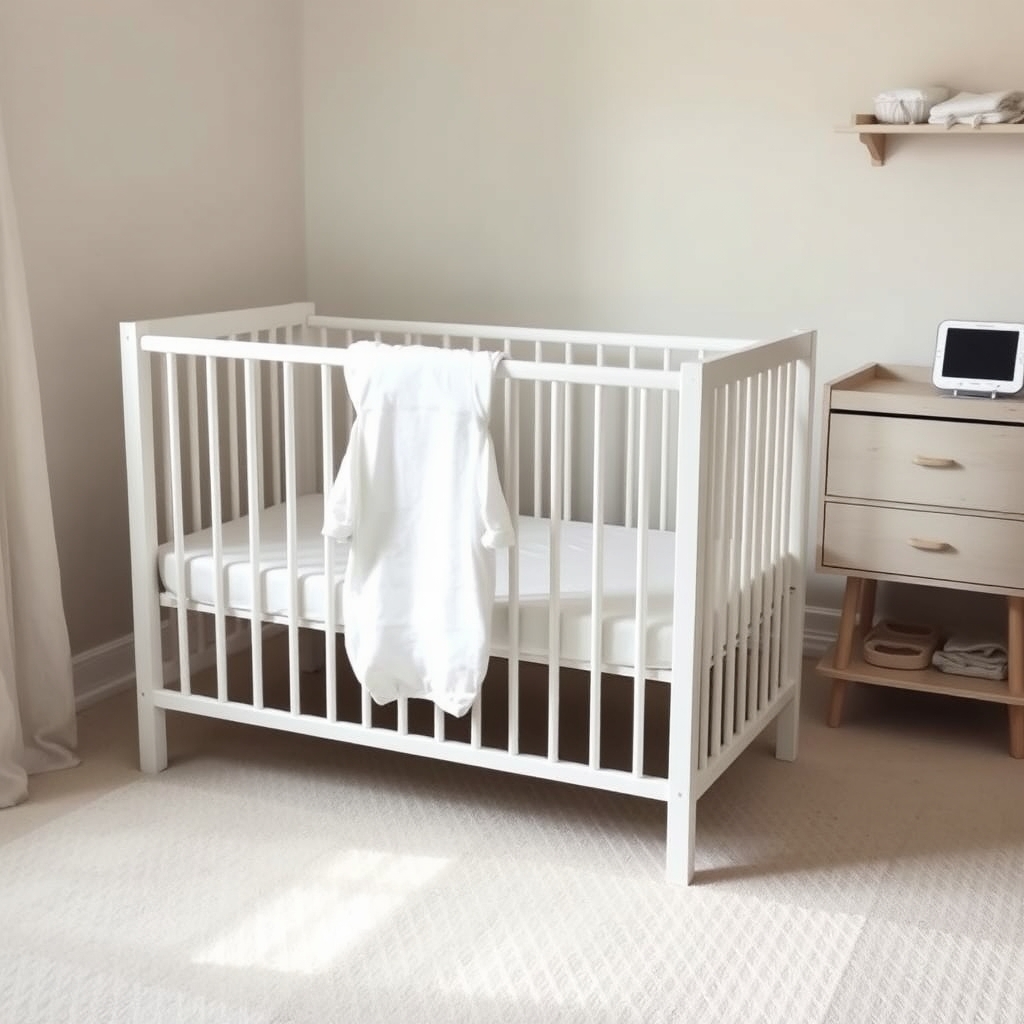
- Crib or bassinet: A bassinet (smaller, portable) works for the first 4–6 months; a full-size crib lasts until age 3+. Safety standard: All cribs sold in the US must meet CPSC (Consumer Product Safety Commission) standards; check that any used crib has not been recalled.
- Firm, flat mattress: A firm sleep surface reduces SIDS (sudden infant death syndrome) risk. Soft pillows, bumpers, blankets, and co-sleepers increase risk.
- Crib sheets: You’ll need 3–4 fitted sheets for easy washing. A waterproof protector underneath prevents mattress staining.
- Sleep sack or wearable blanket: Replaces loose blankets. Prevents overheating and keeps fabric away from baby’s face. Sizes go from newborn through toddler.
- Pillows, blankets, bumpers, wedges: Do not use these in the crib. They increase SIDS risk. The American Academy of Pediatrics (AAP) recommends a bare crib.
Real brands to evaluate: Graco, Babyletto, Dream on Me, Stokke (higher-end), IKEA Sniglar (budget). For sleep sacks: Love to Dream, Halo, Nested Bean, SwaddleMe.
Budget tier: $150–$500 for a crib; $80–$200 for a quality mattress; $30–$80 for sheets and a sleep sack.
Diaper Changing and Hygiene (Changing Table, Wipes, Diaper Cream, Bath Basics)
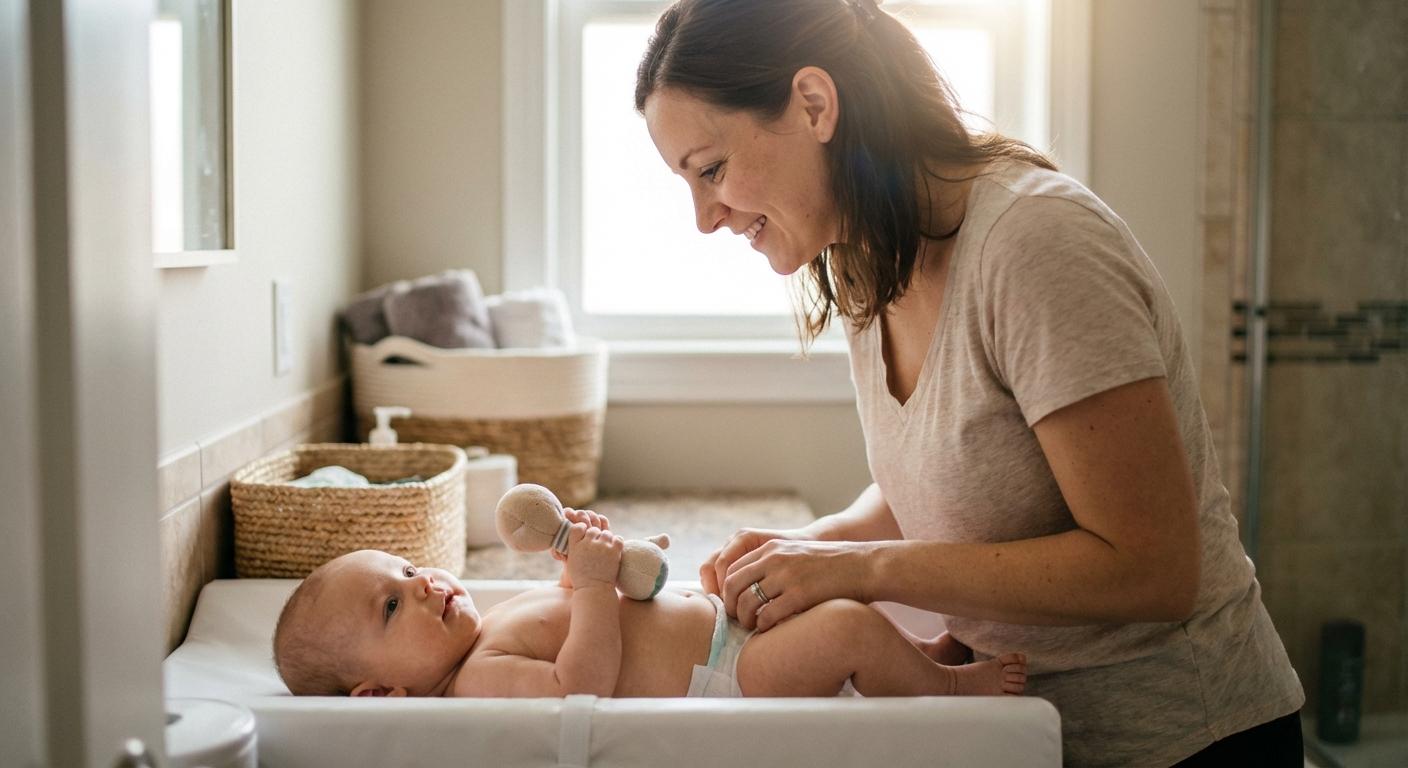
Must-have specs:
- Changing surface: A dresser with a changing pad on top works as well as a dedicated changing table and takes up less space. Ensure it’s stable and won’t tip.
- Diaper cream: For prevention (zinc oxide or lanolin-based) or treatment (antifungal or medicated). Start with a basic preventive cream; upgrade if rash develops.
- Nail clippers: Babies scratch themselves. Soft nail files or special baby clippers work; regular adult clippers risk cuts.
- Bath basics: A newborn tub, hooded towels, mild soap (or no soap for the first few weeks water alone is fine).
- Thermometer: A rectal thermometer is most accurate for newborns. Digital is faster and safer than mercury.
Real brands to evaluate: Burt’s Bees Diaper Rash Cream, Mustela, Aquaphor, Lansinoh.
Budget tier: $60–$150 for a changing surface, cream, and bath basics.
Sleep Monitoring and Health Monitoring (Thermometer, Monitor)
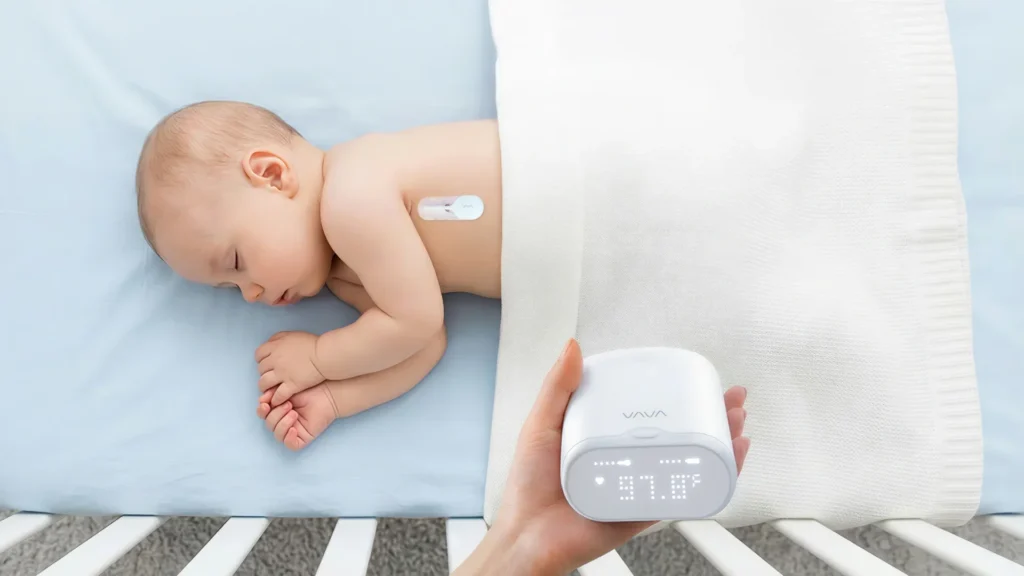
Must-have specs:
- Thermometer: Essential. A rectal thermometer is the standard recommendation for newborns (0–3 months). Ear or temporal thermometers are less accurate under 3 months.
- Video monitor (optional but widely used): Lets you watch your baby without entering the room. Choose between WiFi-enabled (phone access anywhere) or closed-circuit (monitor included, no WiFi). WiFi models offer convenience; closed-circuit monitors offer privacy.
- Audio-only monitor: Budget option; works if your nursery is close to your room.
- Breathing monitors or wearables: These claim to track oxygen or movement. The AAP has noted that these devices are not proven to prevent SIDS; a standard video monitor is sufficient for most families.
Real brands to evaluate: Munchkin (budget audio), Motorola (mid-range video), Owlet (wearable note: not proven to prevent SIDS), Nanit, Vtech.
Budget tier: $20–$30 for a thermometer; $80–$300 for a monitor (audio much cheaper than video).
Common myth: “Breathing monitors prevent SIDS.” The evidence doesn’t support this. Safe sleep practices (firm surface, back sleeping, room-sharing, pacifier use) are proven to reduce risk. A standard monitor lets you respond quickly if your baby needs help.
Safety Certifications to Look For
CPSC (US Consumer Product Safety Commission): All cribs, changing tables, and sleep gear must meet federal CPSC standards. Check that any product you buy hasn’t been recalled CPSC.gov has a searchable recall database.
ASTM International: Develops safety standards for consumer products, including crib mattresses and bedding. Look for ASTM compliance on labels.
Phthalate-free: Many parents prefer items without phthalates (chemicals that soften plastics). Not legally required, but increasingly common on bottles and teething toys.
BPA-free: Bottles and feeding gear marked BPA-free contain no bisphenol A (a chemical found in some plastics). This is now standard across major brands, but confirm on labels.
Budget Breakdown by Category
Here’s what realistic spending looks like for a first-time parent starting from zero. These are planning ranges, not guaranteed prices check current retailer pricing before finalizing your budget:
| Category | Budget Tier | Mid-Range Tier | Premium Tier |
|---|---|---|---|
| Feeding (bottles, sterilizer, formula if needed) | $80–150 | $150–300 | $300–500+ |
| Diapers & Wipes (first month) | $60–80 | $70–100 | $80–120 |
| Sleep Essentials (crib, mattress, fitted sheets, sleep sack) | $200–350 | $350–600 | $600–1,200+ |
| Changing & Hygiene (changing station, diaper cream, towels, baby bath essentials) | $50–100 | $100–180 | $180–300+ |
| Monitoring & Health (digital thermometer, baby monitor) | $40–80 | $150–250 | $250–400+ |
| Estimated Total Initial Setup | $430–760 | $830–1,430 | $1,410–2,520+ |
Monthly ongoing costs (diapers, wipes, formula) run $60–$150, depending on choices and where you buy.
Common Mistakes First-Time Parents Make
Buying too many newborn-size clothes and diapers. Most babies skip newborn sizes or outgrow them in 2–4 weeks. Start small; you’ll find out what your baby needs fast.
Overstocking specialty formula. If you’re formula-feeding, buy a few small containers first. Many babies tolerate standard formula; specialty options (sensitive, hypoallergenic, organic) aren’t needed upfront.
Skipping the basics for convenience gadgets. A $300 app-connected monitor is nice, but a $15 roll of waterproof mattress protector prevents more immediate problems. Priorities matter.
Filling the crib with soft items. Every pillow, bumper, and blanket in the crib increases SIDS risk. A bare crib with a fitted sheet and a wearable sleep sack is the safest setup.
Not having a backup changing option. A portable changing pad folds away easily and costs $20–$40. If your main changing surface isn’t handy, you need a fallback.
Where to Start: Your First Registry
If you’re building a registry from scratch, start here:
- Pick a safe crib (or bassinet + crib plan) that fits your space.
- Buy 8–10 bottles and a simple sterilizer (even if you’re primarily breast-feeding, bottles are useful for pumped milk or backup formula).
- Stock 2–3 fitted crib sheets, a waterproof protector, and a sleep sack in newborn and 0–6 month sizes.
- Get a basic changing surface (dresser + pad or a simple table) and diaper cream.
- Buy a thermometer and a video or audio monitor.
- Plan a month of diapers and wipes buy 2–3 different brands in small quantities first to see what works for your baby.
Once your baby arrives, you’ll quickly learn what you actually use and what you can add later. Most parents find they adjust their setup in the first few weeks.
FAQ: Your Real Baby Essentials Questions
Q: Do I really need a white-noise machine? No. A simple fan or free white-noise app works just as well. White noise masks household sounds and can help babies sleep, but it’s not essential many babies sleep fine without it. If you try it and your baby sleeps better, great; don’t buy one upfront.
Q: How many crib sheets do I actually need? Based on owner reports we’ve reviewed, 3–4 fitted sheets is the practical minimum. Babies spit up, have diaper leaks, and drool. With 3–4 sheets, you have a clean one on hand while others are in the wash. Two is tight; five is overkill.
Q: Is a bassinet necessary if I already have a crib? No. A bassinet fits in your room and is convenient for the first 4–6 months, but a full-size crib serves the same purpose AAP guidelines recommend room-sharing without bed-sharing for at least the first 6 months. A bassinet is convenient, not essential.
Q: What’s the difference between a sleep sack and a swaddle? A sleep sack is a wearable blanket (bag-like) that zips or snaps closed; it’s used as baby gets bigger and learns to roll (typically around 4 months). A swaddle is a cloth wrap you fold around a newborn; it’s more hands-on and used in the first 2–3 months until baby starts rolling. You don’t need both pick one based on preference. Most parents use a sleep sack longer-term.
Q: Do I need a humidifier? No not in the first year as a default. Humidifiers are helpful if you live in an extremely dry climate or your baby develops a respiratory issue, but they’re not a must-have and can introduce mold if not cleaned carefully. Wait and see if your baby needs one.
Q: Which diaper brand is best? There’s no single best. Diaper fit varies by baby shape, and rash often comes from diaper size or change frequency, not brand. Start with a budget brand (Mama Bear, store-brand) in a small pack; if your baby’s skin reacts or you get blowouts, try another. Most parents try 2–3 brands before finding the right fit.
Final Recommendation
Yes, you need baby essentials but you don’t need everything at once. Start with the five core categories (feeding, diapers, sleep safety, changing, monitoring) and buy in small quantities so you can adjust based on what your baby actually needs. A crib, some bottles, a changing surface, diaper cream, a thermometer, and a monitor will carry you through the first year. Everything else is optional.
Build your registry in tiers: must-haves first, nice-to-haves after you understand your baby’s needs. You’ll save money, reduce waste, and set yourself up for a less chaotic first month.