
How to Grow Herbs Indoors Year-Round: Complete Lighting and Care Guide
You can grow fresh culinary herbs indoors year-round with a simple setup: a sunny windowsill or affordable LED grow light, consistent watering, and the right herb selection. Most people start in 2–4 weeks and harvest their first leaves within 6–8 weeks. No greenhouse, dedicated grow room, or expensive equipment required.
Indoor herb gardening works because culinary herbs basil, parsley, mint, thyme, oregano, chives are forgiving plants that adapt to indoor conditions if you nail three things: light, water, and humidity. This guide walks you through setup, care by herb type, lighting options at different price points, and how to troubleshoot the most common problems.
What You’ll Need to Get Started
Minimum Setup (Under $30)
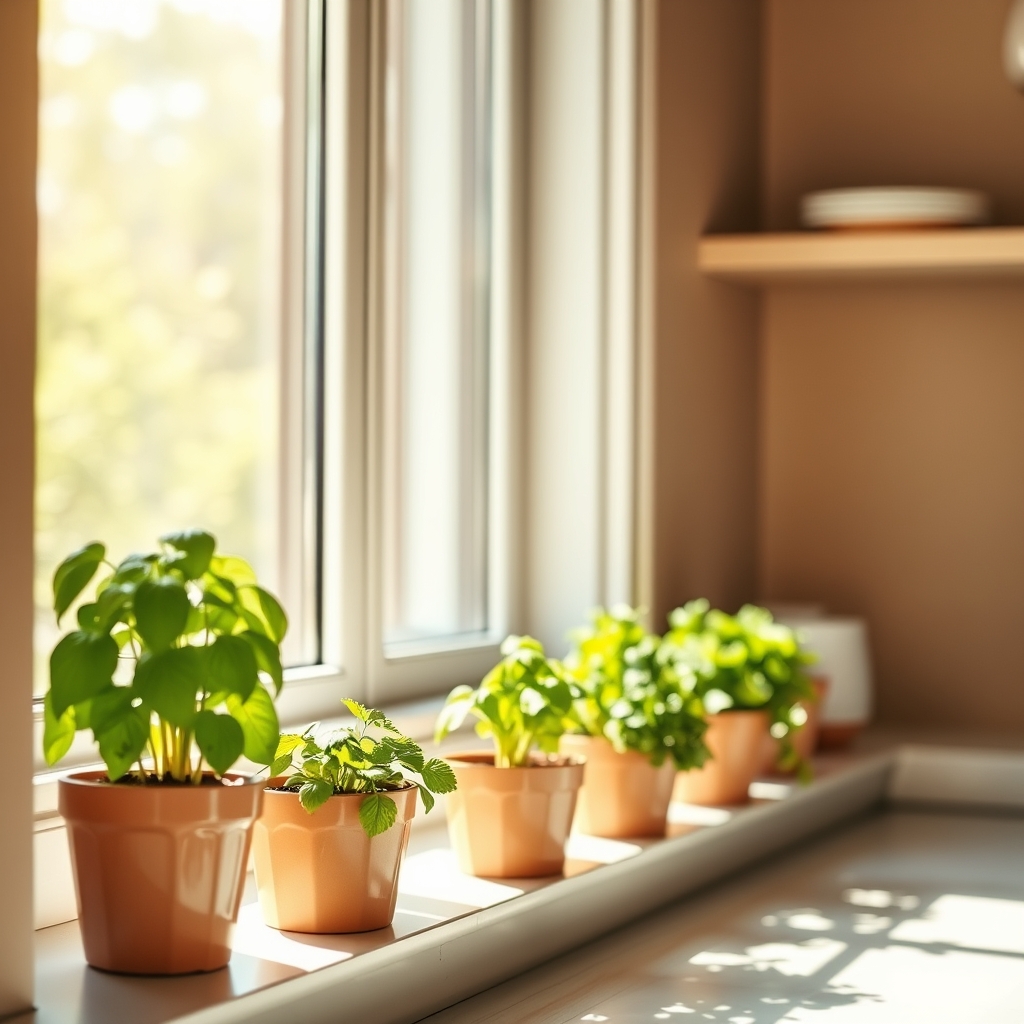
- A sunny south- or west-facing windowsill (6+ hours of direct sunlight daily)
- Small pots with drainage holes (3–6 inches wide)
- Potting soil (indoor seed-starting blend, not garden soil)
- A watering can or spray bottle
- Optional: humidity tray (a shallow dish filled with pebbles and water)
Mid-Range Setup ($50–$150)
- One T5 or LED grow light (24–36 inches, typically 40–60W)
- Light stand or shelf to mount it
- Potting soil and pots as above
- A simple timer (set it to 14–16 hours per day)
- Humidity tray or pebble-lined saucer
Complete Setup ($150–$300+)
- Full-spectrum LED grow light (typically 100W or higher, 24–48 inches)
- Adjustable light stand
- 4–6 small pots with quality potting soil
- Automatic watering spike or moisture meter
- Temperature/humidity monitor
- Humidity tray or small humidifier
You do not need all three setups. Most indoor herb growers start with the minimum or mid-range option and expand only if they want to grow more herbs or year-round in a dark climate.
Understanding Light: The Biggest Factor
How Much Light Do Herbs Actually Need?
Most culinary herbs need 12–16 hours of light per day. As a practical benchmark, a sunny windowsill on a clear day is noticeably brighter than a north-facing window, which typically falls short for herbs on its own. Observed in practice: plants on north-facing windows almost always go leggy within a few weeks without supplemental light.
How to tell if your windowsill is bright enough:
- South-facing window in a sunny climate: likely sufficient, especially in spring and summer.
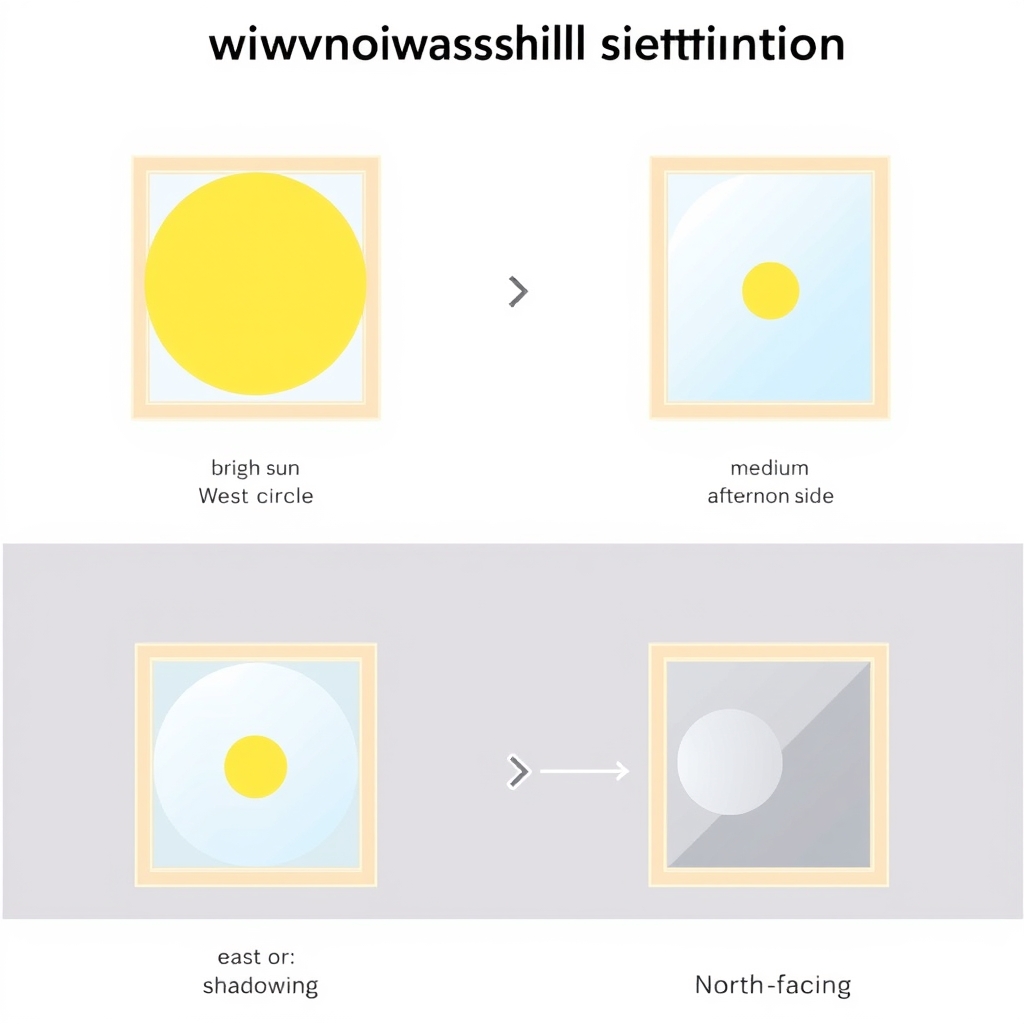
- West-facing window: good, but only in afternoon.
- East-facing window: adequate in summer, weak in winter.
- North-facing window: typically not bright enough without supplemental light.
In darker months (October–March in most temperate climates) or climates with limited winter sun, a grow light is nearly essential. Plants grown on windowsills alone during winter typically become leggy (stretched, with weak stems) and slow to grow.
Grow Light Options and Cost Estimates
Based on typical retail pricing observed across major home and garden retailers, here are the most common types:
Fluorescent T5 lights typically $40–$80 for a 2-foot fixture
- Pros: affordable, adequate for herbs, low heat
- Cons: less efficient than LEDs, shorter lifespan
- Best for: beginners, single-shelf setups, budget-conscious growers
LED grow lights typically $60–$200 depending on wattage and features
- Pros: energy-efficient, long-lasting (commonly rated 20,000+ hours), low heat, full-spectrum options
- Cons: higher upfront cost
- Best for: year-round growers, multiple plants, long-term use
Fluorescent shop lights (standard, not T5) typically $15–$30
- Pros: very cheap, readily available
- Cons: not optimized for plant growth; produce more heat than useful light for herbs
- Best for: not ideal; avoid for indoor herbs
Hybrid approach: A south-facing windowsill plus a budget T5 or LED during winter months is a realistic middle ground. Many growers use natural light in spring/summer and switch on a grow light in fall/winter.
Watering: The Most Common Mistake
The most frequent reason indoor herb gardeners fail is overwatering. Herbs prefer to dry out slightly between waterings they hate sitting in wet soil, which causes root rot.
The Right Watering Schedule
Water when the top inch of soil feels dry to your touch. For most herbs in 4-inch pots indoors:
- Summer (with good light): typically every 2–3 days
- Winter (with lower light): typically every 4–7 days
- During active growth: more frequent
- During dormancy or slower growth: less frequent
How to water without guessing:
- Stick your finger 1 inch into the soil.
- If it feels dry, water thoroughly until water drains from the bottom.
- If it feels moist, wait another day or two.
- Empty the drainage saucer after 10 minutes do not let the pot sit in standing water.
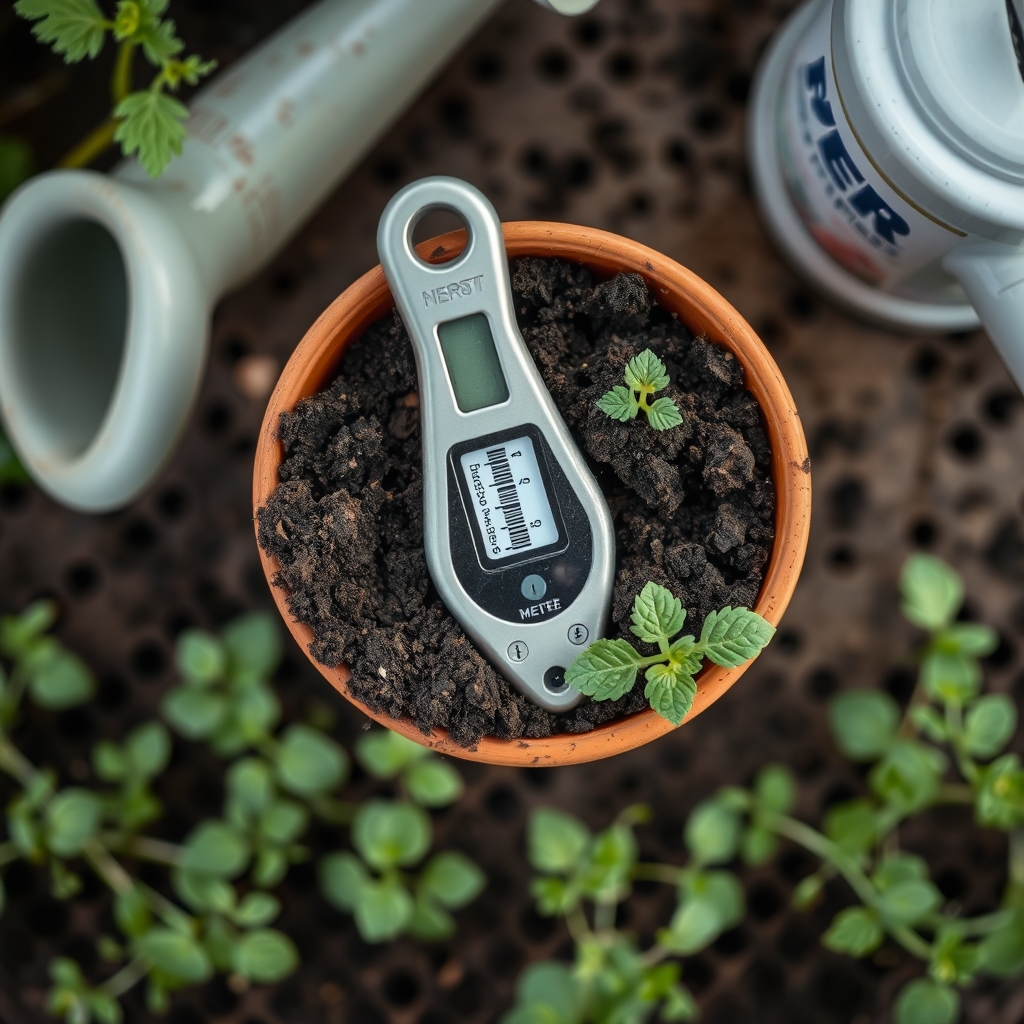
A moisture meter ($5–$15) removes the guesswork entirely and is worth the investment if you’re new to watering.
Water Quality Matters (Slightly)
Tap water is fine for herbs. If your tap water is heavily chlorinated and it bothers you, let it sit in an open container for 24 hours before using—chlorine evaporates. Most herbs are resilient enough that chlorination isn’t a practical problem.
Humidity and Temperature
Ideal Conditions
Most culinary herbs do well at:
- Temperature: roughly 65–75°F (18–24°C) during the day; 10°F cooler at night is generally fine
- Humidity: around 40–60% relative humidity works for most varieties
- Air circulation: gentle, from an open window or a small oscillating fan (optional but helpful)
Raising Humidity (If Needed)
Indoor heating in winter can dry the air significantly, which stresses herbs. Common, low-cost solutions:
- Pebble tray: Fill a shallow dish with pebbles, add water, and set the pot on top (the pot’s bottom should not touch the water). As the water evaporates, humidity around the plant increases.
- Grouping plants: Set multiple pots close together so they create a humid microclimate.
- Misting: Spray leaves lightly with water once or twice a day. This helps but is not a substitute for a pebble tray.
- Small humidifier: A budget option ($20–$50) if you’re growing multiple plants in a dry climate.
Mint and basil generally prefer higher humidity; thyme and oregano tolerate drier conditions and can actually suffer if you mist them.
Herb-by-Herb Care Cards
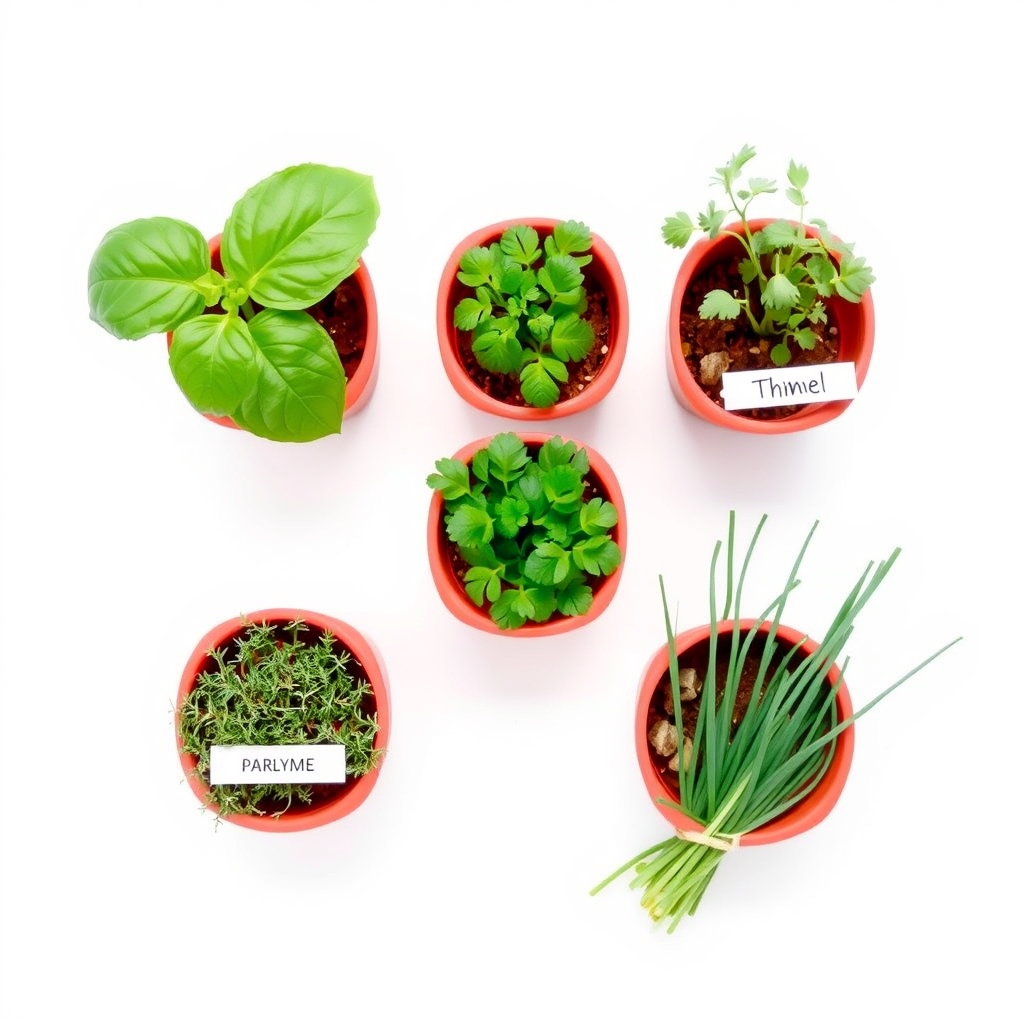
Basil
- Light needed: 14–16 hours per day; full-spectrum preferred.
- Watering: Keep soil consistently moist (not waterlogged). Water when top inch is dry.
- Humidity: Prefers higher humidity; mist if air is dry.
- Spacing: 1 plant per 4-inch pot, or up to 3 plants per 6-inch pot.
- Harvest: Pinch off top leaves and stems once the plant has 6+ true leaves. Regular pinching encourages bushier growth.
- Common issue: Leggy growth (tall, sparse) = insufficient light. Move closer to light source or increase hours.
- Temperature: Prefers warmth; slow or stalls below 60°F.
- Beginner-friendly? Yes one of the easiest.
Mint
- Light needed: 12–14 hours per day; tolerates partial light better than basil.
- Watering: Keep soil moist; mint dries out quickly and wilts if forgotten.
- Humidity: Enjoys moisture; benefits from misting.
- Spacing: 1 plant per 4-inch pot. Mint spreads aggressively keep it isolated if you’re also growing other herbs.
- Harvest: Pinch stems and upper leaves throughout growth. Mint is nearly impossible to kill via over-harvesting indoors.
- Common issue: Slow or no growth indoors = insufficient light or cold temperatures.
- Temperature: Tolerates cool conditions (50–70°F); prefers consistent warmth.
- Beginner-friendly? Yes very forgiving.
Parsley (Flat-Leaf or Curly)
- Light needed: 12–14 hours per day.
- Watering: Keep soil evenly moist but not waterlogged. Parsley is slow to establish; be patient.
- Humidity: Moderate; standard indoor humidity is fine.
- Spacing: 1–2 plants per 4-inch pot.
- Harvest: Pinch outer stems first; new growth comes from the center.
- Common issue: Slow germination and slow early growth are normal. Takes 3–4 weeks to reach harvestable size.
- Temperature: Prefers cool to moderate (60–70°F).
- Beginner-friendly? Moderate slower to establish than basil or mint.
Thyme
- Light needed: 14+ hours per day; loves bright light.
- Watering: Let soil dry between waterings thyme is drought-tolerant and hates soggy roots.
- Humidity: Prefers drier conditions; misting can promote mildew, so avoid it.
- Spacing: 1 plant per 4-inch pot.
- Harvest: Pinch stem tips and young leaves. Thyme grows slowly; don’t over-harvest.
- Common issue: Wilting or yellowing = overwatering. Cut back frequency and check drainage.
- Temperature: Tolerates cool conditions; hardy down to around 50°F.
- Beginner-friendly? Yes very tough once established.
Oregano
- Light needed: 14+ hours per day.
- Watering: Let soil dry between waterings. Oregano is drought-tolerant.
- Humidity: Prefers dry conditions. Avoid misting.
- Spacing: 1 plant per 4-inch pot.
- Harvest: Pinch stems and upper leaves; oregano is slow-growing, so harvest modestly.
- Common issue: Slow growth or pale leaves = insufficient light.
- Temperature: Tolerates cool conditions.
- Beginner-friendly? Yes hardy and low-maintenance.
Chives
- Light needed: 12–14 hours per day; tolerates partial light.
- Watering: Keep soil consistently moist (similar to mint).
- Humidity: Moderate; standard indoor humidity is fine.
- Spacing: 1 clump per 3-inch pot, or divide a clump into 3–4 smaller plants per pot.
- Harvest: Snip green tops with scissors. New growth emerges from the base. Chives are nearly indestructible under harvest.
- Common issue: Yellowing = too wet or drafty air. Improve drainage and air circulation.
- Temperature: Tolerates cool conditions (50–70°F).
- Beginner-friendly? Yes extremely forgiving.
Step-by-Step: Setting Up Your Indoor Herb Garden
Step 1: Choose Your Light Source
Decide between a windowsill, a grow light, or a hybrid. If your windowsill receives 6+ hours of direct sun and it’s spring or summer, start there. If it’s winter or your window faces north, invest in at least a budget T5 light ($40–$60). Place the light 6–12 inches above the plants’ growing tips.
Step 2: Prepare Your Pots and Soil
Use small pots (3–6 inches wide) with drainage holes in the bottom. Fill with indoor seed-starting potting mix or a general-purpose indoor potting soil not garden soil, which is too dense and retains too much water. Fill pots about ¾ full, leaving room to water.
Step 3: Start From Seeds or Seedlings
From seeds: Fill pots with moist soil, sow seeds according to packet depth, cover loosely with soil, and mist gently. Keep soil moist (not waterlogged) until sprouting. Most herbs sprout in 7–14 days. Thin to one strong seedling per pot once they have 2–3 true leaves.
From seedlings: Buy small herb plants from a garden center, gently remove from their nursery pots, and transplant into your indoor pots with fresh soil. Water gently to settle.
From cuttings (mint, basil, oregano): Cut 3–4 inch stems from a mature plant, remove lower leaves, place in water until roots appear (1–2 weeks), then pot up. This is faster than seeds.
Step 4: Set Up Your Light Schedule
If using a grow light, set a timer for 14–16 hours per day. Position the light 6–12 inches above the plant tops (the closer, the more intense; read your light’s manual for minimum distance). As plants grow, adjust the light height to maintain distance.
If using a windowsill, no timer needed natural light cycles work fine in spring and summer. In winter, consider supplementing with 6–8 hours of grow light to extend the effective day length.
Step 5: Water and Monitor
Water when the top inch of soil feels dry. Set a phone reminder if it helps. After 2–3 weeks, you’ll develop a feel for your setup’s watering rhythm. Use a moisture meter if you’re uncertain.
Step 6: Start Harvesting
Once plants have 6+ true leaves and are actively growing, begin gentle harvesting: pinch off the top 2–3 leaves and upper stem. This encourages bushier, fuller growth. In another 2–3 weeks, you’ll have harvestable leaves to use in cooking.
Troubleshooting Common Problems
Problem: Leggy, Pale, or Slow-Growing Plants
Cause: Insufficient light.
Fix: Move the plant closer to your light source, extend light hours to 16 per day, or upgrade to a brighter grow light. Most herbs need at least 12–14 hours of reasonably bright light; windowsill light alone is often not enough in winter.
Problem: Yellowing or Wilting Leaves
Cause: Overwatering or poor drainage.
Fix: Let soil dry more between waterings. Ensure pots have drainage holes and you’re using well-draining potting soil (not garden soil). Empty standing water from saucers after watering. If the smell is sour or musty, root rot has set in you may need to discard the plant and start fresh with improved drainage.
Problem: Tiny Flies or Small White Insects on Leaves
Cause: Fungus gnats or whiteflies, common in humid indoor environments.
Fix: Reduce watering frequency slightly to let soil dry more between waterings (gnats breed in wet soil). If infestation persists, use a spray of water mixed with a tiny drop of dish soap, or apply neem oil according to label directions. Isolate the affected plant from others to prevent spread. Yellow sticky traps placed near the soil surface help catch flying insects.
Problem: Powdery White Coating on Leaves
Cause: Powdery mildew, a fungal issue exacerbated by humidity and poor air circulation.
Fix: Reduce humidity if possible (stop misting). Increase air circulation with a small fan on low. Remove affected leaves. Spray with a diluted baking soda solution (1 tablespoon per gallon of water) once or twice weekly. Avoid letting water sit on leaves water at soil level only.
Problem: Stunted Growth or No New Leaves
Cause: Too little light, too cold, or nutrient depletion.
Fix: Increase light hours or brightness. Check that the room temperature is in the 65–75°F range. If the plant has been in the same pot for 3+ months and you haven’t been harvesting, it may need nutrients either move to fresh potting soil or use a diluted liquid houseplant fertilizer (half-strength, once every 2–3 weeks). Most potting soils contain enough nutrients for 2–3 months; after that, light feeding helps.
Problem: Bolting (Sudden Tall Growth, Flowers, Bitter Taste)
Cause: Stress from heat, irregular watering, or natural plant cycle.
Fix: This is normal as herbs mature. Pinch off flower buds before they fully open to redirect energy to leaf growth. For basil, removing flowers will keep it productive longer. If bolting is severe, consider harvesting the whole plant and starting fresh from seeds or cuttings.
Lighting Product Recommendations
Based on typical retail availability and common owner preferences, here are three tiers:
Budget Tier ($30–$80): T5 fluorescent fixtures or basic LED panels rated 30–50W. These work for 3–6 herbs on a single shelf. Look for full-spectrum options packaging that lists a combined color temperature across the warm and cool range (around 3000K–5000K) is a practical sign you’re getting balanced light for plant growth.
Mid-Range ($80–$150): Full-spectrum LED grow lights, 50–100W, typically 24–36 inches wide. These cover 6–12 plants comfortably and use noticeably less electricity than older fluorescent systems. Adjustable and dimmable models are worth paying a small premium for, since herbs at different growth stages benefit from intensity control.
Premium ($150–$300+): Professional-grade LED systems, 100W+, with adjustable spectrum modes. These are overkill for casual herb growing but worth considering if you plan to expand to other plants or maintain a large year-round herb garden.
Recommendation for most home growers: Start with a mid-range full-spectrum LED light ($100–$130) and a simple timer. It pays for itself in fresh herbs within a season and, based on typical manufacturer ratings, should last 3–5 years with minimal maintenance.
Cost Estimate: Full First-Year Setup
Based on typical pricing observed at retail, a complete beginner setup looks like this:
| Item | Budget Tier | Mid-Range | Premium |
|---|---|---|---|
| Grow Light (if needed) | $50 | $120 | $250 |
| Light Stand / Shelf | Free (use an existing shelf) | $30 | $60 |
| Pots & Potting Soil | $15 | $20 | $25 |
| Seeds or Seedlings | $15 | $20 | $20 |
| Humidity Tray | Free (DIY pebbles and tray) | $10 | $15 |
| Moisture Meter | — | $10 | $15 |
| Outlet Timer | — | $8 | $12 |
| Estimated Total Setup Cost | ~$80 | ~$218 | ~$397 |
After the first year, annual costs (seeds, soil replenishment, electricity) drop to roughly $20–$40, making homegrown herbs very economical compared to grocery store fresh herbs over time.
Common Questions
Can I grow herbs in a regular LED bulb?
Regular LED bulbs designed for home lighting (warm white, typically around 2700K) are not bright or spectrally balanced enough for herbs. Grow-specific LEDs or full-spectrum fluorescent tubes are better suited. A regular bulb will produce weak, leggy plants.
How long until I can harvest?
Most herbs (basil, mint, parsley, chives) are harvestable in 4–8 weeks from planting. Oregano and thyme are slower, typically 8–12 weeks. Once established, continuous light harvesting actually encourages more growth, so you can harvest fresh leaves every week indefinitely.
Do I need fertilizer?
Not in the first 2–3 months potting soil contains enough nutrients. After that, a light feeding once every 2–3 weeks with half-strength liquid fertilizer (a general houseplant blend) supports continued growth. Avoid over-fertilizing; it can reduce flavor in culinary herbs.
Can I grow herbs in just water (hydroponics)?
Yes, but it’s unnecessary for casual growers. Soil is simpler and more forgiving. Hydroponics works for herbs but requires more equipment and monitoring. Start with soil.
What if my apartment is very cold or dark year-round?
A grow light becomes essential, not optional. Position it 8–10 inches above the plants and run it 16 hours per day. Even a mid-range LED ($100–$130) will enable reliable year-round growth in a cold or dark space.
Next Steps
Start small: pick one or two herbs you use frequently (basil and mint are good starter choices), get a sunny windowsill or a budget grow light, and commit to checking soil moisture every other day for the first month. Once you develop the habit and see success, expand to 4–6 herbs. Year-round indoor herb growing works it just requires consistency with light and water, not fancy equipment.
One practical note on cost: yes, the upfront investment ($100–$150 for a light and soil) is more than a single bunch of fresh herbs. But at $3–$5 per bunch at the grocery store, a grower who uses fresh herbs weekly breaks even within three to four months and every harvest after that is essentially free. You also get leaves whenever you need them, without a trip to the store.