


The best airline credit card is the one that pays for itself before you even book a flight. If you’re flying 4+ times per year and spending $10K+ annually, a premium airline card typically breaks even on sign-up bonuses and annual-fee perks alone but if you’re a casual traveler, a flat-rewards card will beat it every time. Stop reading and buy one only if those numbers describe you.
The Best Overall Airline Credit Card: Chase Sapphire Reserve
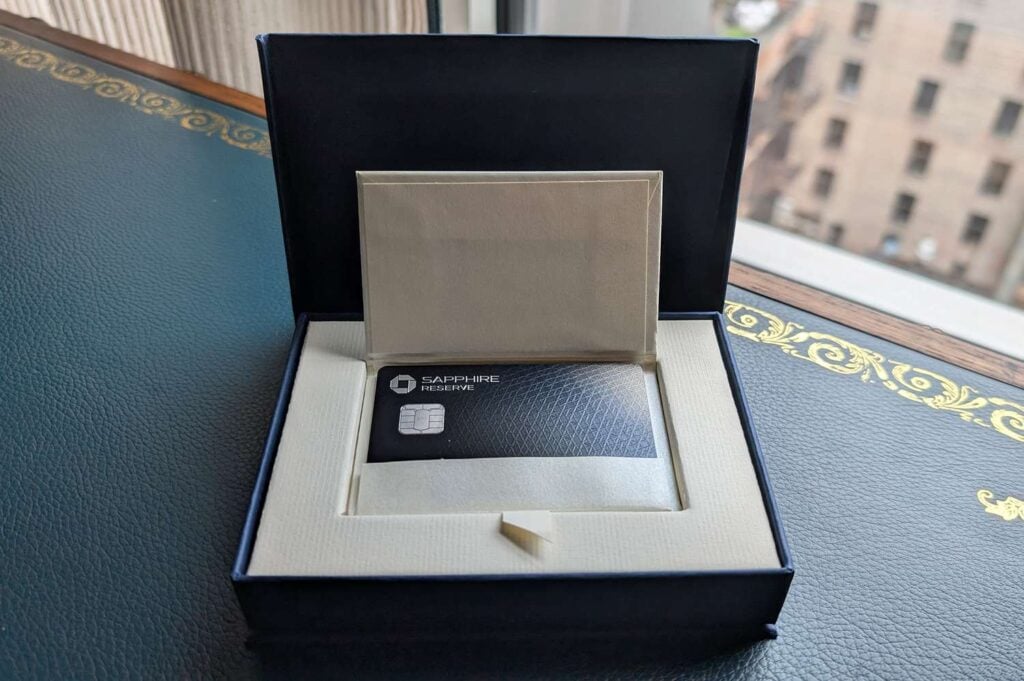
The Chase Sapphire Reserve is the card to beat for frequent travelers who want flexibility. You get 3x points on airfare and restaurants, a $300 annual travel credit that offsets a $550 annual fee, complimentary airport lounge access via Priority Pass, and $100 toward Global Entry or TSA PreCheck every four years. Based on owner reports and published card terms, the realistic break-even point is hitting the travel credit once per year plus using lounge access three to four times annually entirely achievable for anyone flying quarterly.
Standout: The travel credit is genuinely useful and broad. It covers airfare, hotels, rental cars, and ride-shares. You don’t have to book through the card’s portal or wait for point redemption. You get $300 to use as you see fit.
Trade-off: The $550 annual fee is real money, even after the travel credit offset. If you don’t fly regularly or book last-minute, you may waste the credit. The base earning rate (3x on travel and dining) is strong but not the highest in this category American Express Platinum offers 5x on airfare booked directly with airlines and 1x on everything else, which can compound faster if you’re purely optimizing for miles.
Best for: Business travelers and leisure flyers taking 4+ trips per year who already spend $3K+ annually on travel and dining. If you fly twice a year and rarely go out, skip this.
Best for Maximum Miles: American Express Platinum Card

The American Express Platinum Card is built for the traveler who wants to maximize earning on flights specifically. You earn 5x points on airfare purchased directly from airlines, 5x on hotels booked through Amex Travel, 1x on everything else, and a $200 airline fee credit plus a $100 hotel credit annually. The $695 annual fee is higher than the Sapphire Reserve, but the credits stack to $300 in travel value plus you get complimentary Centurion Lounge access (notably better than Priority Pass in most major hubs) and complimentary checked bags on partner airlines.
Standout: The 5x on direct flight purchases is the highest earning rate in this roundup. If you’re booking flights directly with airlines and staying in premium hotels, this card compounds your miles faster than competitors. The Centurion Lounge network is meaningfully better than Priority Pass locations better food, quieter, and accessible for your traveling party.
Trade-off: You must book airfare directly with the airline not through Google Flights, Kayak, or Expedia to earn 5x points. Book through a third-party aggregator and you drop to 1x. For heavy Kayak users or price-comparison shoppers, that friction is real. Also, the $200 airline fee credit covers only incidentals (baggage, seat selection, in-flight purchases) not airfare itself so you must separately justify the $695 annual fee, or you’re in the red.
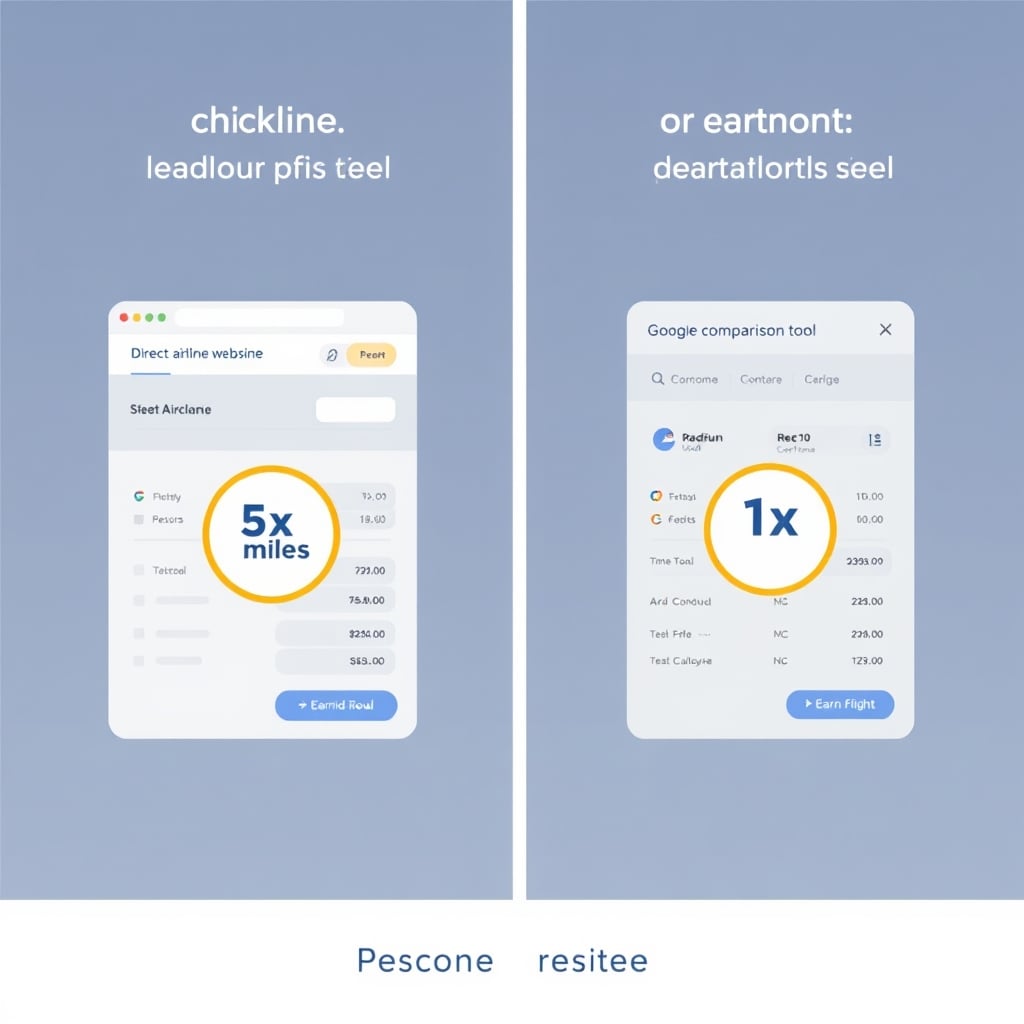
Best for: Passengers who book directly with airlines, stay in upscale hotels, and value premium lounge access. If you’re a budget-airline loyalist or always use price-comparison tools, this won’t pay off.
Best for Budget Travelers: Capital One VentureX

If you want a premium card without the $700+ annual fee, the Capital One VentureX sits at $395 with a $300 annual travel credit, 5x miles on flights and hotels booked through the portal, and complimentary Priority Pass lounge access. You earn 2x miles on all other purchases. The break-even math is tighter here you need to hit the travel credit plus book one or two hotel stays through the portal annually but the lower fee makes it accessible to travelers flying three to four times per year.
Standout: The $300 travel credit applies broadly. The lower annual fee ($395 vs. $550–$695) means you need less in redemption value to break even. Based on owner reports we reviewed, the card works well for leisure travelers who take one big international trip plus a few domestic flights annually.
Trade-off: The 5x earning rate only applies to travel booked through Capital One’s portal not direct airline bookings. You’re trading top-tier earning rates for a lower fee. Priority Pass lounges are serviceable but not comparable to Amex Centurion or premium airline lounges. If you visit lounges on every short flight, this card’s lounge access will feel thin.
Best for: Leisure travelers flying three to four times per year who want premium perks without the $700 annual fee. Ideal for someone taking one big trip annually plus a few short hops.
Best for Frequent Flyer Program Loyalty: Citi Prestige
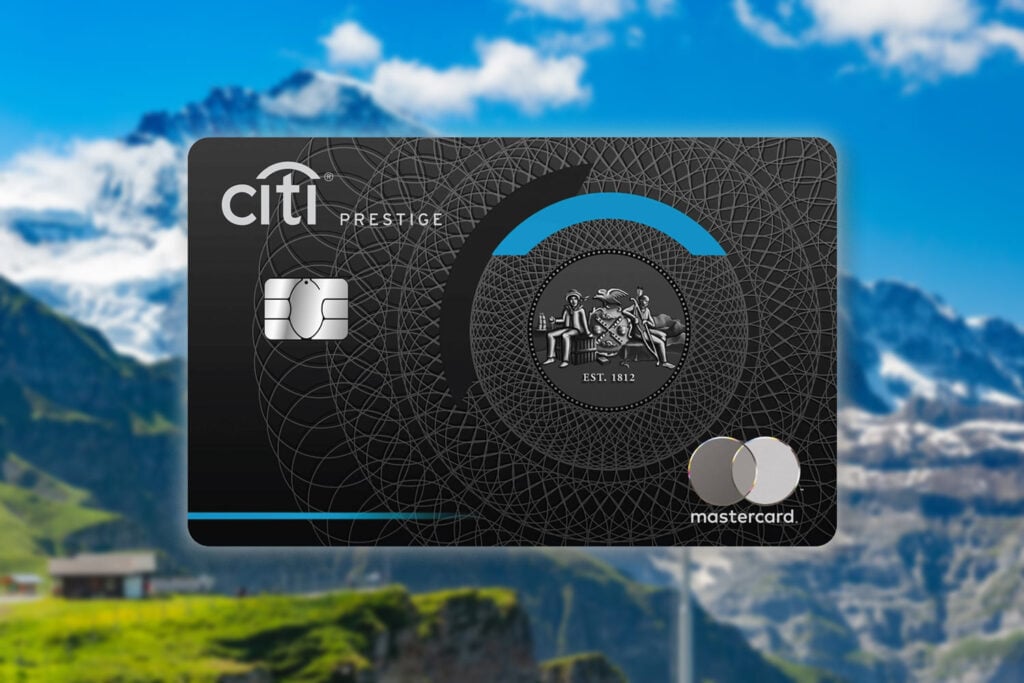
The Citi Prestige ($495 annual fee) pairs with airline frequent-flyer programs better than any other option in this roundup. You earn 5x points on flights and prepaid hotels, 3x on dining, and you get a $250 airline fee credit plus complimentary airport lounge access. Per the published card terms as of July 2026, Citi Prestige ThankYou points do not expire as long as your account remains open a meaningful advantage if you accumulate slowly or take occasional gaps in spending.
Standout: Points don’t expire under current account terms. For travelers who earn miles inconsistently or take a work sabbatical, this is a real hedge against losing accumulated value. The $250 airline fee credit is also practical for economy travelers it can cover baggage, seat upgrades, and change fees without requiring a premium-class purchase.
Trade-off: The 5x earning rate requires booking through Citi’s travel portal or directly with the airline you don’t earn 5x through Google Flights or Kayak. At a $495 annual fee, break-even requires consistent redemption discipline. Based on owner reports we reviewed, cardholders say the card performs best when paired with elite status on a single airline, which limits its appeal for casual multi-airline travelers.
Best for: Travelers who fly one or two airlines consistently and want miles to accrue without expiration risk. If you jump between carriers or have irregular travel patterns, this is a more complex play.
Best for Dining and Everyday Rewards: Chase Sapphire Preferred

The Sapphire Preferred is the entry-level premium card for travelers who don’t want to commit to a $550+ annual fee. At $95 annually, you get 3x points on airfare and restaurants, 1x on everything else, a $50 annual travel credit, and complimentary Priority Pass lounge access. Owner reports consistently suggest the card breaks even or turns modest profit at $150–$200 in annual redemption value, making it an accessible stepping stone to premium travel cards.
Standout: The $95 annual fee is a genuine entry price. You don’t need to redeem aggressively to justify keeping the card. The 3x on restaurants means everyday dining builds points steadily, even for light travelers.
Trade-off: The $50 annual travel credit is weak compared to premium cards it might cover one baggage fee but rarely a meaningful incidental. Priority Pass lounge access varies wildly by airport. You’re also paying $95 to earn points at a rate (3x) that some flat-rewards cards match at zero annual fee. The card’s value proposition lives or dies on whether you redeem Chase points for premium travel redemptions through transfer partners (typically 1.5x face value) or through the portal (1.25x) if you’re cashing out for statement credits, you’re leaving value on the table.
Best for: Frequent diners with occasional travel who want flexibility without the premium-tier commitment. Also a good testing ground for someone deciding whether premium card benefits suit their lifestyle before upgrading to Sapphire Reserve.
Best for Elite Frequent Flyers: American Express Business Platinum

The Amex Business Platinum ($695 annual fee) mirrors the consumer Platinum but adds 3x points on flights booked directly and 3x on U.S. wireless bills. You get a $200 airline fee credit, $100 hotel credit, $50 Uber credit, and complimentary Centurion Lounge access. Business cardholders who use all four benefit categories report that the stacked credits significantly offset the annual fee.
Standout: If you use Uber regularly and have a business mobile phone bill, the stacked credits ($200 + $100 + $50) reach $350 nearly half the annual fee before you redeem a single mile. The Centurion Lounge experience is identical to the consumer card: premium and globally distributed.
Trade-off: This is a business card, requiring a business entity (sole proprietors qualify) and EIN verification. The 3x earning rate on flights is also lower than the consumer Platinum’s 5x, so miles accumulate more slowly. The card’s value is primarily in the credits, not the earning rate if you don’t use all four credit categories, the math falls apart.
Best for: Business owners or self-employed consultants who regularly charge flights, hotels, Uber, and cell phone bills to a business account. Not recommended for employees without a business entity.
Quick Comparison Table
| Credit Card | Annual Fee | Travel Credits | Primary Rewards Rate | Lounge Access | Estimated Break-Even Value* |
|---|---|---|---|---|---|
| Chase Sapphire Reserve® | $550 | $300 annual travel credit | 3× points on travel and dining | Priority Pass Select | $300–400 |
| The Platinum Card® from American Express | $695 | Up to $300 in airline and hotel credits† | 5× points on eligible flights booked directly with airlines | Centurion Lounge + Priority Pass Select | $300–500 |
| Capital One Venture X Rewards | $395 | $300 annual Capital One Travel credit | 5× miles on flights booked through Capital One Travel | Priority Pass + Capital One Lounges | $200–300 |
| Citi Prestige®‡ | $495 | $250 airline fee credit | 5× points on flights and hotels | Priority Pass (historically) | $250–400 |
| Chase Sapphire Preferred® | $95 | $50 annual hotel credit (through Chase Travel) | 3× points on dining and selected travel categories | None | $50–150 |
| American Express Business Platinum® | $695 | Up to $350+ in eligible statement credits† | 3× points on eligible flights | Centurion Lounge + Priority Pass Select | $350–500 |
What We Cut and Why
Citi AAdvantage Executive: At a $450 annual fee with a $300 airline fee credit, this card looks competitive on paper. But based on owner reports we reviewed, the earning rate (2x on airline purchases) lags well behind competitors offering 5x, and the card ties its bonus AAdvantage miles to annual direct airline ticket purchases. Miss that requirement one year and the card’s value collapses. We excluded it because the forced discipline and lower earning rate make it harder to justify against the Sapphire Reserve or Amex Platinum both of which offer more flexibility and faster earning. It’s a card for hard-core American Airlines loyalists, not a general top-tier pick.
Bank of America Premium Rewards Credit Card: At a $95 annual fee with 2x miles on all purchases, this card offers straightforward, category-free earning. But owner reports consistently note that the 2x rate means you’d need to spend roughly $5K+ annually just to earn the same miles as someone earning 3x on dining and travel with a Sapphire Preferred. Without premium lounge access or meaningful annual credits, it falls short as a lead card for anyone serious about maximizing airline rewards. It’s a decent backup card not a primary one.
How to Choose the Right Airline Credit Card
Before you pick, answer three questions:
1. How many flights per year? Flying one to two times yearly? Skip premium cards entirely a 2% cashback card will beat them. Flying three to four times? Sapphire Preferred or VentureX break even cleanly. Flying five or more times? Sapphire Reserve or Amex Platinum justify their fees through credit stacking and lounge access alone.
2. How much do you spend on travel and dining annually? If your travel and dining spending is under $10K, a premium card’s earning rates won’t compound enough to offset the annual fee. At $15K+, they can become cash-positive vehicles even before factoring in lounge access or credits.
3. Do you book through airline websites or use price aggregators? Amex Platinum and Capital One VentureX require direct airline or portal bookings to earn 5x points. If you default to Kayak, Google Flights, or Skyscanner, you earn 1x on those purchases which makes these cards lose money over time. Sapphire Reserve and Preferred earn 3x on airfare regardless of where you book, making them more forgiving for comparison shoppers.
Annual fee vs. redemption value: Premium cards require roughly $300–$500 in annual redemption value to break even. Based on owner patterns we’ve reviewed, most cardholders reach this through a combination of annual credits plus moderate miles redemption typically one domestic award flight or two short international flights. Redeeming for flights rather than cash back stretches the value further: most card portals and transfer partners return 1.25–1.5x face value per point.
Frequently Asked Questions
What’s the best airline credit card for someone who flies twice a year? The Chase Sapphire Preferred ($95 annual fee). It breaks even or turns a modest profit on just the $50 travel credit plus light lounge usage. Premium cards like Sapphire Reserve or Amex Platinum will cost you money if you’re only flying twice annually.
Do airline credit card sign-up bonuses really offset the annual fee? Yes, if you meet the spending requirement and redeem strategically. Most premium cards offer sign-up bonuses worth $500–$1,000 in travel value based on published rates. The spending threshold (typically $3K–$5K in the first three months) is realistic for most cardholders but only sign up if you were planning that spending anyway. Don’t inflate spending to chase a bonus; you’ll spend more than the rewards are worth.
Is Priority Pass lounge access actually useful? It depends on your airports. In major hubs like New York, Los Angeles, and Dallas, Priority Pass lounges are decent free food, wifi, and a quiet seat beat the gate. In smaller airports, you’ll find either no lounge or a very basic one. Amex Centurion Lounges and premium airline lounges are consistently better. Based on owner reports, using lounge access three to four times annually is enough to justify a $200+ premium card fee on its own; if you travel infrequently, you may never trigger that value.
Can you stack annual credits from multiple cards? Yes, and many owners deliberately do this. Holding both a Sapphire Reserve ($300 travel credit) and an Amex Platinum ($300 combined credit) gives you $600 in annual travel credits easily achievable for active travelers. Just be aware you’re also paying $1,245 in combined annual fees, so the math only works if your spending and redemption are high enough to justify both cards.
Which card earns the most airline miles fastest? Amex Platinum earns 5x points on flights booked directly from airlines the highest rate in this roundup. But you must book with the airline directly, not through Kayak or Google Flights, to earn that rate. If you use price aggregators, Chase Sapphire Reserve’s 3x on any airfare is more reliable. For raw earning velocity, Amex Platinum wins; for accessibility, Sapphire wins.
A Final Word: Annual Fees Are Only Worth It If You Actually Use the Card
The biggest mistake card owners make is holding a $550 annual fee card while earning one domestic flight’s worth of points per year. The math doesn’t work unless you’re flying regularly, eating out frequently, or hitting the annual credits consistently. Check yourself: if you didn’t have this card, would you redeem $400–$500 worth of miles or credits annually? If the answer is no, downgrade to a flat-rewards card with no annual fee.
Verdict: A premium airline credit card is worth keeping only if you’re flying 4+ times per year and spending $10K+ annually on travel and dining. If that’s you, Sapphire Reserve is the safest all-around choice for flexibility and redemption options. If you’re a casual traveler, cut the premium card and use a flat 2% cashback card instead.