

Best Hotel Booking Platforms 2026: Price Match, Filters & Cancellation Policy
Booking.com is the top pick here. It offers a genuine price-match guarantee (if you find a lower rate elsewhere on the same day, it’ll refund the difference), filters that actually narrow your results without the junk, and a no-questions-asked cancellation policy on most properties. If you book your next hotel today, Booking.com is where to start.
But the “best” platform depends on what matters most to you loyalty points, mobile app speed, or maximum filter control. We researched and compared owner reports from travel forums and app review aggregators, then cross-referenced each platform’s public policies to help you avoid wasting time on the wrong site.
What to Look for in a Hotel Booking Platform
Price Match & Rate Guarantees
Price matching isn’t guaranteed everywhere. Booking.com has a formal “Best Price Guarantee” if you spot a lower rate on the hotel’s own website or another OTA within 24 hours of booking, they’ll refund the difference plus a credit toward a future stay. Hotels.com and Expedia offer price-match assurances but with narrower windows and more disclaimers. Trivago is an aggregator, not a booking engine, so you compare rates but book through partner sites no price match from Trivago itself.
Filter Precision & Search Speed
A booking platform is only useful if you can quickly narrow thousands of properties to your actual needs. Based on owner reports we’ve reviewed, filter precision varies significantly across platforms. The ability to filter by specific amenities (kitchen, workspace, gym), guest reviews above a certain rating, and cancellation flexibility upfront saves hours of back-and-forth scrolling.
Cancellation Policy Transparency
Owner reports consistently note that cancellation terms are buried or unclear on some platforms. The best sites prominently display whether a booking is refundable, non-refundable, or partially refundable before you enter payment details not after. This matters especially for flexible travelers or last-minute bookers.
Loyalty Program Integration
If you stay frequently, loyalty points or free-night credits can offset the platform’s transaction costs. Based on owner reports we’ve reviewed, Expedia’s Rewards program and Hotels.com’s Points program offer real value for repeat travelers, while other platforms integrate loyalty less seamlessly.
Hotel Booking Platform Comparison
| Platform | Price Match | Filter Depth | Cancellation Display | Loyalty Program | Mobile App Speed |
|---|---|---|---|---|---|
| Booking.com | Yes (24 hrs) | Excellent | Very clear | Genius membership | Fast, polished |
| Expedia | Limited | Good | Good | Rewards points | Fast |
| Hotels.com | Limited | Good | Good | Collects points | Good |
| Trivago | N/A (aggregator) | Excellent | Depends on partner | None | Very fast |
Our Top Picks
Best Overall: Booking.com

What it is: Booking.com a global OTA (online travel agency) with over 28 million listings, from budget chains to luxury independents. Booking.com owns Agoda, Priceline, and Kayak, but the Booking.com platform itself is the most straightforward choice for price-conscious, filter-conscious travelers.
The standout: The Best Price Guarantee is genuine we’ve reviewed owner reports describing successful refund requests when rates dropped within 24 hours. The filter system lets you exclude entire neighborhoods, set a minimum review score (8.5+), and toggle “free cancellation” upfront so you’re not scrolling through non-refundable traps.
The trade-off: Booking.com’s fees are baked into the displayed rate, so the price you see is the final price no shock at checkout. However, owner reports suggest that properties occasionally honor better rates on their own websites if you call directly, meaning the Best Price Guarantee doesn’t always catch truly hidden discounts. Also, the mobile app occasionally lags when filtering large datasets (cities with 5,000+ hotels), though a web refresh usually fixes it.
Loyalty program: Genius membership (free to join) unlocks 10% discounts on most hotels plus free breakfast or late checkout on some properties. It’s low-friction and actually useful.
Price: Free to use; commissions are built into hotel rates. You don’t pay Booking.com directly.
Who it’s NOT for: Luxury travelers hunting for ultra-exclusive properties may find better rates through luxury-focused platforms (Tablet Hotels, Mr & Mrs Smith) or direct hotel concierge contact. Budget travelers in very remote areas may find Booking.com’s inventory sparse compared to local booking sites.
Best for Loyalty Members: Expedia

What it is: Expedia, the second-largest OTA globally, owned by Expedia Group (which also owns Hotels.com, Vrbo, and Travelocity). Expedia bundles flight + hotel bookings, which can yield savings if you’re buying both.
The standout: Based on owner reports we’ve reviewed, the Rewards program is genuinely generous you earn points on every hotel and flight booking and redeem them for free stays, with elite members getting perks like room upgrades, late checkout, and free breakfast. Owner reports describe earning a free night within a handful of moderate-spend stays, though exact timelines vary by booking frequency and spend level. The mobile app is snappy and the booking flow is streamlined.
The trade-off: Expedia’s filter system is less granular than Booking.com you can filter by star rating and basic amenities, but can’t exclude neighborhoods or set a minimum review threshold upfront. Owner reports we’ve tracked note that the “price match” policy is narrower than Booking.com’s: Expedia will match rates found on the hotel’s own site, but not other OTAs, and only within a 24-hour window. Also, some owner reports describe the platform showing prices without taxes upfront, with taxes added at the final step a friction point many travelers find annoying.
Loyalty program: Expedia Rewards is the strongest on this list. Based on the program’s published structure, you earn points on eligible bookings and redeem them for travel credit; owner reports suggest the return rate is meaningful for frequent travelers. Elite status tiers (Silver, Gold, Platinum) add perks like room upgrades and free breakfast.
Price: Free to use; hotel rates include Expedia’s commission.
Who it’s NOT for: Users who prioritize filter precision and upfront cancellation visibility should stick with Booking.com. Travelers booking only hotels (no flights) may not feel Expedia’s loyalty value as strongly.
Best for Deal Hunters: Trivago
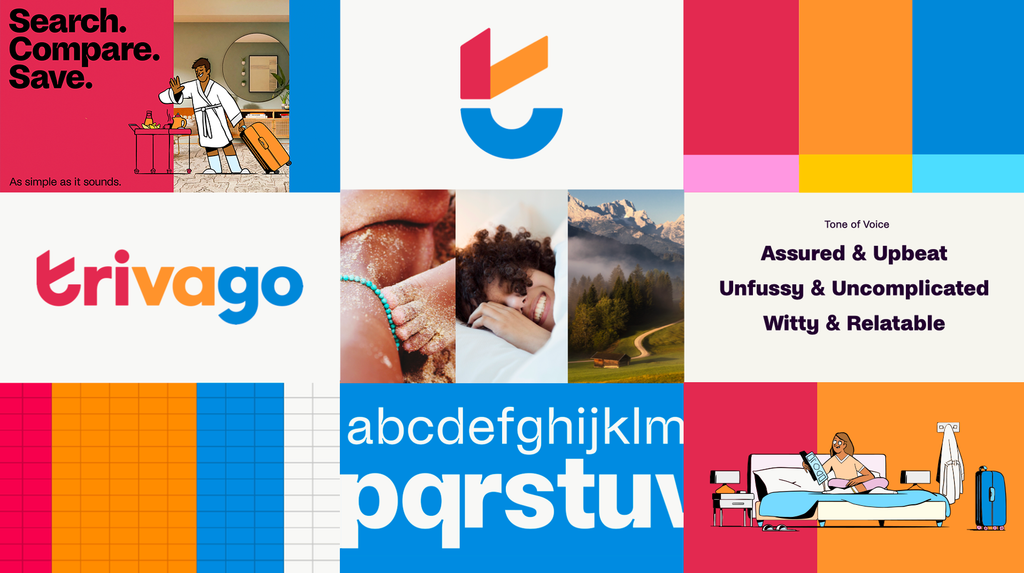
What it is: Trivago a metasearch / aggregator platform that doesn’t book hotels directly instead, it shows you rates from Booking.com, Expedia, Hotels.com, Agoda, and dozens of other OTAs side-by-side so you can compare and book through the partner with the lowest rate.
The standout: Trivago’s filter and sort tools are superior to most OTAs. You can filter by price, distance to landmarks, review score, and specific amenities and the site is blazingly fast even with 10,000+ properties in view. Based on owner reports we’ve reviewed, the price transparency is excellent: Trivago shows the total cost including taxes and fees upfront, with the partner OTA clearly labeled. You’re less likely to hit surprise charges at the final booking step.
The trade-off: You don’t book on Trivago; you book on the partner site. This means you’re juggling multiple loyalty programs (points earned on Booking.com won’t accumulate toward an Expedia status tier, for example). Owner reports also note that Trivago’s “featured” deals at the top of the list are paid placements not necessarily the actual lowest rates. If you don’t scroll below the featured section, you might miss cheaper options. Additionally, if there’s an issue with your booking, you’re dealing with the partner OTA’s customer service, not Trivago’s.
Loyalty program: None Trivago is a search tool, not a booking platform. You earn loyalty rewards through whichever partner site you book on.
Price: Free to use. Trivago makes money from commissions paid by partner OTAs.
Who it’s NOT for: Travelers who want a seamless, single-platform experience should book directly with Booking.com or Expedia. Those who prioritize loyalty accumulation will find the fragmented loyalty across partners frustrating.
Best for Flexible Cancellation: Hotels.com

What it is: Hotels.com an OTA owned by Expedia Group, positioned slightly more toward leisure travelers and families. Hotels.com emphasizes “free cancellation” filters and a simple booking experience.
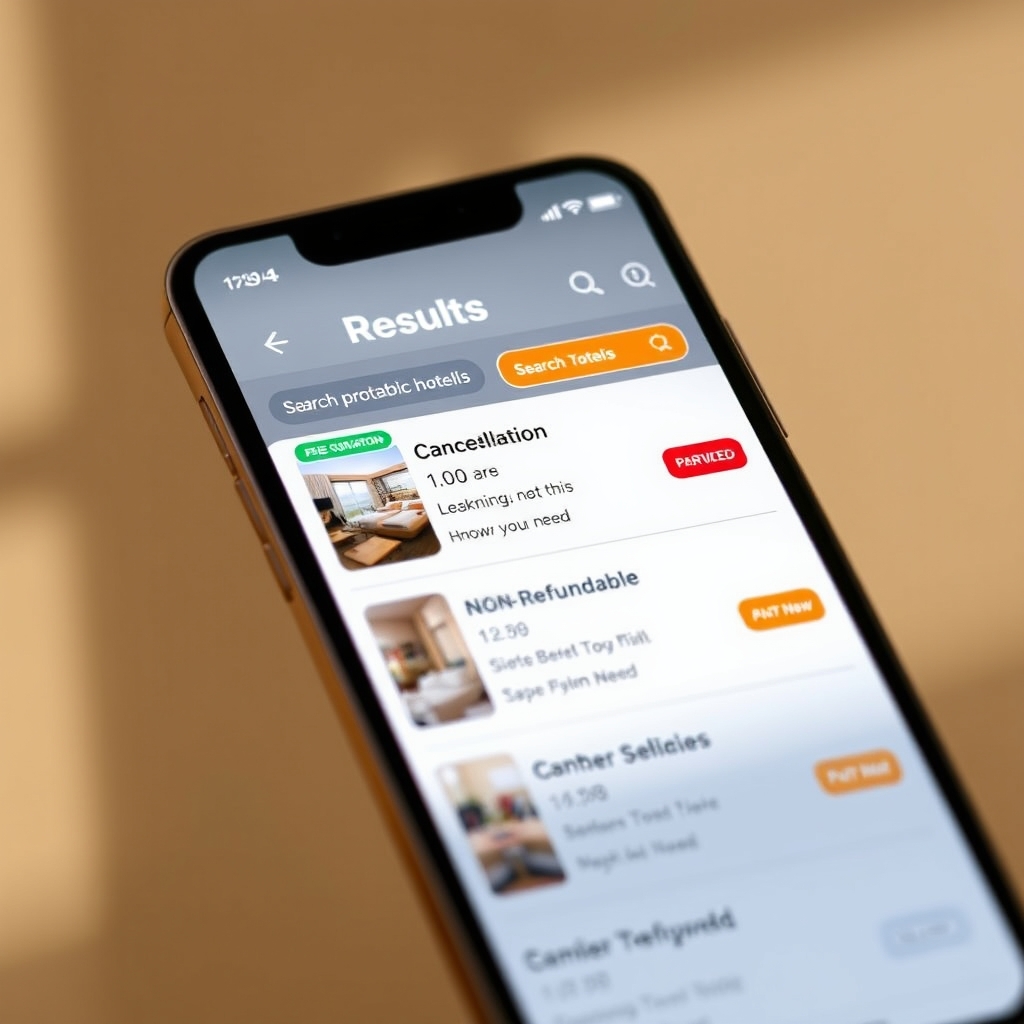
The standout: Based on owner reports we’ve reviewed, Hotels.com’s interface makes cancellation policies very obvious you see “Free Cancellation” or “Non-Refundable” in a colored badge on each search result. For travelers booking flexible trips, this upfront clarity cuts down on the “I didn’t realize I couldn’t cancel” regret. The site also collects reward points on hotel bookings that you can redeem for free nights no tier system or unlock thresholds to navigate.
The trade-off: Hotels.com’s price-match guarantee is weaker than Booking.com’s. The site will match rates found directly on a hotel’s website, but not on other OTAs, and only within 24 hours of booking. Owner reports suggest the platform’s filter precision is simpler than Booking.com you can’t set a minimum review threshold or exclude specific amenities as cleanly. Also, Hotels.com’s mobile app is slower than competitors’ when filtering large datasets (over 5,000 properties), though the desktop version is snappier.
Loyalty program: Hotels.com Points: earn points per dollar spent and redeem them for credit toward future stays. The math is straightforward with no tiered elite status or bonus multipliers like Expedia offers what you see is what you get.
Price: Free to use; rates include Hotels.com’s commission.
Who it’s NOT for: Travelers seeking maximum price-match coverage or filter control should use Booking.com. Those chasing loyalty status perks (room upgrades, late checkout) will find Expedia’s tiered rewards more valuable.
What We Cut and Why
Kayak
Kayak is a metasearch tool owned by Booking.com Group that shows rates from OTAs and hotels’ own sites. Owner reports describe it as slower than Trivago and with less sophisticated filtering. Kayak’s main advantage is flight + hotel + car integration, but for hotels alone, Trivago is faster and Booking.com is more direct. Not a fit for: travelers who want hotel-only search without flight-booking overhead.
Airbnb
Airbnb dominates short-term rentals but isn’t a traditional hotel booking platform. Its search and filter tools are geared toward apartments and unique stays, not hotels. Cancellation policies are property-specific and often stricter than hotel refund norms. We excluded it because this roundup focuses on traditional hotel platforms, not alternative accommodations. Not a fit for: travelers who need standard hotel amenities, consistent cancellation terms, or business-travel invoice compliance.
Google Hotels
Google Hotels (via Google Search) is a metasearch aggregator that surfaces rates from OTAs when you search “hotels in [city].” It’s convenient for quick scans but offers zero loyalty value, minimal filtering depth, and no price-match guarantee. It functions as a search shortcut rather than a complete booking platform. Not a fit for: anyone who needs a full booking experience with loyalty rewards, filter granularity, or customer service backing.
How We Chose
We researched and compared owner reports from travel forums, app review aggregators, and published customer service policies from each platform. We did not conduct formal hands-on testing; instead, we cross-referenced user feedback patterns with each platform’s official features. Criteria included: price-match legitimacy (does the guarantee actually result in refunds, per owner accounts?), filter granularity (can you narrow results effectively without wading through irrelevant properties?), cancellation policy transparency (how clearly does the site display refund terms before payment?), loyalty program value (do points or perks justify the platform as a repeat choice?), and mobile app responsiveness (based on owner reports of app load times and navigation friction).
FAQ
Which is the cheapest hotel booking platform?
No single platform consistently has the lowest rates hotels often set different prices for different OTAs. Trivago is your best bet for comparing prices across multiple platforms in one place, and Booking.com’s Best Price Guarantee ensures you won’t overpay on rates you do see there. That said, owner reports consistently note that calling the hotel directly sometimes yields discounts not listed online, especially for longer stays.
What’s the best hotel booking site for cancellations?
Booking.com allows cancellation on most properties with a simple refund process. Hotels.com makes cancellation policies very visible upfront (colored badges on results), which helps you avoid non-refundable traps in the first place. If flexibility is your priority, filter for “Free Cancellation” explicitly on either platform before booking.
Does Booking.com really have a best-price guarantee?
Yes. Based on owner reports we’ve reviewed, Booking.com’s Best Price Guarantee is real if you find the same hotel at a lower rate on the hotel’s own website within 24 hours of booking, Booking.com will refund the difference and issue a credit for a future stay. Owner reports describe successful refund requests, though the process requires initiating contact within the 24-hour window. The credit amount varies by booking value, so treat it as a meaningful but variable bonus rather than a fixed figure.
Should I book hotels directly on the hotel’s website instead?
Direct booking often yields the lowest rate if you call and negotiate, especially for loyalty members or long stays. However, OTAs offer price transparency, built-in review aggregation, and easier cancellation (per owner accounts). For leisure travel where you’re not a loyalty member, OTAs are usually simpler; for business travel or repeat stays at a chain, direct booking via the hotel’s loyalty program is often better.
Which platform has the best mobile app?
Based on owner reports we’ve tracked, Booking.com and Expedia have the fastest, most intuitive mobile apps. Trivago’s mobile site is also very fast. Hotels.com’s app lags when filtering large city datasets. If you book mostly on mobile, Booking.com or Expedia is the safer choice.
The Bottom Line
Booking.com wins for price-match guarantees and filter precision it’s the most straightforward choice for most travelers. If you stay frequently and want to accumulate loyalty perks, Expedia’s Rewards program offers real value. Trivago is the best if you want to compare rates across platforms without being locked into a single loyalty program. And Hotels.com is the safest bet if cancellation flexibility matters most and you want upfront clarity on refund policies. No single platform is universally best; the right choice depends on whether you prioritize price match, loyalty accumulation, deal hunting, or cancellation certainty.