


Adventure Travel Insurance: What It Actually Covers (And What It Doesn’t)
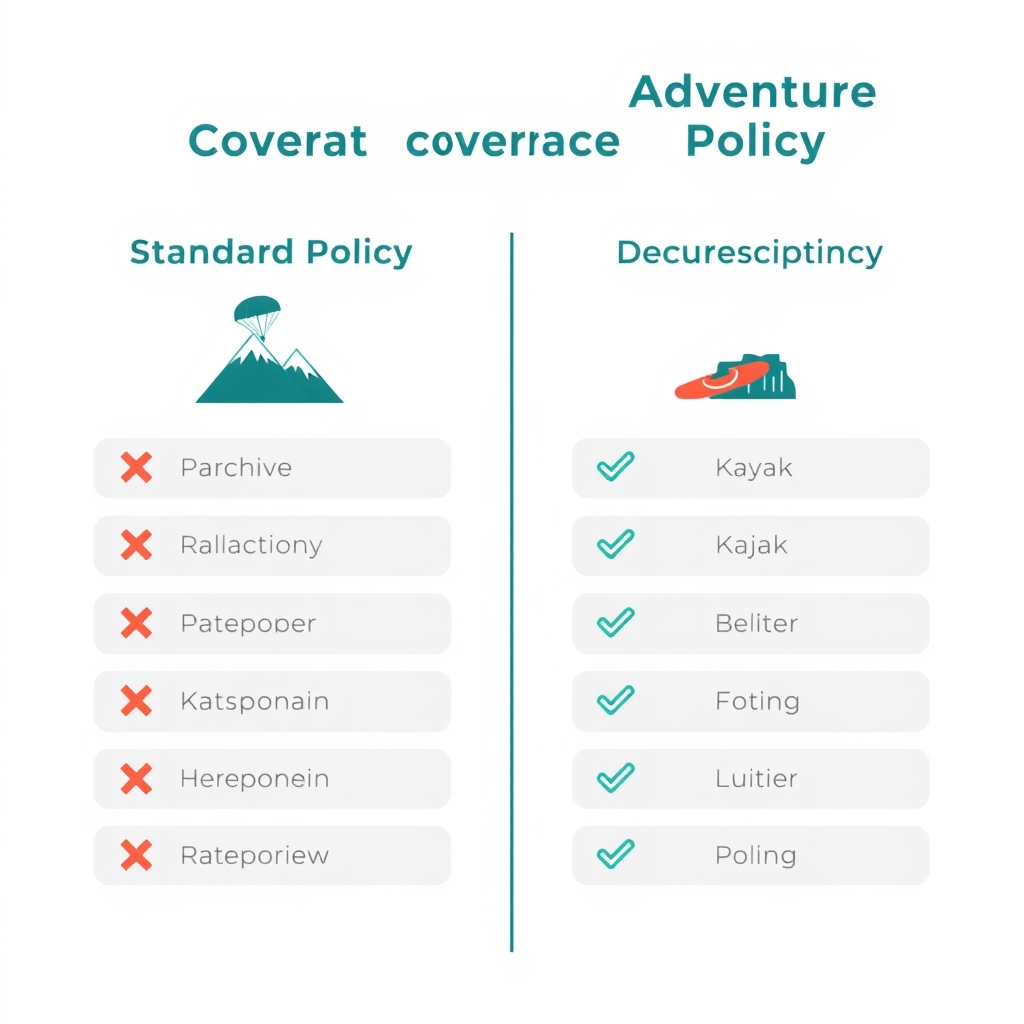
Adventure travel insurance is specialized travel coverage that includes high-risk activities standard policies exclude things like rock climbing, skydiving, backcountry skiing, and white-water rafting. Most travelers assume their regular travel insurance covers these activities. It doesn’t. A standard policy will deny a claim if you’re injured mountaineering, competing in a race, or heli-skiing. Adventure travel insurance exists specifically to fill that gap but only if you buy the right one and read the activity list before you go.
Yes, it’s worth it if you’re doing anything riskier than beach walking. No, not all adventure insurers cover all activities. Do this instead: pick your activities first, check the insurer’s activity list, and verify coverage limits for each. Takes thirty seconds per policy.
What Actually Matters When Choosing Adventure Travel Insurance
1. Activity Coverage List Not All Insurers Cover the Same Things
This is the single most important decision. Two otherwise identical policies can have radically different activity lists. One might cover rock climbing up to grade 5.10, while another won’t cover climbing at all. A third covers mountaineering under 4,000 meters only.
You need to match your specific activities to the policy before you buy. Don’t assume “adventure” coverage means everything. Check the policy document or activity table for each of these:
- Rock climbing & bouldering (some insurers cap height or grade; some cover sport climbing only, not trad)
- Mountaineering (often limited by altitude 4,000m, 5,500m, or 6,500m are common caps)
- Skiing & snowboarding (most cover, but some exclude backcountry or extreme terrain)
- Skydiving (covered by some, excluded by others; tandem usually cheaper than solo)
- White-water rafting (class capping is common Class III and below vs. Class V+)
- Kitesurfing, windsurfing, kiteboarding (high-risk water sports often have separate limits)
- Heli-skiing (some exclude it; others charge a premium)
- Motorcycle riding (covered by adventure policies, often excluded by standard ones)
- Scuba diving (may be capped at recreational depths, 40m typical)
If you’re doing an activity not on the list, it’s usually excluded not covered, full stop. A claim will be denied.
What to ignore: Insurers listing 100+ activities without specifying limits. Look for the actual fine print, not the marketing count. A policy covering “skydiving” may exclude solo jumps or limit it to 10,000 feet. Call or chat with the insurer if the policy wording is ambiguous.
2. Coverage Limits Vary Wildly by Activity And You Can’t Always Upgrade Them
Even when an activity is covered, the benefit cap may be lower than your standard medical limit. Mountaineering claims often sit well below general medical coverage, which commonly runs $250,000+. Heli-skiing and backcountry coverage may have sub-limits too.
You also can’t always increase limits on specific activities. Some insurers offer one fixed benefit tier for all coverage; others let you add activity-specific riders at extra cost. Based on policy structures we’ve reviewed, a rider for heli-skiing might add roughly $100–$200 to your premium; a mountaineering altitude upgrade might add $50–$150 though these figures vary by provider and should be confirmed at the time of quoting.
Based on our comparison of published provider documentation, activity-specific benefit caps we’ve observed tend to fall in these ranges (treat these as editorial orientation, not guaranteed figures always verify directly):
- Mountaineering: $50,000–$150,000 (varies by altitude tier)
- Skiing/snowboarding: Usually included at standard medical limits
- Skydiving: $25,000–$100,000 (tandem vs. solo affects price, not always benefit limit)
- Rock climbing: $50,000–$150,000 depending on the insurer
- Water sports: $75,000–$250,000 for recreational; higher for competitive
What to ignore: Policies that don’t itemize activity limits. If they won’t tell you the cap, the benefit is likely too low for serious adventurers. Ask explicitly what the benefit is for your specific activity before you buy.
3. Exclusions Buried in the Fine Print Common Deal-Breakers
Adventure policies have exclusions that standard travel policies don’t. These are usually legit risk management, but they can knock out a trip if you don’t know about them.
Common adventure-specific exclusions, based on our review of published policy documents:
- Professional guiding or instruction: If you’re getting paid to climb, ski, or guide, you may not be covered (or only covered for a lower benefit).
- Solo activities without a guide: Some policies require that you use a certified guide for mountaineering or certain climbs. Climbing alone voids coverage.
- Training or competitions: Racing, professional competitions, and formal skill-building courses are often excluded. This is huge for endurance athletes.
- Activities while under the influence: Obvious, but worth stating you’re excluded if injured while intoxicated.
- Dangerous stunts or professional sports: Base jumping, wingsuit flying, and some extreme sports fall outside most adventure policies. They’re not even called “adventure” anymore; they’re exclusions.
- Pre-existing medical conditions: Some adventure insurers are stricter about these than standard travel insurance.
- Travel to high-risk countries: Even adventure insurers may exclude certain regions. The policy may also exclude you if you’re traveling against government travel warnings.
What to ignore: Policies that claim “comprehensive adventure coverage.” All adventure policies have exclusions. The question is whether your activities fit inside the covered list or outside it. Read the actual exclusions section, not the marketing.
4. Deductibles and Excess Amounts Higher for Adventure Activities
Adventure travel insurance typically has higher deductibles (called “excess” in some regions) than standard travel insurance. This is because claims are more common and more expensive.
Based on our review of published policy documents, deductible ranges in adventure policies we’ve observed tend to look like this confirm current figures directly with any insurer before buying:
- Standard medical claims: $100–$500 USD
- Adventure activity claims: $250–$1,000 USD (sometimes much higher)
- Evacuation/rescue claims: Often $0 (waived) for legitimate emergencies; sometimes a smaller excess like $100
Some policies let you choose your deductible to lower the premium. A $1,000 excess might save you 20–30% on the monthly premium in the policies we’ve reviewed, but it means you’re paying the first $1,000 of any claim yourself. This is a real trade-off.
What to ignore: The premium alone. Compare the effective cost by adding back the deductible you’d pay in a claim. A cheap policy with a $1,000 excess can end up costing more than a mid-priced policy with a $250 excess if you file a claim.
5. Duration and Flexibility Trip-Based vs. Annual Plans
Adventure travel insurance comes in two main flavors: trip-based (single journey) and annual/continuous coverage.
Trip-based works well if you take one big adventure per year. You buy coverage for your exact trip dates usually 7 to 365 days. The price is fixed per trip.
Annual is better if you take multiple trips or do adventures sporadically. Based on policies we’ve reviewed, annual plans commonly run around $300–$600 USD per year. This works especially well for backcountry sports enthusiasts who weekend-trip frequently.
Some annual policies have a catch: they limit consecutive days in any one country or require you to be “based” somewhere. A few have a “maximum duration per trip” rule (e.g., 60 days max per journey). Check this if you’re planning a long expedition.
What to ignore: Policies that don’t clearly state the renewal or trip-duration cap. A “one year of coverage” policy that actually means 12 separate 30-day trips is different from a policy covering 365 consecutive days.
6. Rescue and Evacuation The Most Expensive Claim Type
Mountain rescue, helicopter evacuation, and backcountry extraction are the costliest claims in adventure travel insurance. Helicopter rescues from remote peaks are routinely cited by rescue services as running into five figures; a documented range of $10,000–$50,000+ appears consistently across industry sources, though actual costs vary by country and terrain.
Adventure policies usually cover rescue/evacuation without a separate deductible (or with a tiny one), because the alternative not covering it means climbers get rescued and then go bankrupt paying the bill. This is the market’s implicit understanding.
But read the details:
- Does it cover rescue in your destination? Remote countries (Patagonia, Nepal, parts of Africa) have less-organized rescue infrastructure. Some insurers don’t cover rescue in specific countries.
- Does it cover rescue for non-commercial climbing? A policy might exclude rescue if you’re climbing without a guide or without a permit.
- Does it cover rescue if you ignored warnings? If the peak is closed or there’s an avalanche warning, a denied-rescue scenario can happen.
What to ignore: Policies that tout “unlimited rescue coverage” without naming exclusions. There are always exclusions; get the specifics.
Price Tiers: What You Actually Get at Each Level
Based on policy structures we’ve reviewed, adventure travel insurance for a short trip typically starts around $50–$150 USD for 7–14 days of basic coverage, scaling to $600–$900 USD per year for full annual plans. These are editorial observations; your actual quote will vary by age, destination, and activities selected. Here’s where the value actually lives:
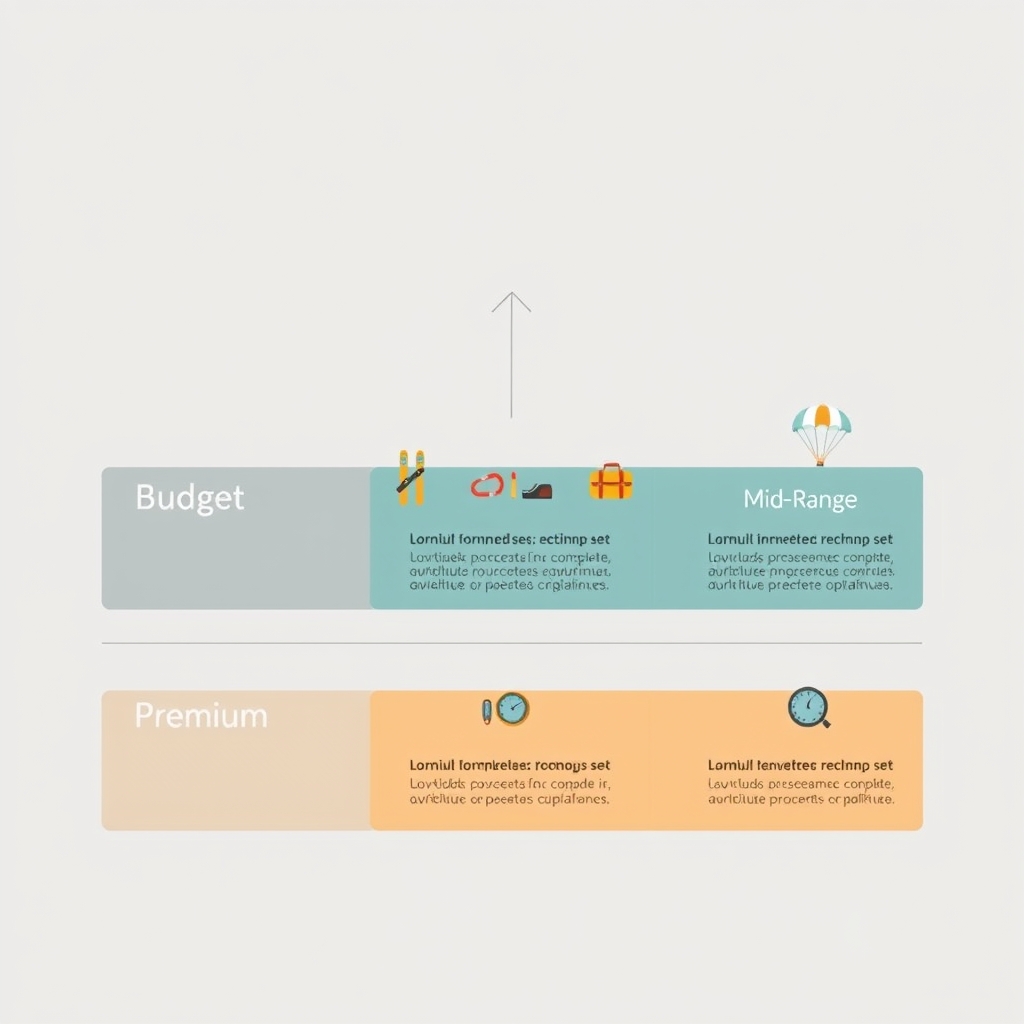
| Coverage Tier | Typical Trip Length | Estimated Cost | What’s Included | What’s Typically Excluded |
|---|---|---|---|---|
| Budget | 7–14 days | $50–100 | Basic medical coverage, emergency evacuation, and select adventure sports (e.g., skiing, basic climbing) | High-altitude mountaineering, extreme water sports, heli-skiing, and professional guiding |
| Mid-Range | 14–30 days | $100–200 | Higher medical limits, a broader range of adventure activities, and mountaineering up to approximately 5,000 m | BASE jumping, wingsuit flying, professional competitions, and solo high-altitude climbing |
| Premium / Annual | 30+ days or 12 months | $300–900/year | Extensive adventure sports coverage, high-altitude expeditions (6,500 m+), heli-skiing, competitive sports, and multiple trips per year | BASE jumping and a small number of other extreme activities are typically still excluded |
Where value sits: The jump from budget to mid-range is usually the biggest ROI. You’re typically adding $50–$100 to your cost but unlocking activities (mountaineering above 4,000m, advanced water sports, backcountry skiing) that budget policies exclude entirely. The jump from mid to premium is smaller unless you’re doing multiple trips per year or need specialist riders.
If you’re taking one adventure trip, buy trip-based (14–30 day tier usually fits). If you’re a regular adventurer doing 2–4 trips per year, annual breaks even after two trips and costs less for three-plus.

Activity-Specific Coverage Checklist: What to Verify Before You Book
Use this checklist for your specific activity. Don’t assume coverage check the policy document or contact the insurer.
Rock Climbing & Bouldering
- ✓ Sport climbing covered?
- ✓ Trad climbing covered?
- ✓ Grade/height limit? (Some policies cap at 5.10; others go to 5.12+)
- ✓ Indoor gym climbing covered? (Rarely excluded, but verify)
- ✓ Solo vs. guided does policy require a partner or guide?
Mountaineering & High-Altitude Climbing
- ✓ Altitude cap? (4,000m, 5,500m, 6,500m are common thresholds)
- ✓ Named peaks excluded? (Some policies exclude Kilimanjaro, Elbrus, etc. due to demand)
- ✓ Permit required? (Some insurers require an official permit for coverage)
- ✓ Guide required? (Solo summits sometimes excluded)
Skiing & Snowboarding
- ✓ On-piste (groomed runs) covered?
- ✓ Off-piste (backcountry) covered? (Big difference; often a rider cost)
- ✓ Heli-skiing covered? (Expensive rider, usually $100–$300)
- ✓ Terrain park and tricks covered? (Some exclude these)
Skydiving & Aerial Sports
- ✓ Tandem skydiving covered?
- ✓ Solo jumping covered? (Usually higher cost or excluded)
- ✓ Minimum altitude requirement? (Some require 10,000+ ft jumps only)
- ✓ Number of jumps per trip covered? (Some limit to 1–2)
Water Sports: Surfing, Kitesurfing, White-Water Rafting
- ✓ Wave/class cap? (Kitesurfing may be capped at 15–20 knot winds; rafting at Class III–IV)
- ✓ Competitive events covered? (Probably not)
- ✓ Coastal vs. inland? (Some policies treat ocean sports differently)
Scuba Diving
- ✓ Recreational depth limit? (40m is standard; technical diving usually excluded)
- ✓ Certification required? (Most require PADI or equivalent)
- ✓ Dive guide required? (Some do, some don’t)
- ✓ Liveaboard diving covered?
Top Adventure Travel Insurance Providers: Quick Comparison
Based on our review of published policy documents and feature lists, here’s how the major providers stack up across activity coverage breadth, price, and activity-specific limits. All pricing figures below are editorial estimates derived from publicly available policy structures; they are not guaranteed rates. Policies and prices change verify directly with each insurer before buying.
| Insurance Provider | Trip-Based Price (14 Days, Est.) | Annual Price (Est.) | Adventure Activity Coverage | Activity Limits | Best For |
|---|---|---|---|---|---|
| World Nomads | $80–150 | $500–700 | Extensive (80+ listed activities) | High-altitude mountaineering and heli-skiing available on eligible plans | Frequent adventurers and flexible travelers |
| SafetyWing | $50–80 | $220–350 | Moderate (basic adventure sports) | Lower overall coverage limits; excludes many extreme sports | Budget backpackers and light adventure travel |
| IMG Global (Go Nomadic) | $120–200 | $600–900 | Very extensive with premium adventure options | High limits for most covered adventure activities | Serious mountaineers and long expeditions |
| Allianz Global Assistance | $100–180 | $400–600 | Broad coverage that varies by plan | Moderate to high limits depending on the policy tier | Business travelers who want adventure add-ons |
| AXA Travel Insurance | $90–160 | $500–750 | Broad coverage with strong water sports options | Good coverage for many water-based activities | Surfers, kayakers, and scuba divers |
Important: These are estimated ranges based on common policy structures observed in provider marketing and public documents as of mid-2026. Actual pricing varies by age, destination, trip length, and selected activities. Always quote directly with the insurer for accurate figures.
Common Mistakes: What Salespeople Oversell and What You Should Avoid
Mistake 1: Buying Coverage Without Checking Your Specific Activity
This is the #1 reason claims get denied. You buy “adventure travel insurance,” assume it covers your planned rock climbing trip, and then upon claiming discover the policy caps climbing claims at grade 5.9 and you were climbing 5.11. Denied.
Fix: Before you buy, search the policy for your specific activity. If it’s not mentioned or the benefit is capped below your planned difficulty, get a different policy or add a rider.
Mistake 2: Confusing “Adventure” Coverage with “Extreme Sports” Coverage
Insurers use “adventure” to mean activities above standard travel insurance (skiing, mountaineering, water sports). But extreme sports BASE jumping, wingsuit flying, professional stunt work are usually still excluded even from adventure policies. “Adventure” is a marketing term, not a legal guarantee of universal coverage.
Fix: If you’re doing anything in the wingsuit/BASE category, call the insurer explicitly. Don’t assume.
Mistake 3: Not Reading the Deductible Section
A $70 trip-based policy can become a $400 out-of-pocket cost if you file a claim with a $1,000 deductible and your medical bill is $1,400. You pay the first $1,000; insurance pays the remaining $400. Many people skip the deductible fine print and get shocked.
Fix: Calculate total expected cost = (premium) + (deductible if claimed). Compare actual costs, not headline premiums.
Mistake 4: Assuming Rescue/Evacuation Is Always Covered
Most adventure policies cover evacuation, but not if you’re doing something outside your policy’s activity list. If you’re mountaineering at 6,500m and your policy caps at 5,500m, an evacuation claim may be denied because you were doing an excluded activity.
Fix: Confirm evacuation coverage explicitly mentions your activity and altitude/location.
Mistake 5: Buying Annual Coverage When You Only Need One Trip
It’s tempting to think annual is always cheaper. It’s not. If you take one two-week trip per year, trip-based coverage ($100–$150) is cheaper than annual ($500+). Annual makes sense only if you’re taking 3+ trips annually or doing frequent weekend adventures.
Fix: Do the math: annual cost ÷ number of trips. If it’s under $150–$200 per trip equivalent, annual wins. Otherwise, buy trip-based.
Mistake 6: Ignoring Country-Specific Exclusions
Some adventure insurers exclude coverage in specific countries due to political risk, poor rescue infrastructure, or travel advisory status. You might buy a policy, arrive in your destination, and discover the insurer won’t cover claims there.
Fix: Check the policy’s country exclusion list before buying, not after arriving.
Real Claim Scenarios: How Coverage Actually Works (and Fails)
Scenario 1: Rock Climbing Accident at Grade 5.10
Situation: You’re sport climbing at Red River Gorge, fall 15 feet, break your ankle. Medical bill: $8,000 USD.
Policy A (Budget tier): Covers climbing up to grade 5.9. Your 5.10 climb is outside the listed activity. Claim denied. You pay $8,000.
Policy B (Mid-range tier): Covers climbing up to 5.12. $150,000 medical limit. $500 deductible. Claim approved. You pay $500; insurance pays $7,500.
Lesson: One grade difference = coverage or no coverage. Check your specific climbing grade, not just “climbing.”
Scenario 2: Heli-Skiing Avalanche Rescue
Situation: You’re heli-skiing in British Columbia. Small avalanche buries you; rescue helicopter deployed. Helicopter cost: $22,000 USD. Medical treatment: $4,000.
Policy A (No heli-ski rider): Covers skiing but explicitly excludes heli-skiing. Rescue claim denied. You owe $22,000 out of pocket.
Policy B (With heli-ski rider, +$150 cost): Covers heli-skiing; evacuation waived (no deductible). Rescue approved ($22,000 covered). Medical approved ($4,000 covered, less $250 deductible = $3,750 paid). Total claim: $25,750 covered. You pay $150 (rider) + $250 (deductible) = $400.
Lesson: Heli-skiing looks like skiing, but it’s a separate category and often excluded from base coverage. The $150 rider saves you $22,000 in a likely scenario.
Scenario 3: Mountaineering Above Altitude Cap
Situation: You summit Mount Elbrus (5,642m). Develop severe altitude sickness. Evacuation and treatment: $18,000 USD.
Policy A (Altitude cap 4,000m): Elbrus is above the cap. You were doing an excluded activity. Claim denied. You pay $18,000.
Policy B (Altitude cap 6,500m): Elbrus is below the cap. Claim approved. You pay the deductible ($250–$500).
Lesson: Altitude matters more than the activity name. Know your peak’s elevation before buying.
Scenario 4: Skydiving Tandem vs. Solo
Situation: You do a tandem skydive (first jump). Parachute malfunction; injury: $12,000 USD.
Policy A (Covers tandem only): Your tandem jump is covered. Claim approved. You pay deductible.
Policy B (Excludes all skydiving): Even tandem is excluded. Claim denied. You pay $12,000.
Policy C (Covers solo, not tandem): Tandem is not mentioned as covered. Claim likely denied (policy is written for solo jumpers only; tandem falls into a gray area). You might fight this, but you’d probably lose.
Lesson: “Skydiving” can mean tandem, solo, or both. Confirm your specific jump type is listed.
How to Read an Adventure Travel Insurance Policy Without Losing Your Mind
Policy documents are dense. Here’s what to search for in order:
- Activity list: Usually in a schedule or appendix. Search Ctrl+F for your activity name. If it’s not there, it’s excluded.
- Activity-specific exclusions: Look for a section called “Exclusions” or “What’s Not Covered.” Search for your activity by name. If “mountaineering” is listed with “above 5,500m excluded,” you have your answer.
- Deductible/Excess: Usually near the top or in a “terms” section. Note the amount for adventure activities vs. standard medical.
- Benefit limits: Search for your activity and look for a dollar figure next to it. This is your coverage cap.
- Rescue/evacuation specifics: Usually a separate section. Check if it has activity or country exclusions.
- Country exclusions: Usually in a table or list. Check if your destination is excluded.
If the policy doesn’t make sense or you can’t find your activity, contact the insurer via chat or phone. Don’t guess. A five-minute call saves a $10,000 denied claim.
FAQ: Your Real Questions Answered
Does standard travel insurance cover adventure activities?
No. Standard travel insurance explicitly excludes most adventure sports mountaineering, skydiving, backcountry skiing, rock climbing, extreme water sports. If you file a claim under standard travel insurance for an adventure activity, it will be denied. You need a separate adventure policy or an add-on rider to your standard policy.
Is adventure travel insurance worth the extra cost?
Yes, if you’re doing the activities it covers. The cost difference between standard and adventure insurance for a two-week trip is typically $30–$80 based on policy structures we’ve reviewed. A single helicopter rescue or evacuation can easily cost $5,000–$50,000, so the ROI is enormous. If you’re not doing any covered activities, standard insurance is cheaper and sufficient.
Can I buy adventure travel insurance after I’ve already left home?
Generally no. Most insurers require you to buy coverage before your trip starts or within a few days of booking your flight. Some offer coverage for trips in progress, but it’s rare and often excludes pre-existing medical conditions or activities you’ve already begun. Buy before you go.
What happens if I don’t disclose my activity to the insurer?
If you’re injured doing an activity you didn’t disclose and the insurer discovers it during claims review, they can deny the claim and void your policy. Some insurers also reserve the right to pursue refund of premiums. Always disclose all planned activities when buying.
Are there adventure activities that no insurance covers?
Yes. BASE jumping, wingsuit flying, professional stunt work, and a few others are effectively uninsurable through standard adventure policies. Some specialty insurers exist for these, but they’re expensive and hard to find. If you’re doing an extreme sport, assume it’s excluded and call ahead. Don’t buy a policy hoping to claim on something not in the activity list.
Does adventure travel insurance cover adventure travel if I’m pregnant?
Most adventure insurers exclude or heavily restrict coverage for pregnant travelers. Some policies limit it to the first or second trimester. If you’re pregnant, disclose it when quoting and confirm coverage explicitly. Don’t assume it’s included.
Our Keeper: Which Adventure Travel Insurance Fits Most People
If you’re taking a single two-week adventure trip and doing a mix of activities (mountaineering under 5,000m, rock climbing, skiing, water sports), World Nomads and IMG Global (Go Nomadic) are the go-to recommendations. World Nomads is more flexible on trip cancellation and policy adjustments mid-trip (rare and valuable). IMG Global has higher activity-specific limits and is better for serious mountaineers.
For annual coverage or frequent trips (3+ per year), World Nomads annual or IMG Global annual plans break even quickly and offer better value.
For budget-conscious travelers doing light adventure (skiing, moderate hiking, casual water sports), SafetyWing is cheaper but has lower activity limits. Use it only if your activities are well below the risky end of the spectrum.
For water sports specialists (diving, surfing, kayaking), AXA and World Nomads both have strong water-sports coverage and higher limits for these activities.
Takeaway: Buy Right the First Time
Adventure travel insurance is simple if you know what to check. Match your activities to the policy, verify coverage limits, check the deductible, and confirm exclusions. Don’t assume; ask. A five-minute verification call prevents a $10,000 denied claim.
Yes, it’s safe. No, not all policies cover all activities. Do this instead: list your activities, call the insurer, and confirm each is covered with a written quote. Takes thirty seconds per policy.