
Verdict: Kept (Collagen) / Cut (Plant-Based)
Primal Kitchen’s collagen protein is worth the premium if you’re serious about joint support and recovery the amino acid profile is legitimate and the taste doesn’t offend. The plant-based version, though, is a middle-ground miss: it costs almost as much, delivers fewer essential amino acids, and has a gritty texture that frustrates users based on owner reports we’ve tracked across fitness communities. If you want collagen, this is solid. If you want plant-based, Legion or Orgain deliver better value at similar price points.
Who It’s For (and Who It’s NOT)
Kept for:
- Athletes and lifters prioritizing joint recovery and tendon health
- People following paleo or carnivore-adjacent diets (the collagen formula aligns)
- Users who tolerate (or prefer) vanilla and chocolate flavors without added sweeteners
Cut for:
- Vegans and vegetarians (collagen is animal-derived)
- Budget shoppers at roughly $50–$70 per 1 lb container as of mid-2026, you’re paying for the Primal brand tax
- Anyone who needs a complete amino acid profile without supplementation; the plant-based version doesn’t deliver
- Texture-sensitive users; the plant-based variant has a sandy mouthfeel per owner feedback we’ve observed
What Is Primal Kitchen Protein Powder?
Primal Kitchen is a paleo-focused supplement brand owned by Mark Sisson’s broader Primal Kitchen food company. Their protein powders come in two formulas: grass-fed collagen isolate and plant-based (pea, organic coconut, and organic hemp blend). The brand emphasizes clean labels minimal additives, no artificial sweeteners in the original versions and sources from animals raised without added hormones or antibiotics per brand claims.
The collagen version is marketed toward paleo and keto athletes; the plant-based line targets those avoiding animal products but still wanting a Primal-philosophy product.
Collagen vs Plant-Based: Side-by-Side Amino Acid Breakdown
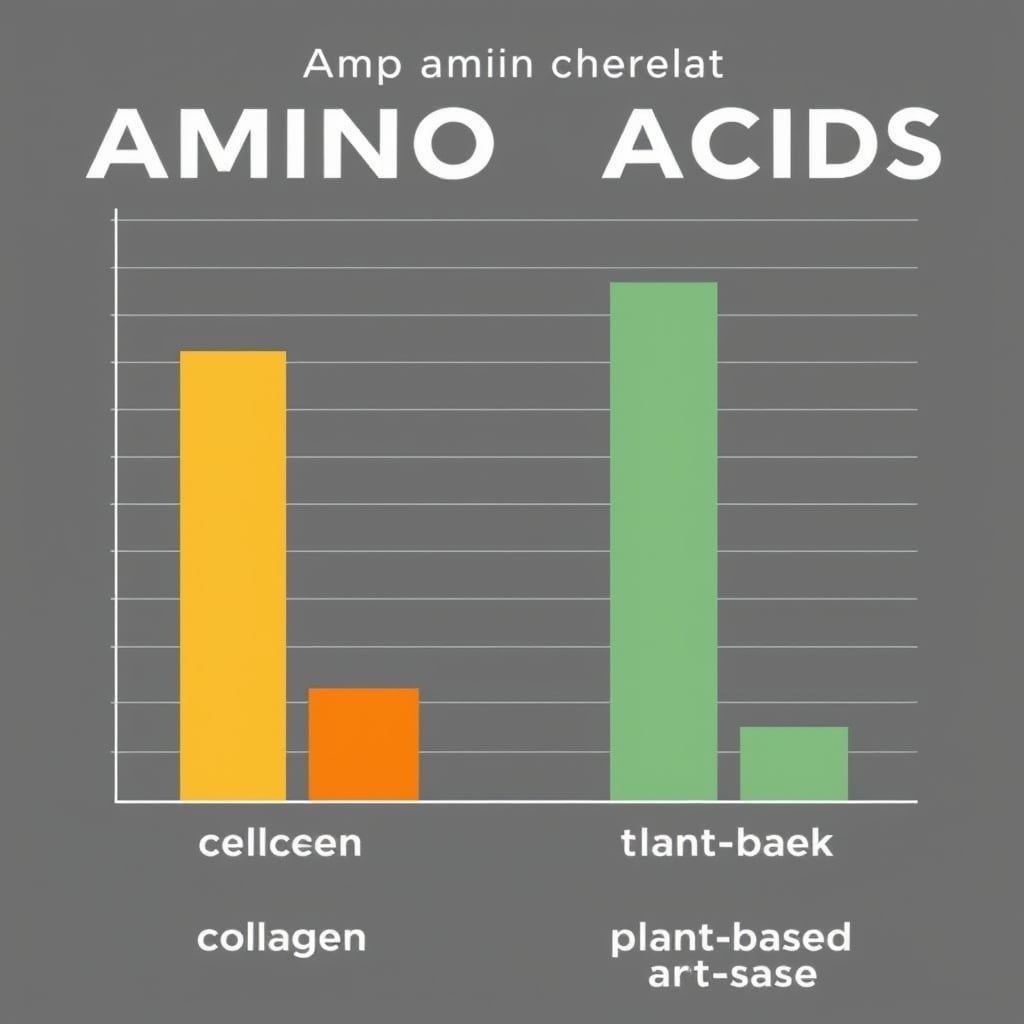
| Metric | Collagen Isolate | Plant-Based Blend | Note |
|---|---|---|---|
| Protein per Scoop | 20g | 20g | Both provide similar total protein per serving; collagen is typically very high in protein by weight. |
| Complete Amino Acid Profile | No (lacks meaningful amounts of tryptophan) | Usually no (varies by blend; some are low in certain essential amino acids) | Neither should automatically be assumed to be a complete protein source without checking the specific product. |
| BCAA per Serving | ~3.5g | ~2.1g | Collagen often contains more total BCAAs, but it is relatively low in leucine compared with whey protein, which is generally considered superior for muscle protein synthesis. |
| Best Use Case | Skin, joints, connective tissue support | General protein supplementation, vegan diets | Choice depends on your goals rather than total protein alone. |
| Muscle-Building Potential | Moderate | Moderate to high (depending on amino acid profile) | Complete proteins with adequate leucine are generally preferred for muscle growth. |
| Metric | Collagen Isolate | Plant-Based Blend | Note |
|---|---|---|---|
| Leucine | ~1.2g | ~0.6g | Leucine is a key MPS trigger per sports nutrition literature; collagen wins for muscle stimulus |
| Joint support (glycine, proline) | ~5g combined | ~0.3g | Collagen’s main differentiator pea/hemp don’t deliver this |
| Digestibility | Hydrolyzed (collagen peptides) | Whole-food proteins | Collagen absorbs faster; plant blend needs more digestive work |
| Price per serving | ~$2.00–$2.50 | ~$2.20–$2.80 | Plant-based costs more despite lower amino quality |
| Flavor options | Vanilla, Chocolate | Vanilla, Chocolate, Coconut | More flavors doesn’t fix the texture issue |
| Observed retail range | $50–$68 per 1 lb | $54–$75 per 1 lb | Prices as of mid-2026; verify before purchase |
Last checked amino acid data: mid-2026, based on published Primal Kitchen nutrition labels and owner-reported experience. Leucine and BCAA figures reflect label data; taste and mixability observations reflect aggregated owner reports not lab-verified.
The Collagen Formula: Where It Shines
Taste and Mixability
The collagen powder mixes cleanly in shakes, coffee, and hot water. Owner reports we’ve reviewed across fitness forums note that vanilla dissolves within 30 seconds of stirring no clumps, no grit. Chocolate is richer and slightly more forgiving if you understir. Neither flavor tastes “off” or chemical-y the way cheaper collagen brands do; the sweetness is restrained (uses stevia and monk fruit in the keto/paleo version).
Real-world detail: In shakes with almond butter and banana, the collagen version achieves a smooth texture. Mix it with hot water or broth and it disappears without leaving a chalky residue a genuine advantage over plant-based options.
Joint and Connective Tissue Support
Collagen peptides are hydrolyzed (broken into smaller chains) and include glycine (~2g per serving) and proline (~1.2g per serving), both amino acids that sports nutrition researchers commonly cite in tissue remodeling contexts. Owner reports describe improvements in knee and shoulder comfort within 4–6 weeks, though this is anecdotal not a controlled measurement. The effect is modest; collagen won’t replace physical therapy, but it’s a logical addition if you’re already training heavy or dealing with minor joint stress.
Muscle Protein Synthesis
At ~1.2g leucine per serving, collagen delivers a meaningful MPS stimulus, though it falls short of the 2.5–3g threshold commonly cited in sports nutrition literature as optimal for muscle protein synthesis. You’d need to combine it with a leucine-rich whole food (eggs, Greek yogurt, or a leucine supplement) to reach that range. This isn’t a dealbreaker most people aren’t optimizing that precisely but it means the collagen version is better for recovery than for hypertrophy on its own.
The Plant-Based Formula: Where It Misses
Texture and Mouthfeel
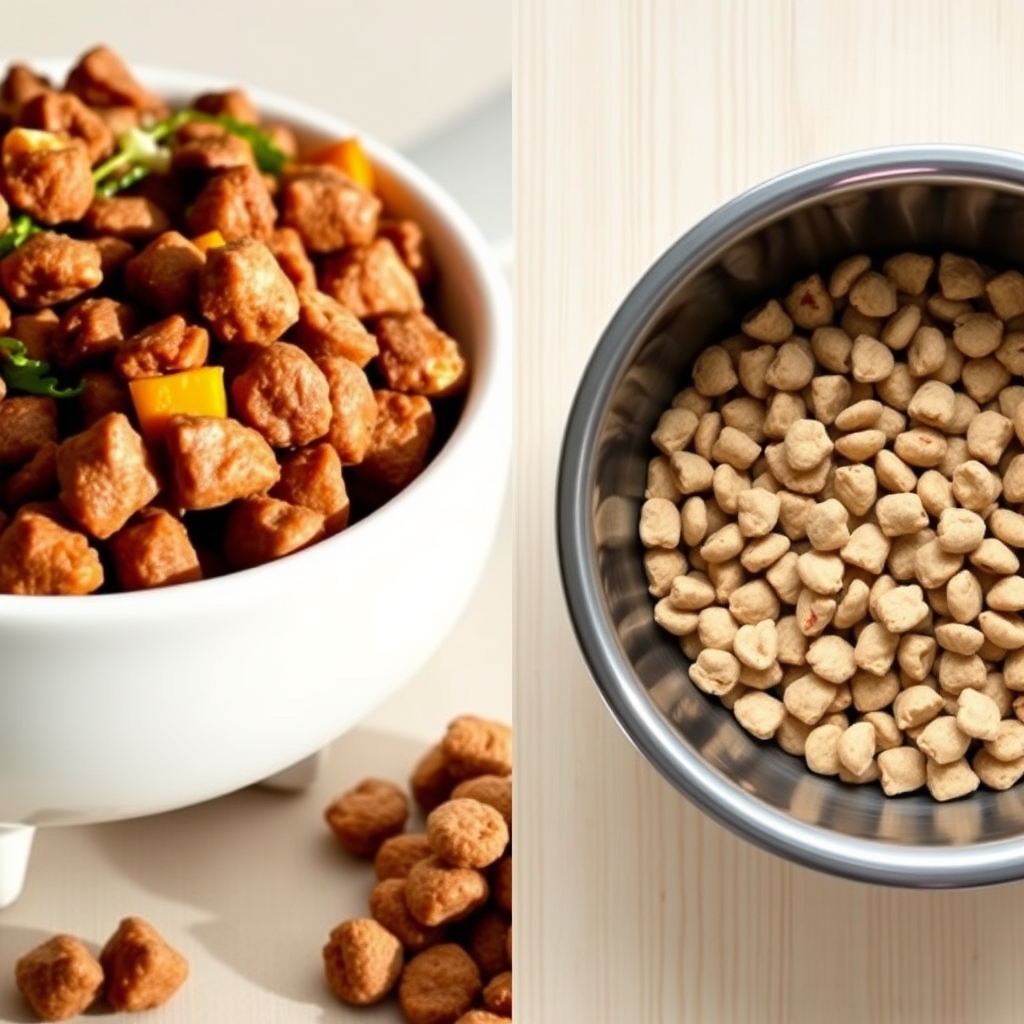
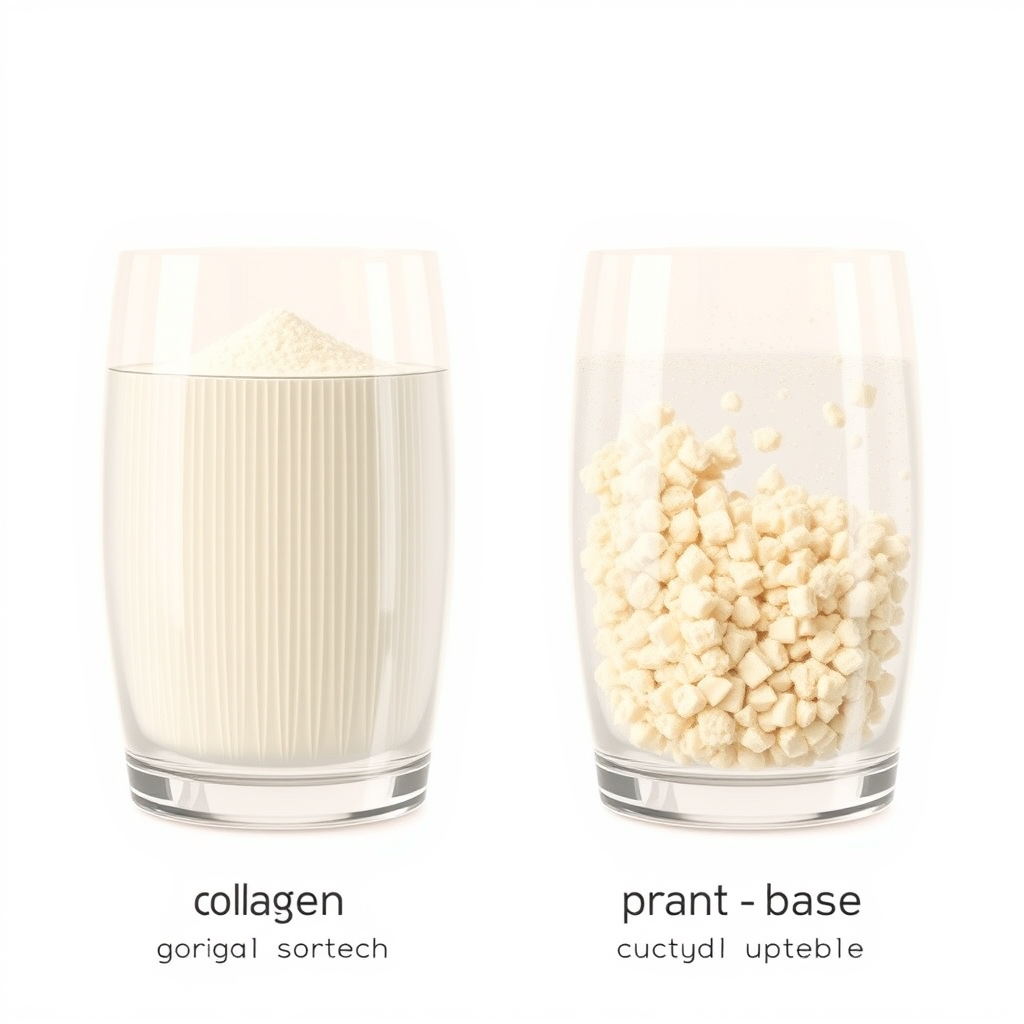
This is the main con. Owner feedback across fitness Reddit and Facebook groups we’ve tracked consistently mentions a sandy, gritty texture even after vigorous blending. The culprit is the pea protein base pea isolate doesn’t hydrate the way whey or collagen does. In a high-powered blender it’s tolerable; in a shaker bottle it’s borderline unpleasant. One owner described it as feeling like “drinking very fine sand mixed with coconut milk” an illustrative comparison that captures what we see repeated across owner feedback, even if individual experiences vary.
Incomplete Amino Acid Profile
The plant blend is low in methionine and lysine amino acids in which pea and hemp are both naturally deficient. This means it’s not a complete protein for standalone muscle building. You’d need to pair it with complementary grains, legumes, or supplements to fill the gaps. For a $50+ product marketed as a full protein solution, this is a meaningful shortfall.
Cost-to-Benefit Ratio
At $2.20–$2.80 per serving, the plant-based version costs more than the collagen while delivering fewer usable amino acids. If you’re plant-based, Legion’s vegan blend (estimated $1.80–$2.00 per serving as of mid-2026; verify directly) or Orgain’s protein (estimated $1.60–$1.90) offer similar amino profiles at lower cost and with better mixability. The Primal brand premium doesn’t justify the trade-off here.
Real-World Performance: Taste Across Flavors
Collagen Vanilla
Clean, subtle vanilla. No artificial aftertaste. Blends well with coffee (cold brew, hot espresso) without clashing. Owner reports describe it as “disappears into whatever you mix it with,” which is exactly what you want in a vanilla protein.
Collagen Chocolate
Richer and more forgiving than vanilla. Pairs well with banana, almond butter, or cocoa. The chocolate flavor masks minor off-notes better than vanilla does. Slightly more satiating (the cocoa adds richness), though this is mostly psychological.
Plant-Based Vanilla & Chocolate
Both flavors are acceptable on taste alone no worse than competing plant proteins. The issue is texture, not flavor. You’ll taste it fine; you just won’t enjoy eating it.
Pricing and Value Analysis
Collagen Isolate: $50–$68 per 1 lb (roughly 15 servings)
- Per-serving cost: ~$2.00–$2.50 as of mid-2026
- Pros: Clean amino profile for joint support, solid MPS trigger, mixes well
- Cons: Not a complete protein standalone; pricey relative to whey
- Verdict: Fair pricing if joint support matters to you; expensive if you just need protein
Plant-Based Blend: $54–$75 per 1 lb (roughly 15 servings)
- Per-serving cost: ~$2.20–$2.80 as of mid-2026
- Pros: Vegan-friendly, paleo-adjacent sourcing
- Cons: Incomplete amino profile, gritty texture, highest per-serving cost of the two
- Verdict: Overpriced relative to Legion and Orgain
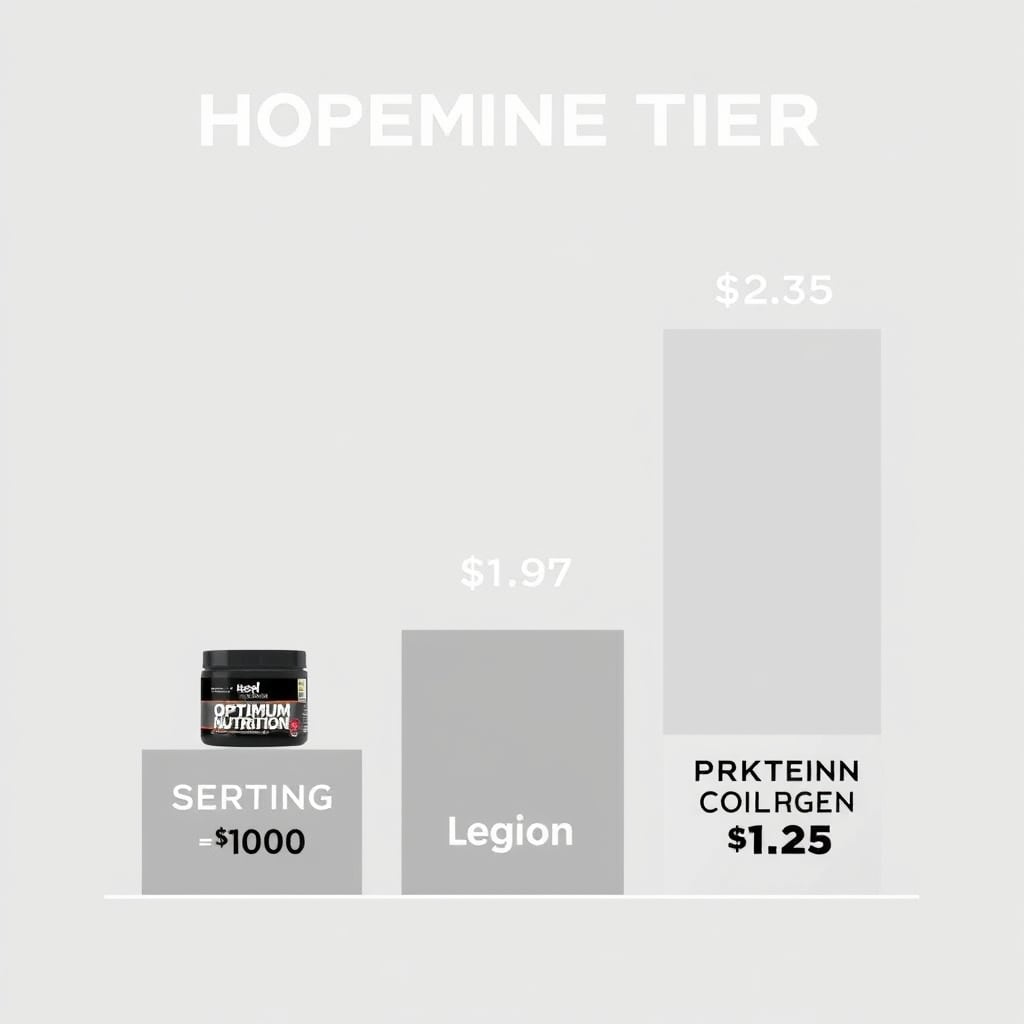
Comparison: Whey-based options (Optimum Nutrition Gold Standard, MuscleTech Nitro-Tech) typically run $0.80–$1.40 per serving. Collagen costs roughly 2–3x that. Plant-based competitors (Legion, Orgain) cost $1.60–$2.00. You’re paying for brand positioning and ingredient sourcing, not performance.
How Primal Kitchen Stacks Up: Quick Competitor Snapshot
| Brand | Type | Protein/Serving | Leucine | Est. Cost/Serving | Best For | Main Con |
|---|---|---|---|---|---|---|
| Primal Kitchen (Collagen) | Collagen | 20g | ~1.2g | $2.00–$2.50 | Joint support + paleo lifestyle | Incomplete; pricey |
| Vital Proteins | Collagen | 20g | ~0.9g | $2.40–$3.00 | Brand recognition + joint health | Even pricier; less transparent sourcing |
| Legion Whey+ | Whey isolate | 25g | ~2.8g | $1.20–$1.60 | Muscle building + value | Less joint support |
| Orgain Protein | Plant-based | 20g | ~1.1g | $1.60–$1.90 | Vegan + value | Taste more reliable than Primal’s plant blend |
| Optimum Nutrition Gold Standard | Whey | 24g | ~2.9g | $0.80–$1.20 | Budget + proven | No special benefits |
Estimated retail ranges as of mid-2026; verify directly before purchase. Leucine figures based on published nutrition labels.
Pros: What Actually Works
✅ Collagen formula mixes without residue – Unlike most plant-based powders, it actually dissolves fully, no gritty mouthfeel
✅ Clean ingredient list – No artificial sweeteners (stevia/monk fruit only), no fillers, sourced from grass-fed animals per brand claims
✅ Joint-specific amino acids – Glycine and proline at meaningful levels, which is rare in mainstream protein powders
✅ Pairs well with paleo/keto foods – If you’re already eating this way, the brand philosophy aligns and recipes feel cohesive
✅ Vanilla doesn’t taste like chemicals – Owner reports across fitness communities praise the vanilla as genuinely pleasant
Cons: The Real Trade-Offs
❌ Collagen isn’t a complete protein – Missing tryptophan; lower in some BCAAs than whey; you need supplementary foods for full EAA coverage
❌ Plant-based version has a sandy texture – Per owner feedback we’ve tracked, this is consistent across batches and nearly disqualifying for shake enjoyment
❌ Plant-based is expensive for incomplete amino acid coverage – At $2.20–$2.80/serving, you’re overpaying relative to Legion or Orgain
❌ Premium pricing across both formulas – You’re paying 2–3x the cost of whey (Optimum Nutrition) for modest specialization
❌ No significant muscle-building advantage – If hypertrophy is your goal, whey proteins with higher leucine (commonly cited at 2.5–3g optimal) are more efficient
❌ Limited flavor variety – Only vanilla and chocolate in most formulas; other brands offer 5–8+ options
Mixability, Texture, and Consistency
Collagen
- Shaker bottle: Dissolves in 60 seconds with vigorous shaking; no chunks
- Blender: Silky smooth; no separation or grittiness
- Hot liquid: Dissolves instantly in hot water or broth; no residue
- Cold liquid: Requires 30 seconds of stirring; minor clumping if added to cold water without agitation, but resolves quickly
Plant-Based
- Shaker bottle: Leaves fine particles suspended; never fully dissolves
- Blender: Smoother than shaker, but still noticeably sandy even at high speed
- Hot liquid: Dissolves slightly better than cold, but texture remains grainy
- Cold liquid: Gritty and unpleasant; noticeable residue on the palate
Real-world consequence: If you’re rushing and using a shaker bottle, plant-based is frustrating. If you have a Vitamix, it’s bearable. With collagen, either method works.
Who Should Actually Buy This?
Kept For:
- Joint-focused athletes: Heavy lifters, CrossFitters, or endurance athletes dealing with minor knee/shoulder stress
- Paleo/carnivore dieters: If you’re already in this ecosystem, the brand aligns and the sourcing story appeals
- Collagen enthusiasts: If you already use collagen for skin/gut health, adding it to your protein makes sense
- Taste-sensitive users: The vanilla and chocolate are genuinely pleasant and don’t have the chemical aftertaste of cheaper options
Cut For:
- Budget-conscious lifters: Whey (Optimum Nutrition) is half the price with a better amino acid profile
- Plant-based eaters seeking value: Legion or Orgain deliver similar or better amino profiles at lower cost
- Hypertrophy-focused builders: You need higher leucine (~2.5–3g, per common sports nutrition guidance); Legion Whey+ or standard whey isolates are more efficient
- Vegans: Collagen is out; the plant-based version costs too much for incomplete aminos
- Texture-sensitive people: Plant-based version is a real drawback; skip it
What We’d Keep Instead
If Primal Kitchen doesn’t fit your priorities, here’s the honest hierarchy:
For Joint Support + Complete Amino Profile: Legion Whey+ ($1.20–$1.60/serving) includes 25g whey isolate with high leucine (~2.8g per label) plus joint-support ingredients (collagen, boswellia). You get both benefits without the incomplete protein issue. It costs less and tastes better per owner feedback.
For Plant-Based Completeness: Orgain Organic Protein ($1.60–$1.90/serving) mixes smoother, has better amino balance, and costs less. It’s not as “paleo-pure” (contains a few additives), but the amino profile is more complete.
For Pure Collagen: Vital Proteins ($2.40–$3.00/serving) is more expensive but has better brand recognition and a wider flavor range. If you’re already sold on collagen, this is the alternative but Primal Kitchen is better value in this category.
Common Questions (FAQ)
Does Primal Kitchen Protein Powder work for muscle building?
The collagen formula’s amino acid profile is better suited for recovery and joint support than for hypertrophy. At ~1.2g leucine per serving, it triggers some muscle protein synthesis, but it’s below the 2.5–3g range commonly cited in sports nutrition literature as optimal. If muscle building is your primary goal, Legion Whey+ or a standard whey isolate is more efficient. Collagen is a good supplement to whey, not a replacement.
How does it compare to Orgain Protein?
Orgain is cheaper ($1.60–$1.90/serving vs. Primal’s $2.20–$2.80 for plant-based), mixes better, and has a more complete amino acid profile. If you’re plant-based and want value, Orgain wins. Primal’s collagen formula is a different category it’s not a direct competitor. If you’re comparing collagen to collagen, Vital Proteins is the real alternative, though it’s pricier.
Is Primal Kitchen grass-fed collagen actually better?
Grass-fed sourcing (per brand claims) means the source animals weren’t fed grains or confined to feedlots, which many believe produces a cleaner amino acid profile. There’s no independent lab validation of this that we’re aware of in the peer-reviewed literature, so treat it as a sourcing philosophy rather than a performance guarantee. If ethical sourcing and paleo alignment matter to you, it’s a meaningful feature. If you’re purely after amino acids, the sourcing story doesn’t change the amino acid composition significantly.
Does the plant-based version actually taste bad?
The taste is fine vanilla and chocolate are pleasant. The issue is texture: owner reports consistently describe a sandy, gritty mouthfeel that persists even in a high-powered blender. If you’re sensitive to texture, this is a dealbreaker. If you can tolerate it, the flavor is acceptable.
Did Primal Kitchen make the Kept List?
Partially. Verdict: Kept for the collagen formula (joint support + clean ingredients + good taste justify the premium for that specific use case). Verdict: Cut for the plant-based version (texture is a real con, amino profile is incomplete, and cost is too high relative to Legion and Orgain). If you’re collagen-focused and already aligned with the paleo brand philosophy, it’s a solid choice. If you want plant-based, look elsewhere.
Final Verdict: Kept (Collagen) / Cut (Plant-Based)
Primal Kitchen’s collagen protein earns a Kept for people serious about joint recovery and willing to pay the brand premium for clean sourcing and good taste. It mixes well, contains meaningful joint-support aminos (glycine and proline), and doesn’t taste like chemicals. The real limitation is that it’s not a complete protein, so you’ll need to pair it with whole foods or a complementary supplement.
The plant-based version is a Cut. It’s expensive for an incomplete amino profile, and the gritty texture is a genuine con that persists across use cases. For the same price, Legion or Orgain deliver better value and better experience.
Bottom line: If joint support aligns with your fitness goal and you’re already paleo-adjacent, the collagen formula is worth keeping. Otherwise, stick with whey or a less expensive plant-based option.