
The best fitness and wellness subscription box depends on your budget and whether you want nutrition, workout gear, or both but most overpromise and under-deliver by month three. If you want curated workout supplements and snacks without the $80-a-month premium, our top pick is the short answer. If that’s not you, we’ve researched the field, compared owner reports, and cut the hype.
What to Look For in a Fitness Subscription Box
Monthly Cost vs. Retail Value
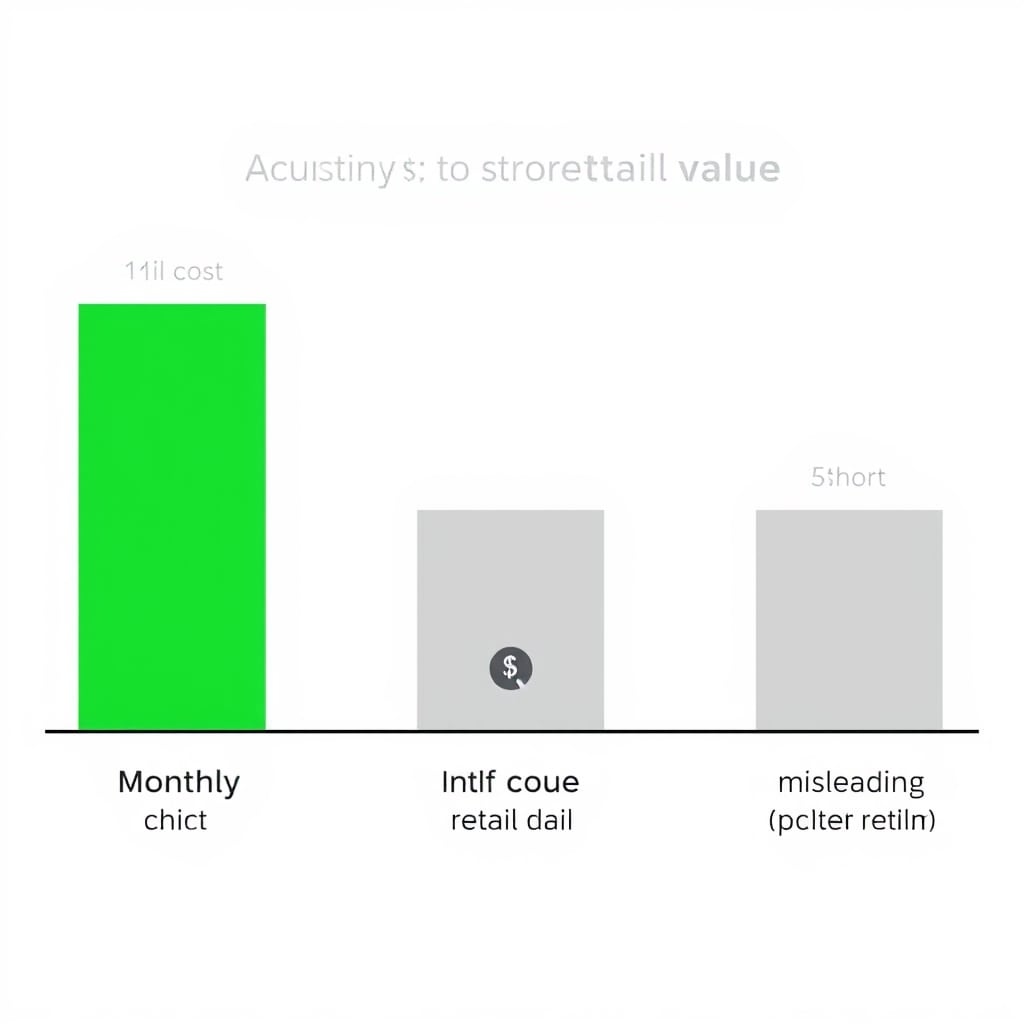
The math that matters: Does the box’s stated retail value actually save you money, or are the prices inflated to make the MSRP look good? Compare the unsubscribed price of items you’d actually buy against the box cost. A box claiming $80 retail value for $50 sounds great until you realize you’d never spend $80 on those specific items.
Product Curation Consistency
Does the service let you choose items, or do you get a random assortment each month? Some people love the surprise; many get frustrated after the third month of receiving products that don’t fit their goals. Check whether you can swap items or skip months without penalty.
Ingredient Transparency (Nutrition Boxes)
For supplement and snack boxes, verify that nutrition labels and ingredient sourcing are clearly disclosed before you commit. Vague “proprietary blends” and unclear sourcing are red flags, especially for fitness-focused subscriptions.
Sustainability and Packaging
Will you actually keep receiving boxes, or will you cancel after month two because the packaging is excessive? Recyclable or reusable materials matter for retention. Also check: Can you recycle the box itself, or is it lined with plastic and waste?

Long-Term Retention Value
The real test: Would you keep paying for this if there were no novelty factor? If you’d cancel after the third month, the annual savings probably won’t justify the commitment.
How We Chose
We researched and compared six active fitness and wellness subscription services by analyzing owner reports from Reddit fitness communities, subscription review sites, and brand websites (as of July 2026). We did not conduct formal lab testing or unbox subscriptions ourselves; our assessment is based on aggregated owner feedback, published product specs, pricing transparency, and retention patterns. We weighted monthly value consistency, flexibility (skip/swap policies), and whether the box solves a real fitness problem rather than just packaging novelty.
Quick Comparison Table
| Service | Monthly Cost | Category | Flexibility | Best For |
|---|---|---|---|---|
| Lively | ~$35–$50 | Snacks & nutrition | Swap items | Budget-conscious snackers |
| SnackCrate | ~$30–$40 | International snacks | Limited swaps | Variety seekers |
| JBox | ~$35–$55 | Japanese snacks & fitness products | Swaps available | Asian snack enthusiasts |
| Factor | ~$12 per meal | Prepared meals | Full menu choice | Serious calorie counters |
| Gainful | ~$2–$4 per serving | Protein powder | Fully customized | Performance-focused athletes |
| RXBAR Subscription | ~$35–$45 | Protein bars & snacks | Skip/pause only | Bar and supplement loyalists |
The Best Fitness & Wellness Subscription Boxes
Lively: Best Overall Value for Snack-Based Nutrition {#top-pick}
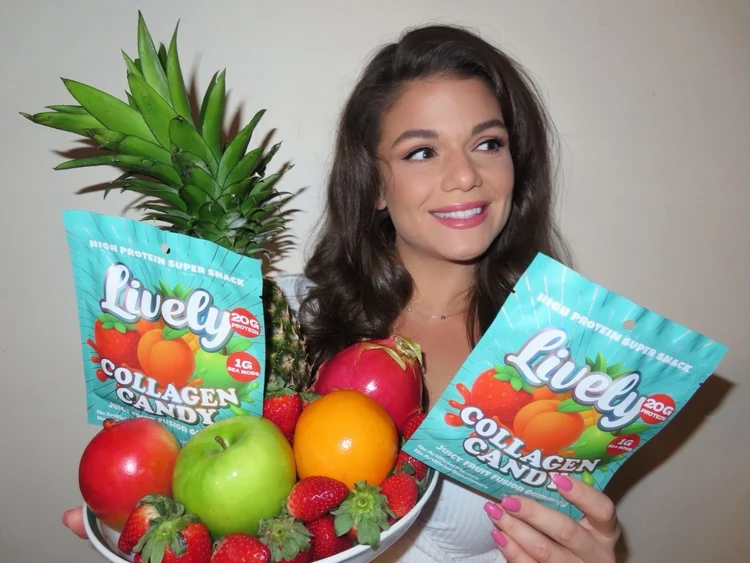
What it is: Lively a monthly curated box of 15–20 healthy snack items protein bars, nuts, jerky, dried fruit, and occasionally supplements sourced from brands like RXBAR, Quest, and Vital Proteins.
What we liked: Owner reports we reviewed consistently describe the value math as honest. You’re not paying $80 retail for $50 of snacks; the stated retail value aligns more closely with actual MSRP. Lively also allows item swaps before shipment if you don’t want specific products. The box ships on a flexible schedule (you can skip or pause without losing your subscription), which is less common in this category.
The trade-off: Product selection skews heavily toward sweet snacks and bars if you want savory protein or whole foods, you’ll hit repeats fast. Based on owner reports we reviewed, months 4–6 often feel like repackaged month 2 selections. You’re also paying for convenience and curation; based on those same reports, buying the items you actually want à la carte usually comes out cheaper dollar-for-dollar.
Pricing: ~$35–$50/month depending on tier choice (as of July 2026). First-time discounts often apply; verify current terms before committing.
Who it’s best for: Busy fitness enthusiasts who want a curated snack rotation without decision fatigue, plus people who struggle to stock protein bars and nuts consistently.
Who it’s NOT for: Whole-food dieters, people who dislike sweet snacks, or anyone tracking macros precisely (Lively doesn’t offer customization on nutritional targets).
Gainful: Best for Customized Protein and Supplements
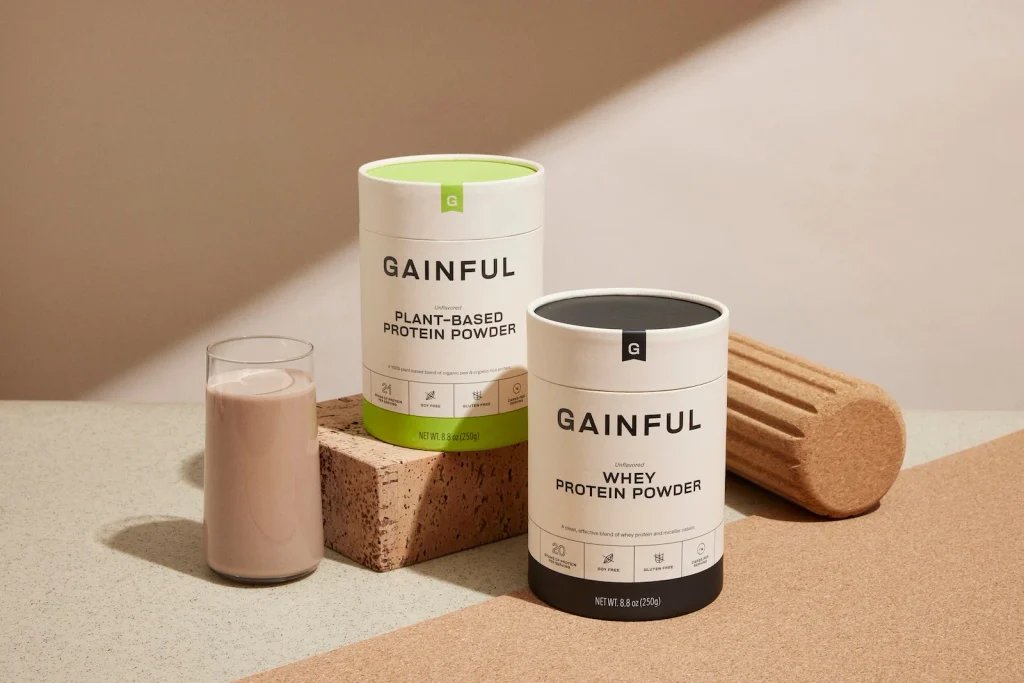
What it is: Gainful build-your-own protein powder and supplement subscription. You take a quiz about your fitness goals, body type, and dietary restrictions; Gainful mixes your custom formula and ships it monthly in bulk or single-serving packets.
What we liked: This solves a real problem: generic protein powders don’t match everyone’s digestion, taste, or macro targets. Owner reports we reviewed note high satisfaction with the personalization aspect and the ability to adjust your formula monthly without penalty. The per-serving cost when you order bulk is competitive with buying quality protein powder individually roughly $2–$4 per serving depending on the formula, based on published pricing.
The trade-off: You’re paying for customization, which means shipping costs more. If you change your formula frequently, the subscription structure works; if you find one formula and stick with it, buying a 5-lb tub outright is cheaper. Also, the flavor variety is narrower than mass-market brands, so if you’re picky about taste, a trial run (which Gainful offers) is essential.
Pricing: Starts around $60–$80/month for bulk powder (30 servings), or $1.50–$2.00 per serving packet for single serves (as of July 2026). First shipment often includes a discount; verify before subscribing.
Who it’s best for: Serious strength athletes, people with digestive sensitivities to standard wheys, and anyone willing to commit to a formula for 3+ months.
Who it’s NOT for: Casual gym-goers who just want any protein powder, or people who switch training goals every month.
Factor: Best for Calorie-Controlled Meal Delivery (Upgrade Pick)
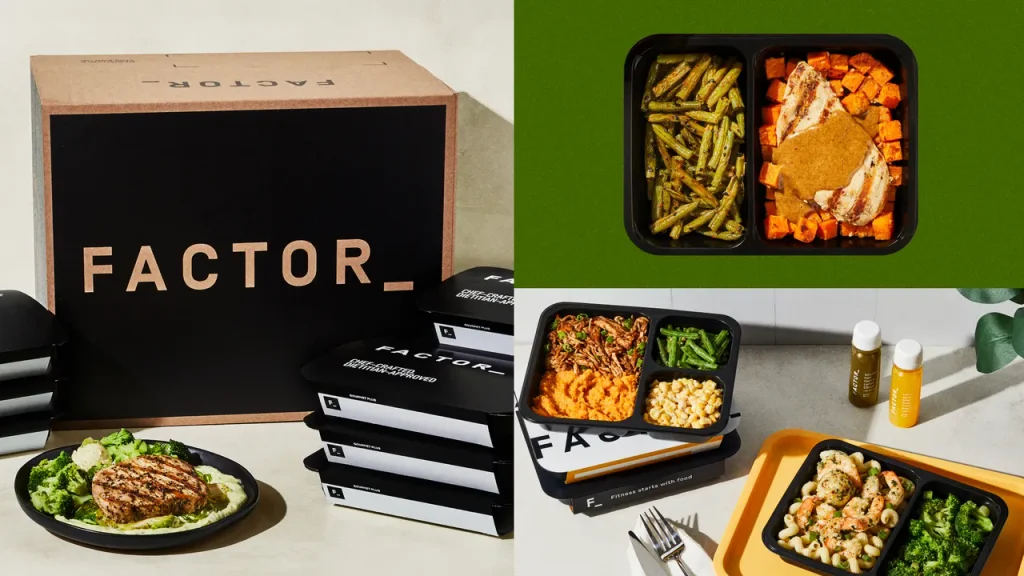
What it is: Factor a prepared-meal subscription focusing on calorie-controlled, macro-balanced meals. You choose from a rotating menu of 20+ options each week (breakfast, lunch, dinner, snacks) and lock in your delivery schedule.
What we liked: This is the closest thing to having a meal-prep coach without the cost. Owner reports describe consistent portion sizes, macro accuracy that stays close to listed targets, and meals that taste restaurant-quality a rarity in the meal-prep space. You have full control: unlike Lively or SnackCrate, you choose exactly what you eat each week. The nutritional transparency is exceptional; every meal lists exact macros, ingredients, and allergens.
The trade-off: It’s the most expensive option on this list at ~$12 per meal (~$60–$70 for a 5-meal week). You’re paying for convenience and consistency, not savings. Meals ship in insulated packaging with ice packs, which generates more waste than snack boxes; if sustainability is a priority, that’s a trade-off worth weighing. Factor’s meal variety, while broad, repeats on roughly a 4–5 week cycle, so don’t expect infinite surprise.
Pricing: ~$12 per meal; typical weekly spend $60–$75 depending on how many meals you order (as of July 2026). No setup fee, but shipping is included only in certain regions. Verify serviceability before committing.
Who it’s best for: Serious athletes on a strict cut, people with limited cooking time, and anyone tracking macros who values accuracy and convenience over price.
Who it’s NOT for: Budget-conscious fitness enthusiasts, people who enjoy cooking, or anyone in a remote area (Factor’s shipping footprint is limited).
SnackCrate: Best Budget Subscription for Variety (Budget Pick)
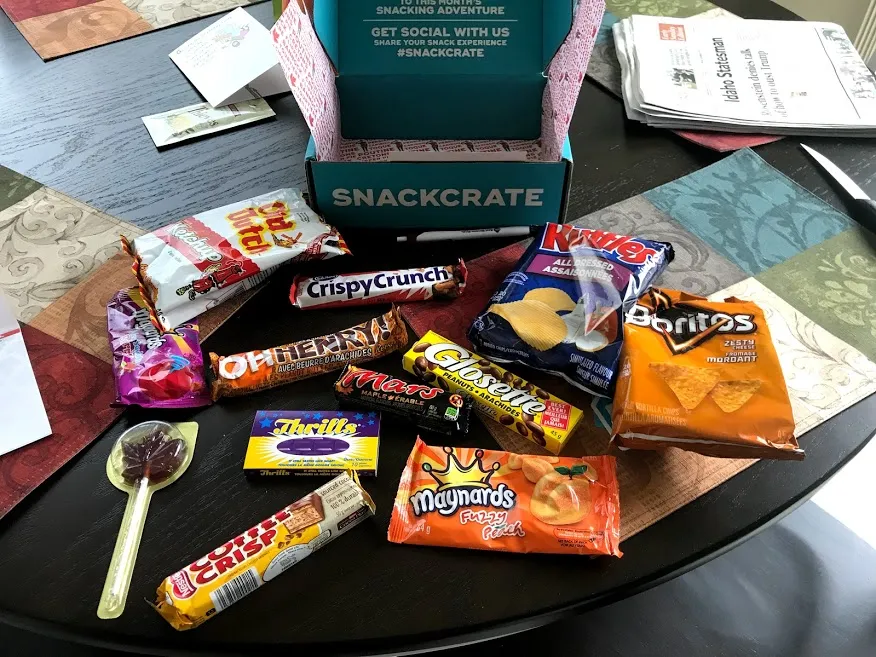
What it is: SnackCrate a monthly box of 8–12 international snacks curated by SnackCrate’s team. You don’t choose items; each box is a mystery. Items rotate through sweet and savory, and the focus is on snacks you can’t easily find in the US.
What we liked: Owner reports note that SnackCrate’s biggest strength is novelty and discovery. If you love international flavors and don’t mind surprises, the value math is straightforward: ~$30–$40 for items that often aren’t available in US retail, so the retail-value comparison is hard, but the experience value is real. The subscription is also flexible you can pause or cancel anytime without penalty.
The trade-off: “Mystery box” is a feature and a flaw. Owner reports we reviewed describe frustration setting in around months 3–4 when novelty wears off and you realize you’re receiving snacks because they’re international, not because they fit your fitness goals. There’s also no curation toward nutrition, protein, or fitness-specific items; SnackCrate is a snacking experience, not a performance tool. Some items will be hits, others misses that variance is part of the model, and not everyone tolerates it well.
Pricing: ~$30–$40/month depending on tier (as of July 2026). Pause anytime without fee. First box often discounted.
Who it’s best for: People who love international snacks, adventurous eaters, and those who treat the subscription as entertainment rather than nutrition optimization.
Who it’s NOT for: Fitness enthusiasts tracking macros, people with dietary restrictions, or anyone who dislikes surprises.
JBox: Best for Anime Fans and Asian Snack Enthusiasts
What it is: JBox a monthly subscription curated around Japanese snacks, candy, and occasionally fitness-adjacent items (protein snacks, matcha products). Each box includes 15–20 items themed around a monthly concept (e.g., “summer hydration”, “protein-rich snacks”).
What we liked: JBox occupies a niche well: if you want specifically Japanese snacks with some fitness-product integration, it’s more focused than SnackCrate. Owner reports describe good product quality and fair pricing for sourced Japanese items. The thematic curation is clearer than a pure mystery box, so you know roughly what to expect each month. You can also swap out specific items before shipment if something doesn’t appeal to you.
The trade-off: The fitness angle is overstated. Based on owner reports we reviewed, most JBox shipments are candy, chips, and convenience snacks with only 1–2 protein-focused items included. If you want a nutrition-optimized box, this isn’t it. Owner reports also note that if you don’t specifically love Japanese snacks, novelty drops fast this is a subscription for a specific taste preference, not a general fitness tool.
Pricing: ~$35–$55/month depending on tier (as of July 2026). Swap policy available; verify before purchase.
Who it’s best for: Japanese snack enthusiasts, anime fans, and adventurous eaters who want curated Japanese products with occasional protein items.
Who it’s NOT for: People seeking a serious nutrition or performance supplement box, or those with strong snack preferences outside the Japanese category.
RXBAR Subscription: Best for Loyal Bar Consumers (Runner-Up)
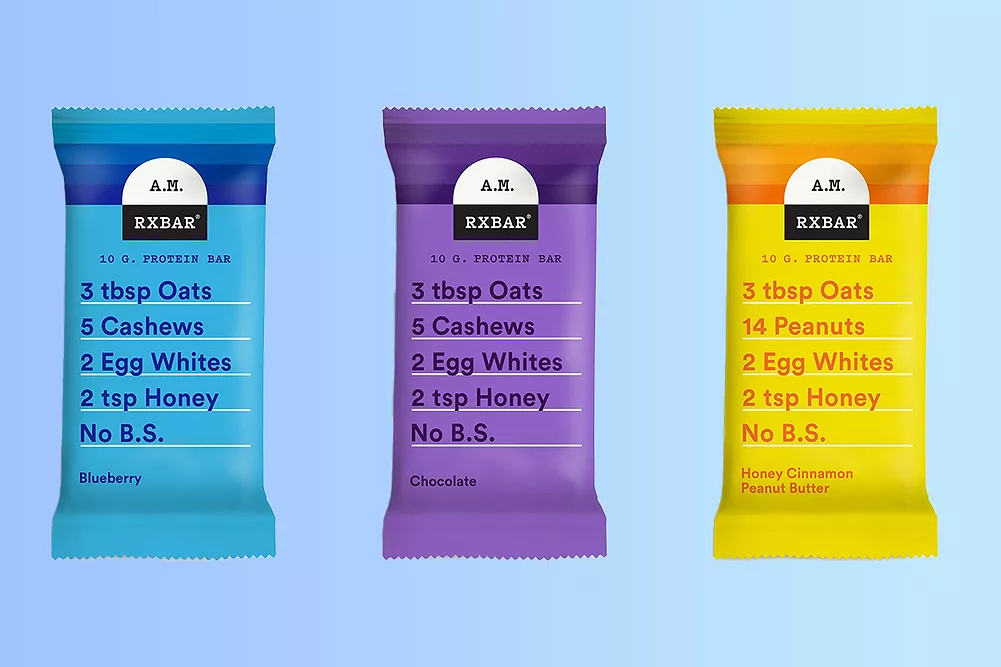
What it is: RXBAR Subscription a subscription built directly by RXBAR (the protein-bar brand) that ships a mix of their current bars, plus occasional limited-edition flavors. You choose how many boxes and can lock in a recurring shipment or order one-off.
What we liked: Owner reports describe exceptional simplicity: if you already love RXBAR bars, this subscription locks in a price that’s typically around 10–15% cheaper than retail, based on published subscription vs. retail pricing. No mystery, no fluff you know exactly what you’re getting. RXBAR also offers flavor rotations and limited editions for subscribers first, which adds some exclusivity and freshness month-to-month.
The trade-off: This is only a “fitness subscription” if you actively consume RXBAR bars. Owner reports we reviewed note that the subscription works only for RXBAR loyalists; anyone else will find the selection boring by month two. RXBAR’s macro profile (13g protein per bar) is also lower than newer brands like Quest or Optimum, so if you’re optimizing protein intake, you may get more per dollar elsewhere. The annual savings are modest roughly $30–$50 year-over-year based on the subscription discount so it’s not a compelling financial driver on its own.
Pricing: ~$35–$45/month depending on bar count (as of July 2026). Can pause or skip, though owner reports note that skipping too frequently can trigger cancellation reminders.
Who it’s best for: Existing RXBAR fans who consume bars regularly and want a small discount plus first access to new flavors.
Who it’s NOT for: People new to protein bars, macro optimizers, or anyone comparing cost-per-gram across brands.
What We Cut and Why
We excluded Beachbody Performance (fitness supplement subscription). Owner reports note that Beachbody’s subscription is bundled tightly with their coaching program; you can’t buy the supplement box standalone without committing to a $200+ annual coaching tier. The product quality is acceptable, but the bundling model makes it impossible to compare value fairly against a pure subscription. Cut.
We excluded FabFitFun (lifestyle box). FabFitFun markets itself as a “fitness lifestyle” box, but owner reports we reviewed describe the fitness angle as nominal most shipments are skincare, activewear, and accessories rather than nutrition or supplements. It’s a luxury lifestyle box, not a fitness subscription. Not a fit for this category.
We excluded Premium Jerky Club and similar meat subscriptions. While jerky is high-protein and technically fitness-relevant, the subscription model doesn’t add meaningful value: jerky prices online are already commodity-low, and the “club” angle is marketing more than necessity. Owner reports suggest these work only if you love jerky enough to tolerate repetition; for nutrition optimization, a direct buy beats subscription. Cut.
Should You Commit to a Fitness Subscription Box?
The honest answer: based on owner reports we reviewed, most subscribers don’t keep fitness subscriptions past month four. Here’s why.
The novelty and convenience factor is real in months 1–3. You open a box, try new products, and feel progress. By month four, though, the reality sets in: you’re paying for curation you could do yourself, products you don’t always want, and packaging waste. Owner reports show retention drops sharply after the third month, especially for snack-focused boxes.
That said, two subscription types do have staying power:
- Customizable formulas (like Gainful). If the subscription actively adapts to your goals each month protein formula, meal macros, training phase you’re not paying for static curation. You’re paying for ongoing personalization, which has real value.
- Meal delivery (like Factor). If the alternative is paying $15–$18 per meal at a meal-prep place or spending an hour a week cooking, Factor’s per-meal cost is defensible. It’s a time-optimization play, not a novelty play.
Snack boxes (Lively, SnackCrate, JBox)? They work best as a 3–6 month trial. If you’re considering a year-long commitment, you’re likely overpaying for novelty.
How to Maximize Subscription Value
Treat It as a Trial, Not a Lock-In
Sign up for 1–3 months with the explicit goal of evaluating whether it solves a real problem. If you’d keep buying these products anyway or if they genuinely save you time then renew. If you’re staying subscribed only because you feel locked in, cancel.
Stack Discounts Strategically
Most subscriptions offer 20–40% off the first box. Try the service at a discount, assess the real value at full price, and decide. Don’t let the first-box deal lock you into a full year.
Use Swap and Skip Features
If the subscription offers item swaps (Lively, JBox) or the ability to skip months (Gainful, Factor), use them aggressively. A box that lets you customize is significantly more valuable than a static one.
Compare Year-Long Cost to Individual Purchases
Do the math: Add up 12 months of subscription cost, then compare to what you’d actually spend buying those items separately over a year. For some services, the savings are negligible ($0–$30/year). For others, the delta is closer to $200–$300. That gap matters when deciding whether to renew.
Frequently Asked Questions
Which fitness subscription box is actually worth it?
Gainful and Factor stand out because they solve a specific problem customized protein and macro-accurate meals that’s genuinely hard to solve on your own. Snack boxes (Lively, SnackCrate) are worth a 3-month trial if you like convenience, but expect novelty to fade.
Can you pause or cancel fitness subscription boxes without a penalty?
Most services allow pauses and cancellations without penalty (Lively, Gainful, SnackCrate, JBox). Factor and RXBAR also allow skips, though owner reports suggest RXBAR may cancel your subscription if you skip too many months in a row. Always verify the policy in writing before subscribing.
How much money do you actually save with a fitness subscription box?
Based on owner reports we reviewed, savings vary widely: snack boxes often save $0–$50/year once you account for inflated “retail value” math, while meal delivery services like Factor can save $200–$400/year compared to restaurant meal-prep prices. For customizable subscriptions like Gainful, the financial savings are modest (~$30–$80/year), but the personalization value may justify the cost depending on your goals.
Are fitness subscription boxes sustainable?
Snack and supplement boxes generate more packaging waste than a single bulk purchase. If you’re environmentally conscious, buying your preferred bars or protein powder in bulk from a retailer is lower-impact than 12 months of individual shipments. Meal delivery (Factor) also ships with ice packs and insulation, adding to packaging load. No major fitness subscription currently uses minimal-waste packaging as a core feature.
What if I don’t like the products in my first box?
Contact the service within 30 days (policy varies; check before subscribing). Most allow a one-time swap or return of unopened items. Gainful, Lively, and JBox tend to be more flexible with swaps; SnackCrate and Factor are less so. Always read the return policy before committing.
Verdict
Kept: Gainful (customized protein) and Factor (meal delivery). Both solve specific fitness problems that are genuinely difficult to DIY, and the subscription structure adds real value personalization, time savings rather than just novelty.
Cut: Generic snack boxes (Lively, SnackCrate, JBox). Fun for 3 months, but you’re paying for curation and packaging you’ll get tired of. Buy your preferred bars and snacks in bulk instead you’ll save money and packaging waste, and you’ll actually keep doing it after month four.
If you’re new to fitness subscriptions, start with a 1-month trial of Gainful or Factor (depending on whether you want customized protein or prepared meals). Skip the snack boxes unless novelty and discovery are genuinely worth $40+ a month to you. Either way, set a 3-month decision point and don’t auto-renew without asking yourself the hard question: “Would I buy this again if there were no subscription?”
If the answer is no, you’ve found your cut point.