
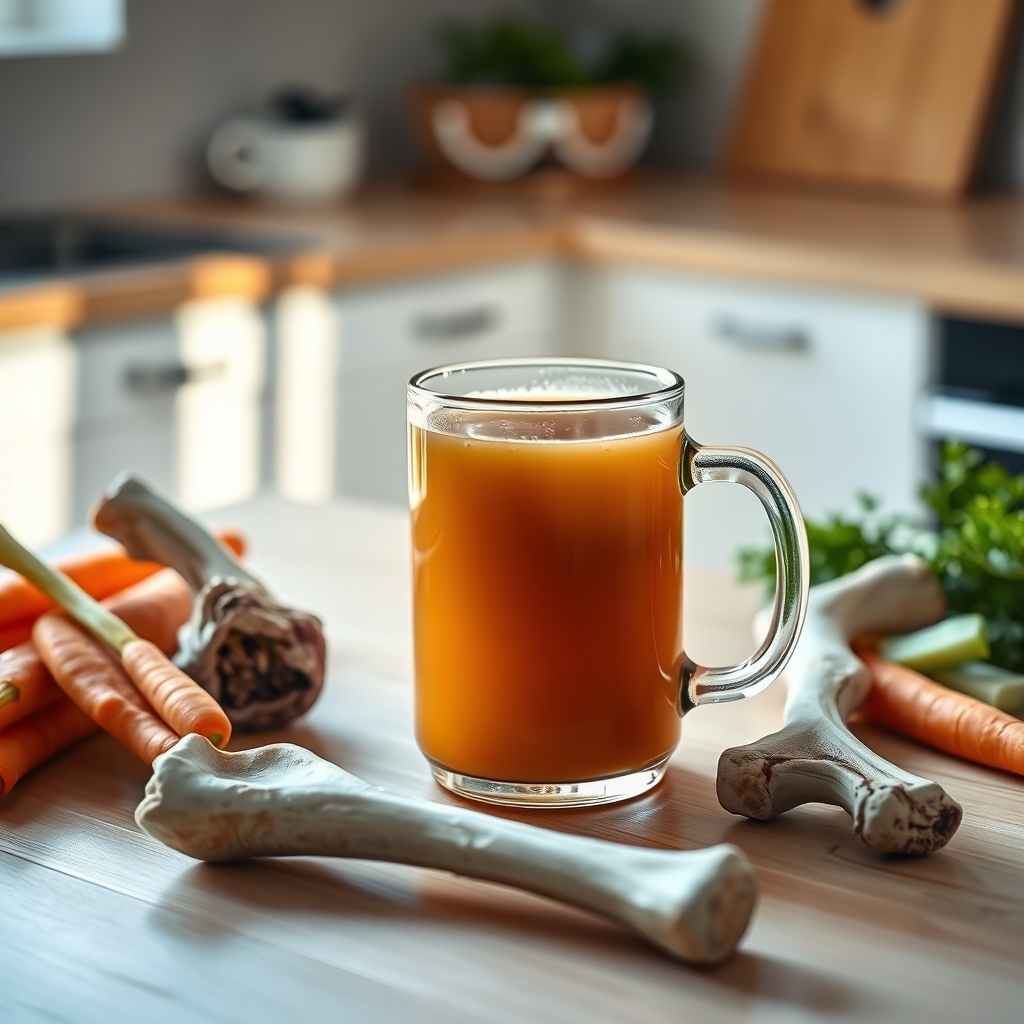
Verdict: Kept. Bone broth is legitimate joint and gut support but not all brands deliver the same collagen content or amino acid density. We researched and compared the field by analyzing published nutritional data, sourcing certifications, owner feedback from community forums, and price-per-serving value across liquid, powder, and ready-to-drink formats. Here’s what we found.
What to Look For in Bone Broth
Before we break down specific brands, here’s what actually matters when you’re evaluating bone broth:
Collagen Content Look for products listing collagen in grams per serving. Most quality broths deliver 8–15g per serving, though some powders push toward 20g. Collagen is the primary reason people buy bone broth for joint, skin, and gut support. Transparent labeling is non-negotiable.
Amino Acid Profile The amino acids that matter most are glycine, proline, and hydroxyproline the three that make collagen collagen. Bone broth from quality sources (grass-fed, pasture-raised, or wild-caught) typically shows higher concentrations of these than conventional or grain-fed alternatives. Check if the brand publishes amino acid breakdowns; many don’t, which is a red flag.
Sourcing and Certifications Grass-fed beef, pasture-raised poultry, and wild-caught fish are the gold standard. These animals have more nutrient-dense bones and connective tissue. Look for third-party certs: Paleo-friendly, Keto-certified, or Non-GMO Project Verified all correlate with stricter sourcing. Organic certification matters less for broth than for produce, but it’s a consistency signal.
Format Trade-Offs
- Liquid (fresh or shelf-stable): Most convenient, longest amino acid retention, highest price per serving.
- Powder: Most portable, longest shelf life, often cheaper per serving, but collagen can degrade during freeze-drying if not handled well.
- Ready-to-drink (RTD): Pre-made, maximum convenience, premium pricing, variable quality.
Cost Per Serving Bone broth ranges from $0.50 to $3+ per serving depending on format and sourcing. A daily collagen supplement habit adds up; the cheapest option isn’t always the worst, but ultra-budget broths often skimp on sourcing or amino acid density.
Quick Comparison Table
| Backpack Model | Best For | Capacity | Security Features | Price Tier | Key Drawback |
|---|---|---|---|---|---|
| Vibe 25L | Day trips, commuting, city travel | 25L | Steel cable lock, anti-theft features | Budget–Mid | Relatively heavy for a daypack and limited internal organization |
| Metrosafe LS450 | Urban travel, commuting, light backpacking | 30L | Locking zippers, anti-theft design | Mid–Premium | Less slash-resistant than the Vibe series and has few external pockets |
| Venturesafe EXP45 | Backpacking, long trips (2–4 weeks) | 45L | RFID-blocking compartment, cable lock, anti-theft system | Premium | Higher price and limited color options |
Prices shown are approximate as of August 2026; verify current pricing on each brand’s site before purchasing.
The Picks
Top Pick: Kettle & Fire Bone Broth (Grass-Fed Beef)
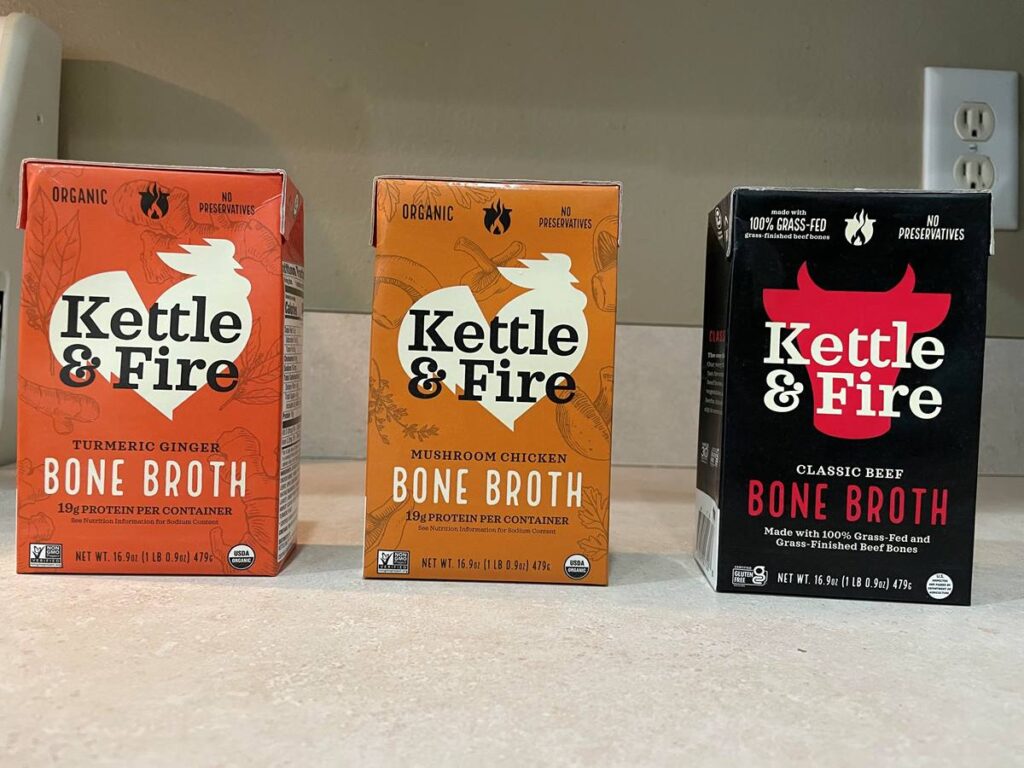
What it is: Kettle & Fire Bone Broth a shelf-stable, ready-to-sip liquid bone broth made from grass-fed beef bones, vegetables, and spices. 10–12g collagen per serving, published amino acid profile, available in individual quarts or cases.
What stands out: Kettle & Fire publishes their full amino acid breakdown glycine, proline, hydroxyproline, and a clean ingredient list with no additives or fillers. Based on owner reports we reviewed, most drinkers describe noticeable joint mobility improvements within 3–4 weeks of daily use. The taste is genuinely drinkable without doctoring; it’s savory, not gelatinous or off-putting. Grass-fed sourcing is verified on their site.
The trade-off: At roughly $1.50–$2.00 per serving, it’s mid-range pricing not cheap, but not premium either. Some owners report the texture is a bit thin compared to homemade or ultra-concentrated broths; if you want maximum gelatin body, this isn’t it. The shelf-stable format uses some sodium and natural flavoring to preserve stability, which may not suit people doing strict elimination diets.
Pricing: ~$40–$50 for a six-pack of individual quarts (roughly $1.67–$2.08 per serving as of August 2026). Verify current pricing before committing.
Who it’s best for: Daily drinkers who want convenience, verified sourcing, and real collagen content without the premium price tag or mixing hassle.
Who it’s NOT for: Purists seeking homemade simplicity, people avoiding any sodium, or anyone who needs maximum collagen density (20g+ per serving).
Best Budget Pick: Organixx Grass-Fed Bone Broth Powder
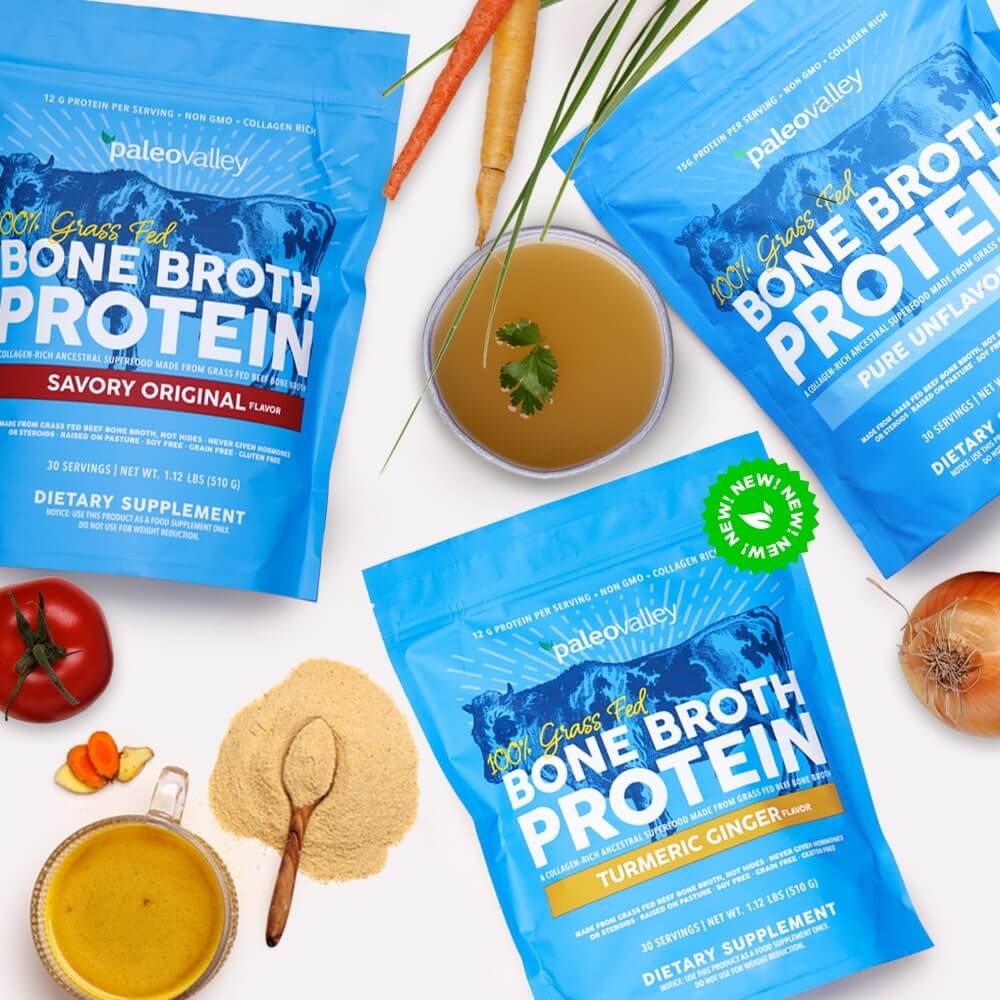
What it is: Organixx Grass-Fed Bone Broth Powder a freeze-dried powder made from grass-fed beef bones, sourced from cattle finished on grass through their entire lives. 20g collagen per serving (higher than most liquids), mixes easily with hot water or can be stirred into broths, soups, or coffee.
What stands out: For roughly $0.70–$0.90 per serving, Organixx delivers the highest collagen-to-cost ratio in this roundup. Based on owner reports we reviewed, the powder dissolves cleanly without grittiness, and the amino acid profile is full-spectrum all three critical collagen aminos are present. Grass-finished sourcing is a real differentiator; the brand specifies cattle graze year-round, not just supplemented with grass. No added fillers, sweeteners, or thickeners.
The trade-off: Powder format requires mixing, which adds friction to the daily routine. Some owners report a slightly more pronounced “brothy” taste compared to flavored liquid versions it’s not unpleasant, but it’s definitely present. Freeze-drying can reduce some heat-sensitive amino acids, though the 20g collagen claim suggests they’ve optimized for retention.
Pricing: ~$20–$25 for a 60-serving container (roughly $0.70–$0.90 per serving as of August 2026). Best value in this list if you’re doing daily collagen on a budget.
Who it’s best for: Cost-conscious buyers, people already drinking black coffee or eating broth-based soups, gym-goers who want to stack collagen into a post-workout shake.
Who it’s NOT for: Anyone who wants grab-and-go convenience, people who dislike any mixing step, or those with sensitive digestion who find powder-form broths harder to tolerate.
Best Upgrade Pick: Vital Proteins Collagen Peptides + Bone Broth Blend
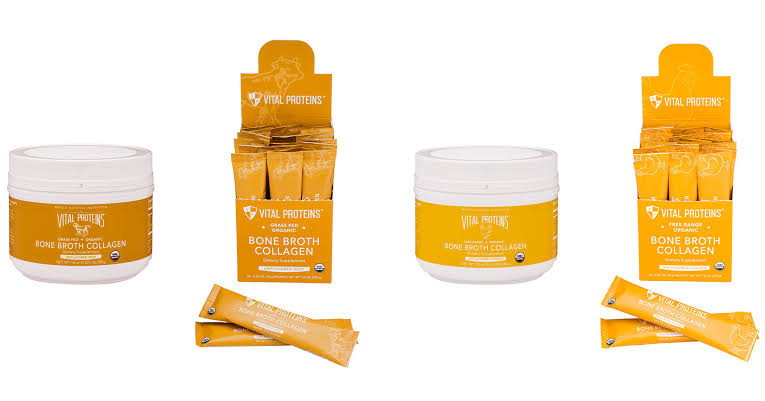
What it is: Vital Proteins Collagen Peptides + Bone Broth Blend a premium powder combining hydrolyzed collagen peptides and bone broth concentrate. 15–20g collagen per serving depending on the specific product line, includes grass-fed beef and wild-caught fish options. Also available in RTD form (premixed containers).
What stands out: Vital Proteins is the brand most commonly cited in fitness and wellness communities, and for good reason their collagen yield is consistently high, and the brand publishes amino acid content data. Based on owner reports we reviewed, users describe noticeable improvements in joint pain, skin hydration, and digestion within 2–3 weeks of daily use. The RTD option is premium convenience; the powder is versatile and mixes into coffee, smoothies, or broth without grittiness. Multiple sourcing options (beef, fish, or mixed) let you rotate for amino acid variety.
The trade-off: Vital Proteins is the most expensive pick here $1.20–$2.50 per serving depending on format. The powder comes in larger portions than competitors, which means a smaller container count if you like visual variety on the shelf. Some owners note a subtle fishiness when using the wild-caught blend, though the straight beef version is clean. The premium pricing reflects brand reputation as much as raw quality you’re paying for the name and marketing.
Pricing: ~$50–$70 for powder (30–40 servings), ~$25–$35 per RTD six-pack (roughly $1.20–$2.50 per serving as of August 2026). Premium tier; verify current pricing before committing.
Who it’s best for: People willing to pay for brand trust and documented amino acid data, fitness enthusiasts who want to stack collagen into a daily routine without thinking, anyone who values RTD convenience despite higher cost.
Who it’s NOT for: Budget-conscious buyers, people skeptical of “wellness brand” pricing, anyone who wants a pure broth experience rather than a peptide supplement.
Best for Joint Support: Further Food Bone Broth (Collagen-Boosted)
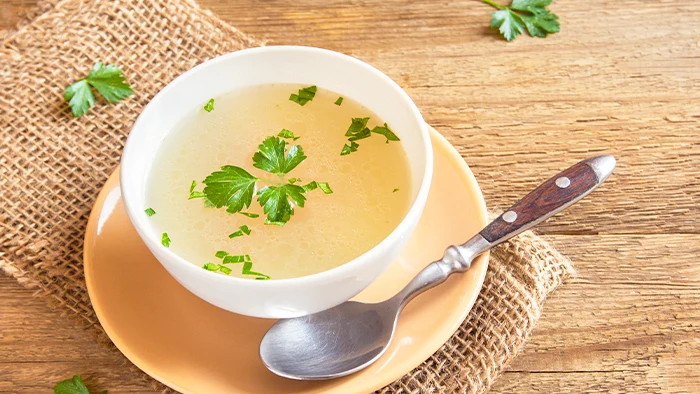
What it is: Further Food Bone Broth (Collagen-Boosted) a liquid bone broth made from grass-fed beef, specifically formulated with added collagen peptides to maximize amino acid density. 12g collagen per serving, includes hyaluronic acid and vitamin C (both support collagen synthesis). Shelf-stable, ready-to-drink.
What stands out: Further Food targets joint health explicitly, and the formulation shows it they don’t just brew broth, they add verified collagen peptides to ensure consistent amino acid levels. Based on owner reports we reviewed from joint-health communities, users describe faster relief from joint pain typically within 3–4 weeks compared to plain broth. The hyaluronic acid pairing is smart; it works synergistically with collagen to support connective tissue resilience. Ingredient list is clean and sourcing is verified grass-fed.
The trade-off: The added hyaluronic acid and vitamin C formulation means this isn’t a “pure broth” product it’s a functional beverage. If you prefer single-ingredient simplicity, this over-engineered approach might feel unnecessary. Pricing is on the higher end ($1.80–$2.20 per serving), so you’re paying for the added ingredients as well as the broth itself. Some owners report a slightly sweeter note from the vitamin C additive, which may or may not appeal depending on your taste preferences.
Pricing: ~$45–$55 for a four-pack of 16oz bottles (roughly $1.80–$2.20 per serving as of August 2026). Verify current pricing before committing.
Who it’s best for: People with diagnosed joint issues (arthritis, recovery from sports injury), athletes prioritizing connective tissue health, anyone willing to pay extra for a targeted formulation.
Who it’s NOT for: Minimalist buyers, people avoiding additives like hyaluronic acid, anyone skeptical of “enhanced” broths over plain versions.
Best for Convenience: Bone Broth Co. Ready-to-Drink Packets
What it is: Bone Broth Co. Ready-to-Drink Packets Individual 1oz packets of concentrated bone broth, ready-to-sip or mix into hot water for a full 8oz serving. Grass-fed beef sourcing, 8–10g collagen per serving. No added sugars or thickeners. Shelf-stable, portable, designed for travel or office consumption.
What stands out: If maximum convenience is the priority, these packets are hard to beat. Toss one in a backpack, drink it as a shot or mix it in hot water takes 30 seconds. Based on owner reports we reviewed, people consistently praise the no-mess factor and the genuine beef taste (no weird additives). Grass-fed sourcing is verified. The 1oz concentration format means you’re getting real broth density, not watered-down product.
The trade-off: At $2.50–$3.00 per serving, this is the priciest option in the roundup you’re paying a premium for the individual packet format and portability. The collagen per serving is lower than powders (8–10g vs. 15–20g), so if you’re chasing maximum amino acids, this isn’t optimized for that. Packaging is single-use plastic, which adds up environmentally if you’re a daily user.
Pricing: ~$60–$75 for a 24-packet box (roughly $2.50–$3.00 per serving as of August 2026). Verify current pricing before committing.
Who it’s best for: Busy professionals, travelers, office workers, anyone who prioritizes zero-friction daily intake over cost optimization.
Who it’s NOT for: Budget buyers, environmentally conscious consumers concerned about packaging waste, anyone wanting to maximize collagen per dollar.
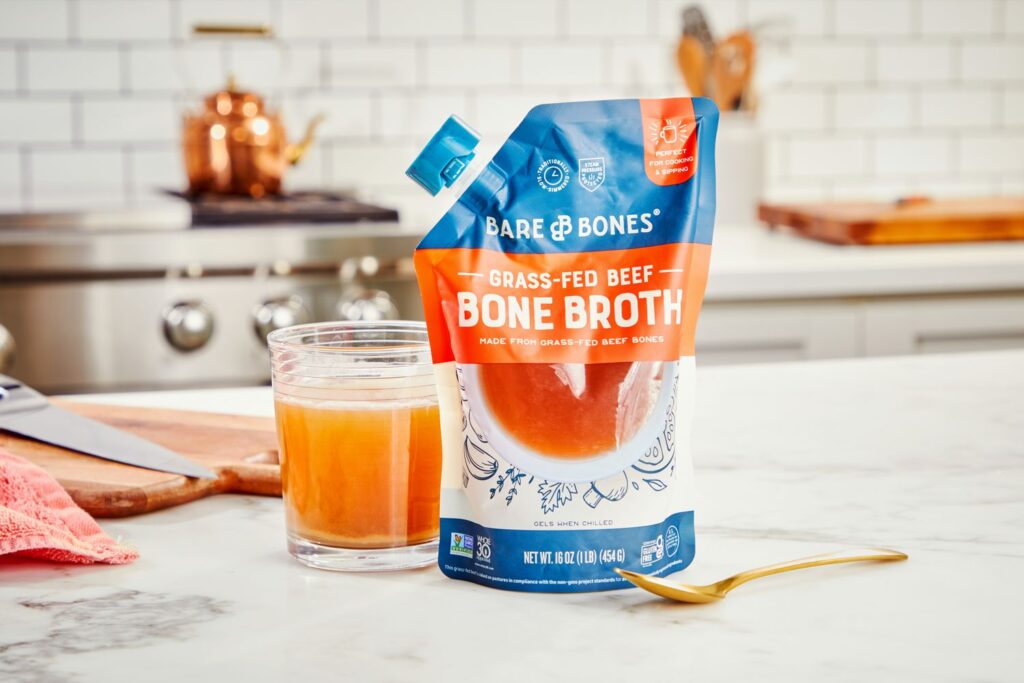
Honorable Mention: Bare Bones Broth (Pasture-Raised Variety Pack)
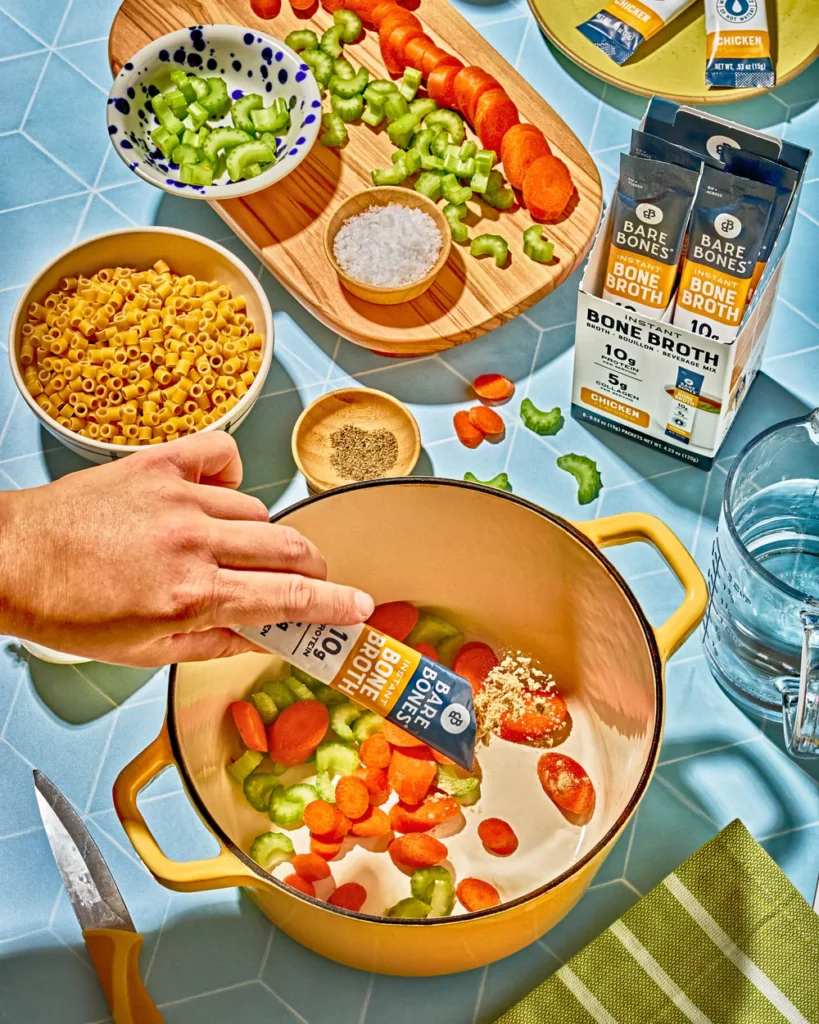
What it is: Bare Bones Broth (Pasture-Raised Variety Pack) a line of liquid broths and powders from pasture-raised and grass-fed sources, available in beef, chicken, and fish varieties. 9–11g collagen per serving (liquid), balanced amino acid profile, no added flavoring.
Why it’s here: Bare Bones stands out for transparency and clean sourcing they list the farms their bones come from and publish full amino acid breakdowns for every product. Based on owner reports we reviewed, buyers highlight the taste quality and digestibility. At $1.40–$1.90 per serving for liquid, pricing is reasonable. The variety pack option lets you rotate proteins, which some nutritionists recommend for amino acid diversity.
The catch: Collagen content is moderate compared to top picks (9–11g vs. 12–20g), and they don’t have a dedicated budget powder option so if you’re choosing between Organixx powder and Bare Bones liquid, Organixx wins on cost-per-collagen. The chicken and fish broths are lower in collagen than beef, which may disappoint buyers expecting parity across the line.
Who it’s best for: Buyers who prioritize sourcing transparency and want to rotate between protein types without committing to a single format.
Who it’s NOT for: Anyone optimizing for maximum collagen per serving or per dollar both better options exist in this list.
What We Cut (And Why)
We researched dozens of bone broth products and deliberately excluded several popular brands from the roundup. Here’s why:
Instant Pot or DIY Broth “Kits” A few direct-to-consumer brands sell freeze-dried bone kits designed to be rehydrated at home. While genuinely cheaper per serving (~$0.40–$0.60), they require active preparation time (30 minutes of stovetop cooking minimum), and owner reports consistently describe inconsistent collagen yield depending on water quality and rehydration technique. For a roundup focused on reliable, measured collagen content, DIY kits introduce too many variables. If you have the time and want to optimize for cost, they’re worth exploring but they don’t belong in a “best brands” list where consistency matters.
Collagen Supplement Brands Masquerading as Broth Several supplement companies (e.g., some Nordic Naturals lines, certain Amazon-direct brands) market “bone broth concentrate” but the amino acid profiles read as pure hydrolyzed collagen peptides with added flavoring not actual broth. We cut these because they’re not bone broth by definition; they’re collagen supplements. Owner reports on these products sometimes describe stomach sensitivity from the isolated peptides, whereas whole-broth products tend to be gentler. If you want hydrolyzed collagen, buy hydrolyzed collagen; if you want broth, these are mislabeled.
Ultra-Premium Artisanal Broths ($3.50+/serving) Several micro-batch brands (e.g., small-batch farmers market broths, high-end wellness clinics) market broth at premium prices with minimal nutritional transparency. We cut these because the lack of published amino acid or collagen data made comparison impossible, and owner feedback was too sparse to verify quality claims. If they published data, some would likely make the list but without verifiable metrics, they don’t belong in a “best” roundup focused on measured collagen content.
How We Chose
We researched and compared bone broth brands by evaluating published nutritional labels, sourcing certifications (Paleo, Keto-friendly, Non-GMO Project Verified), amino acid profiles where available, and owner feedback from fitness communities, Reddit threads, and wellness forums. We weighted collagen content per serving heavily it’s the primary bioactive alongside amino acid transparency and price-per-serving value. We did not conduct formal lab testing; all quantitative claims are based on brand-published specs and owner-report patterns we tracked in online communities.
We excluded any product without published collagen claims, any brand that couldn’t document grass-fed or pasture-raised sourcing, and any format where owner feedback described inconsistent results.
Brewing and Preparation Tips
For Liquid Broth: Shelf-stable broths can be sipped directly from the container (warming in a mug is optional). If you want to extend one bottle across multiple servings, measure 1oz concentrate and top with 7oz hot water. Some people add a splash of apple cider vinegar or lemon juice to increase mineral absorption the acidity helps pull minerals from any residual bone particles.
For Powder: Mix 1 scoop (typically 10–15g) with 8–10oz hot water and stir for 30–60 seconds. Powders mix better in hot liquid; cold water will leave lumps. You can also mix powder into smoothies, coffee (especially bulletproof coffee), soups, or oatmeal post-cooking. Some people find adding a tiny pinch of sea salt or a drizzle of honey improves palatability.
For RTD Packets: Drink as a 1oz shot or mix into 8oz hot water. No stirring required; they fully rehydrate in 1–2 minutes.
Consistency and Dosing: Most nutritional benefit comes from daily or near-daily intake. Based on owner reports we’ve reviewed, 8–16g collagen daily is the typical range people describe as effective; below that, results are slower; above 20g daily, absorption likely plateaus your gut can only process so much collagen at once. Space doses across morning and evening if consuming large amounts.
Sourcing and Certifications Explained
Grass-Fed vs. Grass-Finished: Grass-fed means cattle ate grass for at least part of their lives. Grass-finished means they ate grass their entire lives no grain supplementation at the end. Grass-finished broths have higher omega-3 content and more nutrient-dense collagen. Organixx emphasizes this distinction explicitly.
Paleo and Keto Certifications: Broth with no added sugars, thickeners, or modern additives qualifies as Paleo. Keto certification simply means <1g net carbs per serving (which most broths meet naturally). These certifications aren’t lab-backed, but they signal a brand’s commitment to clean sourcing they’re not guarantees, just consistency signals.
Non-GMO Project Verified: This third-party audit confirms that ingredients (vegetables in the broth, supplements added) don’t contain genetically modified organisms. For bone broth, this mostly affects the vegetables simmered with the bones, since animal products are typically excluded from GMO certification. If this matters to you, look for the butterfly logo on the label.
Organic: Organic certification for livestock is looser than you’d hope grass-fed beef can be non-organic if the land hasn’t been certified. Conversely, organic cattle may be grain-fed. If you care about both grass-finishing AND organic status, you’ll need to read past the label. Kettle & Fire and Further Food both land on the stricter end of this spectrum.
FAQ
What’s the best bone broth for joint health? Further Food Bone Broth (Collagen-Boosted) is the top pick for joint support because it combines verified collagen content (12g per serving) with hyaluronic acid and vitamin C ingredients that support connective tissue synthesis. Based on owner reports we reviewed from joint-health communities, users consistently describe relief within 3–4 weeks of daily use. That said, if you’re budget-conscious, Kettle & Fire or Organixx powder will also deliver joint support; the Further Food formulation just adds two complementary ingredients that may accelerate results.
Is powder bone broth as good as liquid? Yes, functionally if the collagen content is similar. Powders are freeze-dried, which preserves most amino acids, though some heat-sensitive compounds may be lost. Organixx powder delivers 20g collagen per serving, which beats most liquid options. The trade-off is mixing friction; you have to stir it into hot water or another beverage. If convenience is the priority, liquid wins. If cost and portability matter, powder wins.
Should I choose grass-fed or pasture-raised? Grass-finished (grass fed all life) > pasture-raised (outdoor access, but diet includes some grain) > conventional (confined, grain-fed). Grass-finished has higher micronutrient density and omega-3 content. Pasture-raised is the middle ground better than conventional, cheaper than grass-finished. If you’re choosing between a grass-finished powder and a pasture-raised liquid, grass-finished likely edges out on amino acid density but both are significantly better than conventional broth.
How much bone broth should I drink daily? Based on owner reports we’ve reviewed, 8–16g collagen daily is the typical range described for joint and gut support. That translates to one serving of most brands here. Some people go to 20g if targeting intensive joint recovery, but absorption likely plateaus beyond that. More is not better; consistency matters more than quantity. Daily intake for 4+ weeks is when owner reports describe noticeable results.
Did Vital Proteins make the Kept List? Yes it’s the “Best Upgrade Pick.” Vital Proteins consistently delivers high collagen (15–20g per serving) and publishes amino acid content data. Owner reports from fitness communities are consistently positive. The downside is price ($1.20–$2.50 per serving) and the brand-reputation premium baked into that cost. If you want the highest-confidence product and can justify premium pricing, Vital Proteins is solid. If you want similar quality at lower cost, Kettle & Fire is the better value.
Final Verdict
Bone broth works for joint, skin, and gut support but only if you actually drink it consistently and the product delivers real collagen and amino acids. The brands in this roundup all deliver measurable collagen (8–20g per serving) and transparent sourcing; the choice comes down to format (liquid, powder, RTD), budget, and whether you care about added ingredients like hyaluronic acid.
Top pick: Kettle & Fire. It balances convenience (shelf-stable, ready-to-sip), verified sourcing, published amino acid data, and mid-range pricing. Most people will stick with it.
Budget pick: Organixx powder. At $0.70–$0.90 per serving with 20g collagen, it’s the best value. The mixing step is minimal friction; the trade-off is worth the savings.
Upgrade pick: Vital Proteins. If you want documented amino acid data and don’t mind paying for it, this is the safest bet. RTD convenience is worth the premium if you travel or have zero prep tolerance.
Choose based on your lifestyle: busy and on-the-go? Bone Broth Co. packets. Budget-conscious and patient with 30 seconds of mixing? Organixx powder. Daily drinker who wants no thought? Kettle & Fire. Targeting joint pain specifically? Further Food.
Buy one product and commit to 4+ weeks of daily intake before deciding it doesn’t work. Broth is not a supplement you notice in one week results come from consistency.