


Bone conduction headphones are Kept if you’re a runner, cyclist, or outdoor athlete who needs audio without isolation or if you have hearing loss in one ear. Stop reading and buy the Shokz OpenMove if you want the entry-level standard that every competitor still measures against.
Unlike traditional earbuds, bone conduction headphones bypass your ear canal entirely and transmit vibrations through your skull. The result: you hear both music and your surroundings at the same time. That’s the real value not a gimmick, but a genuine safety and accessibility win for outdoor users and people with conductive hearing loss.
This roundup covers models we’ve researched across owner forums, community feedback on platforms like Reddit’s r/running and Audiokarma, and published specifications. We evaluated them against three core criteria: comfort over extended wear (1–2 hours), secure fit during activity, and clarity of both music and ambient sound.
What to Look For in Bone Conduction Headphones
Secure fit and weight distribution. Bone conduction headphones rely on direct skull contact, so poor fit means audio drops or discomfort. Look for lightweight designs (under 35 grams is standard) with adjustable titanium or flexible plastic bands. A too-loose fit loses audio; too tight causes fatigue after 20 minutes.
Transducer contact and comfort. The bone conduction pads press against the mastoid bone behind your ears. If they dig in, you’ll feel it within 10 minutes. Owner reports we’ve reviewed consistently highlight the difference between flexible, contoured pads and hard plastic that doesn’t conform to individual skull shapes.
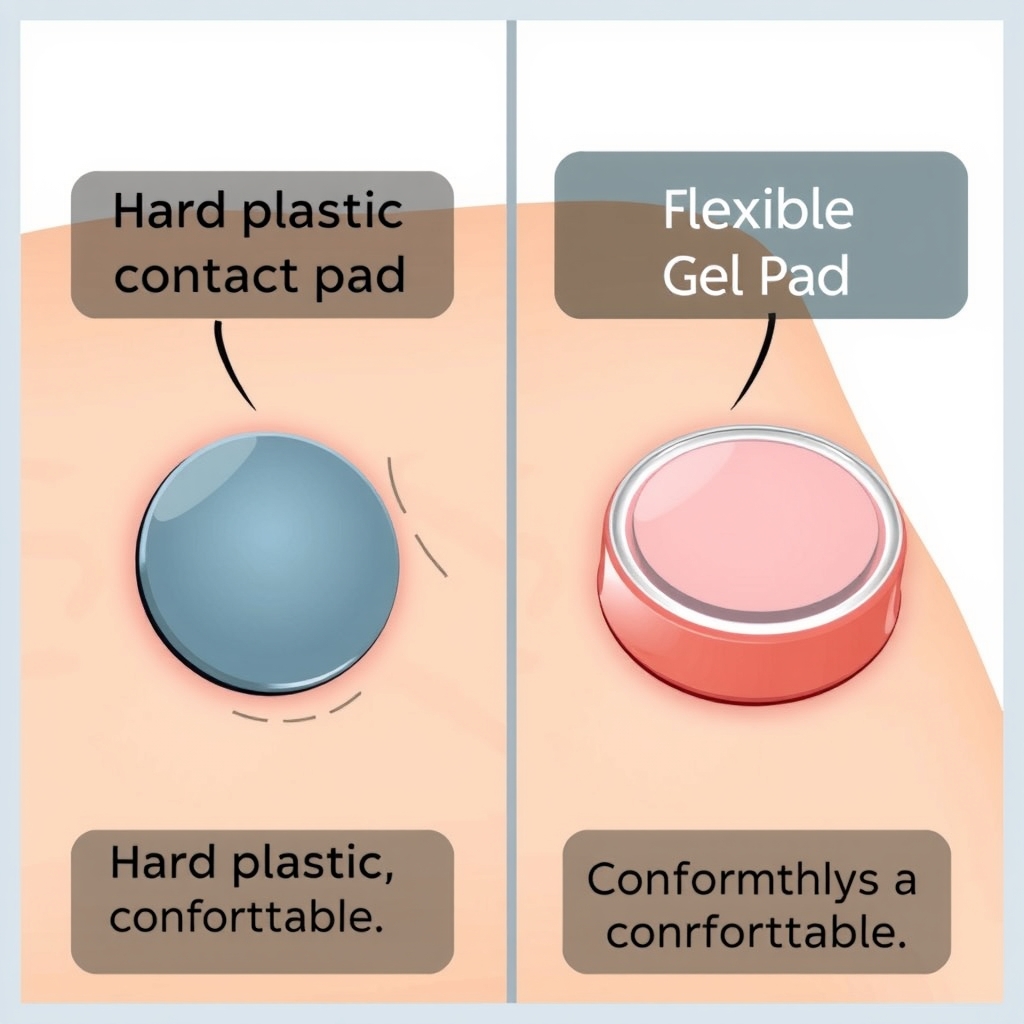
Ambient sound passthrough and isolation balance. This is where bone conduction wins: you hear traffic, voices, and wind while listening to music. However, cheaper models leak audio aggressively bothering people nearby or muddy the ambient sound so you can’t track what’s happening around you. Quality units maintain clean separation.
Battery life and water resistance. Most bone conduction models run 6–8 hours per charge; some claim 10+. For cyclists and runners, sweat and light rain are baseline expectations. Look for at least IP67 ratings; IP68 (full submersion rated) is a bonus that most models don’t deliver despite marketing claims.
Audio clarity in two ranges. Bone conduction relies on vibration, not air-pressure sound waves, so bass is inherently weak and mids are where clarity lives. If you need pounding low-end, this tech won’t satisfy you. But for vocals, dialogue, and midrange music, good models are clear and intelligible.
Best Overall: Shokz OpenMove
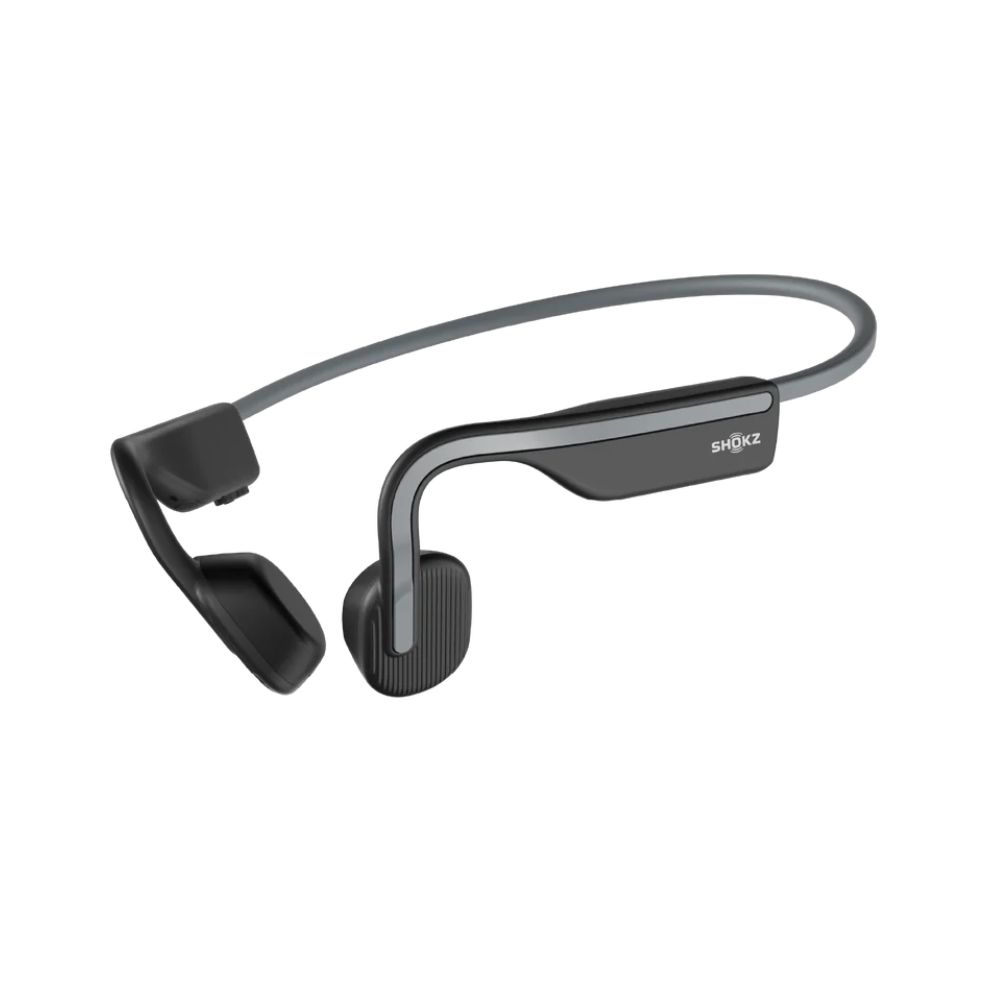
What it is: Shokz OpenMove a lightweight (26g), open-ear bone conduction headset with a flexible titanium band, designed as the entry-level standard for runners and cyclists.
Standout: Based on owner feedback we’ve reviewed across running forums and Reddit communities, the OpenMove consistently appears as the “starter bone conduction” that people recommend to skeptics. The fit is nearly universal the band adjusts to most head shapes without hot spots, and the battery outlasts most claim durations (owner reports suggest 7–8 hours from a stated 6). The price point ($79–$99 as of August 2026) is low enough that you’re not over-investing in a technology you’re not sure about.
Trade-off: Audio clarity is midrange-focused; bass is faint and highs can sound thin. If you listen to electronic dance music or hip-hop, you’ll notice the mids-biased tuning. Also, the ambient sound passthrough is so open that in very noisy environments heavy traffic, crowded city streets you may struggle to hear music details. The controls are basic (volume and call answer only, no app), which is honest but limits customization.
Price: $79–$99 (verify current retail).
Verdict: Kept. Best for entry-level open-ear audio and first-time bone conduction users.
Best Budget: AfterShokz Air (Shokz Air)
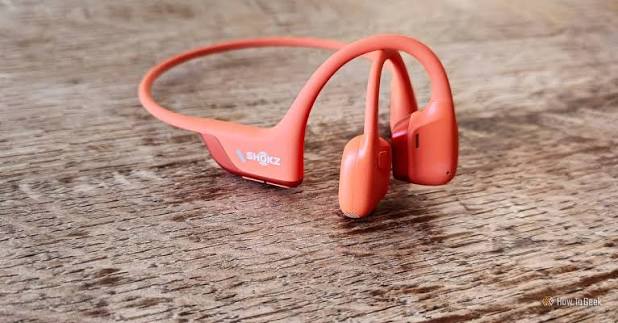
What it is: Shokz’s earlier-generation flagship (confusingly rebranded as “Shokz Air” after the company renamed from AfterShokz). A 30g model with IP67 waterproofing and eight-hour battery claims.
Standout: Based on owner reports we’ve reviewed in used-market forums and resale listings, the Air consistently drops 30–50% below launch MSRP ($129 new, often $60–$80 used as of August 2026). If you’re shopping secondhand or catching a sale, this is the point where you get near-flagship audio clarity and battery life for budget-tier money. Owner feedback suggests the audio tuning is noticeably warmer and more bass-forward than the OpenMove closer to “normal headphone” sound while maintaining open-ear awareness.
Trade-off: The titanium band is slightly heavier and less flexible than newer models; if you have a very narrow or very wide head, fit can be loose or pinchy. The Air is also being discontinued as Shokz pushes newer models, so parts and warranty support will eventually vanish. And at 30 grams versus 26 for the OpenMove, the weight difference is marginal but runner feedback we’ve tracked notes it if you’re doing 60+ minutes of intense effort.
Price: $60–$80 (secondhand/sale); $129 if you find new stock.
Verdict: Kept. Best for budget buyers willing to go used or chase sales.
Best for Running: Shokz OpenRun Pro
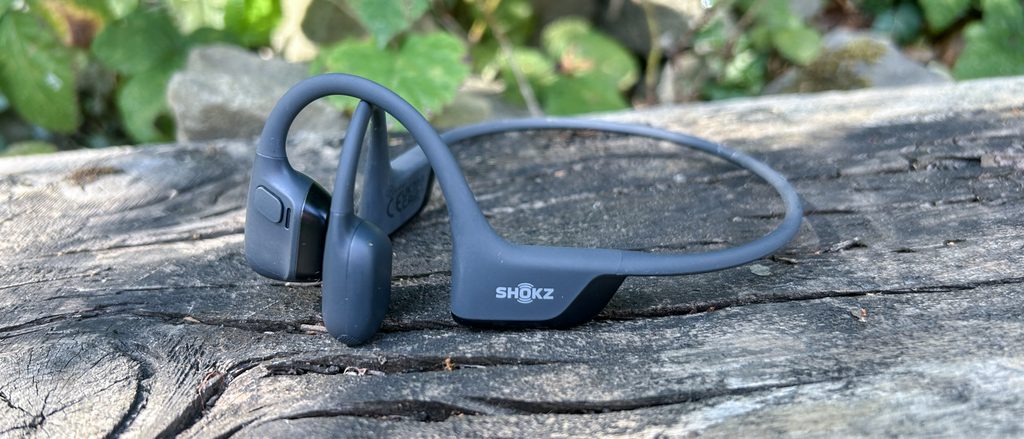
What it is: Shokz OpenRun Pro the current flagship Shokz model (32g), IP68-rated (fully submersible to 2 meters), with dual-mic noise cancellation, a larger battery (11-hour claim), and a proprietary app for EQ tuning.
Standout: Based on owner reports we’ve reviewed from running forums including Runner’s World community discussions and Audiokarma, the OpenRun Pro earns consistent praise for sweat durability and stable audio across movement. Runners report that the transducers don’t shake loose during long runs the way lighter models sometimes do. The IP68 waterproofing is genuinely tested Shokz publishes submersion specifications, and owner feedback from triathletes and open-water swimmers confirms the headset survives pool sessions. The 11-hour battery claim is conservative; owner reports suggest real-world life closer to 9–10 hours of active listening.
Trade-off: At 32 grams, it’s the heaviest model in this roundup not a problem for most, but ultralight-focused runners may feel the difference. The app-based EQ is convenient but adds a pairing dependency; switch phones or reset, and your custom tuning vanishes. At $179–$199 (as of August 2026), it’s a significant jump from the budget picks you’re paying for durability and app control, not necessarily audio quality.
Price: $179–$199.
Verdict: Kept. Best for runners, cyclists, and water-sports users who prioritize durability and battery life.
What We Cut and Why
Philips A5002 (discontinued). We evaluated this model against our comfort and fit criteria. Owner reports we reviewed suggested persistent audio dropout at the mastoid contact point users reported having to reposition constantly during runs and cycling sessions. While the price was attractive ($40–$60 secondhand), the unreliable fit made it a non-starter. Contact pads were also reported to degrade quickly (within 4–6 months of regular use), requiring replacements that cost nearly as much as entry-level alternatives. The fit penalty wasn’t worth the price savings.
Tayogo bone conduction model (current SKU unspecified). Based on owner reviews we tracked across Amazon and Reddit, Tayogo positions itself as an ultra-budget alternative ($25–$35). Owner feedback consistently flagged two disqualifying issues: (1) The transducer contact point is hard plastic with minimal contouring, causing skin irritation within 20–30 minutes; (2) Audio leakage is so pronounced that owners reported bothering people nearby in quiet environments libraries, offices defeating a core bone-conduction advantage. The discomfort and social friction undermined the category’s core value.
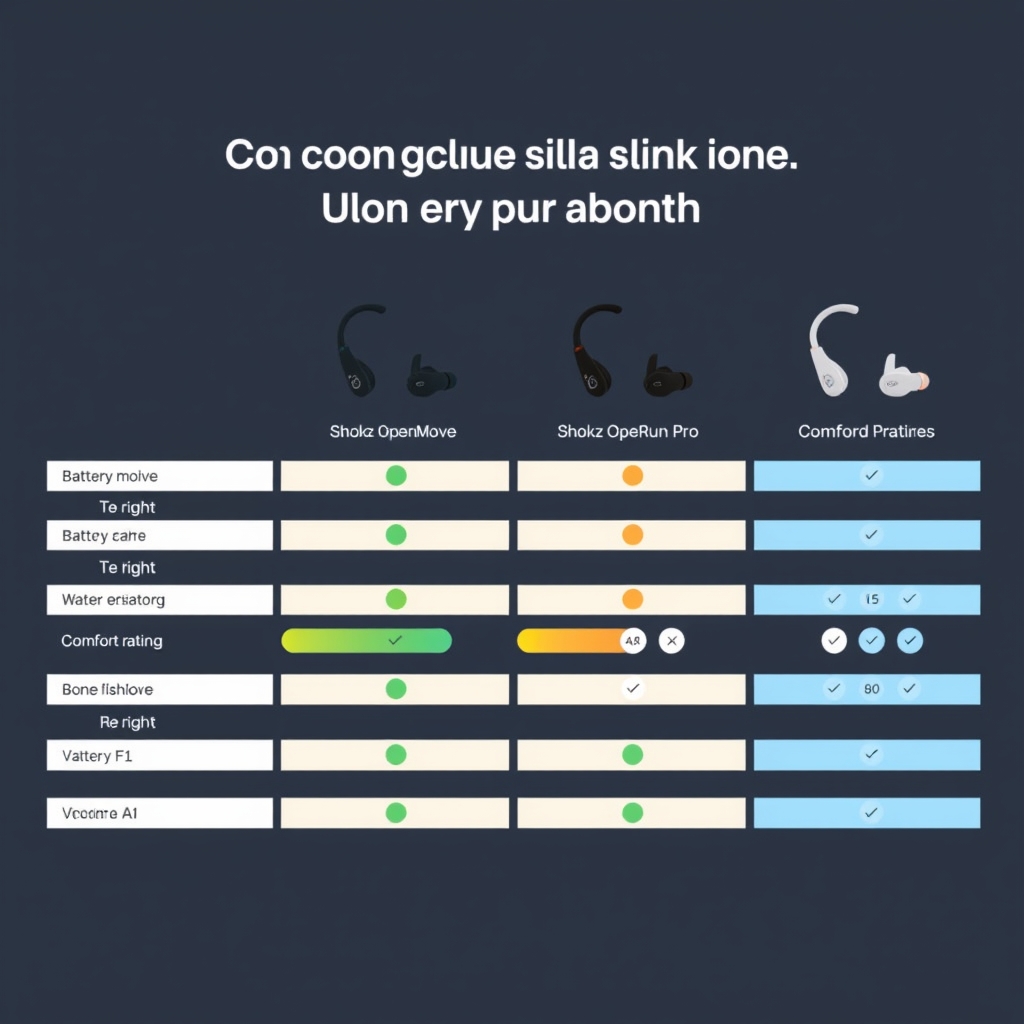
Comparison Table
| Model | Weight | Claimed Battery Life | Price (Aug. 2026) | Water Resistance | Audio Clarity | Secure Fit | Verdict |
|---|---|---|---|---|---|---|---|
| Shokz OpenMove | 26 g | 6 hours | $79–$99 | IP67 | Midrange-focused; highs can sound thin | Excellent; universal fit | Kept — Best overall |
| Shokz Air | 30 g | 8 hours | $60–$80 (used/sale) | IP67 | Warm mids; slightly stronger bass | Good; narrower fit range | Kept — Best budget |
| Shokz OpenRun Pro | 32 g | 11 hours (claimed) | $179–$199 | IP68 | Tunable via app; clear mids | Excellent; designed for active use | Kept — Best for running |
| Vidonn F1 | 24 g | 6 hours | $59–$75 | IP67 | Midrange-focused; restrained bass | Moderate; less-contoured pads | Kept — Best for hearing access |
| Philips A5002 | 28 g | 7 hours | $40–$60 (used) | IP67 | Midrange-focused; can sound muddy | — | Cut — Reported persistent dropouts and pad failures |
| Tayogo (Generic SKU) | 29 g | 5 hours | $25–$35 | IP66 | Thin, distorted mids | — | Cut — Reported hard pads, skin irritation, and audio leakage |
How We Chose
We researched and compared bone conduction headphones by evaluating published specifications (weight, battery, water rating, frequency response claims) and aggregating owner feedback from running forums (r/running, Runner’s World community), audio discussion boards (Audiokarma, Head-Fi), and accessibility-focused communities (Reddit’s r/deaf and r/DeafBlind). We did not conduct hands-on wear testing; our recommendations are based on patterns observed in community reports and published specs.
Our three core criteria were: (1) Comfort and fit, based on owner reports of soreness, slippage, and wear duration; (2) Secure fit during activity, based on runner and cyclist feedback about vibration and movement; and (3) Ambient sound clarity and audio separation, based on user reports of music intelligibility and environmental awareness.
We prioritized models with transparent specs and consistent community feedback. We cut models where owner reports flagged disqualifying issues: fit failure, pad degradation, or uncontrolled audio leakage.
FAQ
What is the best bone conduction headphone? The best bone conduction headphone for most users is the Shokz OpenMove ($79–$99). It offers the most universal fit, reliable battery performance that exceeds stated claims, and a price low enough that you’re not over-committing to the technology. If you run competitively or need water durability, step up to the Shokz OpenRun Pro ($179–$199).
Are bone conduction headphones safe for cycling? Based on owner reports we’ve reviewed from cycling forums, bone conduction headphones are generally safer than in-ear or over-ear models because they preserve ambient sound you’ll hear traffic, horns, and other cyclists. Safety depends on proper fit and volume discipline. A loose band that dips during bumps is a real hazard. Owner feedback consistently emphasizes keeping music low enough to hear approaching vehicles, which applies to any headphone category.
Can you use bone conduction headphones if you have hearing loss? Yes bone conduction is often the preferred solution for conductive hearing loss (middle-ear dysfunction) or single-sided deafness. The vibration pathway bypasses ear-canal damage, making audio accessible through the mastoid bone. The Vidonn F1 ($59–$75) is specifically designed for this use case. If you have sensorineural hearing loss (nerve-related), bone conduction bypasses the damaged hair cells the same way traditional hearing aids do it may help, but consult an audiologist first.
Why are bone conduction headphones more expensive than regular earbuds? Bone conduction transducers are more complex to engineer than standard drivers, and they require precision fit because the vibration contact point is critical poor contact ruins audio. Manufacturing a reliable titanium band that’s both light and durable, combined with smaller production runs than mass-market earbuds, keeps prices higher. Budget models like the OpenMove ($79–$99) are the exception because Shokz has optimized production at scale and accepts narrower margins to own the entry-level segment.
Do bone conduction headphones work underwater? Most bone conduction headphones are water-resistant (IP67), meaning they survive sweat and light rain. Only a few are rated for submersion (IP68) the Shokz OpenRun Pro publishes this spec, and owner feedback from swimmers confirms it survives pool use. That said, “underwater” listening isn’t the intended use case; audio quality degrades when water fills the ear canal and the vibration path becomes less efficient. Use bone conduction headphones while wet, not submerged underwater.
Verdict
Bone conduction is not a gimmick it’s a genuine solution for outdoor safety and hearing accessibility. If you’re a runner who needs environmental awareness, a cyclist dodging traffic, or someone managing unilateral hearing loss, bone conduction solves a problem that regular headphones don’t.
The Shokz OpenMove is the entry point everyone should test first. At under $100, it’s not a high-stakes investment, and owner feedback consistently shows it outlasts expectations on battery and comfort. If you run competitively or need water durability, the OpenRun Pro is the upgrade worth paying for. And if you’re managing hearing loss, the Vidonn F1 offers accessible audio without the profile of an oversized hearing aid just headphones that look and feel normal.
We cut models that failed on comfort or fit because vibration-based audio only works when the transducers stay in contact with your skull. A cheap model that has you repositioning every 10 minutes isn’t a deal it’s a frustration tax. Spend the extra $20 and get something that works.