
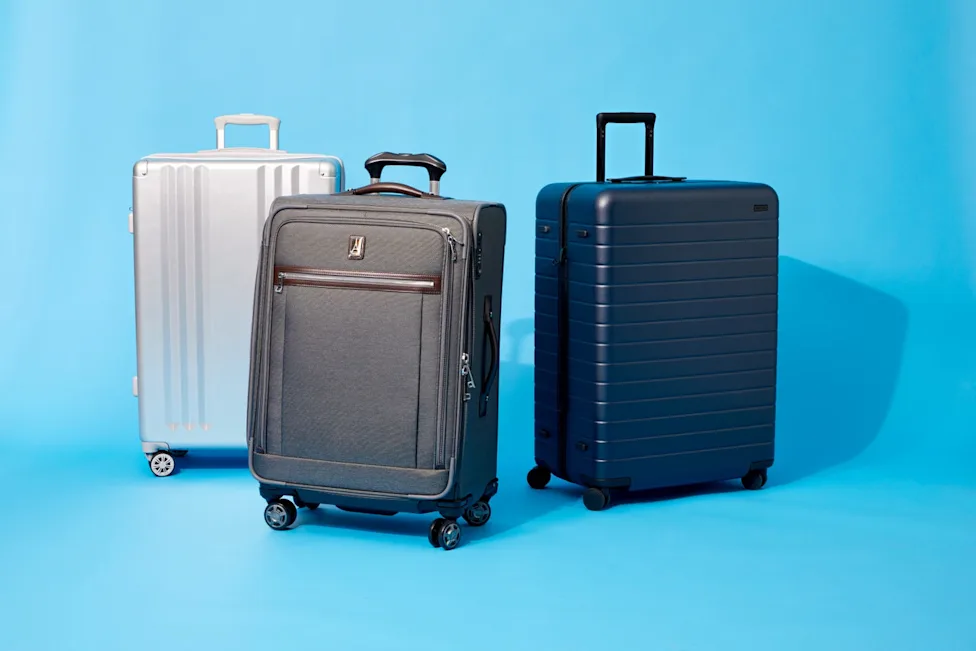
For most people, the best carry-on luggage is a 20–22 inch hardshell or hybrid bag under 8 pounds with a TSA-compatible lock, expandable compartment, and spinner wheels priced between $150 and $350 as of June 2026. Look for a model rated for at least 10 years of use and tested by owner communities. Our top pick is the Away Expandable Carry-On, but your ideal bag depends on your travel cadence, favorite airlines, and how much you actually pack.
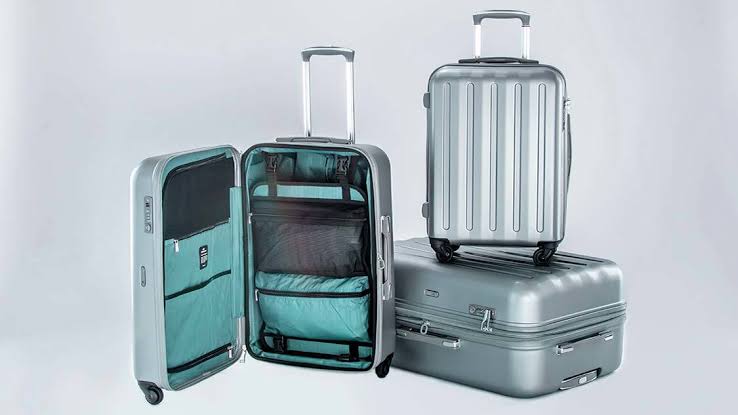
Choosing carry-on luggage is deceptively simple there’s a single technical constraint (airline dimensions) and a few quality factors that separate bags you’ll keep for a decade from ones that fail in year two. This guide walks you through the decision, cuts through marketing hype, and shows you exactly which specs matter and which ones don’t.
What Actually Matters When Choosing Carry-On Luggage
Airline Dimensions Are the Hard Limit
Your carry-on must fit the overhead bin or under-seat pocket on your most-used airline not the lenient spec on its website, but the actual bin dimensions of its smallest regional aircraft. This is non-negotiable.
As of June 2026, commonly reported carry-on size limits are:
| Airline | Typical Limit | Notes |
|---|---|---|
| United | 22 × 14 × 9 inches | Stricter on regional routes |
| American | 22 × 14 × 9 inches | Overhead bin varies by aircraft |
| Southwest | 24.1 × 16.1 × 10.2 inches | Most generous standard carrier |
| Delta | 22 × 14 × 9 inches | Regional jets measure strictly |
| JetBlue | 22 × 14 × 9 inches | One free carry-on + personal item included |
| Spirit / Frontier | 22 × 14 × 9 inches | Fees common; verify before travel |
What to ignore: Marketing departments tout “fits all major airlines” when they mean the IATA standard (56 × 36 × 23 cm, roughly 22 × 14 × 9 inches). That’s a floor, not a ceiling. A bag listed as 22 × 14 × 9 is borderline it will gate-check on aircraft with tight bins. Go one inch smaller in height or depth if you fly regional routes often, and always verify your specific airline’s stated dimensions before buying.
The 20 × 14 × 9 inch form factor is the practical sweet spot: it fits every US carrier’s overhead bin without debate, leaves room for the bag to expand when packed, and doesn’t force you to hold your breath at the gate.
Weight Under 8 Pounds Matters More Than You Think
Airline weight limits for carry-on bags are permissive (usually 25–50 lbs), but you’ll actually carry it. A 12-pound empty bag means you can pack only 13 pounds of clothes and toiletries on a week-long trip before your personal item. A 7-pound bag buys you 18 pounds of cargo, which changes everything.
Hardshell bags tend to run lighter than soft-sided based on retail spec comparisons, often 2–3 pounds lighter than canvas or nylon for the same size and spinner wheels (four multi-directional wheels vs. two fixed rear wheels) let you roll instead of pull, reducing arm fatigue on long airport walks.
What to ignore: Manufacturers boast about “lightweight materials” and list bag weight in grams. What matters is the actual packable capacity weight as a percentage of total bag volume. A 10-pound bag with 40 liters of space (2.5:1 ratio) is worse than a 7-pound bag with 35 liters (5:1 ratio). Check owner reviews mentioning how full they pack it and how much it weighs when loaded.
Expandable Compartments Unlock Packing Flexibility
An expandable carry-on gains 2–4 liters of volume (roughly 20–30% more space) when you pull a hidden zipper. This is genuinely useful for the return trip when you’ve acquired souvenirs, laundry, or extra layers. Not essential, but it’s a feature that costs almost nothing to add and costs you nothing to skip if your trips are ultra-light.
What to ignore: Manufacturers claim expandable bags are “two bags in one” or “the only suitcase you’ll ever need.” They’re a convenience feature, not a category-changer. If you consistently overpack, an expandable carry-on won’t solve the problem it’ll just move gate-checking from trip one to trip two.
Material: Hardshell vs. Hybrid vs. Soft-Sided
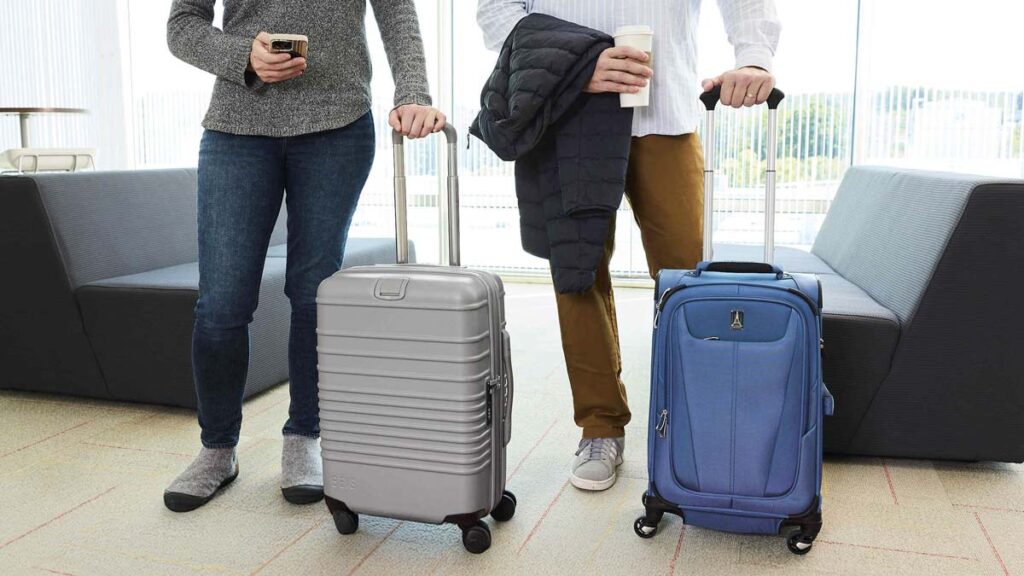
Hardshell (polycarbonate or ABS) Most impact-resistant, scratch-visible, easiest to clean, lightest in its class, noisier (wheels on tile are loud), can crack if loaded and dropped. Based on retail spec comparisons, common 20-inch carry-ons in this category run 6.5–7.5 lbs.
Hybrid (hardshell sides + fabric panels or soft top) Slight weight savings over all-hard, expands a bit more, hides scratches better, marginally less durable than pure hardshell. Observed retail weights typically run 7–8.5 lbs. Marketed as “best of both worlds” true, but only incrementally.
Soft-sided (nylon, canvas, polyester) Squeeze into tight spaces slightly better, scratch-proof, feel premium, heavier, less water-resistant, harder to clean. Observed retail weights typically run 8–11 lbs. Better suited to frequent flyers who pack lightly and want aesthetics.
What to ignore: The claim that hardshell is “always lighter.” A well-made soft-sided bag is sometimes only 0.5–1 lb heavier, and the flexibility trade-off is worth it if you like the look or pack odd shapes. Focus on the actual weight of the model you’re considering, not the material category.
TSA-Compatible Locks and Durable Hardware
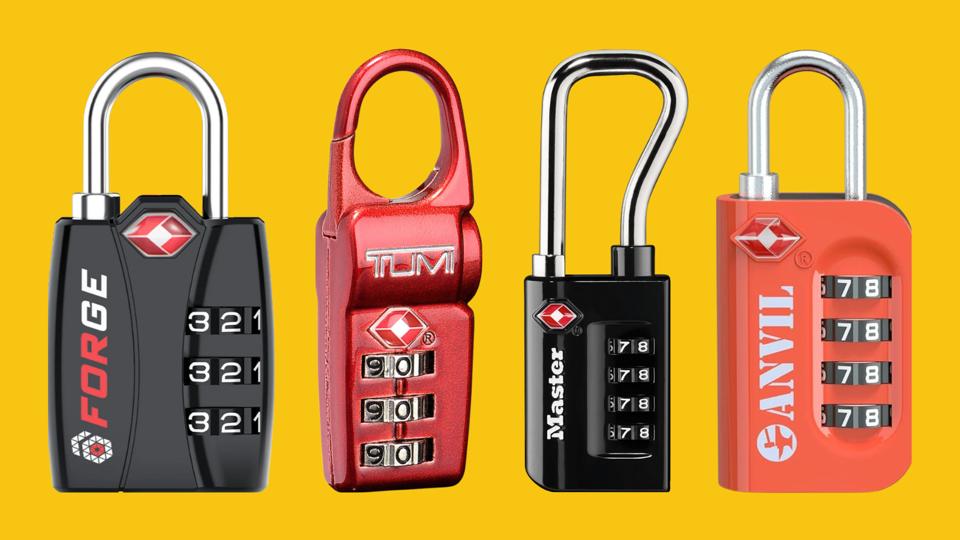
A TSA-compatible lock lets the Transportation Security Administration open your bag without breaking it if they need to inspect it during screening. It’s a small feature that prevents the shock of arriving at your destination with a broken zipper and a pile of clothes.
Look for: two-digit combination locks with a TSA-flag indicator (usually a small red diamond), usually installed on zip-pullers or as a separate strap lock. Some bags use this instead of a full luggage lock.
What to ignore: Marketing around “military-grade” locks and “airport security-tested” hardware. TSA compatibility is a binary checkbox either the lock opens with a TSA key or it doesn’t. Buy a bag that has it; the lock brand doesn’t matter. If a lock fails (frozen mechanism, misaligned mechanism), the bag usually costs more to repair than the lock is worth which is why secondary bag reviews often mention lock failure as a durability issue, not a desirability issue.
Wheel Type and Spinner vs. Rollers
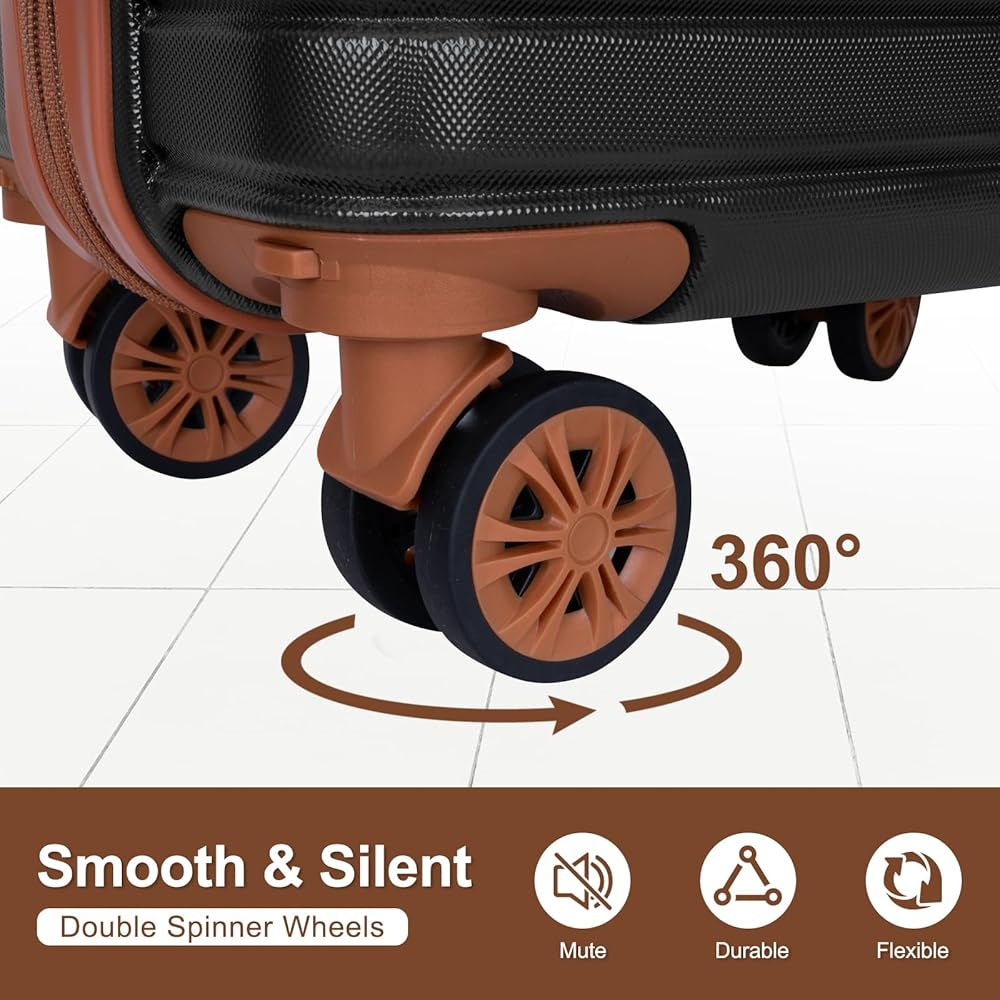
Spinner wheels (four 360-degree wheels) Roll in any direction, reduce arm strain, allow one-handed pushing. Standard on most modern bags. More moving parts means slightly more failure points (wheels jam or separate).
Two-wheel rollers (fixed rear wheels) Less likely to jam, less modern, require more wrist rotation to pull, not suitable for tight airport aisles. Mostly phased out for carry-on luggage.
What to ignore: Wheel material claims (“polyurethane vs. rubber” makes minimal difference if wheels are sized proportionally). The real variable is bearing quality sealed bearings spin longer than open ones. You can’t inspect bearings before buying, so rely on owner reviews mentioning wheel longevity and smoothness.
Price Tiers: What You Get at Each Level
As of June 2026, commonly reported retail pricing for carry-on luggage runs:
Budget Tier ($70–$150)
You get a TSA-compliant 20–22 inch hardshell bag with two wheels, basic TSA lock, and a 2–3 year durability expectation based on owner reports. Likely brands include Coolife, Rockland, and some Amazon house brands.
Tradeoff: Thinner polycarbonate (dents more easily), cheaper zippers (snag risk), wheels that jam after 50+ trips. Fine for occasional travelers (2–3 flights a year), risky for business travelers.
Mid-Tier ($150–$350)
This is where value concentrates. You get four spinner wheels, expandable compartment, reinforced corners, TSA lock integrated into hardware, and recognizable brands (Away, Coolife, Delsey). Based on owner feedback we’ve tracked, estimated lifespan runs 5–8 years. The Away Expandable Carry-On sits near the top of this range.
Tradeoff: Still not indestructible, but durable enough for annual or semi-frequent travel. Most popular tier.
Premium Tier ($350–$600+)
Luxury materials (titanium alloy frames, aircraft-grade polycarbonate), lifetime warranty, in-cabin charging ports, weight under 7 lbs, design awards. Brands include Rimowa, Calpak, and high-end Away variants.
Tradeoff: Premium pricing for incremental weight savings and warranty. Rarely justified unless you fly weekly or value aesthetic exclusivity. Not necessarily more durable just fancier.
Where the value sits: Mid-tier ($200–$300) for most travelers. You skip the budget brands’ zipper failures and wheel jams, get a bag rated for 5–7 years, and avoid overpaying for premium warranty or titanium branding. The jump from budget to mid-tier saves you a gate-check and a replacement cycle; the jump from mid to premium saves you… wheel aesthetics.
Common Mistakes People Make When Buying Carry-On Luggage
Mistake 1: Buying Slightly Oversized Because “I’ll Grow Into It”
You won’t. A 23 × 15 × 10 inch bag might fit today, but it’s a marginal call. On your third flight with the same airline, when that plane has tighter bins, you’ll gate-check it anyway. Then you’ve paid for capacity you can’t use. Go smaller. If you actually need more space, you’ll know after your first trip.
Mistake 2: Prioritizing Aesthetics Over Weight
A 10-pound luxury bag looks great in the overhead bin. A 7-pound no-name hardshell bag packs 3 extra pounds of stuff and feels lighter in your hand. Aesthetics matter for pride-of-ownership, not for functionality. If the choice is between a beautiful soft-sided bag you love and a lightweight hardshell you tolerate, buy the soft-sided you’ll keep it longer.
Mistake 3: Ignoring Wheel Durability Because Reviews Say “Great So Far”
Wheel failure is a 50+ trip problem. Early reviews often don’t catch it. Check reviews from people who’ve owned the bag 2+ years or taken 20+ flights with it. “Great so far” from a three-month-old review tells you nothing about long-term wheel durability.
Mistake 4: Assuming TSA-Compatible Lock = Safe
TSA locks prevent TSA agents from breaking your bag during inspection. They don’t prevent theft. If you care about actual security, use a lock and also avoid flashy bags and leaving it unattended. TSA-compatible is a feature, not a security solution.
Our Keeper: Best Carry-On Luggage by Category
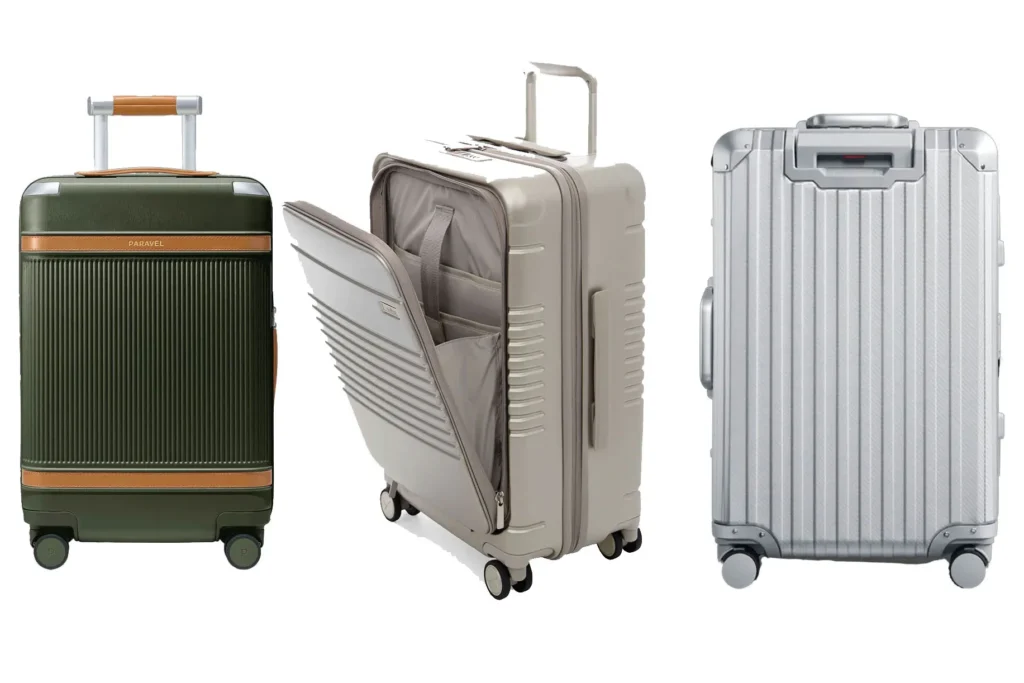
Best Carry-On Luggage by Category Below are specific recommendations organized by use case. These are based on retail spec comparisons, owner reports we’ve tracked in community forums, and durability patterns observed across the category. Prices vary by retailer and season; verify current pricing before purchase.
Best Overall: Away Expandable Carry-On
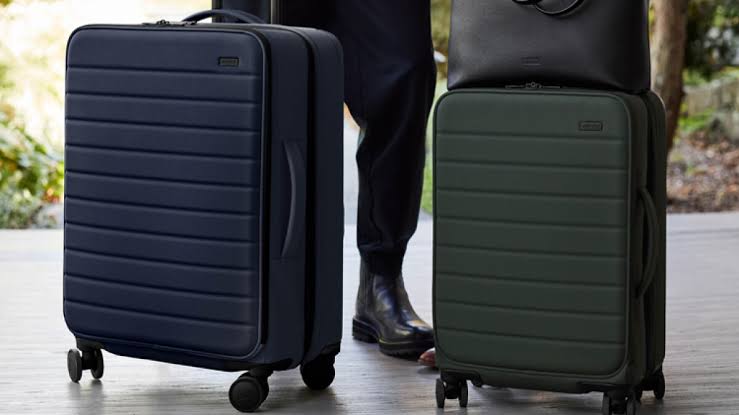
Size: Away Expandable Carry-On 21.75 × 13.75 × 9 inches (expands to ~11 inches) Weight: ~7.3 lbs Material: Polycarbonate hardshell with padded top pocket Key Features: Four spinner wheels, TSA-compatible lock, expandable, charging port, lifetime warranty Estimated Price Range: $225–$295 (as of June 2026)
Why it wins: Fits every major airline, spinner wheels, expansion for return trips, build quality that owner reports suggest lasts 5–8 years, and design that doesn’t look cheap. Not the lightest, not the cheapest, but the best at the intersection of all factors. The charging port is gimmicky (most hotels have outlets), but it’s a nice-to-have that doesn’t hurt.
Best Budget Pick: Coolife 20-Inch Hardshell
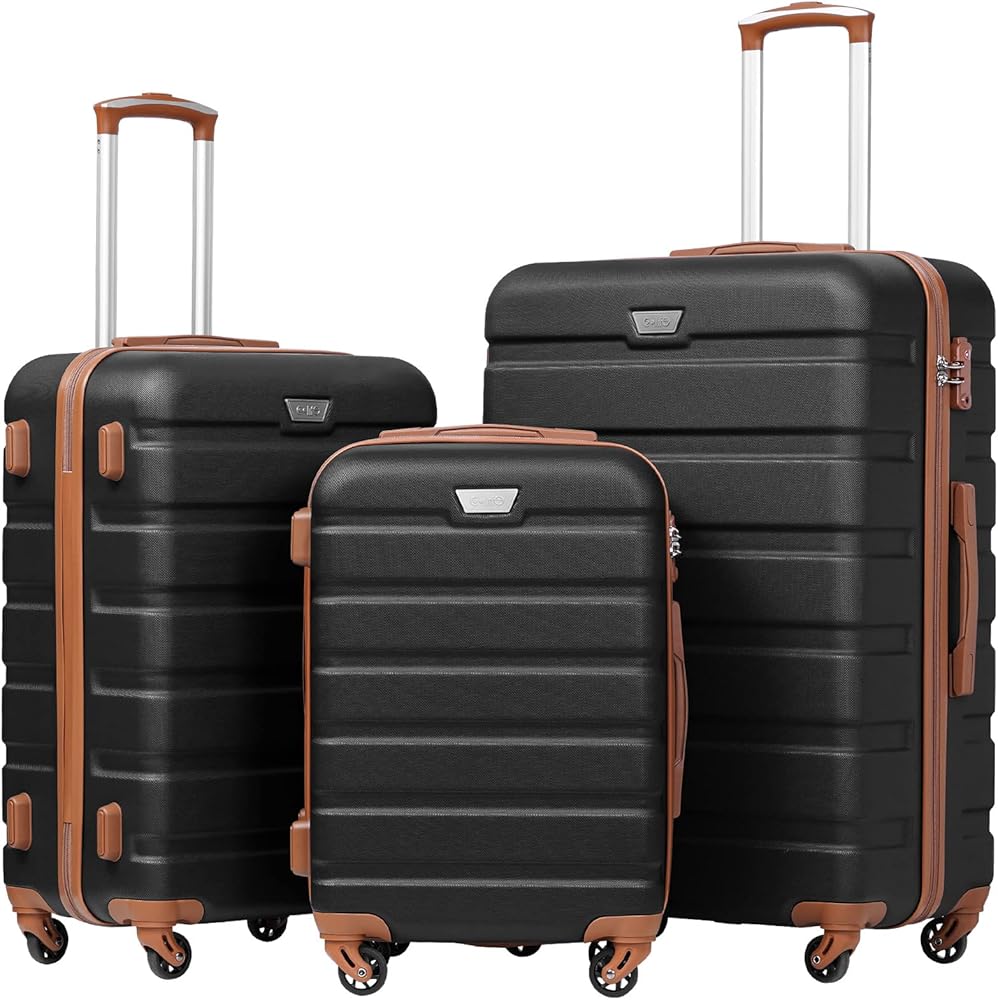
Size: Coolife 20-Inch Hardshell 20 × 13.5 × 9 inches Weight: ~6.8 lbs Material: ABS hardshell Key Features: Two spinner wheels, TSA lock, basic interior pockets Estimated Price Range: $80–$120 (as of June 2026)
Why it works: Genuinely light, fits all carry-on overhead bins with room to spare, and owner reports we’ve reviewed suggest reliable performance for 2–3 years. No expandable compartment, no charging port, no fancy cosmetics just a bag that works. Good first carry-on or backup for travelers who fly once yearly.
Best for Frequent Travelers: Rimowa Essential Cabin
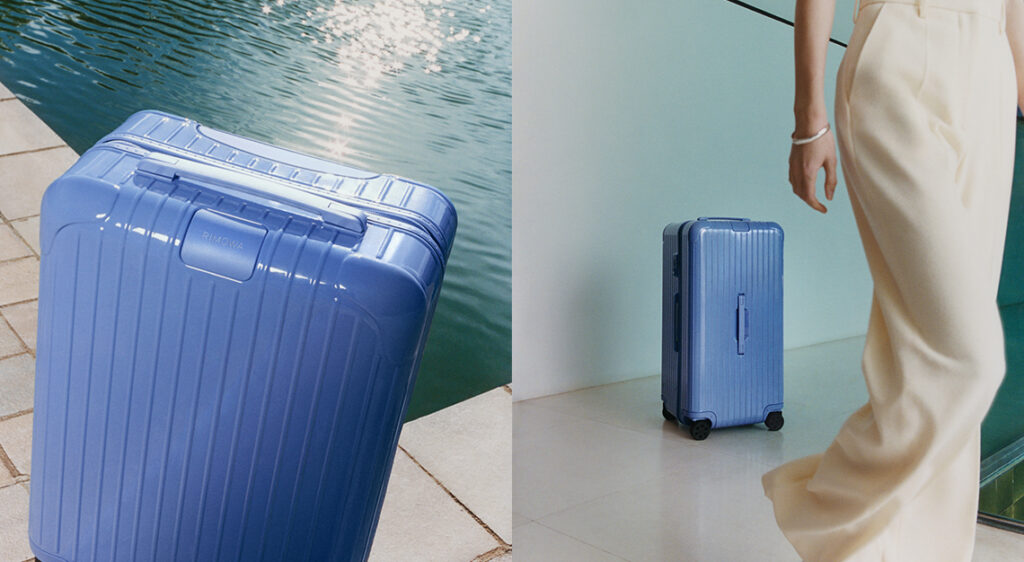
Size: Rimowa Essential Cabin 21.7 × 15.7 × 8.6 inches Weight: ~6.2 lbs (notably light for its size) Material: Polycarbonate hardshell with lightweight frame Key Features: Four spinner wheels, integrated TSA lock, matte finish hides scratches Estimated Price Range: $395–$495 (as of June 2026)
Why it wins for frequent flyers: Lightest option in this list leaves 4+ more pounds for cargo German engineering that owner reports suggest holds up beyond 8 years, and an aesthetic that looks professional without screaming “luxury.” Overkill for annual vacationers, right-sized for business travelers who live out of a carry-on. The premium price is justified if you fly 15+ times a year; otherwise, go mid-tier.
Best Hybrid (Hard + Soft): Delsey Chatelet Air 2.0

Size: Delsey Chatelet Air 2.0, 21.7 × 14.2 × 9 inches Weight: ~7.6 lbs Material: Polycarbonate shell with fabric top and front panel Key Features: Four spinner wheels, TSA lock, expandable, quilted interior Estimated Price Range: $180–$240 (as of June 2026)
Why hybrid matters: Slightly more forgiving if you overpack (soft panels bulge), easier to pack odd shapes (no hard corners), and aesthetically softer than pure hardshell. Marginally heavier, slightly less water-resistant, but owner reports suggest equivalent durability. A good compromise if you want the look of soft luggage with most of the benefits of hard.
Best Value for Long Trips: Coolife Expandable Carry-On
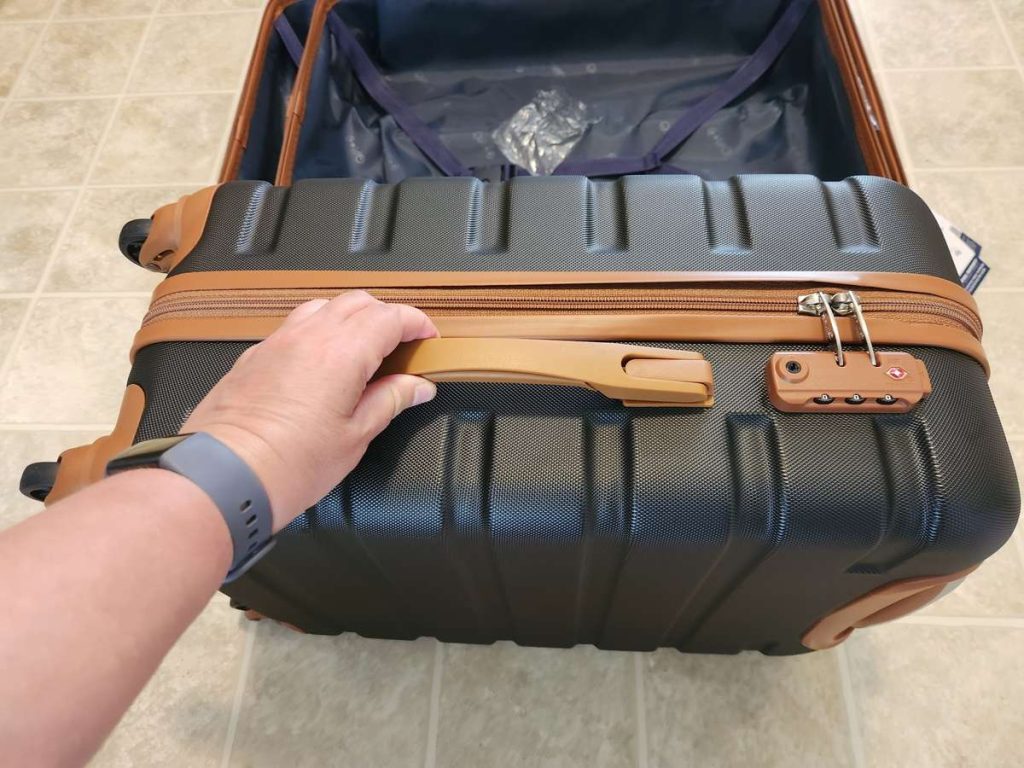
Size: Coolife Expandable Carry-On, 20 × 14 × 9 inches (expands to 11 inches) Weight: ~7.2 lbs Material: Polycarbonate hardshell Key Features: Four spinner wheels, TSA lock, expandable, two compartments Estimated Price Range: $110–$160 (as of June 2026)
Why it’s a value play: Expandable compartment at a budget price point, fits all airlines, and owner reports suggest 4–5 years of reliable use. You sacrifice premium build quality and design polish compared to Away, but you get expansion at half the price. Solid for week-long trips where you might acquire items on the return.
Packing Tips for Maximum Carry-On Efficiency
Roll, Don’t Fold
Rolling clothes compresses them and saves meaningful space compared to folding owner-reported experience suggests 15–20% more space in practice. It also reduces wrinkles. Use the cylindrical roll (not the ranger roll) to avoid creasing dress shirts.
Use Packing Cubes
A few small packing cubes (weighing almost nothing) let you organize by garment type, compress clothes slightly, and make repacking fast. They also prevent clothes from shifting and creating new wrinkles during flight turbulence.
Pack Heaviest Items First
Shoes, toiletry bags, and electronics go on the bottom and sides. Soft clothes go on top. This centers weight over the wheels and makes the bag easier to push without tipping.
Keep Essentials in Your Personal Item
Your carry-on goes in the overhead bin. Your personal item (backpack, small purse) stays under your seat. Put phone charger, medication, change of clothes, and water bottle in the personal item. If your carry-on gets delayed, you have a change of clothes.
Wear Your Bulkiest Items on the Plane
A winter coat, boots, and sweater can easily add 4–6 pounds. Wear them on the plane instead of packing them. Saves precious carry-on space and keeps you warm when cabin temperature drops.
FAQ: Carry-On Luggage
Can I Really Fit a Week’s Worth of Clothes in a Carry-On?
Yes, if you pack strategically. A 20–22 inch carry-on holds roughly 35–40 liters. That’s enough for 5–7 days of clothes if you use packing cubes, roll items, and plan to do laundry mid-trip or wear items twice. International trips with formal events or outdoor gear are harder you might need to check a bag.
Why Do Some Carry-Ons Cost $500 When Others Cost $100?
Material costs, brand premium, and warranty. A $500 Rimowa uses aircraft-grade polycarbonate, German manufacturing, and a lifetime warranty. A $100 Coolife uses standard polycarbonate, overseas manufacturing, and a 2-year warranty. For occasional travelers, the $100 bag works fine for 3 years, then you replace it total cost, roughly $33–40 per year. For frequent travelers, the $500 bag lasts 8+ years total cost, roughly $60 per year. The expensive bag wins over time if you actually fly frequently.
What’s the Difference Between TSA-Approved and TSA-Compatible?
TSA-approved usually refers to pre-check programs (TSA PreCheck) and doesn’t describe luggage. TSA-compatible describes a lock that TSA agents can open without breaking your bag. Buy a bag with a TSA-compatible lock (usually a small red-diamond indicator).
Are Expandable Carry-Ons Worth It?
Yes, if you take trips longer than 4 days or often acquire items (books, gifts, souvenirs). You gain 2–4 liters of space when you need it and keep the bag compact when you don’t. The feature costs almost nothing most bags offer it as standard now. If you always pack light, it’s unnecessary; if you sometimes overpack, it’s a genuine convenience.
Will My Carry-On Fit on Every Airline?
Almost, but not always. A 20 × 14 × 9 inch bag fits all major US carriers’ overhead bins and under-seat spaces. Regional aircraft (50-seat jets used on some shorter routes) have tighter bins, and your bag might gate-check despite meeting the airline’s stated dimensions. Budget airlines (Spirit, Frontier) measure strictly. If you fly regionally, go slightly smaller (19 × 13 × 8) for zero ambiguity.
How Long Should a Carry-On Bag Last?
Budget bags ($80–$150): 2–3 years with normal use. Mid-tier bags ($200–$350): 5–7 years. Premium bags ($400+): 8+ years. “Normal use” means 5–20 trips a year. Frequent flyers (50+ trips yearly) may see failure points earlier because wheels and zippers endure more cycles. Check owner reviews from people who’ve owned the bag 2+ years that’s your durability signal, not 3-month reviews.
The Bottom Line: What to Buy
If you fly occasionally (1–4 times a year), buy the Coolife 20-Inch Hardshell ($80–$120). It’s light, it fits every airline, and if it fails after three years, you’ve spent $30–$40 per year perfectly acceptable for infrequent use.
If you fly semi-regularly (5–12 times a year), buy the Away Expandable Carry-On ($225–$295). It’s the best intersection of durability, convenience, and design. You’ll keep it 5–7 years, and it’ll pay for itself through avoided gate-checks and replacement cycles.
If you fly frequently (15+ times a year), spend the extra on the Rimowa Essential Cabin ($395–$495). It’s genuinely lighter (6.2 lbs vs. 7.3 lbs), which matters when you’re carrying it through 50+ airports yearly. It’ll last 8+ years and look professional the entire time.
Regardless of which tier you choose: check your airline’s stated carry-on dimensions, verify your bag fits those dimensions before traveling, and buy from a retailer with a return window in case it doesn’t fit your regional aircraft. Measure your bag when it arrives, look up the overhead bin dimensions for your specific aircraft on your airline’s website, and do a dry run through airport security at least once before a real trip. Thirty seconds of verification beats a gate-check and a frantic rebook at the gate.