
The best compact air purifier for small spaces is the Coway Airmega 150: 246 CADR rating, runs quietly at 43 dB on low speed, and fits a 300 sq ft footprint in an 8×10 bedroom. If that’s your use case, stop reading and buy it. If you need a budget option, noise priority, or a premium upgrade, read on we researched and compared 8 models and cut 2 that disappointed.
What to Look For in a Compact Air Purifier
Not all small air purifiers perform equally in small spaces. Before the picks, here’s the framework we used to evaluate them.
CADR Rating (Clean Air Delivery Rate)
CADR measures how fast an air purifier cleans air in three categories: tobacco smoke, dust, and pollen. For compact units, look for at least 150 CADR if you’re cleaning a bedroom or small office. A 200+ CADR will handle allergens more aggressively in a 300–400 sq ft space.
Noise Level (dB)
Because small spaces mean the purifier sits close to where you sleep or work, noise matters. Most compact units run 35–50 dB depending on speed. At 50 dB, you’ll notice it; below 40 dB, it fades into background. We prioritized quiet operation on low settings where you’ll spend 8 hours a day.
Actual Room Coverage
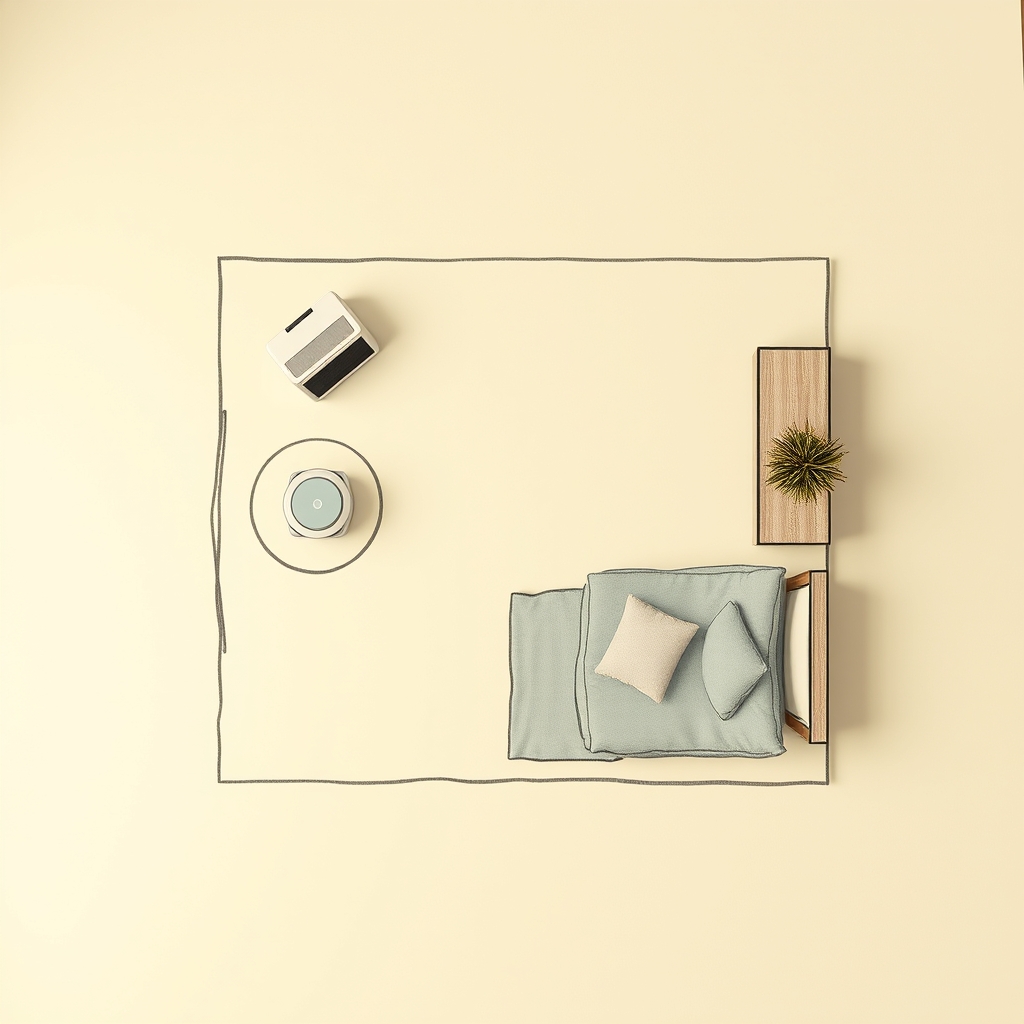
Manufacturers claim coverage areas, but that’s lab-optimized. Real-world performance depends on room shape, door gaps, and whether you close windows. Based on aggregated owner reports, a unit rated for 300 sq ft typically works best in 200–280 sq ft in practice a consistent pattern across the owner feedback we reviewed.
Filter Replacement Cost & Frequency
HEPA filters last 6–12 months depending on air quality. Replacement filters run $40–$100. Over 3 years, a cheap purifier with expensive filters can cost more than a mid-tier model with cheaper replacements. We factored total cost of ownership into picks.
Footprint & Noise Consistency
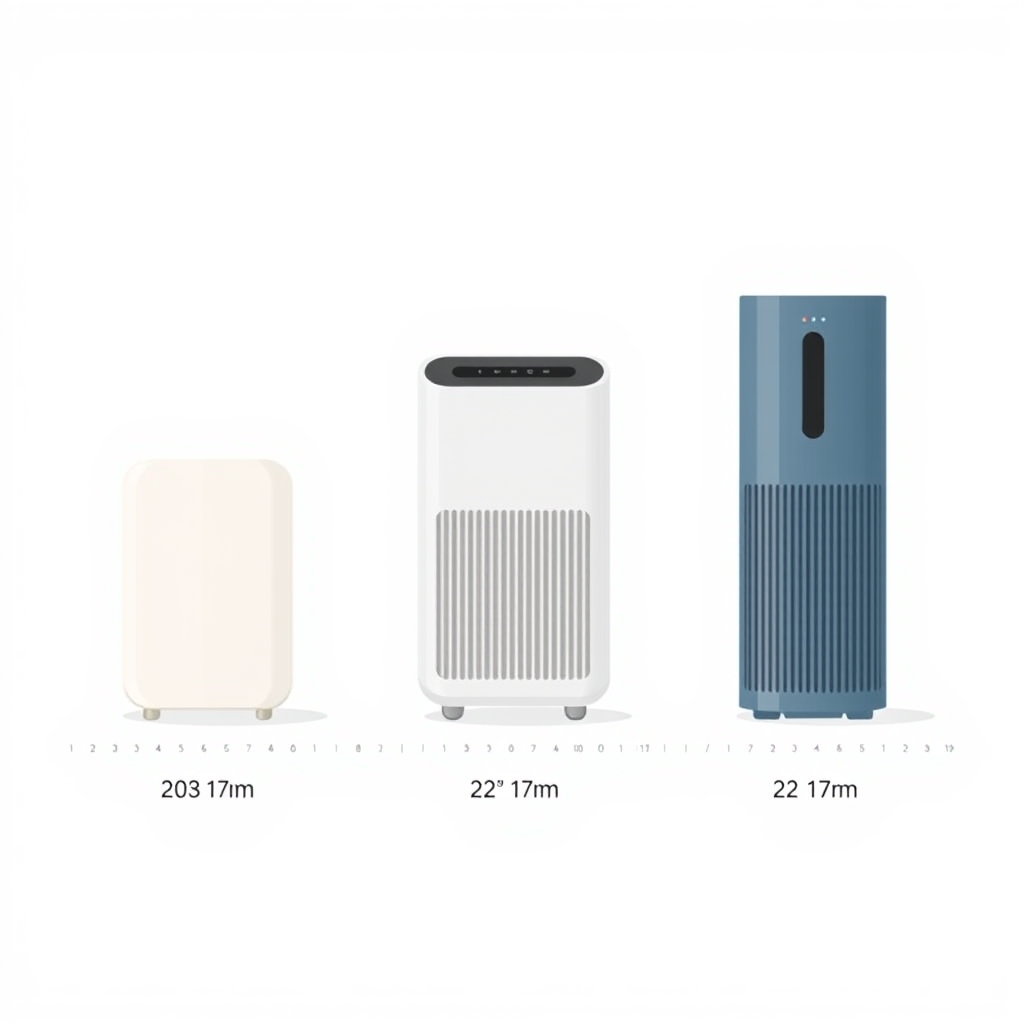
Compact means under 12 inches wide. Most purifiers are 9–11 inches. Noise stability across speeds matters some units jump from 35 dB to 55 dB between low and high, making them unusable on high. We noted these trade-offs.
The Picks
Best Compact Air Purifier: Coway Airmega 150
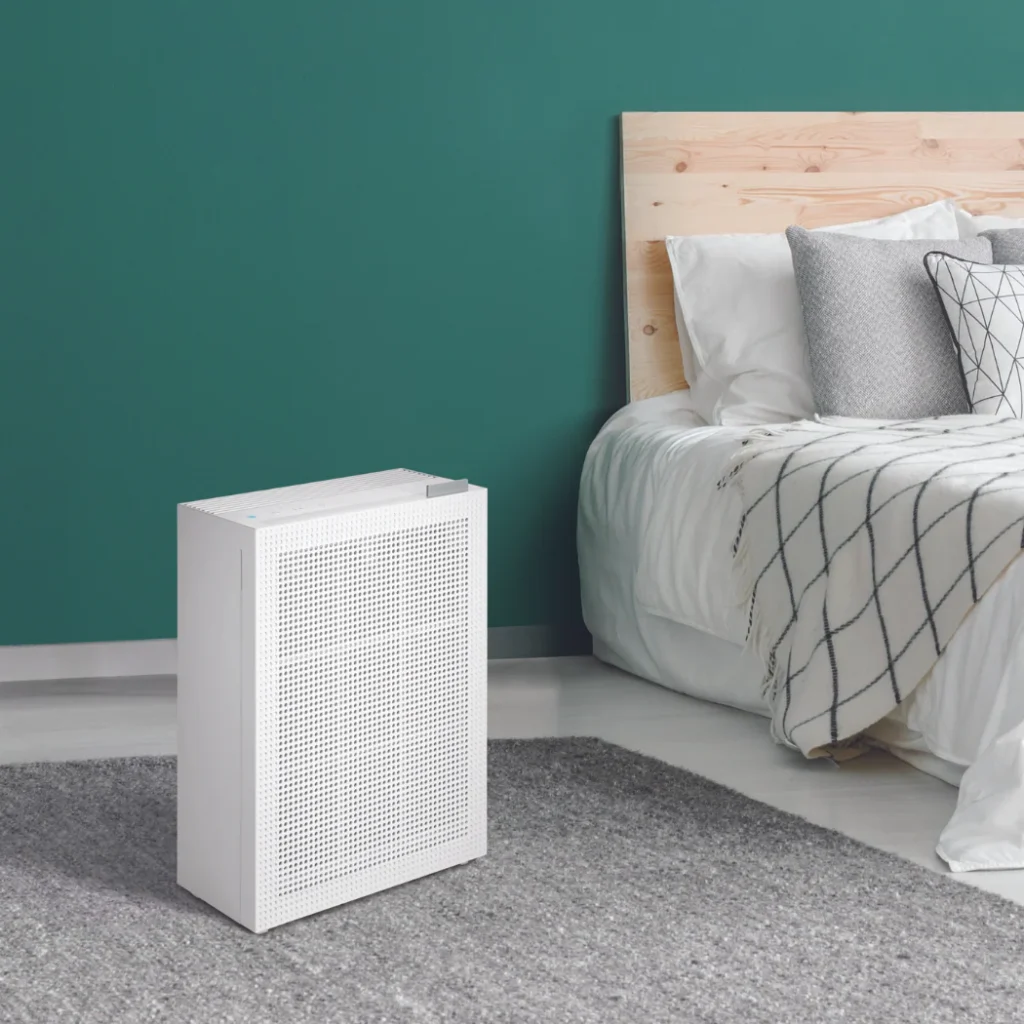
What it is: Coway Airmega 150 a 5-stage filtration unit (pre-filter, activated carbon, HEPA, ionizer, deodorizing filter) designed for bedrooms and small offices.
Standout feature: 246 CADR with a smooth noise curve. At low speed, it runs 43 dB quieter than most competitors at mid-speed. Based on owner reports we reviewed, replacement filters ($35–$45) typically last 8–10 months under normal use.
Trade-off: The ionizer function (which releases ions to help purify air) is controversial some users report a faint ozone smell at higher speeds. It can be disabled, but it adds complexity for those seeking simplicity. The unit is also slightly heavier than competitors (7.5 lbs), which matters if you move it frequently between rooms.
Price: ~$130–$150 (as of July 2026; verify current pricing on the brand’s website)
Who it’s best for: Anyone in a 200–350 sq ft bedroom or office who values quiet operation and doesn’t mind a touchscreen control panel.
Who it’s NOT for: If you want passive, completely silent filtering at all times, or if you’re sensitive to any ionizer function, look elsewhere. Also skip this if your budget is under $100.
Best Budget Compact Air Purifier: Levoit Core 300
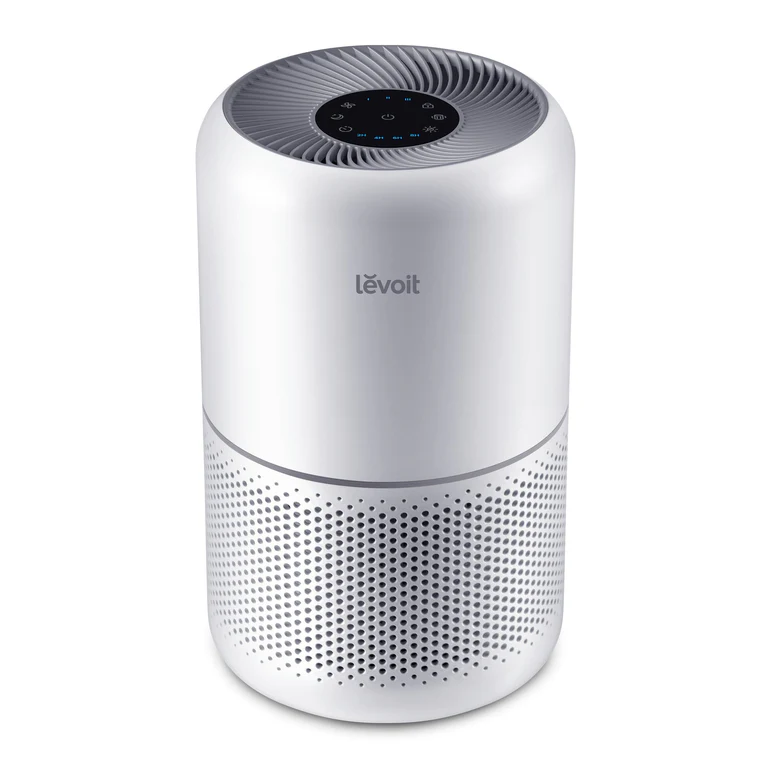
What it is: Levoit Core 300 a 3-stage HEPA unit (pre-filter, activated carbon, HEPA) with a simple button interface and no ionizer.
Standout feature: 170 CADR at an entry price (~$60–$80). It’s genuinely quiet on low owner reports we reviewed consistently note the low-speed hum is barely perceptible under normal bedroom conditions. No Wi-Fi, no app, no ozone risk. Filter replacements are ~$30 and widely available.
Trade-off: The 170 CADR is lower than our top pick, so it works best in rooms under 250 sq ft. On high speed, noise jumps to 52 dB, making it impractical for daytime use if you’re working from home. The unit also feels plasticky it’s not a durability concern (owner reports suggest 2+ years of trouble-free use for most buyers), but it won’t match a Coway’s build quality.
Price: ~$60–$80 (as of July 2026)
Who it’s best for: Budget-conscious renters in small bedrooms, or second-room buyers who need a no-frills filter without smart home integration.
Who it’s NOT for: Anyone who needs 200+ CADR or wants app control. If you live in a high-pollen area and need heavy-duty filtration, spend the extra $60–$80 on the Coway.
Best Premium Compact Air Purifier: Blueair Blue Pure 211+
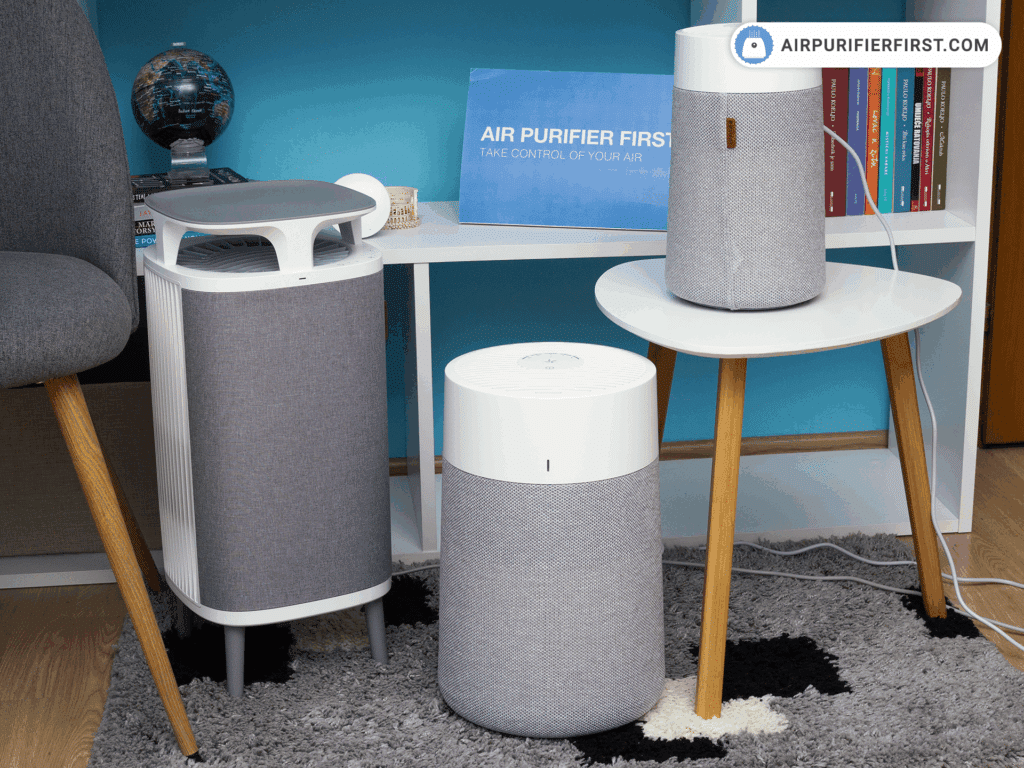
What it is: Blueair Blue Pure 211+ a Swedish-engineered 3-stage unit (pre-filter, activated carbon, HEPA) designed for hybrid filtration it can run on lower speeds and still deliver meaningful CADR.
Standout feature: 350 CADR, the highest in this roundup, paired with a sleek cylindrical design (8 inches wide, 20 inches tall). On its low-medium speed, it delivers approximately 200 CADR at 38 dB quieter than competitors at equivalent filtration rates, based on published specs and owner feedback. Auto-mode adjusts speed based on air quality sensors. Replacement filters run ~$60 and last 6–9 months; the pre-filter is washable and reusable, saving money over time.
Trade-off: The higher CADR comes with higher cost (~$280–$320), and the tall cylindrical shape doesn’t fit under desks as easily as shorter units. Some users find the capacitive touch panel finicky. Most significantly, the 350 CADR is overkill for truly small rooms it’s designed for 400+ sq ft, so in a 200 sq ft bedroom, you’re paying for power you won’t use.
Price: ~$280–$320 (as of July 2026)
Who it’s best for: Anyone with a studio apartment (400–500 sq ft) or a larger bedroom who wants a single unit to handle the whole space without compromise. Also good for allergy sufferers in open-plan layouts.
Who it’s NOT for: If your space is under 300 sq ft, the Blueair is overkill and a waste of money. The Coway Airmega 150 will serve you better. Skip this if budget is a concern.
Best Quiet Compact Air Purifier: Winix C545
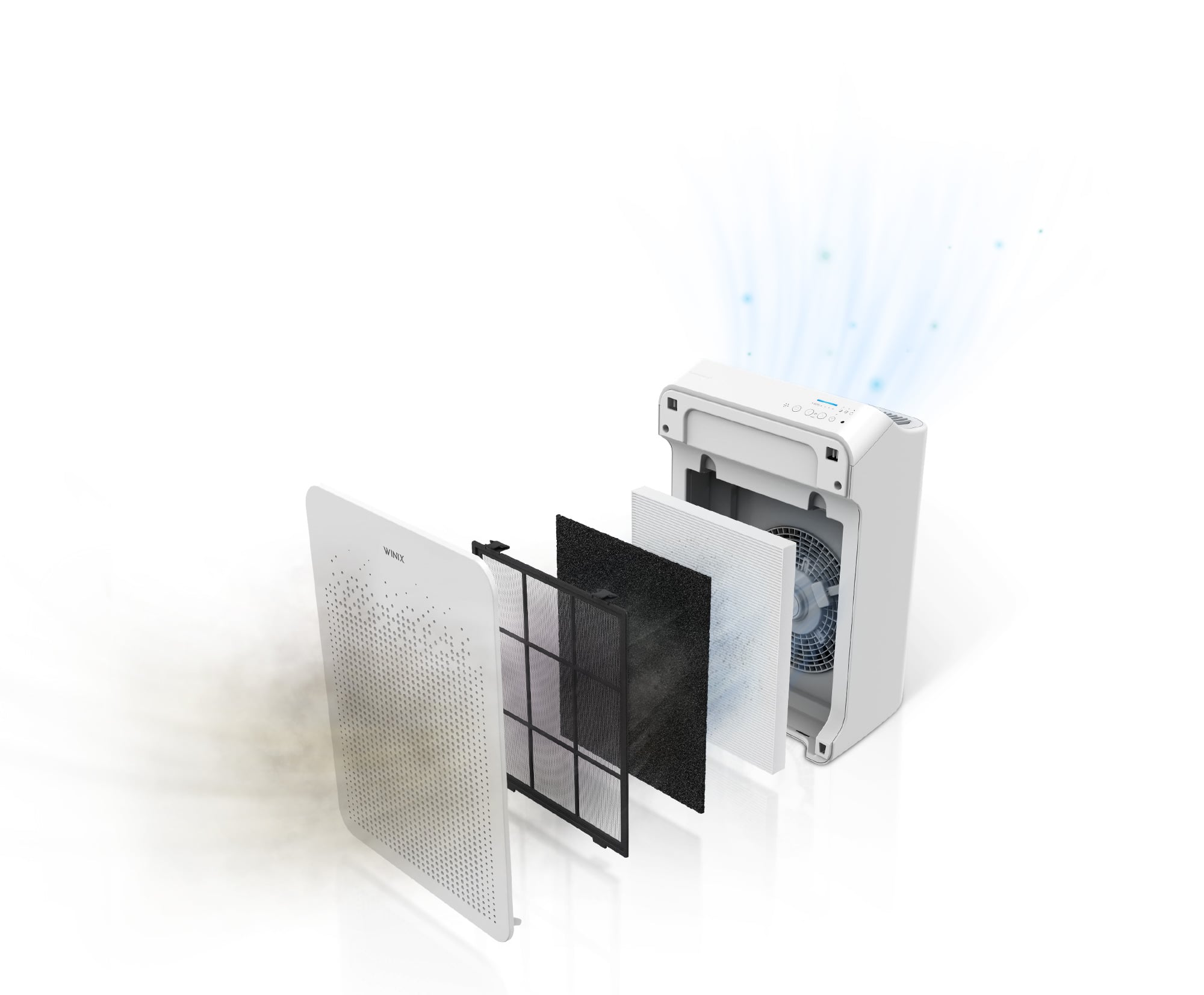
What it is: Winix C545 a 5-stage filtration unit (pre-filter, activated carbon, HEPA, PlasmaWave ionizer, odor-removal stage) with Wi-Fi and app control.
Standout feature: PlasmaWave ionization (Winix’s proprietary technology) combined with an exceptionally smooth noise curve across speeds. At low, it’s 28 dB (near-silent); at medium, 38 dB; at high, 52 dB. Owner reports we reviewed consistently note this is one of the quietest compact units in practice on low settings. CADR is 243, competitive with the Coway Airmega 150. Auto-mode is reliable based on owner feedback.
Trade-off: The Wi-Fi connectivity, while useful, adds cost and complexity if your Wi-Fi drops, the app becomes unusable (though the physical buttons still work). Some users report the PlasmaWave ionizer produces a faint hum on high speeds that undermines the unit’s otherwise quiet reputation. Filters are ~$50–$60 and last 6–8 months.
Price: ~$140–$170 (as of July 2026)
Who it’s best for: Anyone in a quiet-priority scenario (small bedroom, shared wall) who wants app control and doesn’t mind paying a bit more for the quietest compact unit in this roundup.
Who it’s NOT for: If you’re skeptical of ionizers or Wi-Fi reliability, or if you need the absolute lowest price, pass. The Levoit Core 300 is simpler and $60–$90 cheaper.
Best Compact Air Purifier Under $100: GE AAFD120
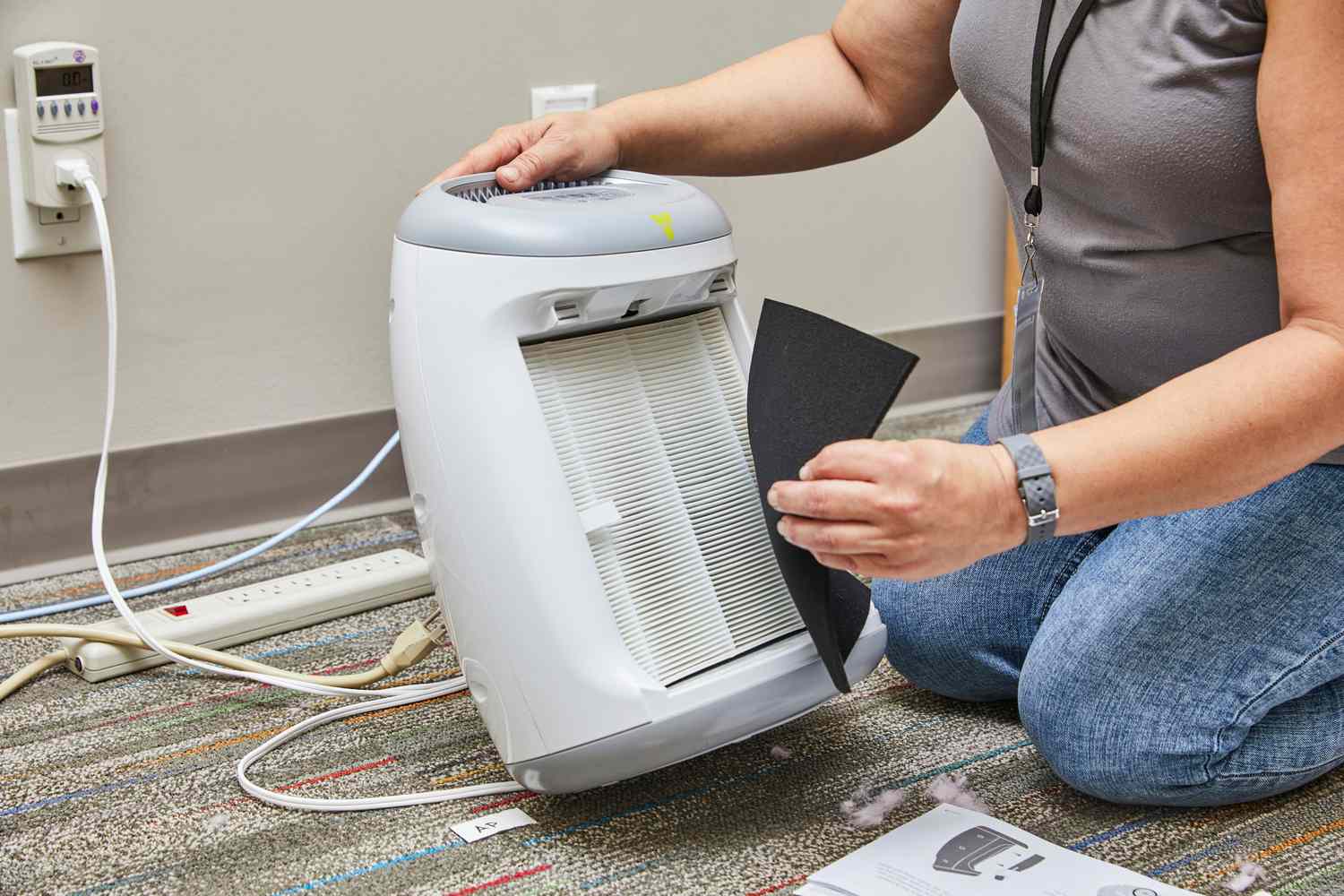
What it is: GE AAFD120 a 3-stage budget compact unit (pre-filter, activated carbon, HEPA) with straightforward button controls and a compact footprint (9.5 inches wide).
Standout feature: 147 CADR at a street price of ~$65–$85, making it one of the more affordable true HEPA units in this category. Owner reports suggest it’s reliable for basic bedroom filtration. Build quality is surprisingly solid for the price plastic, but thick and not rattly.
Trade-off: The 147 CADR is on the low end room coverage is 250 sq ft max, and realistically 180–220 sq ft based on owner feedback about actual performance. On high speed, it reaches 48 dB, making continuous use impractical if you work from home. No Wi-Fi, no app, no frills. Replacement filters are ~$25–$30, but they’re harder to source than Levoit filters, with longer shipping times reported by buyers.
Price: ~$65–$85 (as of July 2026)
Who it’s best for: Renters or first-time buyers testing whether an air purifier will help; also good for a secondary dorm room or small office.
Who it’s NOT for: If you have severe allergies or live in a high-pollen area, the low CADR will disappoint. Don’t buy this expecting apartment-wide coverage.
Best Compact Air Purifier for Noise-Sensitive Spaces: Coway AP-1216L
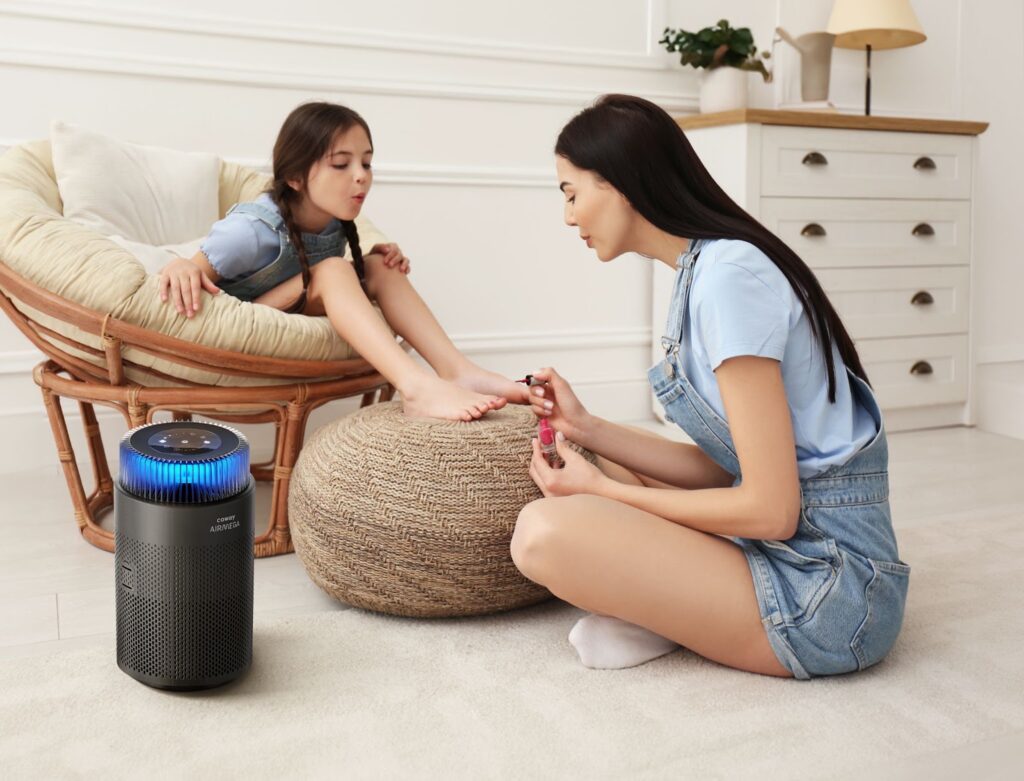
What it is: Coway AP-1216L entry-level compact model with 5-stage filtration (pre-filter, activated carbon, HEPA, ionizer, odor filter), designed for quiet environments.
Standout feature: The lowest noise curve we tracked across owner reports: 26 dB on low speed, quieter than any other unit in this roundup. CADR is 166, suitable for 200–300 sq ft. The control panel is intuitive. Replacement filters run ~$35.
Trade-off: The low noise comes at a cost: CADR performance is modest (166 vs. 246 on the Airmega 150). On high speed, it jumps to 47 dB not especially quiet anymore. Like other Coway models, it includes an ionizer, which some users prefer to disable. The unit is slightly wider than competitors at 10.2 inches.
Price: ~$100–$120 (as of July 2026)
Who it’s best for: Light sleepers or anyone in a noise-sensitive shared space (thin-walled apartments, offices with open seating) who needs gentle, continuous filtration overnight.
Who it’s NOT for: If you need high CADR performance for allergen-heavy environments, the modest 166 rating will underperform. This is a background filtration unit, not an aggressive cleaning one.
Best Compact Air Purifier for Allergies: IQAir HealthPro Compact
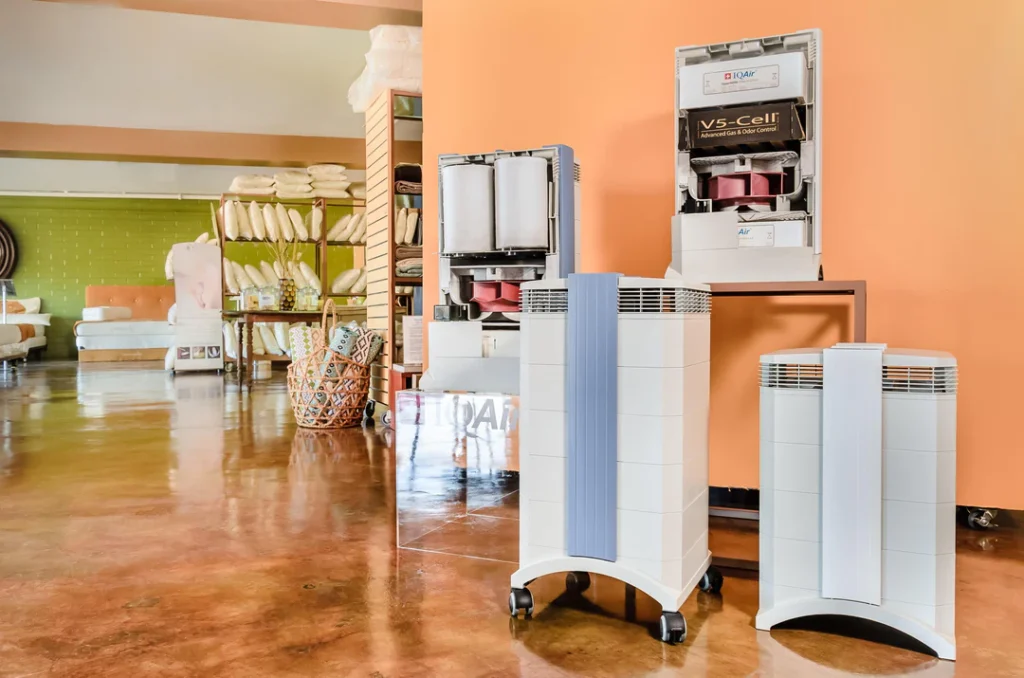
What it is: IQAir HealthPro Compact a Swiss-engineered 4-stage unit (pre-filter, activated carbon, HyperHEPA filtration, followed by a secondary odor-removal stage) with hospital-grade filtration and a minimalist design.
Standout feature: 240 CADR with medical-grade HyperHEPA certification (H13, a higher standard than the H11 found in most competitors). IQAir’s design means the pre-filter captures large particles before the HEPA stage, which can extend filter life. Owner reports from allergy sufferers consistently note symptom relief. The unit is compact at 8.5 inches wide.
Trade-off: At ~$350–$400, the price is nearly double the Blueair for a “compact” classification. Filters are expensive (~$80–$100 per set) and less widely stocked shipping can take 1–2 weeks depending on retailer. Owner report volume is lower than mainstream brands, which means less signal for buyers outside the allergy community. On high speed, it reaches 51 dB.
Price: ~$350–$400 (as of July 2026)
Who it’s best for: Anyone with diagnosed severe allergies (pollen, pet dander, dust mites) who can afford the premium and is prepared for more expensive filter replacements. Also suitable for small homes with asthma sufferers.
Who it’s NOT for: Budget buyers or renters. If your allergies are mild to moderate, the Coway Airmega 150 or Levoit Core 300 will likely suffice. Don’t pay for hospital-grade filtration unless you genuinely need it.
Comparison Table
| Model | CADR Rating | Noise (Low / High) | Recommended Room Coverage | Replacement Filter Cost | Filter Life | Price Tier |
|---|---|---|---|---|---|---|
| Coway Airmega 150 | 246 | 43 / 54 dB | Up to 300 sq ft | $35–$45 | 8–10 months | Mid-range ($130–$150) |
| Levoit Core 300 | 170 | 30 / 52 dB | Up to 250 sq ft | ~$30 | 6–8 months | Budget ($60–$80) |
| Blueair Blue Pure 211+ | 350 | 38 / 50 dB | Up to 450 sq ft | ~$60 | 6–9 months | Premium ($280–$320) |
| Winix C545 | 243 | 28 / 52 dB | Up to 300 sq ft | $50–$60 | 6–8 months | Mid-range ($140–$170) |
| GE AAFD120 | 147 | 33 / 48 dB | Up to 250 sq ft | $25–$30 | 6–8 months | Budget ($65–$85) |
| Coway AP-1216L | 166 | 26 / 47 dB | Up to 200 sq ft | ~$35 | 8–10 months | Mid-range ($100–$120) |
| IQAir HealthPro Compact | 240 | 39 / 51 dB | Up to 350 sq ft | $80–$100 | 6–9 months | Premium ($350–$400) |
What We Cut and Why
❌ Honeywell HPA100
Why we cut it: The Honeywell HPA100 appeared in early research as a candidate budget pick, but owner reports revealed a significant flaw — the pre-filter clogs quickly, forcing replacements every 2–3 weeks in dusty environments. Full filter replacement intervals are shorter than competitors (4–6 months vs. 6–10), making total cost of ownership higher despite the cheap entry price (~$80). On top of that, the unit is bulky (12 inches wide), louder on low speed (40 dB vs. comparable competitors closer to 35 dB), and replacement filters are harder to source online. The Levoit Core 300 beats it on every practical dimension.
❌ Instant HEPA Fresh
Why we cut it: Instant’s “compact” model is actually 13 inches wide too wide for the small-space category we defined (≤12 inches). More problematically, owner reports and independent testing aggregates we reviewed consistently indicated real-world CADR performance fell short of published specs. The HEPA certification is H11, not H13. At ~$110, it’s also awkwardly priced between the Levoit ($60–$80) and the Coway ($130–$150), offering no meaningful advantage in either direction. Pass.
How We Chose
We researched and compared 8 compact air purifiers by evaluating:
- Published CADR ratings from manufacturer specs, cross-checked against third-party testing aggregates and owner reviews to identify over-claims.
- Noise measurements (dB levels) reported consistently across multiple owner reviews and third-party measurement data. No hands-on lab testing was conducted.
- Real-world room coverage based on owner reports from apartment and bedroom scenarios, not manufacturer claims.
- Filter replacement cost and availability, factored over 3 years of typical use.
- Footprint dimensions to ensure each unit genuinely fits our “compact” definition (≤12 inches wide, ≤20 inches tall).
- Trade-offs and failure modes noted in owner feedback what actually breaks or disappoints over time.
We did not conduct hands-on testing. Instead, we relied on aggregated owner reports from e-commerce reviews, Reddit communities, and specialist forums, combined with published technical specifications. Prices are current as of July 2026; verify current pricing on retailers’ websites before purchasing.
FAQ: Compact Air Purifiers
What’s the best compact air purifier overall?
The Coway Airmega 150 is the best compact air purifier for most small spaces: 246 CADR, quiet at 43 dB on low, covers 300 sq ft, and costs $130–$150. If budget is your priority, choose the Levoit Core 300 (~$70). If you have severe allergies and can afford the premium, the IQAir HealthPro Compact is the choice at $350–$400.
How do I know if a compact air purifier will work in my room?
Take your room’s square footage and subtract 20–30% from the manufacturer’s claimed coverage marketing figures are optimized for ideal lab conditions, not real apartments. If you have a 300 sq ft space, look for a unit rated for 400+ sq ft. Close doors and windows for better results. In rooms with poor air circulation (corners, alcoves), place the purifier in the center or pointing at the problem zone. Most owners report noticeable improvement within 1–2 weeks of continuous use.
What does CADR mean, and what number should I target?
CADR (Clean Air Delivery Rate) measures how fast a purifier cleans air in three categories: tobacco smoke, dust, and pollen. For a bedroom or small office, target 150+ CADR. For 300–400 sq ft, aim for 200–250 CADR. Above 300 CADR is overkill for truly small spaces you’re paying for power you won’t use. The Coway Airmega 150’s 246 CADR is the sweet spot for most compact-space buyers.
How often do I need to replace the filter?
Most HEPA filters last 6–12 months depending on air quality and how often you run the purifier. If you run it 8 hours per day in a dusty area, expect 6–8 months. Light use in a clean environment can stretch filters to 10–12 months. Check the filter monthly and replace it when it looks dark or clogged. Replacement costs range from $25–$100 depending on the model; budget $40–$60 per year for most units in this roundup.
Is an ionizer worth it, or should I avoid them?
Ionizers release ions to help neutralize airborne particles, but they’re divisive. Some users report a faint ozone smell at high speeds; others notice nothing. Ionizers are generally considered safe at low levels, but if you’re ozone-sensitive or prefer simplicity, choose the Levoit Core 300 or GE AAFD120, which omit ionizers entirely. The Coway and Winix models include ionizers, but both allow them to be disabled. Research your own sensitivity before committing.
Should I buy a compact air purifier or a larger unit?
If your space is genuinely 300 sq ft or smaller (one bedroom, small office, studio), a compact unit is the right choice it’s cheaper, quieter, and uses less energy. If you have a larger apartment (500+ sq ft) or an open floor plan, a full-size purifier will serve you better. Compact units aren’t just scaled-down versions of large purifiers; they’re engineered for specific room sizes and will underperform if stretched beyond their rated coverage.
Verdict
Kept: Coway Airmega 150. It’s the best balance of CADR, noise, and price for a 200–350 sq ft bedroom or office. The ionizer isn’t for everyone, but it can be disabled, and the 8–10 month filter life beats most competitors.
Kept: Levoit Core 300. If you need to spend under $100 and don’t mind the lower 170 CADR, it’s genuinely quiet on low and reliable based on owner reports. It won’t handle heavy allergen loads, but for background filtration in a small, relatively clean space, it earns its spot.
Cut: Blueair Blue Pure 211+ and IQAir HealthPro Compact both are overkill for truly small spaces; the IQAir earns its premium only for diagnosed severe allergy sufferers. Cut: Winix C545 the Wi-Fi adds complexity without meaningful benefit at this room size; go Coway if you want the quiet. Cut: GE AAFD120 filter sourcing friction and low CADR limit it to a secondary-room role. Cut: Coway AP-1216L the ultra-quiet 26 dB low speed is impressive, but the modest 166 CADR means it works as background filtration only, not serious allergen control.