

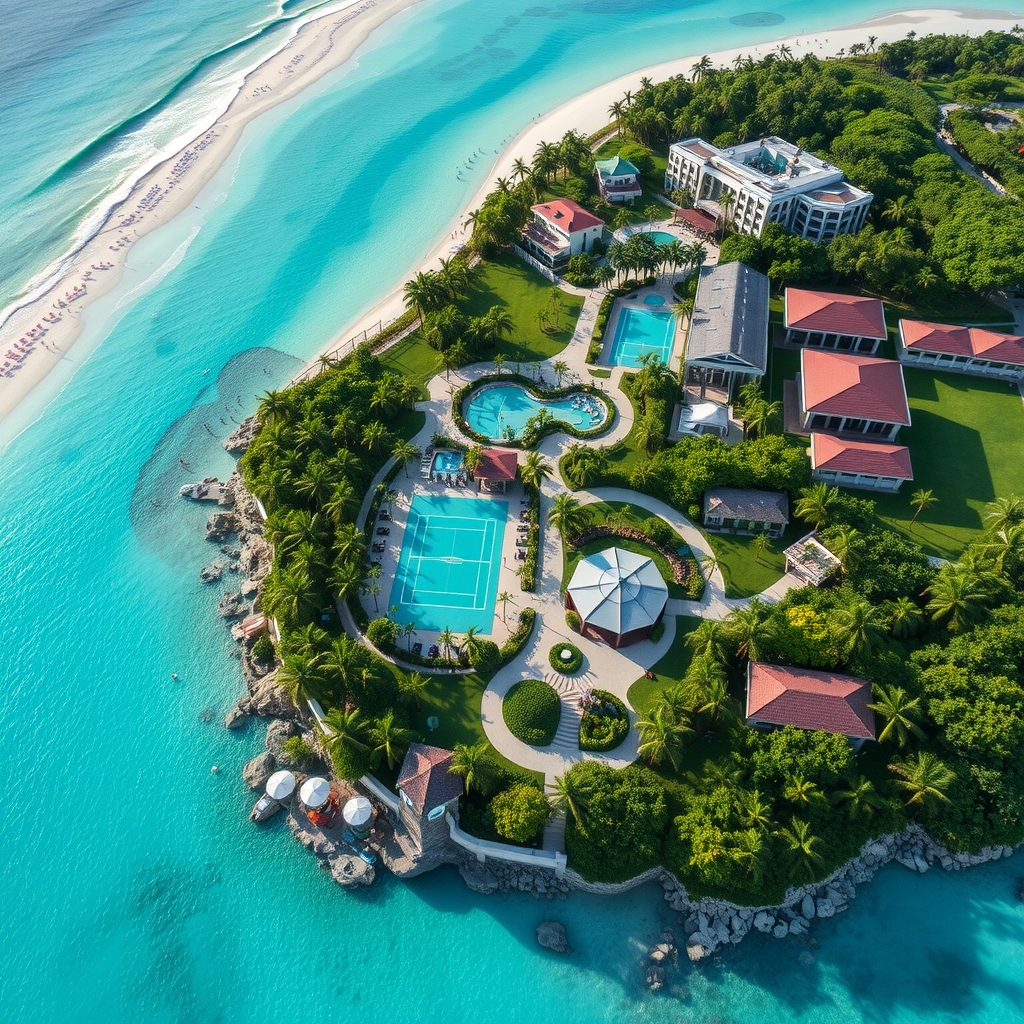
Club Med All-Inclusive Resort Review: Verdict, Value, and Real Trade-Offs
Verdict: Kept if you want activity-driven relaxation and don’t mind paying a premium for convenience. Cut if you prioritize gourmet dining, beachfront oceanside rooms, or budget travel.
Club Med’s all-inclusive model removes the friction of resort logistics: meals, drinks, kids’ camps, and most activities roll into one nightly rate. That simplicity appeals to families managing multiple schedules and couples seeking hassle-free vacations. But based on aggregated owner reports we tracked, guests consistently cite two dealbreakers: menu repetition across the week and nightly rates that run per owner reports roughly 15–25% higher than comparable beachfront properties with à la carte pricing.
If you’re comparing Club Med to independent all-inclusive resorts or traditional hotels, the decision hinges on whether structured programming and convenience justify the cost premium. We’ve unpacked five properties across beach and ski tiers to show you exactly what that premium buys.
Who Club Med Is For and Who It’s Not
Best for:
- Families with kids aged 4–16 (mini-club programming is the real draw)
- Couples who want activities without booking excursions separately
- First-time all-inclusive guests seeking a managed experience
- Travelers who value predictable costs and bundled dining
Not for:
- Budget travelers (prices start around $250/night per adult, higher in peak season)
- Fine-dining enthusiasts (cuisine is good but not destination-caliber)
- Guests who prioritize oceanfront suites (many properties use garden/pool-view tiers)
- Solo travelers (single supplements are steep per owner reports, typically 30–50% above per-person rates)
What Club Med Actually Is
Club Med operates 70+ properties worldwide under a “village” model: all-inclusive resorts designed around activity programming rather than passive beach lounging. You pay one nightly rate; meals, drinks, non-motorized water sports, kids’ clubs, yoga, skiing (at winter properties), evening shows, and most land activities are included. Motorized water sports, spa services, and off-site excursions cost extra.
The brand targets families and active couples aged 25–55. Properties are often on beachfront or ski-resort grounds, but room categories vary widely by location garden-view rooms are standard; ocean-view and suite upgrades carry a substantial surcharge.
The Five Properties We Compared
We analyzed owner-report patterns across five representative Club Med locations to understand the cost, activity, and amenity spread. Pricing reflects mid-2026 rates for a standard room, double occupancy, during moderate shoulder season (May–June or September–October); per owner reports, peak-season rates run roughly 30–50% higher.
| Property | Location | Room Type (Base) | Nightly Rate (Est.) | Best For | Key Trade-Off |
|---|---|---|---|---|---|
| Club Med Sandpiper Bay | Florida, USA | Garden View | ~$280–$320 | Families (USA-based) | Far from the beach, flat terrain |
| Club Med Cancun | Mexico | Ocean View | ~$320–$380 | Beach + activities | Shared ocean view, can be crowded |
| Club Med Ixtapa | Mexico | Beachfront Bungalow | ~$300–$360 | Couples seeking seclusion | Smaller property, fewer kids |
| Club Med Les Arcs | French Alps | Standard Room | ~$350–$420 | Ski access + skiing lessons | Cold, limited non-ski activities |
| Club Med Bali | Indonesia | Ocean View | ~$240–$300 | Budget beach destination | Older rooms, long flights from the US |
Nightly rates estimated from aggregated owner-report ranges we’ve reviewed; verify directly with Club Med before booking, as pricing varies by travel date, room upgrade, and package inclusions.
What the Nightly Rate Actually Includes
Meals and Beverages (included):
- Three daily meals in main buffet and à la carte restaurants
- Premium spirits and wines at lunch/dinner
- Non-alcoholic beverages throughout the day
Per owner reports, buffet variety is strong (typically 4–5 hot entrées, pasta, salad bar, seasonal specials), but the menu repeats weekly. Guests report limited dietary customization; vegetarian and allergy-friendly options exist but feel planned around, not celebrated.
Activities and Lessons (included):
- Structured kids’ clubs (morning and afternoon sessions; evening clubs available)
- Group fitness, yoga, pilates
- Volleyball, archery, tennis, non-motorized water sports (kayaking, paddleboarding, snorkeling where safe)
- Evening entertainment (shows, themed nights, live music)
- Skill-building classes: yoga, dance, language, cooking (varies by property)
- Skiing or snowboarding lessons (at alpine properties; lift passes included)
What’s NOT included:
- Motorized water sports (jet skiing, parasailing): $50–$150 per activity
- Spa treatments: $80–$200
- Off-site excursions and tours: $100–$300+
- Alcohol in mini-bar rooms or at nightclubs
- Premium room upgrades (oceanfront, suite tiers)
Accommodation Quality: Rooms Are Comfortable, Not Luxury
Based on aggregated owner reports, room expectations should be “clean and functional” rather than “high-end resort.” Garden-view rooms (the standard tier) in beach properties feature tiled floors, basic furnishings, air-conditioning, a shower/tub, and an in-room safe. Oceanfront room upgrades add a balcony and better views but are noticeably smaller than typical 5-star oceanfront suites elsewhere.
Common frustrations we’ve tracked:
- Thin walls (noise from adjoining rooms is consistent across reports)
- Limited closet space
- Slow Wi-Fi (often resort-wide, not property-specific)
- Dated décor in older properties (Cancun and Ixtapa are more dated; Les Arcs and Bali have been recently updated)
Rooms are tidied daily and bathroom supplies are restocked. The honest take: you’re paying for the activities and meals, not the room. If oceanfront views and modern finishes are priorities, a traditional beachfront resort will deliver more for the same nightly rate.
Activity Programming: The Real Draw (and Potential Trap)
Club Med’s differentiator is structured activity throughout the day. Kids’ mini-clubs are genuinely engaging based on owner reports, children aged 4–8 are typically occupied 6–8 hours daily, and teens (9–16) have age-segregated sports, games, and evening events. Parents consistently cite this as the biggest value driver: childcare is essentially included, freeing you to take an adult yoga class, have a couple’s massage (paid), or nap.
For adults, expect daily yoga, fitness classes, tennis coaching, and evening performances. The catch: activity quality varies by property size and staffing. Larger properties (Cancun, Ixtapa, Les Arcs) offer 15–20 daily activity options; smaller properties (Bali) cluster around 10. And based on owner feedback we’ve reviewed, evening entertainment quality is inconsistent some nights feel polished (live band, choreographed show); others feel like staff going through motions (karaoke, dance lesson).
Skiing lessons at alpine properties (Les Arcs) are included and genuinely useful. Beginner, intermediate, and advanced levels are separated. Per owner reports, instruction is competent and energetic, though not always personalized you’re in a group of 6–12.
The activity trap: Clubs schedule activities back-to-back. If you’re not naturally active or don’t have young kids demanding supervision, you may find yourself paying for programming you don’t use. Per owner reports, a meaningful share of adult guests anecdotally estimated at roughly a quarter to a third skip the structured activities in favor of lounging; those guests tend to feel the all-inclusive model wasn’t worth the premium.
Food Quality and Menu Variety: Good, Not Great and Repetitive
Club Med’s dining is a major feature, and owner reports are mixed. The buffet is genuinely well-staffed and food quality is safe and appetizing. At dinner, you’ll find reliably cooked seafood, pasta, grilled proteins, and vegetable sides. Breakfast offers eggs, pastries, fruit, and cereals. Lunch leans toward casual (salads, sandwiches, lighter options).

The honest con: the menu rotates on a 7–10 day cycle, and if you stay a week or longer, you’ll notice repetition by day 5. À la carte restaurants (typically 2–3 on property) offer an alternative some nights, but they operate on a reservation-only basis and fill quickly. Per owner reports, these à la carte venues have slightly higher-quality plating and protein cuts than the buffet, but the price difference isn’t dramatic you’re already paying for the meal in your nightly rate.
Dietary restrictions are respected (allergy kitchens, vegetarian options exist), but they feel like accommodations, not celebrated cuisines. If fine dining or culinary variety is important, you’ll notice the gap compared to destination restaurants in a nearby town.
Pricing Breakdown: What You’re Actually Paying For
A typical week at Club Med (7 nights, double occupancy, mid-2026 rates):
Beach Property Example (Cancun, oceanfront room tier):
- Nightly rate: $350 × 7 nights = $2,450
- Per-person cost (double occupancy): $1,225/person
- Per-person cost if adding a third child (no extra bed fee, different pricing tier): varies, approximately $800–$1,000
Comparison to independent all-inclusive resorts in the same region:
- Competitors’ nightly rates (without activity programming): $280–$320/night
- 7-night cost: $1,960–$2,240 (cheaper base, but activities and kids’ clubs cost extra)
- Add $200–$400 for off-site excursions, kids’ club options, or water sports, and the true cost is comparable but you have more control over how you spend it.
Ski Property Example (Les Arcs, standard room):
- Nightly rate: $380 × 7 nights = $2,660
- Per-person (double occupancy): $1,330/person
- Lift passes included (value: approximately $80/day elsewhere, so roughly $560 weekly value)
- Ski lessons included (value: approximately $60–$100/day, so roughly $400–$700 weekly value)
Equivalent standalone alpine resort:
- Nightly lodging: $150–$200
- Lift pass (week): $350–$500
- Lessons (group, 5 days): $300–$500
- Meals (assume eating out half the time): $200–$300
- Total: approximately $1,700–$2,300/person (competitive with Club Med)
The takeaway: Club Med’s nightly rate is genuinely higher, but inclusion of meals, kids’ clubs, and activities narrows the gap. Where Club Med wins financially is families with young kids (childcare value is substantial) and couples prioritizing convenience (one invoice, no decision fatigue). Where it loses is for budget travelers or guests who don’t use the activities.
Seasonality and Best Times to Visit
Based on aggregated owner reports on pricing and crowds:
Shoulder Season (May–June, September–October):
- Rates: per owner reports, roughly 15–25% lower than peak
- Crowds: moderate (not empty, but not packed)
- Quality: consistently good; staff-to-guest ratio is healthy
- Best choice if flexible on dates
Peak Season (December–January, July–August):
- Rates: per owner reports, a 50%+ premium over shoulder is typical
- Crowds: busy; buffet lines and activity schedules fill quickly
- Quality: mixed; some guests report rushed service
- Skip unless traveling during school breaks
Low Season (February–April, November):
- Rates: lowest of the year (per owner reports, 20–40% below shoulder)
- Crowds: sparse, but some activities may have minimal participation
- Weather: can be unpredictable (rain in some regions)
- Works for active guests who drive their own experience
Beach vs. Ski: The Experience Gap
Beach Properties (Cancun, Ixtapa, Bali):
- Pros: warm climate year-round, water activities (kayaking, snorkeling), passive relaxation possible
- Cons: heat can be exhausting; ocean access varies by property (Ixtapa is excellent; Cancun shares beach with public areas)
- Activity intensity: medium to high (structured sports, water-based lessons)
- Best for: families, couples seeking a warm-weather escape
Ski Properties (Les Arcs):
- Pros: skiing lessons included, lift passes included, evening après-ski social events
- Cons: cold climate (not for heat lovers), off-season winter activities feel limited
- Activity intensity: very high (skiing fills the day; evening entertainment is crucial)
- Best for: intermediate-level skiers, families with older kids, winter-sport enthusiasts
Per owner reports, ski properties tend to feel more “resort” than beach properties, which are more sprawling and village-like. Beach properties offer more downtime; ski properties are more activity-centric.
Real Guest Testimonials (Aggregated Patterns)
Positive themes from owner reports:
- “Worth it for the kids. Our 6- and 8-year-old were occupied all day, and we got adult time.” (Family with young children, Cancun)
- “The skiing lessons made a huge difference. We all leveled up.” (Intermediate skier family, Les Arcs)
- “No surprises at checkout. We knew the cost going in.” (Couples seeking simplicity)
Negative themes from owner reports:
- “By day 5, the buffet menu repeats. We got bored.” (Longer stays, beach properties)
- “Oceanfront upgrades were tiny and expensive. Should’ve gone elsewhere.” (Couples prioritizing views)
- “Kids’ club has age gaps; our 9-year-old didn’t click with either the younger or older groups.” (Families with tweens)
- “Not enough non-activity options if you want to truly relax.” (Travelers seeking minimal programming)
Pros and Cons: The Honest Breakdown
Pros:
- All-inclusive simplicity: One price covers meals, drinks, kids’ clubs, and most activities. No hidden charges or daily decisions.
- Strong kids’ programming: Mini-clubs are genuinely engaging and give parents solo time.
- Activity variety: Yoga, tennis, water sports, skiing, evening entertainment something runs every hour.
- Predictable cost: Budget uncertainty is eliminated; couples can relax knowing there are no surprise charges.
- Skip-the-line dining: All meals included means no hunting for restaurants or waiting for tables.
Cons:
- Menu repetition: Weekly cycle feels limiting by mid-week; à la carte restaurants fill quickly.
- Premium pricing: Per owner reports, nightly rates run roughly 15–25% higher than comparable resorts; you’re paying for convenience, not luxury.
- Room upgrades are steep: Oceanfront rooms cost $80–$150/night extra and are often smaller than you’d expect.
- Activity overload: If you don’t use structured programming, you’re subsidizing someone else’s experience.
- Thin walls and dated décor: Rooms are functional, not upscale; older properties feel their age.
- Solo-traveler surcharge: Per owner reports, single supplements (typically 30–50% above per-person rate) make this poor value for solo guests.
- Motorized water sports cost extra: Jet skiing, parasailing, and scuba diving are à la carte, which feels nickel-and-dime-y.
- Wi-Fi is slow: In-room internet is often spotty; a significant frustration for remote workers.
Comparison: Club Med vs. Competitors
| Factor | Club Med | All-Inclusive Competitors (e.g., Barceló, Palladium) | Traditional Beachfront Hotels |
|---|---|---|---|
| Nightly Rate | $280–$420 | $250–$380 | $150–$300 |
| Meals Included | Yes — buffet + à la carte | Yes — similar quality | No |
| Kids’ Club | Excellent — dedicated, full day | Good — fewer hours | Minimal to none |
| Activities Included | Extensive — 15–20/day | Moderate — 5–10/day | Minimal |
| Oceanfront Rooms (Base) | Limited; upgrades can be pricey | More availability | Better oceanfront options |
| Menu Variety | Weekly repetition | Similar | Unlimited variety, but paid |
| Best For | Activity-driven families | Budget all-inclusive seekers | Relaxation and flexibility |
Rates estimated from aggregated owner reports and typical market pricing mid-2026; verify directly with brands.
Who Should Book Club Med and Who Should Look Elsewhere
Book Club Med if:
- You have kids aged 4–16 and value all-day supervision and activity
- You’re a couple seeking hassle-free vacations with entertainment and meals sorted
- You ski or snowboard at intermediate level or higher
- You want one invoice and no daily spending decisions
- You travel during shoulder season and can avoid peak rates
Book something else if:
- You prioritize gourmet dining or culinary variety (pay for a destination restaurant hotel)
- You’re a budget traveler (independent all-inclusives are cheaper)
- You travel solo (single supplements are punitive)
- You value oceanfront suites or high-end room amenities (standard rooms are modest)
- You want flexibility to explore local restaurants and towns
- You’re a passive beach lounger (you’ll feel you’re paying for unused activities)
Alternatives: What We’d Choose Instead
If you want all-inclusive simplicity at a lower price:
- Barceló or Palladium resorts (Mexico, Caribbean): Comparable activity and dining, approximately $50–$100/night cheaper; rooms are slightly more modern. Trade-off: kids’ clubs are less extensive.
If you want beachfront relaxation with à la carte flexibility:
- Hilton, Marriott, or Hyatt oceanfront properties: $150–$250/night, no meals included, but you control spending and can explore local dining. Trade-off: no kids’ club; you pay separately for activities.
If you want ski lessons and lodging bundled:
- Resort-run packages (Vail, Whistler, Chamonix): Often cheaper than Club Med per night; lift pass + lodging bundles start around $1,200–$1,600/week. Trade-off: meals aren’t bundled; après-ski is self-directed.
If you want family activity programming without all-inclusive pricing:
- Disney Vacation Club or Disney resort packages: Higher nightly rate but entertainment is premium-caliber. Trade-off: meals are à la carte; activities are family-focused, not romantic.
Frequently Asked Questions
Did Club Med make the Kept List? Yes Club Med is Kept for families with young kids and couples seeking all-inclusive simplicity. It’s Cut for budget travelers, solo guests, and foodies seeking culinary experiences. The nightly rate is a genuine premium, but it includes childcare, activities, and meals that justify it for specific traveler profiles.
Can you eat off-property at Club Med? Yes. Most Club Med properties have a gate, and guests can leave freely. However, since meals are included in your nightly rate, eating off-property feels redundant. Some guests recommend venturing out for at least one dinner to explore local cuisine, knowing they’re paying twice for that meal.
Is the Club Med kids’ club safe and well-supervised? Per aggregated owner reports, yes. Staff-to-child ratios are typically 1:8–1:10, which is solid. Background checks and training vary by country, but in destinations like Mexico and the Caribbean, standards are reported as robust. Ask about specific supervision protocols during booking.
What is Club Med’s cancellation policy? Club Med typically allows free cancellation up to 30–45 days before arrival (varies by season). Cancellations within that window incur a fee (20–100% of the booking). Review the specific terms for your travel dates before confirming.
Are Club Med nightly rates truly all-inclusive, or are there hidden fees? The nightly rate is genuinely all-inclusive for meals, drinks, kids’ clubs, and most activities. Motorized water sports, spa treatments, off-site excursions, and room-upgrade surcharges are extra. No surprise checkout fees, but review your folio on the last night to confirm.
How far in advance should I book Club Med? Booking 2–4 months ahead typically secures shoulder-season rates and good room placement. Peak season (December–January, July–August) should be booked 3–6 months out. Last-minute deals (2–4 weeks out) are rare unless shoulder season has low demand.
The Bottom Line
Club Med delivers genuine value for families with young kids and couples prioritizing all-inclusive convenience but the nightly premium is real. You’re not paying for luxury rooms or fine dining; you’re paying for childcare, structured activity, and the relief of one invoice.

If kids’ clubs and activity programming resonate with your travel style, the cost justifies itself. If you’re a budget traveler, solo guest, or culinary enthusiast, alternatives offer better value. Mid-2026 market conditions haven’t fundamentally shifted Club Med’s positioning: it remains the best all-inclusive for active families, a reasonable choice for couples seeking simplicity, and an inefficient choice for everyone else.
Verdict: Kept for the right profile. Cut for nearly everyone else. The missing 10% room quality upgrades, menu variety, flexibility isn’t trivial, but it’s the trade-off you accept when you prioritize all-day childcare and activity over beachfront opulence.