

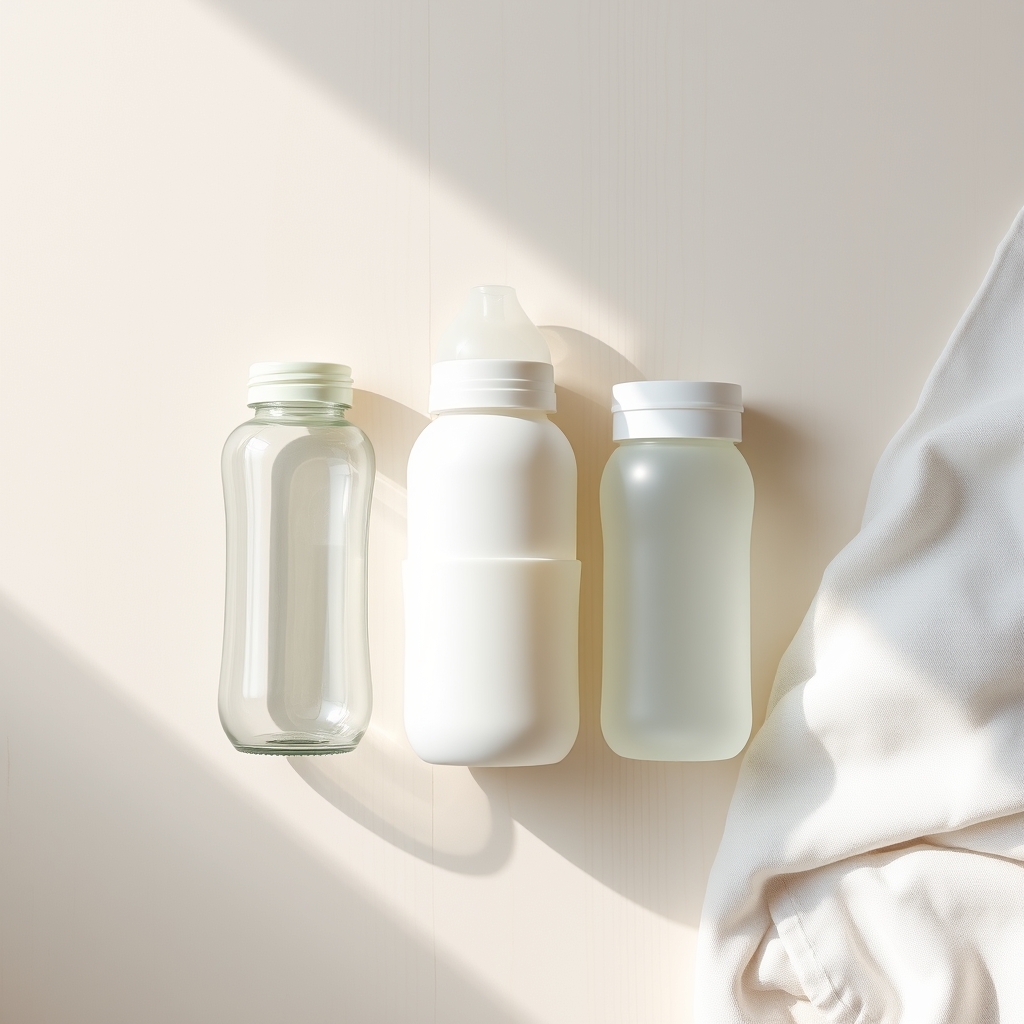
For most parents, the right baby bottle is one that matches your baby’s age (slow flow for newborns, faster for older babies), uses a material you trust (glass, silicone, or polypropylene plastic), and includes anti-colic venting if your baby tends toward gas. Start there, then adjust based on how your baby feeds and what you’ll realistically clean every day.
What Actually Matters When Choosing Baby Bottles
Three core decisions drive the bottle choice: material safety, flow rate stage, and anti-colic design. Everything else brand loyalty, cute designs, price follows from those.
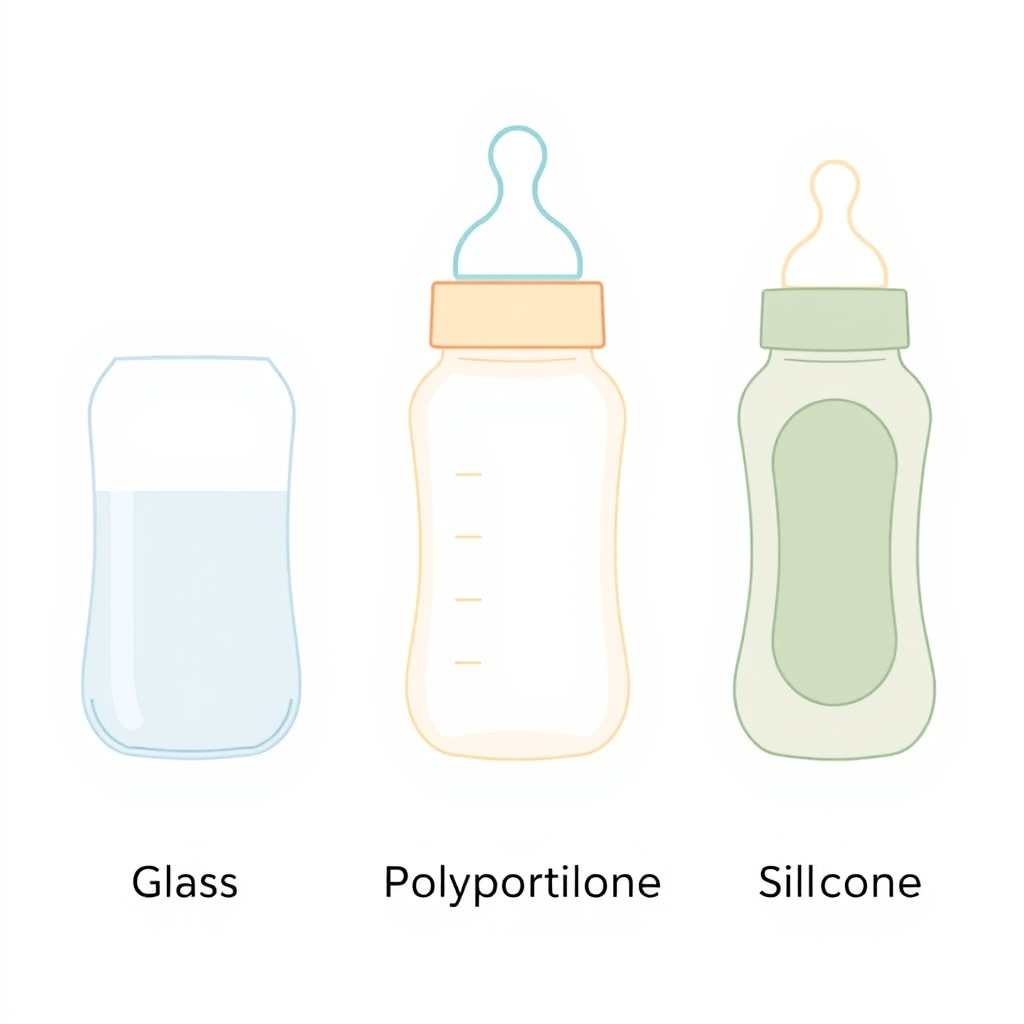
Material: Glass vs. Plastic vs. Silicone
Each material trades off durability, safety perception, and ease of use differently.
Glass bottles are chemically inert (nothing leaches into milk), last indefinitely, and are easy to sterilize at high heat. The tradeoff: they’re heavy, break if dropped, and feel less portable. Parents with newborns at home often prefer glass for peace of mind around BPA glass has zero risk of chemical leaching, period. Per widely published safety guidance, glass is the “safest” choice if breakage isn’t a dealbreaker.
Polypropylene plastic (PP) is lightweight, affordable, and nearly unbreakable most bottle collections are PP. The catch: per manufacturer guidance, PP should not be heated above 160°F (so no boiling), and some parents worry about long-term plasticizer exposure even though modern bottles are BPA-free and phthalate-free. Look for bottles labeled “BPA-free” and “phthalate-free” that’s now the standard, but verify the label. PP bottles yellow over time and can retain odors; based on owner reports and brand specifications, they typically last 2–3 years of daily use if you’re gentle with them.
Silicone bottles (usually silicone sleeves around a glass or PP inner core) are softer and often marketed as “safest for baby’s mouth.” In practice, they’re harder to clean (silicone stains easily and retains odors), more expensive, and offer no material-safety advantage over glass or certified plastic. Useful if your baby has a sensitive palate or tongue-tie issues, but not a necessity for most families.
What to ignore: Marketing around “BPA-free” as a premium feature. All reputable bottles are now BPA-free by default it’s not a differentiator. What matters is the manufacturing certification: look for bottles certified by FDA or marked as meeting CPSIA (Consumer Product Safety Improvement Act) standards, which verify safe plasticizers.
Flow Rate by Age
Flow rate is the speed at which milk flows from the nipple. Mismatched flow is one of the most common mistakes parents make too fast causes choking and reflux, too slow frustrates the baby and extends feeding time.
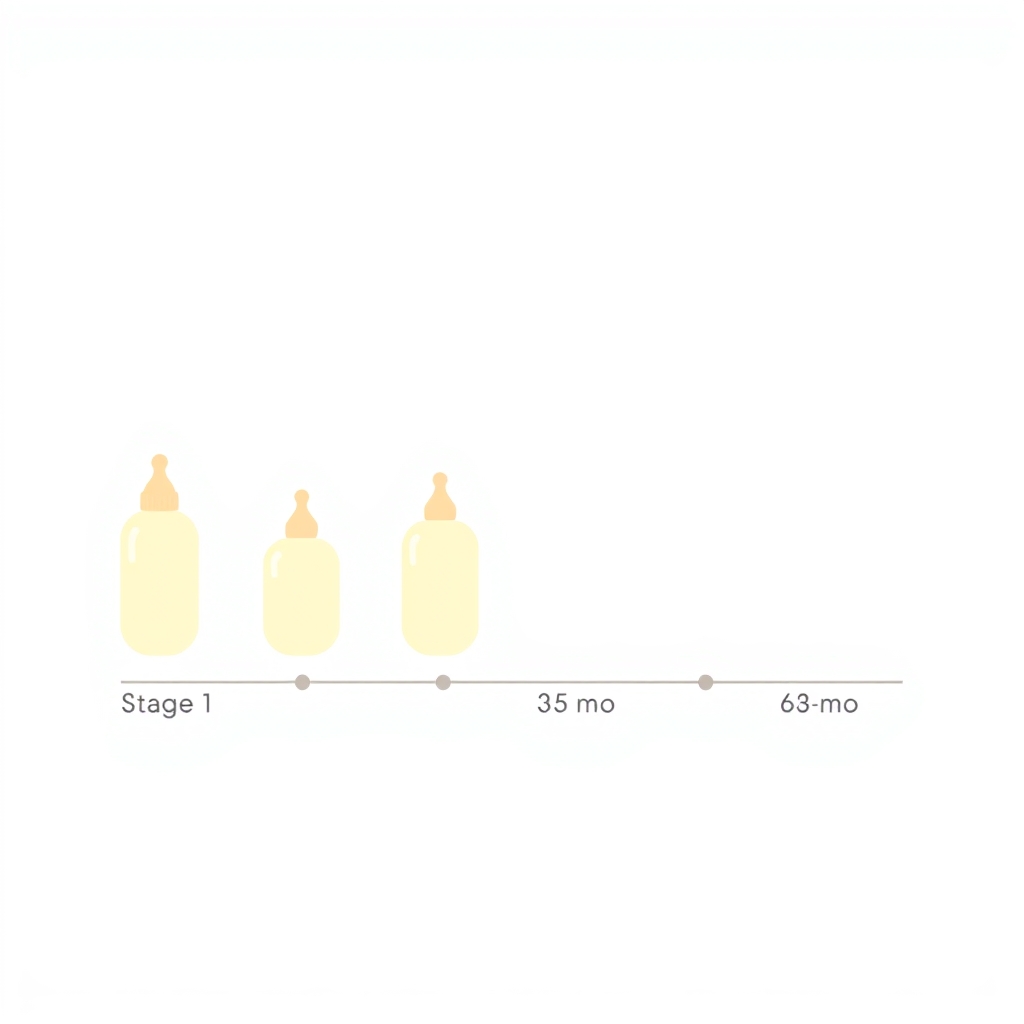
Newborn / Stage 1 (0–3 months): Slow flow (typically marked Level 0 or 1). Newborns are learning to coordinate suck-swallow-breathe and need to control the pace themselves. A slow-flow nipple mimics breastfeeding resistance and lets baby pace the feed. If your newborn is gagging, coughing, or spitting up excessively mid-feed, the flow is likely too fast.
Stage 2 (3–6 months): Medium flow (typically Level 2). As baby’s coordination improves and appetite grows, medium flow keeps up with demand without overwhelming. Some babies skip this stage and move directly to fast; watch your baby’s cues, not the age label.
Stage 3 (6+ months): Fast flow (typically Level 3 or 4). Older babies with established feeding patterns and teeth starting to emerge can handle faster flow. Some babies plateau here; others move on to sippy cups.
What to ignore: Claims that a single bottle “grows with your baby.” Variable-flow nipples (designed to adjust flow based on suck strength) are marketed as versatile, but in practice they’re either too loose or too tight for most babies. Stick with stage-appropriate nipples and change them as your baby grows it costs $5–$15 per set and saves months of feeding frustration.
Anti-Colic Design
Anti-colic bottles include one or more features meant to reduce gas and spit-up: vented nipples, internal tubes, or special air-separation chambers. The logic is sound swallowed air causes discomfort but the execution varies wildly.
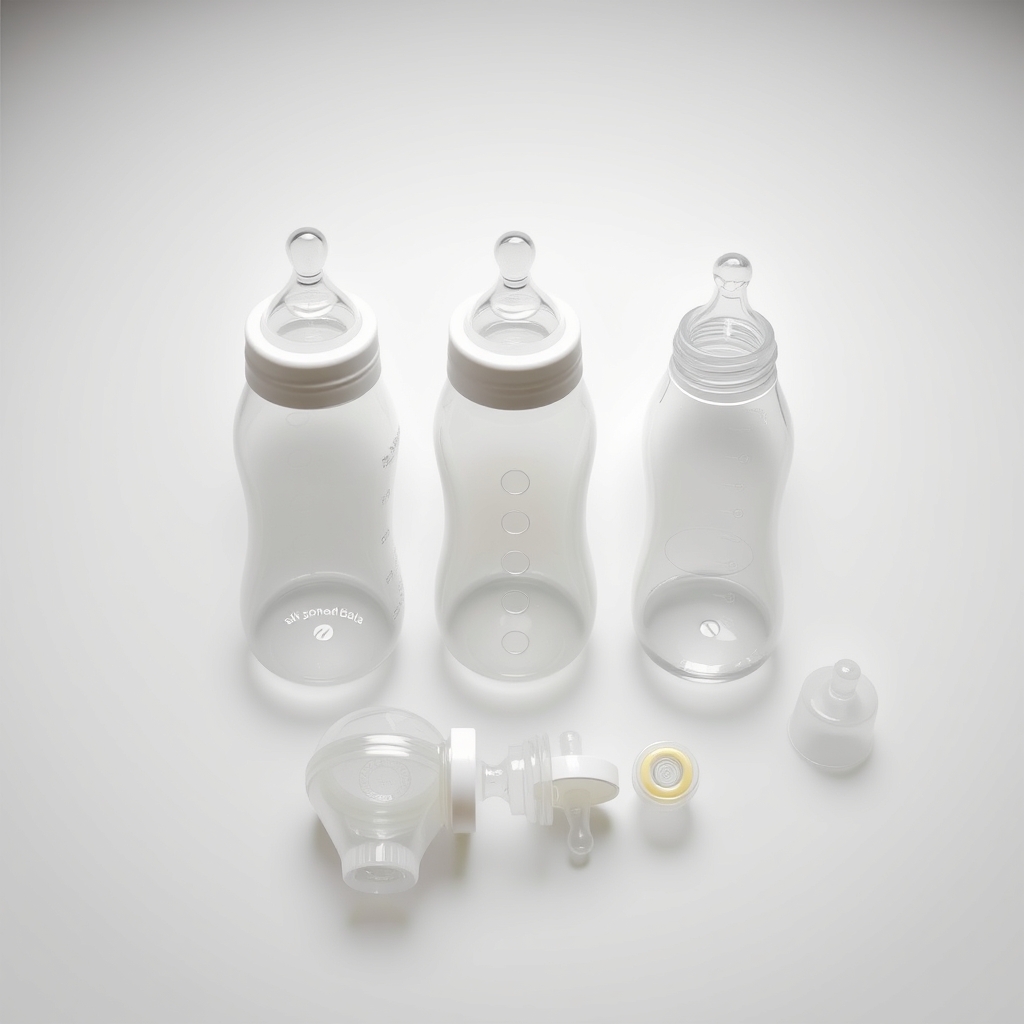
Vented nipple design (a small hole in the base or side of the nipple) prevents a vacuum as baby sucks, so air enters the bottle instead of the baby’s stomach. This is the simplest anti-colic feature and works adequately for many babies. The downside: the vent can clog if formula or breast milk clogs it, and you need to clean it carefully.
Internal vent tubes (like Dr. Brown’s style) draw air away from the bottle’s top and into a tube that vents separately. This is more effective at preventing air ingestion than simple nipple vents, but the trade-off is more parts to clean and sterilize. Based on owner reports we’ve tracked, parents either swear by the reduction in spit-up or abandon the bottles because cleaning the tube takes five minutes every wash.
Collapsible or accordion-style bottles (like Tommee Tippee or Philips Avent) compress as baby feeds, reducing the air pocket and thus the amount of air baby swallows. This is effective and low-maintenance fewer parts than internal vents and is a good middle ground.
What to ignore: Marketing that claims a single bottle “eliminates colic.” Colic is multifactorial (digestive immaturity, feeding position, feeding pace, diet if you’re nursing). A bottle can reduce gas-related discomfort, but it won’t solve colic on its own. If your baby is colicky, anti-colic bottles are worth trying, but expect 4–6 weeks to see a difference.
Material Safety: Certifications and Standards to Look For
When shopping, prioritize bottles that carry clear safety markings:
- FDA-compliant (bottled in the US)
- CPSIA certified (tested for lead and phthalate levels)
- BPA-free, phthalate-free (explicitly labeled)
- Dishwasher-safe (easier to clean at high heat without degradation)
European bottles (common online) often carry CE marking, which is the European equivalent and generally reliable, though standards differ slightly. If you’re buying imported bottles, check the seller’s return policy in case the nipple size doesn’t fit your pump or your baby rejects it.
Price Tiers: What You’re Actually Paying For
Budget tier ($8–$15 per bottle): Basic polypropylene bottles (like store-brand options from Target or Amazon Basics) with slow, medium, or fast-flow nipples. No anti-colic features or minimal ones. These work fine if your baby isn’t prone to gas; the trade-off is they yellow faster and don’t last as many use cycles before needing replacement. Based on owner reports we’ve tracked, budget bottles typically last 18–24 months of daily use.
Mid-range ($15–$25 per bottle): Bottles from established brands like Tommee Tippee, Philips Avent, or MAM with basic anti-colic venting, better durability, and wider compatibility with pumps and accessories. These are the “safe default” for most families you’re paying for consistency and fewer surprises. Based on owner reports we’ve tracked, most parents in this tier keep a set for 2–3 years.
Premium ($25–$50+ per bottle): Glass bottles (like Lifefactory or Evenflo glass), silicone-wrapped bottles, or bottles with advanced anti-colic systems like Dr. Brown’s internal vent tubes. You’re paying for material safety assurance (glass = zero chemical risk), durability, or engineering complexity. If you plan to use the same bottles for multiple children or if your baby has reflux or colic, premium bottles often save money and heartache long-term.
Common Mistakes to Avoid
1. Buying too many bottles too soon. New parents often stock 8–10 bottles “just in case.” In reality, you need 4–6 to rotate through a day of washing. Buy fewer, see what your baby accepts, then expand if needed. Fewer bottles = faster feedback loop = less wasted money on bottles your baby won’t use.
2. Assuming slower flow is always better. Slow flow is right for newborns, but if your three-month-old is getting frustrated, gagging, or taking 45 minutes to finish a bottle, they’ve likely outgrown it. Flow rate should match the baby’s age and appetite, not the bottle’s marketing.
3. Ignoring nipple shape. Nipples come in different shapes (round, wide, angled) and materials (rubber, silicone). If your baby takes a breast well but rejects the bottle, try a wide-base nipple that mimics a breast shape more closely. Some babies are picky; others don’t care. You won’t know without trying.
4. Underestimating the cleaning burden. Bottles with internal vents, tubes, or complex anti-colic chambers take 5–10 minutes to fully disassemble and clean. If you’re washing bottles by hand multiple times a day, a simpler design saves sanity. Dishwasher-safe matters more than you think.
5. Switching bottles constantly. Every new bottle is a potential rejection. If your baby accepts a bottle, stick with it for at least two weeks before switching. Babies need consistency; constant brand changes confuse their palate and make it harder to identify what actually helps.
Feeding Style Variations
Different families have different priorities:
Exclusively bottle-feeding: Prioritize comfort, durability, and cleaning simplicity. Anti-colic features matter less if you’re controlling the pace (bottle-fed babies pace differently than breast-fed babies and tend to swallow less air). Invest in a good drying rack and consider silicone bottles for comfort if your baby has a sensitive mouth.
Combination feeding (breast and bottle): Choose bottles with wide, soft nipples that mimic breastfeeding. Flow rate is critical here too fast, and your baby may prefer the bottle and refuse the breast (“nipple preference”). Start with slow or medium flow and increase only if needed. Compatibility with your breast pump (if you’re pumping) also matters; check whether the bottle neck fits your pump flanges to avoid adapter waste.
Introducing bottles late (4+ months): Your baby may reject unfamiliar nipple shapes. Try multiple nipple styles; warm the bottle to body temperature (cold bottles can feel strange); and have a patient feeder offer it when baby is calm and hungry but not desperate. Some babies take bottles more readily from non-parents.
How We Chose
This guide is based on aggregated owner reports from parenting communities, published bottle specifications from major brands, and widely cited pediatric guidance on anti-colic design. All flow-rate timelines, durability observations, and material-safety certifications are framed as observed patterns or manufacturer claims not laboratory testing. The price tiers reflect observed retail ranges as of June 2026; verify current prices before purchasing. Durability estimates (e.g., “18–24 months”) come from owner reports and brand specifications; your actual lifespan will depend on use frequency and cleaning method.
Our Keeper
For most families, a mid-range bottle with basic anti-colic venting, medium flow, and full dishwasher compatibility strikes the best balance between cost, safety, and durability. Brands like Tommee Tippee Closer to Nature or Philips Avent Natural offer wide availability, pump compatibility, and proven track records across diverse feeding scenarios. Start with a small set (4–6 bottles) in one brand; if your baby feeds well, you’ve found your keeper. If there are issues (gas, reflux, rejection), try a different flow rate or anti-colic design before switching brands entirely.
For the full roundup of tested bottles across all price tiers and feeding styles, see our Best Baby Bottles guide.
Frequently Asked Questions
Are glass baby bottles really safer than plastic?
Glass is chemically inert nothing leaches into milk. Modern plastic bottles (BPA-free, phthalate-free, FDA-compliant) are also safe for normal use below 160°F per manufacturer guidance. The difference is perception vs. risk: glass eliminates any theoretical chemical risk, but plastic carries a vanishingly small risk under normal use. Choose based on your comfort level with material safety and your tolerance for breakage and weight, not because glass is objectively “safer” in measurable ways.
Do anti-colic bottles really work?
Yes, for some babies. They reduce the amount of air baby swallows, which cuts gas and spit-up in babies prone to those issues. Based on parenting community reports we’ve tracked, roughly half of parents report noticeable improvement; many others see no difference or minimal change results vary significantly by baby. If your baby has mild gas or reflux, anti-colic bottles are worth trying. If your baby has severe colic, they’re one tool among many (feeding position, burping technique, and diet matter too), not a cure-all.
What’s the difference between slow, medium, and fast flow?
Flow rate determines how much milk comes out per suck. Newborns need slow flow to control the pace and avoid choking; older babies with established feeding patterns handle medium or fast flow without issue. If your baby is gagging, coughing, or spitting up excessively, the flow is likely too fast. If feeding takes 45+ minutes or baby seems frustrated, the flow may be too slow. Adjust based on your baby’s cues, not the age on the box.
Can I use the same bottle for breast milk and formula?
Yes. Bottles don’t “prefer” one or the other; the nipple shape and flow rate matter. If you’re combination feeding, choose a bottle with a wide, soft nipple that mimics breastfeeding to reduce nipple confusion. Formula doesn’t change the bottle’s compatibility, only the preparation method (mixing vs. expressing and storing).
Are silicone bottles worth the extra cost?
Not for most families. Silicone is softer on the gums and slightly warmer to touch, but it stains, retains odors, and is harder to clean than glass or plastic. Reserve silicone for babies with specific issues (severe tongue tie, very sensitive mouth) or for parents who prioritize tactile softness. For typical feeding, glass or plastic is simpler and more durable.
How many bottles do I actually need?
Start with 4–6 bottles and a matching set of nipples in your baby’s flow stage. This lets you wash and dry one set while using another, with one spare. If you’re exclusively bottle-feeding, 8 bottles is reasonable. More than 10 is overkill; you’re likely to find unused bottles gathering dust. Buy fewer, test them, expand only if needed.