
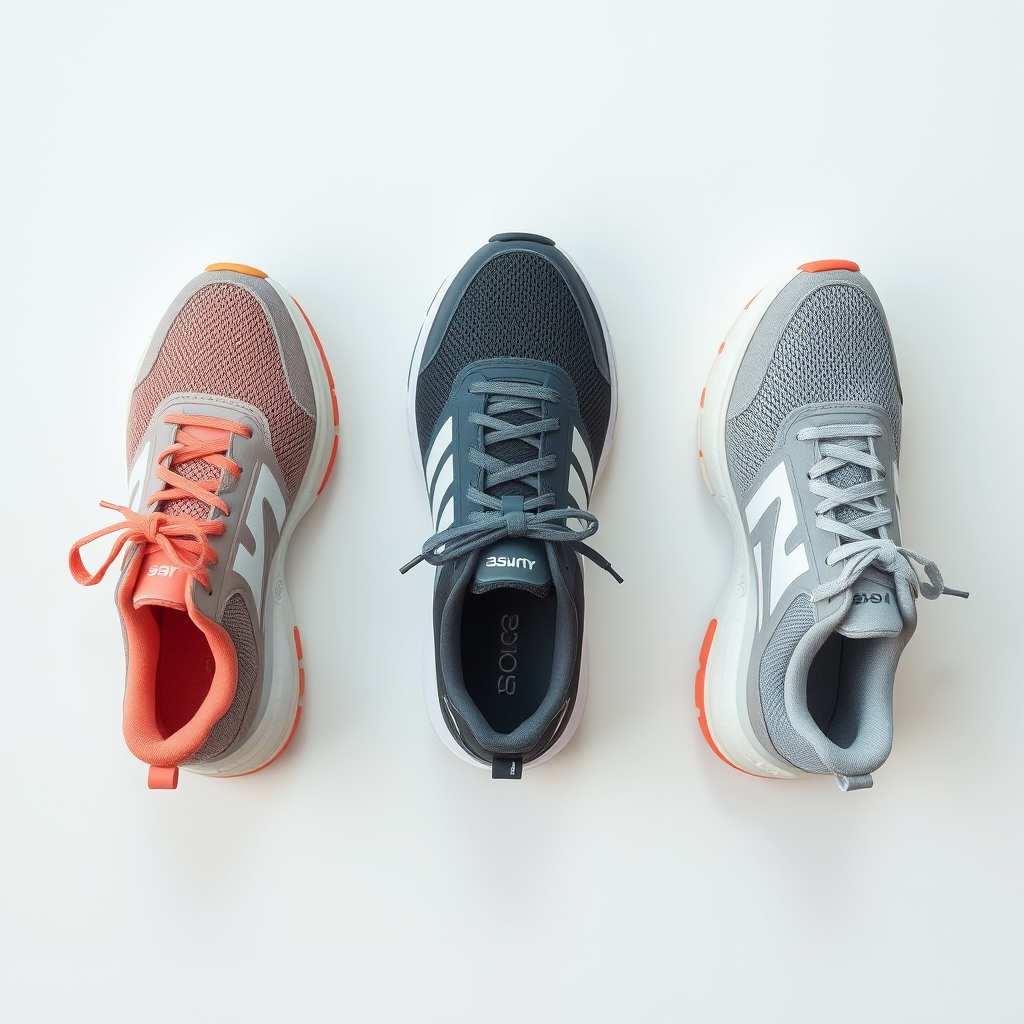
The right running shoe for you depends entirely on how your foot strikes the ground and your individual arch structure, not on brand name or social media reviews. Most runners fall into one of three pronation categories (neutral, overpronation, or supination), and shoes are engineered differently for each. This guide teaches you how to identify your type, assess arch needs, and pick shoes that reduce injury risk rather than increase it.
What Actually Matters When Choosing Running Shoes
Three things determine whether a shoe will work for your feet: your pronation pattern (how your foot rolls when it lands), your arch type (flat, neutral, or high), and the shoe’s support structure (the firmness and placement of cushioning and stability features). Everything else, the color, the brand heritage, the celebrity endorsement, is noise.
Pronation Type: The Foundation
Pronation is the natural inward roll of your foot as it lands. A small amount is healthy; too much or too little causes injury.
Neutral pronation means your foot rolls inward approximately 15% after landing, distributing impact evenly across your heel and forefoot. About 45% of runners have neutral pronation. If you have this pattern, you can wear neutral running shoes (also called “cushioned” shoes) without stability reinforcement.
Overpronation (called “excessive pronation”) happens when your foot rolls inward 20% or more. Your arch collapses too much, forcing your ankle, knee, and hip to work harder to stabilize. Overpronators represent about 40% of the running population. The fix is a stability shoe, one with a firmer midsole on the inner (medial) side to resist the inward roll.
Supination (or “underpronation”) occurs when your foot barely rolls inward, staying on the outer edge through the strike. This affects roughly 10% of runners. Your foot doesn’t absorb shock effectively, overloading the outside of your foot and lower leg. Supinators need neutral or cushioned shoes with extra shock absorption, never stability shoes that would worsen the problem.
Don’t guess. Test your gait before buying shoes.
How to Identify Your Pronation Type (DIY Methods)
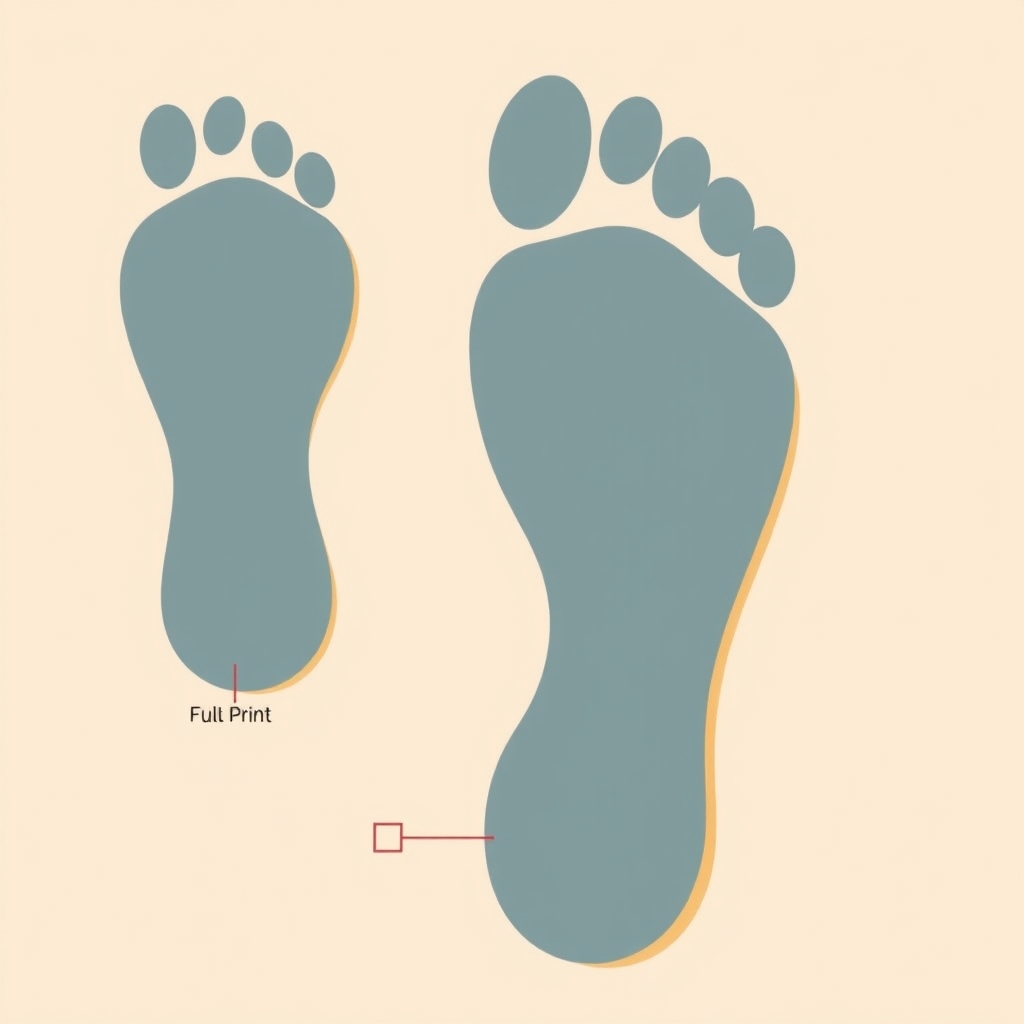
The wet test is simple and revealing. Wet the bottom of your foot and step firmly on a flat, dry surface (cardboard, paper, concrete). Look at your footprint. A normal arch leaves a curved print with a visible gap along the inner foot. A flat arch shows almost no gap, the entire inner foot contacted the ground. A high arch shows a very narrow print with a wide gap. This rough test tells you if you’re likely flat-footed (overpronator candidate), normally arched (neutral), or high-arched (supinator candidate).
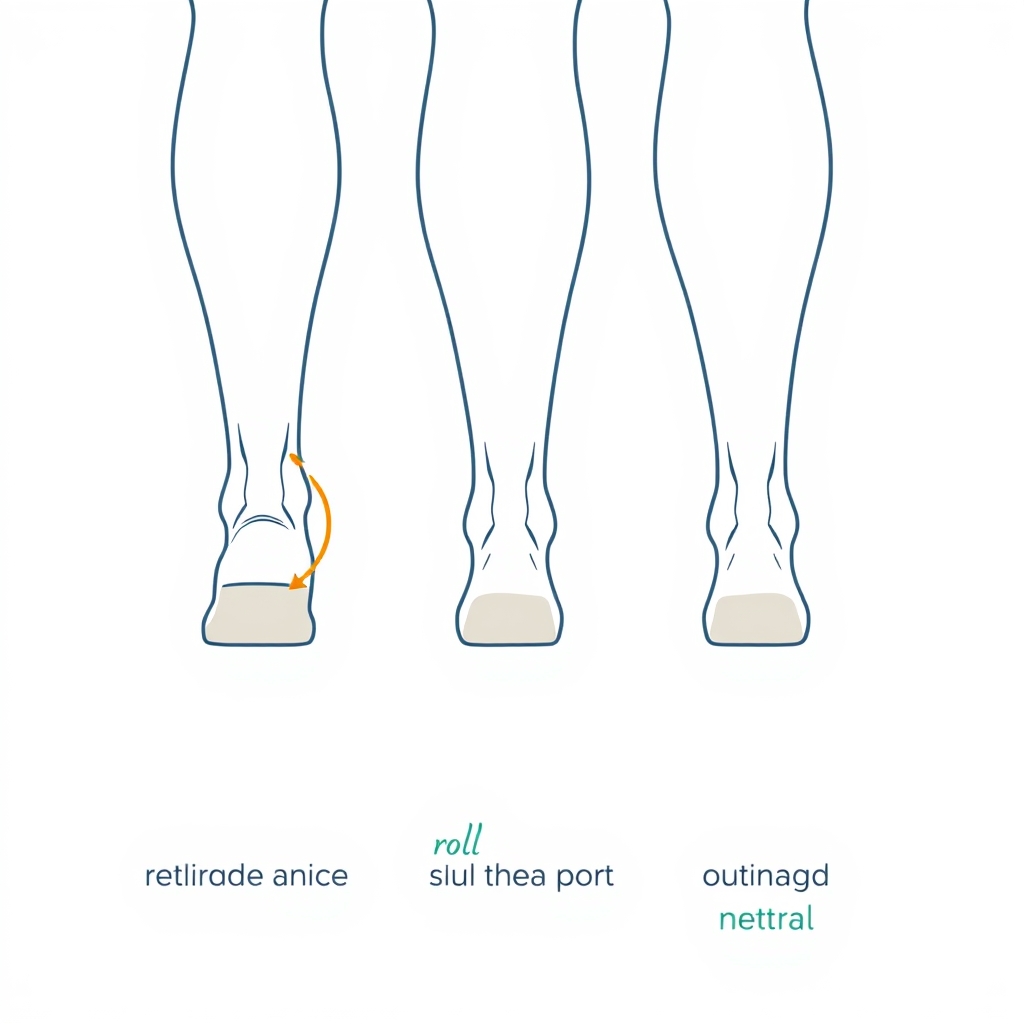
Video analysis is more reliable. Using your phone’s slow-motion camera (60 fps or higher), film yourself running from behind in normal shoes on a flat surface. Watch your ankle and knee alignment. If your ankle tilts inward and your knee drifts inward; sometimes called “knee valgus”, you’re probably overpronating. If your ankle stays rigid and your weight stays on the outer foot, you’re likely supinating. If the ankle is straight and the knee tracks over your foot, you have neutral pronation.
The wear-pattern test examines shoes you already own. Look at the sole, where is it most worn? Wear on the outer edge suggests supination. Heavy wear under the big toe and inner ball of the foot suggests overpronation. Even wear across the heel and forefoot suggests neutral pronation.
For the most accurate assessment, visit a specialty running store (not a big-box sporting-goods chain) and ask for a gait analysis. Most good stores have video treadmills or can watch you run outside and make an accurate call. This costs nothing and takes 10–15 minutes.
Arch Type: The Second Layer
Your arch, the hollow space under your foot; affects how much cushioning and support you need. The wet test gives you a rough read; feel underneath your own foot to refine it.
Flat feet (low or collapsed arches) touch the ground along most of the inner foot. Flat-footed runners typically overpronate. You’ll benefit most from stability shoes with firm medial posts or dual-density midsoles (a harder material on the inside to resist rollover).
Normal arches have a clear curve underneath with visible space between your foot and the ground. Normal-arched runners often have neutral pronation and do well in cushioned neutral shoes or light-stability shoes.
High arches have a pronounced hollow and touch down mainly on the heel and ball of the foot. High-arched feet are often rigid and supinate. You need extra cushioning to absorb the impact that a stiff arch doesn’t. Avoid stability shoes; they’ll feel awkward and won’t help.
This is where many runners go wrong: they assume all feet need support, so they buy a stability shoe. If you have high arches or neutral pronation, a stability shoe will feel clunky and can actually cause pain by forcing your foot to move against its natural pattern.
Cushioning vs. Stability: What the Words Mean
Neutral (cushioned) shoes have an even midsole with no extra firmness on either side. They’re designed for neutral pronators and supinators. Popular examples include the Nike Pegasus, ASICS Gel-Cumulus, and Brooks Ghost. They feel soft and responsive, which is why many runners prefer them, but they offer no corrective feature for overpronation.
Stability shoes have a firmer material, usually on the medial (inner) side, to slow excessive inward roll. This firmness is called a “medial post” or dual-density midsole. Examples include the ASICS Gel-Kayano, Brooks Adrenaline, and New Balance 860. They feel slightly stiffer than neutral shoes and are heavier, but the extra support prevents overpronation injuries for many runners.
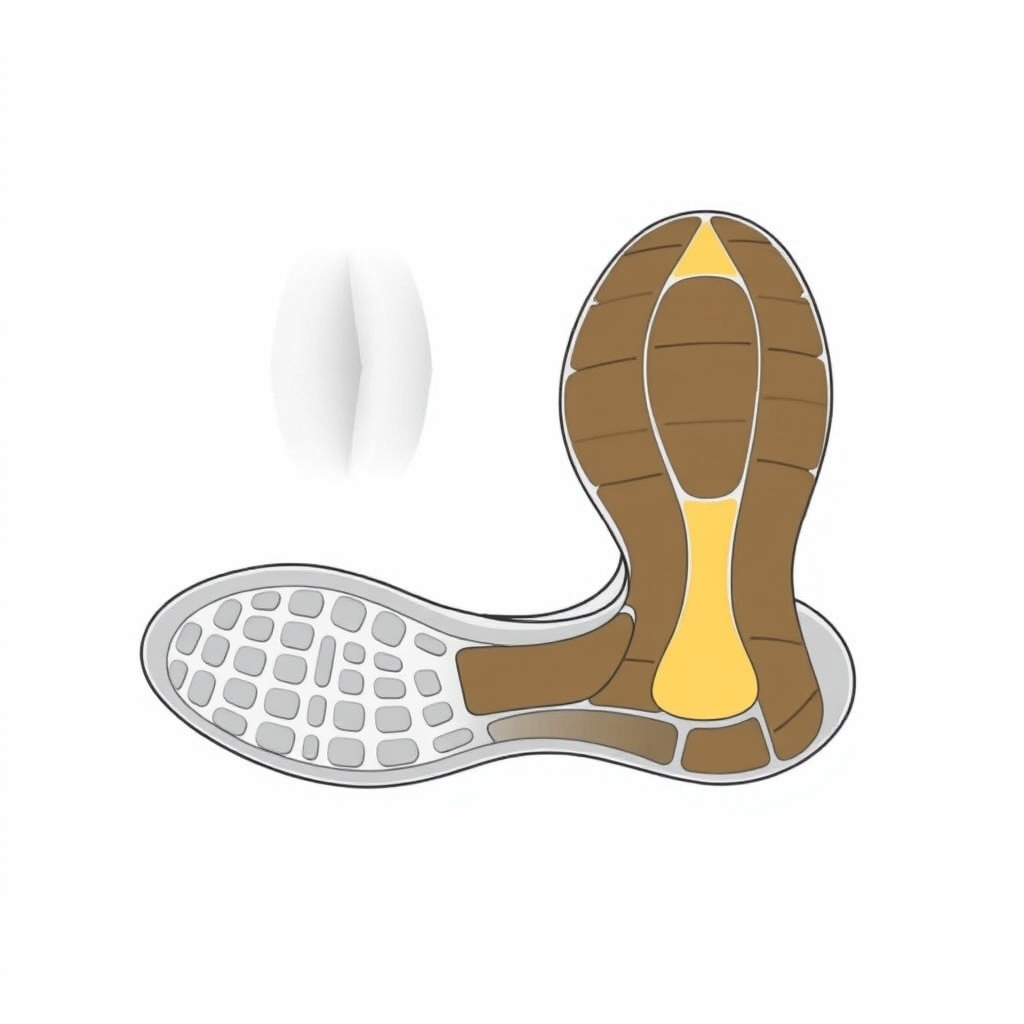
Motion-control shoes are the most rigid type, with maximum medial posts for severe overpronators. These are less common now; brands like New Balance still make them (e.g., New Balance 847), but many runners find them uncomfortably stiff. Motion control is rarely necessary unless you have very flat feet and significant knee pain tied to overpronation.
Ignore the hype around “maximalist” vs. “minimalist” shoes for now. Those terms describe stack height and ground feel, not the actual support structure. What matters is whether the shoe’s firmness and shape match your pronation.
Common Mistakes to Avoid
Mistake 1: Buying based on appearance or brand reputation alone. A famous shoe might be perfect for someone else’s foot and terrible for yours. Gait matters more than brand.
Mistake 2: Assuming you need stability because your feet “feel weak.” Weak feet and overpronation aren’t the same thing. Weak feet sometimes need strengthening exercises (calf raises, arch-activation drills), not a more rigid shoe. If you have neutral pronation or supination and you wear a stability shoe, you’re fighting your own biomechanics.
Mistake 3: Ignoring fit in favor of the “correct” category. A stability shoe that doesn’t fit your foot shape will cause blisters and hot spots, no matter how correct the pronation category is. Shoe shape varies, some are narrow, some wide, some have a high or low toe box. Try shoes on or buy from retailers with free returns and pay attention to fit.
Mistake 4: Believing one shoe will prevent all injuries. The right shoe prevents some injuries (knee pain from overpronation, plantar fasciitis from poor arch support) but not all. Strength work, proper training load, and recovery matter equally.
Mistake 5: Keeping shoes too long. Running shoe midsoles typically feel supportive and responsive for 300–500 miles, with most runners in the middle of that range reporting cushioning loss around 400 miles. After that, the shoe’s shock absorption degrades and injury risk rises. Track your mileage and replace shoes when you notice the ride feeling softer or flatter, usually every 4–6 months for someone running 15–30 miles per week.
Running Shoes by Pronation Type: Specific Models
For Neutral Pronators (Neutral/Cushioned Shoes)
Nike Pegasus 41 Lightweight, versatile daily trainer. Soft cushioning, responsive feel, good for tempo work and easy runs. Fit runs true to size. Prices as of June 2026 typically fall in the $120–$140 range.
ASICS Gel-Cumulus 26 Well-cushioned shoe with a fluid heel-to-toe transition. Narrow-to-medium fit; order up a half size if you have wide feet. Mid-range pricing.
Brooks Ghost 15 Balanced cushioning with a slightly firmer feel than competitors. Great for runners who like a shoe that feels connected to the ground. Runs slightly narrow.
New Balance 1080v14 Soft and cushioned with generous toe-box space. A good choice if you have wider feet or prefer a roomy fit. Commonly available in the $150–$170 range.
For Overpronators (Stability Shoes)
ASICS Gel-Kayano 31 The industry standard stability shoe, with a firm medial post and smooth ride. Durable and reliable. Many runners stay with this shoe year after year because it’s predictable. Expect $150–$180 as of June 2026.
Brooks Adrenaline GTS 23 Guidance Truss System (GTS) provides support on the medial side. Less aggressive than the Kayano but still effective for mild-to-moderate overpronation. Slightly roomier fit than ASICS.
New Balance 860v14 Firm medial support without feeling clunky. Good for runners who want a stability shoe that still feels responsive. Available in narrow and wide widths.
Saucony Omni 22 Stability shoe with a softer feel than competitors. Good option if you’ve had issues with stability shoes feeling too rigid. Mid-range to premium pricing.
For Supinators (Neutral/Cushioned Shoes with Extra Shock Absorption)
Supinators don’t need a separate shoe category, they need neutral shoes emphasizing cushioning and flexibility. Many of the neutral shoes above work well; these add extra softness:
Nike Vaporfly/Alphafly (if budget allows) High-end carbon-plated shoes with maximum cushioning and responsiveness. Expensive ($150–$250 as of June 2026) but beloved by supinators who value comfort and don’t need correction.
ASICS Gel-Cumulus or Gel-Quantum (variants emphasizing cushioning) Choose the “Gel” variants for extra shock absorption over the firm, responsive GTX versions.
Brooks Glycerin 21 Maximum cushioning focus with soft transitions. No stability elements. Comfortable for longer easy runs and recovery days.
The key principle: don’t buy a stability shoe as a supinator. Your foot will fight the medial post, and you’ll feel off-balance or experience pain on the outer edge of your foot.
Injury Prevention: Matching Shoes to Common Running Problems
Shin splints (pain along the inner shin bone) are often tied to overpronation or poor shock absorption. A stability shoe corrects the overpronation; a well-cushioned neutral shoe absorbs impact better. Make sure your shoe is new enough, mileage-worn shoes increase shin-splint risk.
Plantar fasciitis (heel and arch pain) responds best to shoes with strong arch support and good heel cushioning. Flat-footed runners (especially overpronators) are more at risk. Stability shoes or shoes with a firm arch support band help. Stretch your calves and strengthen your arch daily.
IT band syndrome (pain on the outside of the knee) correlates with overpronation and weak hip muscles, not directly with shoe choice. A stability shoe may help if overpronation is the root cause, but strength work and load management matter more.
Blisters and hot spots point to a fit issue, not a pronation problem. Return or exchange the shoe; don’t assume you’ll break it in. Most quality running shoes don’t require a long break-in period.
Knee pain (general) can stem from several sources: overpronation (try a stability shoe), weak glutes (add single-leg squats and lateral walks), poor training load progression (increase weekly mileage by no more than 10%), or shoes wearing out (check mileage). Don’t assume the shoe is the only factor.
Price Tiers and Value
All price ranges below reflect what we’ve tracked in running retail as of June 2026; verify current pricing before purchasing.
Budget tier ($60–$90) Brand-discounted previous-season models or value brands like Saucony’s Cohesion and ASICS Contend lines. You get basic cushioning and correct pronation category, but less responsive feel and durability. Mileage expectations: 250–350 miles before noticeable degradation. Good for beginners or backup shoes. Trade-off: fewer fit options (narrower size range) and shorter overall lifespan.
Mid-tier ($110–$160) Current-season models from major brands (Nike Pegasus, Brooks Ghost, ASICS Gel-Cumulus, New Balance 1080). Best value for most runners. Durable construction, good responsiveness, widespread availability. Mileage expectations: 400–500 miles of solid performance. This tier balances cost and quality.
Premium tier ($160–$250+) High-end models with carbon-plate technology, proprietary cushioning systems (Nike ZoomX, ASICS Flytefoam, Brooks DNA), and premium materials. Lighter weight, more responsive, and often more durable. Mileage expectations: 400–600 miles depending on the shoe. Worth the investment if you’re running 30+ miles per week and value responsiveness. Returns diminish at extreme price points, $250+ shoes are often race shoes or extreme-performance models, not everyday trainers.
Where’s the best value? The mid-tier. You get substantial improvements in comfort and durability over budget shoes for a reasonable cost increase. Premium shoes are worth buying if you run high mileage or are chasing performance; otherwise, mid-tier repeated annually is smarter financially.
Seasonal and Terrain Considerations
Winter/wet conditions: Look for shoes with a grippier outsole and consider shoes with water-resistant uppers (many don’t have them, so ask). Traction matters more than cushioning when roads are icy or wet. Brands like Salomon and trail-running specialists offer better winter grip.
Road vs. trail: Road shoes have smooth, minimal outsoles optimized for pavement. Trail shoes have aggressive treads and reinforced uppers for rocks and roots. Don’t run trails in road shoes, you’ll slip and increase ankle-injury risk. Road shoes on trails also wear out faster. If you run both, consider owning a dedicated trail shoe.
Track: Specialized track spikes are lighter and more responsive but harder to use for everyday training. Save them for races. For track workouts in training, use a lightweight neutral shoe rather than your daily trainer.
Our Keeper: The Guided Pick List
For a detailed breakdown of the top 8 running shoes by pronation category, with real owner feedback and durability notes, see our Running Shoes Guide. That guide compares fit, feel, mileage longevity, and real-world feedback for each category.
Quick summary:
- If you have neutral pronation: Nike Pegasus or Brooks Ghost.
- If you overpronate: ASICS Gel-Kayano or Brooks Adrenaline.
- If you supinate: Nike Pegasus or Brooks Glycerin (not a stability shoe).
FAQ
Can I wear a stability shoe even if I have neutral pronation?
Yes, but you don’t need to, and many neutral runners find it uncomfortable. Stability shoes are firmer and heavier. Unless you experience pain tied to overpronation, a neutral shoe will be more responsive and enjoyable. Wear what feels good; don’t force yourself into a category you don’t belong in.
How do I know when my running shoes are worn out?
Most runners notice a change in ride quality around 400–500 miles of running, the shoe feels softer or more mushy, or the bounce is gone. Track your mileage using a running app or a simple spreadsheet. When you hit 400 miles, start watching for feel changes. If you experience new aches or pains after mileage increase, check your shoe age first. If the shoe has genuine damage (ripped uppers, collapsed midsole, outsole wearing through), it’s time to replace it immediately.
Should I buy the most expensive running shoe?
No. The most expensive shoes are often race or extreme-performance models with ultralight weight and responsiveness at the cost of durability and longevity. A good mid-tier shoe will last longer and cost less overall. Premium shoes are worth buying if you run 40+ miles per week and train for serious goals; otherwise, reinvest the savings in other gear, strength training, or race entry fees.
What if my pronation is between categories (e.g., mild overpronation)? Many runners have mild overpronation. You can often run comfortably in either a light-stability shoe or a neutral shoe with good arch support. Start with a light-stability shoe (like the Brooks Adrenaline or a version of the ASICS Gel-Cumulus with stability elements) and see how you feel. If you get aches, you might actually need more support or less. Trust your body over the category label.
Is there one “best” running shoe?
No. The best shoe for you is the one that matches your biomechanics, fits your foot shape, feels comfortable, and stays within your budget. A highly rated shoe might be terrible for you if it doesn’t align with your pronation or arch type. Don’t buy based on reviews alone; test shoes in the category that matches your gait.
Can I return running shoes after I’ve run in them?
Most specialty running stores and online retailers allow returns or exchanges within 30 days, even if you’ve worn the shoe (as long as it’s not visibly damaged). Use this to your advantage. Buy two shoes in your category, run in both for a short distance, and return the one you like less. It’s a safer way to find your true match than guessing.