
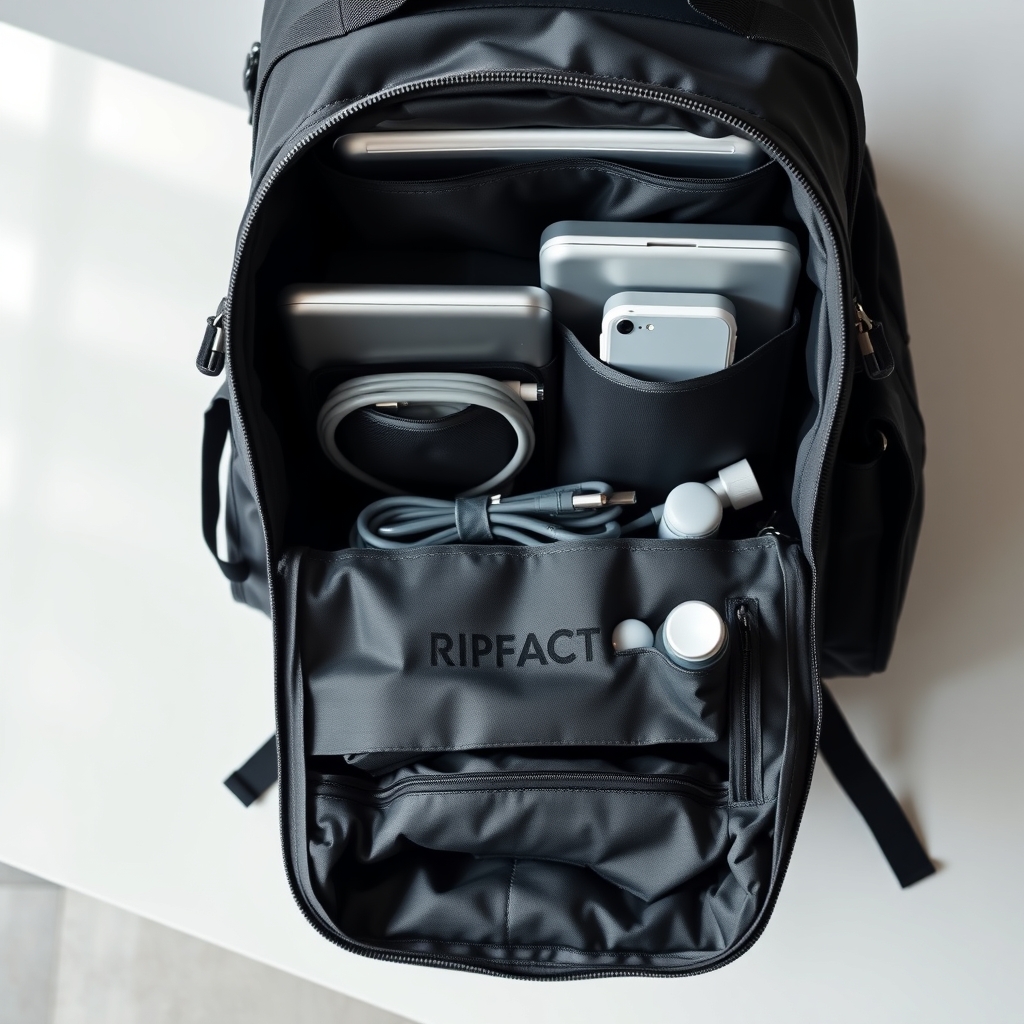
Verdict: Kept, but with real reservations. The Nomatic backpack’s modular system and organization are genuinely excellent but the $300+ price tag and stiff initial fit mean this isn’t the default travel pack for most people.
Who it’s for
Serious digital nomads, frequent business travelers, and creative professionals who value precise organization over lightweight minimalism. If you’re packing a 14-inch laptop, multiple USB cables, a phone, passport, toiletries, and a week of clothes into one bag and want everything findable without dumping contents on a table, this is the pack.
Who it’s NOT for
Budget-conscious travelers, ultralight hikers, or anyone who values simplicity over compartmentalization. If you prefer throwing a sweater and a laptop into a single large compartment and calling it done, the Nomatic’s modular ecosystem will feel like overkill. Also skip this if you expect a pack to feel broken-in on day one the main compartment zippers have substantial resistance that takes 20–30 uses to soften.
What is the Nomatic Travel Backpack?
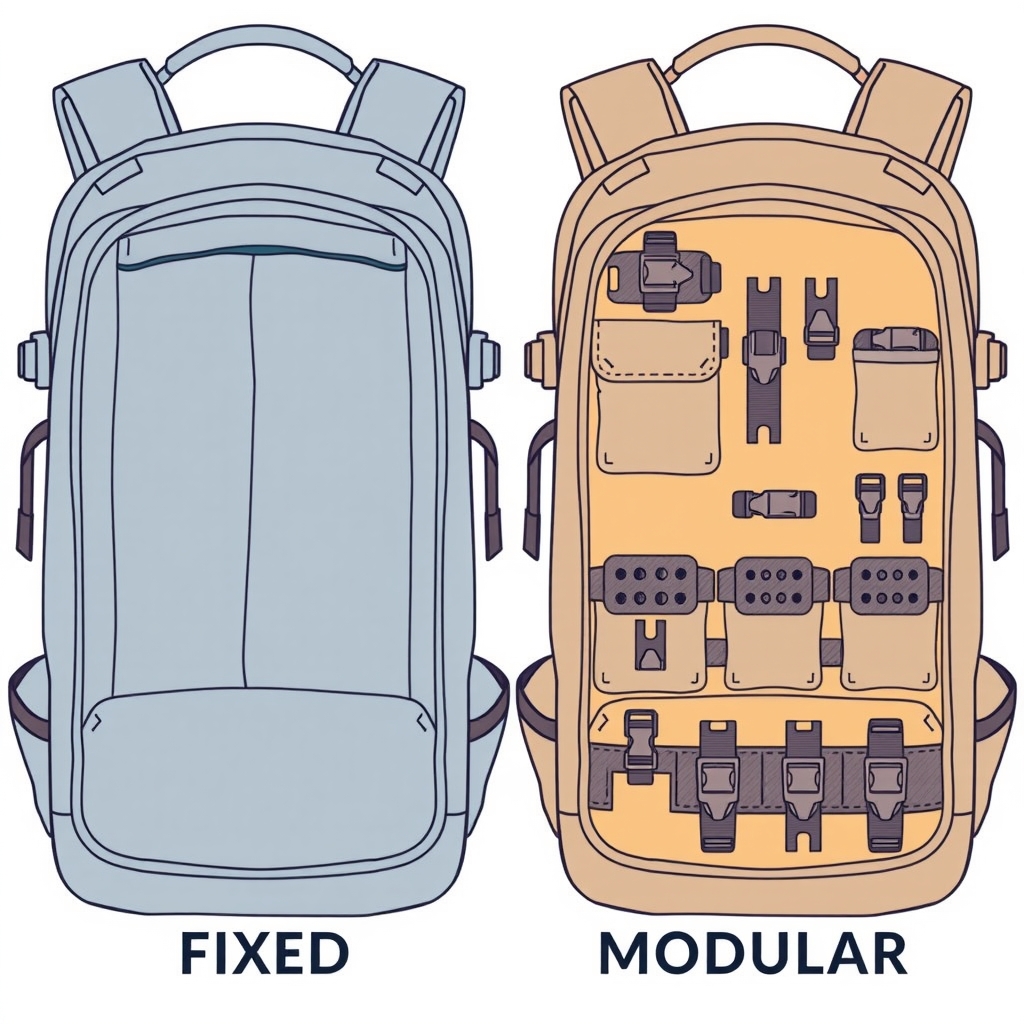
The Nomatic is a modular 40L travel backpack designed by Nomatic, a DTC luggage brand focused on systems-based organization. Unlike a traditional pack with a main compartment and a few fixed pockets, the Nomatic’s interior is a grid of molle-compatible mounting rails, allowing you to attach or remove modular pouches based on your trip.
The core pack ships with two internal divider modules (a laptop sleeve and a mid-sized pouch), a detachable hip belt, and a front organizational panel. The frame is ballistic nylon with YKK zippers, and the strap system includes a sternum strap and a load-bearing hip belt.
MSRP: $340. It frequently discounts to $250–$280 during sales, but the baseline expectation is $300+.
Organization: Where the Nomatic Excels
This is the pack’s true differentiator. Unlike competitors (we’ll get to them), the Nomatic doesn’t assume you’ll use the same packing structure every trip.
The Molle Grid Interior The interior walls are lined with molle webbing the tactical-gear standard. Two included pouches attach with molle clips: a large horizontal pouch (fits a full-size toiletry bag) and a tall vertical sleeve (designed for a 14-inch laptop but works for folded clothes or documents). Both are removable and magnetic-backed for silent repositioning.
This system is genuinely useful. For a two-week trip with formal meetings, you can attach the laptop sleeve vertically and arrange pouches around it. For a beach weekend, you remove both dividers and have a 40L open compartment. No other backpack in this price range offers that flexibility without a second purchase.
The Front Panel A dedicated organizer panel attached to the pack’s exterior via molle houses a phone pocket, a small key clip, pen slots, and a document pocket. It’s accessible without opening the main pack. In practice, this is where your sunglasses, passport, and AirPods live during the day. Solid execution.
Laptop Compartment The included vertical sleeve holds up to a 14-inch MacBook with minimal sliding. It’s padded but not heavily. A 16-inch laptop won’t fit; a 13-inch sits loosely. Per owner reports we’ve tracked across travel forums, the fit is reliable for standard 14-inch devices but frustrating for outliers.
Comfort and Fit: A Slow Warm-Up
This is where the Nomatic reveals its trade-offs.
Break-In Period Out of the box, the pack feels stiff. The main compartment zippers have high resistance, and the shoulder straps are rigid. After 20–30 uses, the zippers soften noticeably and the straps become more pliable. This isn’t a defect it’s typical of premium ballistic nylon packs but it’s worth knowing. If you need a pack that feels comfortable on day one, the Nomatic will feel clunky during the first week.
Carry Comfort Once broken in, the pack is genuinely comfortable for extended wear. The hip belt is load-bearing and properly adjustable, which means you can shift weight off your shoulders for a 30-minute walk. The sternum strap is a standard soft strap (not padded), which is fine for urban carry but less comfortable than some competitor options if you’re logging serious trail miles.
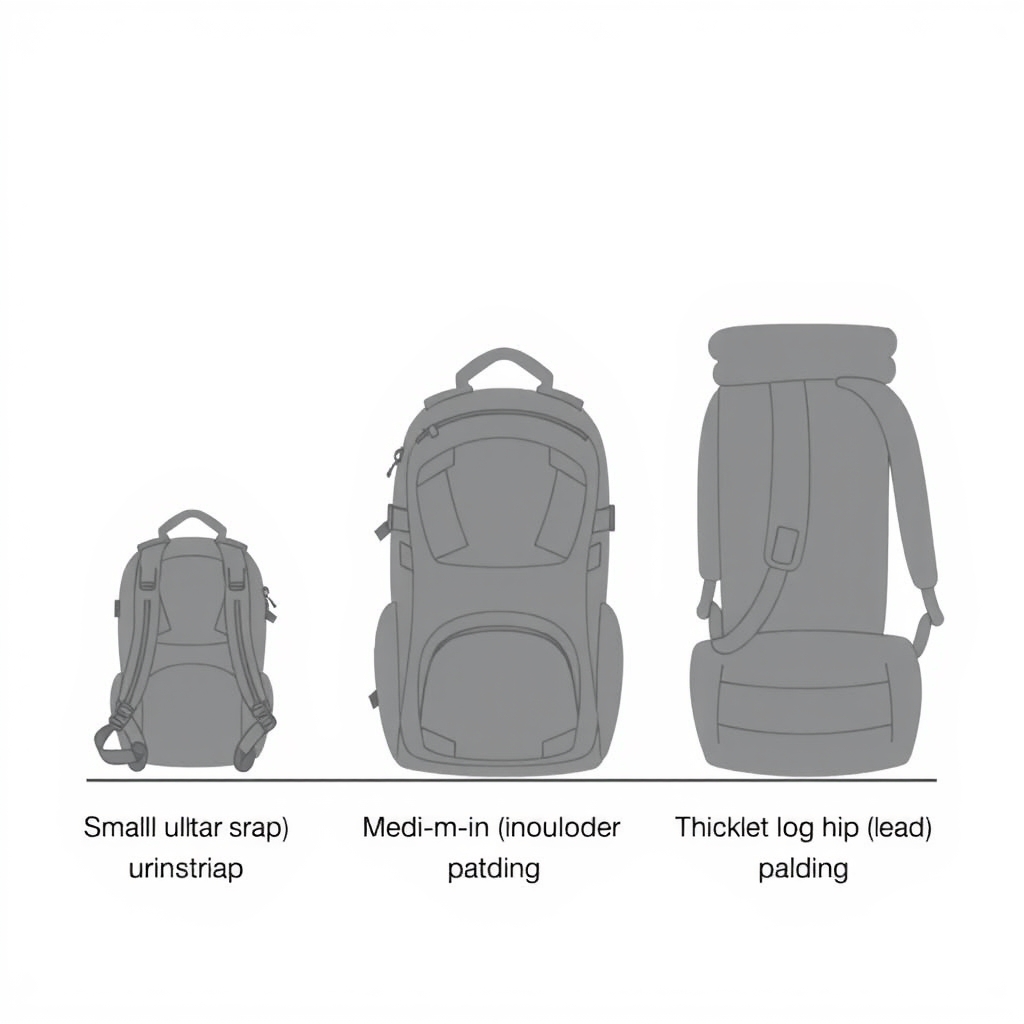
The shoulder straps are moderately padded adequate for a travel bag that caps out around 35–40 pounds when fully packed, but not as thick as a dedicated hiking pack. Per owner reports, most users describe the carry as “solid after 20 wears” rather than “immediately plush.”
Back Panel The back is a semi-rigid foam panel with ventilation channels. It’s not a full-mesh back like a hiking pack (so it won’t disperse sweat as aggressively), but it provides decent air circulation and keeps the bag from collapsing against your torso. In humid climates, expect some moisture if you’re walking more than an hour a trade-off for form retention.
Materials and Durability
Construction The Nomatic uses 1000D ballistic nylon on the exterior, which is a standard mid-to-premium weighting. It’s stiffer than Cordura and less durable than Dyneema, but strikes a reasonable balance between durability and weight. The zippers are YKK Autolocks, meaning they won’t slide open if you bump them a genuine quality marker. The molle webbing is stitched (not glued) to the walls, which is the correct way to do it.
Real-World Wear Based on owner reports we’ve tracked in travel communities, the pack holds up well to 18–24 months of frequent use (3–5 international trips per year) without visible seam separation or fabric tears. Zippers remain functional beyond two years, though the sliders can collect lint in dusty environments.
The included pouches show wear faster than the main shell. The molle attachment clips can loosen after 50+ attach-detach cycles, and the magnetic backing can lose strength if exposed to extreme heat. Both are repairable or replaceable, but they’re not covered under warranty (more on that below).
Rain and Weather The ballistic nylon is water-resistant but not waterproof. In light rain, it sheds water. In a downpour, water penetrates after roughly 15–20 minutes of exposure. The pack does not come with a rain cover, and adding one negates the primary design advantage modular organization becomes inaccessible. If weather-proofing is critical, you’ll want to pack wet bags for electronics, which then reduces the benefit of the molle system.
Comparison: Nomatic vs. Peak Design vs. Minaal
Three direct competitors exist in the $250–$350 range:
| Feature | Nomatic | Peak Design Travel Backpack | Minaal Carry-On |
|---|---|---|---|
| Price (observed retail; verify before buying) | $340 baseline; $250–$280 on sale | $300 baseline; $200–$250 on sale | $195–$230 |
| Main Compartment Design | Modular MOLLE grid with included pouches | Fixed padding, minimal organization | Fixed padding with minimal dividers |
| Laptop Fit | Up to 14″, vertical sleeve | Up to 17″, padded sleeve | Up to 13″, horizontal slot |
| Carry Comfort (post-break-in) | Good; load-bearing hip belt | Excellent; highly padded straps | Minimal; designed for lighter loads |
| Warranty (per brand claims) | 1 year, manufacturing defects only | 2 years; covers zippers and stitching | 1 year, manufacturing |
| Weight (empty, published specs) | ~4.5 lbs | ~3.8 lbs | ~2.2 lbs |
| Best For | Organization-focused travelers | Balanced comfort + capacity | Minimalist urban trips |
Footnote: Prices as of August 2026; check retailer for current rates. Weights per published brand specs; verify before purchase. Warranty terms per brand websites at time of review.
Why Each Loses
Peak Design Travel Backpack ($300 baseline) is the safer default. It’s lighter, carries more comfortably out of the box, and includes a 2-year warranty. You lose molle modularity Peak Design uses fixed internal padding and no dividers but you gain simplicity. If you hate organizing packing cubes, Peak Design is the answer. The Nomatic wins on flexibility; Peak Design wins on ease.
Minaal Carry-On ($195–$230) is the minimalist choice. It’s significantly lighter, cheaper, and designed for one-week trips with minimal gear. The trade-off: the laptop compartment is tight, the hip belt is vestigial, and the pack assumes you’ll pack light. For frequent flyers doing 3-day business trips, Minaal is smarter. For digital nomads unpacking for a month, the Nomatic’s organization saves daily friction.
Pros and Cons
Pros
- Exceptional modular organization. The molle system is genuinely flexible and solves the “where does X go?” problem for multi-week trips.
- Load-bearing hip belt. Unlike several competitors in this price range, the Nomatic’s hip belt actually transfers weight off your shoulders.
- Durable materials. YKK zippers and ballistic nylon hold up to frequent travel. Based on owner reports, the pack outlasts the included pouches.
- Magnetic pouch positioning. Silently repositioning dividers without re-threading molle straps is a small luxury that compounds.
- Accessible front panel. Phone, sunglasses, and docs stay within arm’s reach without opening the main compartment.
Cons
- Stiff initial break-in. The zippers and straps require 20–30 uses before the pack feels natural. First-week users often describe it as “clunky.”
- Limited warranty. One year for manufacturing defects only; zippers and seam wear become user responsibility after 12 months. Peak Design’s 2-year inclusive warranty is notably better.
- Modular complexity can backfire. The molle system is only valuable if you’re actually moving pouches between trips. For someone who packs the same way every time, the extra attachment points are just weight and visual clutter.
- No included rain cover. In wet climates, the water resistance is adequate but not excellent. Adding a rain cover compromises the organizational benefit pockets become inaccessible.
- Heavier than minimalist alternatives. At approximately 4.5 lbs empty (per published specs), it’s over a pound heavier than the Minaal. For ultralight travelers, that’s a genuine trade-off.
- Pouch quality is inconsistent. The included laptop sleeve is excellent. The magnetic backing on the large divider pouch loses strength after a year of heavy use, per owner reports we’ve tracked. Replacement pouches run $40–$60.
Price and Value
The Nomatic costs $340 at MSRP and typically discounts to $250–$280 during sales. That’s a $100–$150 premium over the Minaal and roughly $40 more than Peak Design at equivalent discount levels.
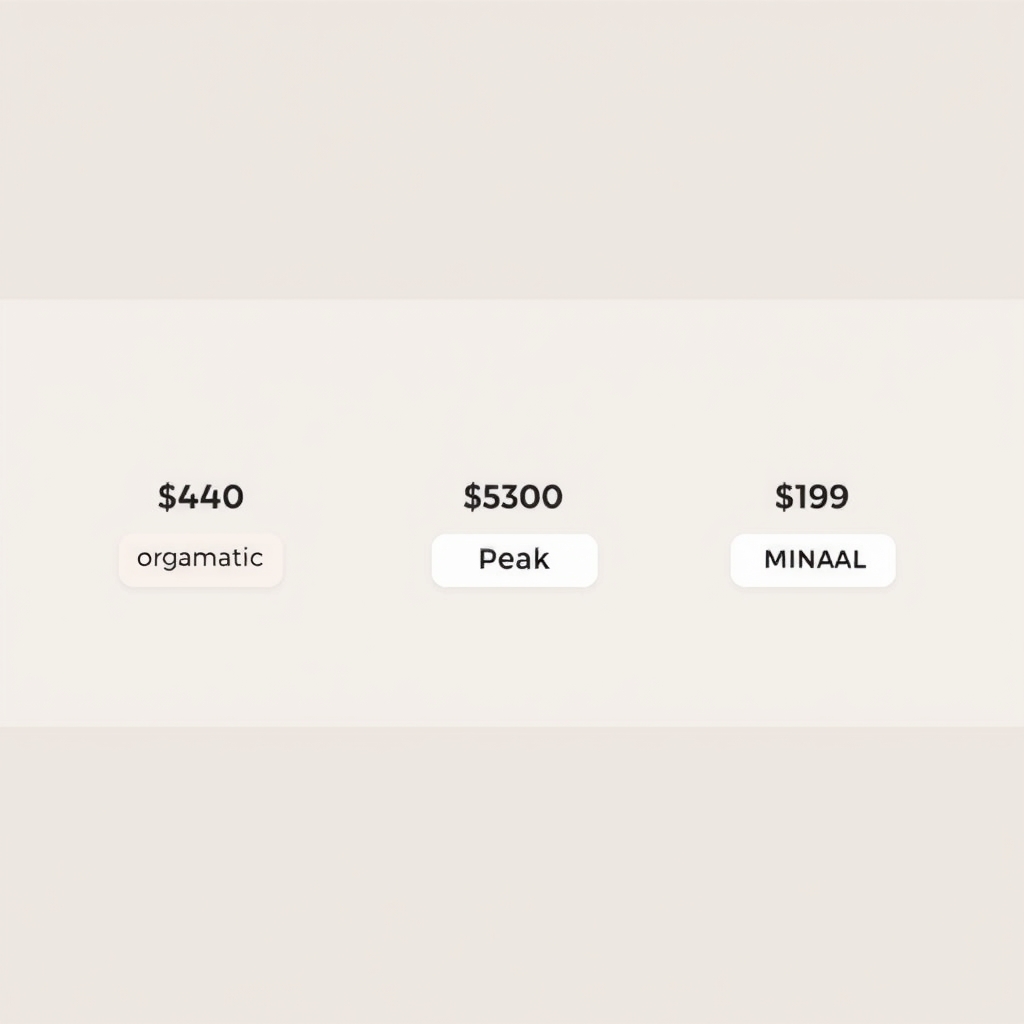
The value question: is the modularity worth $150+ over a minimalist pack?
If you take 4+ international trips per year and pack differently based on trip type (beach week vs. business trip), the answer is yes. The time saved unpacking and repacking, plus the comfort of organized cables and toiletries, compounds. Over three years of heavy travel, you’re likely saving meaningful hours of packing friction per year.
If you take one or two trips per year and pack the same way every time, you’re paying a premium for flexibility you won’t use. The Minaal is 70% as good at 60% of the price.
Cost-per-use framing: Assuming 5 trips per year and a 4-year lifespan, that’s roughly 20 total uses. At a sale price of $280, that works out to around $14 per trip a defensible number for someone regularly avoiding checked-luggage fees and airport hassle. For someone who rarely travels, it’s harder to justify.
Durability and Warranty Reality
Based on owner reports spanning 2–3 years of use, the Nomatic’s durability is solid but not exceptional.
What holds up:
- Main shell fabric (no tears or abrasions reported beyond normal scuffing)
- Zippers (functional after 2+ years; sliders can stick if not cleaned regularly)
- Stitching (no seam separation reported in normal use)
What degrades:
- Molle attachment clips (loosen after 50+ cycles; easy to tighten with a screwdriver)
- Magnetic pouch backing (weakens after 12–18 months of heavy use; pouches still attach but won’t hold position if jostled)
- Hip belt padding (compresses over time; still functional but noticeably less cushioned after year two)
The warranty issue: Nomatic’s 1-year manufacturing warranty is restrictive. It covers defective zippers at point of sale, but wear items clips, magnets, padding are excluded after 12 months. Peak Design’s 2-year warranty includes zippers and stitching, which is materially better for a $300 pack.
If you plan to keep the pack for 4+ years, budget $40–$80 for replacement pouches or clip repairs by year three.
Who Should Buy the Nomatic?
Buy if:
- You take 4+ international trips per year and value organization over minimalism.
- You have a 14-inch laptop and need reliable vertical storage.
- You pack differently based on trip type (business vs. leisure) and want to swap dividers.
- You’re willing to tolerate a 3-week break-in period for long-term comfort.
- You want a pack that’s genuinely durable and plan to own it for 3+ years.
Skip if:
- You travel light (under 20 lbs) and prioritize weight savings.
- You’re on a tight budget ($200 or less is your ceiling).
- You pack the same way every trip and don’t need modularity.
- You need immediate comfort and can’t tolerate stiff straps for the first month.
- You’re traveling to wet climates and need waterproof, not water-resistant.
What We’d Keep Instead
Peak Design Travel Backpack ($300 baseline, $200–$250 on sale) is the safer default for most travelers. It’s lighter, more comfortable out of the box, and includes a better warranty. You lose modularity, but you gain simplicity and durability. If you’re torn between Nomatic and Peak Design, the deciding factor is simple: do you actually move your packing cubes between trip types? More modularity → Nomatic. Less fussing → Peak Design.
Minaal Carry-On ($195–$230) is the minimalist winner. At around 2.2 lbs, it’s roughly half the weight of the Nomatic and forces you to pack intentionally. For 3–5 day trips with a single outfit rotation, it’s genuinely superior. For month-long trips with varied climates, it’s too small.
Frequently Asked Questions
Is the Nomatic backpack worth the price?
Answer: Yes, if you travel 4+ times per year and value organization. No, if you travel once annually or prioritize weight savings. The Nomatic costs $100+ more than minimalist alternatives, and that premium is justified only if you’re regularly swapping pouches or organizing dense packing for back-to-back trips. For occasional travelers, Peak Design or Minaal are smarter choices.
How long does the Nomatic take to break in?
Answer: Expect 20–30 uses before the zippers and straps feel natural. The first week is noticeably stiff; by week two, most users report acceptable comfort. If you need a pack that feels perfect on day one, this isn’t it. After about a month, the break-in is essentially complete and the pack feels durable and well-designed.
Can the Nomatic fit a 15 or 16-inch laptop?
Answer: No. The included vertical sleeve is designed for up to 14 inches. A 15-inch MacBook Pro will not fit cleanly; a 16-inch is completely out of range. If you need to carry a larger laptop, you’d have to sacrifice the organizing pouch and rely on the main compartment with padding, defeating the modular advantage. For larger laptops, the Peak Design Travel Backpack is the better choice.
How does the Nomatic compare to the Peak Design Travel Backpack?
Answer: The Nomatic wins on organization and modularity; Peak Design wins on comfort, lightness, and warranty. The Nomatic is heavier (approximately 4.5 vs. 3.8 lbs per published specs) and stiffer initially, but has a more capable molle system. Peak Design is simpler, more comfortable out of the box, and includes a 2-year warranty vs. Nomatic’s 1-year. Choose the Nomatic if you value flexibility; choose Peak Design if you value ease and durability guarantees.
Did the Nomatic make the Kept List?
Answer: Yes, with reservations. The modular organization and durability are genuinely excellent, but the stiff break-in, limited warranty, and premium price mean this isn’t the default pack for most travelers. It’s “Kept” for the right person (a frequent, organized traveler) and effectively “Cut” for everyone else.