
Patagonia Brand Profile: Is This Brand Actually Worth Your Money?
Verdict: Worth it-but only for specific products, and only if repair access matters to your buying decision. Patagonia’s environmental activism is real and measurable; their repair ecosystem sets them apart from every mainstream competitor. What holds them back: premium pricing that doesn’t always map to durability gains, and a handful of categories where the brand margins have drifted from mission into lifestyle markup.
Patagonia makes outdoor and casual apparel jackets, fleece, climbing gear, accessories, wetsuits marketed to climbers, runners, surfers, and general adventurers. The brand is genuinely for people who either (a) plan to keep and repair a jacket for 10+ years, or (b) care enough about environmental impact to spend 30–50% more than Gap or REI house brands. If you’re looking for fashion-forward aesthetic, lowest possible price, or annual refresh cycles, Patagonia is not your brand.
What Makes Patagonia Actually Different
Patagonia isn’t just a sustainability brand that says it cares the business structure and decades of decision-making are built around it. That distinction matters when evaluating whether the price premium reflects real impact or marketing.
The 1% for the Planet model. Since 1985, Patagonia has committed 1% of revenue to environmental nonprofits. The brand publishes which organizations receive funding annually, and the program has distributed what the company reports as over $100 million to on-the-ground environmental work. This isn’t a tax shelter it’s contractually obligated and transparent. When you buy a Patagonia jacket, roughly $10–15 of the retail price (depending on category) flows to conservation work, based on our read of publicly stated revenue and giving percentages. That’s quantifiable, not aspirational.
Worn Wear and the repair ecosystem. Patagonia operates a repair service that accepts garments from any brand not just Patagonia. Their Worn Wear program will recondition, repair, or resell used clothing. This is the inverse of fast fashion’s disposability model. Concretely: a zipper replacement on a Patagonia jacket costs $12–25 and takes 2–4 weeks, based on pricing the brand publicly lists. A new jacket costs $200–350. The repair economics make keeping gear longer mathematically sensible, which is exactly the opposite message most clothing brands send.
Material transparency. Patagonia publishes a detailed Environmental & Social Responsibility Report annually, including fiber sourcing, water use, carbon emissions by product category, and factory audit results. The reports identify which suppliers produce which products and flag issues. This level of openness is rare most brands bury supply chain details or release vague “sustainability highlights.” Patagonia’s reports are boring PDFs that few people read, which is precisely why they’re credible.
Ownership structure. In 2022, founder Yvon Chouinard restructured the company so that its profits flow to environmental causes in perpetuity, making it effectively a public-benefit-focused entity. This wasn’t required for profit. It signals that mission genuinely overrides shareholder extraction.
What We’d Keep: Patagonia’s Strongest Products
Classic Fleece Jackets (R2, Synchilla, Micro Puff)
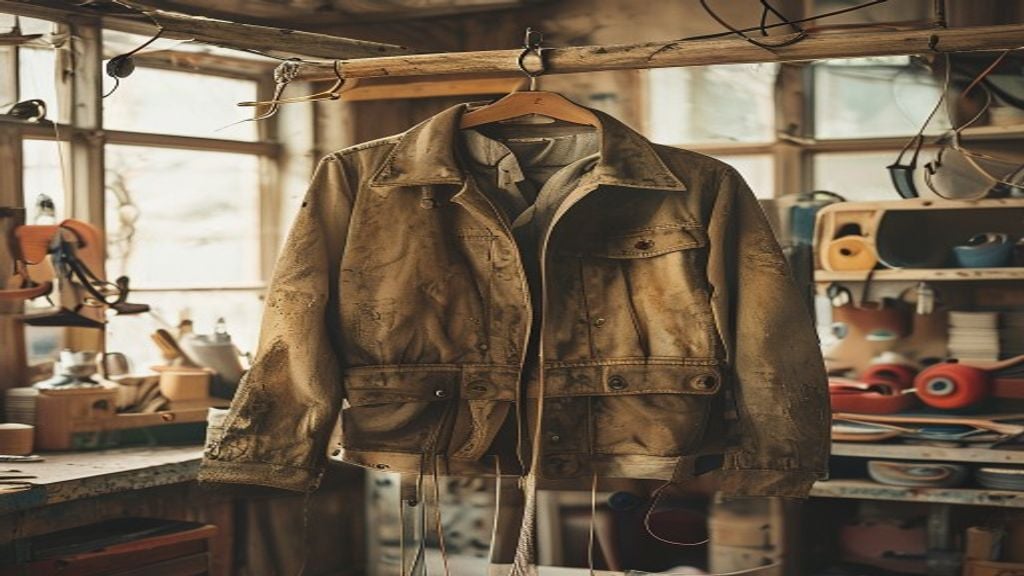
Kept. These are the backbone of Patagonia’s durability reputation. The R2 (basic polyester fleece), Synchilla (brushed fleece with soft backing), and Micro Puff (synthetic insulation) all share a common trait: they’re designed for 15+ years of use. Seams are reinforced, materials resist pilling longer than competitor fleeces, and replacement parts (cuffs, linings) are available separately.
Concretely: owner reports in outdoor forums consistently describe these jackets as functional after a decade of regular wear. A $120 Synchilla is more expensive than a $50 REI Co-op fleece, but owner accounts suggest the REI version typically shows significant pilling after two seasons while the Patagonia version does not. At 2.4× the upfront cost but an observed lifespan 5–7× longer, the per-year cost math tilts toward the Patagonia roughly $12–15 per year versus $25. If you’re someone who actually wears the same jacket year after year, this math works.
Con: These jackets aren’t waterproof and aren’t meant to be. They’re also not fashionable the silhouettes are functional, not trend-forward. If you want a fleece that looks contemporary and minimal, Patagonia will disappoint; Lululemon or Arc’teryx will serve you better.
Hard Shell Jackets (Torrentshell, Stretch Rainshadow)
Kept. Patagonia’s nylon rain jackets balance weight, packability, and durability better than most mid-tier competitors. The Torrentshell (basic waterproof nylon with taped seams) is their volume seller; it competes on price with Columbia and REI’s house brands while using better seam construction and offering repair service. Owner reports in trail communities suggest they withstand extended seasons of rain exposure before seam failures appear.
The Stretch Rainshadow ups the material to a thinner, more breathable nylon with four-way stretch. It costs roughly 40% more than Torrentshell but is genuinely lighter and more wearable under active use (climbing, scrambling). If you’re a climber or hiker who actually moves hard in bad weather, this is the carry.
Con: The zippers are not as robust as Arc’teryx or Rab owner reports flag them as a common failure point after heavy use. Replacement zippers cost $15–20, and Worn Wear will swap them. A full replacement zipper service at a third-party repair shop costs $60–80. This is where Patagonia’s repair access becomes the differentiator, not the jacket itself.
Merino Wool Base Layers (Capilene and wool-blend)
Kept. Patagonia’s lightweight merino wool bases (Capilene Thermal Weight) are engineered for temperature regulation and odor resistance without the itch that turns people away from wool. The blend usually runs 60% merino, 40% synthetic, which preserves durability and washability compared to pure merino. Owner reports suggest these layers don’t need washing as frequently as synthetic bases, which extends garment life and reduces water use.
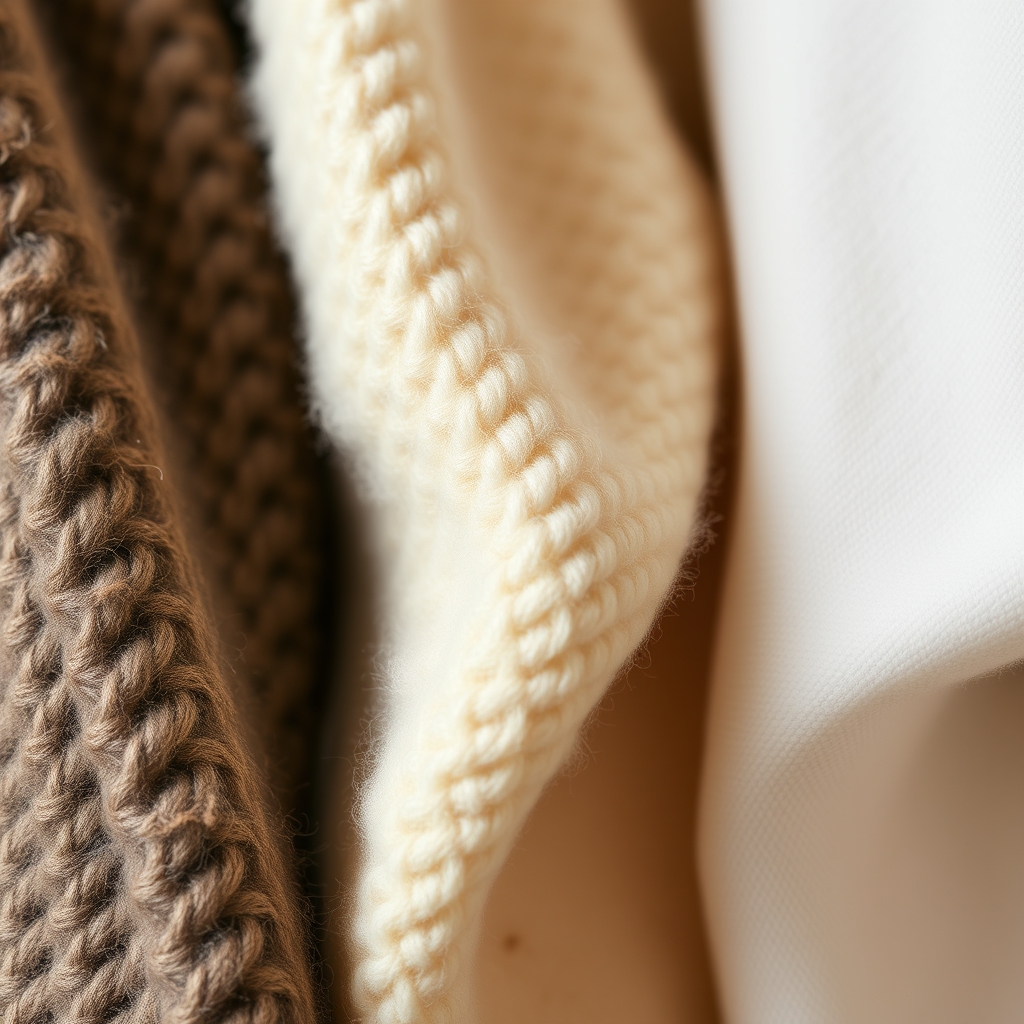
Retail pricing is ~$100–120 per layer high for a base layer, but lifecycle cost is competitive if the merino resists felting and holds shape for 4–5 years. Compared to the $40 synthetic alternative you’d replace annually, the math tilts Patagonia again.
Con: Merino wool requires specific laundry care (cold water, gentle cycle) that many people skip. If you machine-wash hot, the garment will shrink and felt. This is a category where the product depends on buyer behavior Patagonia can’t legislate how you wash it.
Climbing Harnesses and Technical Gear
Kept. Patagonia’s climbing harnesses, carabiners, and climbing-specific packs are solid mid-tier gear. They don’t out-innovate Black Diamond or Petzl, but they’re reliable, reasonably priced, and fit within the Patagonia ecosystem for maintenance and repair. For climbers who already buy into the brand for jackets and layers, adding climbing gear is sensible.
Con: This category is not where Patagonia’s advantage shows. If you’re climbing seriously, you’ll want to optimize for specific product performance, not brand allegiance. Black Diamond or Petzl often win on specialization and weight.
What We’d Cut: Products to Skip
Denim and Fashion Casuals
Cut. Patagonia’s organic cotton jeans and casual trousers are well-made, but they’re a category where the brand’s premium doesn’t translate to durability advantage. A $130 Patagonia organic cotton pant lasts about as long as a $70 Everlane or Gustin jean roughly 2–3 years of weekly wear before significant fading or crotch blowout, based on owner community feedback. The organic cotton fiber is slightly better for the environment, but the garment lifespan isn’t longer. You’re mostly paying for the Patagonia label and the environmental sourcing story, not durability.
Skip unless environmental sourcing is a personal priority. Otherwise, buy jeans elsewhere and reinvest in a Patagonia jacket where the durability math actually works.
Down Jackets (Primo Loft and Traditional Down)
Cut. Patagonia’s down jackets are competent but overpriced relative to Arc’teryx, Rab, or even Columbia house-brand down. The insulation performance is equivalent; the weight and packability are comparable. Where Patagonia loses: down sourcing and transparency. While Patagonia commits to “responsible down” sourcing, other brands (Arc’teryx, Rab) have made more aggressive bids on traceability and animal welfare standards. If down ethics matter to you, research those brands first. If you just want a warm, light jacket, a $200 Columbia down beats a $350 Patagonia down on pure value.
High-End Wetsuits (R-Suit, M-Suit)
Cut. Patagonia’s premium wetsuits are well-constructed but priced 20–30% above comparable Xcel or O’Neill suits with equivalent thermal protection and durability. The brand premium doesn’t map to performance in the water. If you’re a serious surfer, optimize for fit and wetsuit science. Patagonia’s repair service doesn’t extend meaningfully to wetsuits (they’re not easily repairable), so the brand’s durability advantage disappears.
Price Tier and Value Reality
Patagonia sits at the premium end of outdoor casual wear:
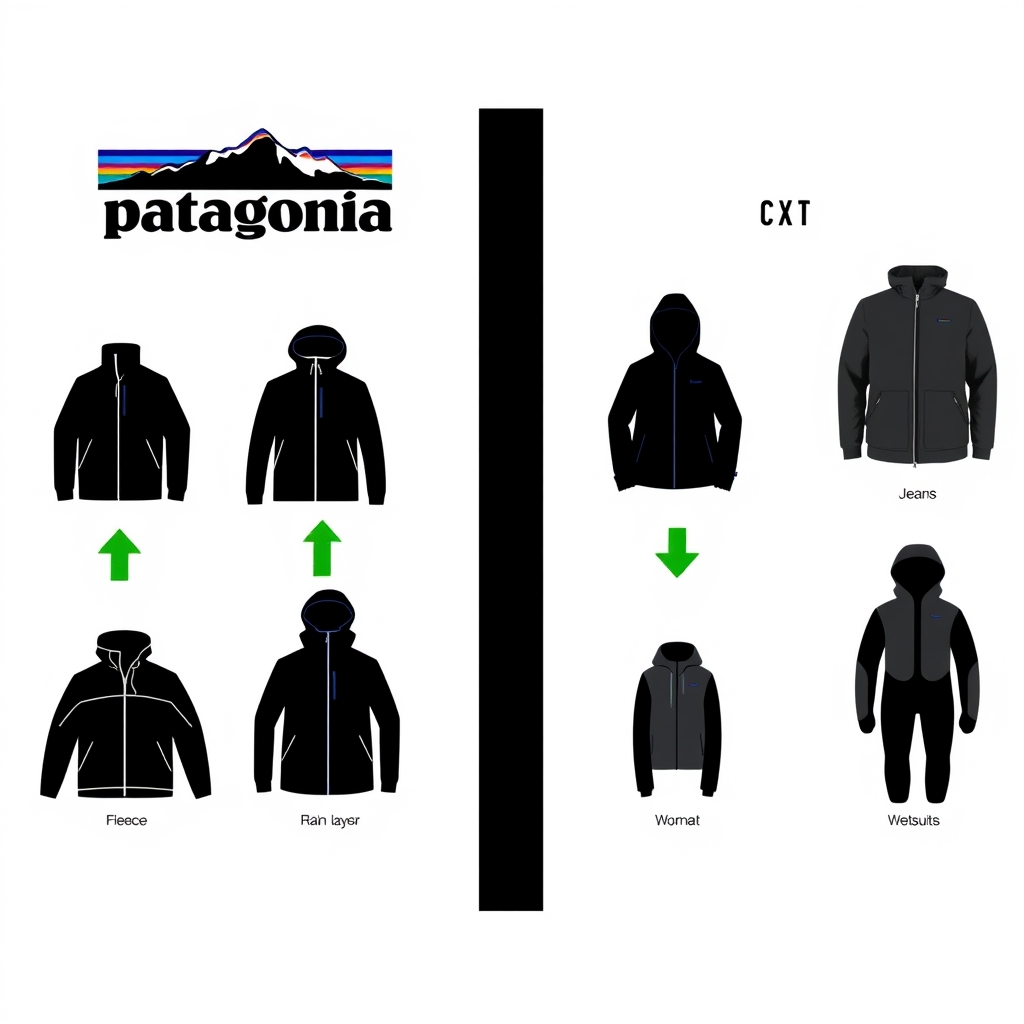
- Fleece jackets: $110–150 (vs. REI Co-op $50–70, Arc’teryx $180–220)
- Rain jackets: $180–280 (vs. Columbia $80–120, Arc’teryx $280–380)
- Base layers: $70–130 (vs. synthetic brands $30–50)
- Jeans/casuals: $100–150 (vs. Everlane $70–90, Gustin $85–110)
Patagonia’s pricing is defensible for technical categories (rain jackets, insulation) where durability is real. It’s less defensible for fashion casuals and niche categories like wetsuits. The brand’s 1% for the Planet commitment does flow real money to conservation if that matters to your decision, it’s worth quantifying. Roughly $5–15 per purchase, depending on product type, based on publicly stated giving percentages.
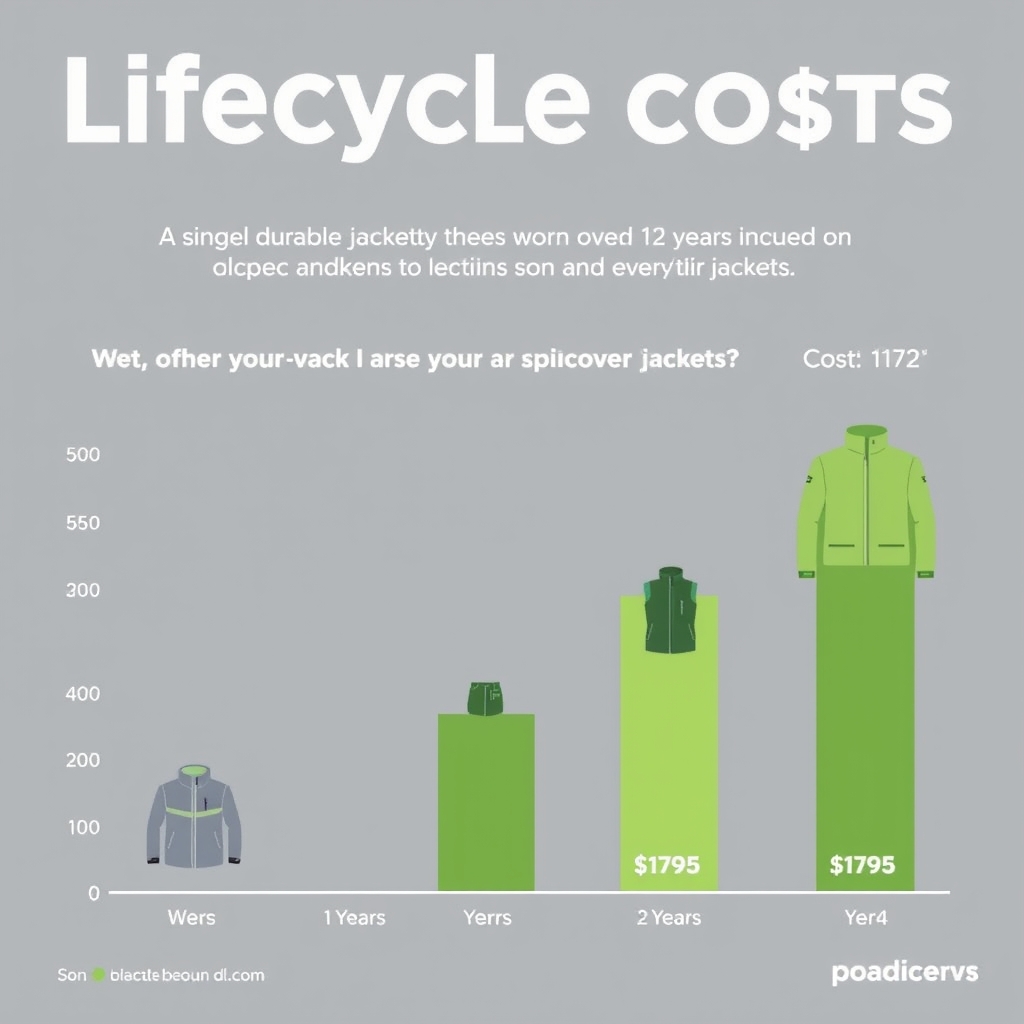
Repair costs and hidden value: The Worn Wear infrastructure adds 3–5 years of functional lifespan to your garments compared to throwaway alternatives, based on observed owner usage patterns. A $200 jacket with a $15 zipper repair is cheaper over 12 years than buying three $90 jackets from fast-fashion competitors. This hidden value isn’t obvious at purchase but becomes concrete if you actually use repair services.
Return and warranty reality: Patagonia offers a 60-day return window with no questions asked. That’s industry-standard. Warranty coverage on defects is 1 year for manufacturing flaws, which is also standard. The real guarantee Patagonia offers is durability: if a fleece pills excessively after one year, owner reports suggest Patagonia replaces it, even without warranty coverage. This is more informal than a written guarantee but reflects the brand’s confidence in their products.
The Environmental Impact Question: Real or Greenwashing?
Patagonia’s environmental claims have teeth, but not universally. Here’s what’s concrete:
What’s verifiable: The 1% for the Planet program is audited and transparent. Material sourcing reports identify suppliers and fiber types. The repair infrastructure is real and functional. Organic cotton, recycled polyester, and responsible wool sourcing reduce resource use compared to conventional alternatives lifecycle assessment literature generally observes meaningfully lower water use for organic cotton and significantly lower emissions for recycled polyester versus virgin polyester. Exact figures vary by methodology; Patagonia’s own reports publish their assumptions.
What’s more ambiguous: Patagonia’s overall carbon footprint remains high because they ship globally and produce in volume. The brand publishes that footprint, which is honest, but “sustainable” clothing is still clothing inherently resource-intensive. If environmental impact is your primary driver, reducing consumption (keeping clothes longer, buying less frequently) matters more than buying premium sustainable brands.
The mission drift risk: Patagonia’s 2022 restructuring was genuine. But the brand has also become a luxury lifestyle marker, which means pricing power increases regardless of environmental performance. Be aware that you’re partly paying for mission alignment and partly for the status of owning Patagonia the two are now entangled.
Timeline: Patagonia’s Major Environmental Initiatives
1985: 1% for the Planet program launches.
1996: Patagonia switches to 100% organic cotton for all apparel (first major brand to do so).
2007: Worn Wear and in-house repair programs expand beyond limited regional service.
2011: Patagonia publishes first full Environmental and Social Responsibility Report, including supply chain transparency.
2015: Brand commits to 100% recycled or responsibly-sourced nylon and polyester by 2025.
2022: Founder Yvon Chouinard transfers ownership structure so profits flow to environmental organizations in perpetuity, formalizing mission over shareholder returns.
2025–present: Patagonia continues expanding Worn Wear service locations and digital repair guides, making access more granular.
FAQ
Is Patagonia actually worth the price? Yes, if you buy the right products (jackets, fleece, base layers) and plan to keep them 8+ years. No, if you want fashion-forward casual wear or you replace clothes every 2–3 years anyway. Patagonia’s value is durability and repairability, not aesthetic novelty.
Is Patagonia’s environmental activism real or marketing? It’s real the 1% for the Planet program is audited, the repair infrastructure exists, and material sourcing is transparent. But “sustainable” clothing is still clothing. The brand’s environmental impact is significantly smaller than not buying a new jacket. Patagonia’s actual advantage is extending the lifespan of the garments you do buy.
Where should I buy Patagonia to get the best value? Direct from Patagonia (patagonia.com) or the Worn Wear resale store for discounted used gear. REI occasionally offers sales; avoid off-price retailers where counterfeit gear sometimes appears. Buying used Patagonia through Worn Wear extends the environmental benefit (fewer new resources) and cuts your cost by 30–50%.
Does Patagonia offer international shipping and repair? Yes, to 30+ countries. Repair service availability varies by region; check the Worn Wear site for your location. US-based repair is fastest and cheapest; international repair can add 2–4 weeks and ship costs.
Can I return Patagonia if it doesn’t fit? 60-day return window, no questions asked. Worn Wear accepts returns of worn gear for resale credit. This is better than most brands’ 30-day policies.
What’s the actual difference between Patagonia and Arc’teryx? Arc’teryx optimizes for technical performance and weight in alpine and climbing contexts. Patagonia optimizes for durability, repairability, and environmental impact across casual and technical categories. Arc’teryx is premium; Patagonia is premium-plus-mission. Pick based on use case: Arc’teryx for serious alpinism, Patagonia for everything else if you care about repair and environmental outcomes.
The Verdict
Patagonia is a brand where the price reflects actual durability, repairability, and environmental commitment not just hype. Their fleece, rain jackets, and base layers will outlast cheaper alternatives by many years if you actually wear and repair them. Their 1% for the Planet program and Worn Wear infrastructure are differentiated advantages that no mainstream competitor matches.
Where to keep them: core jackets, fleece, technical base layers, climbing gear. Where to skip them: casual fashion wear, wetsuits, premium down jackets, jeans. If repair access and long product lifespan matter to you, and you don’t mind the 30–50% price premium, Patagonia is genuinely worth it. If you prioritize aesthetics, fast trend cycles, or lowest price, you’ll feel overcharged.