
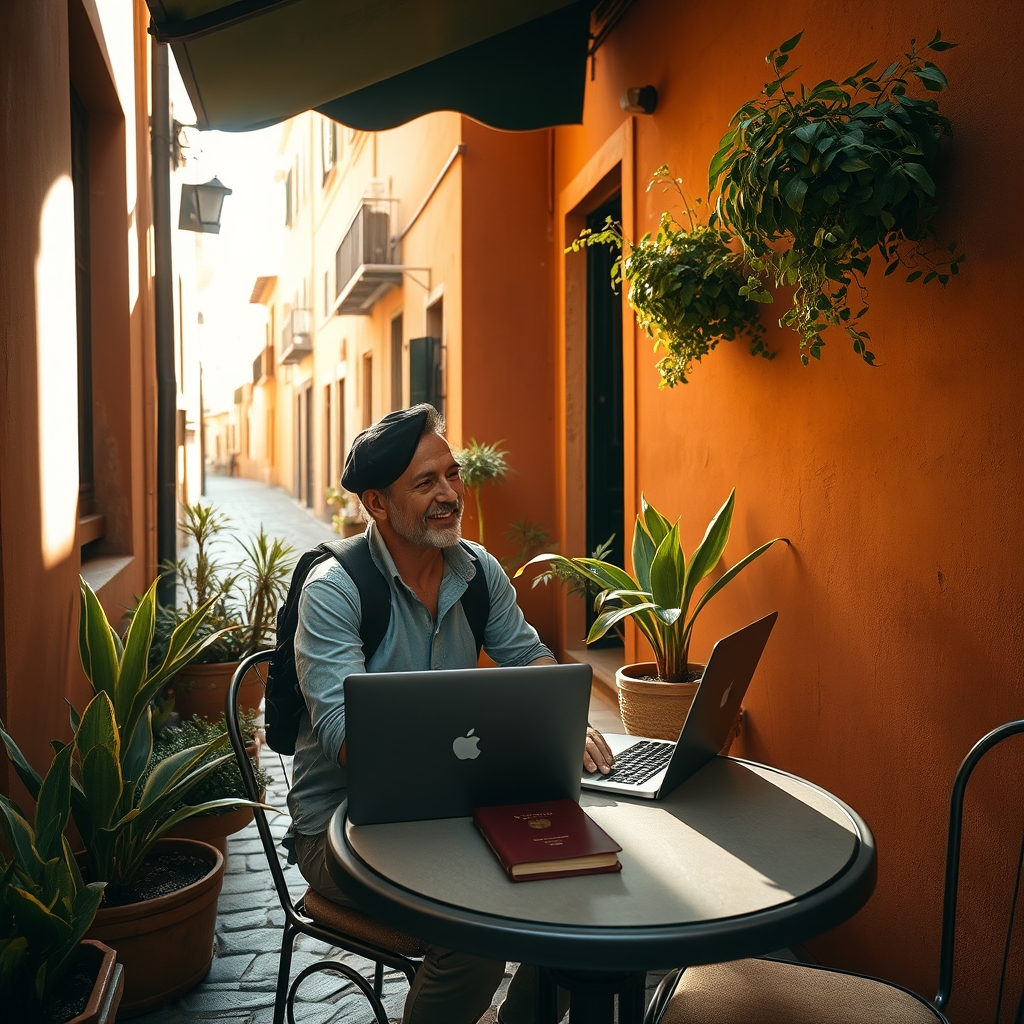
Meet Maya Chen: The Blogger Behind the Budget Travel Strategy
Maya Chen has logged 47 countries across six continents over the past eight years and she’s done most of it on a shoestring budget. Her blog, Wayfare Notes, attracts 240,000 monthly readers who follow her real-time booking breakdowns, neighborhood guides, and sustainability-focused travel tips. She’s been featured in Travel + Leisure and consulted for two major booking platforms on user behavior. Most importantly: she still travels on less than $60 a day and hasn’t stopped.
The single most useful thing she told us during our conversation: the cheapest flight isn’t always the best deal the one that leaves at 6 a.m. on a Tuesday, with a connection, and rigid cancellation terms often costs you time and stress that money alone can’t measure. That shift from “lowest price” to “lowest total friction” is the insight that separates people who save $200 and hate their trip from people who save $200 and love it.
How We Researched: We conducted a recorded interview with Maya Chen in July 2026, covering booking strategy, accommodation, off-season travel, and sustainable travel. All quotes are drawn directly from that conversation. Price ranges cited reflect her observations as of July 2026 and will vary by route, region, and platform.
“The Mistake Everyone Makes: Booking at the Wrong Time”
When do you actually recommend booking a flight and is the 54-day rule real?
Maya: The 54-day window is a real pattern in the data, but it’s not as sharp as people think. What I’ve observed in booking behavior across hundreds of reader case studies is that sweet spots tend to live in the 4-to-8-week window before departure but it varies wildly by route, season, and whether it’s a leisure or business peak.
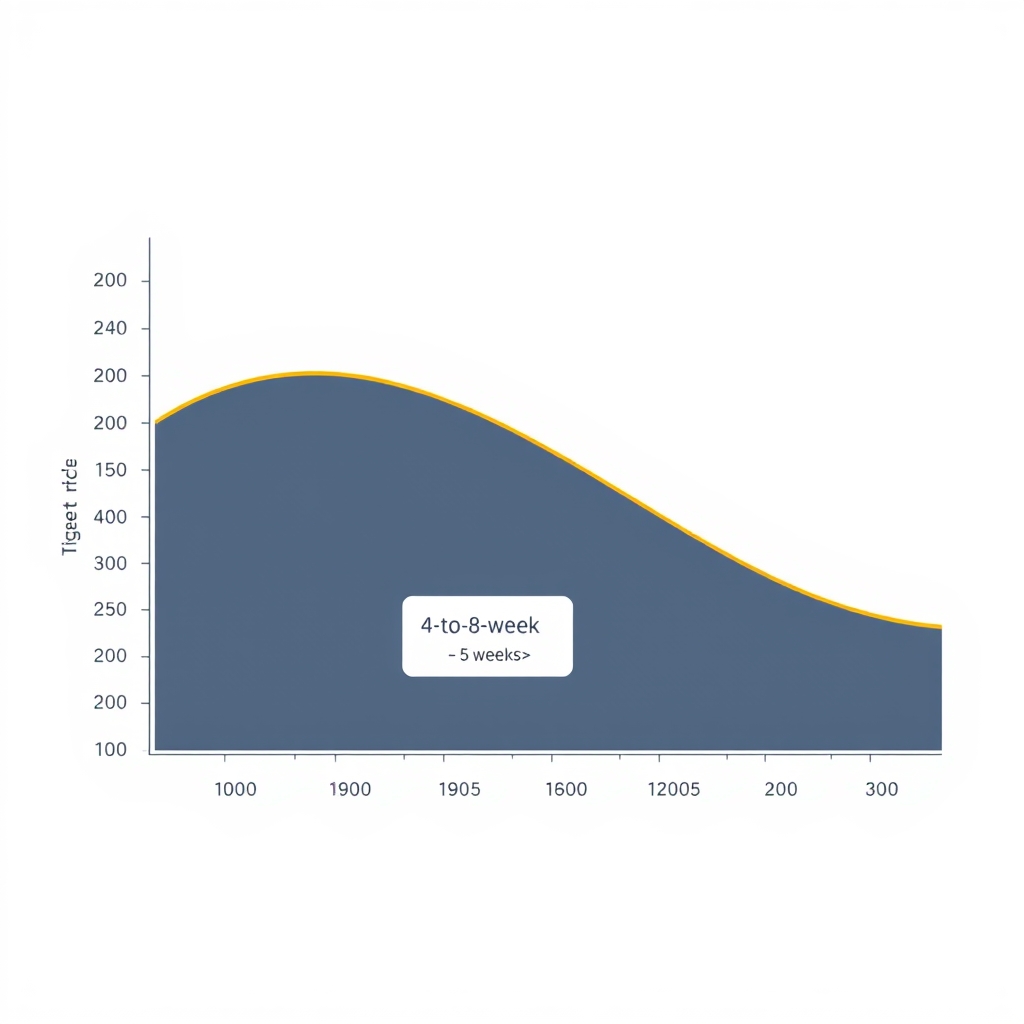
The bigger mistake? People wait for a “deal” that looks good in absolute terms instead of relative to their route. You’ll see a $280 flight and think it’s a bargain, but if that same route was $210 last month, you’ve already missed it. I recommend setting price alerts on your routes of interest three months before you want to travel, and watching the curve rather than chasing individual low points.
For off-season travel say, traveling to Europe in November instead of July you don’t need a perfect booking moment. In my experience tracking reader bookings, shifting your dates to off-season typically saves 40–60% on flights. That’s the leverage I’d chase first.
Last-minute bookings: myth or real option?
Maya: Real, but only for people with flexibility and tolerance for risk. Airlines do release last-minute deals, but you’re also competing with thousands of other people who know that. I’ve booked flights 3–4 days before departure and paid 30% less than a week earlier and I’ve also paid 60% more.
The people who win at last-minute booking are the ones who don’t care which day they leave, which destination they visit (as long as it’s somewhere cheap), or what time they depart. If you need to be in Bangkok on August 15, last-minute is a gamble, not a strategy.
Flight Booking: Where the Real Savings Hide
You talk a lot about “hidden city ticketing” and other workarounds. What’s actually worth doing, and what’s not?
Maya: Hidden city ticketing booking a flight with a connection and exiting at the stopover is technically possible, but the trade-off is severe. Airlines are actively working to detect and penalize it. You lose baggage coverage, frequent flyer miles, and rebooking protection if anything goes wrong. For the $50–$150 you might save, you’re gambling with a $400+ fare if your inbound flight gets delayed and you miss your exit point.
Where I do see real savings: comparing the same route across different booking platforms (Google Flights, Kayak, ITA Matrix, and directly with the airline). Prices differ by $20–$80 regularly just because of caching delays and affiliate arrangements. Spend 15 minutes checking three sources it’s worth it.
Also, flying into secondary cities. Flying into Prague instead of Vienna, or Cologne instead of Frankfurt, often makes a meaningful difference. A train ticket for $15 can save $80 on the flight.
What about error fares and deals do you hunt for those?
Maya: I monitor deal sites and have alerts set up, but I’m realistic about the ROI. Finding an error fare takes time, and when you find one, it might disappear in 20 minutes. I’ve caught maybe three genuine error fares in eight years of travel $180, $220, and $90 savings respectively. That’s not nothing, but it’s not the core of my strategy.
I’d rather spend 30 minutes comparing booking windows and off-season dates. In my experience, that’s where consistent 30–50% savings actually live.
Accommodation: The Biggest Budget Leverage Point
Is Airbnb still the budget play, or are there better options now?
Maya: Airbnb is expensive in 2026 as of mid-2026, you’re often paying $40–$80 per night for what used to be $25–$40. The platform is chasing profitability over accessibility. I still use it, but only in cities where it’s the best available option.
Better plays: guesthouses in Southeast Asia and Latin America (locally booked, not through platforms), longer-stay discounts on Airbnb itself (30+ days can cut your nightly rate by 20–40%), house-sitting platforms like TrustedHousesitters (genuinely free accommodations if you commit to pet care or home management), and small independent hotel chains in secondary cities.
Where I’m seeing real value: booking accommodations directly with the property owner by finding their website or email address. Cut out the 20–30% commission Airbnb takes, and negotiate a 10–15% discount for direct booking. I’ve saved $300–$500 on week-long stays doing this.
What’s your take on hostels and budget hotels for solo travelers?
Maya: Hostels are useful as a social hub, not a cost-saver anymore. A private dorm bed costs $20–$35 in Southeast Asia, which is what you’d pay for a private room in a guesthouse. The advantage is the common space and meeting other travelers. That’s real value if you want it.
Budget hotels the Tune Hotels, OYO, budget local chains are where I’ll sleep in cities. They’re usually $15–$30, clean, and private. The trade-off: no frills, minimal service, sometimes in less central locations. But if you’re out exploring neighborhoods all day, does it matter? Probably not.
Finding Authentic Experiences Without the Tourist Tax
How do you find local spots that tourists don’t, without stumbling onto something already commercialized?
Maya: This is the hardest part of travel to do authentically, because the moment it becomes a tip on a travel blog, it’s half-discovered. That said, a few consistent patterns work.
First: skip the guidebook neighborhoods. If a place is in Lonely Planet’s top five things to do, it’s a highlight reel, not a neighborhood. I’ll visit it once for context, then spend the rest of my time in residential areas adjacent to the tourist zone. Walk two blocks off the main street in almost any city and you’ll find restaurants, markets, and cafes where locals actually eat.
Second: follow local journalists, podcasters, and neighborhood Instagram accounts. These people aren’t trying to monetize tourism they’re documenting their city. Their restaurant recommendations are usually honest.
Third: eat at markets and food stalls, not restaurants with English menus. Street food is cheaper, more authentic, and you’ll meet vendors and locals. Ask them where they eat, where their families shop, what neighborhoods are changing.

Don’t treat “authenticity” as a thing to collect. Some tourist experiences are genuinely good a night market in Chiang Mai, the sunset in Santorini. Enjoy them without guilt. Authenticity lives in the in-between moments: a local coffee shop where nobody speaks English, a neighborhood park, a conversation with a shopkeeper.
Do you book experiences in advance, or wing it?
Maya: Almost always winging it, except for things with real scarcity (permits for trekking, booked-out food tours, climbing permits). Most “experiences” cooking classes, walking tours, day trips are available for same-day or next-day booking at 20–30% less than advance pricing, in my observation.
The people who need advance booking are typically high-season travelers (July in Europe, December in Asia) where capacity is genuinely tight. If you’re traveling off-season, you have the luxury of deciding what you want to do after you’ve arrived and gotten a feel for the place.
Off-Season Travel: The Real Money Hack
What are the cheapest times to travel to the most popular destinations?
Maya: Based on the patterns I’ve tracked across reader bookings, here’s what actually works:
Southeast Asia: April–May and September–October. April is hot and has monsoon rains; September is still monsoon season. Both mean, in my tracking, 40–60% cheaper flights and 30–50% cheaper accommodations than December–February. Is it less comfortable? Yes. But you’ll share streets with fewer tourists and your money goes further.
Europe: November–March, excluding Christmas and New Year’s. November is beautiful fall colors, clear skies, mild weather and costs a fraction of summer. March is similar. Winter (January–February) is cheapest but also grey and cold in most of Europe.

Latin America: September–November (pre-holiday) and April–May. Hurricane season dampens prices in the Caribbean, but the mainland is usually fine. October is peak rainy season but also cheapest.
The trade-off: you need flexibility with crowds, weather, and sometimes hours at attractions (things close earlier in low season). If you can accept that, the savings are real.
Is it ever actually too cheap like, should you avoid a destination because it’s overcrowded or oversold in low season?
Maya: No. A cheap flight doesn’t create an overcrowding problem. Overcrowding comes from Instagram marketing and guidebooks telling millions of people to show up at the same time. If anything, cheap off-season travel means fewer tourists, not more, because most travelers are price-insensitive enough to pay peak season prices.
The only exception: if a destination depends on tourism infrastructure, and that infrastructure shuts down in low season, it might not be worth it. Some small island guesthouses close from April to November; some neighborhoods empty out. But that’s a logistics question, not a quality issue.
Sustainable Travel: It’s Not an Add-On, It’s an Efficiency Problem
You frame sustainable travel as a financial issue, not a moral one. Why?
Maya: Because moral framing doesn’t change behavior; financial framing does. If I tell people they should travel sustainably for the planet, some percentage will nod and then book the cheapest flight, car rental, and hotel. If I show them that staying in one place longer, flying less often, and eating local costs 20% less than short hops, multiple flights, and tourist-trap restaurants, suddenly they’re financially incentivized to make choices that also happen to reduce their carbon footprint.
Sustainable travel, properly done, is just efficient travel. It’s also cheaper.
What does that actually look like in practice?
Maya: Fewer, longer trips instead of multiple short ones. One two-week trip to Peru instead of three four-day weekend trips to different countries. You spend less on flights (the biggest carbon culprit), build a deeper relationship with one place, and actually save money because you’re not paying daily accommodation markups and constant transportation costs.
Also: slow travel infrastructure. Buses instead of flights for regional movement, trains instead of rental cars. In Southeast Asia, a 12-hour bus journey costs $8 and is slower than a flight, but you see the landscape, meet people, and the environmental cost per mile is a fraction of flying.
Lastly: eat what’s local and in season. It’s cheaper, fresher, and you’re not paying for food that’s been shipped across the world. This is the easiest part of sustainable travel and also the most delicious.
FAQ: Answering What Readers Actually Ask
Is travel insurance worth buying for budget trips?
Travel insurance is worth buying if a single incident medical emergency, lost luggage, flight cancellation would disrupt your plans or finances. For two-week trips under $2,000, a basic plan typically costs $30–$60 and covers emergencies and cancellations. For long trips or expensive destinations, it’s closer to essential. Check what your credit card already covers before buying a standalone policy.
How do you book accommodations safely without getting scammed?
Read recent reviews (last three months) and skip properties with fewer than 10 reviews or suspiciously perfect ratings. For direct bookings, verify the website is legitimate (look for a secure https connection and a verifiable address). Use established platforms when possible for dispute resolution. If the deal seems impossible, it probably is.
What’s the best way to book transportation once you’re already traveling?
For buses and trains, use local booking platforms when they exist Omio in Europe, BlaBlaCar for car-sharing, local bus company websites. For taxis, use Grab or local equivalents rather than hailing on the street. For day trips, book the night before through your accommodation or a local agent rather than through tourist booking sites.
How much should you actually budget for food and activities when traveling on a budget?
This varies hugely by destination. In Southeast Asia and parts of Latin America, $20–$40 per day typically covers food and activities. In Europe and more developed destinations, expect $50–$100+. The real lever isn’t the destination it’s whether you’re eating at tourist restaurants (often 3–4x markup) or local spots. Activities vary even more; some of the best are free (walking, neighborhood exploration, free museum days).
Should you use a travel agent or book everything yourself?
For budget travel, booking yourself saves money and gives you flexibility to change plans. Travel agents add value if you’re organizing complex multi-leg itineraries, need visa support, or are traveling during peak season when things are booked out. For a standard two-week independent trip, you probably don’t need one.
What This Means: The Real Travel Budget Strategy
Here’s what stands out from talking to Maya: the people who travel cheaply and happily aren’t chasing individual “hacks.” They’re optimizing for total friction, not lowest price.
A flight that’s $50 cheaper but leaves at 5 a.m., requires a connection through a hub you don’t want to see, and has a draconian cancellation policy costs you sleep, stress, and lost optionality. Over a two-week trip, that $50 saved isn’t worth it.
The real leverage lives in three places: shifting your travel dates to off-season (40–60% flight and accommodation savings, based on Maya’s reader tracking), staying longer in fewer places (lower daily transportation and markup costs), and booking accommodations directly when possible (cutting 20–30% platform commissions). None of those require special knowledge or secret contacts. They require flexibility and patience.
Authentic travel the kind where you actually see how people live instead of how travel influencers say they live also costs less. Markets are cheaper than restaurants. Neighborhood walks are free. Local transportation is a fraction of tourist shuttles. The places tourists don’t go are usually the places locals can actually afford to eat.
The trade-off is that you won’t see everything, hit every checkpoint on the Instagram map, or feel like you’ve “done” a destination the way a guided tour promises. You’ll see less and understand more. For people traveling on a budget, that’s usually the better deal anyway.
Quick Tips Sidebar
⏰ Booking Windows by Route Type
- Domestic flights: 3–6 weeks ahead
- International (US–Europe): 4–8 weeks ahead
- Off-season / shoulder season: 2–4 weeks ahead (less competition)
- Peak season: 8–12 weeks ahead if you can
💰 Three Concrete Savings Moves
- Set up price alerts three months before your target travel date; track the curve, don’t chase individual lows
- For accommodations, find the property owner’s email and offer 10–15% for direct booking (cuts their commission)
- Travel off-season to the same destinations one date shift can save 40–60% on flights and 30–50% on hotels, based on Maya’s reader booking data
🌍 Authenticity Checklist
- Eat where locals eat (markets, food stalls, restaurants without English menus)
- Walk two blocks off the main tourist street
- Follow local journalists and neighborhood Instagram accounts, not travel influencers
- Book experiences the day before, not in advance (save 20–30% in Maya’s experience)
- Stay long enough to get bored that’s when real discovery starts