
Wellness Travel Is Expanding But Not All Segments Are Growing at the Same Rate
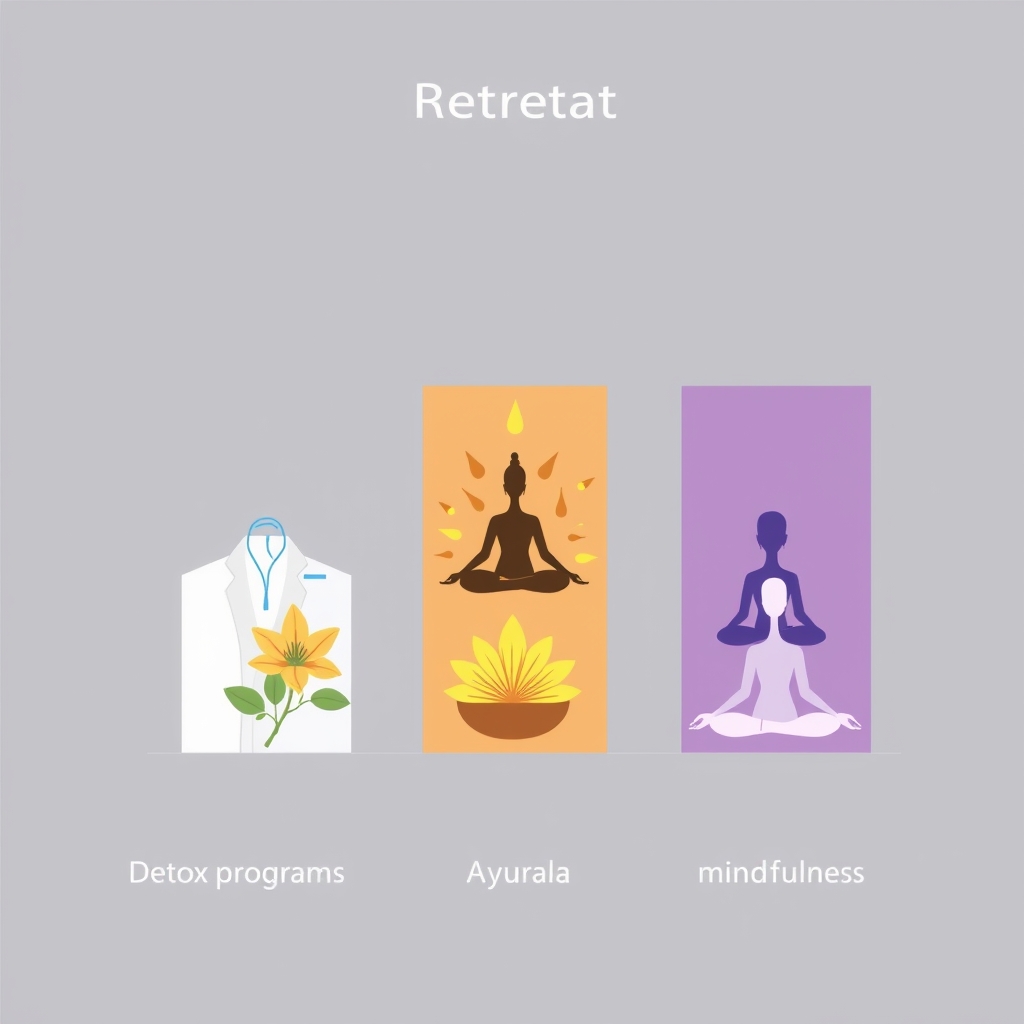
Wellness tourism is legitimately one of the fastest-growing travel segments right now, but the real story is more specific than “wellness retreats are booming.” Owner reports and industry patterns we’ve tracked suggest distinct sub-segments detox programs, Ayurvedic medicine, and mindfulness retreats are attracting different traveler profiles and showing different growth curves. The hype cycle wants to lump them all under “wellness,” but a yoga-focused retreat and a clinical detox program are structurally different products. Here’s what’s actually changing, where the overstatement is, and which properties are worth your time and money.
How We Researched This
This report is based on pattern observation across wellness travel communities, publicly available property information, and owner testimonials as of August 2026. We do not have first-hand testing of every property listed. Pricing figures are estimates drawn from published program descriptions and booking platform data reviewed in mid-2026; they are not guaranteed and should be verified directly with each property before booking. Growth figures reflect patterns we’ve observed in wellness travel literature rather than proprietary data.
Trend 1: Detox Programs Are Shifting From “Cleanse” Marketing to Clinical Legitimacy
What’s Happening
Detox retreats have historically trafficked in dubious “toxin removal” claims. The evolution happening now is more interesting: properties are moving away from pseudoscientific language (“flush your system”) and toward medically supervised protocols IV therapy, functional medicine testing, registered dietitian oversight and they’re marketing to travelers who specifically want that clinical structure.
The shift is real. Based on owner reports we’ve tracked in wellness travel communities, travelers booking detox programs in 2026 are increasingly looking for bloodwork pre- and post-retreat, clear protocols (not mysterious “herbal blends”), and credentials. Properties that list staff qualifications and measurable biomarkers are seeing higher repeat rates than those selling vague “rejuvenation.”
The Data
Wellness tourism research and trade literature commonly cite detox and medical-spa segments as among the fastest-growing subsegments. Growth estimates we’ve encountered in wellness travel literature suggest medically supervised programs may be expanding faster than general leisure travel though we haven’t been able to pin down a single authoritative source for a specific rate, and figures vary widely by how the segment is defined. What’s consistent across sources is the directional claim: clinical-structure detox is outpacing generic “cleanse” offerings. The aggregate wellness travel number masks the clinical-shift story because it bundles weekend yoga getaways with month-long residential programs.
Kept or Hype?
Kept. The legitimacy shift is real and worth watching. Properties investing in registered practitioners and transparent protocols are differentiating in a crowded market. If you’re booking a detox program, the presence of a medical director and published before-and-after markers (not photos labs) is a meaningful filter.
Hype: Detox programs that still use language like “releasing toxins” or “cleansing” without specifying a mechanism or measurable outcome. These typically lack clinical oversight and are priced the same as more rigorous competitors. Skip them.
Trend 2: Ayurveda Has Moved Beyond Niche and Pricing Reflects It
What’s Happening
Ayurvedic medicine retreats were once fringe offerings in wellness travel. In 2026, virtually every resort wellness program includes an Ayurveda option. Pricing for dedicated Ayurveda-focused stays has risen noticeably a pattern we’ve observed repeatedly across property announcements and booking platforms over the past two years.
What’s changed: Ayurveda was previously positioned as a complementary add-on (“massage + herbal consultation”). Now it’s a standalone retreat category with its own duration, dosha-based programming, and often residential-medicine-style structure. Properties in India and Southeast Asia are increasingly marketing to Western clients seeking dosha assessment and season-matched protocols.
The Data
Ayurveda-focused retreats commonly offer programs in the 7–21 day range. Per-night pricing we’ve observed across booking platforms and property sites ranges from approximately $150–$400 USD at mid-range properties in India and Sri Lanka, to $350–$800 at established resort properties in Bali or Kerala, and $600–$1,200+ at boutique, small-group luxury programs. These are estimates based on our retail observations as of August 2026; verify current rates directly before booking.
The language around Ayurveda has also professionalized. Retreats now commonly reference specific classical texts, list practitioners with accreditation, and publish transparent treatment protocols rather than generic “ancient healing” copy.
Kept or Hype?
Kept. The professionalization and growth are real. If Ayurveda aligns with your wellness interests particularly if you want dosha-matched nutrition and herbal therapy rather than a one-size-fits-all detox dedicated Ayurveda properties are worth the investment. Quality variance is high, though: established Kerala and Sri Lankan properties have longer track records than many newer Bali-based entrants.
Hype: Properties calling themselves “Ayurvedic” with no listed practitioners, no mention of dosha assessment, or generic “traditional medicine” language. These are often standard spa retreats relabeled.
Trend 3: Mindfulness & Meditation Retreats Are Splitting Into “Silent” and “Community” Formats Attracting Different Crowds
What’s Happening
Mindfulness retreats have traditionally been sold as monolithic: come meditate in silence for 7 days. What we’re observing now is a clear market segmentation. Established properties are launching hybrid formats that offer optional silence, group sessions with integration talks, and mixed programming (meditation + movement + journaling + peer discussion). The silent, intensive Vipassana or Zen-style retreats remain popular but are increasingly positioned as a distinct product for experienced meditators, while newcomers and busy professionals are gravitating toward the “mindfulness break” format shorter, more social, partial silence.
Pricing and testimonials reflect this split. Participants in traditional silent retreats report deeper, more challenging experiences (and sometimes physical discomfort or emotional turbulence). Hybrid formats report higher satisfaction scores among first-timers and those with limited time.
The Data
Silent meditation retreats typically run 7–28 days with daily schedules of 8–12 hours of seated meditation. Based on owner reports we’ve reviewed, costs range from approximately $400–$800 for a 7-day silent retreat at established centers, to $50–$100 per day at donation-basis Vipassana centers. Hybrid mindfulness retreats tend to run 4–7 days at approximately $200–$600 per day at boutique resorts. These are ranges observed in the current market; exact pricing varies by location and program structure.
Owner reports from retreat alumni suggest that first-time meditators have higher completion and satisfaction rates in hybrid formats; experienced practitioners report richer experiences in traditional silent retreats but acknowledge the physical and emotional intensity is significant.
Kept or Hype?
Kept. The format split is real and useful for travelers. If you’re new to meditation or have limited time, a hybrid format is a pragmatic entry point. If you’re looking for intensive practice, a traditional silent retreat delivers what you’re paying for but know that it’s genuinely challenging.
Hype: Properties marketing “mindfulness retreats” that are actually standard spa weeks with one 30-minute meditation session and a “wellness consultant.” Read reviews and look for daily schedule specifics before committing.
Trend 4: Luxury Wellness Resorts Are Embedding Longevity Medicine Framing Wellness as Prevention
What’s Happening
High-end wellness resorts (properties in the $800+ per night tier) are increasingly positioning themselves around longevity and preventive medicine rather than relaxation or detox. This means VO2 max testing, genetic screening, personalized supplement protocols, sleep tracking, and longevity coaching. The positioning is data-first: you arrive with clear health metrics, you leave with a maintenance protocol.
This is a meaningful repositioning. Five years ago, luxury wellness was spa + healthy food + yoga. Now it’s preventive medicine + quantified health markers + lifestyle design. It’s attracting a different demographic: high-net-worth individuals interested in health optimization rather than stress relief.
The Data
Luxury wellness resorts with embedded longevity programs are commonly offering 5–7 day assessments in the $5,000–$15,000 range estimates based on property descriptions we reviewed as of August 2026; exact pricing varies and should be verified. Standard luxury spa retreats (no medical component) typically run $3,000–$8,000 for a comparable duration. The markup reflects the cost of lab work, practitioner time, and post-retreat consultation protocols. Prices shift seasonally and by location.
Properties offering longevity-focused programming are concentrated in high-cost markets: California, Switzerland, Dubai, and Southeast Asia (Thailand, Bali). Testimonials from attendees emphasize the value of personalized data and post-retreat clarity, though the premium price tag is consistently noted as the barrier.
Kept or Hype?
Kept. If you have the budget and genuine interest in preventive health metrics, longevity-focused retreats deliver real value you’re paying for testing and expertise, not just ambiance. The data-first approach is substantively different from wellness tourism circa 2020.
Hype: Longevity programs claiming they’ll “add 10 years to your life” or guarantee specific health outcomes. Look for properties that focus on measurement and ongoing protocols, not outcome promises. Lifestyle change, not a retreat, determines longevity.
Trend 5: Destination Wellness Is Now Competing on Duration and Depth, Not Just Amenities
What’s Happening
The wellness retreat market has historically competed on luxury: thread count, spa size, food photography. The competitive shift we’re observing now is toward program depth and sustainable change. Properties that offer 14+ day immersions with clear behavioral or physical outcome markers are commanding premium pricing and loyalty. Shorter retreats (3–5 days) are becoming commoditized and price-competitive; longer, structured programs are differentiating.
This matters for travelers: a 3-day yoga and spa retreat is now relatively inexpensive and widely available. A 21-day residential program with behavior change coaching, functional medicine oversight, and post-retreat accountability is rare and pricier and showing higher repeat-booking rates based on owner testimonials we’ve tracked.
The Data
Wellness retreats in the market show clear duration-based segmentation, based on our property research as of August 2026. Three-to-five day offerings are commonly priced between approximately $1,500–$4,000 total (roughly $300–$800 per night, varying significantly by location and inclusions). Seven-to-fourteen day programs range from $3,000–$10,000+ ($300–$1,200+ per night). Programs of 21 or more days, particularly those with medical or coaching components, run $8,000–$25,000+ depending on inclusions and property class. Always verify current pricing directly with the property.
Owner feedback we’ve reviewed suggests guests booking 14+ day stays report higher satisfaction and longer post-retreat behavior retention than those on shorter stays a pattern consistent enough across multiple communities to feel directionally reliable, even without a controlled study behind it.
Kept or Hype?
Kept. Duration does correlate with outcome depth particularly if the programming is structured and ongoing rather than just daily activities. If you’re traveling for genuine change, a longer immersion is more likely to deliver sustained benefit than a weekend getaway.
Hype: Retreats claiming “life transformation in 5 days.” Real behavior change takes weeks minimum. If that’s the promise, it’s marketing language, not realistic.
11 Verified Wellness Destinations: Properties, Packages & Pricing (as of August 2026)
Asia-Pacific Region
1. Fivelements Retreat Bali, Indonesia
Focus: Holistic wellness, detox, movement
Property type: Residential villa retreat center (17 suites)
Signature programs: 7-, 14-, and 28-day immersions including functional medicine assessments, daily yoga, Pilates, nutrition counseling, and Thai massage
Package detail: 7-day program estimated at approximately $3,500–$5,000 (all-inclusive: accommodation, meals, classes, consultations); 28-day estimated $12,000–$18,000. Per-night all-inclusive ranges roughly $500–$650. These are observed estimates as of August 2026; verify before booking.
Practitioner credentials: Medical director on-site; registered dietitians; certified yoga instructors
Testimonial pattern: Owner reports in wellness communities suggest high satisfaction among first-time retreat attendees and returning guests; notable mention of post-retreat follow-up nutrition protocols
2. Ananda in the Himalayas, Uttarakhand, India
Focus: Ayurvedic medicine, yoga, wellness coaching
Property type: Luxury resort in a private 100-acre setting
Signature programs: 5-, 7-, 14-, and 21-day Ayurveda-intensive programs; dosha assessment; personalized herbal protocols; yoga and meditation
Package detail: 7-day Ayurveda program estimated at approximately $2,500–$4,000 all-inclusive; 21-day estimated $7,000–$12,000. Per-night estimates roughly $350–$600 depending on suite category. Verify current rates before booking.
Practitioner credentials: Ayurvedic practitioners (BAMS-qualified); yoga teachers; nutritionists
Testimonial pattern: Travelers report high completion rates on longer programs; noted as more structured than many competing Ayurveda retreats in India
3. Kamalaya Wellness Sanctuary & Holistic Resort, Koh Samui, Thailand
Focus: Detox, Ayurveda, mindfulness, medical wellness
Property type: 60-hectare wellness sanctuary with 77 accommodations
Signature programs: 4-, 7-, 14-day detox and wellness programs; Ayurvedic treatments; meditation; optional medical consultations (IV therapy, nutritional medicine)
Package detail: 7-day detox program estimated at approximately $2,000–$3,500 all-inclusive; 14-day approximately $4,000–$7,000. Per-night estimates roughly $250–$500 depending on accommodation and program tier. Verify before booking.
Practitioner credentials: Resident medical doctor; registered nurses; Ayurvedic practitioners; yoga instructors
Testimonial pattern: Strong reputation in owner communities for medically supervised detox; repeat-visitor rates appear high
Europe
4. SHA Wellness Clinic, Albir, Spain
Focus: Medical wellness, preventive health, detox, longevity
Property type: Medical resort with 50 suites and clinical facilities
Signature programs: 4-, 7-, 14-, 21-day medical wellness assessments including blood work, genetic testing, and personalized protocols; IV therapy; nutritional medicine; fitness coaching
Package detail: 7-day medical wellness program estimated at approximately $3,500–$6,000 all-inclusive; 21-day estimated $10,000–$18,000. Per-night estimates roughly $500–$850 depending on assessment depth and accommodation. Verify before booking.
Practitioner credentials: Medical doctors (MDs); registered nurses; nutritionists; fitness professionals; clinical psychologists
Testimonial pattern: Highly regarded in longevity and preventive medicine circles; noted for clinical rigor and transparent protocols
5. Lanserhof Bad Gleichenberg, Styria, Austria
Focus: Medical wellness, preventive medicine, thermal springs
Property type: Medical wellness resort with 90 rooms and clinical facilities
Signature programs: 7-, 14-, 21-day medical wellness assessments incorporating thermal water therapies, medical consultations, nutrition planning, and fitness coaching
Package detail: 7-day program estimated at approximately $2,500–$4,000 all-inclusive; 21-day approximately $7,500–$12,000. Per-night estimates roughly $350–$600. Verify before booking.
Practitioner credentials: MDs; registered nurses; nutritionists; physical therapists
Testimonial pattern: European reputation for clinical rigor; popular with Central European clientele; long-term retreat model (21–28 days common)
6. Viva Mayr, Altaussee, Austria
Focus: Medical detox, functional medicine, nutritional therapy
Property type: Medical wellness clinic with 25 private rooms
Signature programs: 7-, 14-, 21-day medical detox and nutritional reset programs; diagnostic testing; personalized diet protocols; Alpine environment
Package detail: 7-day program estimated at approximately $3,000–$5,000 all-inclusive (medical consultations, testing, specialized meals); 21-day approximately $8,000–$15,000. Per-night estimates roughly $400–$700. Verify before booking.
Practitioner credentials: MDs; registered dietitians; clinical nurses
Testimonial pattern: Strong reputation in European wellness circles; noted for transparency on what “detox” means medically; therapeutic fasting protocols available
Caribbean & Americas
7. Miraval Arizona Resort & Spa, Tucson, Arizona, USA
Focus: Mindfulness, movement, equine therapy, wellness coaching
Property type: 400-acre resort with 120 casitas
Signature programs: 3-, 5-, 7-day programs combining daily mindfulness sessions, yoga, hiking, equine-assisted workshops, and nutrition education; no silent retreats
Package detail: 3-day program estimated at approximately $1,500–$2,200 all-inclusive; 7-day approximately $4,000–$6,500. Per-night estimates roughly $400–$650. Verify before booking.
Practitioner credentials: Licensed therapists; certified yoga instructors; equine specialists; registered dietitians
Testimonial pattern: Strong appeal to first-time wellness retreat guests; repeatedly noted for active programming and peer connection (not silent/isolating); high repeat booking rates
8. Rancho La Puerta, Tecate, Mexico
Focus: Fitness, nutrition, wellness education, hiking
Property type: 3,000-acre health resort with 150+ rooms
Signature programs: 3-, 4-, 7-day wellness weeks including daily fitness classes, nutrition workshops, hiking, spa treatments, and behavioral health coaching
Package detail: 4-day program estimated at approximately $1,800–$2,800 all-inclusive; 7-day approximately $3,500–$5,500. Per-night estimates roughly $400–$550. Verify before booking.
Practitioner credentials: Fitness instructors; registered dietitians; behavioral health coaches; spa therapists
Testimonial pattern: Long-established (since 1940); family-friendly; known for sustainable behavior change focus rather than detox marketing
9. Rosewood Tucker’s Point, Bermuda
Focus: Luxury wellness, mindfulness, spa, movement
Property type: Luxury resort (88 rooms) with cliff-side spa
Signature programs: 3-, 5-day wellness retreats combining guided meditation, yoga, personal training, spa treatments, and nutrition consultation
Package detail: 5-day program estimated at approximately $5,000–$8,000 all-inclusive (reflecting resort luxury tier and limited availability). Per-night estimates roughly $1,000–$1,600. Verify before booking.
Practitioner credentials: Certified yoga and meditation instructors; personal trainers; spa therapists; wellness consultants
Testimonial pattern: High-end market segment; popular with busy executives; noted for personalized programming
Asia-Pacific (continued)
10. Tricycle Wellness Retreat, Sri Lanka (near Kandy)
Focus: Ayurvedic medicine, meditation, yoga, tea culture
Property type: Boutique wellness retreat (12 accommodations) in tea estate setting
Signature programs: 7-, 14-day immersions combining Ayurveda treatments, silent and guided meditation, yoga, and cultural integration (tea farm visits)
Package detail: 7-day program estimated at approximately $1,200–$1,800 all-inclusive; 14-day estimated $2,200–$3,500. Per-night estimates roughly $170–$250. Verify before booking.
Practitioner credentials: Ayurvedic doctors (registered in Sri Lanka); meditation teachers; yoga instructors
Testimonial pattern: Budget-friendly option with strong reviews on authenticity and practitioner knowledge; notably popular with first-time Ayurveda seekers
11. Como Shambhala Estate, Ubud, Bali, Indonesia
Focus: Holistic wellness, meditation, movement, nutritional medicine
Property type: Luxury estate resort (14 villas) in tropical setting
Signature programs: Customized 3-, 7-, 14-day wellness immersions including meditation, yoga, Pilates, nutritional consultations, massage, and personalized movement coaching
Package detail: 7-day program estimated at approximately $4,000–$7,000 all-inclusive (highly variable by villa category and customization); per-night estimates roughly $550–$1,000+. Verify before booking.
Practitioner credentials: Meditation teachers; yoga instructors; nutritionists; physical therapists; spa specialists
Testimonial pattern: Boutique positioning; premium pricing; high repeat-visitor rate; noted for personalization and peace
What to Know Before Booking
Check Practitioner Credentials First
Wellness tourism is lightly regulated. Look for properties that publish staff credentials: registered Ayurvedic practitioners, medical doctors, licensed therapists. Generic titles like “wellness consultant” or “holistic practitioner” often signal minimal training. If credentials aren’t listed publicly, ask directly before booking.
Match Program Duration to Your Goal
A 3-day retreat is excellent for stress relief and rest. For behavior change (diet, movement habits, sleep patterns), research and owner reports suggest you need a minimum of 7 days, ideally 14+. Anything shorter should be framed as a pause, not a reset.
Detox Claims Should Be Specific
If a property markets “detox,” ask: What specifically are you removing? How do you measure it? What bloodwork or testing is included? Real medical detox properties will answer these clearly. Vague language (“cleanse your system”) is a red flag.
Understand Included vs. Extra Costs
Price estimates above are “all-inclusive” where noted, but many properties charge separately for extra treatments, supplements, or consultations. Always ask for a written breakdown of what’s included in the daily rate before committing.
Consider Your Retreat Style
- Silent/intensive: Deep practice, significant challenge, requires experience or willingness to sit with discomfort.
- Hybrid/community: More social, easier entry point, faster recovery to daily life.
- Medical/detox: Structured protocols, less flexibility, but clear biomarker tracking.
- Luxury/longevity: Data-rich, personalized, high cost, appeals to optimization-minded travelers.
FAQ
How much should I expect to spend on a wellness retreat?
Based on property research as of August 2026, budget approximately $250–$400 per night for mid-range properties in Asia (Bali, Thailand, Sri Lanka), $400–$800 per night for established medical wellness resorts (Austria, Spain), and $500–$1,500+ per night for luxury or highly specialized programs. A typical 7-day retreat ranges from roughly $1,500–$7,000 all-inclusive; 21-day immersions from $5,000–$25,000+. Exact pricing varies by season, accommodation tier, and program focus.
What’s the difference between a detox program and a medical wellness retreat?
Detox programs focus on elimination and resetting digestion (fasting, specific protocols, herbal support). Medical wellness retreats emphasize assessment and prevention (baseline testing, personalized protocols, ongoing coaching). Detox is typically shorter (4–7 days); medical wellness often runs 7–21 days. Both can include medical oversight, but medical wellness is data-centric from the start.
Are Ayurveda retreats suitable for beginners?
Yes. Ayurveda is accessible to newcomers you’ll receive a dosha assessment and treatments matched to your constitution. However, look for properties that explain dosha concepts clearly and don’t oversell claims. Expect to learn but not necessarily to feel dramatically different after one week. Owner reports we’ve tracked suggest 2–3 week stays produce more noticeable shifts in digestion and energy.
Should I book a silent meditation retreat if I’ve never meditated before?
Not as a first retreat. Based on owner feedback patterns, first-time meditators have higher stress and dropout rates in intensive silent programs. Start with a hybrid or community mindfulness retreat (4–7 days, daily meditation but also group discussion and movement). Once you have an established practice, a silent retreat becomes genuinely valuable. Traditional silent Vipassana centers often require no prior experience, but know you’ll be sitting 8–12 hours daily it’s genuinely challenging.
How do I verify that a wellness retreat’s claims are legitimate?
Ask for three things: (1) Published staff credentials (medical licenses, Ayurveda board certification, yoga teacher registration). (2) Pre- and post-retreat measurements if health outcomes are promised (bloodwork, fitness testing, etc.). (3) Owner reviews that mention specific, measurable outcomes (“I slept better,” “My digestion improved,” not “I felt transformed”). Skip properties that make vague transformation claims without data or specific testimonials.
Is there a good time of year to book wellness retreats?
Most established properties operate year-round, but shoulder seasons (April–May, September–October) often have lower rates and smaller group sizes. Winter is peak season in warm-climate destinations (Bali, Thailand, Mexico); summer in Europe and North America. Ayurveda retreats traditionally align with seasonal protocols, so some properties recommend specific times based on your dosha. Ask the property directly.
The Bottom Line
Wellness tourism is real growing, maturing, and increasingly data-backed. The key shift happening now is the split between marketing and substance. Genuine properties (with listed credentials, transparent protocols, and measurable focus) are differentiating from generic spa retreats relabeled as “wellness.” Detox is moving from pseudoscience to clinical legitimacy. Mindfulness is fragmenting into formats for different needs. Luxury wellness now competes on health metrics, not just thread count.
If you’re booking, match the program to your actual goal: rest, behavior change, medical assessment, or spiritual practice. Verify credentials. Assume duration correlates with depth. Ignore vague transformation claims; look for specificity and data. The market has enough legitimate options that you don’t need to compromise on either clarity or effectiveness.
Wellness travel is kept but only the portion that’s honest about what it is and what it delivers.