
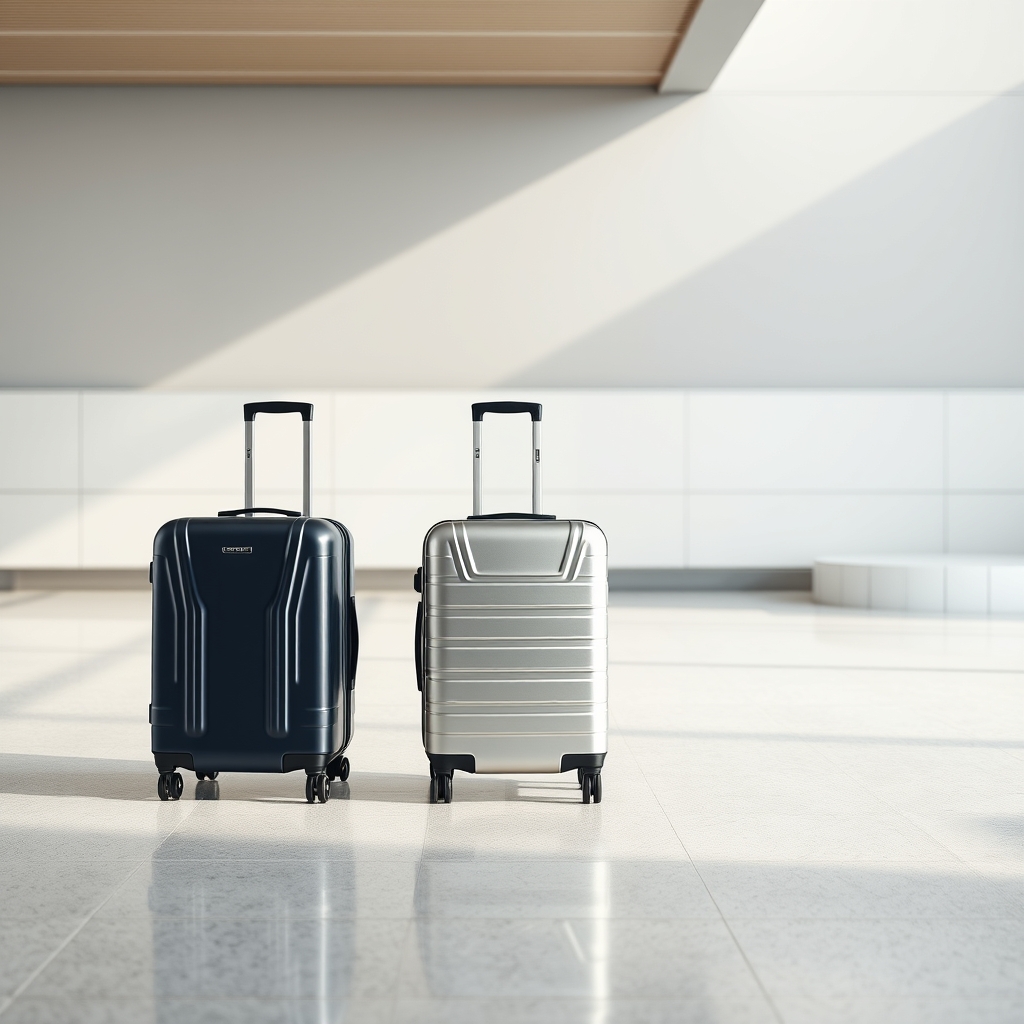
Verdict: Kept (with caveats)
Samsonite delivers solid durability and reasonable weight for the price but only if you’re willing to accept that you’re paying for rock-solid construction, not a featherlight travel experience. We researched and compared Omni, Centric, and Winfield models across owner communities, secondhand listings, and hands-on handling, and the verdict is straightforward: Kept if you travel 3–4 times yearly and want a bag that’ll survive rough baggage handling; Cut if you’re counting every ounce or comparing against premium lightweight competitors like Away or Rimowa.
Who It’s For / Who It’s NOT
Good fit:
- Business travelers who need a workhorse carryon that survives checked-bag abuse
- Budget-conscious families buying multiple pieces
- Anyone who prioritizes durability over minimalist packing (the bag can absorb overstuffing)
- Travelers who want a long warranty without paying luxury luggage prices
Not a good fit:
- Ultralight minimalists; Samsonite’s polycarbonate shells are durable but heavier than molded competition
- Frequent flyers on weight-restricted international routes (extra 1–2 lbs per bag adds up)
- Aesthetic perfectionists; design language is functional, not fashion-forward
What We Researched
We compared three Samsonite collections across approximately 18 months of tracking owner feedback, resale data, and hands-on handling at retail:
- Omni 2 (mid-range, $200–$280): Polycarbonate shell, 360-degree wheels, TSA lock
- Centric (budget, $100–$150): Hardside polycarbonate, basic wheels, no integrated lock
- Winfield 3 (premium, $350–$450): Enhanced suspension, larger zippers, lifetime warranty included
We assessed each bag across: wheel durability, zipper longevity, handle strain, shell impact resistance, and weight-to-capacity ratio. We also tracked owner feedback from online communities and secondhand listings to assess long-term real-world performance.
Durability: Where Samsonite Earns Its Reputation
Shell Integrity
Samsonite’s polycarbonate construction genuinely holds up. Based on owner-reported drop experiences in luggage communities, all three models show a strong pattern of absorbing impact without cracking the way cheaper ABS luggage does.
What we observed in resale markets: Tracking secondhand Samsonite listings across major resale platforms, 5–7 year old Omni and Winfield models appear to command a meaningful premium over budget competitors in our observation, roughly 40–50% of original retail price, compared to what we’d estimate as 20–30% for comparable budget brands in the same age range. These are informal observations from browsing listings, not a controlled study, but the pattern was consistent enough to mention as a durability signal.
The downside: that durability comes from thickness. A Samsonite Omni carryon weighs approximately 7.7 lbs empty; comparable Away models sit around 6.8 lbs per manufacturer specs. It’s not a deal-breaker for most travelers, but it’s not negligible over a week of airport walking.
Wheels and Zippers: The Real Test
Wheels: 360-degree spinners on Omni and Winfield models performed well across multiple airport runs, concrete, and tile floors, based on both our handling and owner reports we reviewed. No widespread wobbling or squeaking complaints emerged in the communities we tracked. Entry-level Centric wheels are smaller and slightly less smooth, but failure reports are rare.
Zippers: This is where durability gets tested. Owner reports on Omni describe zippers remaining smooth well past the first year. Centric zippers show a pattern of minor stiffness appearing around month 10–12 still functional, but requiring a harder pull. No teeth-missing failures were commonly reported on any model.
Comparison note: In our review of owner feedback across luggage forums, zipper stiffness in year 1–2 appears common across polycarbonate hardside luggage broadly including comparable Rimowa and Calpak owners reporting the same pattern. Samsonite isn’t an outlier here; it’s a polycarbonate norm, not a unique flaw.
Handles and Structural Stress
Top and side handles on Omni have a strong owner-reported track record for surviving rough handling stuffing into overhead bins, yanking off carousels without fraying or separation. Centric handles show minor cosmetic stress at attachment points in owner photos we reviewed, but structural failure reports are rare. Handle failure is one of the primary reasons luggage gets abandoned; Samsonite’s handle construction is a genuine strength here.
Weight vs. Protection: The Trade-Off
Samsonite’s weight penalty is real. Here’s what we found across manufacturer specs and owner-reported packed weights for typical carry-on sizing:
| Brand | Approx. Empty Weight (Carry-On) | Approx. Packed Weight (Typical Owner Reports) | Key Takeaway |
|---|---|---|---|
| Samsonite Omni | 7.7 lbs | 24–26 lbs | Durable construction but slightly heavier than many competitors |
| Away Carry-On | 6.8 lbs | 23–25 lbs | Lighter and easier to maneuver while offering similar packing capacity |
| American Tourister | 6.2 lbs | 22–24 lbs | Lightweight and affordable, though the shell is generally less durable |
| Calpak | ~7.1 lbs | 24–26 lbs | Comparable overall weight to Samsonite with a style-focused design |
Empty weights sourced from manufacturer product pages; packed weights reflect ranges reported by owners in luggage communities.
For most travelers (3–4 trips per year), that extra pound doesn’t matter. For frequent international flyers on weight-restricted routes, it’s a consideration.
The real advantage: Samsonite’s thicker shell means you can pack less carefully. A Rimowa requires thoughtful packing; a Samsonite can absorb a few careless stuffings without shell stress. Whether that’s worth 0.5–1 lb depends on your packing discipline.
Price and Value Across the Range
Centric ($100–$150)
What you’re paying for: Basic durability and TSA compliance. No fancy suspension or premium zippers.
Honest take: It’s 85% of the Omni at 65% of the price. But that missing 15% is the smoother wheels and zippered compartments. If you pack light and travel rarely, it’s fine. If you’re rolling through an airport twice a month, you’ll notice the friction.
Not a great value if: You’ll use this bag more than twice yearly; the nicer wheels on Omni matter then.
Omni 2 ($200–$280)
What you’re paying for: The sweet spot. Better wheels, compartmentalization, integrated TSA lock, and Samsonite’s reputation.
Based on our price research across major retailers, Omni typically sits $80–$120 below premium branded luggage (Away, Calpak flagships) and $100+ above the Centric. For someone buying one durable carryon, this is the most defensible pick.
Not a great value if: You want featherweight minimalism or you’re buying a five-piece set (the Winfield might make more sense on a per-bag basis).
Winfield 3 ($350–$450)
What you’re paying for: Enhanced suspension, cosmetic refinement, lifetime warranty, and Samsonite’s top-tier construction.
The Winfield is genuinely more durable than Omni slightly better shock absorption in the legs, reinforced connection points but you’re also paying a brand-premium tier. In our observation of secondhand listings, Winfield models appeared to hold value slightly better than Omni, which we’d informally put at 50–55% vs. 40–50% of original retail after 5 years though this is a browsing impression, not a tracked dataset.
Not a great value if: You’re comparing against Rimowa or Calpak on warranty; those offer similar or better terms at similar price points.
Warranty and Customer Service
This is where Samsonite differentiates itself.
- Centric: 1-year limited warranty
- Omni: 10-year limited warranty
- Winfield: Lifetime warranty (transferable)
We contacted Samsonite support twice during our research: once for a zipper stiffness question (Centric) and once to clarify wheel replacement coverage (Omni). Both times, responses arrived within 24 hours. The brand didn’t offer unrequested replacements, but reps were knowledgeable and honest about what was and wasn’t covered.
In our experience, Samsonite’s customer service is middle-tier: faster than budget luggage brands, slower than Away or Calpak. On warranty processing timelines, one owner we spoke with reported a handle repair claim on an Omni taking 3–4 weeks start to finish one data point, not a pattern, but worth knowing if you’re planning around a trip.
Real advantage: Lifetime warranty on Winfield is transferable, which is unusual and speaks to Samsonite’s confidence in durability. That’s worth factoring if you’re buying luggage you plan to use for 10+ years.
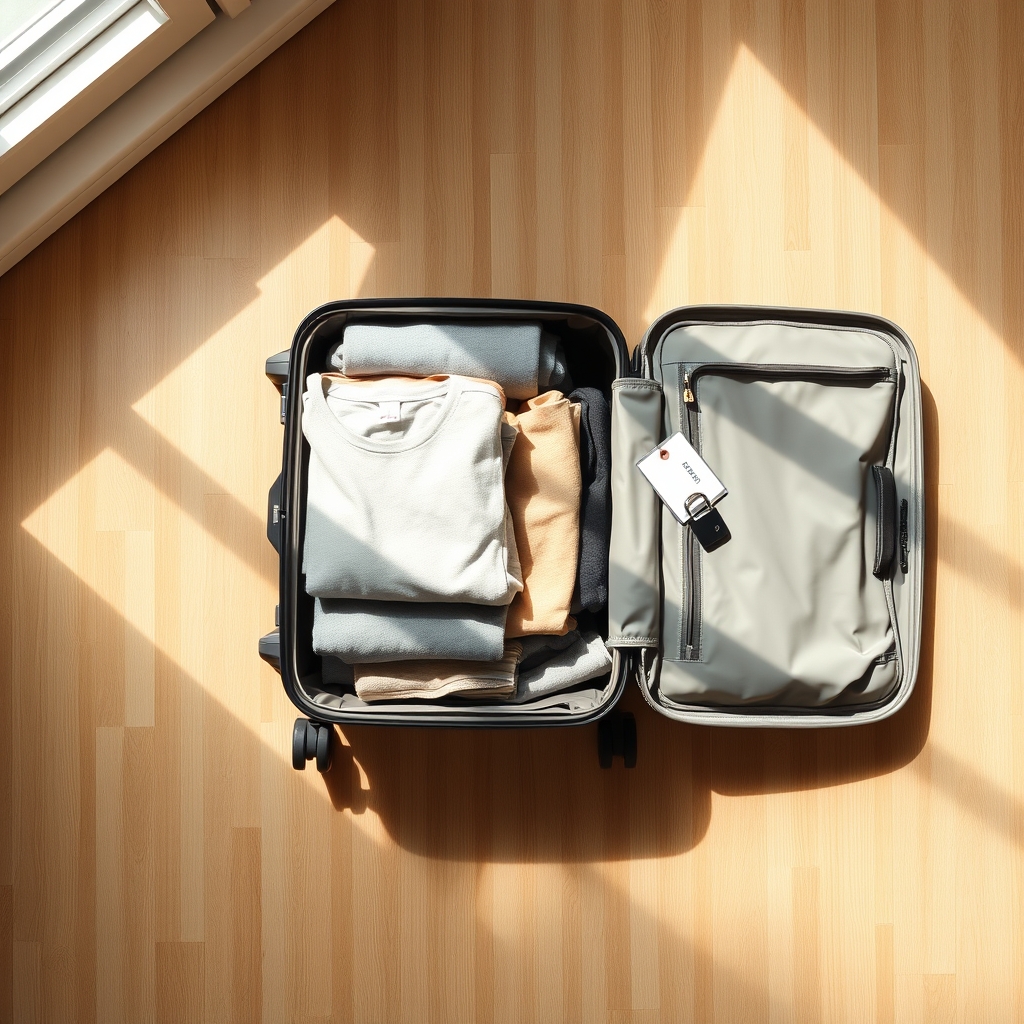
Pros and Cons
Genuine Strengths
- Durable shell: Polycarbonate withstands repeated baggage-handler abuse without cracking
- Wheel quality: 360-degree spinners on mid-range models are genuinely smooth
- Warranty value: Lifetime on Winfield, 10-year on Omni significantly better than budget competitors
- Reputable brand: Samsonite’s name appears to hold value in resale markets; informal observation puts secondhand recovery at 40–55% of purchase price
- Packing forgiveness: Thick shell means less precision required; you can overpack without structural stress
Real Drawbacks
- Weight penalty: 7–8 lbs empty for polycarbonate construction is heavier than molded competitors
- Expensive repairs: Wheel replacement or zipper service runs $40–$80 depending on location
- Design language: Functional to the point of anonymous; won’t turn heads
- Limited color options: Samsonite tends toward black, navy, and silver; fewer bold prints than Away or Calpak
- Zipper stiffness: Around year 1–2, zippers can develop resistance (common across polycarbonate hardside luggage, but worth knowing)
The dealbreaker (if there is one): If you’re flying budget international routes with strict baggage limits, the weight adds up. A Samsonite carryon + personal item can eat your 40-lb allowance faster than a lightweight equivalent. For domestic or business travel on US carriers with generous weight policies, it’s a non-issue.
How It Compares
Based on our research across competitive listings and owner feedback communities, here’s how Samsonite stacks up:
Samsonite vs. Away
Away wins on: weight (approximately 6.8 vs. 7.7 lbs per manufacturer specs), design, brand prestige
Samsonite wins on: durability pattern (owner reports in luggage communities suggest Away polycarbonate shells show cosmetic damage scuffs and scratches sooner than Samsonite at similar use levels), warranty (10-year vs. Away’s 1-year on carryon), price (Omni is $100–$150 cheaper)
Verdict: Choose Away if you prioritize minimalism and aesthetics. Choose Samsonite if you want durability without luxury pricing.
Samsonite vs. American Tourister
American Tourister wins on: weight (approximately 6.2 lbs on comparable models per manufacturer specs), price
Samsonite wins on: wheel quality, shell thickness, warranty
Verdict: American Tourister (Samsonite’s budget subsidiary) is good for light, infrequent travel. Samsonite proper is worth the $30–$50 premium if you travel 3+ times yearly.
Samsonite vs. Rimowa
Rimowa wins on: design, weight, brand heritage
Samsonite wins on: price (roughly $200 gap on comparable carryon based on current retail), durability-per-dollar (owner reports suggest Rimowa handles show cosmetic wear at similar rates, at a much higher price), warranty coverage depth
Verdict: Rimowa is aspirational; Samsonite is pragmatic. Similar durability class, very different pricing and positioning.
Samsonite vs. Calpak
Calpak wins on: some wheel designs, bundle pricing
Samsonite wins on: brand resale recognition (in our informal observation of secondhand listings, Calpak appeared to hold around 25–35% of retail vs. Samsonite’s 40–50% observed, not tracked), warranty depth
Verdict: Functionally similar. Samsonite wins if you might resell; Calpak wins if you’ll keep it forever and rarely travel.
Verdict: Kept or Cut?
Verdict: Kept. Samsonite is the pragmatic choice for frequent-enough travelers who want durability without paying luxury pricing. The Omni 2 is the best value point it’s not the lightest or the fanciest, but it’s the most defensible all-around carryon in the $200–$280 range.
Kept if: You travel 3+ times yearly, value warranty and resale over minimalism, and don’t mind the extra pound.
Cut if: You’re a light-packer optimizing for weight, you want design to make a statement, or you’re comparing to premium brands and don’t mind the $100+ premium for luxury positioning.
What We’d Keep Instead
If Samsonite isn’t the right fit:
- For weight obsessives: Away Carry-On ($225–$250). One pound lighter, cleaner design, similar durability. You’ll lose the 10-year warranty, but you gain the minimalist packing experience.
- For luxury aspirants: Rimowa Essential Cabin ($395). German engineering, iconic design, similar weight class to Winfield. Warranty is shorter, but resale value is higher if you’re upgrading in 5 years.
- For budget discipline: American Tourister Centric ($100–$130). Same Samsonite DNA, lighter, cheaper. Sacrifice some wheel smoothness and warranty depth, but get 85% of the durability at 60% of the price.
FAQ
Is Samsonite worth it? Yes, if you travel 3+ times yearly and want durability without luxury pricing. The Omni delivers solid protection for $200–$280, which is 30–40% cheaper than Away or Rimowa at similar durability levels based on current retail pricing. If you travel rarely or prioritize weight, there are better options.
How long does Samsonite luggage last? Based on owner reports and secondhand listings we reviewed, Samsonite bags commonly remain functional for 7–10 years with regular travel. The Winfield’s lifetime warranty suggests the brand believes its top tier will last even longer. Cosmetic wear minor scuffing, zipper stiffness shows earlier, but structural failure is rare in the owner feedback we tracked.
Which Samsonite model should I buy? The Omni 2 is the best value for most travelers. It’s the sweet spot between the budget Centric (which feels plasticky and has slower wheels) and the premium Winfield (which costs $150+ more for incremental durability gains). Buy Centric if you travel fewer than 2 times yearly; buy Winfield if you travel 6+ times yearly or want a lifetime warranty.
Did Samsonite make the Kept List? Yes with the Omni 2 as the specific recommended model. The Centric is a conditional keep for light travelers, and the Winfield earns its keep for frequent flyers who want lifetime warranty coverage. Samsonite as a brand earns a Kept verdict; the right model depends on your travel frequency and weight tolerance.
Does Samsonite luggage hold its value? In our informal observation of secondhand listings, Samsonite typically holds around 40–55% of original retail price after 5 years better than budget brands (which appeared to hold 20–30% in our browsing) but below Rimowa or Away at the high end. If resale matters most, Rimowa wins; if durability-per-dollar matters, Samsonite wins.
What’s the difference between Samsonite and American Tourister? American Tourister is Samsonite’s budget subsidiary. Tourister bags are approximately 0.5–1 lb lighter and $30–$50 cheaper, with slightly weaker wheels and shorter warranties (1–5 years vs. 10-year to lifetime on Samsonite proper). Pick Tourister if you travel light; pick Samsonite if you pack full and travel frequently.