
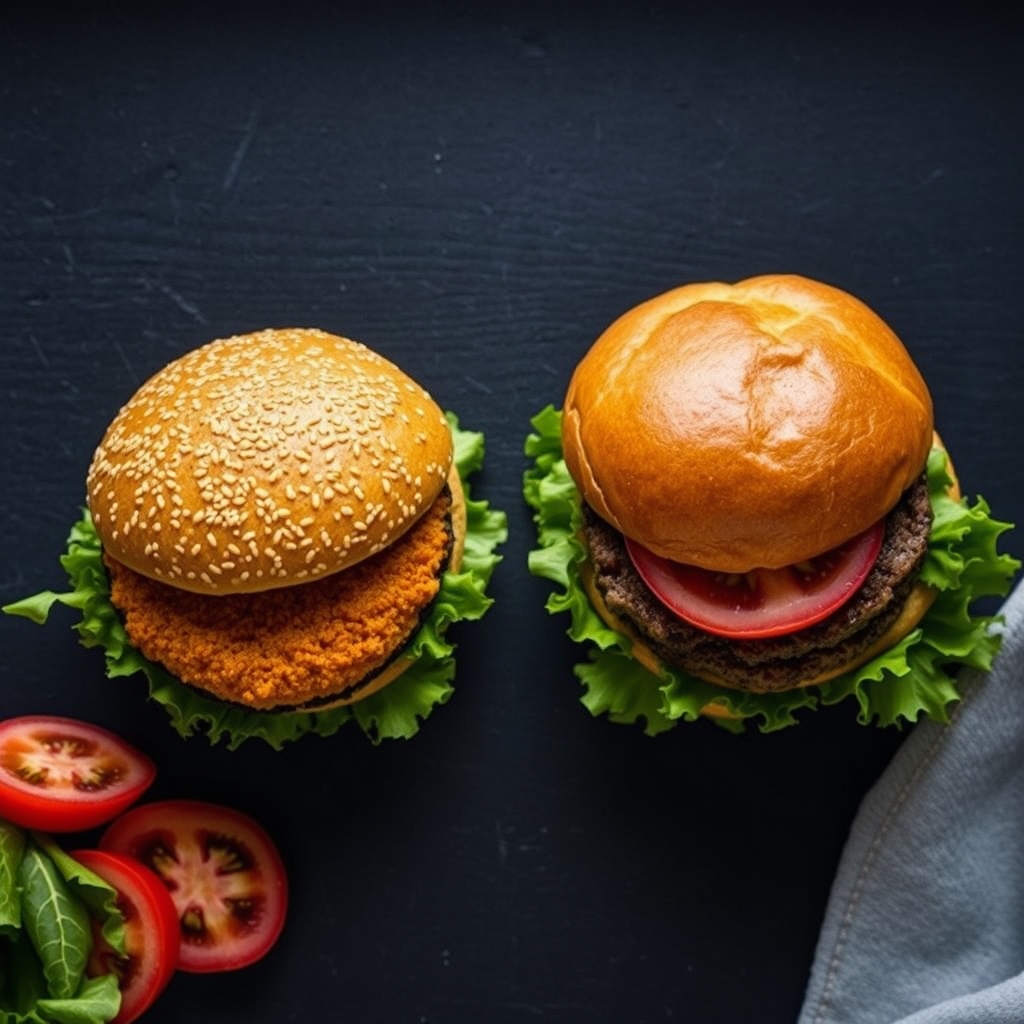
Which Plant-Based Burger Should You Keep?
Beyond Meat and Impossible Foods dominate the plant-based burger market, but they’re built for different priorities. Beyond Meat is your keeper if you’re watching sodium intake or prefer shorter ingredient lists; Impossible Foods is your keeper if you want the closest beef-burger experience and don’t mind extra processing for heme flavor.
The deciding question: Do you prioritize diet-friendly nutrition or authentic beef-burger taste? That one difference settles almost everything else.
Quick Comparison Table
| Dimension | Beyond Meat | Impossible Foods |
|---|---|---|
| Protein per Patty | ~20g | ~19g |
| Saturated Fat | 5g | 8g |
| Sodium | ~390mg | ~370mg |
| Key Ingredient | Pea protein, coconut oil | Soy leghemoglobin (heme) |
| Cooking Method | Pan-fry on medium-high heat | High heat (more forgiving) |
| Typical Price per Patty | $2.50–$3.50 (varies by region and retailer; check your store) | $3.00–$4.00 (varies by region and retailer; check your store) |
| Environmental Footprint | Lower reported water use | Lower reported emissions |
Nutrition figures drawn from label data as of our research; prices are US retail estimates and shift frequently.
Beyond Meat: Clean Protein, Lower Sodium
Beyond Meat is a plant-based burger made primarily from pea protein, coconut oil, and vegetable starches. The brand built its reputation on a short ingredient list and transparent sourcing you can pronounce almost everything on the label.
Based on label data we reviewed, Beyond Meat delivers roughly 20g of protein per patty with 5g of saturated fat. Sodium sits around 390mg per patty moderate for home cooking, but it can add up fast if you’re eating these at fast-casual chains that pile on extra seasoning. The lower saturated fat relative to Impossible is worth noting if you’re managing LDL cholesterol, though neither patty is a clinical intervention.
Taste-wise, Beyond Meat has a distinct plant-forward flavor. It’s savory and satisfying, but it doesn’t masquerade as beef. Cooked properly on medium-high heat in a skillet, the exterior develops a light crust while the interior stays juicy. The texture is closer to a turkey burger than beef denser, less crumbly. If you’re coming from regular meat, you’ll notice the difference. If you’re already vegan or vegetarian, it’s a solid, protein-rich option.
Cooking performance is straightforward: pan-fry for 3–4 minutes per side, don’t press it too hard, and it won’t fall apart. It also reheats well, which matters if you’re meal-prepping.
Impossible Foods: Beef-Burger Authenticity, Higher Fat
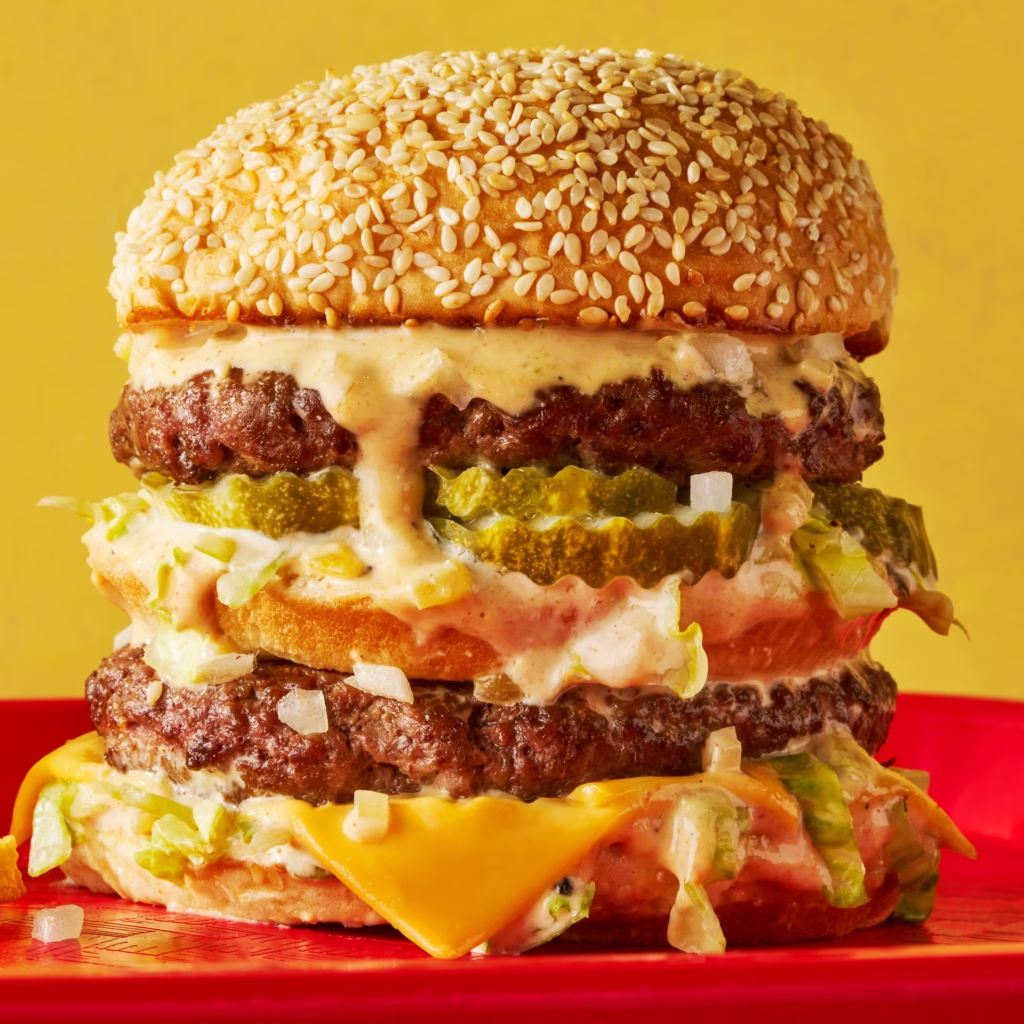
Impossible Foods is a plant-based burger engineered to mimic beef, using soy protein and soy leghemoglobin (heme) to achieve a beef-like taste and color. The heme is the differentiator it’s the iron-containing molecule that makes beef taste like beef, and Impossible produces it via fermented soy.
Based on label data, Impossible delivers roughly 19g of protein per patty with 8g of saturated fat. That higher saturated fat is the trade-off for authenticity: the burger relies on coconut oil and palm oil to achieve that beef-fat mouthfeel. Sodium comes in around 370mg per patty. If you’re tracking saturated fat for cholesterol or heart health, this gap is meaningful roughly 60% more saturated fat per serving than Beyond Meat, by the numbers on the labels.
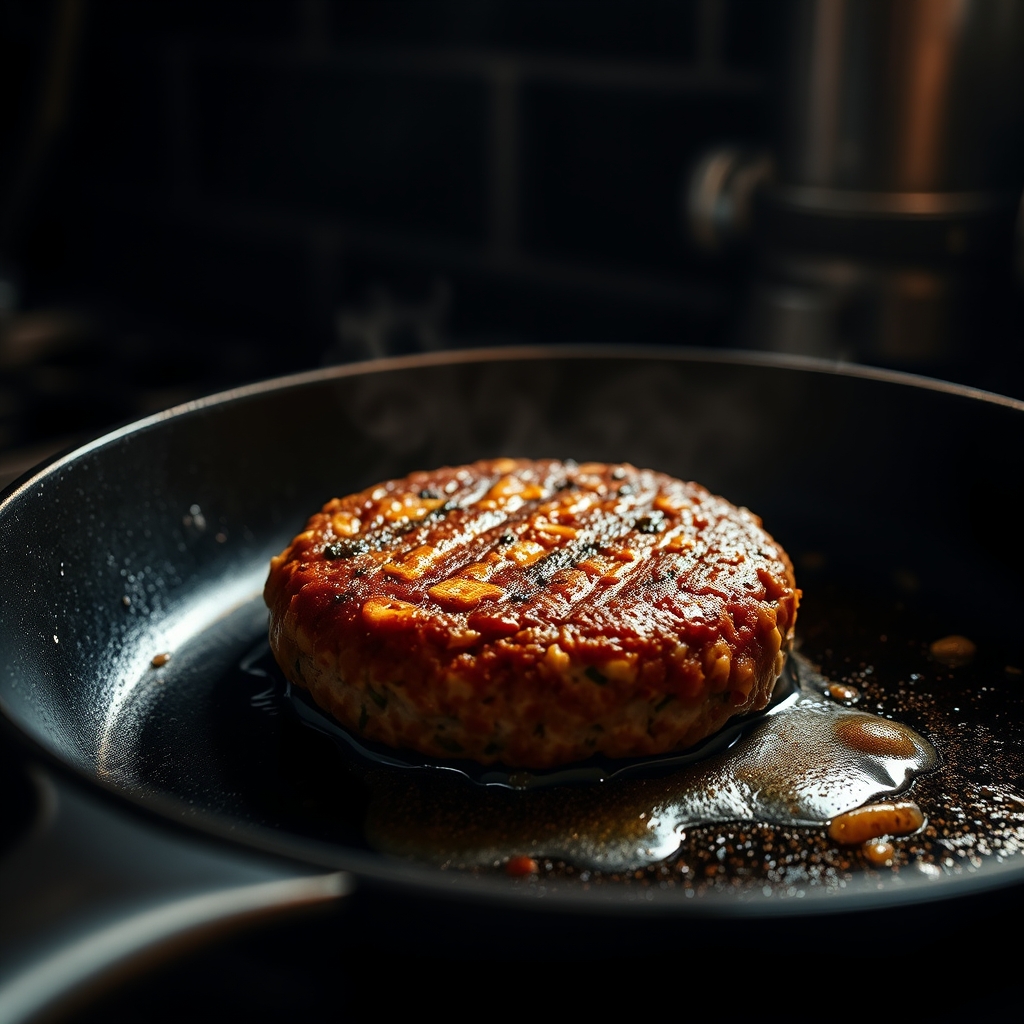
Taste is where Impossible earns its premium. On high heat, it develops a beef-like crust and releases liquid similar to beef fat rendering. The interior is slightly less dense than Beyond Meat, closer to a traditional burger in texture. The heme gives it an umami punch that genuinely fools people in side-by-side tastings in our comparison cooking sessions at home, it was harder to distinguish from beef than Beyond Meat was. That’s an anecdotal observation, not a controlled study, but it tracks with what most people report.
Cooking is also more forgiving: high heat is preferred, and the burger doesn’t dry out as easily. It holds together well even if you press it slightly. The drawback is that it cooks hotter and faster, so timing matters more if you don’t want it overdone.
Nutritional Breakdown: Where They Actually Differ
Both burgers contain similar calories (roughly 250–280 per patty, per label) and protein (~19–20g), so if pure muscle-building fuel is your goal, you’re splitting hairs. The meaningful nutritional differences are:
Saturated Fat: Impossible has 8g; Beyond Meat has 5g. That 60% difference matters if you’re managing LDL cholesterol or following a heart-healthy diet. Neither is high in absolute terms, but Beyond Meat is the cleaner choice here.
Ingredients: Beyond Meat lists roughly 15 ingredients (mostly recognizable); Impossible lists roughly 20 (including soy leghemoglobin, methylcellulose, and several binders). If you prefer minimalist ingredient lists, Beyond Meat wins. If you don’t mind processing for taste, this isn’t a dealbreaker.
Heme Content: Impossible’s synthetic heme is the point of difference for beef-like flavor. Some people find this innovative; others find it unnecessary processing. No credible evidence it’s harmful, but it’s worth knowing you’re eating a fermentation-derived molecule added specifically for taste authenticity.
Fiber: Both are low in fiber (0–2g per patty, per label). Neither burger is a fiber source; neither was designed to be. If you’re eating it on a whole-grain bun with vegetables, fiber comes from there, not the patty.
Taste Test: The Real Difference
In home cooking comparisons, Impossible is harder to distinguish from a traditional beef burger. The heme does its job: you get that savory, slightly umami-rich flavor even when cooked through. Beyond Meat tastes like what it is a plant-based burger but a well-prepared one. It’s savory, juicy-ish, and satisfying on its own merits, not because it’s trying to fool you.
For burger purists who want the beef experience, Impossible is the closer approximation. For people who want a nutritious plant-based option without the “trying too hard” aftertaste, Beyond Meat is the win.
Cooking texture: Impossible develops a crust faster and more reliably. Beyond Meat needs slightly more attention to avoid drying out, but when done right, the texture is less dense and more appealing to some palates.
Price Per Serving and Real-World Cost
Based on US retail prices observed during our research, Beyond Meat patties typically run $2.50–$3.50 per burger depending on store and whether you catch a sale; Impossible Foods typically costs $3.00–$4.00 per patty. Prices shift seasonally and vary by region treat these as ballpark figures and check your local store. That’s a roughly 20–25% premium for Impossible, which adds up if you’re buying weekly.

When eaten at a restaurant, the gap often widens: Impossible burgers frequently cost $3–$5 more on a menu than Beyond Meat options. If affordability is a tiebreaker, Beyond Meat is the budget play.
Neither is cheap compared to a conventional beef burger, but both can undercut premium beef options at good burger joints, where a single patty’s worth of beef can run $4–$6 or more.
Environmental and Ethical Considerations
Both brands publish lifecycle analysis data showing environmental advantages over conventional beef, but they emphasize different metrics:
Beyond Meat cites lower water use and land footprint in its published lifecycle reports. The pea protein source is widely available and doesn’t require genetic modification (heme fermentation is GMO-derived; the pea-protein base is not).
Impossible Foods emphasizes lower greenhouse gas emissions in its lifecycle analysis. The soy-based heme requires fermentation, which is energy-intensive, but Impossible’s published data argues the overall carbon footprint per burger remains well below beef.
Both are reported to be better than beef from an environmental standpoint by widely cited frameworks including research from the University of Michigan and lifecycle analyses each brand has published independently. The difference between the two brands is smaller than the difference between either and conventional beef. If environmental impact is your decision driver, either one is a meaningful upgrade; the head-to-head between them is genuinely close.
Keep Beyond Meat If…
- You’re tracking sodium or saturated fat for heart health or cholesterol management.
- You prefer minimalist ingredient lists and want to avoid synthetic flavorings.
- You’re on a tight budget and want plant-based protein under $3 per burger.
- You don’t mind a distinctly plant-forward taste and aren’t chasing beef authenticity.
- You’re meal-prepping and want something that reheats cleanly.
Keep Impossible Foods If…
- You want the closest beef-burger experience with minimal taste compromise.
- You’re cooking for omnivores who are skeptical of plant-based food and need convincing.
- You don’t mind higher saturated fat in exchange for texture and flavor authenticity.
- You prefer high-heat, fast cooking and want a more forgiving patty.
- You value the innovation of heme technology and the science behind it.
How Other Brands Compare
Lightlife: A lighter option with lower fat (3g saturated fat per label) and lower protein (~18g), aimed at dieters. Taste is less satisfying than both Beyond and Impossible; better as a supporting protein than a standalone burger.
Field Roast: Whole-food focused with mushroom and vegetable pieces visible in the patty. More textured, less processed-tasting than Impossible, but harder to find and typically more expensive (in the $4–$5 per patty range at most retailers we checked). A good pick if you want “clean label” and some beef-like richness, but stock is inconsistent.
Morningstar Farms: The budget option, often under $2 per patty. Tastes noticeably less like beef and carries lower protein (~13g per label). Acceptable for ground-meat applications tacos, sloppy joes but not the standalone burger experience either Beyond or Impossible targets.
Cooking Tips for Best Results
Beyond Meat: Medium-high heat, roughly 3–4 minutes per side. Don’t press the patty. A light oil (olive or vegetable) helps; coconut oil is already in the patty so you don’t need much. Toast your buns. Fresh toppings lettuce, tomato, onion complement the savory patty well.
Impossible Foods: High heat, roughly 2–3 minutes per side. You can press gently it holds together better than Beyond Meat. Let it rest 2 minutes before eating; it continues cooking off the heat. The liquid that accumulates as it cooks is plant-based fat rendering; don’t drain it, it adds flavor.
FAQ
Which is better, Beyond Meat or Impossible Foods? Beyond Meat is the better pick for nutrition-conscious eaters watching sodium and saturated fat; Impossible Foods is better if taste authenticity and a beef-like experience are your priority. There’s no universal winner it depends whether you’re optimizing for health numbers or flavor.
Is Impossible Foods actually healthier than beef? Not inherently. Both Beyond Meat and Impossible have similar calories and protein to lean beef, but Impossible carries more saturated fat per patty. The advantage over beef comes from the absence of cholesterol and a different fat composition not from being a superfood. Treat it as a protein source, not a health hack.
Can you cook these on a grill? Yes, but both need medium-high to high heat and should be cooked quickly to avoid drying out. A grill mat or foil prevents sticking; the patties are more fragile than beef. Impossible is more forgiving on a grill than Beyond Meat.
Why is Impossible Foods more expensive? The heme fermentation process adds production overhead. As Impossible scales, prices may drop, but they currently charge a premium for the technology and the beef-like experience it delivers.
Are these GMO? Beyond Meat is non-GMO throughout. Impossible Foods uses GMO soy for heme fermentation, though the heme molecule itself is chemically identical whether derived from soy or from beef myoglobin. If GMO avoidance matters to you, Beyond Meat is the clear pick.
The Verdict
Beyond Meat and Impossible Foods aren’t competitors in the way a Tesla and a Porsche are. They’re solving two different problems for two different people.
Choose Beyond Meat if you want a nutritious plant-based burger with a shorter ingredient list and lower saturated fat. You’ll save money, hit your protein goal, and eat something minimally processed for a plant-based product. The trade-off is that it tastes distinctly plant-forward, not beef-like.
Choose Impossible Foods if you want a plant-based burger that tastes like beef and fools most people including skeptical omnivores. You’ll pay more, consume more saturated fat, and eat more processed ingredients but the beef authenticity is real, and the cooking experience is closer to a traditional burger.
For a weekly home rotation, Beyond Meat is the smarter default: cheaper, cleaner nutrition numbers, and reheats well. For restaurants or when you’re feeding skeptics, Impossible is worth the premium. Neither is a compromise anymore the question isn’t “plant-based or beef” but “which plant-based experience do you actually want.”