

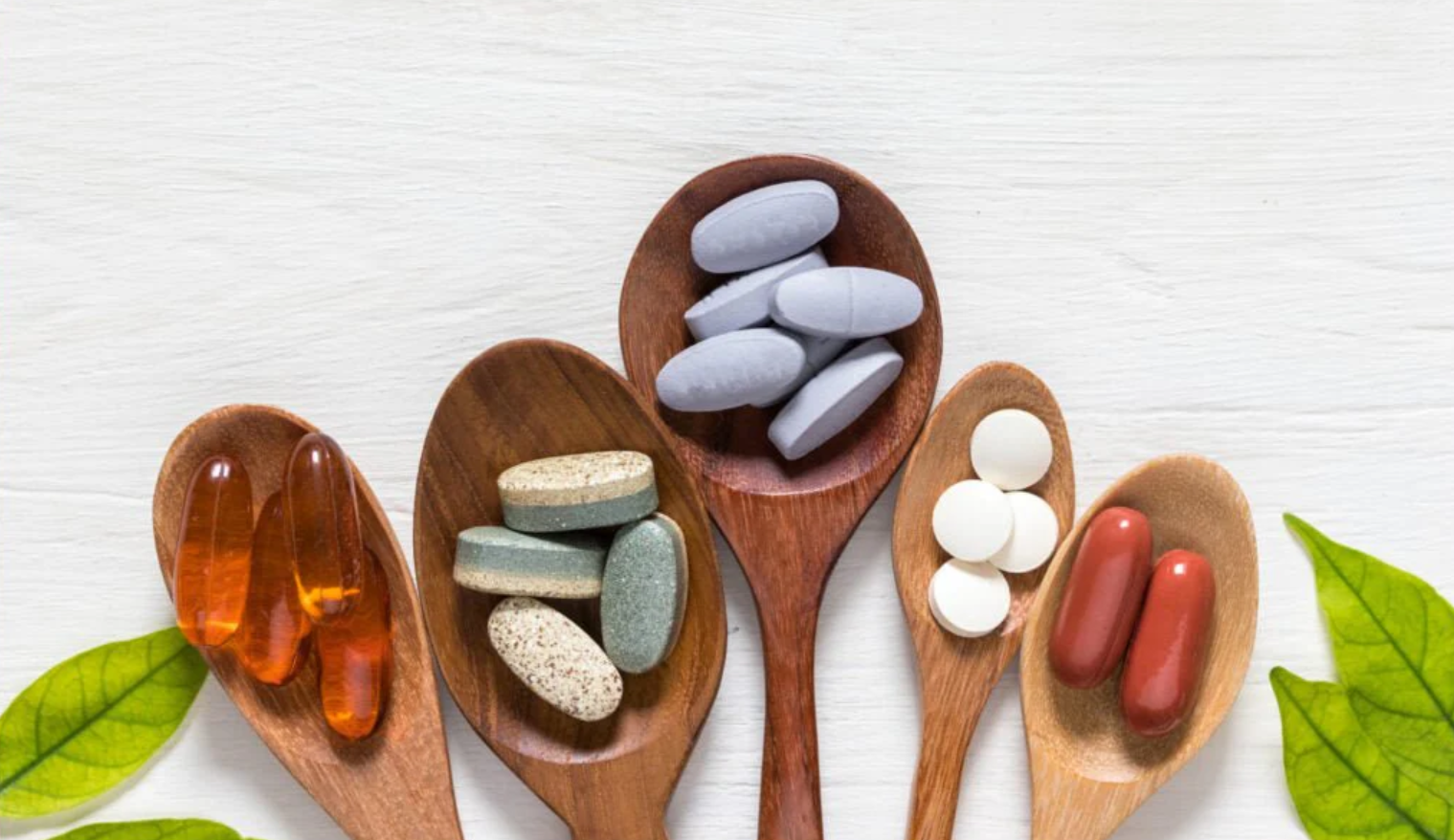
Your body’s nutritional demands don’t stay the same across your lifetime. What worked in your twenties won’t address the realities of pregnancy, the hormonal shifts of menopause, or the changing absorption patterns of your sixties. Yet most people either take the same generic multivitamin year after year, or they panic and grab whatever bottle has the loudest marketing.
Choosing the right supplements by life stage isn’t complicated but it does require understanding what your body actually needs at each phase. This guide breaks down nutrient priorities across major life transitions and gives you a framework to make confident, safe choices.
Why Supplement Needs Change Across Life Stages
Your nutrient requirements shift for three main reasons: hormonal changes, absorption capacity, and increased physiological demand.
During pregnancy, your body isn’t just sustaining itself it’s building another human. That means micronutrient needs spike for nutrients like folate, iron, and calcium. Research suggests blood volume can increase significantly during pregnancy commonly cited in the range of roughly 40% which helps explain why iron needs rise so sharply. Your baby’s skeleton is also forming, pulling calcium from your bones if dietary intake falls short.
Menopause brings a different challenge: declining estrogen affects how your body absorbs and uses calcium, increases bone loss risk, and can amplify inflammation. Anti-inflammatory nutrients become more protective.
As you age, stomach acid production naturally decreases, making it harder to absorb B12, iron, and calcium from food alone. Your metabolism slows, but your need for muscle-supporting protein and bone-protective nutrients actually stays high or increases.
Understanding these shifts helps you avoid both deficiency and unnecessary supplementation.

Key Factors to Consider When Choosing Supplements by Life Stage
1. Bioavailability and Form Matters
Not all supplement forms work equally in your body. Calcium citrate is generally considered to absorb well even without food and tends to work better for people with low stomach acid a common issue in adults over 65. Calcium carbonate requires adequate stomach acid and costs less, but may be less effective for older adults.
B12 comes as cyanocobalamin (synthetic, standard) or methylcobalamin (naturally derived, slightly more expensive). Both are well-regarded, though some people find methylcobalamin easier on digestion. Sublingual B12 bypasses digestion entirely, a useful option if absorption is compromised.
Iron as ferrous sulfate is widely available and well-absorbed but often causes digestive upset. Ferrous bisglycinate chelate is generally gentler on the stomach and comparably absorbed worth the price difference if nausea is an issue.
Always check the label for the specific form, not just the nutrient name.
2. Dosage Range and Safety Thresholds
More isn’t better. Fat-soluble vitamins (A, D, E, K) accumulate in body fat excessive intake can cause toxicity. Water-soluble vitamins (B-complex, C) are generally safer at higher levels because excess is excreted, but unnecessary mega-dosing still wastes money.
For pregnancy, folate needs increase meaningfully to support fetal neural development. Many prenatal vitamins are formulated to provide roughly 600–800 mcg of folate or folic acid. This range is broadly considered safe and effective; doses above 1,000 mcg are not typically recommended without a specific medical reason. Always defer to your OB/GYN or midwife for your individual target.
Iron needs rise substantially during pregnancy prenatal formulas are commonly formulated with around 27 mg of elemental iron daily, notably higher than the general recommendation for non-pregnant women of reproductive age. Your doctor will adjust this based on your blood work.
For menopause, aiming for a combined 1,000–1,200 mg of calcium daily from food and supplements is a widely cited target. Vitamin D supports calcium absorption; 600–800 IU is a common baseline recommendation for adults, with many practitioners suggesting 1,000–2,000 IU for women during menopause transition though it’s worth confirming the right level with your healthcare provider.
For adults 65+, B12 should generally come from supplements or fortified foods rather than relying on natural food sources alone, given documented absorption decline with age. Supplements in the 500–2,000 mcg range are common; the body absorbs only a fraction, so higher doses compensate for reduced efficiency.
3. Interactions with Medications and Other Supplements
Certain supplements compete for absorption or interfere with medication effectiveness.
Iron supplements can reduce absorption of antibiotics, thyroid medication, and certain blood pressure drugs. Spacing them 2–4 hours apart from these medications is a standard precaution.
Calcium also interferes with many medications (including some antibiotics and bisphosphonates for bone health). Again, separating timing by several hours is recommended.
Vitamin K can affect the activity of blood thinners like warfarin but this doesn’t mean you should avoid K-rich foods or supplements entirely; it means consistency in your intake matters. Work closely with your doctor if you take anticoagulants.
If you take multiple supplements, check for overlapping nutrients. Prenatal vitamins often contain iron; adding a separate iron supplement without checking total dosage can lead to excess intake. Read every label.
4. Quality and Third-Party Testing
The supplement industry is loosely regulated. Two bottles labeled “prenatal vitamin” can vary widely in what they actually contain and whether they’re contaminated.
Look for third-party testing seals from organizations like NSF International, USP (United States Pharmacopeia), or ConsumerLab. These aren’t perfect guarantees, but they signal that a manufacturer invested in independent verification.
Check whether the brand publishes a Certificate of Analysis (CoA) for batch testing. Reputable companies make this available on their website or by request.
For prenatal vitamins, choose brands that explicitly test for heavy metals and contaminants. Pregnancy is not the time to gamble on an unverified product.
5. Timing and Food Pairing
When you take supplements affects how well they work.
Fat-soluble vitamins (D, E, K, A) need dietary fat to absorb. Take them with a meal containing fat olive oil, nuts, avocado, or protein.
Iron absorbs better on an empty stomach but causes nausea in many people. If nausea is an issue, take it with a small amount of food (not dairy, which blocks absorption). Vitamin C enhances iron absorption, so pairing iron with orange juice or another vitamin C source is a practical strategy.
Calcium and iron compete for absorption. Don’t take them together. If your prenatal vitamin contains both, take it at a different time than a separate calcium supplement.
B-vitamins can be taken any time, with or without food.
6. Budget Constraints and Value Assessment
Supplements range from budget-friendly to premium. A basic multivitamin costs roughly $0.10–0.30 per day. A specialty prenatal vitamin might run $0.50–1.00 per day. Over nine months of pregnancy, that difference adds up but price alone shouldn’t drive the decision.
The question isn’t always “which is cheapest?” but “which offers the nutrients you actually need?” A lower-cost prenatal that contains the necessary folate and iron is better value than a premium formula that emphasizes trendy add-ons but skips key nutrients.
Compare cost per serving and actual nutrient dose, not just bottle price. A $20 bottle with 60 servings is cheaper per dose than a $15 bottle with 30 servings.
7. Dietary Gaps and Individual Absorption
Supplements work best as insurance for actual gaps not as replacements for food.
If you eat fatty fish two to three times weekly, you probably don’t need omega-3 supplements. If you’re vegetarian, you almost certainly need B12 supplementation because B12 occurs naturally only in animal products.
Some people have genetic variations affecting nutrient absorption or metabolism. If you have a history of anemia despite adequate iron intake, mention this to your doctor it may change supplement recommendations.
Pregnancy sometimes reveals nutritional weaknesses. If you develop gestational anemia despite iron supplementation, your doctor might recommend higher doses, B12 and folate optimization, or investigation into absorption issues.
Supplements by Life Stage: What You Actually Need
Ages 18–30: Baseline Wellness Foundation
If you’re not pregnant and relatively healthy, your main focus is preventing gaps.
Folate (or folic acid): 400 mcg daily is the broadly recommended target. This is especially important if you might become pregnant, as neural tube defects develop very early in pregnancy often before you know you’re pregnant. This is the single most important supplement for women of reproductive age.
Iron: If you menstruate, losing blood means losing iron. If you’re vegetarian, vegan, or don’t eat red meat regularly, an iron supplement or iron-rich diet is important. Most women aged 19–50 are generally recommended to target around 18 mg daily. A ferrous bisglycinate supplement in the 15–20 mg range, taken a few times weekly if dietary intake is low or daily if you have a history of anemia, is a common practical approach.
Vitamin D: A reasonable baseline supplement for most people, especially if you live in a northern climate or spend most daylight hours indoors. A range of 600–1,000 IU daily is considered sufficient for most young adults without specific deficiency risk factors.
Calcium: If you consistently reach about 1,000 mg daily from food (milk, yogurt, leafy greens, fortified plant milks), a supplement may not be necessary. If not, a 300–500 mg supplement can fill the gap.
Unless you have specific risk factors (celiac disease, malabsorption, strict vegan diet), a simple prenatal vitamin during these years even if you’re not currently pregnant provides solid nutritional insurance without excessive cost.
Ages 30–50: Fertility, Pregnancy, and Postpartum
This phase demands the most intentional supplementation.
If you’re trying to conceive:
Start folate supplementation at least one month before attempting pregnancy. A prenatal vitamin which contains folate, iron, calcium, and other nutrients optimized for pregnancy is your foundation. Don’t wait until you get a positive test.
Iron: Ensure adequate stores before pregnancy. If you have heavy periods, ask your doctor about iron status before conception. Pregnancy depletes iron quickly, and starting with low reserves makes anemia more likely.
Vitamin D: Some research suggests adequate vitamin D may support fertility, though the evidence is still developing. Maintaining a baseline of 600–800 IU daily is reasonable.
During pregnancy:
A comprehensive prenatal vitamin is non-negotiable. This should contain:
- Folate: 600–800 mcg
- Iron: around 27 mg
- Calcium: aiming for a combined 1,000 mg daily from food and supplement
- Vitamin D: 600 IU minimum (some prenatals include higher doses)
- B-vitamins: Full B-complex to support increased metabolic demands
- DHA (omega-3): Increasingly included; supports fetal brain development
Take prenatal vitamins consistently. If your prenatal causes nausea, try taking it with food or at night. If nausea persists, ask your doctor about switching brands or forms; a different iron source or tablet shape sometimes solves it.
Many prenatal vitamins contain ginger, which some pregnant people find helps with nausea though effectiveness varies individually.
After pregnancy (postpartum and breastfeeding):
If you’re breastfeeding, continue a prenatal vitamin or switch to a standard multivitamin. Breastfeeding depletes maternal nutrient stores, especially calcium, B-vitamins, and iron if you were anemic. Iron needs generally drop after delivery requirements are typically lower than during pregnancy, and lower still if you’re not yet menstruating due to lactational amenorrhea. Ask your provider what’s right for your situation.
If you’re not breastfeeding, your nutritional needs return closer to non-pregnancy baseline within a few weeks, though postpartum recovery may justify continuing a prenatal vitamin for a few months if iron stores are depleted or if you’re vegetarian.
Ages 45–65: Menopause Transition and Beyond
Menopause brings a metabolic and hormonal reset.
Calcium: This becomes a priority. Estrogen decline accelerates bone loss. Aiming for 1,000–1,200 mg daily from food and supplements combined is the broadly recommended target. If you eat three servings of dairy or fortified plant-based milk daily, you might meet this from food alone. Most women need a 300–600 mg supplement to close the gap.
Calcium citrate is a good choice if you have low stomach acid or take acid-reducing medications. Calcium carbonate is a reasonable, lower-cost option if you have normal stomach acid.
Vitamin D: Increasing to 800–1,000 IU daily is a common recommendation during menopause, especially in northern climates or with limited sun exposure. Some evidence suggests higher doses may support bone health during this transition, but check with your doctor before exceeding 1,000 IU if you have certain health conditions.
Vitamin D and calcium work together. Without adequate D, your body can’t absorb calcium efficiently. This combination is the backbone of bone health during menopause.
Magnesium: Often overlooked, magnesium supports bone strength and may help with hot flashes and sleep disturbance. Many women are mildly deficient. A 200–400 mg supplement is a reasonable starting point; begin with 200 mg and increase if tolerated (high doses can cause digestive upset). Magnesium glycinate or citrate is generally better absorbed than oxide.
Vitamin B6 and B12: B-vitamins support mood, energy, and cognitive function during menopause. B6 in the 50–100 mg daily range is sometimes used for mood support. B12 (500–2,000 mcg weekly or as part of a B-complex) supports energy and mood, especially if you’re over 50.
Omega-3 (fish oil or algae-based): A daily dose providing 1,000–2,000 mg combined EPA+DHA is widely used to support mood, joint health, and cardiovascular health during menopause. The evidence base here is reasonably strong and safety profile is generally good.
Isoflavones (soy or red clover): Some evidence suggests these plant estrogens may reduce hot flashes, though results vary considerably among individuals. A three-month trial at 40–80 mg daily is a reasonable approach if hot flashes are bothersome. Avoid if you have a history of estrogen-sensitive cancer unless cleared by your oncologist.
Hormone-supporting supplements: Exercise caution here. Supplements like black cohosh or sage leaf show modest evidence for hot flash reduction in some studies, but quality and standardization vary widely. If you’re interested, choose a brand with third-party testing and realistic expectations about effectiveness.
During menopause, a comprehensive multivitamin combined with targeted additions (calcium, D, magnesium, B-complex) is generally more practical than a single “menopause formula” that tries to do everything.
Ages 65+: Aging and Changing Absorption
Aging doesn’t mean increased nutrient needs for most nutrients but absorption becomes less efficient, so supplementation often becomes necessary where food alone previously sufficed.
Vitamin B12: Critical. Stomach acid naturally decreases with age, making it harder to absorb B12 from food reliably. An older adult should strongly consider B12 as a supplement or through fortified foods daily. This is one supplement that benefits virtually every older adult.
Vitamin D: 800–1,000 IU daily is a common minimum recommendation, with higher doses often suggested for those with osteoporosis or limited sun exposure. Bone loss accelerates with age, and D is foundational.
Calcium: Aiming for 1,000–1,200 mg daily from all sources is the broadly recommended target. Absorption becomes less efficient with age, making higher intake important. Calcium citrate is preferable to carbonate for older adults with reduced stomach acid.
Vitamin B6: Needs are slightly higher for older adults (often cited around 1.5–1.7 mg daily). Supports cognitive function and immune health.
Magnesium: Around 320 mg daily for older women is a commonly cited target. Supports muscle function, bone health, and sleep quality. Many older adults don’t meet this from food alone.
Omega-3: If you don’t eat fish regularly, 1,000–2,000 mg daily EPA+DHA is widely used to support cardiovascular and cognitive health.
Calcium + Vitamin D combination: This pairing has among the strongest evidence supporting bone health and fracture prevention in older adults. It is consistently worth the investment.
Don’t assume you need a massive supplement regimen. A good multivitamin designed for older adults which typically includes higher B6 and B12 plus added D combined with a calcium supplement and standalone B12, covers most bases. Add omega-3 if cardiovascular or cognitive health is a concern.
Common Mistakes to Avoid
Mistake 1: Assuming all prenatal vitamins are equivalent. They’re not. Some contain insufficient iron, others lack adequate calcium or DHA. Check the label against your actual needs.
Mistake 2: Stopping supplementation the day after you give birth. Postpartum recovery and if applicable breastfeeding deplete nutrients. Continue supplementing for at least 3–6 months postpartum.
Mistake 3: Buying supplements based on marketing instead of nutrient content. A prenatal vitamin advertised for “supporting baby’s brain” isn’t better than one with the same DHA dose at a lower price. Compare nutrients, not marketing claims.
Mistake 4: Not adjusting supplements when life stages change. Your supplement stack at 35 should differ from your 55-year-old self. Revisit your regimen every 5–10 years or when major life changes occur (pregnancy, menopause, a new health diagnosis).
Mistake 5: Taking supplements without considering medication interactions. Iron can block antibiotics and thyroid medications. Calcium does too. Vitamin K affects blood thinners. Always ask your pharmacist or doctor about timing and interactions.
Mistake 6: Over-supplementing out of fear of deficiency. Taking excess calcium when your needs are already met doesn’t increase bone strength and can interfere with magnesium and iron absorption. Appropriate dosing matters more than higher dosing.
Mistake 7: Ignoring food as your primary nutrient source. A supplement fills gaps it doesn’t replace food. If you’re relying entirely on supplements instead of eating nutrient-dense food, that’s a signal to reassess your diet.
Budget Considerations: Getting Value Without Overspending
Supplements are a long-term investment. A few strategic choices reduce cost without sacrificing quality.
Prenatal vitamins: A solid prenatal typically runs $15–40 monthly. Generic options from major retailers often contain comparable nutrients to premium brands at significantly lower prices. Focus on nutrient content, not marketing. A lower-cost prenatal with the right folate, iron, and DHA delivers better value than a premium-priced formula padding the same nutrients with “proprietary blends” of uncertain benefit.
Calcium: Separate calcium supplements are often cheaper per dose than buying a high-calcium prenatal or multivitamin. A $7–12 bottle of calcium citrate at a drugstore may be better value than paying a premium for an “all-in-one” formula.
Bulk buying: If you take a supplement long-term, buying 3–6 month supplies in bulk often reduces cost per dose meaningfully. Warehouse retailers and large online platforms frequently offer better per-dose pricing than small retail sizes.
Store brands: For vitamins and minerals, store brands often match name-brand formulations at 30–50% lower cost. Quality is generally comparable for basic nutrients. Premium is sometimes justified for complex formulations, but rarely necessary for simple multivitamins or single-nutrient supplements.
What’s worth spending more on: Prenatal vitamins (quality control matters more during pregnancy). Omega-3 supplements (purity and concentration vary widely). Anything you’ll take long-term with a specific health goal investing in third-party-tested products is worthwhile to avoid contaminated or mislabeled products.
Your Personal Supplement Assessment Checklist
Use this framework to identify your actual supplement needs:
Life stage?
- [ ] Ages 18–30: baseline focus
- [ ] Ages 30–50: fertility/pregnancy/postpartum focus
- [ ] Ages 45–65: menopause/bone health focus
- [ ] 65+: absorption and aging focus
Health factors?
- [ ] History of anemia or iron deficiency → prioritize iron
- [ ] Vegetarian or vegan diet → prioritize B12, iron, vitamin D
- [ ] Celiac disease or malabsorption diagnosis → all nutrients, especially fat-soluble and B12
- [ ] History of bone loss or osteoporosis risk → calcium + vitamin D non-negotiable
- [ ] Current medications that interfere with nutrient absorption → supplement strategically around timing
Dietary gaps?
- [ ] Eat fatty fish at least twice weekly? → no need for separate omega-3
- [ ] Consume 3+ dairy or fortified plant milk servings daily? → calcium likely adequate from food
- [ ] Regularly eat red meat, poultry, or legumes? → iron likely adequate
- [ ] Minimal dairy, plant-based diet, or food restrictions? → calcium + vitamin D supplement needed
- [ ] Northern climate or limited outdoor time? → vitamin D supplement likely needed
Based on your life stage + health factors + dietary gaps:
Write down the 3–5 supplements that address your specific needs. Ignore everything else. This is your actual supplement protocol.
Frequently Asked Questions
Q: Can I take all my supplements at once?
A: Not ideally. Some nutrients compete for absorption (calcium and iron, for example). Others need specific conditions (fat-soluble vitamins need fat; iron absorbs better on an empty stomach). Spacing them 2–4 hours apart, or combining strategically (iron + vitamin C together, fat-soluble vitamins with a meal), tends to work better.
Q: Is it safe to take supplements while pregnant?
A: A prenatal vitamin designed for pregnancy is not just safe it’s recommended. That said, not all supplements are safe during pregnancy. Avoid high-dose vitamin A (retinol), excessive vitamin D (generally above 2,000 IU is considered a caution threshold, though your provider may guide you differently), and herbal supplements not cleared for pregnancy. Always check with your OB/GYN before adding anything beyond your prescribed prenatal vitamin.
Q: Should I get blood work before starting supplements?
A: For certain supplements, yes. If you’re starting iron supplementation, a blood test (hemoglobin and ferritin levels) helps confirm you actually need it and guides the right dose. If you’re considering higher-dose vitamin D, testing your baseline levels is worthwhile. For routine supplementation (standard prenatal, standard multivitamin), blood work isn’t usually necessary though if you have unexplained fatigue or health concerns, testing makes sense.
Q: Are gummies as effective as pills?
A: Generally, yes but read the label. Some gummy supplements have lower nutrient density than pills because the gummy medium limits how much nutrient fits per serving. A gummy prenatal might contain less iron or folate than a pill formula. They work the same way in your body; it’s just about whether the dose matches what you need.
Q: Can I take supplements indefinitely, or should I cycle off them?
A: It depends on the supplement. Long-term prenatal vitamin use outside of pregnancy isn’t harmful, but it’s generally unnecessary switch to a standard multivitamin once you’re no longer pregnant or breastfeeding. Calcium, vitamin D, and B12 are intended for long-term (often lifetime) use, especially as you age. Targeted supplements for specific health goals (like omega-3 for cardiovascular health) continue indefinitely or until your needs change. There’s no compelling evidence that “cycling” vitamins for its own sake is beneficial.
Q: What about “natural” vs. “synthetic” supplements?
A: Your body doesn’t distinguish between a nutrient from a plant and one from a lab based on origin alone. Folate (natural) and folic acid (synthetic) both work, and synthetic folic acid is actually more readily bioavailable for most people. Cyanocobalamin (synthetic B12) and methylcobalamin (derived from bacteria) both work well. “Natural” as a marketing term doesn’t indicate superior quality or effectiveness. Judge supplements by nutrient form, dose, and third-party testing not by marketing language.
Final Recommendations: Your Supplement Strategy by Life Stage
Supplements work best when they’re matched to your life stage, individual health factors, and actual dietary gaps. A one-size-fits-all approach wastes money and often misses what you actually need.
If you’re in your 20s or early 30s: Ensure basic folate, iron (if not meeting needs through diet), and vitamin D coverage. A prenatal vitamin is an efficient option because it covers multiple bases at once even if you’re not planning pregnancy immediately, it provides solid nutritional insurance.
If you’re planning pregnancy or currently pregnant: A comprehensive prenatal vitamin is foundational. Add nothing else without checking with your OB/GYN first. Quality matters here choose a brand with third-party testing and transparent ingredient sourcing.
If you’re in menopause transition (45–60): Focus on calcium, vitamin D, and magnesium as your core strategy. Add B-vitamins and possibly omega-3. Skip expensive “menopause formulas” unless you’ve tried the basics first and want targeted support for specific symptoms.
If you’re 65 or older: B12 supplementation is broadly warranted given well-documented absorption decline with age. Calcium and vitamin D are foundational. A multivitamin designed for older adults handles other bases. Add omega-3 if cardiovascular or cognitive health is a concern.
Across all life stages: Your supplement regimen should be simple, targeted, and built on actual needs not marketing or anxiety. Three to five supplements addressing your specific gaps beats twelve supplements addressing everything.
Consult your doctor before starting any supplement if you take medications, have health conditions affecting absorption, or are pregnant. Bring a list of everything you’re taking to every medical appointment. Your healthcare provider should know your full supplement picture.
Supplements are an investment in filling nutritional gaps that food alone can’t always cover. When chosen thoughtfully for your life stage, they’re one of the most accessible wellness tools available.