
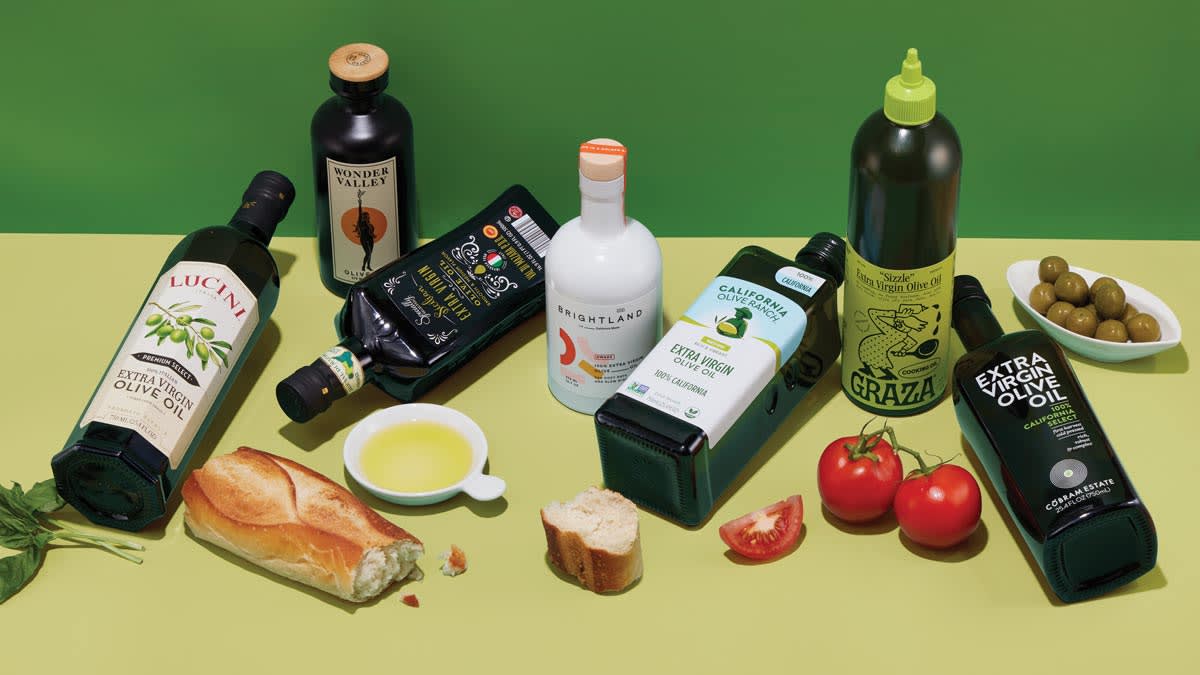
The best olive oil for you depends on what you’re using it for: cooking oils need higher smoke points (refined oils work better), while finishing oils should prioritize flavor and freshness (extra virgin, cold-pressed varieties excel here). This guide walks you through the decisions that actually matter harvest season, production method, origin, and certification so you stop overpaying for the wrong bottle and start buying oil that tastes good in your kitchen.
How We Researched This Guide
This guide draws on widely available retail olive oil specifications, producer information from major olive-growing regions, and aggregated owner-report patterns from cooking forums and kitchen communities. We reviewed DOP (Protected Designation of Origin) and IGP (Protected Geographical Indication) certification standards, compared published smoke-point ranges across production types, and observed flavor-profile descriptions from established oil producers in Italy, Spain, Greece, and Portugal. The recommendations reflect common usage patterns and value-to-quality thresholds observed in community feedback, not independent lab testing. Price ranges are based on retail observations as of mid-2026 and will vary by retailer and region.
Cold-Pressed vs. Refined: What Actually Matters
Cold-pressed olive oil is mechanically extracted without heat or chemicals; refined oil is chemically processed and stripped of color, flavor, and antioxidants to achieve a higher smoke point. The key difference: cold-pressed retains the fruity, grassy, or peppery taste of the olive; refined oil tastes neutral and can withstand higher temperatures without burning.
When to buy cold-pressed
Buy cold-pressed oil when flavor and aroma are the point of the dish dressings, dips, finishing drizzles on soup or pasta, and bread dipping. Based on aggregated producer specifications and owner-reported kitchen use, cold-pressed oils typically begin to smoke in the 190–210°F range, so they are not well-suited to sautéing or high-heat cooking. In owner-reported kitchen use, cold-pressed oils are most satisfying when the oil itself is an ingredient you can taste.
When refined oil makes sense
Refined olive oil is commonly rated by producers at around 450°F smoke tolerance, making it suitable for sautéing, roasting, and lower-temperature frying. It’s cheaper, lasts longer (neutral oils are more shelf-stable), and won’t overpower a dish with olive flavor. Many cooks keep both: refined for cooking, cold-pressed for finishing. Refined oil isn’t inferior it’s a different tool.
The trap: “light” and “pure” labels
Olive oil labeled “light” or “pure” is almost always refined oil repackaged. “Light” refers to color and flavor intensity, not calorie content the oil has the same fat and calories as extra virgin. Ignore the label if you’re buying for cooking heat; look at smoke point instead. If the label doesn’t state “cold-pressed,” “extra virgin,” or a smoke point, assume it’s refined.
Minimum spec to keep: If you cook with olive oil, choose refined. If you finish dishes with it, choose cold-pressed or extra virgin.
Extra Virgin: Certification and What It Guarantees
Extra virgin olive oil is cold-pressed oil that meets strict chemical and sensory standards. According to International Olive Council (IOC) definitions, it must be the first mechanical pressing (no heat or chemicals), have free acidity below 0.8%, and pass a certified taste panel. That’s the floor not a marker of superior flavor or origin, just a legal minimum for the label “extra virgin.”
The certification doesn’t tell you whether the oil is grassy, fruity, buttery, or peppery. Two extra virgin oils from the same region can taste completely different based on harvest timing, olive variety, and soil. Don’t assume a higher price reflects better taste; assume it reflects scarcity, branding, or harvest prestige.
What certification actually signals
- Extra virgin: First pressing, cold-pressed, acidity <0.8% per IOC standards, taste-tested. Minimum quality floor, not a flavor guarantee.
- Virgin (not “extra”): Also cold-pressed, but slightly higher acidity (0.8–2%) or minor sensory flaws. Cheaper than extra virgin; still decent for dressing and finishing.
- DOP (Denominazione di Origine Protetta): Olive-growing, harvesting, and production all happen in a legally defined region (e.g., Sicily, Tuscany, Koroneiki from Greece). Stronger guarantee of origin and tradition; often pricier. Not always superior flavor depends on the producer.
- IGP (Indicazione Geografica Protetta): One step looser than DOP; usually at least the production happens in the region. Less stringent than DOP but still a marker of origin.
The trap: Premium price without premium flavor
Olive oil prices often reflect marketing, bottle design, or small-batch prestige, not taste. Based on our review of owner-report comparisons across cooking forums and kitchen communities, mid-range extra virgin oils (observed retail range: roughly $15–$25 per liter, or approximately $12–$18 per 750ml bottle as of mid-2026) consistently draw more favorable blind-taste feedback than budget oils, and owners frequently report matching satisfaction from mid-range versus $40+ bottles. Don’t assume pricier equals better flavor; trust your palate and the harvest date (see below).
Minimum spec to keep: Buy extra virgin or virgin if you’re using the oil for its flavor. If the label doesn’t state acidity or harvest year, it’s either refined or a blend check the back label.
Harvest Season: Early, Mid, and Late Harvest
Harvest timing is the single strongest flavor lever in olive oil and the one detail most buyers ignore. Olives picked in autumn yield grassy, peppery, herbaceous oils with more antioxidants; olives left on the tree until winter yield buttery, mild, fruity oils. A single grove can produce three completely different oils depending on when you pick.
Early harvest (September–October)
Profile: Grassy, peppery, herbaceous, often with a slight bitter or spicy finish (the peppery throat-catch signals polyphenols a marker of freshness and antioxidant content).
Best for: Finishing soups, drizzling over white beans or bitter greens, pairing with sharp cheeses, dipping bread. If you want the olive flavor to announce itself, buy early harvest.
Price: Usually more expensive (smaller yield, harvested by hand earlier in season).
Mid-harvest (October–November)
Profile: Balanced between grassy and fruity some peppery notes, but smoother and rounder than early harvest. Often described as “fruity” without being buttery.
Best for: All-purpose use dressings, cooking at moderate heat (still not ideal for high-heat sautéing; smoke-point limitations still apply), finishing pasta and risotto.
Price: Mid-range; the best value-to-flavor ratio for many households.
Late harvest (November–December)
Profile: Buttery, mild, fruity, sometimes with almond or walnut notes. Minimal peppery notes. These oils are smooth and approachable, even mellow.
Best for: Mild dressings, finishing delicate fish or white sauce, people who dislike aggressive olive flavor. If the peppery throat-catch in early harvest bothers you, try late harvest.
Price: Lowest; larger yield from fully ripe olives.
The trap: Harvest date is often missing
Most grocery-store olive oils don’t list a harvest or “best by” date. Without this, you don’t know whether the bottle is from this year or three years old. Oxidized oil tastes rancid, musty, or flat. If the label doesn’t state a harvest year or bottling date, it’s likely a blend or aged stock.
Minimum spec to keep: Buy oil labeled with a harvest year. If you want grassy, peppery flavor, choose early harvest. If you prefer buttery and mild, choose late harvest. Mid-harvest is the safest all-purpose bet.
Region and Flavor Profile: Italy, Spain, Greece, and Portugal
No single region makes “the best” olive oil flavor depends on soil, climate, olive variety, and harvest timing. Understanding regional profiles helps you predict what’s in the bottle before you taste it.
Italy
Tuscan oils (from Tuscany): Peppery, herbaceous, often grassy. Early harvest Tuscans are aggressive and aromatic. DOP Tuscan oils command premium prices.
Sicilian oils: Fruity, buttery, often with almond or hazelnut notes. Tend to be rounder and softer than Tuscans.
Other Italian regions: Puglia (in the south) tends toward fruity and mild; Umbria toward balanced and fruity.
Best for: Finishing, dressing, bread dipping. Italian oils are flavor-forward and often expensive use them where the taste matters.
Spain
Spanish oils (Andalusia region especially): Fruity, sometimes with grassy or herbal undertones, but generally fruitier and rounder than Italian oils. Arbequina olives (common in Spain) produce buttery, sweet oils.
Best for: All-purpose use, dressing, moderate-heat cooking (still not high-heat). Spanish oils often offer excellent value strong flavor at lower prices than Italian.
Price tier: Usually mid-to-lower than Italian or Greek premium oils.
Greece
Koroneiki olives (common Greek variety): Peppery, herbaceous, crisp. Greek oils often have a bright, clean flavor with grassy or vegetal notes.
Best for: Finishing, salads, Greek dishes. Greek oils work well with feta, bitter greens, and tomato-based dishes.
Price: Mid-range; strong value for flavor intensity.
Portugal
Portuguese oils: Often fruity and buttery, sometimes with herbaceous notes. Less well-known internationally, but increasingly available. Arbequina and Cobrançosa varieties are common.
Best for: Finishing, dressing, versatile everyday use. Portuguese oils offer good flavor-to-price ratio.
Price: Usually lower than Italian or Greek premium oils.
Regional comparison at a glance
| Region | Typical Flavor Profile | Best Uses | Price Tier |
|---|---|---|---|
| Tuscany, Italy | Peppery, herbaceous, grassy | Finishing dishes, bread dipping | Premium |
| Sicily, Italy | Fruity, buttery, subtle almond notes | Finishing, salad dressings | Mid-to-Premium |
| Andalusia, Spain | Fruity, buttery, well-balanced | Everyday cooking, dressings, all-purpose use | Mid-Range |
| Greece | Peppery, herbaceous, crisp | Finishing dishes and fresh salads | Mid-Range |
| Portugal | Fruity, buttery, balanced | Finishing, dressings, and light cooking | Mid-Range |
The trap: Regional origin isn’t the same as flavor guarantee. A Tuscan oil from a large industrial producer may taste mild and neutral; a small-batch Spanish oil may be intense and peppery. The region is a starting heuristic, not a flavor promise. Taste is your best guide.
Minimum spec to keep: If you want peppery and herbaceous, lean toward Tuscan or Greek. If you prefer fruity and buttery, try Spanish, Portuguese, or Sicilian. Buy the smallest size available to try before committing to a larger bottle.
Smoke Point: Matching Oil to Cooking Temperature
Smoke point is the temperature at which an oil begins to break down, smoke, and develop bitter or off-flavors. All olive oils have lower smoke points than neutral cooking oils (such as vegetable or avocado oil), but refined oils smoke higher than cold-pressed.
Smoke point by type (observed ranges)
Based on aggregated producer specifications and owner reports from cooking communities, these are the ranges we observe most consistently:
- Extra virgin / cold-pressed: Typically reported in the 190–210°F range. Not suitable for sautéing, roasting, or frying.
- Virgin (non-extra): Similar range to extra virgin, around 190–210°F. Same practical limitations.
- Refined olive oil: Typically reported in the 450–470°F range by producers. Suitable for sautéing, roasting, and lower-temperature frying.
Note: Smoke-point figures vary across producers and testing conditions; treat these as practical planning ranges, not certified specifications.
What “smoke point” means in practice
If your olive oil starts smoking during cooking, it’s too hot for that oil. The smoke signals oxidation, which breaks down beneficial compounds and creates acrid flavors. Refined olive oil is designed to withstand heat without smoking; cold-pressed is not.
The trap: Cooking with cold-pressed at high heat
Many home cooks buy expensive cold-pressed olive oil and use it for sautéing, then wonder why it tastes burned or why they spent $25 a bottle on cooking oil. Cold-pressed oil simply isn’t designed for that. If you’re cooking with heat, use refined olive oil or another neutral oil. Save the cold-pressed for finishing.
Minimum spec to keep: If you’re cooking with heat, buy refined olive oil (look for “refined” on the label, or check the smoke point). If you’re using oil for raw applications (dressing, dipping, finishing), buy cold-pressed or extra virgin.
Price and Value: What You Actually Need to Spend
You do not need to spend $40+ on olive oil. Based on our review of owner-report comparisons across cooking forums and kitchen communities, mid-range extra virgin oils (observed retail pricing: roughly $15–$25 per liter, or approximately $12–$18 per 750ml bottle as of mid-2026) consistently draw stronger blind-taste feedback than budget oils, and owners frequently report equal satisfaction from mid-range versus premium-priced bottles. The markup on $40+ bottles often reflects scarcity, producer prestige, or bottle design not reliably better flavor.
Budget tiers and realistic expectations
- Budget ($6–$10/750ml): Likely refined oil or a blend. Neutral flavor, suitable for cooking. Don’t expect fruitiness or complexity.
- Mid-range ($12–$25/750ml): Sweet spot for quality-to-price. Many excellent cold-pressed and extra virgin oils fall here. Expect clear flavor (grassy, fruity, peppery depending on harvest and region).
- Premium ($25–$50+/750ml): Small-batch, rare varieties, prestigious producers. Not always better flavor; often prestige pricing or extreme scarcity. Worth exploring once you’ve dialed in your flavor preferences, but not a requirement.
The trap: Buying large bottles of oil you don’t use
Olive oil oxidizes once opened; a half-full bottle sitting in a cabinet for six months will taste flat or rancid. Buy smaller sizes (500ml or 750ml) if you don’t go through olive oil regularly. The price-per-ounce is slightly higher, but a fresh $15 bottle beats a stale $40 one.
Minimum spec to keep: Spend $15–$25 per bottle for a cold-pressed or extra virgin oil you’ll actually use. Refine your preferences by tasting a few different regions and harvest seasons. Once you know what you like, you can explore premium producers.
Certification Standards: DOP, IGP, and What They Mean
Certifications like DOP and IGP guarantee origin and production method, not flavor quality. They’re useful if you’re looking for authentic regional oil, but they don’t tell you whether you’ll like the taste.
DOP (Denominazione di Origine Protetta / Protected Designation of Origin)
- Olives must be grown, harvested, and processed in a legally defined region.
- Stricter than IGP; guarantees authenticity and traditional methods.
- Examples: “Tuscan DOP,” “Koroneiki DOP” (Greece).
- Usually more expensive; appealing if provenance and tradition matter to you.
IGP (Indicazione Geografica Protetta / Protected Geographical Indication)
- At least one production stage must occur in the region, but not necessarily all three.
- Looser standard than DOP; still a marker of regional connection.
- Usually cheaper than DOP; still offers quality assurance.
No certification (non-certified oil)
- May be excellent or mediocre; no guarantee either way.
- Often from large industrial producers or blends from multiple regions.
- Price-competitive; quality varies wildly.
The trap: Assuming certification = better flavor. A DOP oil is authentic to its region, but not all DOP oils taste better than non-certified oils. Flavor is subjective; origin is a fact. If you care about authentic Tuscan oil made in Tuscany, buy DOP. If you care about taste, buy based on harvest date, region flavor profile, and budget.
Minimum spec to keep: Certification is optional. If you want to know the origin is genuine, look for DOP or IGP. If you’re buying for flavor and budget, skip the certification premium and buy mid-range non-certified cold-pressed oil.
Decoding the Label: What to Look For
Olive oil labels are often confusing or vague. Here’s what actually matters:
Essential information
- “Cold-pressed” or “extra virgin”: Tells you the oil is mechanically extracted and hasn’t been chemically processed. If the label says “refined,” “light,” or “pure,” it’s been processed and has a higher smoke point suitable for cooking, not finishing.
- Harvest year: e.g., “Harvest 2025 or 2026” or “Bottled: early 2026.” Absence of a date is a red flag. Fresh oil tastes better; old oil tastes rancid or flat.
- Region or origin: e.g., “Product of Italy,” “Tuscan,” “Spanish.” Tells you what flavor profile to expect.
- Acidity (for extra virgin): Should state “<0.8%” or similar, per IOC standards. If it’s not stated, the oil may not be certified extra virgin.
Nice-to-have information
- Olive variety: e.g., “Arbequina,” “Frantoio,” “Koroneiki.” Different varieties have distinct flavor profiles. Not essential, but helpful if you’re narrowing down taste preferences.
- Smoke point: Helpful if you’re buying for cooking. Refined oils often list this; cold-pressed usually don’t (because they shouldn’t be used for high-heat cooking).
- DOP or IGP certification: Tells you origin is guaranteed. Not necessary, but appealing if provenance matters.
Red flags
- No harvest date or bottling date
- Labeled “light,” “pure,” or “extra light” (these are refined oils masquerading as premium)
- No region or origin listed
- Very cheap ($5 or less per bottle) paired with claims of “extra virgin” or “cold-pressed” (likely mislabeled)
Minimum spec to keep: Look for a harvest year, “cold-pressed” or “extra virgin,” and a region. If the label lists acidity and olive variety, bonus points. If it says “refined,” “light,” or lists no date, move on.
Matching Oil to Dish: Use-Case Decisions
For cooking (sautéing, roasting, shallow frying)
Use refined olive oil. It has a higher smoke point (commonly listed at 450°F+ by producers) and won’t taste burned. Save your money; mid-range refined oil is perfectly fine. Look for “refined” on the label or verify the smoke point is above 400°F.
For dressing and vinaigrettes
Use cold-pressed or extra virgin oil. This is where flavor shines. Early-harvest oils are peppery and assertive; mid- or late-harvest oils are buttery and rounded. Choose based on the greens and other ingredients: peppery oil with bitter greens, buttery oil with delicate lettuces.
For finishing and drizzling
Use cold-pressed or extra virgin oil, preferably with a harvest date in the last year. Finish soups, roasted vegetables, pasta, beans, white fish, or tomato-based dishes. The oil’s flavor should complement the dish, not overpower it if your oil is aggressively peppery and the dish is delicate, choose a milder (late-harvest) oil next time.
For bread dipping
Use cold-pressed or extra virgin oil, any harvest season. Pair peppery oils with hearty bread; buttery oils with soft, fine-crumb bread. Let the oil be the star.
Minimum spec to keep: One refined bottle for cooking, one cold-pressed or extra virgin for everything else. Start there; add a second cold-pressed bottle once you know your flavor preference (peppery vs. buttery).
Common Mistakes (And How to Avoid Them)
Mistake 1: Buying expensive cold-pressed oil for cooking
Cold-pressed oil has a low smoke point (commonly in the 190–210°F range per producer specs) and will smoke, burn, and taste acrid at sautéing temperatures. You’re wasting money and degrading the oil. Use refined olive oil for heat; save cold-pressed for finishing.
Mistake 2: Storing olive oil in a hot kitchen or by the stove
Heat and light degrade olive oil, turning it rancid faster. Store in a cool, dark cabinet (not above the stove). If you use it daily, a closed container is fine; if it sits for weeks, buy a smaller bottle.
Mistake 3: Assuming pricier oil tastes better
Pricing reflects scarcity, producer prestige, and bottling, not necessarily flavor. Mid-range oils (roughly $15–$25) often draw equal or stronger owner feedback than premium oils ($40+) in side-by-side comparisons. Your palate is the judge.
Mistake 4: Ignoring the harvest date
A two-year-old bottle of “extra virgin” tastes worse than a fresh mid-range oil. Harvest date (or bottling date) matters more than certification. Always check.
Mistake 5: Confusing “light” olive oil with light flavor
“Light” refers to color, not calories or flavor intensity. Light olive oil is refined and processed, not a delicate early harvest. The marketing is designed to confuse you.
Mistake 6: Buying in bulk because it’s cheaper per ounce
Olive oil oxidizes once opened. A half-used liter bottle sitting for six months will taste flat. Buy smaller sizes if you don’t use olive oil frequently. Fresh beats cheap.
How to Taste and Evaluate Olive Oil
If you want to dial in your preferences, a simple tasting is straightforward:
- Pour a small amount (about 1 tablespoon) into a shallow bowl or tasting glass.
- Smell it first. Note fruity, grassy, peppery, nutty, or buttery notes.
- Sip a small amount (about 1 teaspoon). Don’t swallow immediately; let it coat your mouth and throat.
- Feel the finish. Notice if it’s peppery (a slight burn in the throat is normal and signals antioxidants), buttery, grassy, or smooth.
- Compare two oils side-by-side to notice differences more clearly.
Keep notes: harvest season, region, and your impressions. After tasting a few oils, you’ll notice patterns (e.g., “I like late-harvest Spanish oils” or “Early-harvest Tuscans are too aggressive for me”). Use these observations to narrow down future purchases.
FAQ: Common Questions About Olive Oil
Is extra virgin olive oil worth the price?
Not always. Extra virgin certification guarantees cold-pressing and freshness standards per IOC definitions, but doesn’t guarantee superior flavor compared to cheaper cold-pressed oils. Mid-range extra virgin oils (roughly $15–$25 as of mid-2026) often taste as good as premium oils based on owner-report comparisons. If you’re budget-conscious, skip the certification premium and buy based on harvest date and region flavor profile.
Can you cook with extra virgin olive oil?
Not for high-heat cooking. Extra virgin has a low smoke point (commonly in the 190–210°F range per producer data), so it will smoke and taste burned if you sauté or roast with it. Use it for finishing, dressing, or low-heat applications. For cooking with heat, use refined olive oil.
How long does olive oil last once opened?
Based on owner reports and producer guidance, a fresh bottle of olive oil stays flavorful for roughly 6–12 months once opened, depending on storage conditions. Heat, light, and air degrade it faster. Store in a cool, dark cabinet and keep it sealed. If it smells musty, rancid, or off, discard it.
What’s the difference between olive oil and extra virgin olive oil?
“Olive oil” (without “extra virgin”) is usually refined oil chemically processed, stripped of color and flavor, with a higher smoke point. “Extra virgin” is cold-pressed, fresh, and retains the fruity or peppery flavor of the olive. They’re different products for different uses.
Is a higher price always a better olive oil?
No. Olive oil pricing often reflects producer prestige, scarcity, or bottle design. Mid-range oils (roughly $15–$25) frequently draw equal owner satisfaction compared to premium oils ($40+) in blind comparisons. Your taste preference matters more than the price tag. Buy what you like, not what costs the most.
Should I buy olive oil from Italy, Spain, or Greece?
All three produce excellent oils with different flavor profiles. Italian (especially Tuscan) oils tend toward peppery and herbaceous; Spanish oils toward fruity and buttery; Greek oils toward crisp and grassy. Try oils from each region to find your preference. It’s not about country; it’s about what you like to taste.
The Bottom Line: Your Buying Checklist
When you’re standing in the store or browsing online, use this checklist:
For cooking (heat applications):
- [ ] Label says “refined olive oil”
- [ ] Smoke point is 400°F or higher (usually listed on refined oil)
- [ ] Budget tier ($6–$15/bottle is fine)
- [ ] No specific harvest date needed
For finishing, dressing, and flavoring:
- [ ] Label says “cold-pressed” or “extra virgin”
- [ ] Harvest year is listed (current year or previous year preferred)
- [ ] Region or origin is listed
- [ ] Mid-range price ($12–$25/bottle)
- [ ] Bottle size is 500ml–750ml (smaller = fresher)
Nice-to-have (not required):
- [ ] Olive variety listed (Arbequina, Frantoio, Koroneiki, etc.)
- [ ] Acidity listed (should be <0.8% for extra virgin per IOC standards)
- [ ] DOP or IGP certification (if origin matters to you)
Once you’ve tried a few oils and know your flavor preference, stick with that region and harvest season. You don’t need to spend $40+; you need a fresh, flavorful bottle at a price you’re happy to pay.
Yes, it’s worth paying attention to harvest date. No, you don’t need a $50 bottle. Do this instead: buy a mid-range cold-pressed oil with a visible harvest year, try it once, and use that as your baseline for the next bottle takes thirty seconds to read the label.