
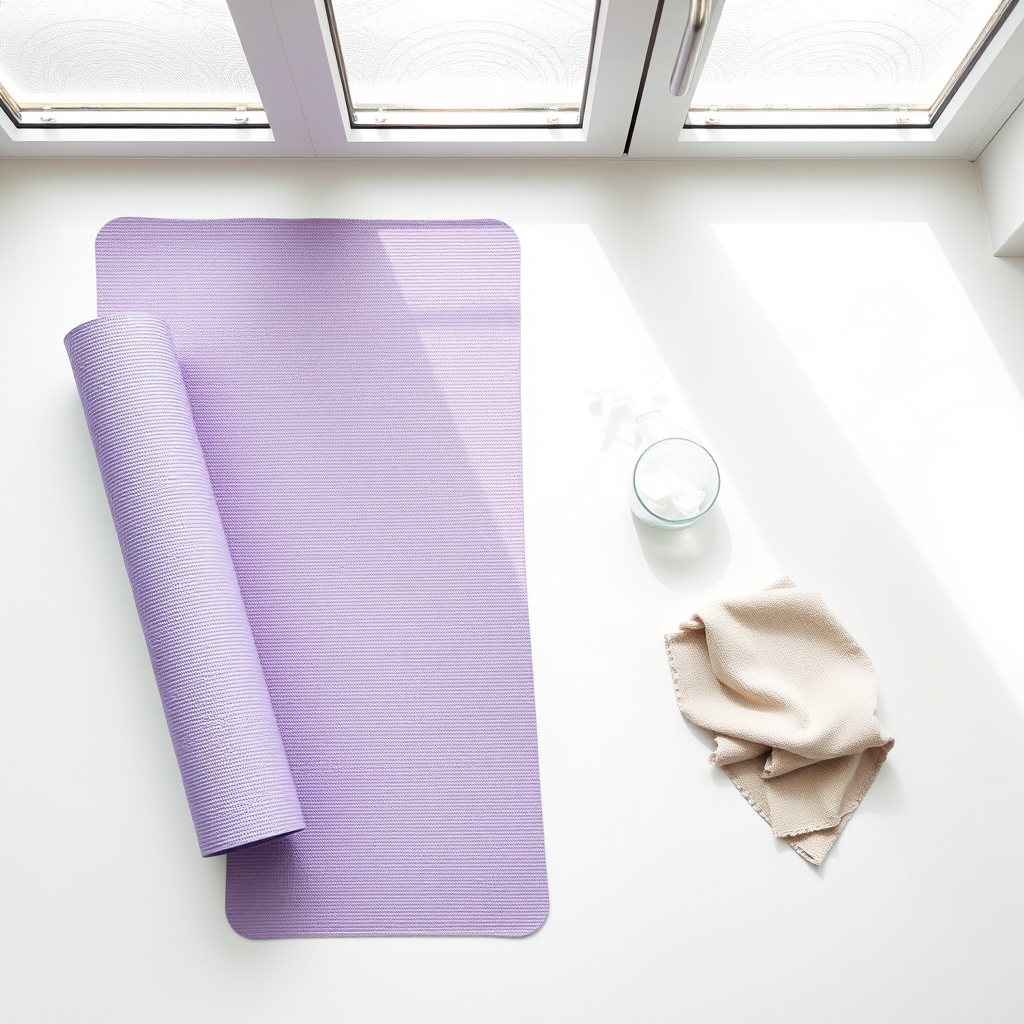
A clean yoga mat prevents bacterial buildup, odors, and mildew while extending its lifespan. Most yoga mats need weekly washing and occasional deep cleaning a routine that takes 15 to 30 minutes depending on your method and mat material. Below is a step-by-step guide to sanitize and maintain your mat for both hygiene and durability.
What You’ll Need
Before you start, gather the right tools for your mat type:
- Soft cloth or microfiber towel– for daily wiping
- Mild dish soap or dedicated yoga mat cleaner
- Spray bottle– for misting solutions
- Soft-bristled brush (optional)- for stubborn spots on textured mats
- Lukewarm water
- Access to a shower, bathtub, or outdoor space– for rinsing
- Rolling mat or clean towel– for drying (mat-specific)
For DIY solutions, keep on hand:
- White vinegar (5% acidity)
- Essential oils (tea tree, lavender, or eucalyptus)
- Baking soda (for deodorizing)
Daily Wiping (2–3 minutes)
The fastest way to prevent odor and bacteria is to wipe your mat immediately after use.
Step 1: Lay your mat flat on a clean, dry surface or drape it over a rack.
Step 2: Mix a simple wipe solution in a spray bottle: one part white vinegar to three parts water, plus 2–3 drops of your chosen essential oil (tea tree is antimicrobial; lavender is calming). Shake well.
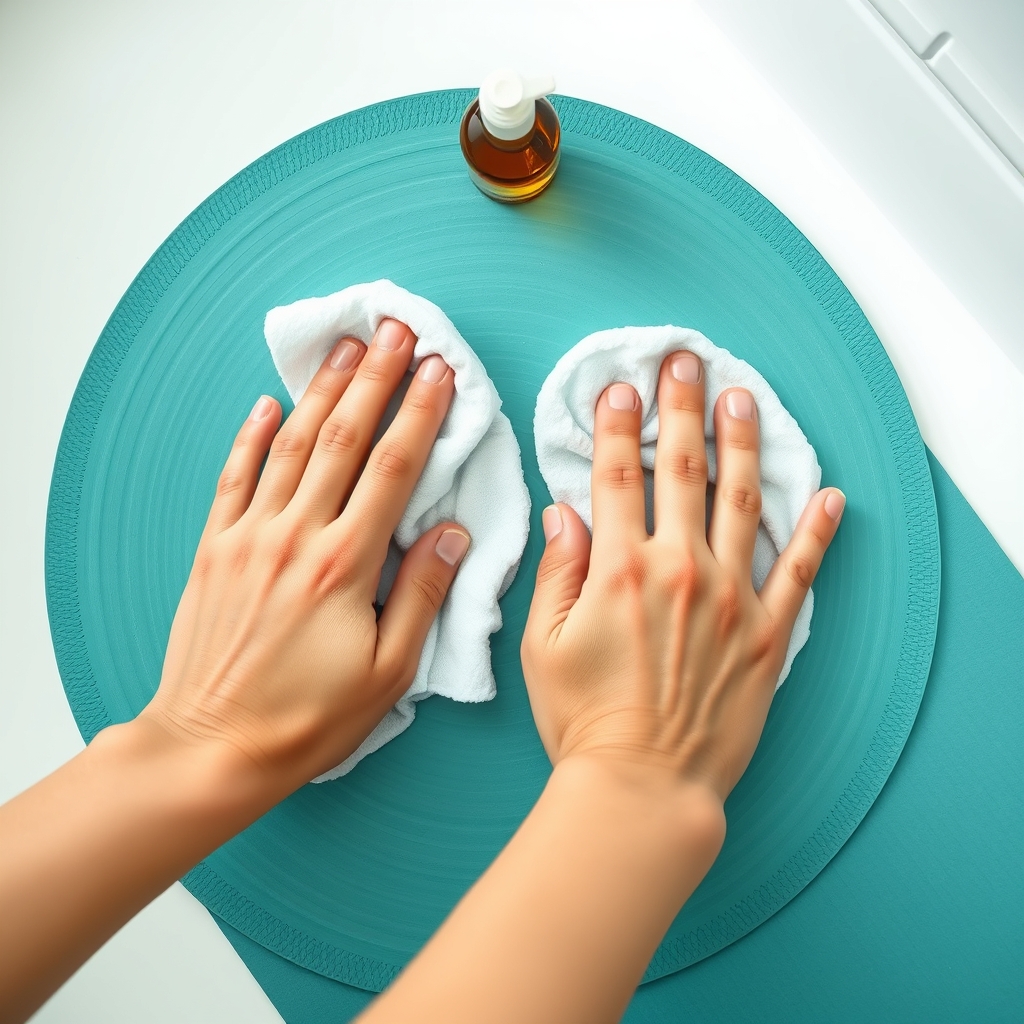
Step 3: Spray the solution lightly across both sides of the mat don’t oversaturate, as excess moisture can seep into the core and cause mildew.
Step 4: Wipe both sides with a clean microfiber cloth, using firm, circular motions. Pay extra attention to the areas where your hands and feet contact the mat.
Step 5: Leave the mat unrolled in a well-ventilated space for 5–10 minutes to air-dry. Do not roll it up while damp.
Why this matters: Sweat, skin cells, and oils create an ideal environment for bacteria and fungi. Daily wiping removes these before they colonize the mat’s surface.
Weekly Washing (15–20 minutes)
Once a week, give your mat a more thorough wash.
Step 1: Unroll your mat in a bathtub or large outdoor basin. If using a tub, fill it with lukewarm water (not hot, as heat can degrade certain mat materials) to a depth of 2–3 inches.
Step 2: Add a few drops of mild dish soap or 2 tablespoons of white vinegar to the water. Avoid harsh detergents, bleach, or fabric softeners these break down rubber and PVC.
Step 3: Submerge the mat for 2–3 minutes to loosen dirt and sweat residue.
Step 4: Use a soft cloth or soft-bristled brush to gently scrub both sides of the mat, working from one end to the other. For textured or cork mats, follow the grain to avoid pushing dirt deeper into the material.
Step 5: Drain the tub and rinse the mat thoroughly under cool running water until all soap residue is gone. Soap left behind can make the mat slippery and sticky.
Step 6: Wring out excess water gently do not twist or wring hard, as this stresses the mat’s structural integrity.
The mistake everyone makes: Letting the mat soak for hours or using hot water. Extended submersion and heat weaken the mat’s adhesives and can cause delamination (layers separating). Stick to the 2–3 minute soak and lukewarm temperature.
Deep Cleaning Solutions (20–30 minutes)
For stubborn odors, visible stains, or mats with heavier use, deep clean every 2–4 weeks using one of these methods.
Method 1: Vinegar and Essential Oil Bath
This is the most common DIY approach and works well for most mat types.
Step 1: Fill your bathtub with lukewarm water and add one part white vinegar to two parts water (roughly 1 cup vinegar per gallon of water).
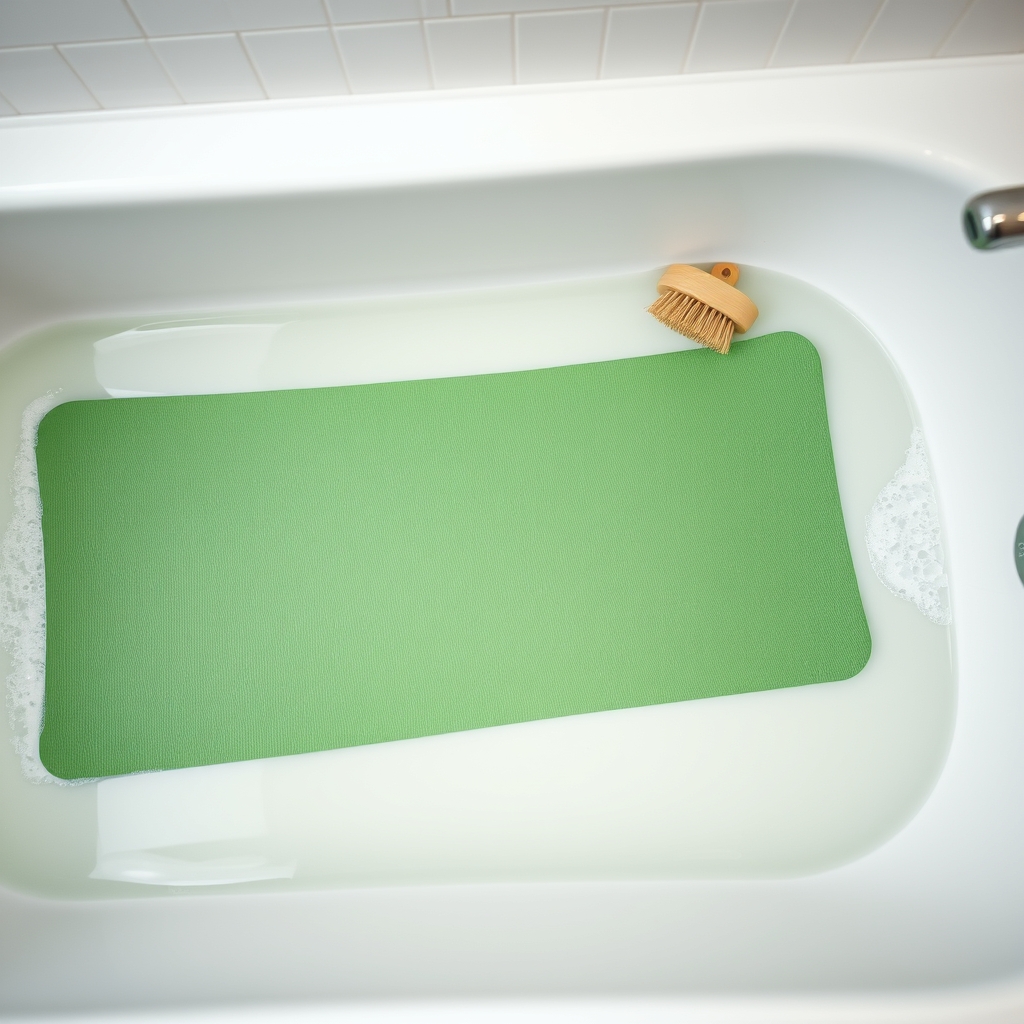
Step 2: Add 5–10 drops of tea tree, eucalyptus, or lavender essential oil. Stir to distribute the oil throughout the water.
Step 3: Submerge the mat for 5–10 minutes (do not exceed 10 minutes for PVC or closed-cell mats, as prolonged contact can soften them).
Step 4: Scrub gently with a soft cloth, paying attention to high-sweat areas (center, top third).
Step 5: Rinse thoroughly under running water until no vinegar smell remains. Vinegar lingering on the mat will make it smell during practice.
Step 6: Hang the mat vertically or lay it on a clean towel to air-dry for 24 hours before rolling.
Method 2: Baking Soda Deodorize (for odor-only issues)
If your mat is clean but smells, this method neutralizes odors without water.
Step 1: Unroll the mat on a clean surface.
Step 2: Sprinkle baking soda evenly across both sides of the mat roughly 2–3 tablespoons per side.
Step 3: Let the baking soda sit for 15–30 minutes. Close windows to keep the powder from blowing around.
Step 4: Vacuum or brush off the baking soda gently, or wipe it away with a damp cloth.
Step 5: Allow the mat to air for a few hours before rolling. The smell should be neutralized.
Method 3: Yoga Mat Cleaner Spray
If you prefer a commercial product, use it as directed on the label. Most work like the daily vinegar spray but with added antimicrobial ingredients.
Step 1: Spray the cleaner generously (but not soaking) across both sides.
Step 2: Let it sit for 5–10 minutes so the active ingredients can kill bacteria.
Step 3: Wipe with a damp cloth and rinse thoroughly.
Step 4: Air-dry completely before rolling.
Non-obvious caveat: Some commercial cleaners leave a residue that makes the mat slippery. Always do a test spray on one corner and practice a few poses before committing to a new product. If the mat feels slick or greasy after application, you may need to rinse more thoroughly or switch to a different brand.
Drying Your Mat (Critical Step)
Improper drying is the #1 cause of mildew, mold, and persistent odor.
For all mat types:
- Never roll up a wet mat. Even a damp core will develop mildew within 24–48 hours.
- Lay the mat flat or hang it vertically. If using a drying rack or towel rod, ensure air can circulate on both sides.
- Avoid direct sunlight for extended periods. UV exposure can fade and crack rubber and PVC mats. A shaded, well-ventilated space is ideal.
- Allow 24 hours of air-drying before rolling. In humid climates, aim for 36 hours.
- Roll with a clean, dry towel inside. If you must roll the mat before it’s bone-dry, place a clean, moisture-absorbing towel inside the roll to wick away any remaining dampness.
Material-Specific Care
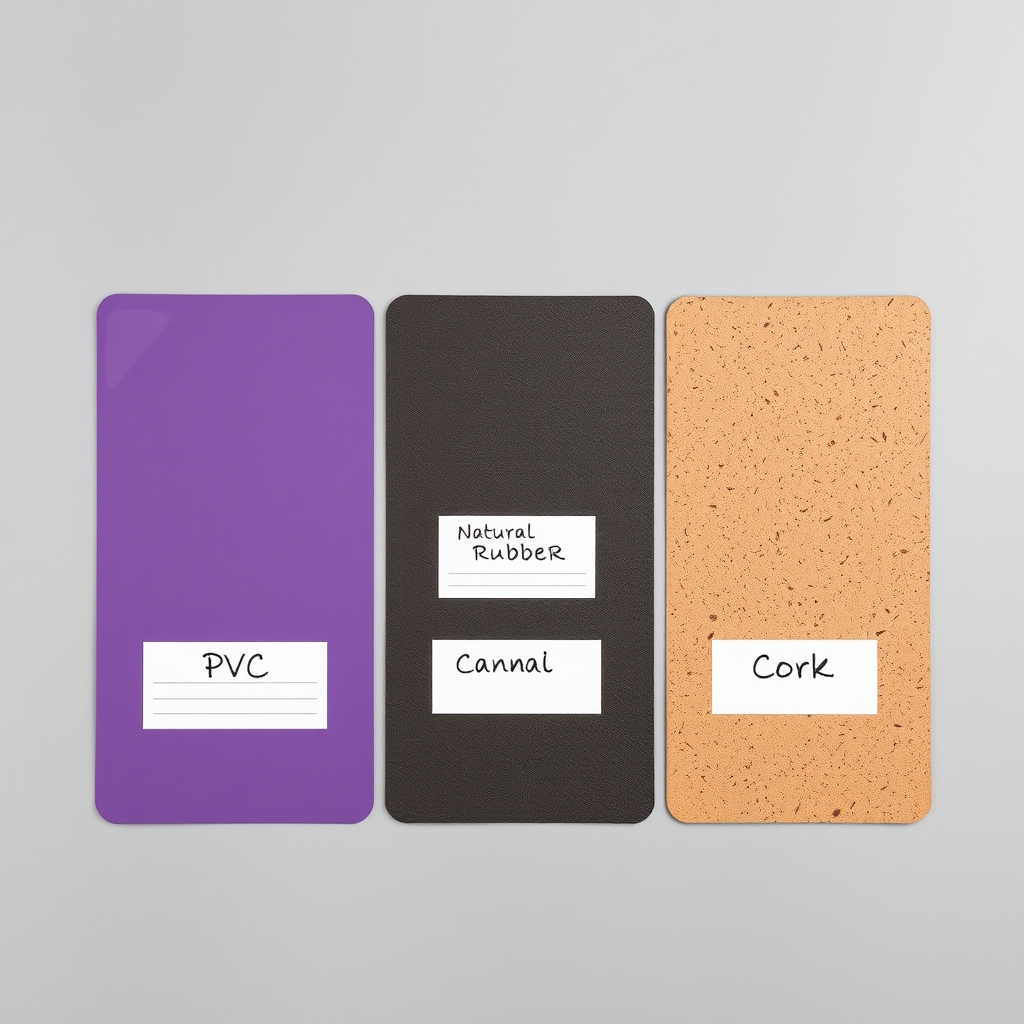
Your mat’s material affects how aggressively you can clean it.
PVC Mats
PVC (vinyl) is durable but sensitive to heat and certain chemicals.
- Use lukewarm water only, never hot.
- Avoid vinegar for routine cleaning (stick to mild soap and water) vinegar can soften PVC over time.
- Vinegar is fine for occasional deep cleans, but keep contact brief (under 10 minutes).
- Never use bleach or harsh solvents.
- Wipe down immediately after practice to prevent sticky buildup.
Rubber Mats
Natural rubber is antimicrobial but can develop a white bloom (oxidation) over time.
- Vinegar and water is ideal for rubber it removes the bloom and disinfects.
- Use mild soap and water for weekly cleaning.
- Air-dry away from direct heat and sunlight, which accelerates deterioration.
- Do not oversaturate; water seeping into the mat’s interior can cause mold.
Cork Mats (or Cork-Topped)
Cork is naturally antimicrobial but porous and requires gentler handling.
- Use a soft cloth and minimal water cork absorbs moisture easily.
- Stick to dry-cleaning methods when possible (baking soda, gentle brushing).
- For wet cleaning, use a damp cloth with mild soap, then immediately dry the cork side with a separate clean cloth.
- Never soak a cork mat; this will cause swelling and warping.
- A light vinegar spray (once a month) is acceptable, but wipe it off quickly.
Closed-Cell or High-Density Mats
These dense, non-porous mats are resistant to water and bacteria.
- Weekly washing is quick and easy since water doesn’t penetrate.
- Use any method above without worry about internal mold.
- These mats are the most low-maintenance and best for humid climates.
Common Mistakes and How to Avoid Them
Oversaturating the mat: A spray bottle mist is enough; you don’t need the mat dripping wet. Excess water seeps into the core and causes mildew or delamination.
Using the mat immediately after damp-wiping: Always let the mat air for at least 5 minutes before rolling it up or practicing. Trapping moisture accelerates bacterial growth.
Storing a mat in a damp or warm place: Yoga mats stored in closets without ventilation, garages, or damp basements will develop odor and mold. Store in a cool, dry, well-ventilated area, ideally on a mat carrier or hung on a wall.
Ignoring the mat’s edges and corners: Bacteria and mold love these often-overlooked areas. When you clean, spend extra time on the perimeter.
Mixing cleaning methods in one session: Don’t spray vinegar on a mat and then add soap-and-water washing in the same cycle the combination can leave a haze. Pick one method and complete it fully.
Frequency Guide Based on Usage
- Light use (1–2 times per week): Daily wipe-downs, weekly washing, deep clean monthly.
- Moderate use (3–5 times per week): Daily wipe-downs, weekly washing, deep clean every 2 weeks.
- Heavy use (daily practice or hot yoga): Daily wipe-downs, weekly deep cleaning, commercial sanitizer spray between sessions.
- After hot yoga or outdoor use: Wipe and air immediately; the mat is wetter and sweatier than usual.
FAQ
Can I wash my yoga mat in the washing machine? No. Machine washing is too harsh for most mats and can cause delamination, shredding, or permanent warping. Hand-washing or spot-cleaning is always safer.
Is it safe to use bleach on my yoga mat? No. Bleach breaks down rubber, PVC, and cork, and leaves toxic residue on a surface that touches your skin and face during practice. Stick to vinegar, mild soap, or baking soda.
What if my mat smells even after washing? The odor likely comes from moisture trapped inside the mat. Ensure the mat dries fully for 24+ hours in a well-ventilated space before rolling. If the smell persists, try the baking soda method or switch to a commercial antimicrobial spray. If the mat is very old (3+ years) or heavily used, the smell may be embedded in the material; this is a sign the mat is nearing end-of-life and should be replaced.
How long does a yoga mat last if I clean it properly? Most mats last 1–3 years with regular practice and good maintenance. Proper cleaning removes sweat and bacteria, which extend the mat’s lifespan and grip. Neglected mats may develop permanent odor, stickiness, or visible mold within 6–12 months.
Can I use essential oils directly on my mat without mixing them in water? No. Pure essential oils are too concentrated and can stain or damage the mat material. Always dilute them in water (a few drops per spray bottle) or mix them into a baking soda deodorizer before applying.
Regular cleaning is one of the easiest ways to extend your yoga mat’s life, keep your practice space hygienic, and avoid the unpleasant surprise of a smelly, slippery mat mid-flow. A few minutes of weekly maintenance beats hours of frustrated scrubbing later. Start with daily wipe-downs, graduate to weekly washing, and use deep cleaning when you notice stubborn odors or visible discoloration. Your mat and your nose will thank you.