
What Is a Gender-Neutral Kids’ Bedroom?
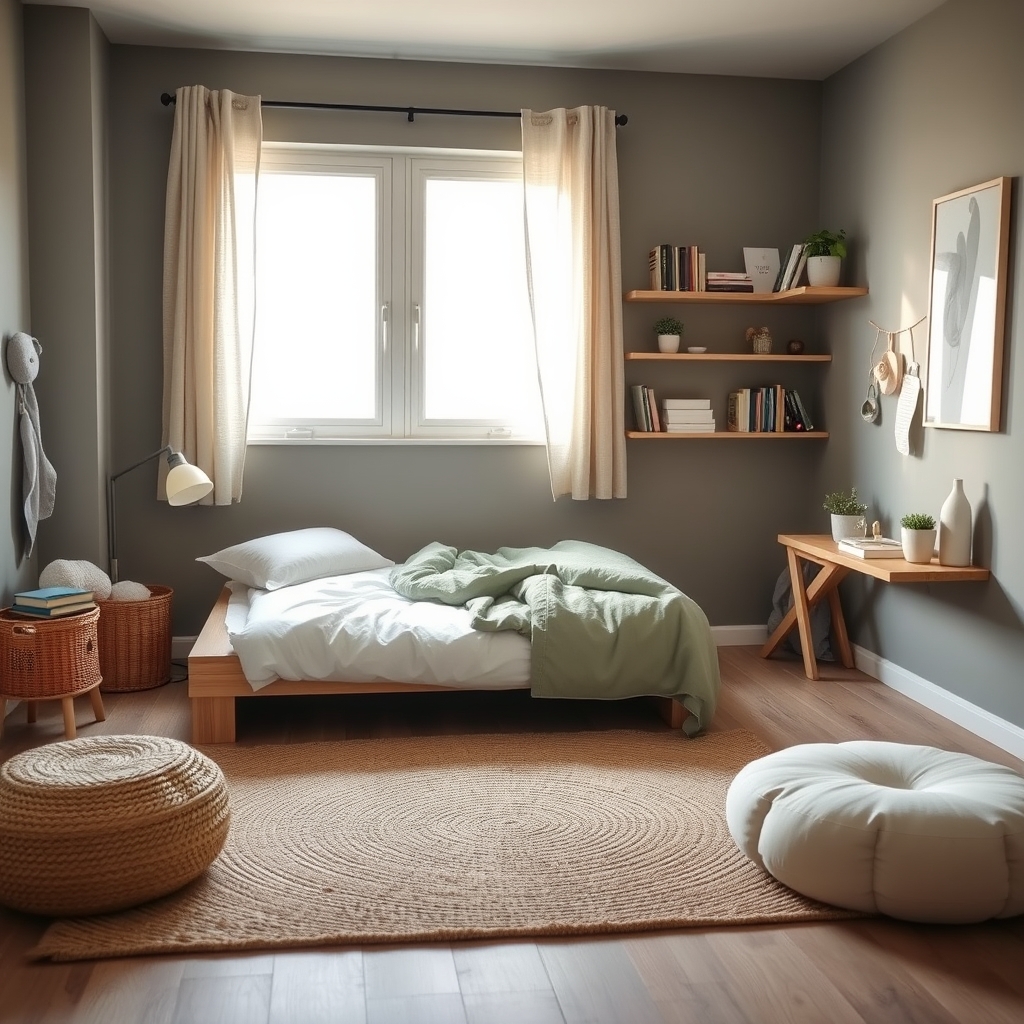
A gender-neutral kids’ bedroom is a space designed without color or decor choices tied to traditionally masculine or feminine themes. Instead of pink or blue walls, this approach uses warm grays, soft greens, natural wood, cream, sage, or warm whites as the foundation. The goal isn’t to strip personality from the room it’s to create a flexible backdrop that adapts to your child’s evolving interests and tastes, and works equally well for any child.
Gender-neutral design is practical for several reasons. It reduces the need for expensive redecoration every few years as your child’s preferences shift. It’s also inclusive if you’re raising multiple children or uncertain about your child’s identity and expression. Most importantly, it proves that you can create a space that’s visually interesting, warm, and deeply functional without relying on gendered color marketing.
Why This Matters for Kids’ Rooms
Children outgrow themed bedrooms quickly. A room designed around a licensed character, a single bright color, or a gendered aesthetic can feel babyish by age eight and require a complete overhaul by ten. A neutral foundation with accent colors, textiles, and decor that can be swapped costs less to refresh and gives your child room to express their own style as they grow.
Best Neutral Color Palettes for Kids’ Bedrooms
Color is the foundation of any room. These palettes work across all ages and pair well with textiles and decor pieces that you can change over time.
Warm Grays + Cream + Natural Wood
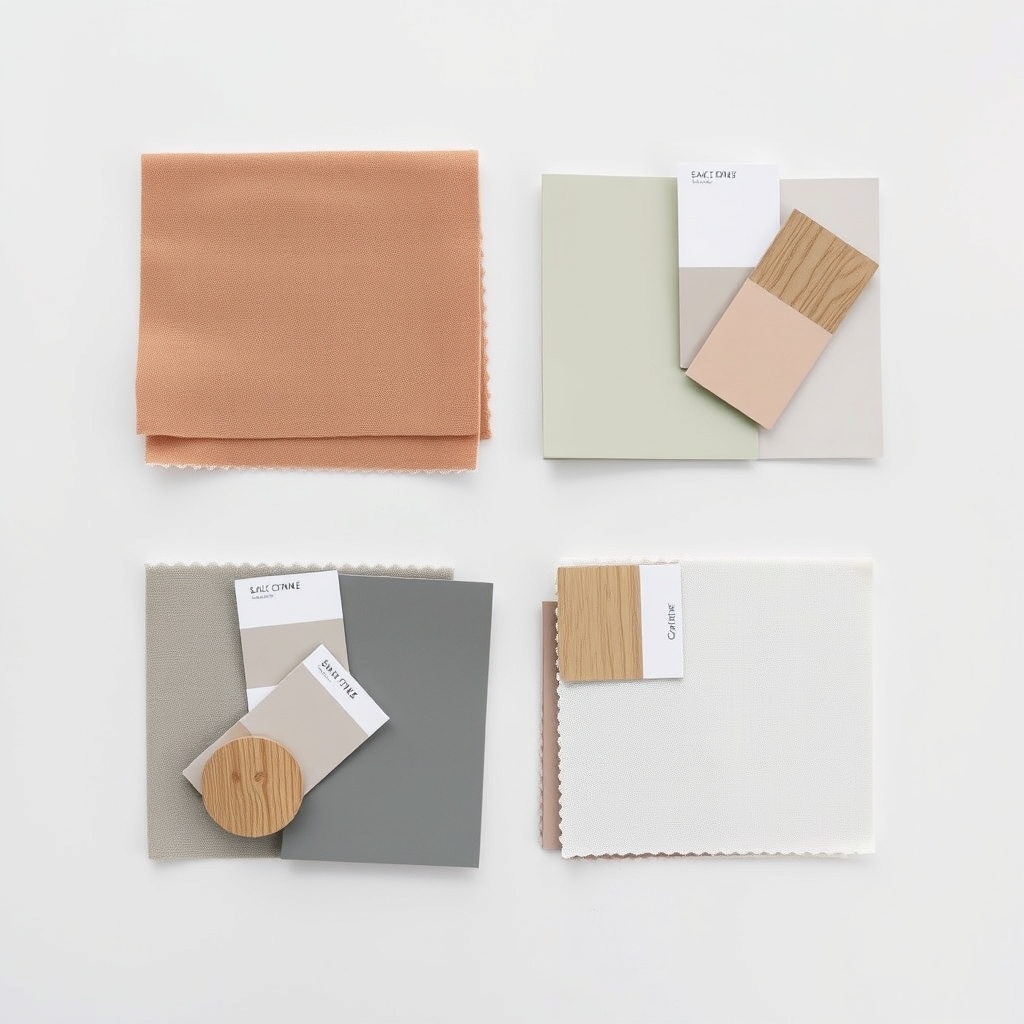
This is the most versatile base. Paint walls in a warm gray (not cool gray, which reads cold in a child’s room) think greige, dove gray, or soft taupe. Pair it with cream or off-white trim, natural wood furniture, and soft white or cream bedding. Add warmth through wood shelving, a jute rug, and linen curtains.
Why it works: Warm grays don’t feel sterile. Natural wood grounds the space and introduces organic warmth. This palette grows with your child from age three to eighteen without feeling babyish.
Accent strategy: Layer in accent colors through pillows, a throw blanket, artwork, or a single accent wall in sage green or warm taupe. These can be refreshed inexpensively as tastes change.
Sage Green + Soft White + Warm Gray
Sage green a muted, dusty green is one of the most child-friendly neutral tones because it’s calming, connects to nature, and feels modern without being trendy. Pair it with crisp white trim, warm gray accents, and natural wood.
Why it works: Green reads calm and grounded. It works in a toddler’s room and a teenager’s study space without skipping a beat. This palette is also easy to layer with secondary colors blues, warm browns, creams, or blush pink all complement sage without clashing.
Accent strategy: Add texture through a woven wall hanging, linen curtains, or a chunky-knit throw. A wooden bed frame and rattan storage baskets enhance the natural feel.
Soft Blue + Warm White + Natural Wood
If you want a cooler palette, choose a soft, warm-leaning blue think dusty periwinkle, slate blue, or soft navy rather than a bright primary blue. Pair it with warm white, natural wood, and cream linens.
Why it works: Soft blue is calming and widely appealing. It avoids the “baby boy” association of bright primary blue by going muted and sophisticated. Natural wood and cream keep it warm and inviting.
Accent strategy: Layer in warm neutrals through a cream or tan area rug, wooden furniture, and artwork with subtle color. Avoid adding hot pink or bright yellow accents, which feel disjointed against cool blue.
Warm White + Soft Taupe + Warm Gray
This monochromatic-leaning palette uses warm whites, light taupes, and soft grays in different tones. It’s minimalist but not cold. The key is texture linen, wood, natural fibers to prevent the space from feeling flat.
Why it works: Neutral-on-neutral feels calm and sophisticated. It gives your child a blank canvas to express personality through bedding, art, and decor without visual noise. Easy to refresh without repainting.
Accent strategy: Introduce accent color sparingly a single large piece of artwork, a patterned rug, or a colored throw pillow. Let your child choose the accent colors as they grow, keeping the walls neutral.
Functional Furniture That Grows With Your Child
The furniture you choose matters more than decor because it’s a bigger investment and takes up the most visual space. Stick with simple, timeless pieces in natural wood or neutral upholstery.
Bed Frame
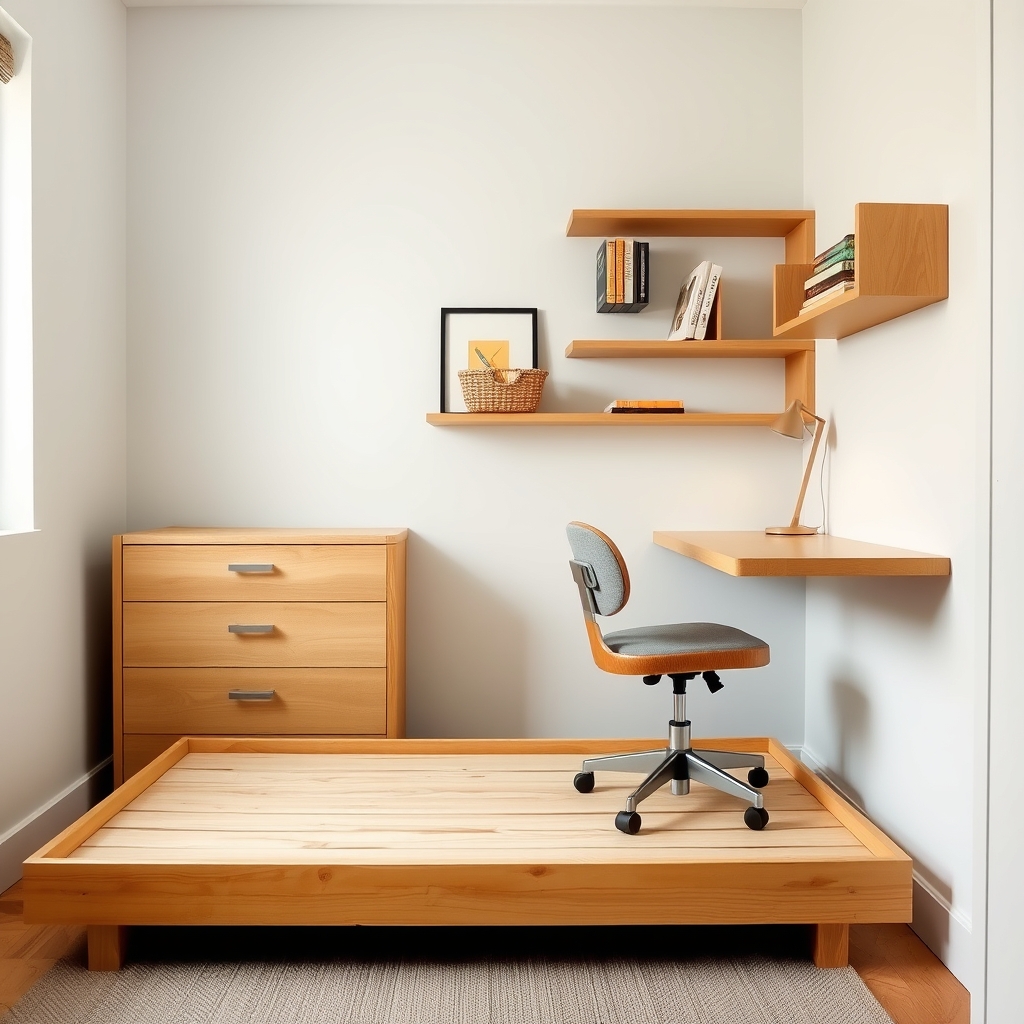
Choose a low wooden bed frame or platform bed in natural wood, light oak, or whitewashed finish. Avoid highly stylized frames with cutouts shaped like castles or cars. A simple frame with clean lines works from age three to adulthood.
Consider the size trajectory: a twin bed works from age three to thirteen. A full-size bed gives more growing room and is suitable from age eight onward. If budget allows, a low wooden platform bed in full size is a single purchase that genuinely lasts through high school.
Skip character-themed bedding in favor of solid colors, subtle geometric patterns, or nature prints. A cream, sage green, or soft blue duvet with a patterned throw pillow lets you shift the look without buying new sheets.
Storage
Prioritize open shelving and labeled bins over character-themed toy chests. Open shelves in natural wood or white keep the room visually open and let your child see what they own. This encourages tidying.
Use a combination:
- One set of floating shelves (36–48 inches wide) for books and small displays
- A low wooden dresser with 4–5 drawers for clothing
- 2–3 labeled fabric bins or woven baskets for toys, art supplies, or off-season items
- A simple wooden desk or workspace as they approach school age
Bins and baskets can be swapped out as your child grows. Keep labels simple: “Art Supplies”, “Building Toys”, “Stuffed Animals.” Your child learns organization skills, and you can refresh the look by changing basket colors without replacing furniture.
Desk and Chair
If space allows, add a simple wooden desk and a height-adjustable chair by age five or six. Choose a desk with clean lines and natural wood finish. A desk grows with your child from a homework surface to a creative workspace to a study area.
A height-adjustable chair matters more than a themed character seat. Look for neutral upholstery (gray, tan, cream) and simple mechanics. Your child will use it for years.
Avoid These Furniture Choices
- Loft beds with slides or climbing features: They’re fun for two years and then outgrown. They’re also hard to reconfigure as room needs change.
- Licensed character beds or dressers: Expensive, quickly dated, and limiting when you want to shift the room’s aesthetic.
- Highly trendy pieces: Millennial pink storage units, rose gold accents, or novelty shapes date quickly.
Creating a Functional Layout
Small Room (8×10 feet or smaller)
Against one wall: Twin bed with low wooden frame Opposite wall: Small wooden dresser (4 drawers) with floating shelf above Remaining wall space: One wall-mounted desk with chair tucked underneath, or a reading nook with floor cushions Closet: Use every inch add a closet organizer, shelving, or hanging system to maximize storage and keep the bedroom floor open
This layout keeps the room open and flexible. As your child grows, the bed can move, the desk can expand, and the reading nook can convert to a seating area.
Medium Room (10×12 feet)
Against one wall: Full-size platform bed with natural wood headboard Adjacent wall: Low dresser with 5 drawers + floating shelves above for books Third wall: Desk setup with shelving or a small bookcase for school supplies Fourth wall or corner: Open play area or reading nook with a low chair, rug, and storage bins Closet: Maximize with hanging and shelving
This layout provides distinct zones for sleep, work, storage, and play all within a moderate footprint. It works from age four through the teen years.
Larger Room (12×14 feet or more)
One wall: Full or queen bed with simple wooden frame Adjacent wall: Desk setup with shelving and task lighting Third wall: Dresser + floating shelves for display and storage Fourth area: Reading or creative zone with a low chair, bean bag, or floor cushions + storage baskets Additional options: A small table for art projects, a guitar stand, or hobby-specific storage
With more space, create distinct activity zones rather than pushing all furniture to the perimeter. This gives your child ownership of different areas and keeps the room functional as their interests evolve.
Decor and Styling That Adapts
Wall Art and Displays
Choose artwork that isn’t theme-dependent. Skip character posters and instead use:
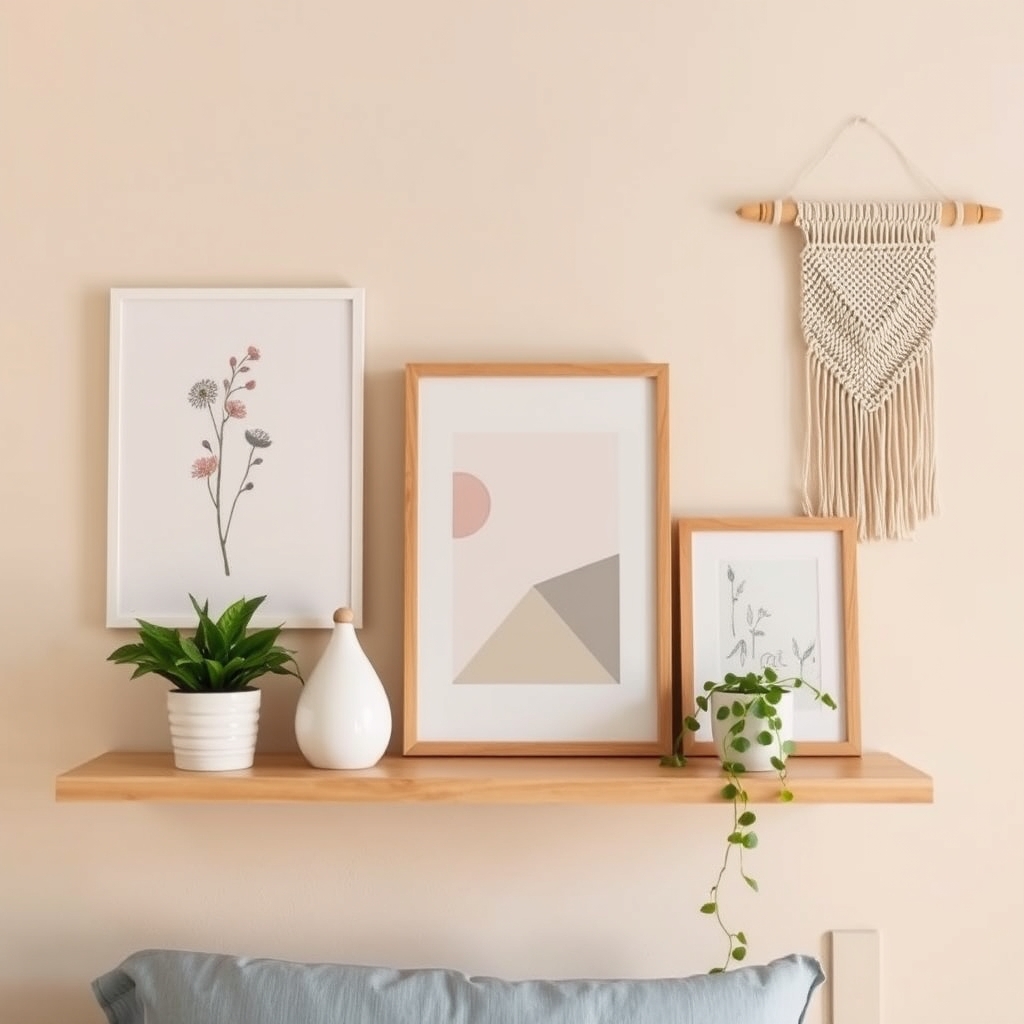
- Nature photography (trees, mountains, botanicals)
- Abstract geometric prints in neutral tones
- Inspirational quotes or simple typographic art
- Your child’s own artwork in simple frames
- Maps, constellations, or educational prints
Frame art in natural wood, white, or black frames. Use floating shelves or picture ledges to display items your child can rotate as interests change. This is cheaper than redecorating and makes the space feel dynamic.
Textiles
Textiles are the easiest element to refresh. Invest in quality basics and rotate accents:
Basics (neutral, long-lasting):
- One high-quality duvet or comforter in cream, soft gray, or sage
- White or cream pillow cases
- A neutral linen throw blanket
- A solid-colored area rug in cream, gray, or soft taupe (5×7 or 6×9 depending on room size)
Accents (easy to swap):
- Patterned or colored throw pillows (2–3, rotate seasonally)
- A patterned or colored throw blanket
- Curtains in linen or linen blend (white, cream, or sage)
- A patterned runner rug if adding secondary color
As your child grows, they can choose accent colors and patterns. A four-year-old might love a coral or teal pillow; a thirteen-year-old might prefer deep navy or forest green. The foundational neutrals stay the same.
Lighting
Good lighting matters for mood and function. Include:
- Overhead: A simple pendant or flush-mount fixture in white, brass, or natural wood nothing too babyish or trendy
- Task lighting: A reading lamp by the bed or desk in a neutral finish
- Ambient: String lights or a simple nightlight in white or warm tone for wind-down time
Avoid novelty lights shaped like animals or characters. Timeless, simple fixtures cost less to replace if your child’s aesthetic changes.
Storage Baskets and Bins
Woven baskets (jute, seagrass, rattan) in natural tones add warmth and keep clutter hidden. Use them for:
- Toys (labeled by category)
- Art supplies
- Off-season clothing
- Books
- Small comfort items
Fabric bins in soft gray, cream, or natural tones are equally functional. Label them clearly. Your child learns to tidy, and you can refresh the look by swapping baskets without changing furniture.
Common Mistakes to Avoid
Buying too much decor at once: A bare room with good bones is better than an overcrowded one. Add pieces slowly, and let your child’s interests guide additions.
Choosing trendy colors or patterns: That millennial pink feature wall or the unicorn theme felt fresh a few years ago now it feels dated. Neutral bases last a decade; trendy accents can be swapped in two years.
Skipping storage: A pretty room without enough storage becomes cluttered and stressful. Good storage hides mess, keeps the room functional, and teaches organizational habits.
Making it too babyish: Avoid baby motifs, pastels, or cutesy decor if your child is over three. A space that’s too young feels outgrown quickly and requires a complete refresh by age six or seven.
Ignoring your child’s input: By age five or six, your child has preferences. If they love dinosaurs, fossils, or space, let that guide accent colors or artwork but do it through sophisticated prints, not a themed overhaul. This teaches them that their preferences matter and keeps the room current as they grow.
Before-and-After: Room Transformations
Age 3–5: The Play Years
Foundation: Warm gray walls, natural wood furniture, cream linens Decor: Low open shelves with labeled bins, soft area rug, nature-themed artwork, simple lighting Textiles: Cream duvet, patterned throw pillows in soft colors, linen curtains Accent color: Introduced through baskets, pillows, and one wall display easy to change
This room is light, open, and functional. Your child plays on the floor, stores toys in bins, and sleeps soundly. It feels calm, not overstimulating.
Age 6–10: The School Years
Changes: Add a desk and height-adjustable chair, expand shelving for books, keep the same neutral walls New elements: Desk organizer, a reading nook with floor cushions, more wall space for artwork Textiles: Same neutral base; update throw pillows and one accent color based on current interests Still no repainting: The foundation holds steady; all changes are additive or swappable
Age 11–15: The Personalization Years
Changes: Your child now chooses accent colors, artwork, and decor style Walls: Still neutral, but they may add posters, string lights, or a gallery wall Furniture: Same desk, dresser, and bed; they may add a bookcase, a bean bag chair, or hobby-specific storage Textiles: Duvet and pillows now reflect their taste; they’re old enough to care for them Autonomy: The room is theirs they’ve learned to keep it organized, and the neutral foundation lets their personality shine
FAQ
Can I use a bright accent wall in a gender-neutral room?
Yes, but choose the color carefully. A single wall in soft sage, warm taupe, or soft blue works well. Avoid bright primary colors or trendy pastels, which date quickly. The accent wall should still feel calm and neutral in tone, not vibrant. If your child’s taste shifts in three years, a neutral wall is easier and cheaper to repaint than dealing with a bold accent they’ve outgrown.
What if my child picks a “gendered” color they love like bright pink or electric blue?
Accent colors are your answer. Keep walls neutral and let them choose through pillows, artwork, a throw blanket, or a single piece of decor. This teaches them that their preferences matter while keeping the room’s foundation timeless. By age eight, they can swap their own pillows or posters, which builds independence.
Is a gender-neutral room boring?
No. Texture, natural materials, and thoughtful decor create visual interest without relying on color or character themes. A room with quality wooden furniture, layered textiles, good lighting, and personal artwork is far more sophisticated and interesting than one filled with matching character items. Boring is a themed room that worked when your child was five but looks babyish by eight.
When should I involve my child in design decisions?
By age four or five, let them have input on accent color, artwork, and whether they want a reading nook or a play area. By age eight, they can help choose their own bedding and wall decor. By twelve, they should have real autonomy over how the space looks (within a budget). This teaches decision-making and makes the room feel like theirs.
How often should I refresh a gender-neutral kids’ bedroom?
The walls and furniture can stay the same for five to ten years. Textiles, artwork, and decor can be refreshed every one to two years or as your child’s interests shift. This is far cheaper and less disruptive than full redecorations every few years.