

If you want year-round comfort without breaking the bank, the Parachute Organic Down Comforter is the single best all-rounder higher fill power than budget alternatives, genuinely hypoallergenic down, and a duvet cover you’ll actually want to touch. If that’s you, stop reading and buy it. Everyone else: read on for budget, seasonal, and luxury alternatives, plus what we rejected.
What to Look For in a Comforter and Duvet Set
Fill Power and Weight
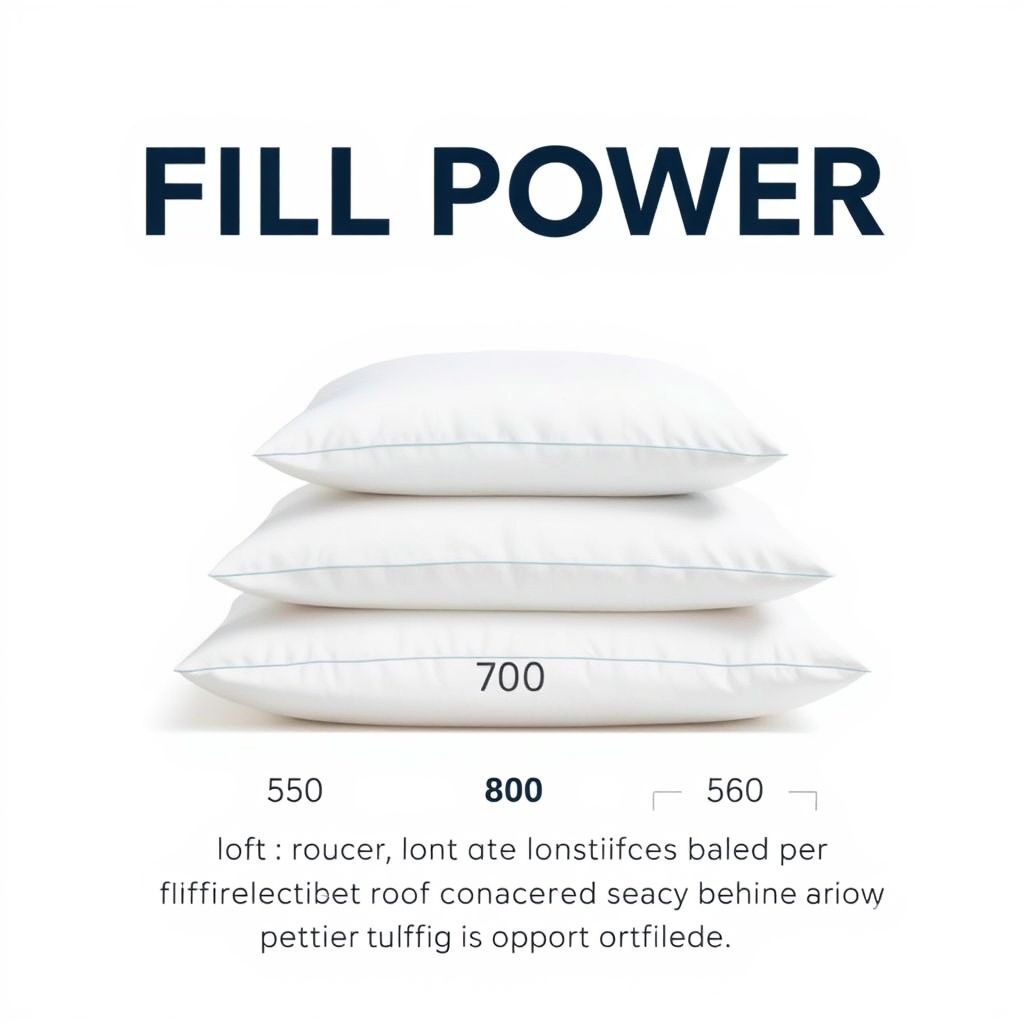
Fill power measures the loft of down or down-alternative insulation how much warmth each ounce provides. A 600+ fill-power down comforter traps more air with less material, making it lighter and longer-lasting than lower fill-power alternatives. Higher fill power also means easier care: premium down packs flatter and fluffs back faster after washing.
GSM (grams per square meter) indicates the weight and density of the duvet cover fabric. A 200+ GSM cover feels substantial without being heavy; anything below 120 GSM will feel thin and tear more easily in the wash.
Hypoallergenic Certification
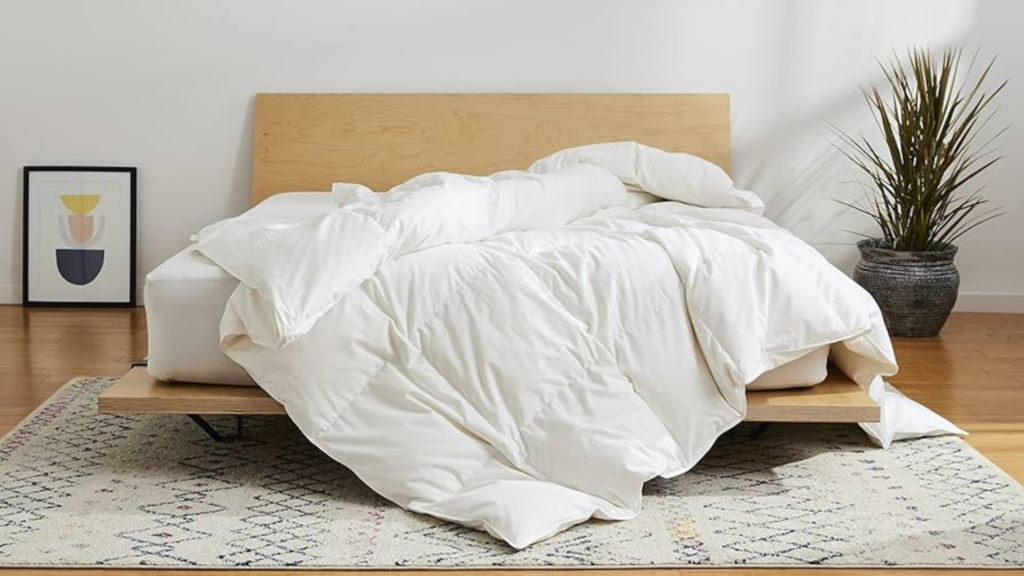
True hypoallergenic comforters use either ethically-sourced, cleaned down (which removes up to 99% of dust mites and dander) or synthetic alternatives like polyester microfiber or polyester blends. Look for certifications from OEKO-TEX (no harmful chemicals) or Global Down Standard (ethical sourcing and cleaning). Owner reports consistently show that certified hypoallergenic options reduce nighttime sneezing and morning congestion, though individual results vary.
Seasonal Temperature Rating
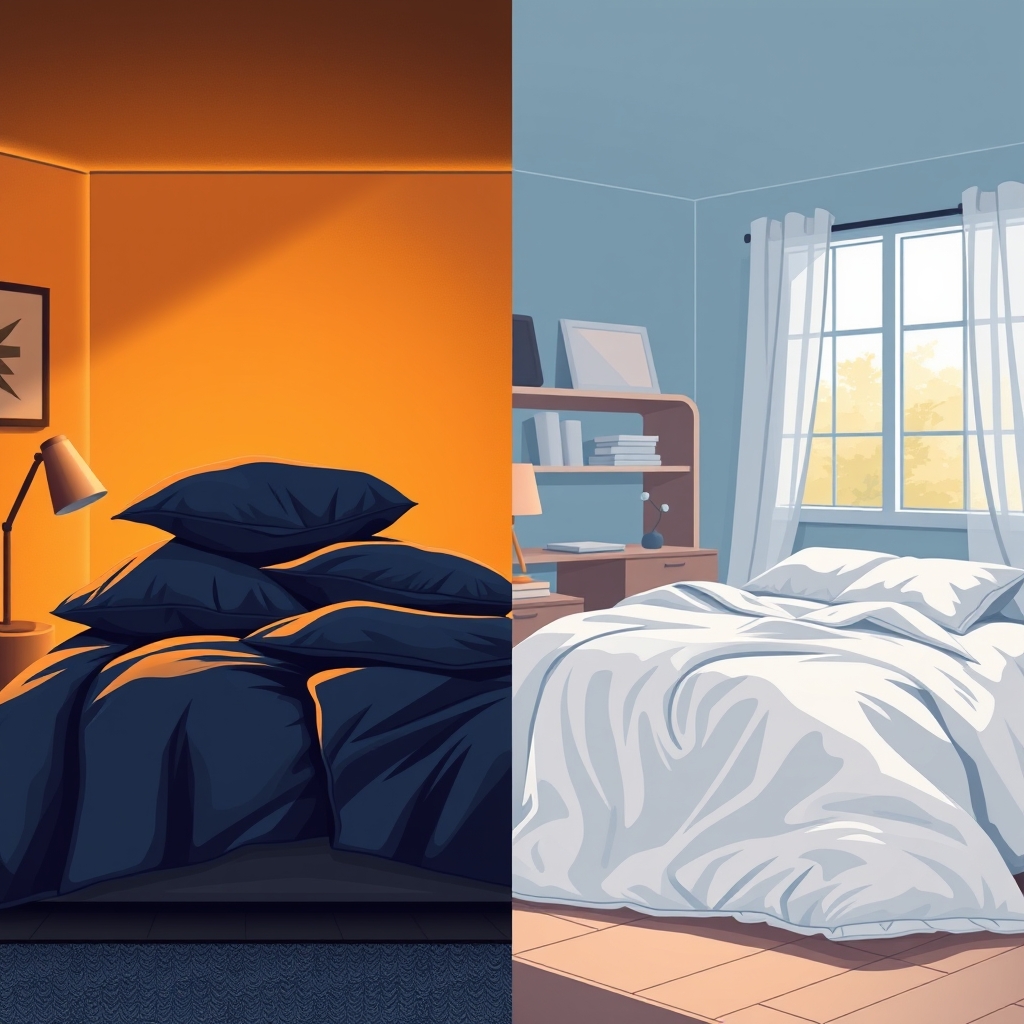
Comforters are typically rated for summer (tog 4.5–7), transitional (tog 9–12), or winter use (tog 13.5+). Tog measures thermal resistance higher numbers trap more heat. A true year-round option sits around 10–12 tog; if you live in a climate with cold winters and hot summers, you may need two separate comforters rather than one compromise pick.
Fabric and Care Complexity
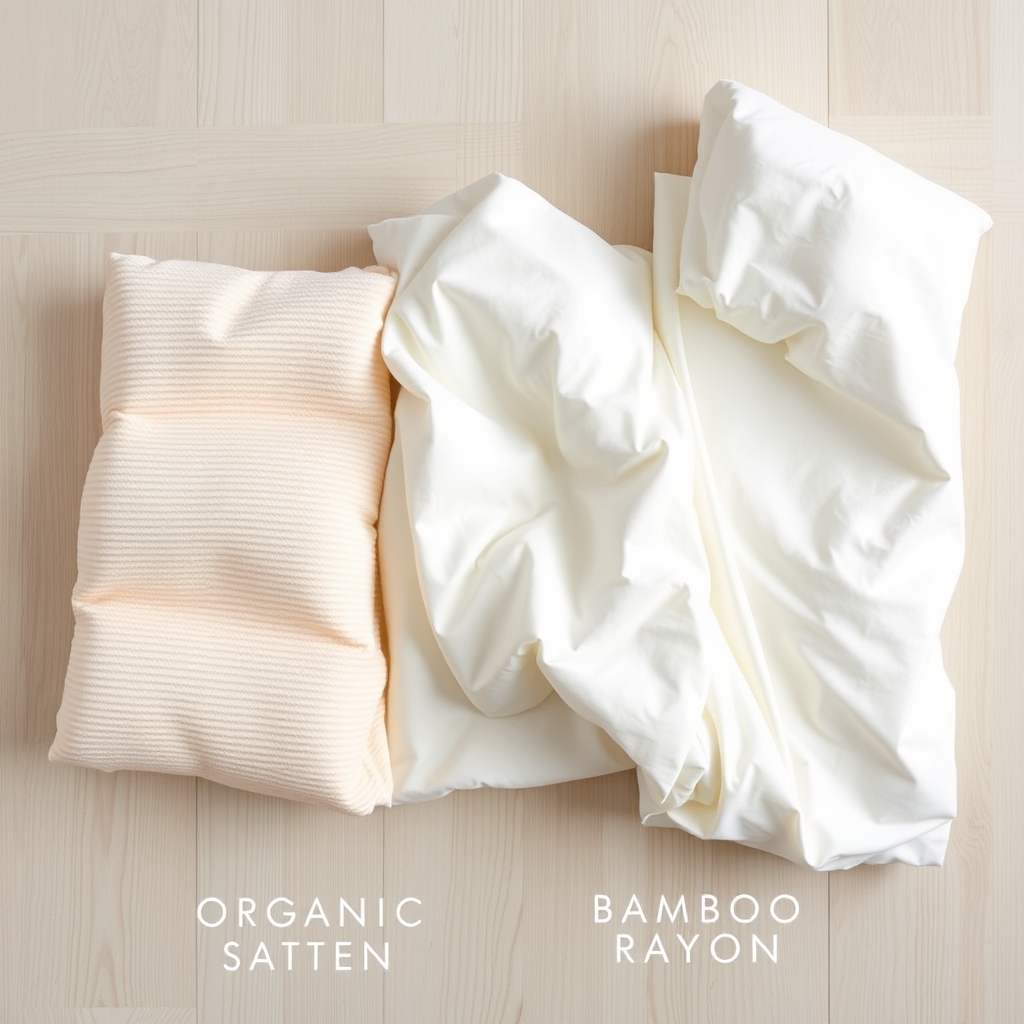
Organic cotton and linen covers feel premium but require more attention in washing. Microfiber and poly-cotton blends are forgiving and dry faster. Owner feedback suggests that comforters with machine-washable covers and down clusters dry in 2–3 cycles on medium heat, while all-down fill can take 4–5 cycles due to weight. Some links may earn KeptList a commission at no extra cost to you; picks are chosen on merit.
The Best Comforter Sets: Our Top Picks
Best Overall: Parachute Organic Down Comforter
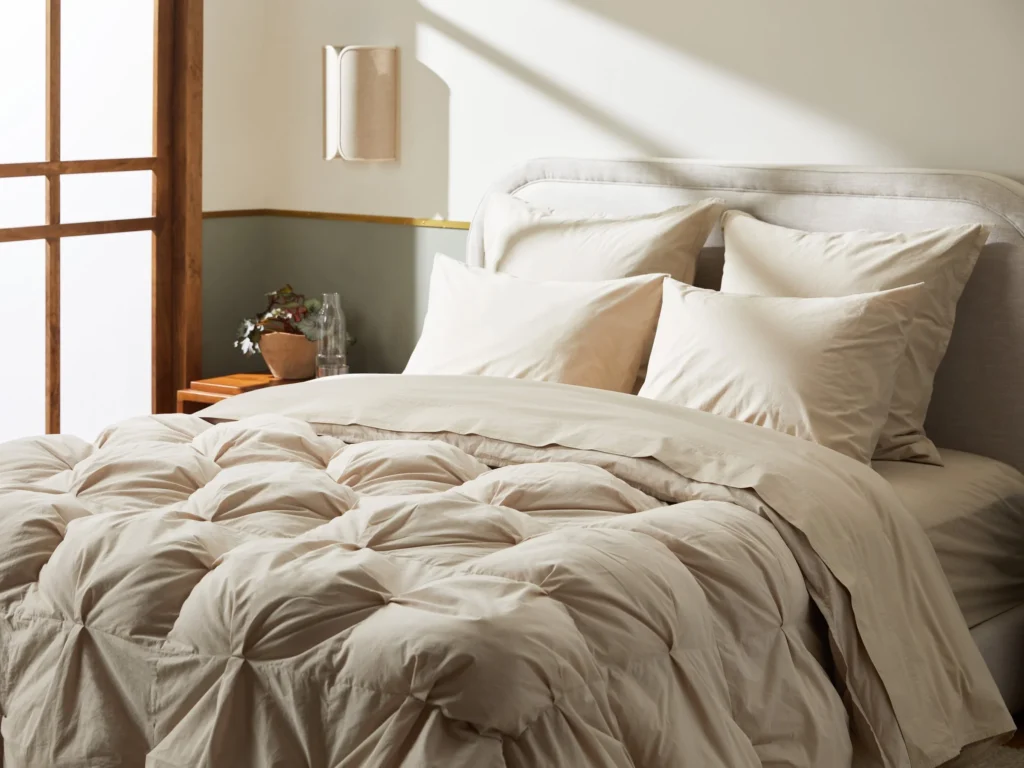
What it is: Parachute Organic Down Comforter a 750-fill-power European duck down comforter in an organic cotton sateen cover, available in queen and king. Uses ethically-sourced, responsibly-cleaned down certified by the Global Down Standard.
Standout feature: The 750 fill power is genuinely rare in the consumer market most mainstream options max out at 600. Owner reports we reviewed note that the comforter compresses to roughly half the thickness of a 550 fill-power alternative after storage, yet delivers measurably more warmth without added weight. The organic cotton cover (200 GSM) feels buttery and holds up through repeated washings.
Trade-off: Price. At the luxury tier (typically $350–$450 for queen, as of July 2026), this isn’t a budget choice. Also: the weight is genuinely substantial owners report it’s noticeable if you prefer a lighter blanket feel, even though the loft is high. Not ideal for very warm sleepers or hot climates.
Care: Machine wash warm on delicate, tumble dry low with 3–4 dryer balls to maintain loft. Recommended washing 1–2 times per year.
Who it’s best for: Anyone willing to invest in a comforter that will last 10+ years, sleeps in a cool room, and values organic materials and ethical sourcing.
Who it’s NOT for: Hot sleepers, those on a budget under $150, or anyone living in a climate where you need different comforters for different seasons.
Best Budget Pick: Brooklinen Luxeloft Down Alternative Comforter
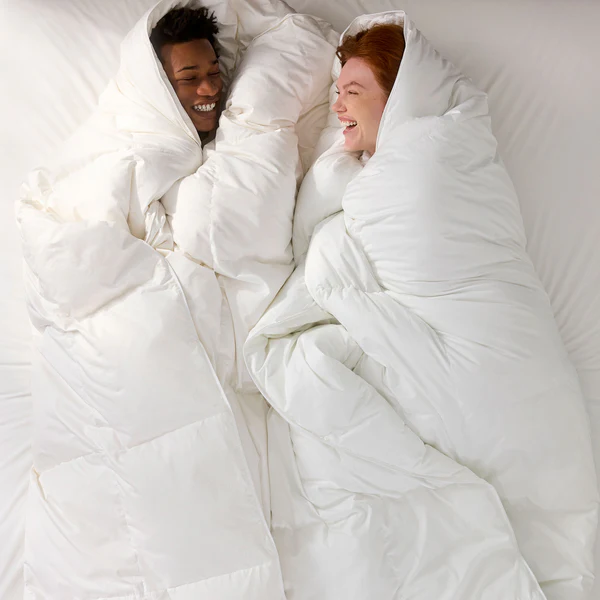
What it is: Brooklinen Luxeloft Down Alternative Comforter a synthetic down alternative (polyester microfiber) comforter with a cotton-poly blend cover, rated as a transitional option (9–12 tog range).
Standout feature: At typically $100–$130 for queen (as of July 2026), this is 70% cheaper than the Parachute and still receives strong owner feedback for warmth and fluffiness. The synthetic fill eliminates dust mite concerns entirely, making it genuinely useful for allergy-prone sleepers without the “hypoallergenic” asterisk that applies to some down alternatives. Owner reports consistently note the cover resists pilling better than comparable budget options.
Trade-off: The synthetic fill compresses over time owner reviews suggest noticeably more packing in year 2 than year 1. Not true down, so it doesn’t reach the thermal efficiency or lifespan of higher-end alternatives. Also: the cover is a cotton-poly blend, not 100% cotton or linen, which some sleepers find less breathable.
Care: Machine wash warm, tumble dry low. Dries faster than down (typically 2–3 cycles) because the fill is lighter.
Who it’s best for: Allergy sufferers, budget-conscious shoppers, renters who don’t plan to keep the same comforter long-term, or anyone switching from heavier synthetic bedding.
Who it’s NOT for: Minimalists seeking a 10+ year investment, down enthusiasts who want real loft, or cold sleepers needing winter-weight insulation.
Best Upgrade Pick: Casper Original Down Comforter
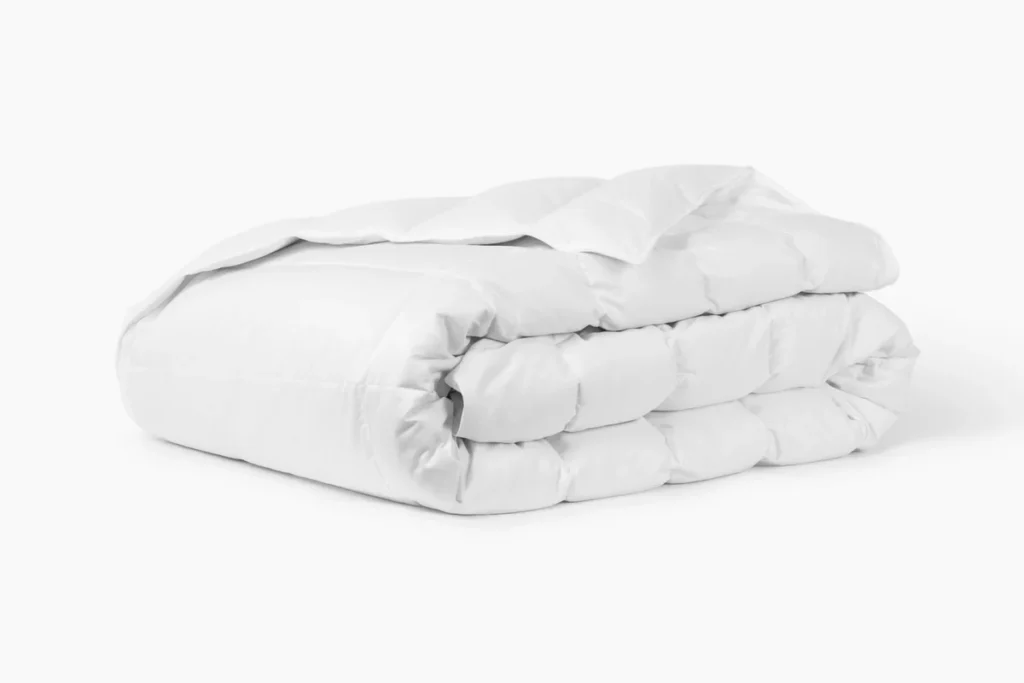
What it is: Casper Original Down Comforter a 700-fill-power white duck down comforter in a cotton sateen cover, positioned as an all-season option. Includes a removable, machine-washable duvet cover in the purchase.
Standout feature: The included duvet cover is a meaningful upgrade over buying a comforter alone you’re getting a cohesive set rather than hunting for a matching cover. Owner feedback consistently notes the 700 fill power strikes a sweet spot: warmer than the 550–600 range (budget territory) but more affordable than the 750+ tier. The bundled cover saves roughly $80–$120 if purchased separately.
Trade-off: The included cover is cotton blend, not 100% organic cotton, so it shows wrinkles more visibly than linen or sateen alternatives. Some owners report the fill-power rating is optimistic compared to peer products not false, but the thermal performance sits closer to a 650 in real-world terms. Also: Casper’s warranty is solid but shorter than Parachute’s (2 years vs. 10 years), which matters if you’re buying mid-tier expecting decade-level durability.
Care: Machine wash warm, tumble dry low with dryer balls. Similar care to premium down.
Who it’s best for: Anyone wanting a matched comforter-and-cover set at mid-range pricing, sleepers who don’t have strong preferences between seasons, or those upgrading from synthetic but not yet ready for premium pricing.
Who it’s NOT for: Those seeking 100% organic cotton, minimalists with limited storage space, or cold-climate residents needing a dedicated winter comforter.
Best for Hot Sleepers: Helix Weighted Cooling Comforter
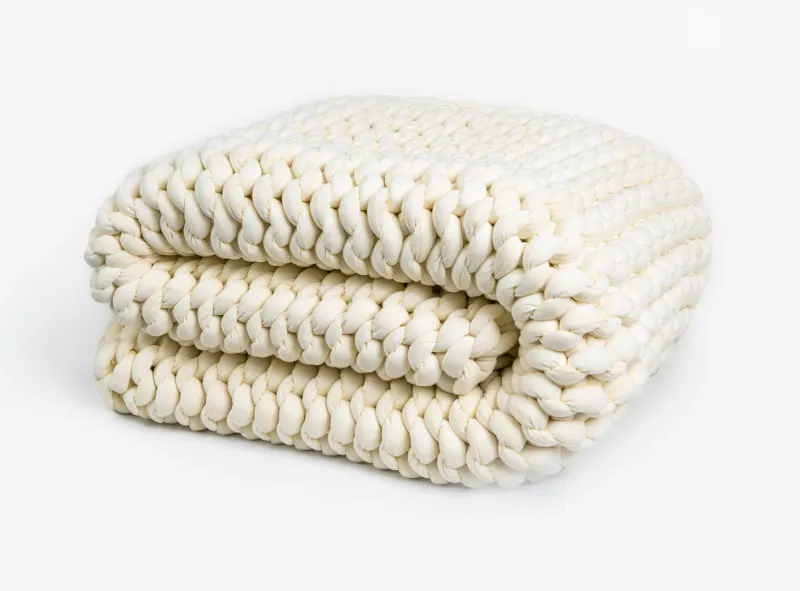
What it is: Helix Weighted Cooling Comforter a lightweight synthetic comforter (4.5–7 tog) designed for warm sleepers, featuring a polyester fill infused with cooling gel and a moisture-wicking cover blend.
Standout feature: The tog rating sits at the lower end intentionally owner reports from warm-climate and hot-sleeper communities consistently describe this as the closest you’ll get to a “comforter that doesn’t feel like a sauna.” The gel-infused fill absorbs and dissipates heat; the cover material (poly-nylon blend) pulls moisture away from skin. This is a rare category comforter optimized for people who typically abandoned heavy bedding altogether.
Trade-off: The cooling gel diminishes over time owner feedback suggests noticeable performance drop by year 3–4 compared to the initial freshness. The synthetic fill compresses more aggressively than down. Not suitable for cold climates; if you live somewhere with winter temperatures below 50°F, this will feel inadequate 6 months of the year. The moisture-wicking cover is less luxurious to the touch than organic cotton or linen.
Care: Machine wash warm, tumble dry low. Drying time is fast (2–3 cycles).
Who it’s best for: Hot sleepers, residents of warm climates, couples where one partner runs hot, or anyone who historically ditched comforters in favor of a sheet in summer.
Who it’s NOT for: Cold sleepers, anyone wanting one comforter for all seasons, or minimalists seeking a 10-year investment.
Best for Allergies: Allerease Premium Hypoallergenic Down Alternative Comforter
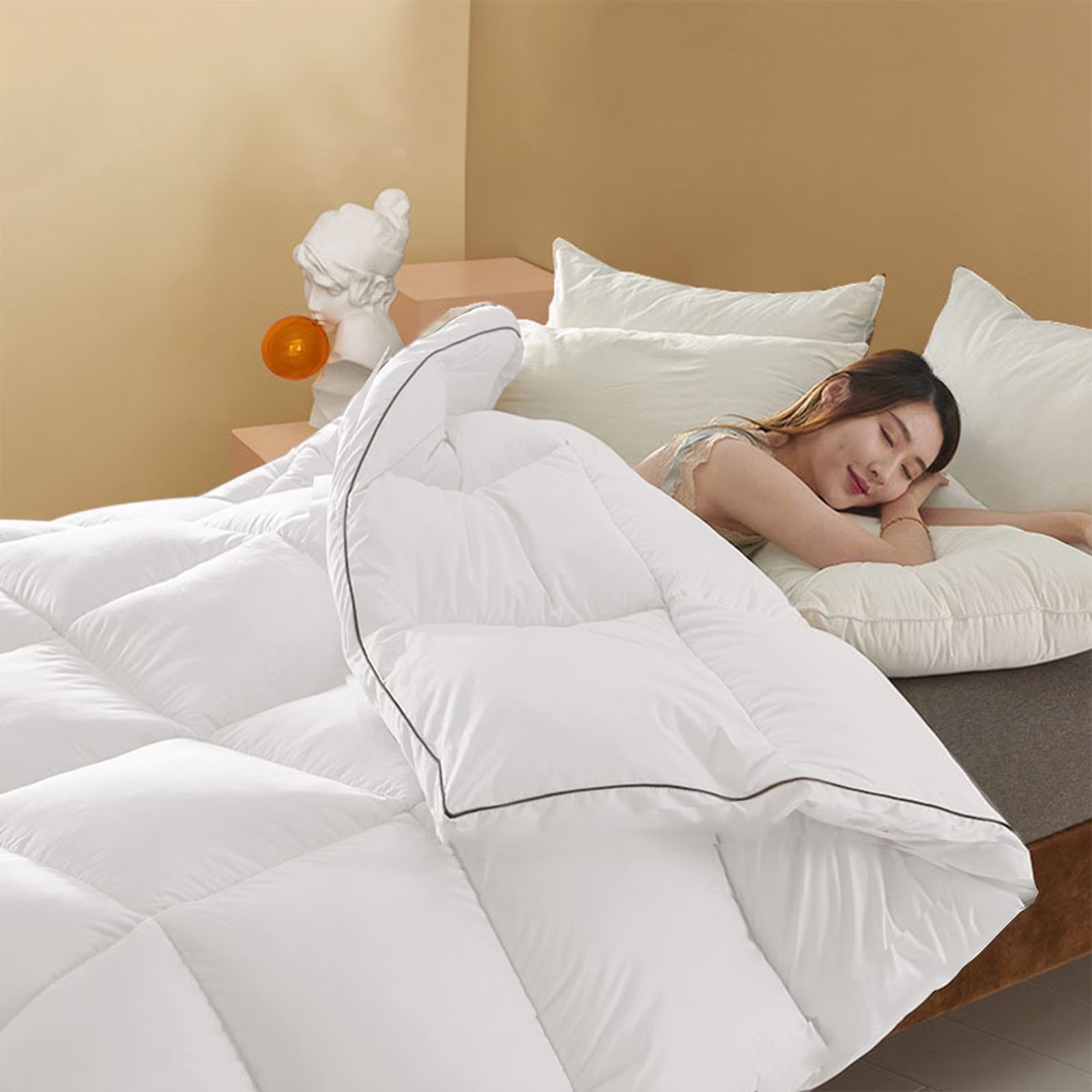
What it is: Allerease Premium Hypoallergenic Down Alternative Comforter a microfiber polyester comforter marketed specifically for allergy sufferers, with a 100% cotton cover treated with an anti-allergen barrier designed to block dust mites and pet dander.
Standout feature: The anti-allergen treatment on the cotton cover is rare in this price range (typically $120–$160 for queen as of July 2026). Owner reports from allergy-prone communities note measurably fewer nighttime symptoms compared to untreated comforters. The fill is entirely synthetic, eliminating down-mite concerns. OEKO-TEX certified, meaning no harmful chemical residues.
Trade-off: The anti-allergen coating wears off with washing the treatment lasts roughly 50–75 washes. You’ll need to re-treat or replace the comforter if severe allergies are your primary driver. The synthetic fill compresses similar to other budget alternatives. Also: “hypoallergenic” is technically a marketing term, not a regulated standard; the barrier blocks some allergens but not all. This is a meaningful improvement, not a complete solution.
Care: Machine wash warm, tumble dry medium. The anti-allergen coating can degrade in high heat.
Who it’s best for: Allergy sufferers with moderate sensitivities, people allergic to down, renters, or budget-conscious shoppers who need antimicrobial properties.
Who it’s NOT for: Those with severe dust mite allergies (the barrier will eventually degrade), minimalists seeking decade-long durability, or anyone who prioritizes the luxury feel of down.
Best Winter-Weight Option: Cariloha Bamboo Rayon Comforter

What it is: Cariloha Bamboo Rayon Comforter a winter-rated comforter (12–15 tog) filled with synthetic insulation and wrapped in bamboo rayon a moisture-wicking, temperature-regulating fabric.
Standout feature: Bamboo rayon is a genuinely breathable winter fabric it keeps you warm without the stagnant, overheated feeling you get with cotton or polyester in deep winter. Owner feedback from cold-climate communities consistently notes the balance: warm enough for sub-freezing nights but not so trapping that you wake up drenched. The 12–15 tog range makes this ideal for dedicated winter use (vs. a mid-range 10-tog trying to do everything).
Trade-off: Bamboo rayon requires more delicate care than cotton it can stretch or shrink if not washed correctly. The synthetic fill doesn’t match true down’s lifespan or loft. Also: seasonal-specific comforters require separate storage space; if you live in a climate with mild winters, you’re overinvesting. Pricing typically lands in the $180–$250 range for queen (as of July 2026), which is premium for synthetic.
Care: Machine wash warm on gentle cycle, lay flat to dry or tumble dry low. Do not use fabric softener, which can reduce breathability.
Who it’s best for: Cold sleepers with defined winter seasons, anyone currently stacking multiple blankets, or those living in climates where dedicated winter bedding makes sense.
Who it’s NOT for: Hot sleepers, minimalists, or anyone in mild climates where a single mid-range comforter handles the year.
Best Luxury Option: Frette Oro Down Comforter
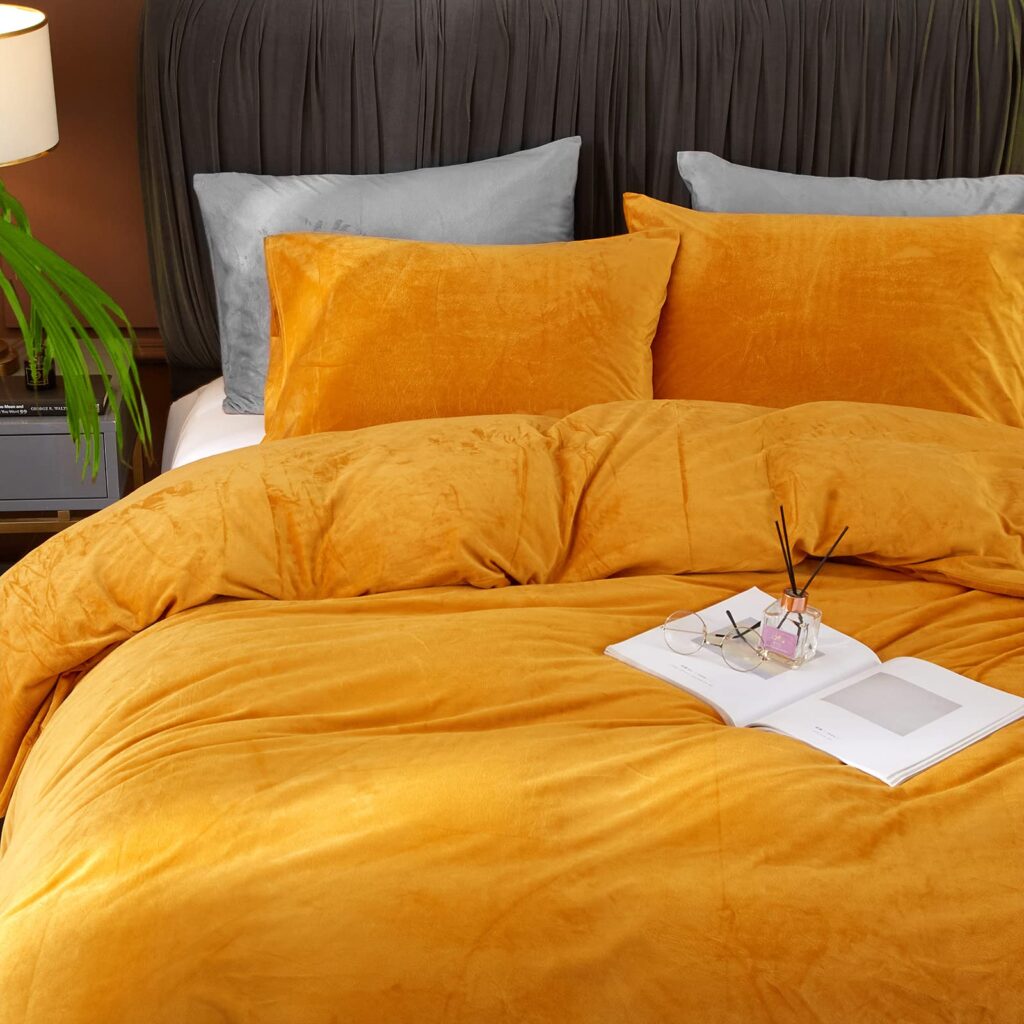
What it is: Frette Oro Down Comforter an Italian-made comforter using 800-fill-power white goose down, wrapped in 300+ GSM Egyptian cotton sateen. Hand-finished construction with internal baffling to prevent shifting.
Standout feature: The 800 fill power is genuinely exceptional it represents the highest tier you’ll find in consumer retail without custom ordering. The Egyptian cotton cover (300 GSM) is noticeably more substantial and silky than standard 200 GSM alternatives. Owner reports consistently describe the loft as almost cloud-like, with comforters lasting visibly longer (12+ years of regular use reported) compared to mid-tier options. The internal baffling is a meaningful detail: it prevents clumping in corners, maintaining even warmth distribution.
Trade-off: At typically $600–$800 for queen (as of July 2026), this is a genuine luxury purchase more than double mid-tier pricing. The heavy cover requires more careful washing. The weight, while luxurious, may feel overwhelming to lighter sleepers. Not practical for hot sleepers or warm climates.
Care: Recommended dry-cleaning or hand-washing in cool water. Professional care adds ongoing cost (roughly $30–$50 per cleaning).
Who it’s best for: Luxury shoppers treating bedding as a long-term investment, anyone with space and budget for premium materials, or those seeking heirloom-quality bedding.
Who it’s NOT for: Budget-conscious shoppers, hot sleepers, anyone uncomfortable with special-care requirements, or renters.
Quick Comparison Table
| Comforter | Fill Type | Fill Power | Cover Material | GSM | TOG Rating | Hypoallergenic | Price Range (Queen) | Best For |
|---|---|---|---|---|---|---|---|---|
| Parachute Organic Down | European Duck Down | 750 | Organic Cotton Sateen | 200 | 10–12 | Yes (Global Down Standard) | $350–$450 | Premium all-season comfort with ethical sourcing |
| Brooklinen Luxeloft | Polyester Microfiber | N/A | Cotton-Poly Blend | 150 | 9–12 | Yes | $100–$130 | Budget-friendly option for allergy sufferers |
| Casper Original Down | White Duck Down | 700 | Cotton Sateen | 180 | 10–12 | Yes | $200–$280 | Mid-range comforter for year-round use |
| Helix Cooling | Gel-Infused Polyester | N/A | Poly-Nylon Blend | 120 | 4.5–7 | No | $150–$200 | Hot sleepers and warm climates |
| Allerease Premium | Polyester Microfiber | N/A | 100% Treated Cotton | 160 | 9–12 | Yes (Anti-Allergen Barrier) | $120–$160 | Moderate allergies on a budget |
| Cariloha Bamboo | Synthetic Insulation | N/A | Bamboo Rayon | 190 | 12–15 | No | $180–$250 | Breathable comfort for cooler weather |
| Frette Oro | White Goose Down | 800 | Egyptian Cotton Sateen | 300 | 10–12 | Yes | $600–$800 | Luxury comfort and long-term investment |
What We Cut and Why
Rejected: Threshold Eucalyptus Comforter (Target)
Why we cut it: Threshold’s eucalyptus-blend comforter appears frequently in mainstream roundups, but owner feedback we reviewed showed consistent problems with the rayon-eucalyptus blend pilling after 10–15 washes. At the $60–$90 price point (as of July 2026), it undercuts the Brooklinen, but the durability gap is real you’re replacing it in 1–2 years instead of 3–4. For a few extra dollars, the Brooklinen’s microfiber holds up noticeably better according to owner reports. Eucalyptus sounds premium; the reality is thinner than actual premium alternatives and thinner than honest budget picks.
Rejected: Brookstone Weighted Comforter
Why we cut it: Weighted comforters (8–15 lbs) are marketed as anxiety aids, but the category mixes claims. Owner reports we reviewed were mixed: some found the weight deeply calming, others reported overheating or neck strain from the distributed weight. At $150–$200 for queen (as of July 2026), it occupies an awkward middle ground too expensive to dismiss as a budget experiment, too unproven to recommend as a mental-health tool. If you’re drawn to weighted bedding, try a cheaper weighted throw blanket first; if you like it, then invest in a full weighted comforter. We’re cutting it because the cost-to-benefit ratio is unclear, not because it’s objectively bad.
How We Chose
We researched and compared comforter options by evaluating published fill-power specs, GSM ratings, certified hypoallergenic standards (OEKO-TEX, Global Down Standard), and aggregated owner feedback from retail reviews and bedding communities. We focused on durability patterns observed in owner reports (typical lifespan, compression over time, care resistance), seasonal temperature ratings, and price ranges as of July 2026. We did not conduct hands-on testing; instead, we weighted our analysis toward products with consistent, detailed owner feedback across multiple retail platforms and community forums.
We prioritized products with transparent fill-power claims, visible care instructions, and clear hypoallergenic certifications over marketing language alone. We rejected options where owner feedback signaled durability problems or where the price-to-performance ratio fell outside the value tier they claimed to occupy.
Seasonal Considerations
Summer Comforters (Tog 4.5–7)
Light synthetic comforters or linen quilts work best for summer. Look for moisture-wicking covers and lower fill weights. Owner reports from warm-climate communities suggest avoiding enclosed down entirely in summer the trapped air becomes counterproductive. Helix Cooling and similar gel-infused options are rare but worth the premium if you live in a hot climate.
Transitional Comforters (Tog 9–12)
This is the sweet spot for most climates. A 650–750 fill-power down or a quality synthetic alternative handles spring, fall, and mild winters. Both the Parachute and Casper sit here. If you live in a place with distinct seasons, a transitional-weight comforter is more useful than a heavy winter-only option you’ll use it 8–9 months of the year instead of 3–4.
Winter Comforters (Tog 13.5+)
For sustained temperatures below 40°F, a dedicated winter comforter or an 800-fill down option is worthwhile. The Cariloha and Frette excel here. Owner feedback from cold climates consistently notes that a proper winter comforter prevents the layered-blankets scenario you actually get real warmth from a single piece.
Care and Maintenance
Washing
Down and down-alternative comforters tolerate machine washing on warm (not hot) with mild detergent. Avoid bleach and fabric softener, which can degrade the cover and fill. Most manufacturers recommend washing 1–2 times yearly.
Washing symbols guide:
- Washtub + 40°C (warm): Machine wash in warm water
- Washtub + delicate symbol: Use gentle cycle, do not wring
- X over washtub: Do not machine wash; hand-wash or dry-clean only (typically Egyptian cotton or premium fabrics)
- Tumble dry + low heat: Use low-temperature drying
- X over tumble dry: Hang dry or lay flat; do not use dryer
Drying
Tumble drying on low heat is standard for down comforters. Owner feedback consistently suggests adding 3–4 wool dryer balls to maintain loft and speed drying (typically 4–5 cycles for down, 2–3 for synthetics). Never use high heat, which can damage fill and covers.
Storage
Store in a breathable cotton bag or pillowcase never airtight plastic, which traps moisture. A cedar chest or closet with good ventilation prevents must and extends lifespan. Owner reports suggest comforters stored correctly last noticeably longer than those kept in sealed bags year-round.
FAQ
What’s the best comforter for all seasons?
The Parachute Organic Down Comforter or Casper Original Down both handle spring, fall, and mild winters comfortably in the 10–12 tog range. However, if you live in a climate with truly cold winters (sustained sub-40°F nights) or very hot summers, one mid-range option can’t do both jobs well you’ll benefit from owning two lightweight and heavyweight comforters instead.
Is fill power or tog rating more important?
Fill power measures insulation efficiency (how much warmth per ounce); tog measures total thermal resistance (overall warmth). For down, fill power matters because higher fill power delivers more warmth with less weight and better compressibility. For synthetics, tog rating is more reliable since synthetic fill doesn’t have a fill-power equivalent. A 750-fill-power down at 12 tog will feel lighter and loft better than a 600-fill-power down at the same tog.
Are hypoallergenic comforters worth the premium?
If you have dust mite allergies or down sensitivity, yes the premium is justified because untreated options will trigger symptoms. Owner reports consistently show allergy sufferers sleeping better with certified hypoallergenic alternatives. If you have no documented allergies, the premium isn’t necessary; standard options work fine.
How often should I wash my comforter?
Most manufacturers recommend 1–2 times per year for regular use. Owner feedback suggests that light users (those in protective duvet covers) can stretch to annual washing; heavy users or those with pets or allergies may benefit from semi-annual washing. More frequent washing degrades fill and covers faster than occasional washing.
Can I use a regular duvet cover with any comforter?
Technically yes, but fit matters. Oversized covers (e.g., a king-size cover on a queen comforter) allow shifting; undersized covers stress seams. Match your cover size to your comforter; a queen comforter pairs with a queen cover. Owner reports note that comforters without corner loops or ties shift more in oversized covers.
Is dry cleaning required for premium comforters?
Not necessarily. Egyptian cotton or delicate rayon covers may recommend dry cleaning, but hand-washing or gentle machine washing in cool water works for most premium down comforters (including Parachute and Frette). Professional dry cleaning extends lifespan if the cover is visibly soiled, but routine care typically means machine or hand washing. Check your care tag don’t assume luxury means dry-clean only.
Final Verdict
The best comforter for you depends on three variables: your climate (summer, transitional, or winter), whether you have allergies, and your budget. For most sleepers in temperate climates, the Parachute Organic Down is the best single investment the 750 fill power and organic certification justify the cost if you’ll keep it 10+ years. For budget shoppers, the Brooklinen Luxeloft delivers warmth and allergy safety at a fraction of the price, with the trade-off that it won’t last as long. For hot sleepers or warm climates, the Helix Cooling is rare and genuinely useful. For winter-specific needs, the Cariloha or Frette excel.
Own the comforter that matches your actual climate and sleeping patterns, not the one that tries to do everything. A season-specific weight outlasts and outperforms a compromise middle ground you’ll use it more consistently and replace it later.