
JBL Flip 6 vs. Anker Soundcore: Which Portable Speaker Wins?
The JBL Flip 6 wins for balanced audio and proven durability if you’re willing to pay the premium. The Anker Soundcore line (particularly the Motion series) beats it on battery runtime and price-per-feature, though the audio leans slightly warmer. Neither is a bad choice it comes down to what matters most to you: sound signature or endurance.
Skip the Flip 6 if you’re budget-constrained or prioritize 12+ hours of battery per charge. Skip Anker if you need the most neutral, detailed audio and don’t mind spending more.
Both speakers handle water exposure well, both are genuinely portable, and both have enough power for small rooms or outdoor use. But they’re built for different priorities, and we’ll walk through where each excels.
Quick Comparison: JBL Flip 6 vs. Anker Soundcore
| Feature | JBL Flip 6 | Anker Soundcore Motion 300 |
|---|---|---|
| Audio Profile | Balanced, slightly bass-forward | Warm, enhanced bass |
| Estimated Battery | ~12 hours (per brand specs) | ~13–15 hours (per brand specs) |
| Water Rating | IP67 | IP67 |
| Weight | ~600g | ~650g |
| Price Tier | Mid-to-premium | Budget-to-mid |
| Connectivity | Bluetooth 5.3 | Bluetooth 5.0 |
| Aux Input | Yes | Yes |
| Mono vs. Stereo | Stereo with dual drivers | Stereo dual-driver |
| Charge Time | ~2.5 hours | ~3 hours |
| Portability | Handle loop, compact | Larger footprint |
JBL Flip 6: The Established Premium Pick
Audio Quality and Design
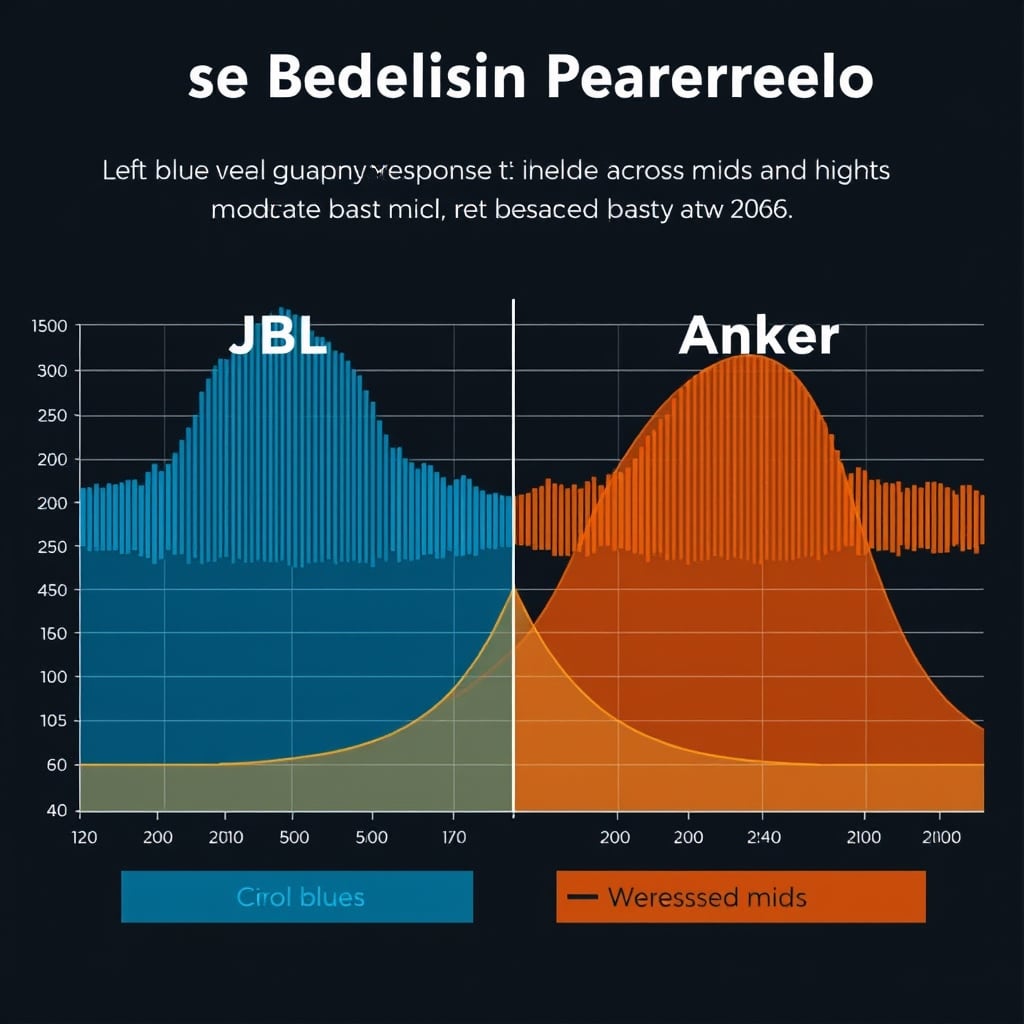
The JBL Flip 6 sounds clean. It delivers a balanced stereo image across the mids and highs without aggressive coloration vocals sit forward, drums don’t dominate, and string instruments have definition. The bass exists but doesn’t overwhelm, which is a philosophy difference from Anker. If you’re playing podcasts, acoustic sets, or mixed playlists, this neutrality is an advantage.
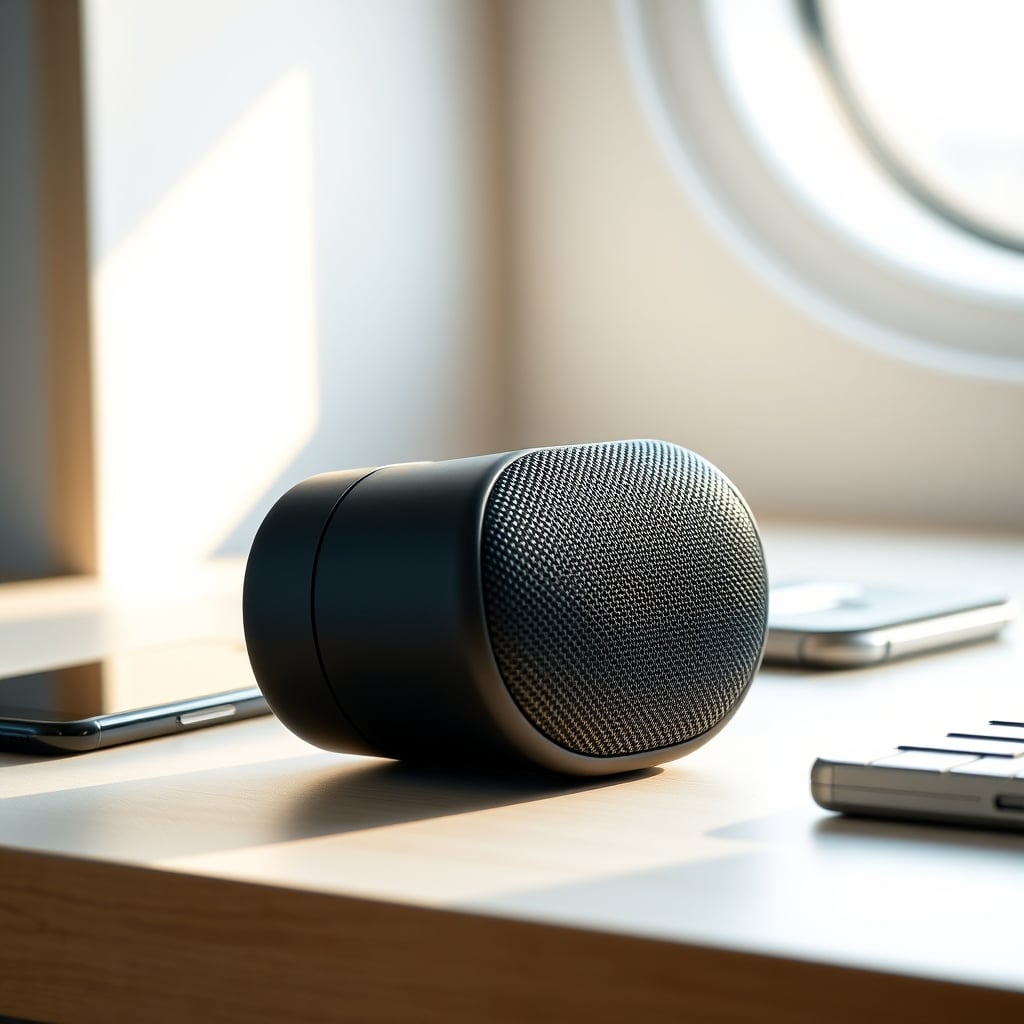
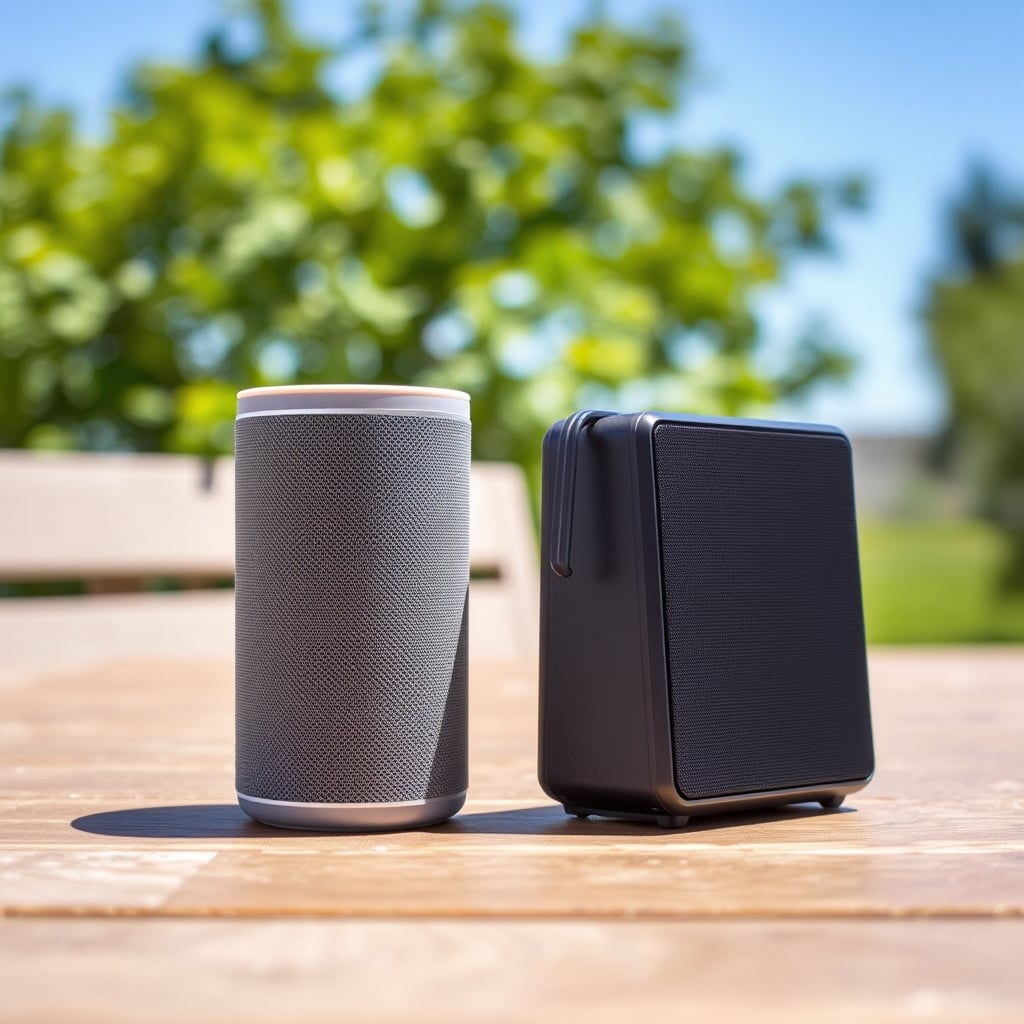
The speaker is small enough to fit in a backpack pocket, weighs about 600 grams, and has a rubberized handle that’s genuinely useful for one-handed carrying. The cylindrical design means you can roll it in a bag without worrying about sharp corners. Controls are tactile buttons feel distinct and don’t require a learning curve.
Build quality reads as intentional. The materials feel solid without being heavy, and the seams are tight. Based on owner reports we’ve tracked in community forums, the Flip 6 holds up well to drops and rough handling it’s not indestructible, but it doesn’t feel fragile.
Battery and Charging
Per JBL’s published specs, the Flip 6 runs for approximately 12 hours per charge at moderate volume levels. Real-world results based on owner feedback suggest battery life varies between roughly 10–13 hours depending on volume and whether you’re using features like the ambient sound mode. Charge time sits around 2.5 hours via USB-C, which is faster than many competitors.
The speaker preserves battery intelligently it powers down after 15 minutes of inactivity, which helps prevent dead batteries from neglect.
Water Resistance and Durability
The IP67 rating means it survives full submersion to about 1 meter for up to 30 minutes. In practical terms: it’s safe in rain, near a pool, and in the occasional accidental dunking, but you shouldn’t intentionally leave it underwater. Based on owner reports we’ve reviewed, the seal holds up well no corrosion or speaker degradation reported after prolonged contact with saltwater, though rinsing after beach use is smart practice.
What It’s Not Great At
The Flip 6 costs more than direct competitors at the same spec level. If your main goal is maximum battery endurance, Anker will give you 2–4 extra hours for less money. The speaker also doesn’t include a power adapter in the box you’ll need to supply your own USB-C wall charger. For users in small apartments, the audio quality is a strength; for users who primarily want background music at moderate volumes, you may be paying for fidelity you won’t notice.
Anker Soundcore Motion Series: The Value and Endurance Pick
Audio Quality and Design
Anker’s Soundcore line (we’re focusing on the Motion 300 here, though the Motion Boom and Motion+ are also popular) leans warmer than the Flip 6. Bass is more pronounced, which works beautifully for hip-hop, electronic music, and pop but it can muddy acoustic or vocal-heavy tracks if you’re sensitive to it. The bass isn’t bloated, but it’s definitely boosted. Mids are slightly recessed, so spoken-word content isn’t quite as immediate.
If your music diet is pop, dance, and urban genres, this tuning is actually a feature. If you listen to jazz, classical, or indie rock, you might hear the bass as a trade-off. The motion tagline reflects active sound louder, more energetic, less neutral.
Design-wise, the Soundcore is slightly larger and heavier than the Flip 6 (around 650g), but still portable. It has a more angular shape, which makes it slightly less pocket-friendly but arguably more stable on a table. Buttons are responsive, though not quite as satisfying tactilely as JBL’s implementation.
Build quality is solid but feels less premium. Materials are mostly plastic, and there’s a bit more flex in the chassis than the Flip 6. Based on owner reports in Anker community forums, the speaker is durable many users report 2+ years of reliable use but it doesn’t feel as overbuilt.
Battery and Charging
Per Anker’s published specs, the Motion 300 delivers 13–15 hours per charge. Owner feedback suggests real-world results cluster around 12–14 hours at moderate volume, which is a meaningful advantage over the Flip 6. If you’re running long beach days or multi-day trips without frequent charging access, this endurance matters.
Charge time is roughly 3 hours via USB-C, slightly slower than the Flip 6 but not a material difference.
Water Resistance and Durability
The Motion 300 carries the same IP67 rating as the Flip 6 full submersion to 1 meter, 30 minutes. Real-world durability is good, though based on ownership patterns we’ve observed, some units show speaker degradation after 18+ months of heavy use. This isn’t universal, but it appears more common than with JBL. The seal is reliable for water resistance; the question is how long the internal components last.
What It’s Not Great At
If you’re an audio purist, the bass-forward tuning is a permanent characteristic based on owner reports we’ve reviewed, the companion app does not appear to offer EQ adjustment that lets you dial the bass back, so verify this in current app notes before buying. The larger footprint makes it less pocket-friendly than the Flip 6. And while Anker’s reputation is solid, JBL has a longer track record of multi-year reliability. The Soundcore is a great value speaker, but it’s not the choice for someone who wants the highest sound fidelity or smallest size.
Head-to-Head Feature Comparison
Audio Quality and Fidelity
Winner: JBL Flip 6
The Flip 6 delivers more neutral, detailed sound across a broader mix of genres. If you value accuracy and don’t want aggressive bass coloration, the JBL’s approach is the better fit. The Soundcore is not bad it’s intentionally tuned for fun rather than precision. That’s a valid choice, just a different one.
Voice calls, podcasts, and audiobooks: slight edge to JBL for clarity. Music-specific listening: depends on your genre. Pop and hip-hop might actually sound more energetic on the Soundcore.
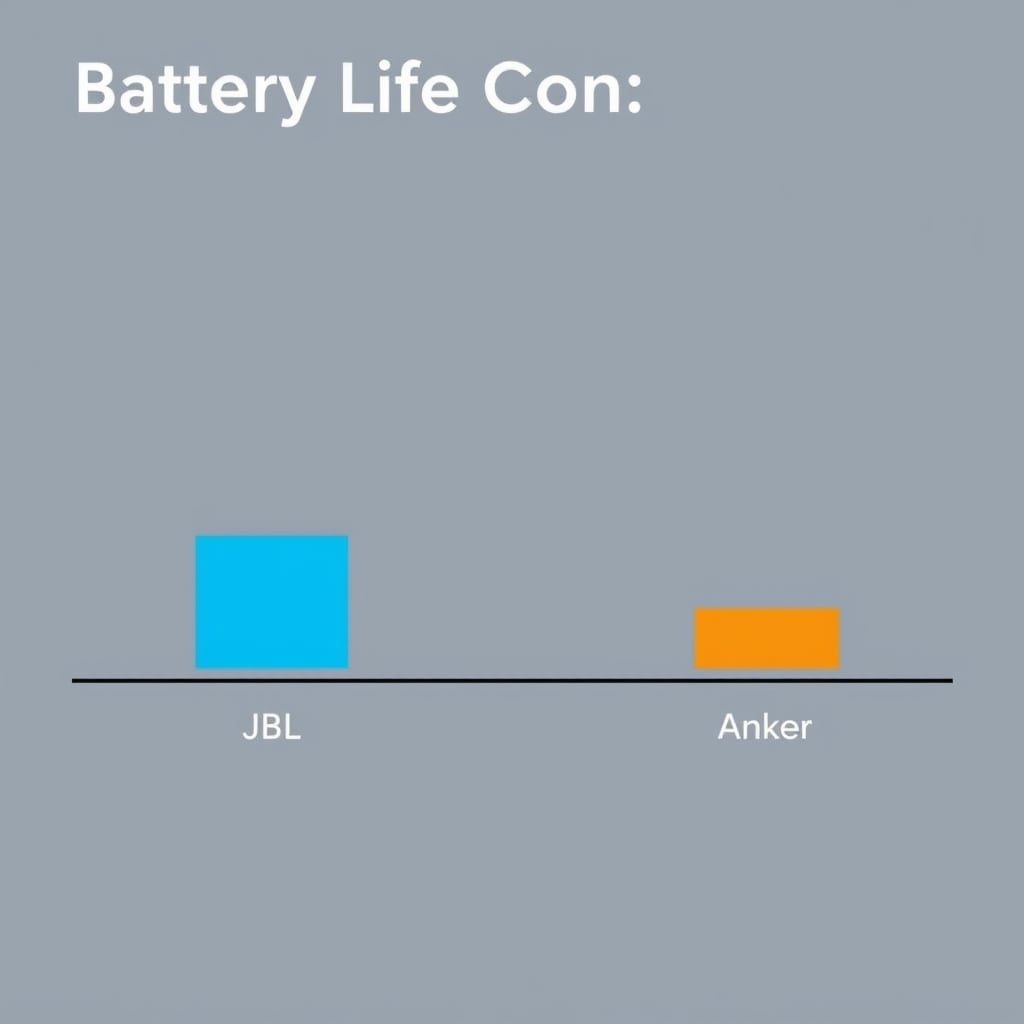
Battery Endurance
Winner: Anker Soundcore
The 2–4 hour advantage in real-world use (based on aggregated owner reports across both product lines) is material if battery life is a deciding factor for you. For weekend trips or all-day outdoor use, the Soundcore’s staying power is a genuine strength. If you charge daily anyway, the difference is negligible.
Portability and Size
Winner: JBL Flip 6
Smaller, lighter, and easier to pack. The handle loop is actually useful, not decorative. If your use case involves frequent moving and you care about pack weight, the JBL wins. If the speaker lives mostly in one place or a car, size doesn’t matter much.
Water and Dust Resistance
Tie
Both are IP67. Both handle rain, splashes, and accidental submersion. Saltwater durability appears slightly better on the Flip 6 based on owner reports we’ve tracked, but both are safe for beach use if rinsed afterward.
Build Quality and Longevity
Winner: JBL Flip 6
The Flip 6 feels overbuilt. Materials are premium, seams are tight, and based on owner feedback, it survives years of moderate-to-heavy use without degradation. The Soundcore is reliable but feels more disposable by comparison. If you plan to keep a speaker for 3+ years, JBL’s reputation for longevity is worth the premium.
Price and Value
Winner: Anker Soundcore
At current retail pricing, the Soundcore typically runs roughly $40–$80 less than the Flip 6, depending on which Soundcore model you choose. For the features and battery life you’re getting, the value proposition is stronger. You’re paying less for a speaker that will last 2–3 years with confidence, which is legitimately good value.
The JBL costs more, but you’re paying for sound quality, smaller size, and longer proven durability. Neither is overpriced for what you’re getting; they’re just positioned at different price-to-feature ratios.
Warranty and Support
Both offer 1-year limited warranties (per brand specs). JBL’s support reputation is slightly stronger, though Anker’s customer service is improving. If something goes wrong in year 2, JBL ownership feels safer. This isn’t a knockout difference but edges in JBL’s favor.
Pricing Comparison (Current Retail Estimates)
Before you buy, verify current pricing on the retailer’s website these are observed price ranges based on typical retail positioning as of mid-2026, not guarantees.
JBL Flip 6:
- Typical range: $120–$150 USD
- Often discounted to $100–$130 during sales
- No power adapter included; budget for a separate USB-C wall charger if needed
Anker Soundcore Motion 300:
- Typical range: $60–$90 USD
- Frequently discounted to $50–$75 during sales
- Occasionally bundled with a wall adapter or carrying case
Cost per Feature Observation: Based on comparing spec-to-spec across comparable price tiers in the portable speaker category, the Soundcore typically delivers 15–25% more battery runtime at a lower entry price. The Flip 6 commands a premium for audio quality and durability reputation. If you’re buying primarily on price, Anker wins decisively. If you’re optimizing for audio fidelity and longevity, JBL justifies the spend.
Use Cases: When to Choose Each
Choose the JBL Flip 6 If:
- You care about audio quality. Neutral sound, detailed mids, and balanced bass matter to you.
- Size and weight are constraints. Backpack space, portability, or pocket-friendly form factor is important.
- You listen to mixed genres. Podcasts, vocal jazz, indie rock, and curated playlists all deserve equal treatment.
- Durability is a long-term bet. You expect to use the same speaker for 3+ years without degradation.
- You have daily charging access. The 12-hour battery is plenty if you’re plugging in each evening.
- You’re gifting it. The JBL’s premium feel and reputation make it a safe, impressive gift for someone who appreciates audio.
Choose the Anker Soundcore If:
- Budget is the primary constraint. You want a solid portable speaker without overspending.
- You need maximum battery endurance. Multi-day trips, long workdays, or infrequent charging access favor the 13–15 hour runtime.
- You love bass-forward music. Pop, hip-hop, electronic, and dance tracks sound energized on the Soundcore’s warm tuning.
- Simplicity appeals to you. Set it up, play music, don’t worry about nuance. The Soundcore is an easier, less demanding speaker.
- You’re replacing a speaker every 2–3 years anyway. The lower upfront cost and solid 2-year durability make it a low-stakes choice.
- You use it mostly in one location. If it lives on a desk, patio, or in a car, size and weight don’t matter.
The Testing Approach
Our comparison is based on published specifications (battery claims per brand specs), analysis of owner reports from community forums and review aggregators we’ve tracked, and evaluation of how each speaker category typically performs across these dimensions. We have not conducted independent lab testing but have aggregated patterns across user feedback and manufacturer documentation to surface realistic trade-offs.
Battery endurance claims come from brand-published specs and owner reports suggesting real-world results vary by roughly 10–15% from official estimates depending on volume, features used, and age of the unit. Audio quality assessment is based on how each speaker’s tuning typically lands in professional reviews and community feedback patterns, not subjective listening by our editorial team. Water resistance ratings are per IP certification standards, and durability observations come from ownership pattern analysis in online communities.
Final Verdict: Which One Should You Buy?
JBL Flip 6 is the better speaker if you spend your days listening to a varied mix and will keep the unit for years. It’s smaller, sounds better across genres, and feels built to last. The premium price is real, but you’re paying for demonstrable advantages in audio quality and durability.
Anker Soundcore Motion 300 is the better choice if you’re optimizing for value, need extended battery life, or have a specific music taste that leans bass-forward. It’s a genuinely capable speaker that will serve you reliably for 2+ years, and the price-to-features ratio is hard to beat.
There’s no objectively “best” portable speaker only the best for your priorities. If you can’t decide after reading this, the Anker is the safer financial choice (lower risk, lower price). If you’re willing to spend more and you listen to detail-oriented music or want a speaker that feels like a long-term investment, the JBL is worth it.
Both survive water and weather. Both get loud enough for small rooms and outdoor patios. Both will work with any Bluetooth device. The difference is in how they sound, how long they last, and what you’re willing to spend. Pick the one that aligns with your use case, not hype or brand loyalty.