
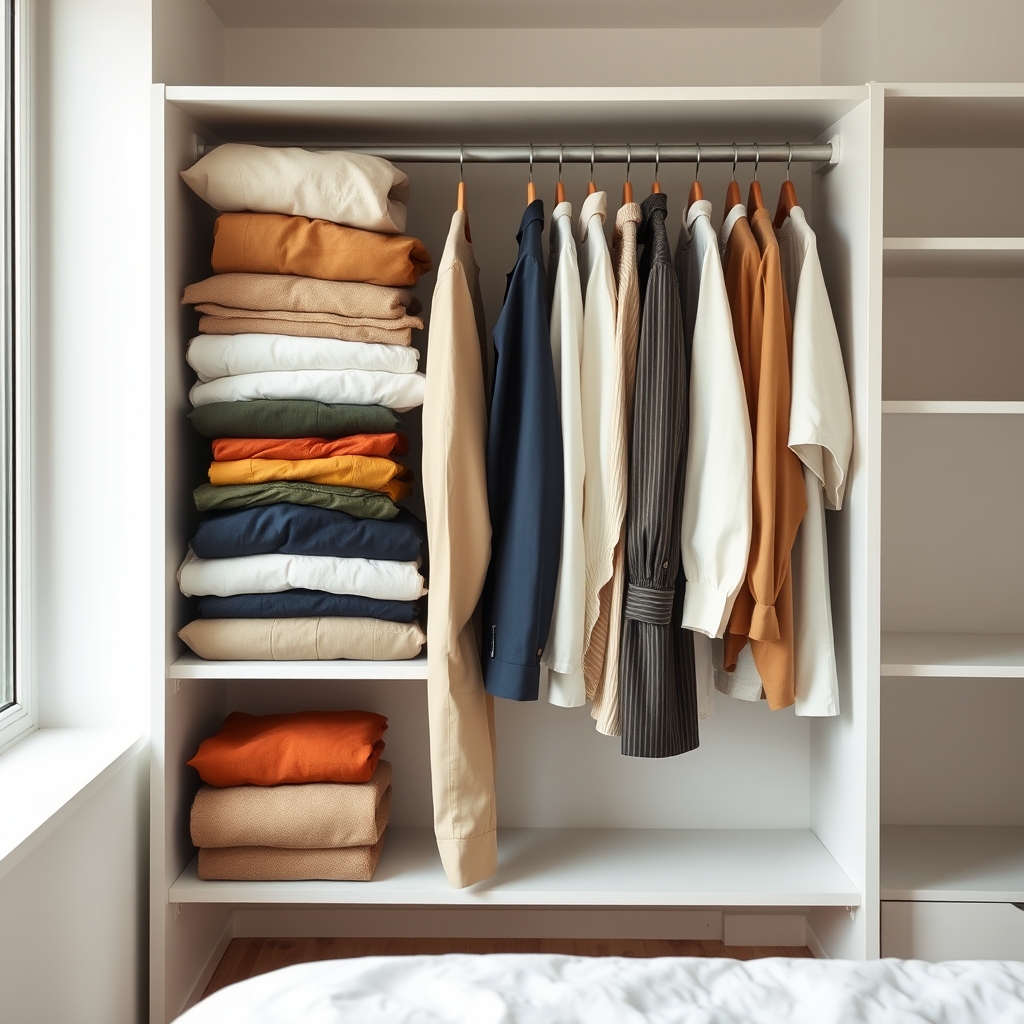
A capsule wardrobe is a curated collection of 30–40 interchangeable, high-quality pieces, mostly neutral basics and a few statement items that work together to create multiple outfits throughout the season. Building one takes 2–4 weeks of planning, plus ongoing seasonal refinement; the payoff is fewer decisions, less buyer’s remorse, and the ability to get dressed in minutes.
This guide will take you through the entire process: which essential pieces to invest in, how to choose a color palette that actually works together, and the mixing strategies that turn a small wardrobe into a closet that feels infinite.
What You’ll Need
- A notebook or notes app to document your lifestyle, color preferences, and current closet inventory
- A camera or phone to photograph your existing pieces (for color-matching)
- Optional: a color swatch or fabric sample from each key neutral you choose
- Access to a mirror and good lighting to test combinations
- The capsule wardrobe checklist in the section below
You don’t need to buy everything at once. In fact, the best capsule wardrobes are built gradually, start with the essentials, wear them for a few weeks, then add pieces based on gaps you actually notice.
Step 1: Take an Honest Inventory of Your Life
Before you buy a single piece, understand what you actually do. A capsule wardrobe for an office worker looks entirely different from one for a creative freelancer working from home, a parent managing school pickup and playground time, or someone balancing three different professional contexts per week.
For the next week, note:
- Daily activities: Work, commute, gym, social time, errands, home time.
- The ratio: What percentage of your week is professional vs. casual vs. athletic?
- Climate and seasons: Do you have one consistent season or four distinct ones? (This affects layering strategy.)
- Body preferences: Do you prefer fitted or loose silhouettes? Midi or shorter hemlines? High-rise or mid-rise?
- Pain points: What don’t you wear now, and why? Too tight after lunch? Wrinkles too fast? Colors that drain you?
This inventory is the foundation. A capsule that ignores your real life will sit unworn, no matter how beautiful the pieces are.
Step 2: Choose Your Base Color Palette
The core of any capsule wardrobe is a palette of 2–3 neutral base colors. These are the colors that appear in roughly 70% of your pieces; the anchors that everything else builds on.
Common neutral palettes:
- Cool neutrals: Black, white, gray, navy
- Warm neutrals: Cream, tan, camel, brown, olive
- Blended: Navy, white, gray (works with both cool and warm accents)
The mistake everyone makes: Mixing warm and cool neutrals without intention. If your base is warm (cream, camel, brown), a cool gray or navy will feel visually jarring when paired together. Cool and warm undertones don’t blend seamlessly, so choose your palette first, then stick to it.
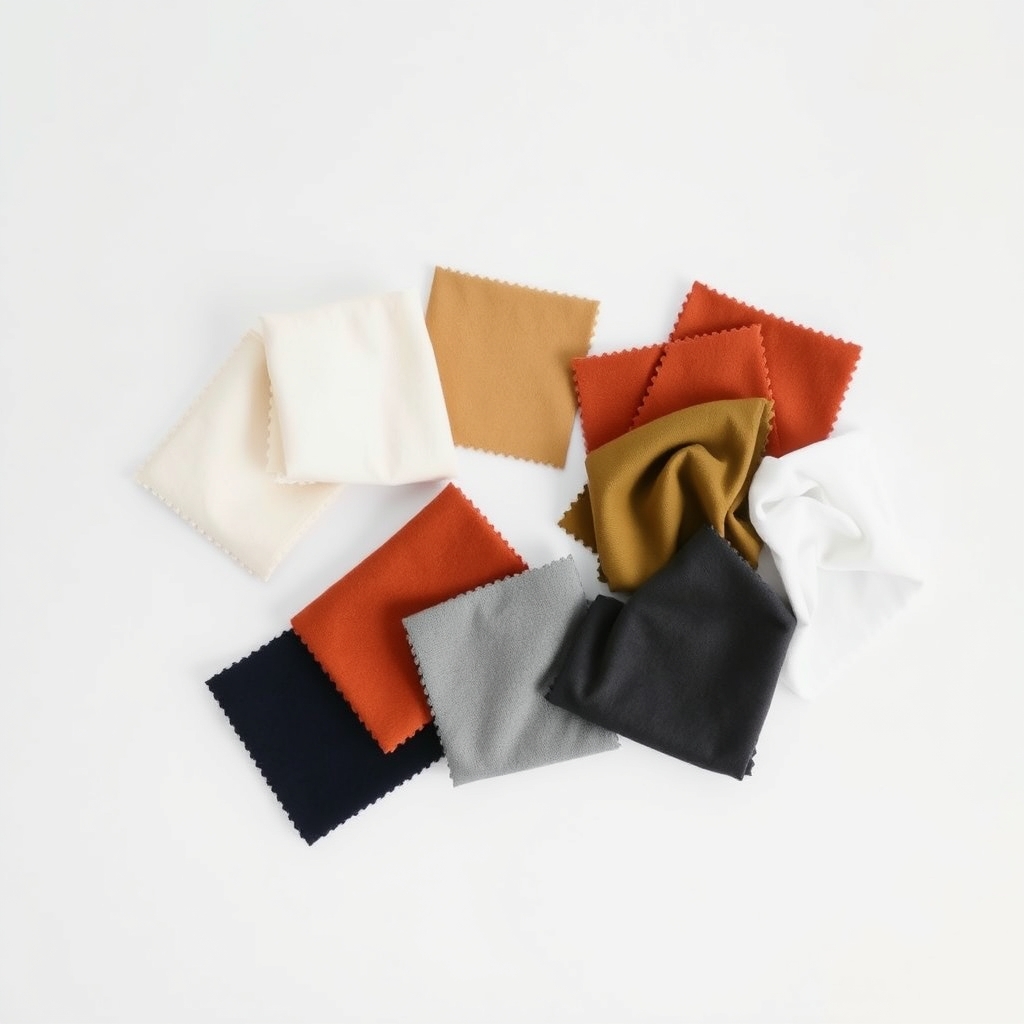
To find your undertone preference, take five pieces you already love and wear repeatedly. Do most of them lean warm (cream, camel, chocolate, olive, rust) or cool (gray, navy, white, silver)? Your answer is your anchor.
Color test worth trying: Hold two neutral fabrics; say, navy and camel, next to your face in natural light. One will make your skin look more luminous; that’s the direction to lean for your base palette. This is a personal visual preference, not a universal rule, but it makes a real difference in how often you actually reach for pieces.
Step 3: Select Your Accent Colors (2–3)
Once you’ve locked in your base neutrals, add 2–3 accent colors, jewel tones, pastels, or earth tones that complement your base and your skin tone. These will appear in 20–25% of your pieces and add visual interest without fracturing your cohesion.
Examples:
- Warm base (cream, camel, brown): Add rust, olive, burgundy, or deep gold
- Cool base (navy, gray, white): Add emerald, blush, cobalt, or charcoal
- Blended base (navy, white, gray): Add jewel tones (emerald, sapphire, deep purple) or warm accents (rust, mustard)
Mix and match accent colors only with your base neutrals, not with each other (unless you’re intentionally creating a more artistic palette). This keeps the mental load low and the outfit success rate high.
Step 4: Build Your Essential Pieces List
Here’s a commonly cited guideline for capsule wardrobe essentials, starting with 30–40 pieces for a balanced, minimal closet. Adjust quantities based on your activity level and laundry frequency.
Basics (10–12 pieces)
- 3–4 white or cream t-shirts (cotton, linen, or linen-cotton blend)
- 2–3 long-sleeve tops in neutral (cream, gray, or navy)
- 1–2 lightweight sweaters or cardigans in your base neutrals
- 1 crew-neck sweater in a neutral
- 1 turtleneck (optional, but versatile)
- 1 button-up shirt (white, cream, or light blue)
Trousers and Bottoms (6–8 pieces)
- 1 pair well-fitting jeans (dark or medium wash, straight or your preferred fit)
- 1 pair neutral trousers (gray, navy, or cream) in a relaxed or tailored fit
- 1 pair chinos (tan, olive, or your base neutral)
- 1 pair black trousers (if black is in your palette; skip if not)
- 1 skirt in neutral (midi or knee-length, depending on your preference)
- 1 pair shorts (denim or neutral fabric, for warm weather)
Outerwear (2–3 pieces)
- 1 classic blazer in a neutral (white, cream, navy, gray, or tan)
- 1 lightweight jacket or overshirt (denim, linen, or cotton)
- 1 warm coat for your climate (winter parka, trench, or wool coat)
Dresses and Jumpsuits (1–3 pieces)
- 1 neutral shift dress or wrap dress
- 1 midi dress in an accent color or neutral (optional)
- 1 jumpsuit (optional, but highly mixing-friendly)
Statement and Accent Pieces (3–5 pieces)
- 2–3 tops in your accent colors (rust, emerald, blush, mustard, etc.)
- 1 patterned blouse or shirt (stripes, checks, or geometric, in your color palette)
- 1 knit or sweater in an accent color
Shoes (5–6 pairs)
- 1 pair white or neutral leather sneakers
- 1 pair flat loafers, mules, or ballet flats (neutral)
- 1 pair ankle boots (black or neutral leather)
- 1 pair casual sandals or slip-ons (warm-weather)
- 1 pair dressy flats or low heels (optional, based on your lifestyle)
Accessories and Layers (3–4 pieces)
- 1–2 lightweight scarves (in your accent colors or neutrals)
- 1 structured belt in neutral leather
- 1 denim or canvas tote
- 1 leather crossbody or small handbag
This is the commonly cited baseline, your personal version will shift based on your climate, body type, and daily life. If you work from home, you might drop the blazer and trousers; if you’re in a four-season climate, you’ll want more layers.
Step 5: Test Combinations Before You Buy
Before purchasing new pieces, photograph or sketch outfit combinations using pieces you already own in your target colors and silhouettes. If you can’t create at least 5 distinct outfits from a potential new piece mixed with things you own, it’s probably not worth adding to the capsule.
Here are some reliable mixing formulas:
Formula 1: Neutral base + accent top
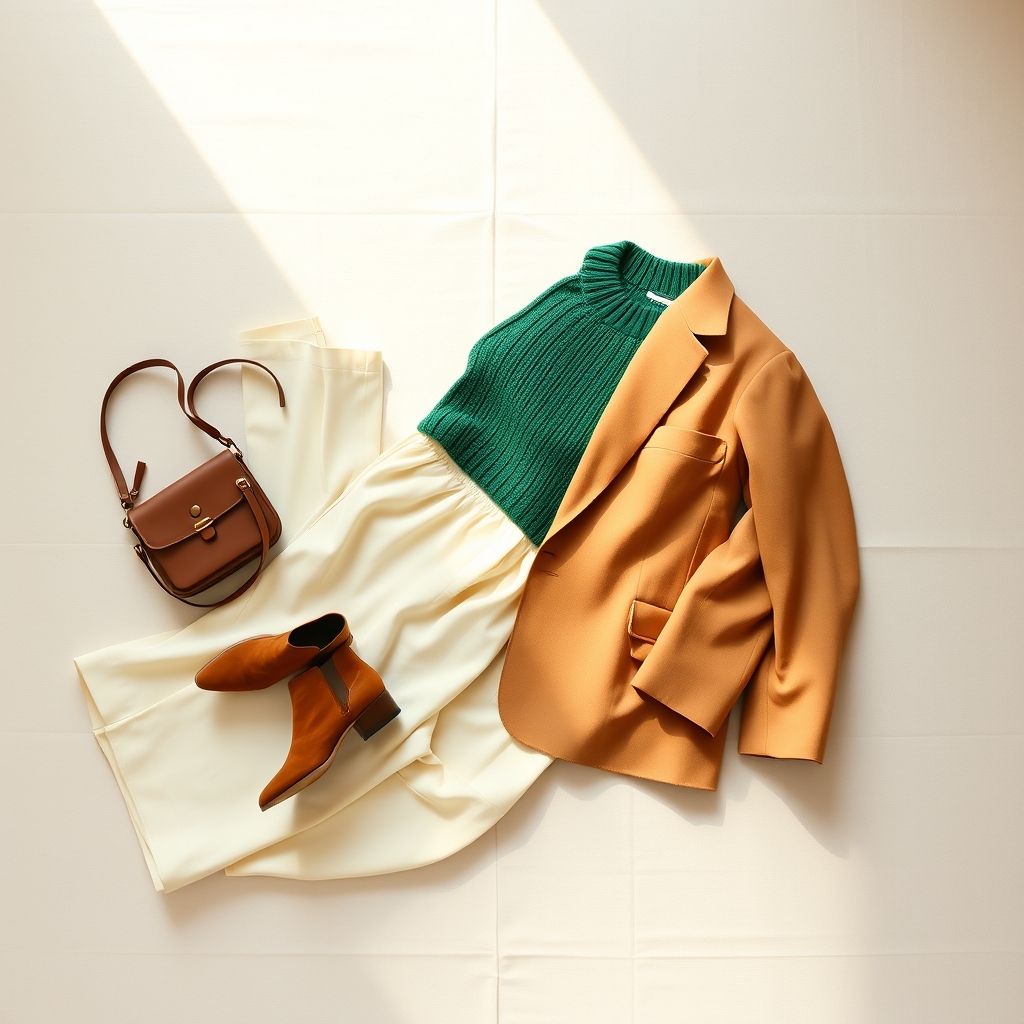
- Cream trousers + emerald sweater + camel blazer + ankle boots
- Navy jeans + rust button-up + cream cardigan + white sneakers
Formula 2: Statement piece + multiple neutral bottoms
- Patterned blouse (stripes in navy and white) + gray trousers (work), + jeans (weekend), + cream shorts (summer)
Formula 3: Neutral dress + layering pieces
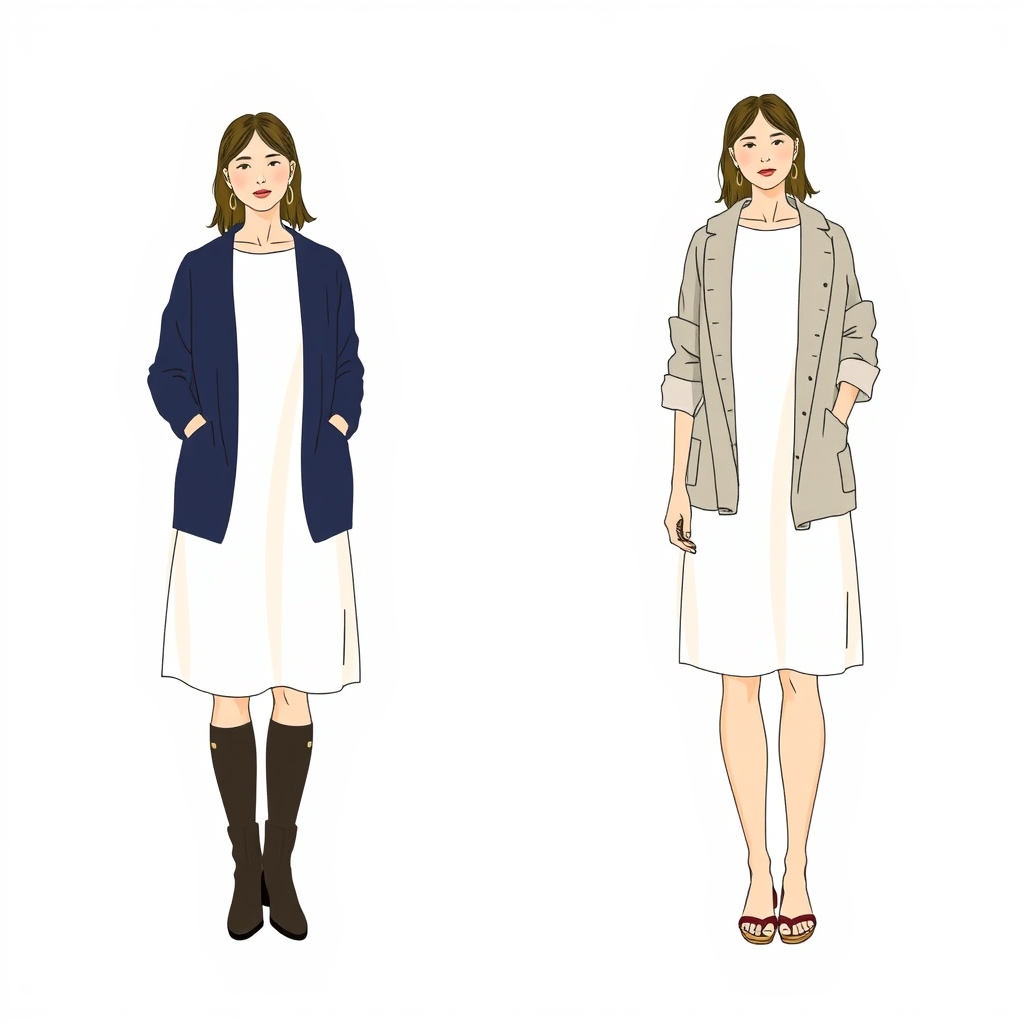
- Cream shift dress + navy cardigan + jeans jacket + boots (winter)
- Cream shift dress + linen overshirt + sandals (summer)
- Cream shift dress + blazer + heels (evening)
Formula 4: Transitional layering
- Lightweight sweater over a tee, under a blazer or jacket, instantly three distinct looks from three pieces.
Write these combinations down or photograph them. When you’re tired and decision-fatigued, pre-tested combos make the difference between getting dressed confidently and standing in front of your closet at 7am.
Step 6: Consider Body Type and Fit
A capsule wardrobe only works if every piece fits well. Well-fitted basics in neutral colors are exponentially more useful than trendy pieces that gap at the waist or pull across the shoulders.
General fit guidelines:
- Trousers: Waistband should sit comfortably without pinching or gapping. Hemming is non-negotiable, no stacking at the ankle.
- Tops: Should skim your body without clinging or tenting. Shoulder seams should sit at your actual shoulder.
- Blazers: Should close without pulling, and the back should lie flat across your shoulder blades.
- Dresses: Should follow your body’s natural lines without excess fabric or strain.
If standard sizing doesn’t fit, prioritize tailoring for the pieces you’ll wear most often; jeans, trousers, basic tees. A $20 hem or side seam adjustment transforms a mediocre fit into a piece you’ll reach for constantly. In practice, the cost per wear on a tailored basic beats a cheaper ill-fitting one within a few months.
Step 7: Plan for Seasonal Transitions
A true capsule wardrobe is often split into seasonal versions (summer, winter) with an overlap of transitional pieces (lightweight layers, sweaters that work in shoulder-season weather).
Seasonal rotation strategy:
- Core year-round: Neutral basics, jeans, essential tops, blazer, boots (5–10 pieces)
- Spring/Summer add-ons: Shorts, lightweight fabrics, sandals, sleeveless tops (5–8 pieces)
- Fall/Winter add-ons: Warm sweaters, heavy coat, dark tights, closed-toe shoes (5–8 pieces)
- Transitional: Lightweight sweaters, overshirts, scarves (3–4 pieces)
This approach lets you keep your total wardrobe under 40 pieces while maintaining enough variety to stay interested. Store off-season items in a separate closet section so you’re only working with relevant pieces each season.
Step 8: Build Quality Into Your Budget
A capsule wardrobe is not about buying the cheapest items, it’s about buying fewer, better pieces. In practice, basics from mid-tier brands (linen-blend tees, tailored trousers) tend to last longer and look better than fast-fashion equivalents, even if the upfront cost is higher.
Estimated price tiers (as of June 2026; prices vary by brand and region):
- Budget-friendly basics: $15–$30 per basic tee or top
- Mid-tier: $40–$80 for quality trousers, sweaters, or blazers
- Investment pieces: $100–$200+ for a coat, quality jeans, or structured bag
Spend more on pieces you’ll wear constantly (well-fitting jeans, neutral trousers, a good blazer, your daily shoes). Spend less on accent pieces or items you’ll rotate seasonally.
Worth noting on multiples: If you find a cream t-shirt that fits perfectly, buying two or three is a reasonable investment, it reduces wear on each piece and you’ll always have one clean. This only applies once you’ve confirmed you’ll actually reach for it; buy one first, wear it for a month, then decide.
Common Mistakes to Avoid
1. Buying too many accent colors at once. Stick to your 2–3 accent colors and ignore the temptation to add more. Each new accent color you introduce reduces outfit combinations, a burgundy piece doesn’t mix as easily with a mustard one unless your whole palette is designed around it.
2. Ignoring fit in favor of a good deal. A $40 piece that fits beautifully will be worn far more than a $15 piece that gaps or pulls. Fit determines whether a piece becomes a closet staple or a regretted purchase.
3. Holding onto “someday” clothes. If a piece doesn’t fit you now or suit your current lifestyle, it doesn’t belong in a capsule wardrobe. The whole point is intentionality every item should earn its place.
4. Mixing warm and cool neutrals without a plan. If your base is warm (cream, camel, brown), adding cool pieces (navy, gray) will create visual tension. Choose your base palette first, and build everything from there.
5. Skipping the inventory step. Jumping straight to shopping without understanding your lifestyle and pain points usually results in a capsule that doesn’t match your reality. Spend the time upfront.
Capsule Wardrobe Checklist
Use this list to plan your pieces:
Basics (✓ when purchased)
- [ ] White or cream t-shirt (qty: 3–4)
- [ ] Long-sleeve neutral top (qty: 2–3)
- [ ] Lightweight sweater or cardigan (qty: 1–2)
- [ ] Crew-neck sweater (neutral)
- [ ] Button-up shirt (white or light)
Bottoms
- [ ] Dark jeans (well-fitting)
- [ ] Neutral trousers (gray, navy, or cream)
- [ ] Chinos (tan or olive)
- [ ] Neutral skirt (midi or knee-length)
- [ ] Shorts (denim or neutral)
Outerwear
- [ ] Neutral blazer
- [ ] Lightweight jacket or overshirt
- [ ] Warm coat (climate-appropriate)
Dresses & One-Pieces
- [ ] Neutral shift or wrap dress
- [ ] Midi dress (accent color or neutral)
- [ ] Jumpsuit (optional)
Accent & Statement Pieces
- [ ] Accent color top (qty: 2–3)
- [ ] Patterned blouse or shirt
- [ ] Accent color sweater or knit
Shoes
- [ ] White or neutral leather sneakers
- [ ] Flat loafers or mules
- [ ] Ankle boots (leather)
- [ ] Casual sandals
- [ ] Dressy flats or heels (optional)
Accessories
- [ ] Lightweight scarves (qty: 1–2)
- [ ] Structured belt (neutral leather)
- [ ] Tote bag (canvas or neutral)
- [ ] Crossbody or structured handbag
Mixing and Matching: Quick Formula Reference
When you’re building outfits, use these starter formulas:
| Outfit Type | Formula | Example |
|---|---|---|
| Professional | Neutral bottoms + neutral or accent top + blazer + structured shoes | Navy trousers + cream top + camel blazer + ankle boots |
| Casual | Jeans + neutral or accent top + lightweight layer + sneakers or flats | Dark jeans + rust sweater + cream cardigan + white sneakers |
| Weekend | Neutral shorts or skirt + patterned or accent top + overshirt + sandals | Cream shorts + striped nautical top + denim overshirt + sandals |
| Dress-up | Neutral dress + blazer or structured layer + heels or dressy flats | Cream shift dress + navy blazer + ankle boots |
| Layered Transition | Lightweight sweater + tee + jeans or trousers + jacket | Gray lightweight sweater over a white tee + jeans + camel blazer |
FAQ
Q: Can I have a capsule wardrobe if I work in a creative field or have a very casual lifestyle?
A: Absolutely. Your capsule will just look different more casual basics (quality tees, leggings if appropriate, sneakers), fewer formal pieces like blazers. The principle remains the same: 30–40 intentional pieces that work together.
Q: How often should I replace pieces in my capsule wardrobe?
A: Well-made basics tend to last 1–3 years with regular wear, depending on fabric and care, though heavier use or machine-washing delicate fabrics will shorten that. Replace pieces as they show visible wear (pilling, fading, holes). This is actually a strength of capsule wardrobes: replacing one worn piece is easier and cheaper than overhauling a bloated closet.
Q: Is a capsule wardrobe realistic if I live somewhere with four distinct seasons?
A: Yes, but plan for seasonal rotation. Keep 10–15 core pieces year-round (neutral basics, jeans, blazer) and swap out 15–25 seasonal pieces (heavy sweaters in winter, shorts and lightweight fabrics in summer). This way, you’re only managing 30–40 active pieces at any given time.
Q: What if I don’t like neutrals?
A: You can build a capsule in jewel tones or saturated colors instead. The principle is the same: choose 2–3 base colors, add accents, and ensure pieces work together. A capsule based on navy, forest green, and burgundy works just as well as one based on cream and gray, you just have fewer neutral bottoms to work with, so you’ll need slightly more pieces overall.
Q: Can I include trendy pieces in a capsule wardrobe?
A: Sparingly. The goal of a capsule is longevity and versatility, which trendy pieces typically don’t offer. Instead, choose classic silhouettes in timeless colors, and let trend items (a bold pattern, an unexpected color) be accents not foundations. This way, if the trend passes, you’re not left with pieces that don’t mix.
Q: How do I know if a piece is “capsule-worthy”?
A: Ask yourself: Can I wear this with at least 5 other pieces I already own or plan to own? Does it fit my color palette? Will I realistically wear it 20+ times per year? If the answer to all three is yes, it’s probably worth adding.
Next Steps
Start with your inventory (Step 1), lock in your color palette (Steps 2–3), and then build slowly. You don’t need to buy all 30–40 pieces at once. Instead, invest in neutrals first; a few quality basics, well-fitting jeans, a blazer, and essential shoes. Live in those for a few weeks, notice what gaps exist in your daily life, then add pieces intentionally.
A capsule wardrobe is not about restriction; it’s about clarity. When every piece works with everything else, getting dressed becomes easier, faster, and more enjoyable. You’ll reach for the same pieces more often, which means you’ll get better returns on what you spend, and you’ll feel more confident in what you’re wearing.
Start today. Document your life, choose your colors, and build from there.