

What Travel Vaccinations Do You Actually Need?
The vaccinations you need depend on where you’re going, how long you’re staying, and what you’ve already had. Yellow fever vaccination is required for entry to some countries (mainly in Africa and South America); routine vaccines like measles, tetanus, and polio should be current for anywhere; and region-specific shots like Japanese encephalitis or typhoid are recommended for certain destinations and activities. Most travelers don’t need every vaccine on the list the decision is guided by your itinerary, medical history, and the diseases actively circulating where you’re headed.
Here’s the short version: book a travel medicine appointment 4–6 weeks before departure, bring your vaccination record, and tell the doctor exactly where you’re going and what you plan to do (trekking in rural areas = different risk profile than a beach resort). They’ll walk through a brief risk assessment and recommend the shots that make sense for your trip, not a generic checklist.
What Actually Matters: The Decision Criteria
1. Your Destination and Specific Regions
Countries are large. A trip to Bangkok’s central business district carries different disease risks than a month trekking through northern Thailand. Yellow fever, for example, is endemic in parts of sub-Saharan Africa and the Amazon basin but not everywhere in those regions, and not if you’re staying only in major cities. Malaria risk varies wildly by region and season.
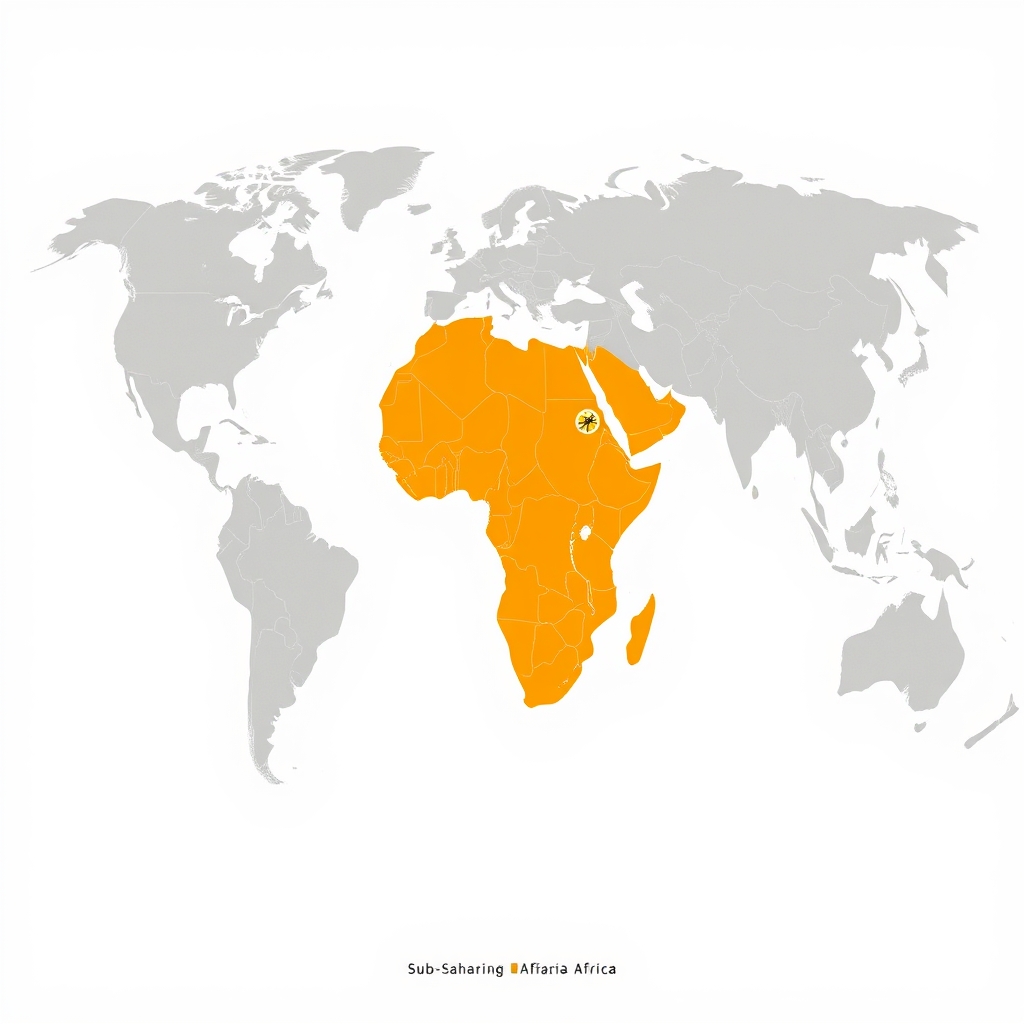
The CDC and WHO maintain destination-specific vaccination recommendations. When you search “vaccinations needed for [country],” you get a general list, but the travel medicine doctor refines it based on your actual itinerary. If you’re spending a week in Nairobi and flying home, your vaccine needs differ from someone working rural Kenya for three months.
What to ignore: generic pre-printed vaccine checklists from your doctor’s office that don’t ask about your itinerary. These are broad, not tailored.
2. Yellow Fever: Requirements vs. Recommendations
Yellow fever is the only vaccine some countries legally require for entry (mainly African nations and Brazil). Many more countries recommend it but don’t require it the risk exists, but entry isn’t legally blocked without proof of vaccination.
Yellow fever vaccine requires a single dose, is usually effective within 10 days, and provides lifelong immunity for most people. It’s administered at authorized yellow fever clinics (not every pharmacy or doctor’s office). If you need it, schedule early the clinics exist in major cities but aren’t ubiquitous.
What to ignore: confusing “required” with “recommended.” Check the official entry requirements for your specific countries (the CDC website lists these by country). A country might recommend yellow fever but not legally mandate proof of vaccination for entry.
3. Malaria Prevention: Pills vs. Prophylaxis Timing
Malaria is parasitic, not viral, so there’s no vaccine. Prevention relies on antimalarial medications (pills), insect repellent, and bed netting. Several antimalarial drugs exist chloroquine, doxycycline, atovaquone-proguanil (Malarone), and mefloquine each with different timing requirements, side-effect profiles, and suitability for different regions.
Chloroquine-resistant malaria is common in most of Africa and Asia, so your location determines which drug is recommended. Some require starting a week before travel; others can start 1–2 days before. All require continuing for a period after you leave the malaria zone. Your travel doctor prescribes the right one based on destination and your medical history.
What to ignore: buying antimalarial pills without talking to a doctor first. The right drug varies by region and person self-selecting is risky.
4. Routine Vaccines: Are Yours Current?
Measles, mumps, rubella (MMR), tetanus, diphtheria, pertussis, polio, and hepatitis B are routinely given in childhood in developed countries but may be waning or incomplete. International travel is a good prompt to verify your records and update any missing doses.
MMR requires two doses to be considered fully protected; many adults have only one. Tetanus boosters are recommended every 10 years. Polio immunity can wane. The travel medicine appointment includes a review of your vaccination record bring it if you have it, or ask your primary care doctor for a printout.
What to ignore: assuming you’re immune because you were vaccinated as a child. Waning immunity is real, especially for vaccines given decades ago. A quick titer test (blood draw) can confirm immunity, though doctors often just update you to be safe.
5. Timing: The 4–6 Week Window
Most vaccines work best if given 2–4 weeks before travel, allowing your immune system time to build protection. Some vaccines require two doses spaced weeks apart, so scheduling early matters. Malaria prophylaxis timing varies by drug but is usually 1–2 weeks before travel through several weeks after you leave.
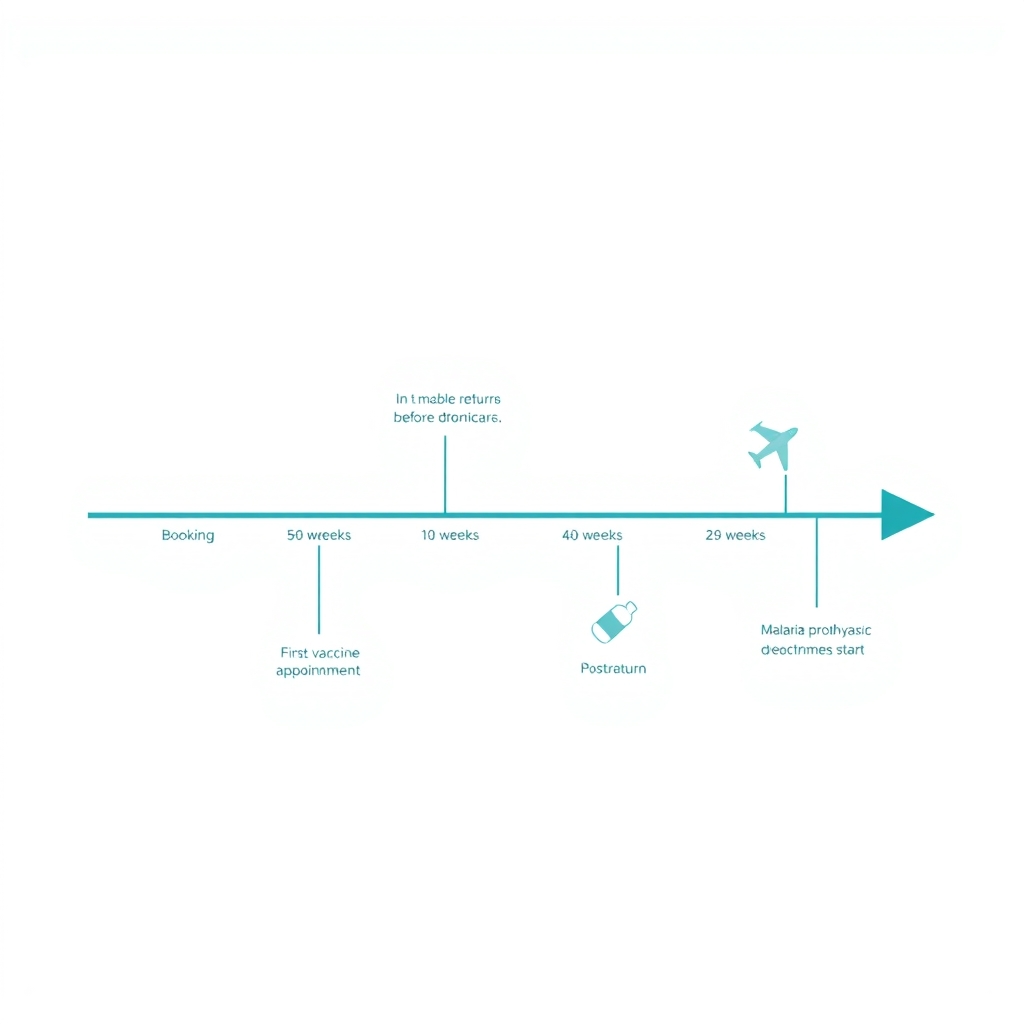
Additionally, if you need multiple shots, spacing matters. Live vaccines (like yellow fever and some others) can’t be given on the same day or too close together. A travel medicine doctor sequences them correctly.
What to ignore: the idea that vaccines work instantly. They need time. Booking two weeks before departure is too late for optimal protection, though some vaccines can still be given closer to travel.
6. Regional Diseases: Japanese Encephalitis, Typhoid, Rabies
Beyond yellow fever and malaria, disease risk varies by region. Japanese encephalitis is a concern for travel to Southeast Asia (especially rural areas, monsoon season). Typhoid is common in parts of South Asia, Africa, and Latin America with poor sanitation. Rabies post-exposure prophylaxis (PEP) becomes critical if you’re at risk of animal bites and far from medical care.
Rabies pre-exposure prophylaxis (PrEP) vaccination before travel is recommended for people working with animals, hiking, or traveling to remote regions where rabies is endemic and post-exposure treatment may be delayed or unavailable. Other region-specific vaccines include dengue (available in some countries), Lyme disease (if hiking in endemic areas of North America or Europe), and others.
Your travel doctor knows the current disease landscape and can flag what’s relevant to your trip. Disease prevalence shifts, so “it wasn’t a concern five years ago” doesn’t mean it’s safe now.
What to ignore: only the “big name” vaccines. Typhoid, Japanese encephalitis, and rabies are less well-known but genuinely matter for certain destinations and activities.
The Timeline: When to Book and Get What
4–6 weeks before departure: Schedule your travel medicine appointment. This allows time for multi-dose vaccines and to address any side effects or complications before you fly.
First appointment: The doctor reviews your destination, itinerary, medical history, and current vaccines. They recommend what you need and discuss side effects and any contraindications (e.g., if you’re pregnant or immunocompromised, some vaccines are adjusted).
2–4 weeks before travel: Most vaccines are given now. If you need multiple doses or live vaccines spaced apart, the doctor sequences them.
1–2 weeks before travel: Final dose of any multi-dose vaccines, confirmation of malaria prophylaxis details (when to start, when to stop), and last-minute questions.
During and after travel: Continue malaria pills as prescribed. Track any unusual illness and seek medical care promptly if you develop fever or other symptoms.
Booking early isn’t just about vaccine effectiveness it’s also practical. Travel medicine clinics can get busy, and some vaccines (particularly yellow fever, given at authorized clinics) require advance notice.
Common Mistakes to Avoid
Waiting until two weeks before travel. You miss the optimal window for vaccine effectiveness and may face appointment availability issues.
Not bringing your vaccination record. Doctors can’t assess what you’ve had without documentation. Ask your childhood provider for records or check your state health department they often have copies on file.
Assuming all doctors handle travel vaccines equally. Travel medicine specialists are trained in current disease epidemiology and antimalarial prescribing. A routine primary care visit is fine for routine vaccine updates, but a dedicated travel medicine clinic is better for complex itineraries, unusual destinations, or if you’re immunocompromised or pregnant.

Conflating “required” with “recommended.” Yellow fever entry requirements are country-specific and legally binding. You can’t enter Brazil without proof if they require it. Recommended vaccines are… recommended, because the disease risk is real. Just because a vaccine isn’t legally required doesn’t mean you shouldn’t get it.
Self-treating malaria prevention. Picking the wrong drug or timing it incorrectly is ineffective and risky. Malaria is deadly. Work with a doctor.
Believing “I won’t get sick.” Vaccination is an insurance policy. Most travelers don’t contract yellow fever or malaria, but thousands do each year, and unvaccinated cases are preventable deaths.
Price Expectations by Region and Vaccine Type
Vaccine costs vary by location, clinic type (travel medicine specialist vs. primary care), and your insurance coverage. The figures below reflect typical retail pricing as of June 2026 and are based on commonly reported ranges your actual costs may differ by region, pharmacy, and plan.
Single vaccines (routine updates): most routine vaccines (tetanus, MMR, polio boosters) run roughly $30–$100 per shot at a standard clinic, often covered by insurance or available at reduced cost through public health departments.
Travel-specific vaccines: yellow fever (est. $80–$150), Japanese encephalitis (est. $100–$200), typhoid (est. $40–$80), and rabies pre-exposure (est. $100–$300 for the series) vary by brand and location. Many are not covered by standard insurance, though some plans do cover travel vaccines if pre-approved.
Travel medicine consultation: roughly $50–$200 for the office visit, depending on the clinic’s location and complexity of your itinerary. Travel medicine specialists typically charge more than a routine doctor visit but provide more detailed risk assessment.
Malaria prophylaxis: antimalarial pills typically run somewhere in the range of $20–$200 for a full course, based on commonly reported pharmacy pricing generic versions tend toward the lower end. Verify your specific cost at your pharmacy; some insurance plans cover them, others require a specific diagnosis code or pre-authorization.
Insurance and cost reduction: Check your plan’s coverage for travel vaccines and prophylaxis before your appointment. Many insurance plans cover travel vaccines, but some classify them as “preventive” and cover them fully, while others require cost-sharing. Public health departments in some regions offer lower-cost or free vaccines if cost is a barrier. International travel clinics are sometimes more expensive upfront but may catch important needs that save money and health in the long run.
For travelers on a budget, getting routine vaccines through your primary care doctor (covered by insurance) and malaria prophylaxis through a mail-order pharmacy can reduce costs, though you’ll still want a travel medicine doctor for destination-specific advice.
Common Questions About Travel Vaccines
Are travel vaccines safe?
Yes. Travel vaccines undergo the same FDA approval and safety monitoring as any other vaccine. Side effects are typically mild arm soreness, low-grade fever, fatigue for a day or two and serious reactions are extremely rare. Serious disease such as yellow fever, malaria, typhoid, or Japanese encephalitis is far more dangerous than the vaccine. For the destinations where these diseases are endemic, the risk-benefit analysis strongly favors vaccination.
Can I get vaccinated if I’m pregnant?
Some vaccines are safe during pregnancy; others are not. Live vaccines (like yellow fever) are typically avoided. Routine vaccines like tetanus and inactivated polio are safe. Malaria prophylaxis decisions are also nuanced in pregnancy. This is a conversation to have with your travel medicine doctor and OB/GYN together don’t self-treat or avoid getting advice because you’re pregnant. The risk of some diseases in pregnancy is severe enough that vaccination or prophylaxis may be safer than the disease itself.
What if I’ve already been traveling and didn’t get vaccinated?
If you’ve returned home and are well, great you were fortunate. If you develop fever, rash, joint pain, or other unusual symptoms within weeks of return, seek medical care and mention your travel history. Post-travel illness is real, and doctors need to know where you’ve been to diagnose correctly. If you’re planning future trips, get vaccinated before the next one.
Do I need a yellow fever vaccine if I’m only visiting a city?
It depends on the country’s entry requirements and your personal risk tolerance. Brazil legally requires yellow fever vaccination for entry from certain countries, even if you’re only in Rio or São Paulo. Many African countries recommend it regardless of itinerary, because outbreaks can occur and dengue (a related virus) is also present. Your doctor can clarify the legal requirement vs. epidemiological risk for your specific route.
Is the malaria pill the only way to prevent malaria?
No, but it’s the most reliable for most travelers. Insect repellent (DEET-based, 20–30% concentration), long sleeves and pants during dawn/dusk when mosquitoes are active, and bed netting also reduce risk. Many travelers use a combination: malaria pills as the primary defense, plus behavioral measures as backup. If you’re very sensitive to antimalarial drugs or have contraindications, your doctor can discuss alternative prevention strategies though none are as reliable as the pills.
Can I get vaccinated if I’m immunocompromised?
Yes, but the approach changes. Some vaccines are unsafe (live vaccines are generally avoided), and others may be less effective if your immune system is very weak. Work with both your primary doctor and a travel medicine specialist to plan an itinerary and vaccination strategy that’s safe for your condition. Sometimes preventive medication or behavioral measures replace vaccination. Sometimes you change your destination. The key is planning early with the right specialists.
Pre-Travel Medical Appointment Checklist
- Vaccination record: bring it, or have your doctor’s office send it ahead.
- Passport: confirm it’s current; vaccination records are sometimes stamped, though less common now.
- Itinerary: dates, cities, rural areas, activities (hiking, animal contact, water exposure).
- Medical history: allergies, prior reactions to vaccines, autoimmune conditions, pregnancy, medications.
- Insurance card: travel medicine visits may or may not be covered; know your plan.
- Questions: list anything you’re unsure about. “Is there malaria in the city we’re staying in?” “What do I do if I get fever while traveling?” “Do I need a backup supply of my regular medications?”
- Prescriptions ready: ask the doctor to send malaria prophylaxis to your preferred pharmacy so it’s ready for pickup.
- Post-travel expectations: ask about any symptoms to watch for and when to seek care if you develop them after returning home.
Regional Vaccination Summary
Below is a simplified overview by major region. This is not a substitute for talking to your doctor it’s meant to show the variation in risk and vaccination needs.
| Region | Key Vaccines & Prophylaxis | Notes |
|---|---|---|
| Sub-Saharan Africa | Yellow fever (required/recommended by country), malaria prophylaxis, routine vaccine updates, typhoid, hepatitis A | High malaria risk in many areas; yellow fever endemic; sanitation standards vary widely. |
| Southeast Asia | Routine vaccine updates, Japanese encephalitis, dengue vaccine (where available), malaria prophylaxis (varies by subregion), typhoid | Malaria risk is higher in rural areas; dengue is common in many cities. Japanese encephalitis risk is seasonal and location-dependent. |
| South Asia | Routine vaccine updates, typhoid, hepatitis A, Japanese encephalitis (selected areas), malaria prophylaxis (varies) | Typhoid remains common; sanitation can be a concern in some regions. Malaria risk is generally lower in major urban centers. |
| Central & South America | Yellow fever (certain countries/regions), routine vaccine updates, hepatitis A, malaria prophylaxis (varies by region), dengue vaccine (where available) | The Amazon region has endemic yellow fever. Malaria risk exists in some lowland and rural areas. |
| Middle East & North Africa | Routine vaccine updates, polio booster (country-dependent), hepatitis A, typhoid (where recommended) | Malaria is uncommon in most destinations. Polio remains a concern in specific countries. |
| Europe & Other Developed Regions | Routine vaccine updates (especially for travel to parts of Eastern Europe), tick-borne encephalitis vaccine (specific areas) | Low risk for tropical diseases; routine vaccinations are usually sufficient for most travelers. |
Decision Tree: Do You Need This Vaccine?
Start here: Are you going to a destination where this disease is endemic or actively circulating?
- Yellow fever: Is entry required by law, or is the disease endemic in your destination? → If yes, get vaccinated.
- Malaria: Are you traveling to a malaria zone, and for how long? → If yes and moderate/high risk, take prophylaxis.
- Japanese encephalitis: Are you going to rural Southeast Asia, especially during monsoon season, or staying > 3 weeks? → Consider vaccination.
- Typhoid: Are you eating street food or staying in areas with poor sanitation? → Typhoid vaccine or careful food safety.
- Routine vaccines: Are your MMR, tetanus, and polio current? → If no, update them before travel.
- Rabies: Will you be hiking, working with animals, or far from medical care in a rabies-endemic region? → Consider pre-exposure prophylaxis.
When in doubt, ask your travel medicine doctor. They’re trained to walk through this logic for your specific itinerary.
What to Do Before Your Appointment
- Gather your vaccination record. Call your childhood provider, your current doctor, or your state health department’s immunization registry.
- Write down your destination(s), dates, and activities. Include whether you’ll be in cities only or also rural areas, hiking, doing water sports, or working with animals.
- List any medications you take and allergies (including egg allergy, which matters for some vaccines).
- Note any prior vaccine reactions (not just serious ones even mild unusual reactions help your doctor decide).
- Check your insurance coverage for travel vaccines and travel medicine visits. Some plans require pre-authorization.
- Schedule at least 4–6 weeks before your trip. Earlier if you need multiple vaccines.
Our Recommendation
For most travelers, working with a dedicated travel medicine clinic or specialist gives you the best outcome. You get a personalized assessment instead of a generic checklist, your vaccines are timed correctly, you understand malaria prevention specific to your destination, and you leave with confidence that you’ve done the right thing for your trip. If that’s not accessible or affordable, your primary care doctor can handle routine vaccine updates, and you can ask them for a referral to travel medicine guidance if your destination is complex.
Wherever you get care, start early. The four to six weeks before your departure is the sweet spot enough time for optimal vaccine effectiveness, proper spacing of multiple doses, and no rushed decisions.