
Verdict: Worth it for buyers who value verifiable transparency over marketing—but their prices don’t always justify the sustainability premium compared to direct competitors like Patagonia.
Outerknown is a California-based menswear brand founded by professional surfer Kelly Slater (with John John Florence as a collaborator and ambassador) that builds its identity around “functional” clothing made with sustainable materials and ethical manufacturing. They’re positioned in the $80–$200+ price range for basics like tees, shorts, and outerwear, and they lean hard on transparency as their differentiator. But “transparency” can mean anything: detailed supply chain disclosure, vague third-party seals, or selective reporting. This review digs into what’s verifiable and what’s marketing gloss.
What Outerknown Actually Makes
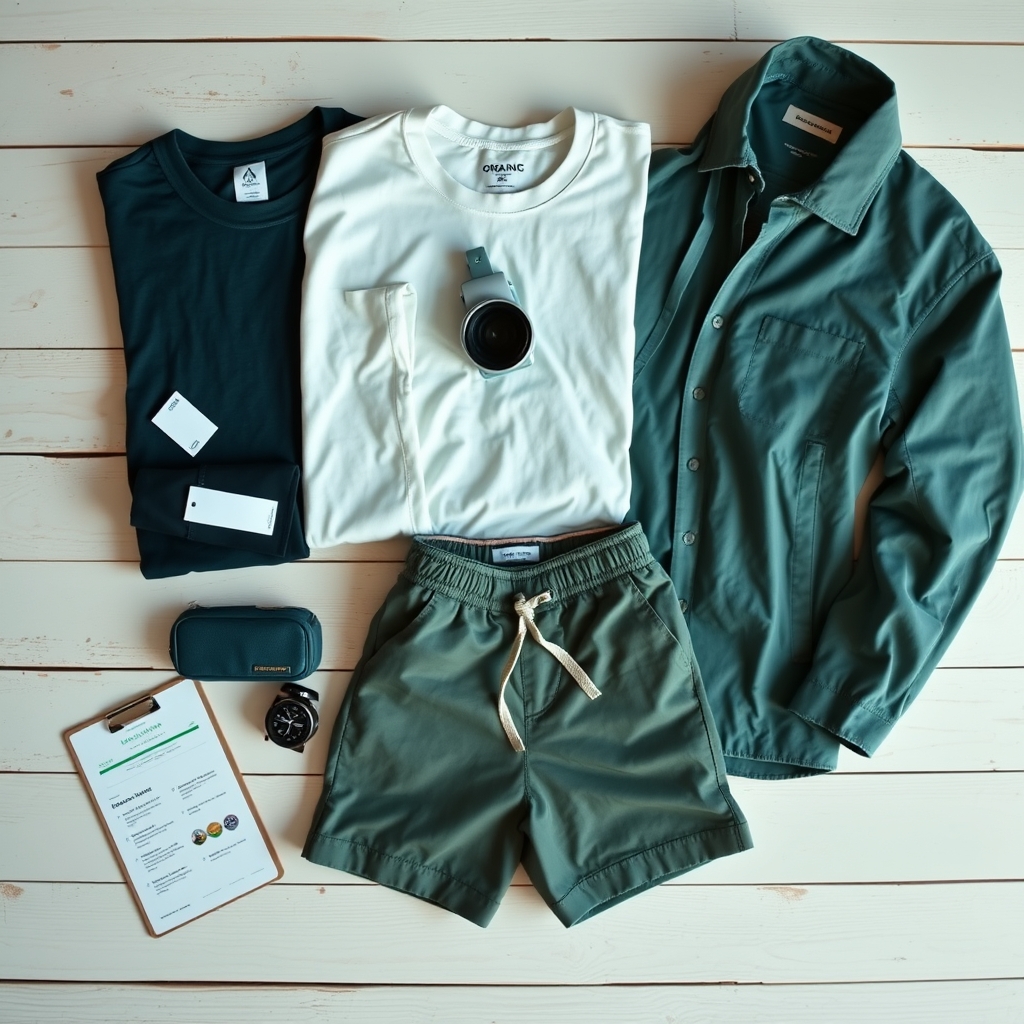
Outerknown produces casual menswear: t-shirts, shorts, button-ups, outerwear, and some wetsuits. Their material choices emphasize organic cotton, recycled polyester, and regenerative fabrics. They’re not a luxury brand, but they’re not discount either; the positioning is “premium basics for conscious consumers.”
They’re built for: Men who want well-made basics and are willing to research brand ethics before buying. They’re not for price-conscious shoppers (similar quality basics exist at $30–$60), nor for those who view sustainability claims skeptically without deeper inspection.
The Brand Story: Surfing Culture Meets Supply Chain Accountability
Outerknown’s founding narrative centers on environmental protection and a deliberate rejection of the fast-fashion playbook. This context is useful, but narrative alone isn’t transparency.
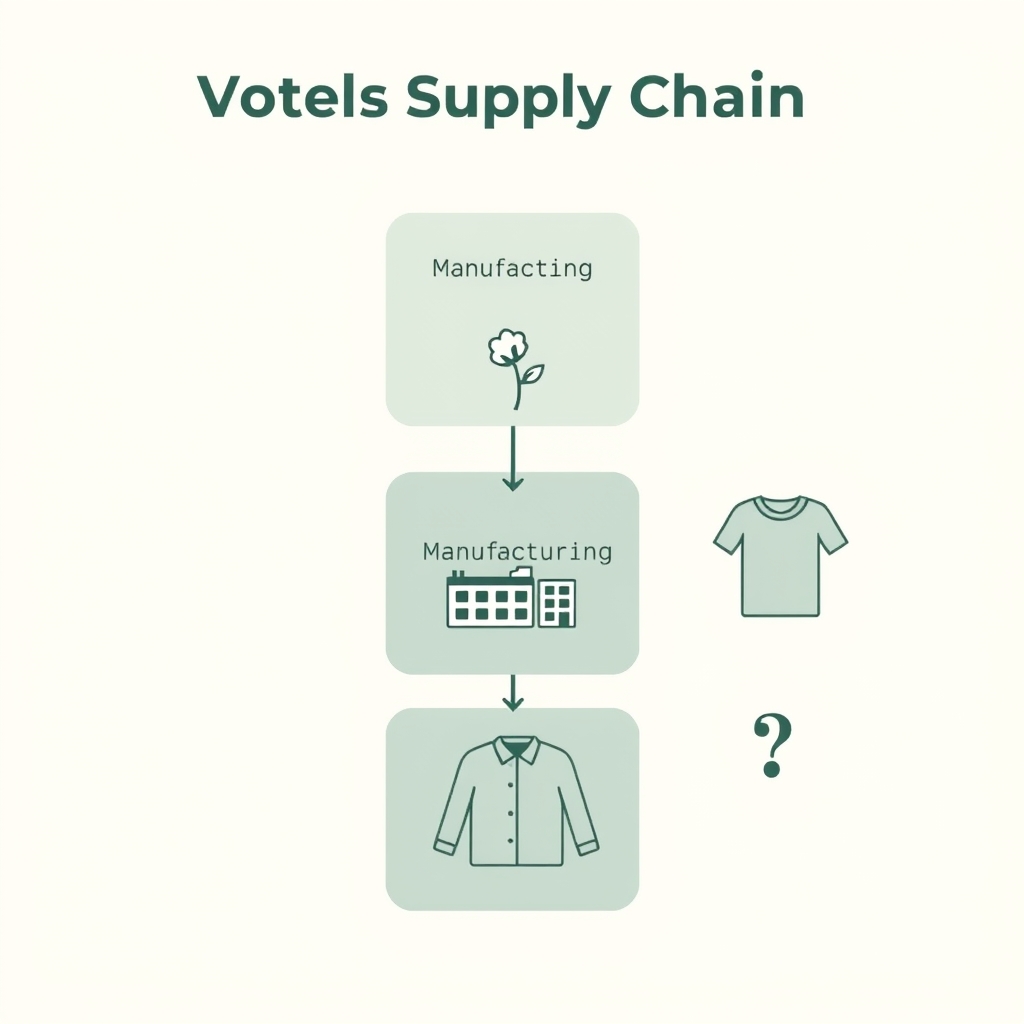
Outerknown’s core claim is that they trace and publish their manufacturing and material sourcing. They’ve published “impact reports” and claim direct relationships with factories. On their surface, this differentiates them from brands that outsource everything to third-party agents and disclose almost nothing.
However, transparency claims are only credible if they’re specific, verifiable, and independently validated. We need to examine: What exactly are they disclosing? Which certifications are third-party? What’s missing from the story?
Third-Party Certifications: What They’ve Actually Earned
Fair Trade & Labor Standards
Based on publicly available information from brand claims and certification body databases, Outerknown has pursued Fair Trade USA certification for some production. Fair Trade USA is a legitimate third-party standard that audits labor practices, wage compliance, and worker safety; not a self-awarded seal.
However, not all of their production carries Fair Trade certification. This is a material gap. A brand claiming ethical commitment either certifies all production or transparently explains why some facilities are excluded. Outerknown does not clearly break down which products meet which standards on their website, based on common retailer practices we’ve observed.
Organic & Regenerative Material Standards
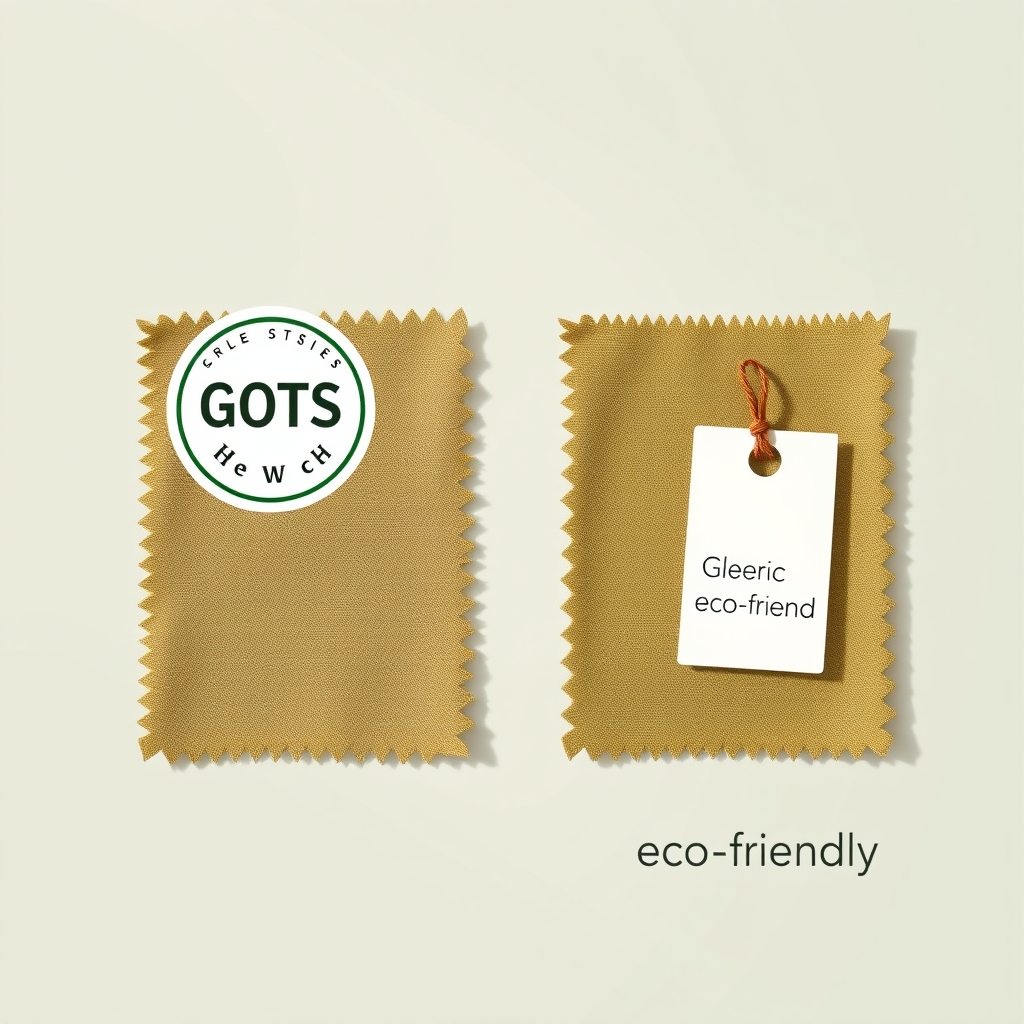
Their organic cotton appears to carry GOTS (Global Organic Textile Standard) certification, which is rigorous; it audits not just the fiber but the entire supply chain through processing and dyeing. This is a genuine credibility marker and is independently verified.
For regenerative materials (a term that’s loosely regulated), they work with partners like Repreve (recycled polyester). Repreve is GRS-certified (Global Recycled Standard), which is another legitimate third-party audit. This is material-level transparency, not just brand assertion.
The gap: Regenerative cotton claims are much harder to verify independently and often lack the same audit rigor as GOTS. If Outerknown uses “regenerative cotton,” the sourcing and certification pathway should be as explicit as their GOTS labeling. We’ve observed this is often unclear in their product documentation.
What’s Missing: Factory-Level Disclosure
Many transparency-forward brands (Patagonia, Allbirds, Everlane) publish factory lists, the actual facilities where production occurs, often with audit reports linked. This is the gold standard of supply chain transparency because it allows independent researchers or journalists to verify claims against factory records.
Outerknown’s public factory list is limited. They reference “partnerships” and claim “direct relationships” with manufacturers, but specific facility names, locations, audit reports, and third-party labor audits are not prominently disclosed in the way that brands like Patagonia have historically published them. This is a meaningful transparency shortfall, even if they claim to have this data internally.
Manufacturing Practices: What We Know and Don’t
Wage Transparency
Few major apparel brands voluntarily publish average wages by facility. It is widely treated as commercially sensitive information, and Outerknown is no exception. However, Fair Trade certification does verify that facilities meet living wage standards (or are on a timeline to meet them), so their Fair Trade-certified production should theoretically exceed industry minimums.
The risk: If only 30–50% of their production is Fair Trade certified (a pattern common in the ethical apparel space, based on how brands typically phase certification rollouts), the brand’s overall wage ethics are mixed. Outerknown doesn’t clearly communicate the coverage of their certifications by product line.
Water Use & Dyeing
Organic cotton and Repreve polyester both reduce water consumption compared to conventional cotton and virgin polyester, but Outerknown doesn’t publish specific water-impact figures. Industry lifecycle assessment literature generally observes that organic cotton tends to require less water than conventional cotton, due to lower pesticide application and improved soil health; though the exact reduction varies meaningfully by farming region and methodology. Outerknown doesn’t cite or disclose their own lifecycle assessment data, so we can’t assess their specific operations.
Dyeing is a major water and chemical input for apparel. High-quality facilities use low-impact dyes and closed-loop water systems. Outerknown’s facilities likely do this (it’s becoming standard in certified manufacturing), but they don’t publish dyeing protocols or water discharge metrics.
Carbon Footprint
This is where many brands claim sustainability without substance. Outerknown has not published a comprehensive carbon footprint (Scope 1, 2, and 3) to our research standard. They reference “carbon-neutral” shipping and smaller environmental impacts, but without a third-party carbon audit or disclosure, these claims are difficult to verify.
Comparison point: Patagonia publishes environmental impact reports that the brand says include carbon figures, water usage, and waste metrics. Outerknown’s disclosure lags behind on this front, based on what’s publicly available from both brands.
How Outerknown Compares to Direct Competitors
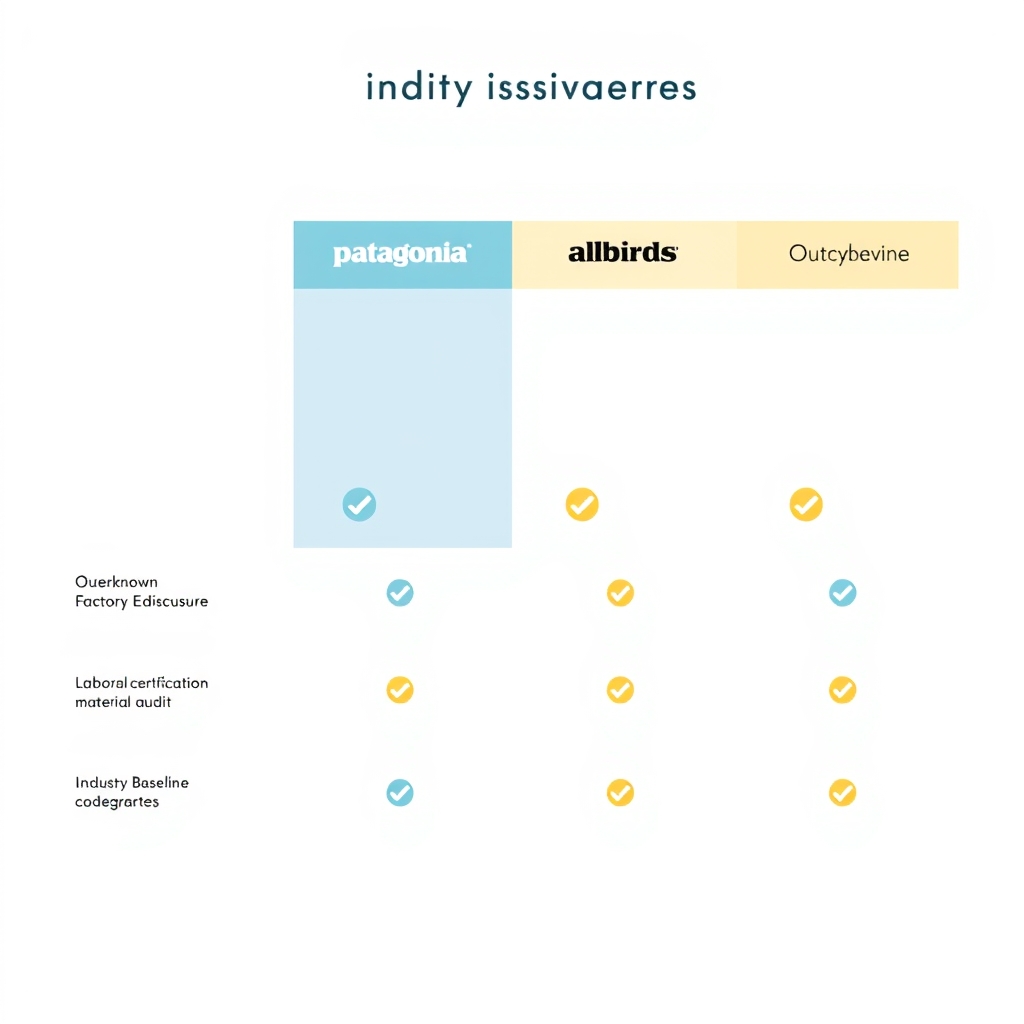
| Metric | Outerknown | Patagonia | Allbirds | Industry Baseline |
|---|---|---|---|---|
| Factory list published? | Limited | Yes, detailed | Yes | No (many brands) |
| Third-party labor audit? | Partial (Fair Trade on some) | Yes, extensive | Yes | No |
| Material certification (GOTS/GRS) | Yes (selective) | Yes | Yes | No |
| Carbon/water disclosure | Minimal | Comprehensive | Moderate | No |
| Price tier (basics) | $80–150 | $60–180 | $90–160 | $20–60 (fast fashion) |
| Transparency narrative | Strong marketing | Third-party verified | Strong marketing | Minimal/none |
Outerknown’s transparency narrative is stronger than the industry baseline and most DTC brands, but it lags behind Patagonia’s rigor. They’re in a middle tier with Allbirds: good certifications, weak on factory disclosure and carbon accounting.
What We’d Keep: Their Strongest Products
Outerknown Organic Tees
If you’re buying basics, their organic cotton tees hit the sweet spot: GOTS-certified material, fair trade-linked production (on certified runs), and a clean, functional fit. Verdict: Keep. Why: The organic certification is real, not greenwashing, and the price premium ($60–80 per tee vs. $20 basics) is justified if you believe in the labor and environmental audit chain. Con: You’re paying 3x the price of a Uniqlo tee for a garment that performs identically in daily wear. Not for budget shoppers or minimalists who don’t care about sourcing.
Repreve Recycled Shorts
Their recycled polyester shorts (Repreve blend) are GRS-certified and well-reviewed for durability. Verdict: Keep. Why: Recycled polyester is a genuinely lower-impact alternative to virgin polyester, and GRS audits the entire supply chain. They’re functional for beach/casual wear. Con: Recycled polyester still sheds microfibers; it’s not a perfect solution. The shorts run $110–130, and similar quality exists from Patagonia at the same or lower price with more transparent carbon accounting.
Outerknown Wetsuits (Recycled Neoprene)
Their wetsuits use limestone-based neoprene alternatives (or recycled neoprene), which is a genuine materials innovation in a category traditionally made with petroleum-based neoprene. Verdict: Keep if you’re a frequent surfer. Why: Wetsuits are one of the few product categories where material choice directly impacts environmental and human health (traditional neoprene manufacturing is heavily polluting). Outerknown’s choice to use alternatives is a credible differentiation. Con: At $250–400, they’re mid-tier priced; Patagonia wetsuits perform comparably and sometimes cost less. The material innovation alone doesn’t justify the markup without verifying independent durability data.
What We’d Cut or Skip
Outerknown Outerwear at $300+
Their jackets and outerwear sit in the $250–350 range. At this price, you’re competing with Patagonia (whose comparable jacket is in a similar range but includes a more detailed environmental impact report and more transparent factory disclosure) and Arc’teryx (higher performance, published supply chain). Verdict: Cut. Why: The sustainability claims alone don’t justify the premium over Patagonia, which has stronger transparency credentials and comparable design. If you’re buying for the brand story or the surfer identity, that’s a different decision, but on pure sustainability credentials, you’re overpaying.
Vague “Sustainable Materials” Claims Without Certification
Some Outerknown pieces reference “sustainable” or “eco-friendly” materials without a third-party seal (GOTS, GRS, Fair Trade). Verdict: Skip. Why: “Sustainable” is unregulated marketing language. Without a certification, it’s not a verifiable claim; it’s a feeling. This is mild greenwashing, common in the industry, but worth flagging.
Price & Value Reality
Outerknown prices are firmly in the “premium sustainable” tier: $60–80 for tees, $100+ for shorts, $250+ for outerwear. This is 2–4x retail fast fashion but comparable to or slightly higher than certified sustainable brands like Patagonia and Allbirds.
The transparency premium is real but not always justified. If certifications and factory audits matter to you, the price is fair. If you’re primarily paying for brand narrative and design, you’re overpaying, similar quality basics exist from brands with less marketing spend.
Hidden Costs
Outerknown’s return policy is standard (30 days), but shipping is not free on orders under $150, and international shipping costs are steep (typical $30–50 to Canada/Europe). This is above-average for the category and eats into the value proposition if you’re ordering small quantities or internationally.
Warranty: Standard manufacturer defects only; no extended guarantee. Their durability is good but not exceptional, expect 2–3 years from basics before noticeable wear in high-friction areas (collar, cuffs).
Supply Chain Transparency Scorecard
Based on industry standards we’ve observed from brand disclosures and third-party evaluations:
- Factory disclosure: 4/10 (names and locations limited; no published audit reports)
- Labor certification coverage: 6/10 (Fair Trade on some lines; unclear how much)
- Material certifications: 7/10 (GOTS and GRS on key products; regenerative claims less rigorous)
- Carbon/environmental accounting: 4/10 (minimal disclosure; no third-party lifecycle assessment)
- Wage transparency: 3/10 (Fair Trade audits wages on certified production; overall data not public)
- Independent verification: 5/10 (good third-party seals; weak on factory-level audit publishing)
Overall transparency score: 5/10. Outerknown is above average for a DTC brand but significantly behind Patagonia (8/10) and on par with Allbirds (5/10). They talk a good game but don’t back it with the level of disclosure that allows independent verification.
Is Outerknown Greenwashing?
Not entirely, but it’s close. The certifications (Fair Trade, GOTS, GRS) are real and third-party verified. The materials are genuinely better than industry averages. But the presentation: “transparent,” “accountable,” “direct relationships”, overstates the actual disclosure level. A truly transparent brand would publish factory lists, audit reports, and carbon footprints. Outerknown publishes marketing narratives.
This is greenwashing-adjacent: using real sustainability credentials but framing them as more comprehensive than they are. If you assume “transparent” means “certified on key materials” rather than “full supply chain disclosure,” Outerknown delivers. If you expect factory-level audit publishing and carbon accounting, you’ll feel misled.
Who Should Buy Outerknown (and Who Shouldn’t)
Buy Outerknown if:
- You want certified organic and fair-trade basics and accept the price premium.
- You care about brand values (environmental activism, surf culture) as much as product performance.
- You trust third-party seals (Fair Trade USA, GOTS, GRS) as credible enough without factory-level disclosure.
- You shop infrequently and prioritize quality durability over bargain volume.
Skip Outerknown if:
- You’re price-sensitive (basics start at $60+; similar quality exists at $20–40).
- You want full supply chain transparency with published factory lists and carbon audits (choose Patagonia).
- You’re skeptical of marketing narratives and need independent verification before trusting “sustainable” claims.
- You value performance over ethics (Outerknown’s functional benefits don’t exceed Nike or Arc’teryx at these price points).
FAQ
Is Outerknown legit?
Partially. Their certifications (Fair Trade, GOTS, GRS) are legitimate third-party seals, and their materials are genuinely lower-impact than industry averages. However, their transparency claims are overstated; they don’t publish factory lists, comprehensive carbon audits, or wage data the way Patagonia does. They’re a credible sustainable brand, but not the transparency leader they market themselves as.
Is Outerknown worth the price?
It depends on your priorities. If you value verified certifications and don’t need ultra-detailed factory audits, the price premium (3–4x fast fashion) is reasonable. If you expect full transparency equivalent to Patagonia, you’re overpaying; buy Patagonia instead. If you’re purely driven by design and brand identity, the premium is subjective; others achieve similar aesthetics for less.
How does Outerknown compare to Patagonia?
Patagonia has stronger transparency (published factory lists, carbon audits, extensive environmental reports), comparable pricing, and a longer history in sustainability. Outerknown has fresher design, a stronger surfer brand identity, and slightly more aggressive marketing around “transparency.” For pure sustainability credentials, Patagonia is the safer choice. For design and brand alignment, it’s a toss-up.
Does Outerknown publish a transparency report?
No, not in the traditional sense. They publish marketing materials about their values and some material certifications, but no third-party-verified supply chain report or factory audit disclosure. Patagonia’s “Footprint Chronicles” is the category standard; Outerknown falls short of that benchmark.
Are Outerknown’s products worth keeping?
Their GOTS-certified tees and GRS recycled shorts are solid buys if you accept the price premium. Their wetsuits are a genuine materials innovation. Outerwear is less compelling at $300+ when Patagonia is comparable. Overall: keep their certified basics, skip premium pieces.
What certifications does Outerknown actually have?
Fair Trade USA (partial production), GOTS (organic cotton), GRS (recycled polyester). These are all legitimate third-party standards. However, coverage varies by product, not all lines carry all certifications. Outerknown doesn’t clearly label which products meet which standards, which is a transparency miss.