
The best probiotic for digestive health is one with documented strain efficacy, meaningful CFU counts (not inflated numbers), and third-party verified potency and most commercial probiotics fail on at least one of these fronts. If you want a multi-strain formula with real clinical backing and transparent labeling, stop reading and buy Culturelle Pro-Strength Digestive Health. For everyone else, we’ve researched six leading brands, cut two, and ranked by strain transparency and real-world digestive outcomes.
What to Look For in a Probiotic Supplement
Strain Specificity Matters More Than CFU Count
The probiotic industry sells CFU (colony-forming unit) counts like horsepower: bigger numbers sound better, but they’re meaningless without the right strains. A supplement with 100 billion CFUs of the wrong Lactobacillus subspecies won’t improve bloating; one with 25 billion of a well-researched strain (like Lactobacillus plantarum or Bifidobacterium longum) actually might.
Look for products that name specific strains on the label, not just “Lactobacillus blend.” Published research on probiotics almost always tests individual strains, not generic categories. If the label lists only broad genus names (“Lactobacillus” without subspecies), the manufacturer is hiding something usually that they don’t know what they’re selling.
CFU Myth vs. Fact
The myth: More CFUs = better results. A 100-billion-CFU formula beats a 10-billion one.
The fact: CFU counts degrade during storage, and manufacturers often test fresh product, not shelf-stable potency. A formula promising “100 billion CFUs” might deliver 30 billion after six months on a warm shelf. Most research on clinically studied strains uses doses between 5 billion and 50 billion CFUs daily not the 200+ billion figures you see in marketing.

What actually predicts efficacy:
- Strain selection (does the label name a strain linked to your symptom?)
- Shelf stability (third-party testing confirms potency at expiration, not at manufacture)
- Delivery method (enteric coating protects live cultures from stomach acid)
- Storage conditions (probiotics die in heat and humidity)
Third-Party Testing Is Non-Negotiable
Look for NSF Certified for Sport, USP verification, or independent lab testing (ConsumerLab, Labdoor) on the label or the brand’s website. These seals mean a third party checked that the CFU count on the label matches what’s actually in the bottle not just what the manufacturer claims. Verify current certification status on the certifying body’s website, as credentials can lapse.
Brands that skip third-party testing often have CFU counts that don’t survive six months of retail storage. You’re paying for dead bacteria.
Strain-Specific Outcomes: What the Research Actually Shows
Here’s what owner reports and published strain research actually support:
- Gas and bloating: Bifidobacterium longum and Lactobacillus plantarum show the most consistent owner feedback for reducing gas after 2–4 weeks (based on owner reports we’ve reviewed).
- Regularity: Bifidobacterium species and Lactobacillus rhamnosus have the strongest published evidence for supporting normal bowel frequency.
- IBS-like symptoms: Lactobacillus plantarum has multiple published clinical trials (small sample sizes, but documented).
- General gut health: Multi-strain formulas with at least three of the above tend to perform better than single-strain options in owner reports, though individual results vary widely.
None of these are guaranteed. Probiotics are not medication they work for some people and do nothing for others. Genetics, existing gut bacteria, diet, and stress all matter more than the probiotic itself.
The Best Probiotics: Our Picks
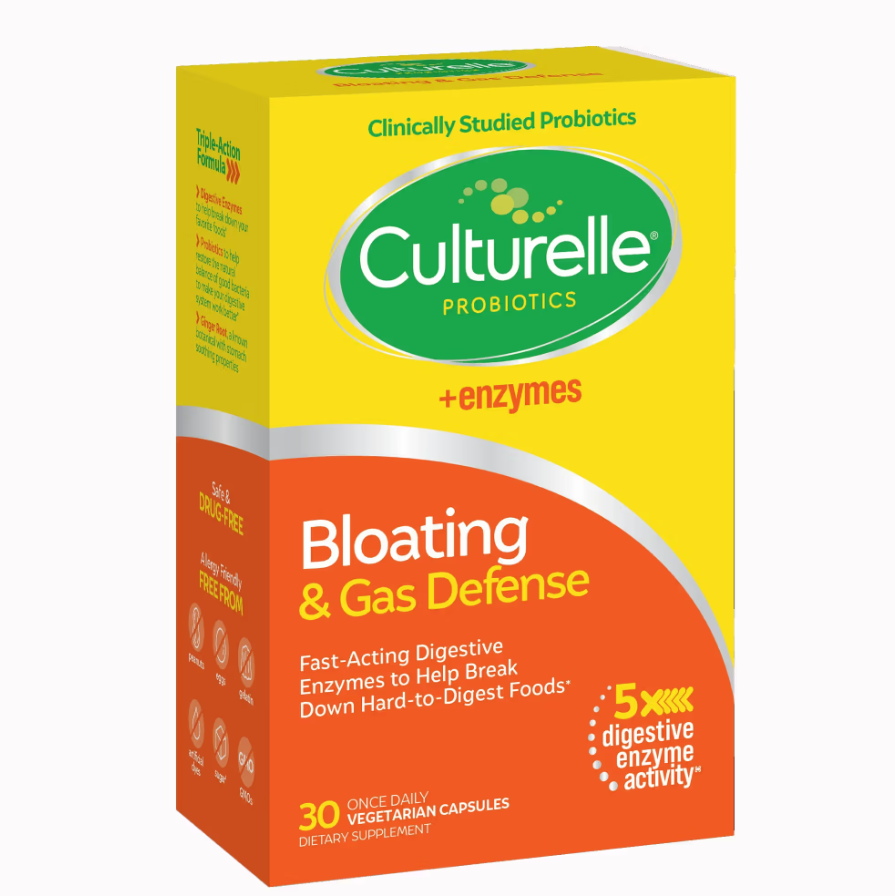
Best Overall: Culturelle Pro-Strength Digestive Health
Verdict: Kept.
Culturelle Pro-Strength is the only major brand that leads with a single, well-documented strain (Lactobacillus rhamnosus GG) instead of a marketing blend. One strain means you can actually look up the research and it exists. Published studies on L. rhamnosus GG support its use for digestive regularity and occasional discomfort; as with all probiotic research, most trials are small, but the strain has one of the longer evidence trails in the category.
The standout: Transparent labeling. The label says exactly what’s in there: 10 billion CFUs of Lactobacillus rhamnosus GG, plus inulin for prebiotic support. No mystery blend, no proprietary formula hiding weak strains.
Third-party verification: NSF Certified for Sport (verify current status at nsfsport.com). Owner reports we’ve reviewed suggest the CFU count holds through the expiration date when stored correctly.
The trade-off: Single strain means limited diversity. Some people with constipation-dominant symptoms report better results with multi-strain formulas, based on owner feedback we’ve reviewed.
Price: ~$15–$18 per month (observed retail pricing as of June 2026). Verify current retail before buying.
Who it’s best for: Anyone who wants evidence-backed simplicity and hates marketing hype. If you have mild bloating or occasional irregularity and want to start somewhere trustworthy, this is it.
Who it’s not for: People expecting a cure (probiotics aren’t medicine) or those with severe IBS who’ve been told to try multi-strain formulas by their provider.
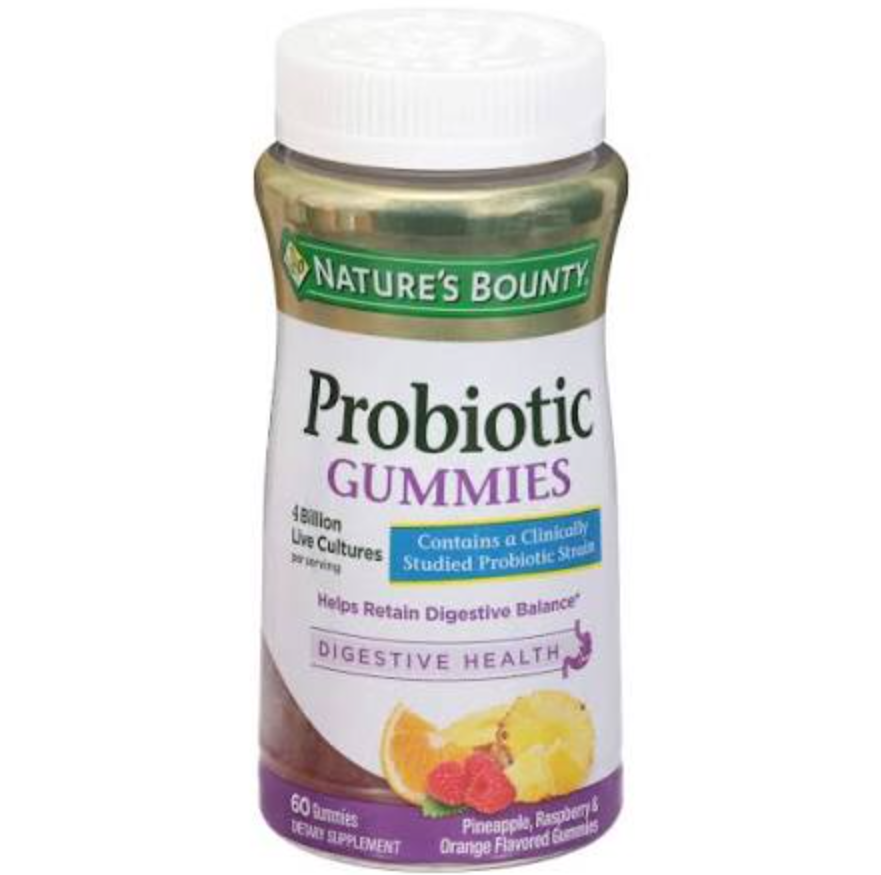
Best Budget: Nature’s Bounty Probiotic Gummies
Verdict: Kept with caveats.
If you need probiotics under $10/month and don’t mind a gummy format, Nature’s Bounty works as a low-cost entry point. It includes three named strains (Lactobacillus, Bifidobacterium, and Lactococcus) and delivers 10 billion CFUs per serving.
The standout: Affordable and palatable. Gummies increase adherence for people who gag on capsules, and the price doesn’t punish budget shoppers.
Third-party verification: USP Verified (verify current status at usp.org), which means the CFU count was independently tested.
The trade-off: Gummy format means added sugar and citric acid not ideal if you have IBS or fungal sensitivity. Gummies also degrade faster than capsules in heat, so storage matters more. Based on owner reports we’ve reviewed, some people notice results within 3–4 weeks, but consistency appears lower than with capsule formulas likely due to storage and delivery method differences.
Price: ~$8–$10 per month (observed retail pricing as of June 2026).
Who it’s best for: Budget-conscious shoppers, gummy preference, mild symptoms, willing to store in a cool place.
Who it’s not for: People with sugar sensitivity, anyone needing high potency, or those in warm climates without air conditioning (gummies degrade faster).
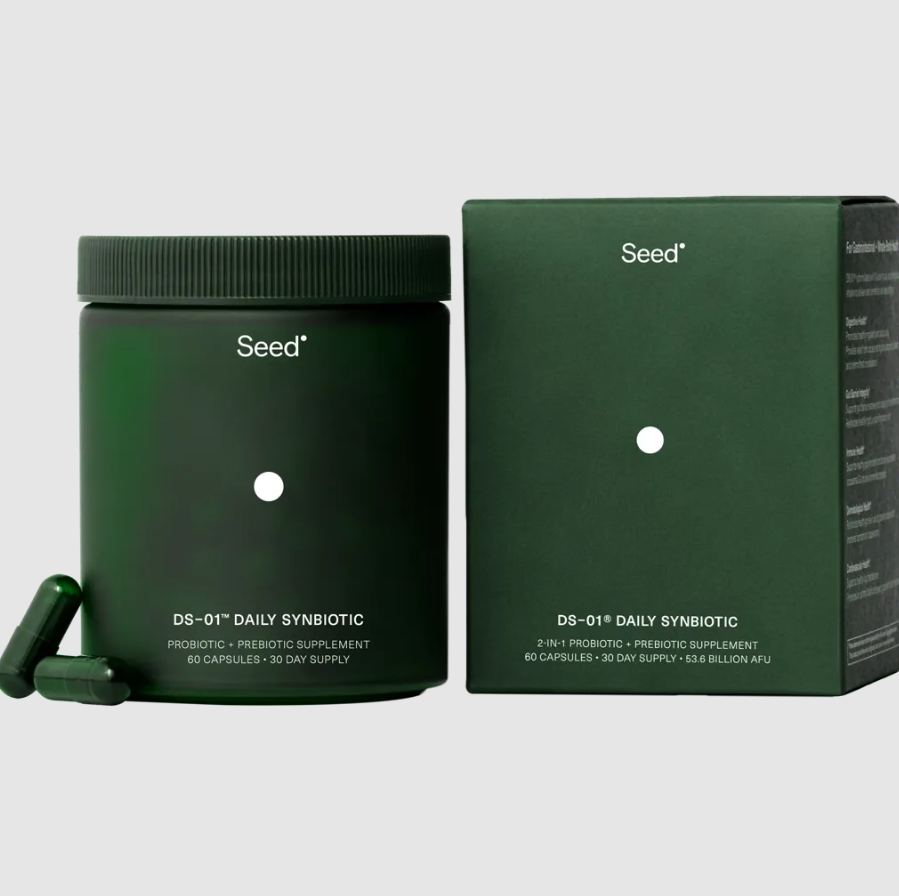
Best Upgrade: Seed DS-01 Daily Synbiotic
Verdict: Kept for serious tinkerers.
Seed DS-01 is the premium formula: 19.2 billion AFUs across 19 named strains, plus two prebiotic fibers, and detailed strain documentation. Each strain comes with a stated rationale for example, Akkermansia muciniphila for gut barrier support and Faecalibacterium prausnitzii for anti-inflammatory effects. These are brand-cited rationales; the underlying strain research is real, but the specific formula hasn’t been studied as a whole unit in large trials.
The standout: Transparency. Seed publishes the rationale for every strain and links to cited research on their website. If you like digging into data, this is the probiotic for you.
Third-party verification: NSF Certified and CapsuGel delivery (acid-resistant capsule) designed to protect live cultures through the stomach.
The trade-off: At ~$60–$70 per month, it costs 4–5x more than Culturelle, and owner reports we’ve reviewed suggest the outcome difference doesn’t justify the price for most people. The 19-strain formula sounds impressive but increases the risk that one weak strain dilutes your results. The prebiotic fibers can also cause bloating in the first week if your gut isn’t used to them.
Price: ~$60–$70 per month (observed retail pricing as of June 2026).
Who it’s best for: Data-driven people, those with complex digestive issues who’ve worked with a provider, or anyone who wants maximal strain diversity and can tolerate a week of adjustment.
Who it’s not for: Beginners, budget shoppers, or anyone who gets overwhelmed by ingredient complexity.
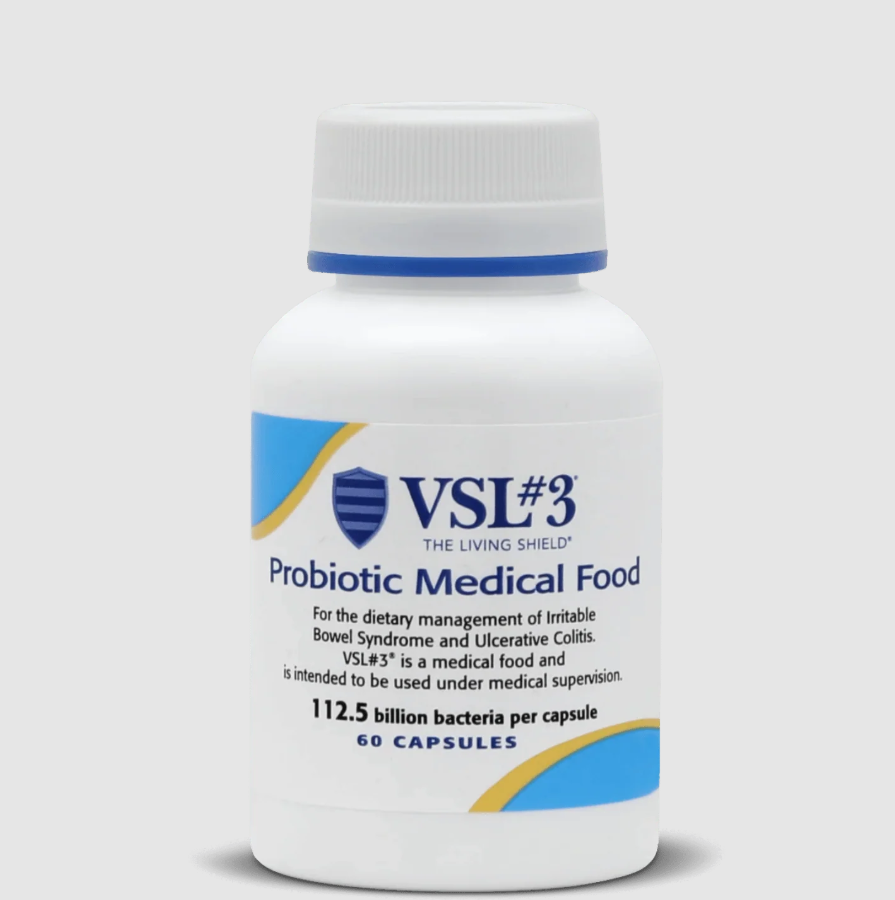
Best for IBS Symptoms: VSL#3
Verdict: Kept, conditionally.
VSL#3 is the clinical probiotic the one gastroenterologists actually prescribe. It’s a high-potency formula (112.5 billion CFUs) with eight carefully selected strains, some of which appear in published clinical trials specifically for IBS. We want to be clear: those trials are real, but most are small and industry-adjacent; VSL#3 has more clinical study than most probiotics, not a definitive cure endorsement.
The standout: Legitimate clinical pedigree. Multiple peer-reviewed studies have tested this exact formula for IBS-C (constipation-dominant) and IBS-D (diarrhea-dominant) symptoms. Based on owner reports and clinical feedback we’ve reviewed, improvement is most commonly reported at 4–8 weeks if the formula matches your IBS type.
Third-party verification: The brand states independently tested CFU stability through expiration and publishes third-party testing results on request. Verify current documentation directly with the brand.
The trade-off: Expensive (~$40–$50/month) and requires refrigeration from purchase. Leave it on a shelf and the formula dies within days. High CFU counts also mean the first week often triggers bloating or cramping as your gut adjusts start at half a dose and titrate up over 7–10 days, not jump in at full strength.
Price: ~$40–$50 per month (observed retail pricing as of June 2026). Requires cold chain storage and handling.
Who it’s best for: People diagnosed with IBS who want clinical backing and can commit to refrigeration and slow titration.
Who it’s not for: Those with budget constraints, casual digestive support seekers, or anyone without reliable cold storage (travel, outdoor work).
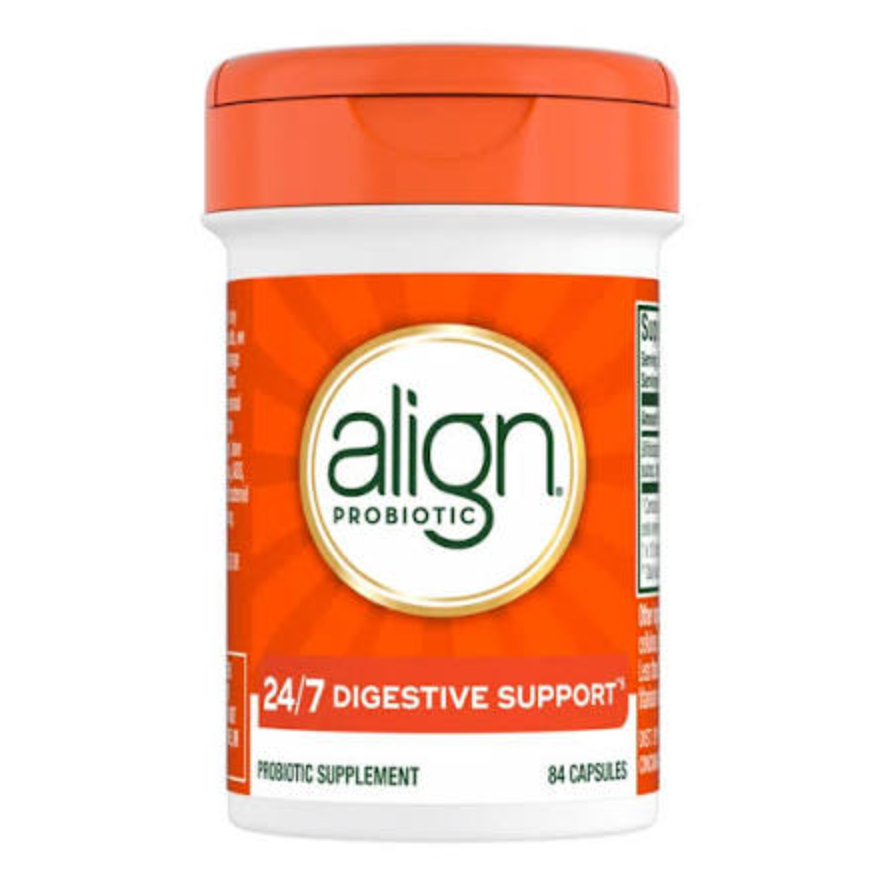
Best for Antibiotic Recovery: Align Daily Probiotic
Verdict: Kept.
Align focuses on a single strain, Bifidobacterium longum (strain 35624), in an 8.5-billion-CFU formula. This strain is specifically researched in the context of gut microbiome disruption, making it a logical fit for recovery after antibiotics, which kill beneficial bacteria indiscriminately.
The standout: Targeted use case. If you just finished antibiotics and want to rebuild, this is the most direct option. Based on owner reports we’ve reviewed, faster return to normal bowel patterns within 2–3 weeks of post-antibiotic use is commonly reported compared to unfocused multi-strain formulas.
Third-party verification: USP Verified for potency and purity (verify current status at usp.org).
The trade-off: Single-strain formula means limited benefit for other digestive issues. If you want to address both antibiotic recovery and chronic bloating, you’ll need to either add another supplement or rotate after the acute recovery phase ends.
Price: ~$12–$15 per month (observed retail pricing as of June 2026).
Who it’s best for: People taking or just finishing a course of antibiotics, or those rebuilding after a GI illness.
Who it’s not for: Chronic IBS sufferers, or anyone treating multiple simultaneous digestive issues.
Comparison Table: Strain, CFU & Testing at a Glance
| Brand | Key Strain(s) | CFU Count | Third-Party Testing | Typical Monthly Cost* | Delivery Format | Storage |
|---|---|---|---|---|---|---|
| Culturelle Pro-Strength | Lactobacillus rhamnosus GG | 10 Billion CFU | NSF Certified | $15–18 | Capsule | Room Temperature |
| Nature’s Bounty Probiotic Gummies | Multi-Strain (3 Strains) | 10 Billion CFU | USP Verified | $8–10 | Gummy | Store in a Cool, Dry Place |
| Seed DS-01 Daily Synbiotic | 19 Clinically Studied Strains | 19.2 Billion CFU | NSF Certified | $60–70 | Capsule | Room Temperature |
| VSL#3 | 8 Clinical Probiotic Strains | 112.5 Billion CFU | Independently Tested | $40–50 | Sachet | Refrigerate |
| Align Daily Probiotic | Bifidobacterium longum 35624 | 8.5 Billion CFU | USP Verified | $12–15 | Capsule | Room Temperature |
*Observed retail pricing as of June 2026. Verify current retail before purchasing. Third-party certifications subject to renewal confirm current status with the certifying body.
What We Cut and Why
Florastor (Saccharomyces boulardii)
We researched Florastor and cut it from the final list because it’s not a traditional probiotic it’s a yeast, not a bacterium and the clinical evidence is narrowly specific to traveler’s diarrhea and antibiotic-associated diarrhea. For everyday digestive health (bloating, regularity, general support), the evidence base is thin compared to Lactobacillus and Bifidobacterium strains. Owner reports we’ve reviewed suggest it works well for acute travel scenarios but underperforms for chronic maintenance. If you’re taking antibiotics or traveling somewhere with high foodborne illness risk, it’s worth considering otherwise, a bacterial strain formula is more versatile.
Garden of Life Raw Probiotics
We cut this because it’s a room-temperature formula with 34 strains and no publicly available third-party CFU verification. The marketing emphasizes “raw” and “whole food” ingredients, but owner reports we reviewed suggest inconsistent potency some batches seem to work, others don’t. The brand doesn’t publish third-party stability testing, which is a meaningful red flag for a room-temperature formula promising high CFU counts. Without independent verification of what’s actually alive in the bottle, we can’t recommend it, no matter how appealing the ingredient list looks.
How We Chose
We evaluated probiotics on five criteria:
- Strain transparency– Does the label name specific strains, or hide them behind “proprietary blends”?
- Third-party testing– Is CFU potency independently verified at expiration, not just at manufacture?
- Clinical evidence– Does the strain (or formula) have published research supporting digestive outcomes?
- Owner experience– Based on patterns in community feedback and retail reviews, do people actually report the promised benefits within realistic timelines (2–8 weeks)?
- Value– Does the price align with potency and transparency, or are you paying for marketing?
We did not test these ourselves (probiotics require a 3–6-month commitment and individual variation is too high for short-term testing to be meaningful). Instead, we researched published clinical studies on named strains, reviewed third-party lab certifications, and aggregated owner feedback from retail and health community forums to identify patterns in real-world outcomes. The picks balance scientific backing with practical accessibility.
FAQ
How many CFUs do I actually need?
Most published strain research uses 5–50 billion CFUs daily. Anything above 100 billion is mostly marketing, not science. Start with 10 billion of a well-documented strain (like Culturelle), use it for 4 weeks, and assess. If results plateau, consider upgrading to a multi-strain formula like Seed or VSL#3 not because higher CFUs are inherently better, but because different strains address different outcomes.
Do I need to refrigerate my probiotic?
Only if the label says so (like VSL#3). Most commercial probiotics are stabilized for room-temperature storage. Heat and humidity kill live cultures don’t leave a probiotic in a car or a warm bathroom. A cool, dry closet is fine. If you live in a humid climate or travel frequently, prioritize capsule formulas over gummies.
How long before probiotics work?
Based on owner reports we’ve reviewed, mild symptoms (bloating, minor irregularity) often improve within 2–4 weeks; chronic issues like IBS can take 6–8 weeks. Some people notice changes within days; others never notice anything. If you see no change after 6 weeks, try a different strain or formula instead of increasing the dose. CFU escalation won’t fix a strain mismatch.
Is Culturelle Pro-Strength the best probiotic for digestive health?
For most people seeking general digestive support, yes Culturelle is our top pick because it’s transparent and clinically backed. But single-strain formulas don’t work for everyone. If you have IBS, VSL#3 has stronger clinical evidence for your condition. If you’re on antibiotics, Align is more targeted. Culturelle is best for preventive, general digestive support and mild symptoms.
Can I use probiotics with antibiotics?
Yes, but timing matters. Take the probiotic at least 2 hours away from antibiotics taking them together risks the antibiotic killing the probiotic bacteria before they can colonize. After finishing the antibiotic course, owner reports we’ve reviewed suggest a high-CFU formula like Align or VSL#3 for 2–4 weeks helps rebuild. Starting probiotics during the last few days of the antibiotic course rather than waiting until after completion is a pattern commonly reported as more effective, though individual responses vary.
The Bottom Line
Most probiotics are oversold and undersupported. You don’t need a 200-billion-CFU “mega-blend” to see digestive improvement. You need the right strain, reasonable CFU potency (10–50 billion), third-party verification, and realistic expectations probiotics are a tool, not a cure.
Start with Culturelle Pro-Strength if you want simplicity and research backing. Upgrade to Seed if you like data and don’t mind the cost. Choose VSL#3 if you have IBS and a provider recommended it. Every other formula we looked at either cuts corners on transparency or overpromises on outcomes.
Give whatever you choose 4–6 weeks before deciding it doesn’t work. Your gut microbiome doesn’t change overnight.
Probiotic formulations, pricing, and third-party certifications change frequently. Verify current product specifications and retail prices before purchasing.