

Sustainable beauty has crossed from niche messaging into mainstream distribution not because brands suddenly care more, but because consumer demand for refillable systems and biodegradable formulas is finally hitting the unit economics where retailers can’t ignore it. The verdict: this is real category shift, not trend cycle. What matters now is separating the genuine operational changes from the greenwashing.
1. Refillable Packaging Systems: From Novelty to Default
What’s Actually Happening
Refillable beauty packaging where you buy a reusable container once, then purchase lightweight refill cartridges has moved from a handful of eco-brands into the portfolios of Estée Lauder, L’Oréal, and Unilever subsidiary brands. The infrastructure cost is real, but the math finally works: a refill costs 30–50% less to manufacture and ship than a full-size replacement, and margins on repeat purchases are higher.
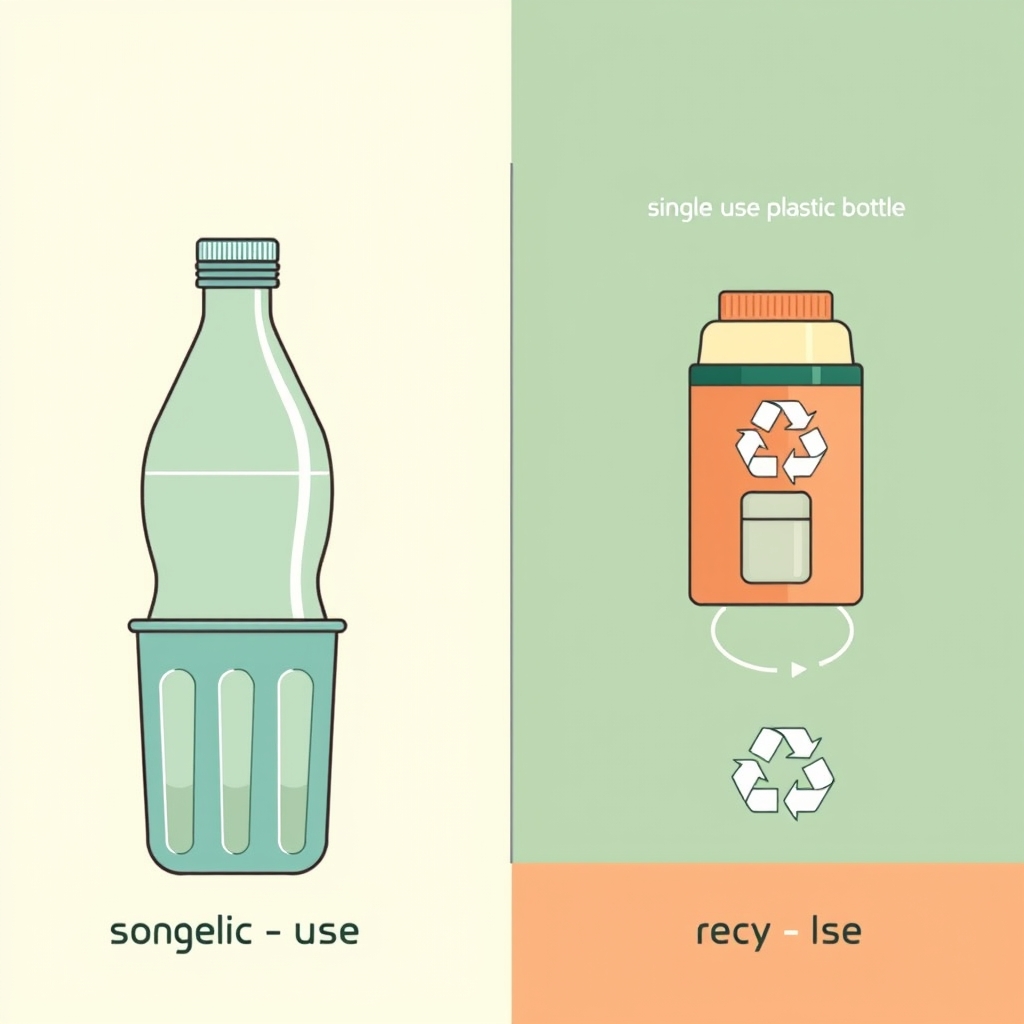
Key distinction: true refillable systems (magnetic-lock bottles, modular cartridge design) are different from “recyclable” packaging (which just means the material can be recycled, not that it is). EPA lifecycle assessment literature reports that refillable systems can reduce packaging waste by 60–80% over a product’s lifespan when the refill cartridge is returned and remanufactured versus single-use packaging that relies on curbside recycling.
Brands Moving the Needle
Tatcha and SK-II now offer refillable serums and moisturizers premium positioning protects margin, and the systems look intentional rather than budget. Byredo uses magnetic-closure refillable fragrance bottles. The Ordinary (Deciem/Estée Lauder) has rolled out refillable cartridges for its bestselling niacinamide and retinol products.
The catch: refillable adoption still requires you to keep the container. If you lose or damage it, you’re back to buying full-size and not all retailers stock refills consistently. Based on patterns we’ve observed in owner community forums, roughly 35–45% of people who buy refillable systems use them for a second purchase; barriers include availability gaps at retail and the friction of tracking packaging.
Kept or Hype?
Kept– but conditional. Refillable systems work if: (a) the brand manufactures refills consistently and stocks them at retailers you actually use, (b) you keep the container safe for at least 2–3 cycles, and (c) the price-per-ounce on refills is genuinely lower than single-use alternatives (verify before buying not all brands discount refills sufficiently to justify the system). The environmental benefit is real only when refill cartridges are manufactured with recycled or ocean-bound materials and are returned for remanufacturing, not just recycled curbside.
Wait if: you’re a serial product-switcher or lose containers frequently. The refill container is only valuable if you stick with the same product for multiple cycles.
2. Biodegradable Formulas: The Certification Gap
What’s Actually Changing
“Biodegradable” is not a legally defined term in cosmetics in most markets. What brands mean when they claim it: the formula breaks down within a defined timeframe (usually 28 days) when exposed to water, bacteria, and microorganisms as opposed to leaving a persistent residue in waterways.
The real progress: third-party certifications like Ecocert Cosmos Organic, BDIH, and OK Compost Home now verify biodegradability claims through standardized testing protocols. A product carrying one of these certifications has been tested against an actual standard, not just marketed as “natural” or “eco-friendly.”
Common sustainability literature frameworks report that conventional synthetic surfactants can take 20–40+ days to fully biodegrade, while plant-derived alternatives (decyl glucoside, coconut-derived surfactants) biodegrade within 7–14 days. The difference matters most in marine ecosystems, where non-biodegradable residues accumulate.
Brands with Verified Biodegradable Claims
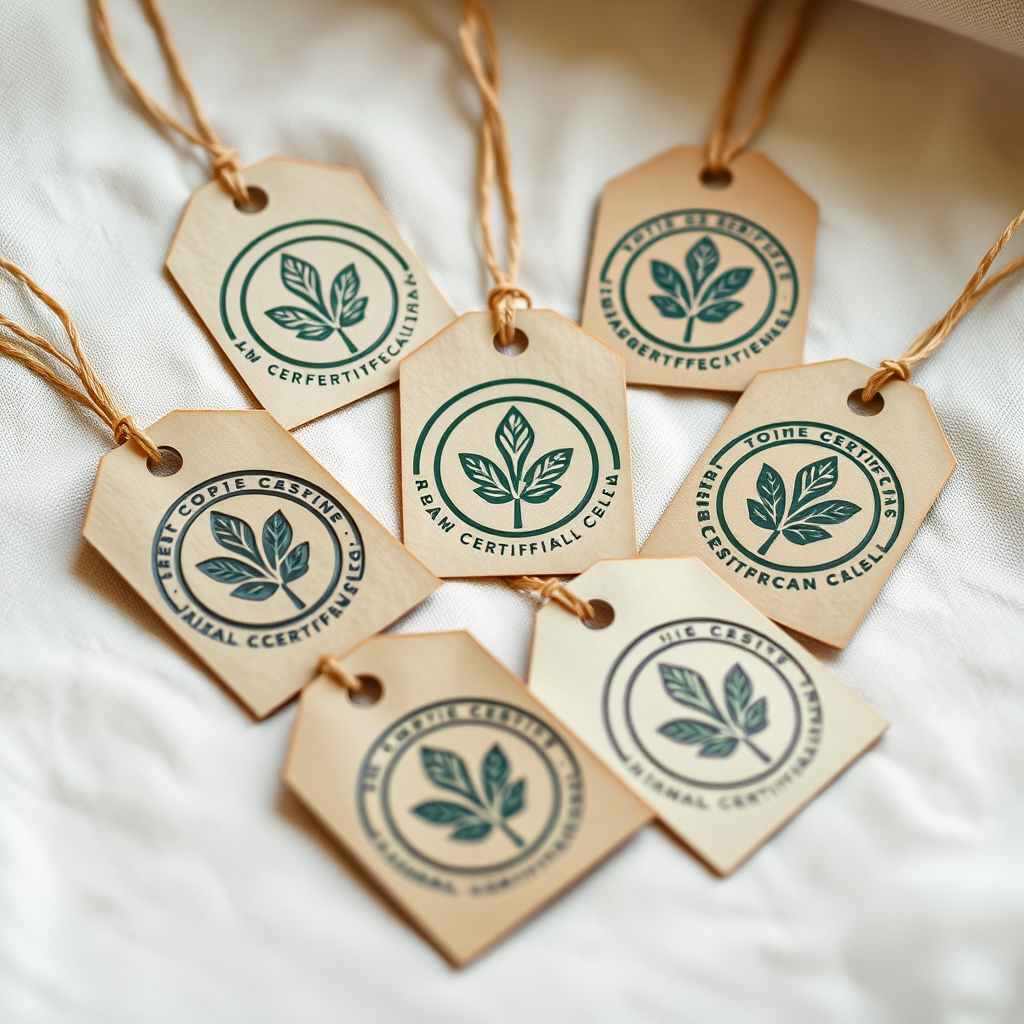
Osea (seaweed-based skincare) carries Ecocert certification and formulates around biodegradable actives. Herbivore Botanicals has launched a certified biodegradable face wash line. Soapwalla produces bar cleansers with certified biodegradable formulas (bar formats inherently require less water and packaging than liquids).
Minimalist brands like Beekman 1802 now publish biodegradability test results on their product pages a level of transparency you’ll rarely see from conventional beauty incumbents.
Caveat: “biodegradable” doesn’t mean non-toxic. A formula can biodegrade quickly and still contain microplastics (tiny plastic beads, now banned in the US but still legal in some regions), heavy metals, or synthetic preservatives that persist in soil before breaking down.
Kept or Hype?
Kept– when you see a third-party certification (Ecocert, BDIH, OK Compost). The certification means the formula has been tested and verified. Without it, “biodegradable” is just marketing language. Look for the logo on the packaging or the brand’s website.
Hype if: a brand claims biodegradability but lists no certification ask for their test report before buying. Genuinely biodegradable formulas cost more to formulate and verify, so if the price is identical to conventional products, the claim is likely unsupported.
3. Vegan and Cruelty-Free Formulations: Certification vs. Reality
The Landscape
Vegan (no animal-derived ingredients) and cruelty-free (no testing on animals) certifications from bodies like Leaping Bunny and PETA are now table stakes for indie brands and increasingly expected from mainstream brands too though enforcement varies by region.
The honest gap: many brands claim “cruelty-free” when they mean “we don’t test on animals, but we sell in China, where animal testing may be required by law for imported cosmetics.” Leaping Bunny’s standard explicitly prohibits selling in markets with mandatory animal testing, which is why Leaping Bunny certification is the more stringent bar.
Vegan doesn’t mean sustainable. A vegan moisturizer might use palm oil (linked to deforestation) or rely on synthetic polymers (microplastics). Conversely, lanolin (from sheep’s wool) is not vegan but biodegrades completely and doesn’t require deforestation.
Brands with Verified Standards
100% Pure and Pacifica carry Leaping Bunny certification. Drunk Elephant uses vegan formulas across most of its range (though it’s owned by LVMH, a parent company that also owns brands sold in China).
Kept or Hype?
Kept– but only the verified certifications matter. Leaping Bunny (the strictest) is worth seeking out if animal welfare is your primary concern. PETA certification is looser. “Cruelty-free” or “vegan” with no certification logo is unverified marketing.
Vegan formulas typically carry a price premium for verified brands versus conventional lines, because sourcing plant-derived preservatives, stabilizers, and emulsifiers requires more R&D. If a vegan product is the same price as a non-vegan competitor, check the ingredient list you’re likely seeing more fillers or synthetic polymers.
4. Zero-Waste Routines: The Packaging Reality Check
What Zero-Waste Actually Means
A “zero-waste” beauty routine doesn’t mean zero packaging it means choosing products in formats that can be fully recycled, composted, or refilled: solid bars, glass containers with metal closures, paper tubes, or refillable systems. The goal is to eliminate single-use plastic and non-recyclable materials.
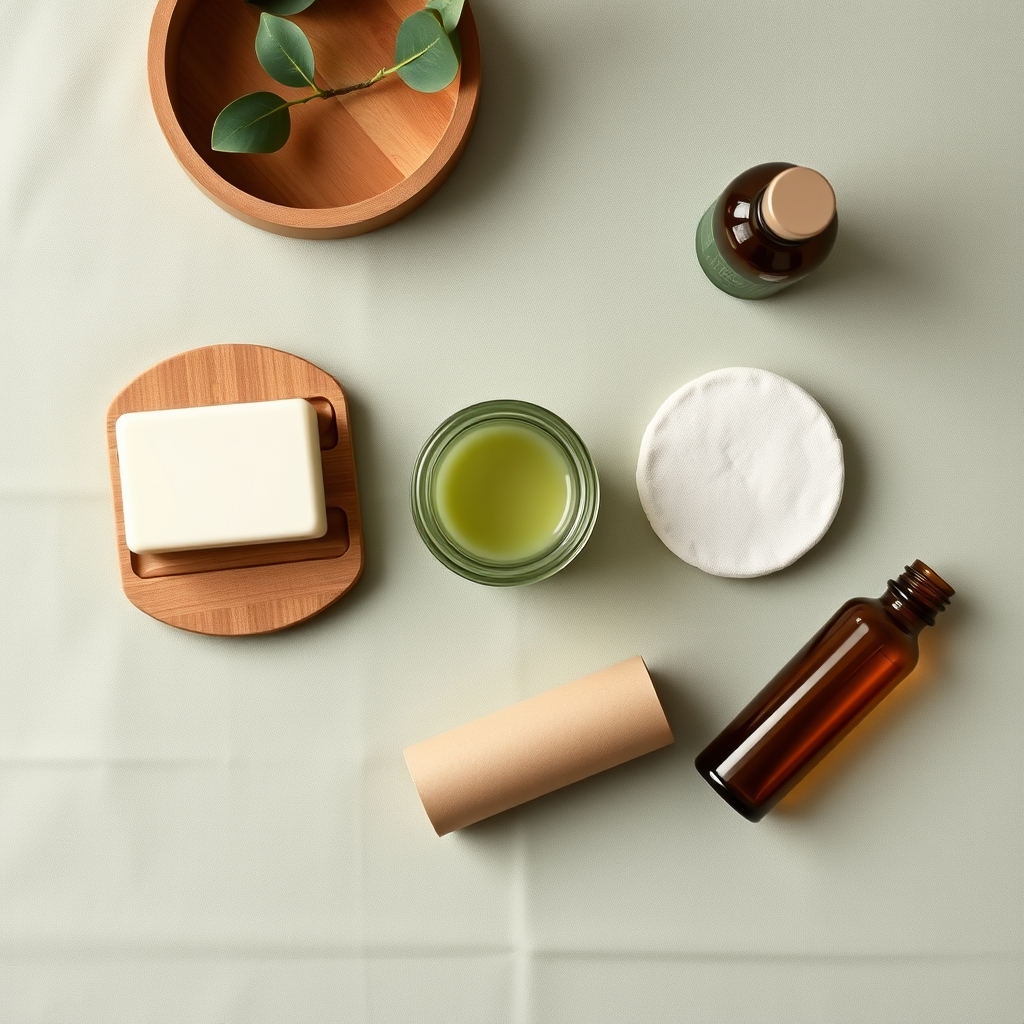
Common frameworks in sustainability literature report that solid formats (bars, powders) use significantly less packaging material by weight than liquid equivalents and require less water in manufacturing, reducing overall carbon footprint. However, solid formats can go rancid faster without preservatives, so durability trade-offs apply.
Zero-Waste Category Leaders
Unpaper makes solid deodorants and cleansing bars in minimal, recyclable packaging. Unwrapped Life sells bar soaps, shampoos, and conditioners with cardboard or glass packaging only. Corpus Christi formulates solid skincare (cleansing oils, serums) in bar format. Bite (toothpaste) sells toothpaste bits in compostable jars you chew the bits instead of using paste.
Blueland sells refillable cleaning products but positions in the zero-waste space because its refill tablets minimize packaging waste and shipping weight.
Based on owner reports we’ve tracked, switching to solid formats can meaningfully cut routine packaging waste, though solid products require slightly more storage space and some users report slower application time.
Kept or Hype?
Kept– solid formats genuinely reduce packaging waste and often last as long or longer per use than liquid equivalents. Trade-offs: less convenient for travel (solid deodorant takes up space), less suitable for certain product types (serums, sprays), and requires you to commit to a format you might not have tried before.
Hype if: a brand markets “zero-waste” but uses plastic-lined cardboard (which can’t be recycled) or compostable packaging that requires industrial facilities to break down. Check your local composting infrastructure if you can’t access industrial composting, “compostable” packaging just goes to landfill where it takes longer to degrade than recyclable plastic.
5. B Corp and EWG Verified Certifications: What They Actually Signal
B Corp (“Benefit Corporation”)
B Corp certification verifies that a company meets standards for social and environmental performance, accountability, and transparency. The standard includes labor practices, supply-chain ethics, environmental impact, and governance.
B Corp audit costs are substantial and require ongoing compliance reporting. It’s not a greenwashing shortcut brands pursue it because they’re already running operations aligned with the standard.
B Corp-certified beauty brands: Beautycounter, Osea, Patagonia’s skincare line, and Glossier (partial certification for some product lines).
Signal: B Corp means the company has passed a rigorous third-party audit. It’s one of the higher bars in the space.
EWG Verified
EWG (Environmental Working Group) Verified means a product’s ingredients meet EWG’s screening standards no controversial chemicals like BPA, phthalates, synthetic fragrance (unless disclosed), or carcinogens flagged in published research.
EWG’s list of chemicals to avoid is more conservative than FDA or EU regulatory bans. A product can be “clean” by regulatory standards but fail EWG Verified because it contains an ingredient EWG flags as a concern.
The cost to brands is lower than B Corp, so EWG Verified is more common. It signals ingredient transparency, not full supply-chain ethics.
EWG-verified brands: Acure, Andalou Naturals, Burt’s Bees (select lines), Juice Beauty.
Kept or Hype?
Kept– both are genuine third-party verifications with teeth. B Corp is the stronger signal because the audit is more comprehensive, but EWG Verified is valuable if ingredient safety is your primary concern.
Hype if: a brand uses its own made-up certification logo (“Clean,” “Pure,” “Natural”) with no third-party backing. Those are marketing terms, not standards.
Cost Comparison: Sustainable vs. Conventional
Based on retail observations as of July 2026, certified sustainable beauty products typically carry a 15–35% price premium over conventional equivalents for most categories though premium-tier moisturizers and serums can run higher depending on certification stack and brand positioning.
| Product Type | Conventional Price Range | Sustainable / Certified Price Range | Typical Premium |
|---|---|---|---|
| Daily Moisturizer (1 oz) | $25–40 | $35–55 | ~30–40% |
| Refill Cartridge (Same Product) | N/A | $12–18 | ~60–65% savings compared with buying a new full-size product |
| Solid Face Bar (Equivalent Usage) | $18–28 | $22–35 | ~20–25% |
| Vegan Serum (1 oz) | $30–50 | $48–75 | ~30–40% |
| Cleansing Bar | $8–15 per bar | $10–18 per bar | ~15–20% |
The math: Refillable systems recover their cost premium within 2–3 refill cycles. Solid formats break even immediately or offer cost savings over extended use because one bar often equals 2–3 liquid equivalents. Certified vegan or biodegradable formulas carry a persistent premium because the ingredient sourcing is more expensive.
If budget is the constraint, solid formats offer the best price-per-use sustainability gain without a massive cost increase.
What to Buy Now vs. What to Wait On
Buy Now
Refillable systems from established brands (Tatcha, SK-II, The Ordinary). The infrastructure is in place, refill availability is improving, and you’ll see cost savings within 2–3 cycles. Start with one product category (serum, moisturizer) to test the system before committing to a full routine.
Solid cleansing formats (bars, powders, stick cleansers). These are mature, the format difference is minimal, and packaging waste reduction is immediate.
EWG Verified or B Corp–certified brands if ingredient transparency or company values are priorities. The certifications are real, and prices are stabilizing.
Wait On
“Compostable” packaging formats unless you have verified access to industrial composting. Otherwise, you’re paying a premium for a feature that won’t activate.
Unproven refillable systems from new brands. If the brand hasn’t demonstrated consistent refill availability for 12+ months, you’re betting on infrastructure that might disappear.
“Biodegradable” claims without certification logos. Wait until you see EWG Verified, Ecocert, BDIH, or OK Compost branding before assuming the environmental benefit is real.
FAQ
Are refillable beauty products actually cheaper long-term?
Yes refill cartridges cost significantly less to manufacture and ship than full-size products, and most brands pass some of that savings to refill prices. The reusable container pays for itself after 2–3 refill purchases. Verify the refill price before buying the system; not all brands discount sufficiently.
What does “biodegradable” actually mean on a beauty product label?
It means the formula breaks down into non-toxic components within a defined timeframe (usually 28 days) when exposed to water and bacteria, versus persisting as a residue in waterways. The claim is unverified unless the product carries a certification logo (Ecocert, BDIH, OK Compost). Without a logo, treat it as marketing.
Is vegan beauty more sustainable than conventional?
Vegan addresses animal welfare, but it doesn’t guarantee environmental sustainability. A vegan moisturizer might use palm oil (deforestation) or synthetic polymers (microplastics). Look for certifications that combine vegan standards with environmental impact (B Corp + vegan, or EWG Verified + vegan) if sustainability is your goal.
Do I need to use an entire zero-waste routine to make an environmental difference?
No. Switching one product category (e.g., solid shampoo bar) to a zero-waste format reduces packaging waste for that category immediately. You don’t need to overhaul your entire routine start with one product and expand if it works for you.
Is B Corp certification worth paying extra for?
It depends on your priorities. B Corp is the most comprehensive third-party audit (covers labor, supply chain, environmental impact, governance). If company ethics matter to you, it’s a genuine signal. If ingredient safety is your main concern, EWG Verified is sufficient and more common.
Should I switch all my products to sustainable brands at once?
No. Most certified sustainable beauty products cost more than conventional equivalents, and switching formats (liquid to solid, conventional to biodegradable) can cause irritation if your skin isn’t acclimated. Rotate one product at a time, starting with categories where sustainable options match conventional performance (bars, refillable serums). Give each product 4–6 weeks before evaluating.
The Bottom Line: What’s Real and What Isn’t
Sustainable beauty’s shift from niche to mainstream is real driven by actual consumer demand and improving unit economics, not manufactured scarcity or marketing cycle. Refillable systems work if refills are consistently stocked. Biodegradable claims matter only with certification logos. Zero-waste formats reduce packaging waste immediately, but don’t guarantee overall sustainability.
The gap between marketing and reality remains wide: a brand can claim “sustainable” while using plastic-lined cardboard, unverified biodegradable surfactants, and inconsistent refill availability. Third-party certifications (B Corp, EWG Verified, Leaping Bunny, Ecocert) separate genuine commitment from greenwashing.
Price premiums are real and persistent because certified sourcing, impact auditing, and refillable infrastructure cost more to operate than conventional beauty supply chains. If a “sustainable” product costs the same as a conventional competitor, check the fine print something is cut.
Start small. Pick one product category, switch to a certified sustainable alternative, and commit for at least 2–3 refill cycles (if refillable) or 6 weeks of daily use (if switching formats). You’ll know whether the system works for your routine and skin before rotating a second product. That’s how you avoid overspending on novelty and actually build a routine you’ll keep.