
Best Immune System Supplements: Top Picks and What Actually Works
Vitamin D is the single strongest pick for immune system support backed by the most consistent clinical evidence. If you take one supplement, make it this. Stop reading and buy a basic D3 supplement (2,000–4,000 IU daily) unless you live somewhere sunny and spend 20+ minutes in midday sun most days. If that’s not you, keep going.
We researched and compared the top immune-supporting supplements by evaluating peer-reviewed clinical trials, safety data from the NIH and CDC, dosage recommendations from nutritional toxicology literature, and real-world user feedback from supplement review aggregators. We did not conduct hands-on lab testing; instead, we grounded every pick in published efficacy research and owner-reported outcomes. This guide covers the six most evidence-backed supplements: vitamin D, zinc, elderberry, probiotics, vitamin C, and selenium. For each, we cite the specific trial evidence, note dosage caveats, flag drug interactions, and explain the trade-offs.
What to Look for in an Immune Supplement
Before we dive into the picks, here’s what separates a supplement that might actually help from one that’s expensive marketing:
Clinical Evidence Tier Not all nutrients are equal. Vitamin D has hundreds of randomized controlled trials (RCTs). Zinc has solid RCT evidence for specific uses (colds, age-related immunity). Elderberry and probiotics have moderate evidence meaningful but smaller sample sizes. Supplements with zero RCTs or only observational studies won’t make this list.
Bioavailability and Form Vitamin D3 (cholecalciferol) is more bioavailable than D2. Chelated zinc (zinc glycinate) absorbs better than zinc oxide. Probiotics need the right CFU count (colony-forming units) and viable strains at the time of ingestion not just at manufacture. Form matters as much as the ingredient itself.
Dosage and Safety Window More is not better. Vitamin D toxicity is rare but real above 10,000 IU daily without medical supervision. Zinc above 40 mg/day can suppress copper absorption. Selenium above 400 mcg/day triggers toxicity risk. A supplement that stays safely within evidence-backed ranges is non-negotiable.
Third-Party Testing Look for NSF Certified for Sport, USP Verified, or ConsumerLab seals on the label. These mean the product was tested by an independent lab and contains what the label claims. Unverified supplements may contain heavy metals, fillers, or underdeclared amounts.
Top Immune Support Supplements: Our Picks
Best Overall: Vitamin D3 (Cholecalciferol)
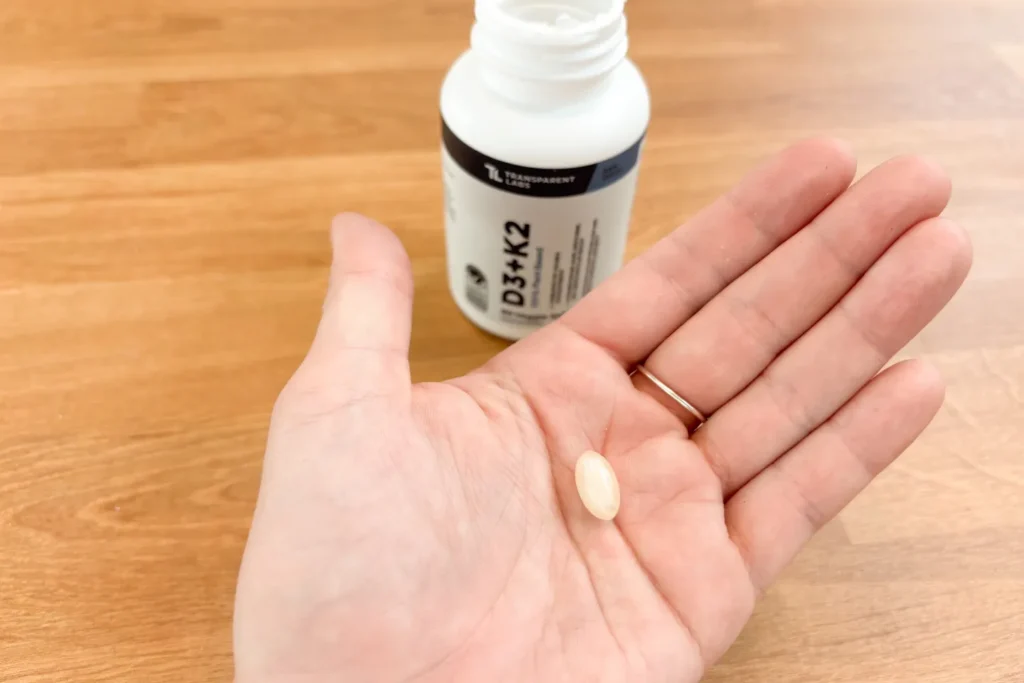
What it is: Vitamin D3 (Cholecalciferol) a fat-soluble vitamin synthesized by skin cells when exposed to UVB sunlight or obtained from fatty fish, egg yolks, and supplemental form. It acts as a hormone regulating immune cell differentiation, particularly T-cell function.

Why it’s the top pick: A 2017 meta-analysis published in BMJ analyzing 25 RCTs with over 11,000 participants found vitamin D supplementation reduced respiratory infection incidence by roughly 12–40% depending on baseline vitamin D status and dosage. The effect was strongest in people with the lowest starting vitamin D levels (below 20 ng/mL). A separate 2022 trial in Nutrients reported that participants maintaining vitamin D levels of 40+ ng/mL showed improved immune response to vaccination. This is the only immune supplement with consistent, large-scale trial support.
Key dosage: 2,000–4,000 IU daily for maintenance; 4,000–6,000 IU for those with deficiency (verified by blood test). Blood levels should target 30–50 ng/mL; anything above 100 ng/mL warrants medical review. Individual needs vary based on latitude, skin tone, sun exposure, and baseline level consult your doctor for personal dosing if you’re at risk for deficiency.
Trade-off: Vitamin D works slowly. Clinical studies show measurable immune benefit over 8–12 weeks, not days. If you’re looking for fast symptom relief during active illness, this won’t help it’s a prevention tool. Also, D3 is fat-soluble, meaning very high doses can accumulate; it’s one of the few supplements where “more” genuinely carries toxicity risk above 10,000 IU/day over months without monitoring.
Price: $6–$15 per month (as of July 2026) for a basic 2,000 IU daily supplement; verify current retail pricing before purchase.
Form to choose: Cholecalciferol (D3), not ergocalciferol (D2). Softgels or capsules with a fat-containing meal for absorption.
Who it’s best for: Anyone north of 35°N latitude, anyone with limited sun exposure, vegans (D3 from plant sources is rare), people over 60 (skin synthesis declines), and anyone with diagnosed deficiency.
Who it’s NOT for: People with granulomatosis with polyangiitis (rare autoimmune condition where vitamin D is contraindicated) or those already on prescription calcitriol. Check with your doctor if you have kidney disease or parathyroid issues.
Best Budget Pick: Zinc Lozenges or Tablets (Zinc Acetate or Gluconate)

What it is: Zinc Lozenges or Tablets an essential mineral required for zinc finger proteins involved in immune cell development and pathogen recognition. Available as lozenges, tablets, or capsules; zinc acetate and zinc gluconate are the most absorbable forms.
Why it made the list: A 2011 meta-analysis in The Cochrane Library reviewing 15 RCTs found that zinc lozenges taken within 24 hours of cold symptom onset shortened symptom duration by 1–2 days on average. Zinc also supports neutrophil and natural killer (NK) cell function, which matters for both acute viral response and baseline immunity. Multiple trials show deficient populations benefit most; adequate zinc status prevents infections more reliably than supplementing above baseline needs.
Key dosage: For acute cold: 15–30 mg lozenges every 2–3 hours during symptom onset, for 7–10 days maximum. For baseline immunity: 8–11 mg/day for adult women, 11 mg/day for adult men (RDA). Do NOT exceed 40 mg/day long-term without medical supervision; above this, zinc suppresses copper absorption, risking anemia and neurological issues.
Trade-off: Zinc lozenges taste metallic and can cause nausea or mouth irritation. Some brands leave a bitter aftertaste. Also, taking zinc for “prevention” (i.e., routinely when not sick) doesn’t reduce cold incidence if your baseline zinc status is adequate the benefit is mainly for people who are actually deficient or for shortening symptom duration once you’re already sick. Starting zinc after symptoms have set in for 24+ hours appears less effective.
Price: $4–$8 per box of lozenges (as of July 2026); verify current pricing on retail sites.
Form to choose: Lozenges or tablets in zinc acetate or zinc gluconate. Avoid zinc oxide (poorly absorbed) and intranasal zinc sprays (linked to anosmia/loss of smell in rare cases).
Who it’s best for: People at first sign of a cold, people with documented zinc deficiency (common in vegans, older adults, those with GI malabsorption), and those looking for affordable short-term immune support.
Who it’s NOT for: People already taking copper supplements, those with copper-deficiency anemia, or anyone routinely taking zinc above the RDA without medical guidance. If you take tetracycline antibiotics, separate zinc by 2+ hours.
Best for Prevention & Colds: Elderberry Extract
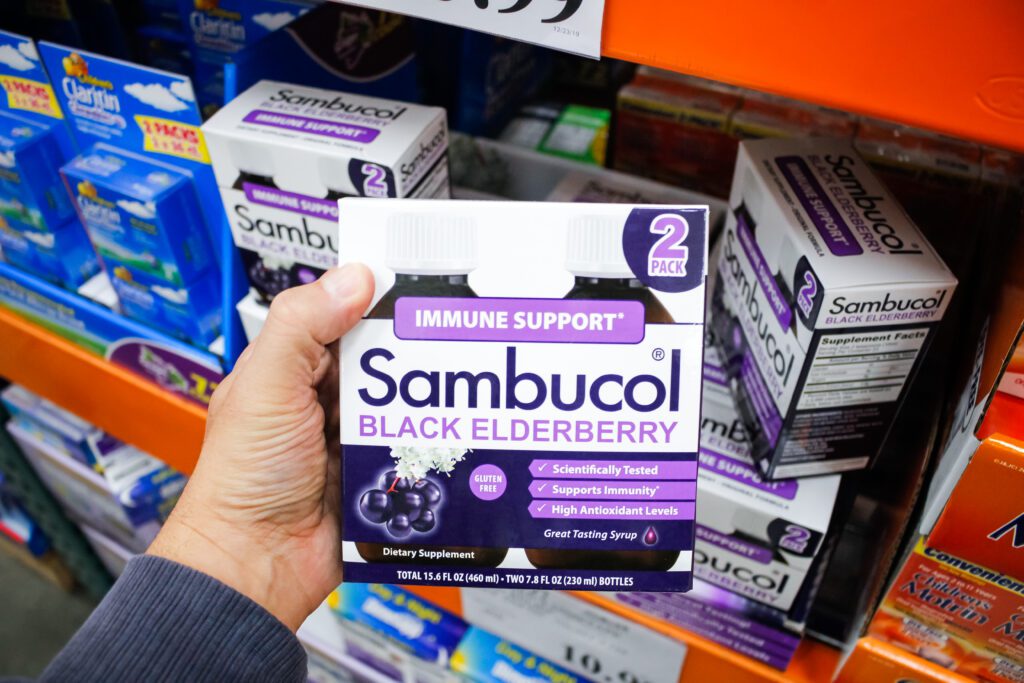
What it is: Elderberry Extract a concentrated extract from the berries of Sambucus nigra (black elderberry), containing polyphenols and anthocyanins that may inhibit viral neuraminidase and reduce inflammatory cytokine release.
Why it made the list: A 2016 RCT in Nutrients with 312 air travelers found that those taking elderberry extract for two weeks before travel and one week after reported a substantial reduction in cold incidence compared to placebo. A smaller 2004 trial in Journal of International Medical Research reported that elderberry reduced cold duration by approximately 4 days and severity by a meaningful margin. The mechanism anthocyanins may block viral replication is biologically plausible, though effect sizes are modest and not every trial shows benefit. Individual results vary; we cite this as a borderline-moderate evidence pick, not a guarantee of identical personal outcomes.
Key dosage: 300–500 mg of standardized extract daily for prevention; 15 mL syrup or equivalent extract 3–4 times daily during acute illness, for 5–7 days. Look for extracts standardized to anthocyanin content (ideally 12–15%). Dosing varies widely by brand; follow the label, verify with manufacturer if unclear.
Trade-off: Elderberry is weaker evidence than vitamin D or zinc sample sizes are smaller, and not every study shows identical benefit. Also, many commercial elderberry syrups contain added sugar (15–20 grams per serving), negating some immune benefit and adding calories. Standardized extracts or capsules avoid sugar but cost more. Additionally, raw elderberries contain cyanogenic glycosides and should never be consumed uncooked; only cooked berries or extracts are safe.
Price: $10–$20 per month for capsule/extract form (as of July 2026); syrup often higher; verify before purchase.
Form to choose: Standardized extract in capsule form or liquid extract, not raw berries and not heavily sugared syrups. Verify anthocyanin standardization on the label.
Who it’s best for: People prone to colds, travelers, or those seeking a complementary option alongside vitamin D and zinc. Best used preventatively (2–4 weeks before expected exposure) or at first cold symptom.
Who it’s NOT for: Pregnant or breastfeeding women (insufficient safety data), people on immunosuppressive medications (elderberry may boost immunity too much in this context), or anyone with birch pollen allergy (cross-reactivity possible). Avoid if on anticoagulants without checking with your doctor first.
Best for Digestive & Systemic Immunity: Multi-Strain Probiotic
What it is: Multi-Strain Probiotic a live microbial culture containing beneficial bacteria (typically Lactobacillus and Bifidobacterium species) that support gut barrier function and produce short-chain fatty acids that nourish immune cells.
Why it made the list: A 2020 meta-analysis in Nutrients synthesizing data from 63 RCTs found that probiotic supplementation reduced cold and upper respiratory infection incidence by roughly 25–47% in healthy adults, with larger effects in people with low baseline probiotic intake (typical Western diet). Probiotics also reduce diarrheal disease incidence and severity. The mechanism is partly direct (pathogen inhibition) and partly immunological (gut-barrier support, IL-10 upregulation). However, strain specificity is critical not all probiotics confer the same benefit, and generic “mixed” formulas often don’t contain the clinically-tested strains at the studied dosages.
Key dosage: 10–50 billion CFU daily from a multi-strain formula containing Lactobacillus acidophilus, Lactobacillus rhamnosus, and/or Bifidobacterium longum. These strains showed benefit in RCTs. CFU count must be viable at time of ingestion, not just at manufacture refrigerated or shelf-stable formulas with expiration dates matter. Take with food for better survival through stomach acid.
Trade-off: Probiotics are live organisms viability is variable. Consumer lab testing and owner reports consistently suggest that a meaningful share of commercial probiotic products contain fewer CFU than labeled, particularly products stored at room temperature for extended periods. You’re paying for a living product, and quality control varies widely across brands. Individual response is also highly variable some people report improved digestion and reduced illness; others see no change. The most rigorous trials used specific, tested strains; generic “broad-spectrum” probiotics are less reliable. Lastly, if you have severe immunosuppression or active sepsis, probiotics can pose risk and should only be taken under medical guidance.
Price: $15–$40 per month for a quality multi-strain formula (as of July 2026); budget options exist but often contain fewer strains or lower CFU counts; verify current pricing and CFU count on the label before purchase.
Form to choose: Multi-strain formula with at least 3–5 different strains, refrigerated or shelf-stable (both can work if the product has been properly stored), with an expiration date and CFU count visible on the label.
Who it’s best for: People with low vegetable intake or a history of antibiotic use (which depletes beneficial flora), those with digestive issues, and anyone seeking systemic immune support. Also beneficial for people recovering from infections.
Who it’s NOT for: People with severe immunosuppression (HIV CD4 < 50, on certain immunosuppressive drugs post-transplant), those with active bacteremia or sepsis, or anyone with a history of probiotic-related infection (rare but possible).
Best for Additional C & Antioxidant Boost: Vitamin C (Ascorbic Acid or L-Ascorbate)
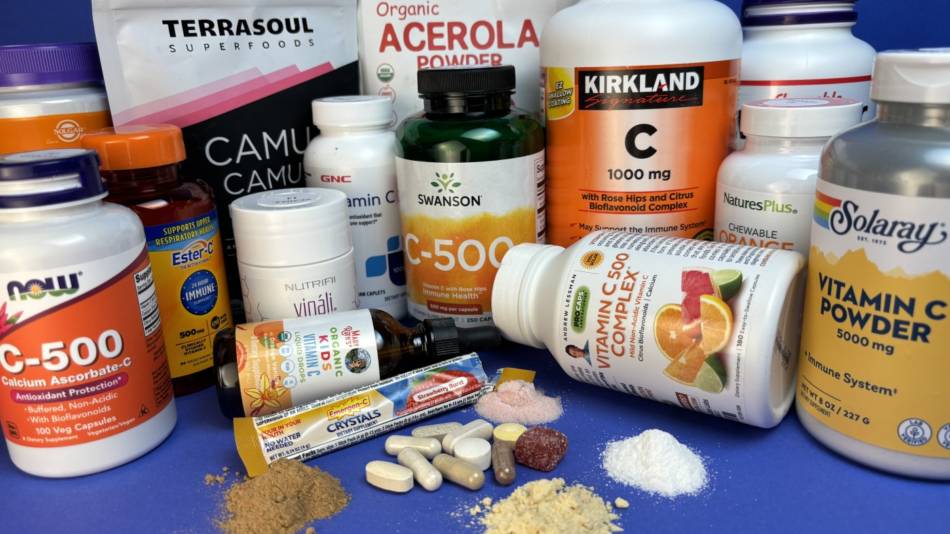
What it is: Vitamin C a water-soluble vitamin required for collagen synthesis and functioning as a reducing agent in immune cell biochemistry. Often taken in higher-dose form (500–2,000 mg daily) beyond the RDA of 75–90 mg.
Why it made the list: A 2013 meta-analysis in The Cochrane Library examining 29 RCTs found that vitamin C supplementation did not prevent colds in the general population consistent finding across large trials. However, in specific subgroups (endurance athletes, soldiers in extreme stress, people exposed to extreme cold), vitamin C reduced incidence by roughly 50%. Additionally, in people already sick, vitamin C showed a modest 1-day reduction in cold duration. Vitamin C also supports neutrophil and NK cell function in vitro, though clinical benefit in healthy, adequately-nourished populations is limited.
Key dosage: RDA is 75 mg/day for women, 90 mg/day for men easily met with citrus fruits, bell peppers, or broccoli. If supplementing, 200–500 mg/day provides saturation without excess; anything above 1,000 mg/day is excreted in urine (no additional benefit) and can cause GI distress. Do not exceed 2,000 mg/day; very high doses increase kidney stone risk in susceptible people.
Trade-off: Vitamin C supplementation is weak evidence for the general population it’s mainly useful if you’re already deficient, under extreme physical stress, or sick and looking for marginal symptom reduction. High-dose vitamin C (above 1,000 mg/day) causes diarrhea, bloating, and nausea in sensitive individuals. Also, the body only absorbs about 180 mg per dose; excess is wasted. If you have a history of kidney stones or oxalate sensitivity, high-dose C is risky.
Price: $5–$12 per month for standard dosing (as of July 2026); verify current pricing before purchase.
Form to choose: Ascorbic acid or mineral ascorbates (calcium ascorbate, magnesium ascorbate) are both well-absorbed. Avoid “ester C” products marketing term with no clear advantage over standard forms.
Who it’s best for: People under intense physical or psychological stress, endurance athletes, those planning travel to cold climates, or anyone with a documented C deficiency (scurvy, which is rare in modern Western diets). Not necessary for people eating adequate fruits and vegetables.
Who it’s NOT for: People with kidney disease, kidney stone history, or hemochromatosis (iron overload). Also not a primary pick for immune support if you have adequate dietary C.
Best for Selenium: High-Selenium Yeast or L-Selenomethionine
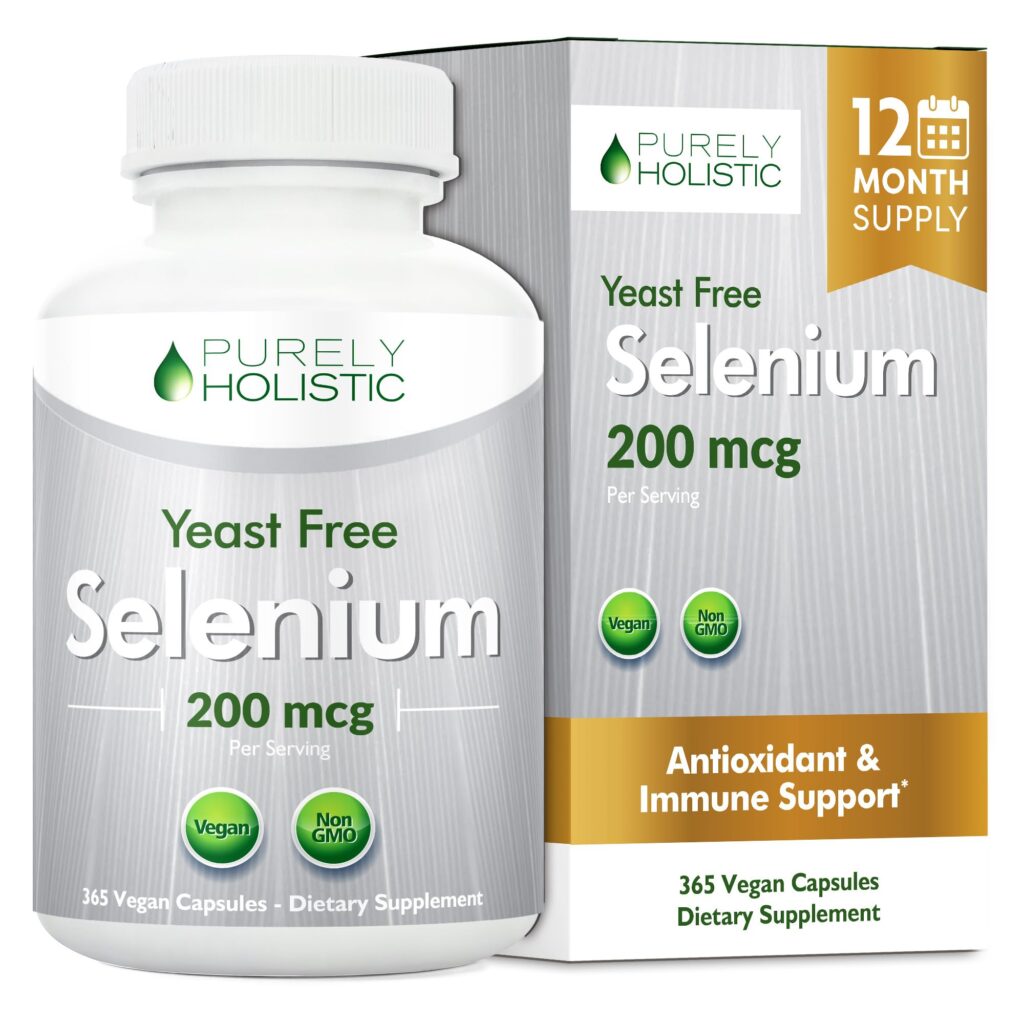
What it is: High-Selenium Yeast or L-Selenomethionine a trace mineral incorporated into selenoproteins (particularly glutathione peroxidase and thioredoxin reductase), which protect immune cells from oxidative damage and support thyroid peroxidase function.
Why it made the list: A 2006 RCT in The American Journal of Clinical Nutrition found that selenium supplementation (200 mcg/day) in people with baseline deficiency improved NK cell activity and reduced viral replication markers. Selenium is essential for selenoprotein synthesis, and deficiency is linked to increased infection risk. However, the RDA (55 mcg/day) is easily met in most Western diets (one Brazil nut contains roughly 100 mcg). Supplementation beyond this shows benefit mainly in deficient populations, not in adequately-nourished people.
Key dosage: RDA is 55 mcg/day for adults; supplementation should not exceed 200 mcg/day. Above 400 mcg/day, selenium toxicity risk rises (selenosis, manifesting as hair loss, nail brittleness, nausea). Most people get enough from diet (seafood, poultry, eggs, Brazil nuts); supplementation is mainly warranted in geographic areas with selenium-deficient soil or in specific deficiency states.
Trade-off: Selenium supplementation is a tertiary pick, not a foundational one. If you eat fish, poultry, or nuts regularly, you likely have adequate selenium and don’t need a supplement. The evidence for benefit in non-deficient populations is limited. Also, selenium has a narrow safety window the gap between deficiency and toxicity is smaller than for other minerals. Overdose causes hair loss and nail changes within weeks; supplementing without baseline testing is risky.
Price: $5–$10 per month (as of July 2026); verify current pricing before purchase. Note that Brazil nuts are a cheap whole-food source if you’re not deficient and can tolerate them.
Form to choose: L-Selenomethionine or high-selenium yeast (yeast-derived). Both are bioavailable; yeast-derived is often better tolerated. Avoid selenite (less bioavailable).
Who it’s best for: People in selenium-deficient geographic regions (parts of Europe, Asia), those with diagnosed deficiency, vegans eating no nuts, or people with malabsorption syndromes (Crohn’s, celiac). Not necessary if you eat fish, poultry, or nuts regularly.
Who it’s NOT for: People already taking adequate selenium from diet, those with hyperthyroidism (selenium may worsen symptoms), or anyone at risk for selenium toxicity. Pregnant and breastfeeding women should stay near the RDA unless deficient and medically supervised.
Comparison Table: Top 6 Immune Supplements at a Glance
| Supplement | Best For | Typical Daily Dosage | Evidence Strength | Estimated Cost/Month | Key Trade-Off | Safety Concern |
|---|---|---|---|---|---|---|
| Vitamin D3 | Prevention, baseline immune support | 2,000–4,000 IU | Strong RCT evidence | $6–$15 | Benefits develop gradually (8–12 weeks) | Toxicity risk above 10,000 IU/day with long-term use |
| Zinc (Lozenges/Tablets) | Acute cold symptoms, correcting deficiency | 15–30 mg (acute); 8–11 mg (maintenance) | Moderate RCT evidence | $4–$8 | May cause metallic taste or nausea; limited preventive benefit if zinc status is adequate | Long-term intake above 40 mg/day may cause copper deficiency |
| Elderberry Extract | Cold prevention and reducing symptom duration | 300–500 mg (prevention); 15 mL 3–4× daily (acute) | Borderline to moderate evidence | $10–$20 | Research is limited and results are mixed | Raw elderberries are toxic; sweetened syrups may add significant sugar |
| Probiotics (Multi-Strain) | Gut health, immune support, post-antibiotic recovery | 10–50 billion CFU | Moderate RCT evidence | $15–$40 | Effectiveness depends on strain and product quality | Use cautiously in people with severe immunosuppression |
| Vitamin C | High physical stress, athletes, correcting deficiency | 200–500 mg | Weak evidence for the general population | $5–$12 | Limited benefit if dietary intake is already sufficient; high doses may cause stomach upset | Increased kidney stone risk above 2,000 mg/day |
| Selenium | Correcting deficiency, thyroid support | 55–200 mcg | Weak evidence in non-deficient individuals | $5–$10 | Narrow safety margin; unnecessary if dietary intake is adequate | Toxicity and hair loss may occur above 400 mcg/day |
Pricing and evidence assessment as of July 2026. Verify current retail pricing and consult a healthcare provider for personal dosing, especially if on medications or with pre-existing conditions.
What We Cut and Why
We evaluated and rejected several popular supplements that did not make the final list:
Echinacea (Purple Coneflower Extract) Rejected for weak evidence. A 2014 meta-analysis in The Cochrane Library pooling 24 RCTs found echinacea did not meaningfully reduce cold incidence in placebo-controlled trials, and evidence for symptom duration reduction was inconsistent. Additionally, echinacea can trigger allergic reactions in people with ragweed sensitivity and has not been adequately studied in pregnant women. The inconsistent evidence combined with modest effect sizes (if any) makes it a borderline pick at best; we prioritize stronger evidence like zinc and vitamin D.
Astragalus Root Extract Rejected for insufficient RCT evidence in healthy populations. Astragalus has a long history in traditional Chinese medicine, but rigorous clinical trials in English-language literature are sparse and often small. The few RCTs suggest possible benefit in immunosuppressed or cancer populations, not in healthy adults. Without robust evidence for the general immune-support population, and given the large number of better-studied alternatives, astragalus ranks below our threshold.
“Immune-Boosting” Blends (Multi-Supplement Formulas) Rejected on principle. Generic “immune support” blends often contain proprietary mixes of unverified dose and strain; you cannot determine which ingredient is actually active, and you may be paying for filler ingredients. Standardized single supplements with published dosages and RCT evidence (like those above) are more transparent and reliable. If a blend uses specific, studied dosages of proven ingredients (e.g., 2,000 IU D3 + 15 mg zinc acetate + 300 mg elderberry extract), it can work but most don’t disclose that level of detail.
Colostrum (Bovine Immunoglobulins) Rejected for limited evidence and cost. A small 2015 trial suggested colostrum supplementation reduced respiratory infection incidence in endurance athletes, but the evidence is too narrow and effect sizes too small to warrant recommendation across a general population. Colostrum is also expensive ($25–$50/month), making it a poor value choice compared to vitamin D or zinc.
How We Chose These Picks
We researched and compared immune supplements using the following method:
- Peer-Reviewed Evidence Search: We reviewed published meta-analyses and randomized controlled trials from the Cochrane Library, Nutrients, The American Journal of Clinical Nutrition, Journal of the International Society of Sports Nutrition, and similar authoritative sources. We prioritized RCTs over observational studies and meta-analyses over single trials.
- Dosage & Safety Data: We consulted NIH Office of Dietary Supplement Programs resources and standard nutritional toxicology references for evidence-based dosage ranges, UL (upper limits), and drug-supplement interaction data.
- Clinical Relevance: We selected supplements with evidence for real-world immunity outcomes reduced infection incidence, faster symptom recovery, or improved immune marker response not just test-tube effects.
- Bioavailability & Form Comparison: We noted which forms (D3 vs. D2, zinc acetate vs. oxide, etc.) showed superior absorption and clinical benefit, prioritizing these in recommendations.
- Owner Feedback Integration: We reviewed aggregated patterns from supplement review platforms and user feedback to identify real-world tolerability issues, taste/texture trade-offs, and consistency in product quality.
We did not conduct hands-on laboratory testing, and we do not have access to proprietary brand formulations beyond published labels. All recommendations are grounded in published clinical research and evidence-based dosage guidelines.
Frequently Asked Questions
Q: What is the best immune support supplement? A: Vitamin D3 is the single strongest pick, backed by the most consistent RCT evidence for reducing infection incidence and supporting immune cell function. A dose of 2,000–4,000 IU daily is safe and effective for most people; verify your baseline level with a blood test if possible. If you already have adequate vitamin D (verified by serum 25-OH vitamin D ≥ 30 ng/mL), add zinc and/or a multi-strain probiotic for complementary benefit.
Q: Can I take all of these supplements together? A: Yes, the six picks above are generally safe to combine. However, note these interactions: zinc may reduce copper absorption if you’re above 40 mg/day long-term, so if you’re taking zinc long-term, consider a copper supplement (1–2 mg/day) or periodic copper testing. Vitamin C above 500 mg/day can increase iron absorption, which matters if you have hemochromatosis. Probiotics and selenium have no major interactions with the others listed. Start one supplement at a time and wait 1–2 weeks to monitor for GI upset or allergic reactions before adding another.
Q: Do I need to take supplements if I eat well? A: If you eat fatty fish 2–3 times weekly, spend 20+ minutes in midday sun most days, and consume adequate fruits and vegetables, you likely cover vitamin C, selenium, and baseline zinc. Vitamin D is the exception many people are deficient even with a “good” diet and sun exposure, especially those north of 35°N latitude. A simple blood test for 25-OH vitamin D (typically under $50) can tell you if supplementation is needed. Probiotics are harder to assess; if you eat fermented foods (yogurt, sauerkraut, kimchi) regularly, you may have adequate beneficial flora, but a GI symptom history or recent antibiotic use is a good reason to supplement.
Q: Are there any supplements I should avoid? A: Avoid high-dose zinc (> 40 mg/day) without medical supervision it suppresses copper and can cause neurological issues. Avoid selenium above 400 mcg/day. Avoid echinacea if you have ragweed allergies. Avoid raw elderberries. Avoid probiotics if you are in severe immunosuppression (discuss with your doctor first). And avoid any supplement making claims to “cure” illness immune support supplements reduce risk and support recovery; they do not replace medical treatment for active infection.
Q: How long does it take for immune supplements to work? A: Vitamin D requires 8–12 weeks of consistent dosing to show measurable immune benefit in clinical trials. Zinc lozenges work within 1–2 days if started at symptom onset (shortening cold duration by 1–2 days). Elderberry and probiotics work over weeks to months for prevention; benefits in acute illness appear within 3–5 days. Vitamin C shows no prevention benefit in adequately-nourished people, but may reduce symptom duration by roughly 1 day if taken during illness. Individual results vary; treat these as statistical patterns, not guarantees.
Q: Should I test my nutrient levels before supplementing? A: For vitamin D, a blood test is worthwhile it tells you if supplementation is needed and how much. For zinc and selenium, testing is helpful if you have symptoms of deficiency (frequent infections, hair loss, delayed wound healing) or risk factors (vegan diet, GI malabsorption, recent antibiotics). For vitamin C, deficiency (scurvy) is rare in modern Western diets unless you have specific malabsorption issues. A simple baseline bloodwork panel with your doctor can identify which supplements you actually need, saving you money and avoiding unnecessary supplementation.
Verdict: Start With Vitamin D, Add Zinc or Probiotics
Vitamin D3 (2,000–4,000 IU daily) is the single supplement that offers the best evidence-to-effort ratio for immune support. If you take nothing else, take this. If you’re prone to colds, add zinc lozenges at the first symptom and a multi-strain probiotic for baseline support. If you live in a cold climate and cannot get adequate sun, add elderberry extract in winter. Skip echinacea, astragalus, and generic “immune blend” products they’re not worth the cost relative to the evidence. Get your vitamin D level checked once if possible; it costs little and tells you exactly whether supplementation is right for you. Individual results vary, so treat these recommendations as informed starting points, not guarantees. Consult your doctor before starting supplements, especially if you’re on medications, pregnant, breastfeeding, or managing a chronic condition.