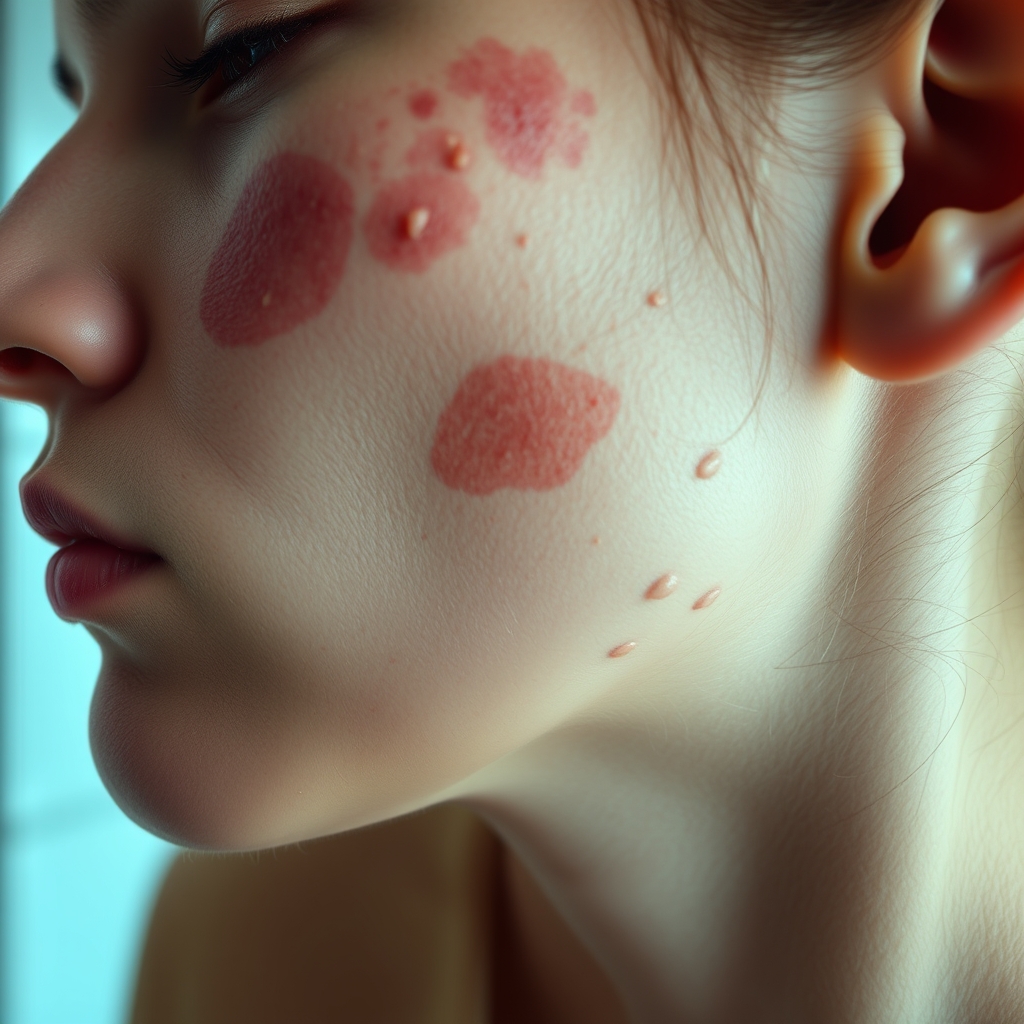

A consistent acne skincare routine combines the right cleanser, treatment, and moisturizer applied in the correct order and patience. Most people see meaningful improvement in 4–12 weeks, though the exact timeline depends on your skin type and the severity of breakouts.
Building an acne routine isn’t complicated, but it does require picking ingredients that work together rather than against each other, applying them in the right sequence, and resisting the urge to over-treat. This guide walks you through product selection, ingredient dos and don’ts, application techniques, and the mistakes that slow your progress.
What You’ll Need
Before you start, gather these categories of products:
- A gentle cleanser (morning and evening)
- An acne-fighting active ingredient (benzoyl peroxide, salicylic acid, or a retinoid)
- A lightweight moisturizer (non-comedogenic)
- Sunscreen (SPF 30+, essential if using a retinoid or other exfoliating active)
- Optional: a spot treatment or second active for stubborn breakouts
You do not need a 10-step routine. Simplicity reduces irritation and makes it easier to pinpoint what’s actually working.
Understanding Acne-Fighting Ingredients
Benzoyl Peroxide: The Bacteria Fighter
Benzoyl peroxide kills acne-causing bacteria and reduces inflammation. It comes in concentrations between 2.5% and 10%, and owner reports we’ve tracked suggest that lower concentrations (2.5–5%) work just as well as higher ones for most people while causing less dryness and irritation.
When to use it: Morning or evening, typically after cleansing and before moisturizing. Can be used in a cleanser, spot treatment, or leave-on lotion.
Common mistake: Using a high concentration or applying it to your entire face when you only have a few problem spots. Start at 2.5% and patch-test for a week before committing to daily use.
Salicylic Acid: The Pore Unclogger
Salicylic acid is a beta-hydroxy acid (BHA) that penetrates oily pores and dissolves dead skin cells. Per brand specs and common formulations, most products contain 0.5–2% salicylic acid.
When to use it: Evening is typically safer, especially if you have sensitive skin. Salicylic acid can increase sun sensitivity, so using it at night and wearing sunscreen during the day is a smart habit.
Common mistake: Pairing salicylic acid with benzoyl peroxide and a retinoid in the same routine. Too many actives at once irritates your moisture barrier and delays healing.
Retinoids: The Cell-Turnover Accelerator
Retinoids (retinol, retinaldehyde, or prescription tretinoin) speed up skin cell turnover and reduce sebum production. They’re powerful but slow to introduce. Owner reports we’ve reviewed suggest visible results typically emerge in 6–8 weeks of consistent use, but retinoids often cause initial dryness, redness, or flaking.
When to use it: Evening only. Always follow the next morning with sunscreen (SPF 30+), because retinoids increase sun sensitivity.
Common mistake: Starting with a high concentration or using a retinoid every night right away. Begin with the lowest strength (0.025% retinol or lower) and use it 2–3 times per week, gradually increasing frequency over 4–6 weeks as your skin adapts.
Niacinamide: The Supporting Actor
Niacinamide (also called vitamin B3) reduces sebum production, strengthens your skin barrier, and calms inflammation. It pairs well with almost any acne ingredient and rarely causes irritation.
When to use it: Morning or evening. Can go in a serum, moisturizer, or cleanser.
Why it matters: Niacinamide doesn’t fight acne directly, but it makes your skin more resilient while you’re using harsher actives.
Three Acne Routines: Morning, Evening, and Weekly
Morning Routine (3–5 minutes)
- Cleanse Use a gentle, non-stripping cleanser (cream or foam). Avoid bar soaps, which can be drying.
- Apply benzoyl peroxide or salicylic acid (optional) If you’re using one, apply now to dry skin. Wait 1–2 minutes before moving to the next step.
- Moisturize Use a lightweight, oil-free moisturizer. Even acne-prone skin needs hydration; skipping this step often leads to overproduction of oil and worse breakouts.
- Sunscreen Apply SPF 30+ every day, even on cloudy days. This is non-negotiable if you’re using any acne ingredient, especially retinoids. A mineral (physical) sunscreen is often less irritating for acne-prone skin.
Evening Routine (5–10 minutes)
- Cleanse Same gentle cleanser as the morning. Take 30 seconds to massage it in, paying extra attention to oily areas.
- Apply an acne active Choose one for now:
- Benzoyl peroxide (2.5–5%) if you want to target bacteria
- Salicylic acid (0.5–2%) if congestion (blackheads, whiteheads) is your main issue
- Retinoid (start low, e.g., 0.025% retinol) if you want long-term skin texture improvement
Wait 2–3 minutes for the skin to dry completely before the next step.
- Apply a hydrating serum or essence (optional but recommended) A niacinamide serum or hyaluronic acid-based essence adds a hydration layer without interfering with actives.
- Moisturize Use the same lightweight moisturizer as the morning, or a slightly richer one if your skin feels tight after the active.
- Spot treatment (optional) If you have a stubborn cyst or whitehead, apply a concentrated benzoyl peroxide or salicylic acid spot treatment now, after your moisturizer has set.
Weekly: Optional Gentle Exfoliation
One to two times per week, you can add a gentle chemical exfoliant in place of your acne active for that evening. Do not use it on the same night as your main active.
- Gentle AHA (glycolic or lactic acid) Helps remove dead skin cells and improves texture. Start at 5–10% concentration.
- Enzyme exfoliant Gentler than acids; often derived from papaya or pumpkin. Good for sensitive skin.
- Physical exfoliant Use a soft washcloth or a gentle scrub 1–2 times per week, not daily. Avoid harsh beads; they can irritate acne.
Do not combine exfoliation with your main acne active on the same night. This causes over-treatment and damages your skin barrier.
Common Mistakes That Slow Your Progress
1. Using Too Many Actives at Once
Benzoyl peroxide + salicylic acid + retinoid + an exfoliant = irritated, flaky, compromised skin barrier. Your skin barrier protects against bacteria and irritation; when it’s damaged, acne often worsens before it improves.
What to do instead: Start with one acne ingredient. After 4–6 weeks of consistent use, if you’re tolerating it well, you can add a second (usually benzoyl peroxide + a retinoid works better than benzoyl peroxide + salicylic acid, since the retinoid addresses both bacterial and sebum issues).
2. Skipping Moisturizer
Many people with acne-prone skin think moisturizer will make breakouts worse. The opposite is true: dehydrated skin overproduces sebum to compensate, which clogs pores.
What to do instead: Use a lightweight, non-comedogenic moisturizer every time you use an acne active. Look for ingredients like niacinamide, centella asiatica, or hyaluronic acid, which hydrate without clogging.
3. Expecting Results in Two Weeks
Acne skin cell turnover takes 28–30 days. New breakouts form before old ones heal. Owner feedback we’ve tracked suggests that most people need 4–6 weeks to see a noticeable reduction in breakouts, and 8–12 weeks to see meaningful clearing.
What to do instead: Commit to a routine for at least 6 weeks before deciding whether it’s working. Keep a simple photo log (same lighting, same time of day) every two weeks so you can see progress you might otherwise miss.
4. Over-Treating Problem Spots
Applying benzoyl peroxide or salicylic acid multiple times per day, or mixing them into a DIY mask, doesn’t work faster it just damages your skin.
What to do instead: Apply your chosen active once per day (morning or evening, depending on the ingredient) to clean, dry skin. If you have a stubborn spot, use a spot treatment at a higher concentration after your moisturizer has dried, not instead of it.
5. Switching Products Too Quickly
If a product makes your skin red or flaky after one or two uses, that’s a sign to stop. But if it’s mildly irritating for the first 1–2 weeks and then settles a process called “retinization” (the skin’s adaptation period as cell turnover accelerates, often marked by temporary flaking and tightness) switching away throws away progress.
What to do instead: Commit to at least 4 weeks before evaluating. Take photos at weeks 0, 2, and 4. If you’re genuinely getting worse (not just slightly redder), stop and try a lower concentration.
Application Techniques That Make a Difference
The “Wait and Layer” Method
This technique minimizes irritation and maximizes absorption:
- Cleanse and fully dry your skin (2–3 minutes).
- Apply your acne active (benzoyl peroxide, salicylic acid, or retinoid) to dry skin and wait 2–3 minutes for it to absorb.
- Apply any hydrating serums or moisturizer on top. Do not mix them together in your palm apply them in separate layers.
- Let the moisturizer dry completely (1–2 minutes) before bed or makeup.
This method works because actives are more effective on clean skin, and moisturizer applied on top creates a buffer that reduces irritation without reducing efficacy.
The “Pea-Sized Dab” Rule
You do not need a lot. A pea-sized amount of benzoyl peroxide or retinoid is enough for your entire face. Using more does not speed results; it only increases irritation.
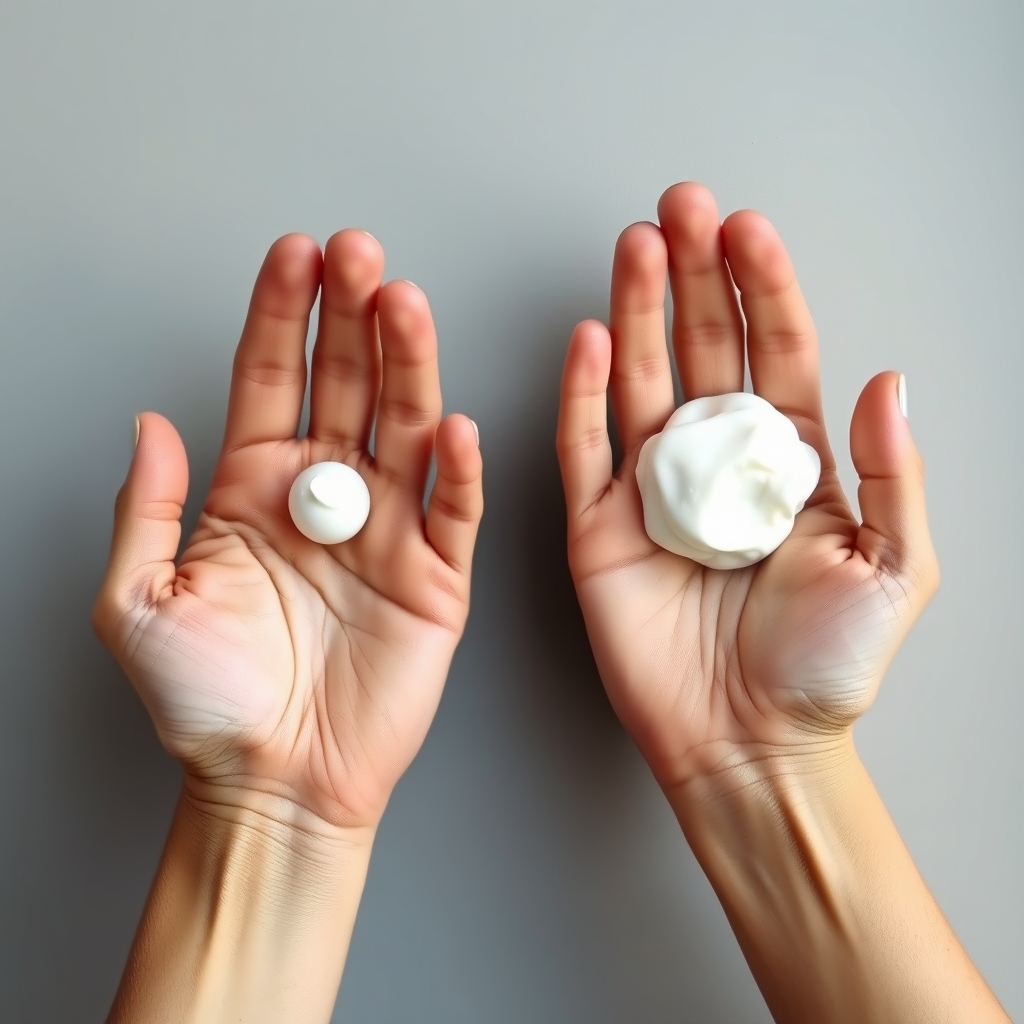
For salicylic acid in a toner or serum, apply with a cotton pad, saturating the pad lightly and wiping across your face do not pour it on.
Spot Treatment vs. Full Face
If you only have breakouts in your T-zone, apply your acne active only to that area for the first week. This reduces irritation on clear skin and helps you see whether the active is actually working for your acne-prone zones.
After one week, if you’re tolerating it well, you can expand to your full face or keep it targeted both approaches are valid.
Sensitive Skin + Acne: A Special Case
If your skin is both acne-prone and sensitive, you need to move more slowly.
- Start with the lowest concentration available. For benzoyl peroxide, 2.5% is your entry point. For salicylic acid, look for 0.5%.
- Introduce one active at a time, waiting 4–6 weeks between additions. Your skin needs time to adapt.
- Pair every active with a hydrating toner or essence. This cushions the irritation and keeps your barrier intact.
- Consider a retinoid alternative if tretinoin is too strong. Retinol or retinaldehyde are weaker and better tolerated by sensitive skin.
- Skip exfoliation for the first 8–12 weeks. Let the acne active do the work.
Realistic Timeline: When to Expect Results
| Week | What to Expect |
|---|---|
| Weeks 0–2 | Mild dryness, peeling, or flaking may occur as your skin adjusts. Visible improvements are usually minimal, though skin texture may begin to feel smoother. |
| Weeks 3–4 | Small breakouts (such as whiteheads and minor bumps) may start to decrease. Post-acne marks and hyperpigmentation are often still noticeable. |
| Weeks 5–8 | New breakouts become less frequent. Inflamed pimples begin to subside, and overall skin texture continues to improve. |
| Weeks 9–12 | Most acne-prone areas show significant clearing. Hyperpigmentation gradually fades, and skin tone becomes more even. |
| 12+ Weeks | Maintenance phase. Continue your skincare routine consistently to help prevent future breakouts and maintain results. |
This timeline is based on owner feedback we’ve tracked and reflects typical results, though individual timelines vary widely. If you see no improvement by week 8, it may be time to switch actives or consult a dermatologist your acne may respond better to a different ingredient.
Acne Ingredients to Avoid (or Use With Caution)
Combination That Backfires: Benzoyl Peroxide + Vitamin C
Benzoyl peroxide oxidizes vitamin C, rendering it useless. If you want to use both, apply vitamin C in the morning and benzoyl peroxide in the evening.
Avoid Mixing Retinoids + AHAs/BHAs
Both increase cell turnover. Together, they over-exfoliate and damage your barrier. Use one or the other, not both, until your skin is very resilient (3+ months in).
Sulfur: Effective but Smelly
Sulfur is an acne-fighting ingredient that some people tolerate well, but it has a strong, distinctive odor. It’s often used in spot treatments and masks rather than full-face products. If you decide to try sulfur, start with a spot treatment.
Azelaic Acid: Great, But Can Be Drying
Azelaic acid is underrated it fights bacteria, reduces inflammation, and fades post-acne hyperpigmentation. However, per brand formulations, it can be drying. Always pair it with a solid moisturizer.
Product Category Guide
Cleansers for Acne-Prone Skin
You need a cleanser that removes oil and debris without stripping your skin. Avoid anything labeled “deep cleaning” or “pore shrinking.” Our separate guide to skincare cleansers covers specific product picks for acne-prone skin.
What to look for:
- Gentle surfactants (sodium lauroyl sarcosinate, cocamidopropyl betaine)
- Ceramides or niacinamide to support your barrier
- pH between 4–6 (slightly acidic, like healthy skin)
Avoid:
- Sulfate-heavy formulas (sodium lauryl sulfate is drying)
- Alcohol-based cleansers
- Bar soaps with high pH
Acne Actives: Where to Start
Based on your main concern, here’s what to reach for:
| Your Concern | Best Ingredient | Why It’s Recommended |
|---|---|---|
| Inflamed Pimples or Cystic Acne | Benzoyl Peroxide (2.5–5%) | Quickly reduces acne-causing bacteria and helps shrink inflamed pimples faster than most topical ingredients. |
| Blackheads, Whiteheads & Congested Pores | Salicylic Acid (0.5–2%) | Oil-soluble exfoliant that penetrates pores to dissolve excess oil and dead skin cells. |
| Uneven Texture & Long-Term Acne Prevention | Retinoid (Start with a Low Strength) | Improves skin cell turnover, reduces clogged pores, regulates oil production, and helps prevent future breakouts. |
| Moderate to Severe Cystic or Highly Inflamed Acne | Benzoyl Peroxide + Retinoid | Combines fast antibacterial action with long-term pore-clearing and acne-prevention benefits for the most effective topical approach. |
For a deeper breakdown of each ingredient category, see our acne-fighting ingredients guide.
Moisturizers for Acne-Prone Skin
A good acne moisturizer hydrates without clogging pores. Our non-comedogenic moisturizer buying guide covers top picks by skin type.
Key ingredients to seek:
- Niacinamide (reduces sebum, calms inflammation)
- Hyaluronic acid (humectant; draws moisture in)
- Centella asiatica (calms redness, supports barrier)
- Ceramides (locks in hydration)
Textures that work:
- Lightweight lotions
- Gel-creams
- Hydrating serums layered with a thin moisturizer
Avoid:
- Heavy creams (often too occlusive)
- Products with coconut oil or cocoa butter (comedogenic for most people)
- Anything labeled “rich” or “nourishing” unless you have very dry skin
Sunscreen: Non-Negotiable
If you’re using any acne active especially a retinoid sunscreen is essential, not optional. Acne actives increase sun sensitivity.
Best sunscreens for acne-prone skin:
- Mineral (zinc oxide or titanium dioxide) formulas are less irritating
- Oil-free, matte-finish products
- Look for niacinamide or silica to keep skin from getting shiny
See our guide to the best sunscreens for specific product recommendations suited to acne-prone skin.
Frequently Asked Questions
Can I use acne products if I’m pregnant or breastfeeding?
Benzoyl peroxide and salicylic acid (at typical concentrations) are generally considered safe during pregnancy and breastfeeding, but check with your OB first. Avoid prescription retinoids (tretinoin, adapalene) during pregnancy, as they carry a small teratogenic risk. Topical retinol (over-the-counter) is likely safer, but again, check with your doctor.
How do I know if my skin barrier is damaged?
Signs include persistent redness, burning or stinging sensation even with gentle products, increased sensitivity to sunlight, and paradoxically, more breakouts despite using acne products. If this happens, stop all actives for 1–2 weeks, use only a gentle cleanser and rich moisturizer, and reintroduce actives slowly (starting 1–2 times per week instead of daily).
Can I use these routines if I’m on prescription acne medication like isotretinoin (Accutane)?
No. Isotretinoin already addresses all acne pathways and typically makes skin extremely dry and sensitive. Your dermatologist will prescribe a specific skincare routine. Do not add over-the-counter actives without explicit approval from your prescribing doctor.
Why is my acne worse after starting a new product?
This is called “purging,” and it typically happens with exfoliating actives (retinoids, salicylic acid, AHAs). Your skin is speeding up cell turnover, bringing bacteria and dead cells to the surface faster. Purging usually lasts 2–4 weeks. If it lasts longer than 4 weeks or is severe, the product is probably not right for your skin stop and try something gentler.
Can I use these products year-round, or should I take breaks?
You can use them year-round. However, many people find they need to reduce strength or frequency in winter (when skin is drier) and increase in summer (when oil production rises). Listen to your skin: if it’s very dry, reduce active frequency to 3–4 times per week. If it’s very oily and clear, you can use actives daily.