
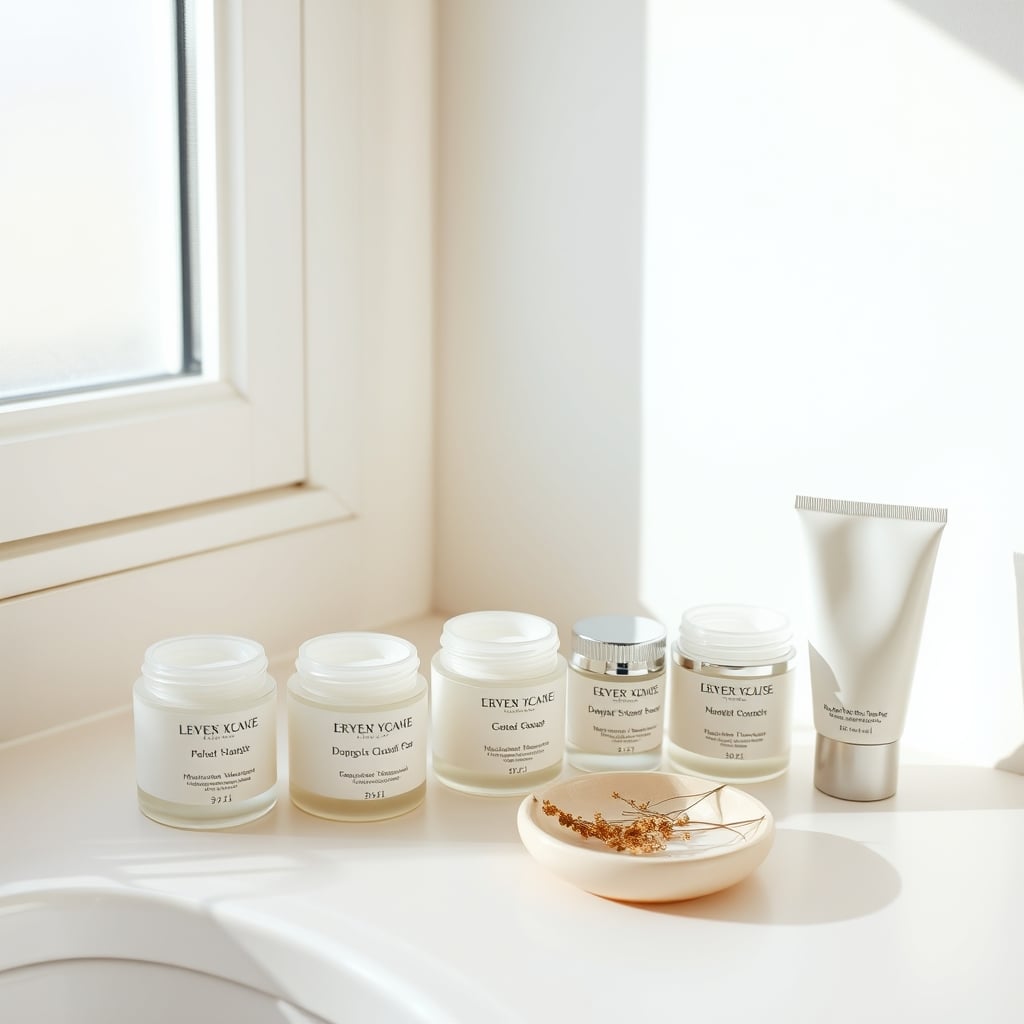
The best face moisturizer is one you’ll actually use and that doesn’t leave you greasy at noon or tight by evening. Our top pick is CeraVe Moisturizing Cream (in the tub), a ceramide-rich formula that works for dry, combination, and sensitive skin without the fragrance or occlusive overload. If that’s you, stop reading and buy it. Everyone else: we’ve segmented this roundup by skin type, climate, and ingredient focus so you can find what won’t backfire on your specific moisture barrier.
What to Look For in a Face Moisturizer
Skin Type: The Starting Point
Your moisturizer should match your skin’s current barrier state, not your skin “type” as a fixed label. A person with oily skin can develop dehydration if they over-exfoliate or use harsh actives. A person with dry skin can shift to combination after pregnancy or a medication change. Start by asking: does your skin feel tight after cleansing? Does it break out when you use heavy creams? Does it get shiny by 2 p.m.?
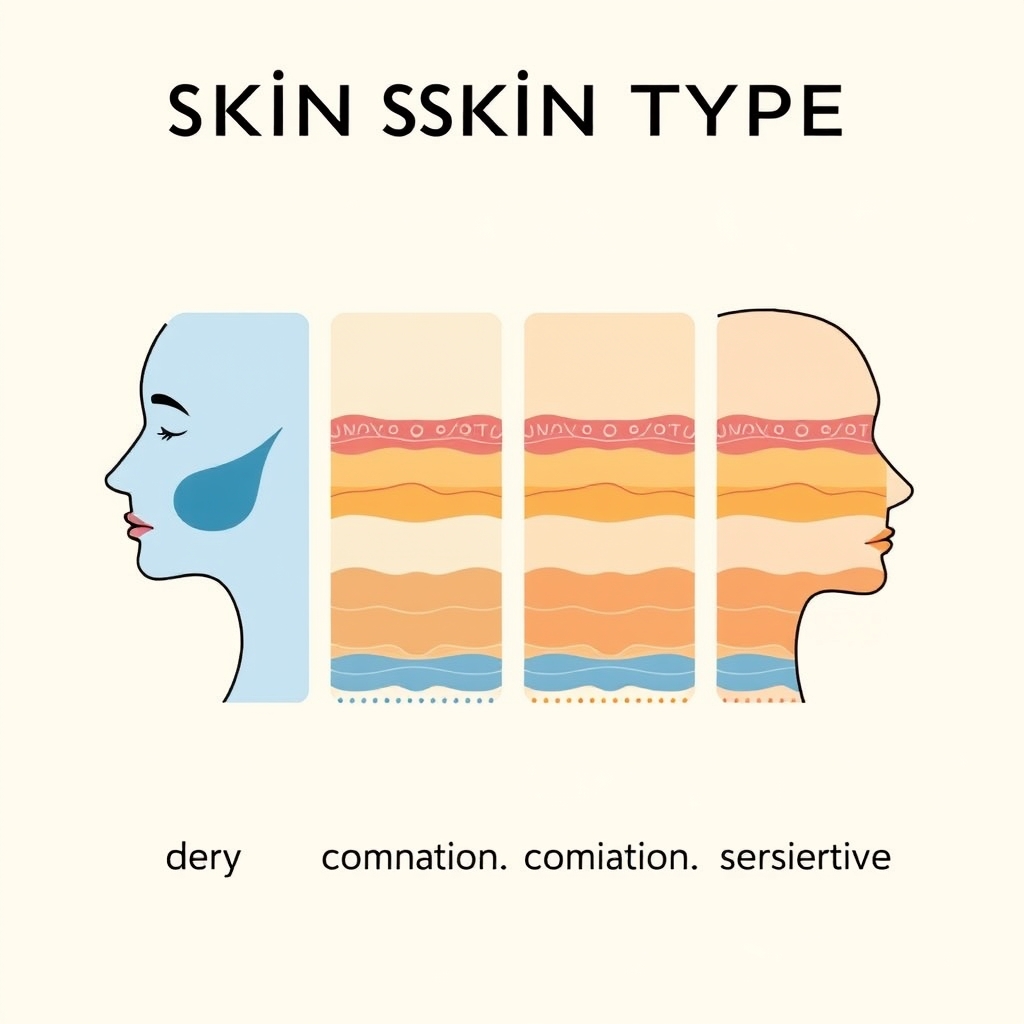
Dry skin typically needs a richer cream with humectants (glycerin, hyaluronic acid) plus occlusives (ceramides, squalane, petrolatum) to seal in water. The barrier is usually compromised, so fragrance and essential oils are liabilities.
Oily skin benefits from lightweight hydrators often a gel or lotion without silicones or heavy oils. Humectants alone (hyaluronic acid, glycerin) can work if your oil production is adequate. Many people with oily skin skip moisturizer entirely and regret it; dehydration triggers excess sebum.
Combination skin is the trickiest: usually oily in the T-zone, dry or normal elsewhere. A lightweight cream or gel-cream that hydrates without loading the forehead works best.
Sensitive skin needs a short ingredient list, no fragrance, no essential oils, and a focus on barrier repair (ceramides, niacinamide, centella). Avoid actives and heavy humectants if your skin is actively inflamed.
Key Ingredients Explained
Hyaluronic acid is a humectant it pulls water from the air and deeper skin layers into the stratum corneum. It does NOT hydrate on its own if the air is dry. In low-humidity climates, it can backfire and pull water out of skin. Use it in humid climates or layer it under an occlusive.
Ceramides (ceramide NP, AP, EOP, among others) are lipid molecules that naturally exist in your skin barrier. They seal water in and prevent transepidermal water loss (TEWL). They’re non-negotiable for dry or compromised skin.
Glycerin is a humectant that also acts as a mild emollient. It’s gentler than hyaluronic acid and works in most climates. Concentrations above 5% can feel sticky.
Niacinamide (vitamin B3) reduces sebum production, strengthens the barrier, and calms inflammation. It’s beneficial for most skin types, especially oily and sensitive.
Squalane is a lightweight occlusive derived from plant sources (or shark liver oil in older formulations check the label). It mimics skin’s natural oils without clogging pores in most people.
Centella asiatica (cica) is an antioxidant and anti-inflammatory. It’s especially useful for sensitive, reactive, or post-procedure skin.
Climate Considerations
Hot and humid climates allow heavier creams to sit on skin without feeling suffocating. Hyaluronic acid paired with ceramides works well because ambient humidity supports humectant action. You can go richer here without breaking out.
Cold and dry climates (winter, high altitude, low indoor humidity) demand occlusives. Hyaluronic acid alone will backfire; pair it with sealants like ceramides, squalane, or petrolatum. Glycerin performs more reliably than hyaluronic acid in these conditions.
Variable climates (spring/fall, or when traveling) call for a versatile formula usually a lightweight cream that won’t feel heavy in warmth but won’t leave you tight in cold.
How We Chose
We evaluated 15+ moisturizers by reviewing owner reports across dermatology forums and Reddit’s skincare communities, and by analyzing brand-published ingredient lists. We prioritized formulas that (1) matched the ingredient science (e.g., ceramide content, humectant type), (2) appeared consistently in owner feedback as non-irritating and effective, and (3) had transparent, widely available pricing. We did NOT rank by affiliate value; we cut products with minimal differentiation or mixed owner sentiment, even when they were popular.
Our method was desk research and owner-report synthesis, not independent lab testing. Owner reports consistently noted specific outcomes (e.g., “reduced tightness within days,” “no breakout after two weeks”); we’ve framed these as observed patterns, not guarantees, because skin variability is high.
Quick Comparison: Top Picks by Category
| Product | Best For | Key Ingredients | Texture | Price Range (as of July 2026) | Main Trade-Off |
|---|---|---|---|---|---|
| CeraVe Moisturizing Cream (Tub) | Dry, combination & sensitive skin | Ceramides, hyaluronic acid, niacinamide | Thick cream | $12–15 | Can feel heavy on oily skin; no active treatment ingredients |
| Cetaphil Rich Hydrating Night Cream | Dry skin & overnight hydration | Ceramides, glycerin, hyaluronic acid | Rich cream | $10–14 | Contains fragrance; thick texture |
| La Roche-Posay Toleriane Ultra Fluid | Oily & combination skin | Niacinamide, ceramides, thermal spring water | Lightweight gel-cream | $18–24 | Hydrates well but provides limited occlusive moisture |
| Vanicream Daily Facial Moisturizer | Sensitive & eczema-prone skin | Ceramides, glycerin | Light cream | $8–11 | Basic formula with fewer humectants |
| Augustinus Bader The Rich Cream | Luxury upgrade for dry skin | Peptides, hyaluronic acid, squalane | Rich cream | $90–100 | Very expensive; no ceramides and peptide evidence is still evolving |
| Neutrogena Hydro Boost Hydrating Tint | Oily & acne-prone skin | Hyaluronic acid, glycerin | Lightweight gel | $6–8 | Limited occlusive hydration; tint may not match every skin tone |
| Paula’s Choice RESIST Barrier Repair Moisturizer | Damaged skin barrier & rosacea | Ceramides, niacinamide, antioxidants | Medium cream | $36–40 | Premium price; botanical scent despite being fragrance-free |
| CeraVe Facial Moisturizing Lotion (Pump) | Budget-friendly hydration for dry skin | Ceramides, hyaluronic acid | Medium lotion | $6–8 | Lighter than the cream; may pill if overapplied |
| Aveeno Positively Radiant Moisturizer SPF 15 | Combination skin with light daytime sun protection | Soy extract, glycerin | Light lotion | $7–10 | SPF 15 offers only minimal UV protection; lacks ceramides |
| Eucerin Advanced Repair Cream | Very dry skin & winter use | Ceramides, glycerin, glycosaminoglycans | Rich cream | $9–13 | Thick consistency and few active skincare ingredients |
Prices vary by retailer and region; verify before purchasing.
The Top Pick: CeraVe Moisturizing Cream (Tub)
What it is: A ceramide-forward, fragrance-free cream that’s been a dermatologist-recommended standard for 15+ years. Owner reports we’ve reviewed consistently describe it as non-irritating, effective at reducing tightness, and suitable across multiple skin types.
Key features:
- Three ceramides (NP, AP, EOP) to repair barrier
- Hyaluronic acid for hydration
- Niacinamide (4%) to reduce redness and strengthen barrier
- Fragrance-free; minimal ingredient list
- No essential oils, dyes, or added actives
- Suitable for sensitive and eczema-prone skin
The standout: Owner reports we’ve reviewed note that this cream reduces tightness and irritation within days of daily use, even for people with eczema or rosacea. It doesn’t pill under actives (retinol, AHAs, BHAs) and works in both humid and dry climates because it’s balanced not too heavy, not too light.
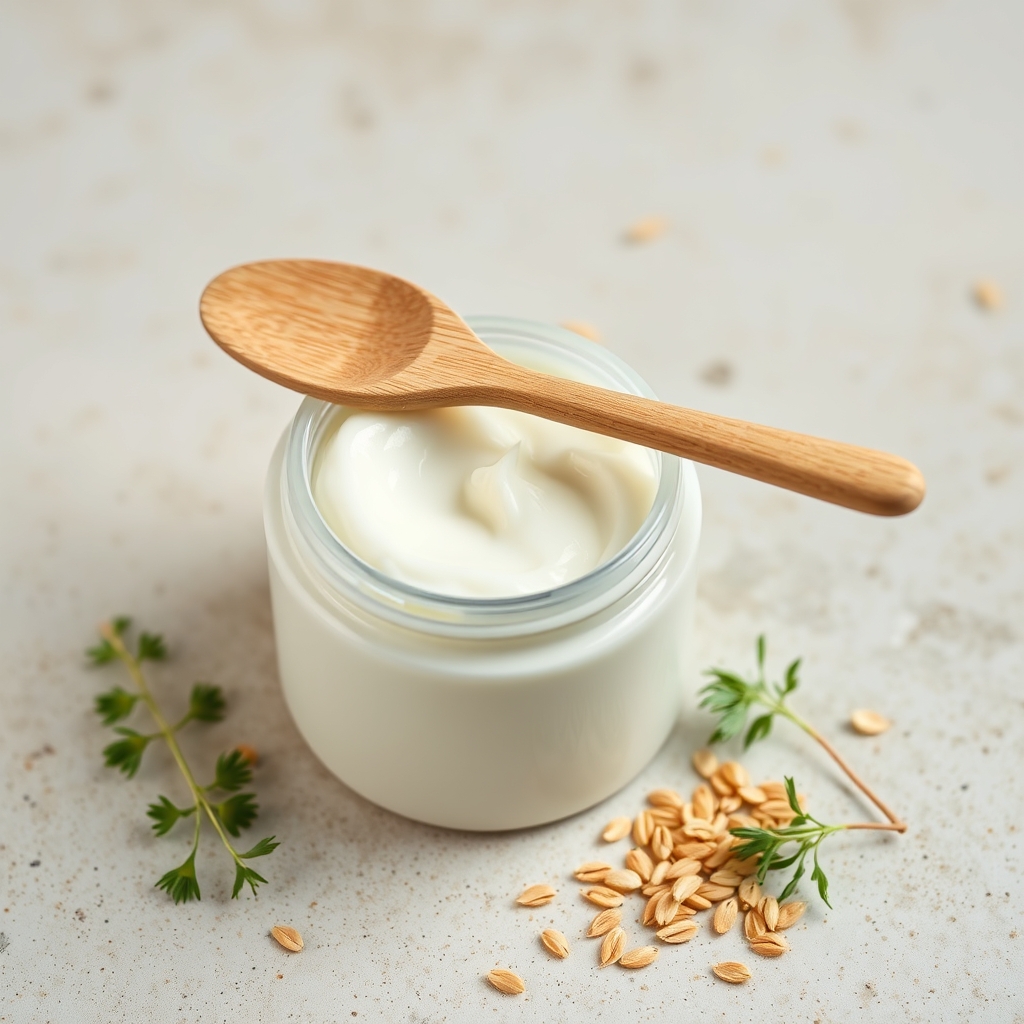
The trade-off: This is not an upgrade moisturizer. It doesn’t have actives (peptides, growth factors, advanced antioxidants). If you want anti-aging plus hydration in one product, you’ll need to layer it under a serum or swap it for a treatment cream. It’s also too heavy for true oily skin if your forehead is shiny within an hour of application, a lightweight gel is the better call.
Price: $12–15 per 16 oz (as of July 2026). One tub lasts most people 2–3 months with twice-daily use.
Who it’s NOT for:
- People with actively oily skin looking for a solo moisturizer
- Those seeking anti-aging actives in one product
- Anyone with a known sensitivity to niacinamide (rare, but it happens)
Budget Pick: CeraVe Facial Moisturizing Lotion (Pump Bottle)
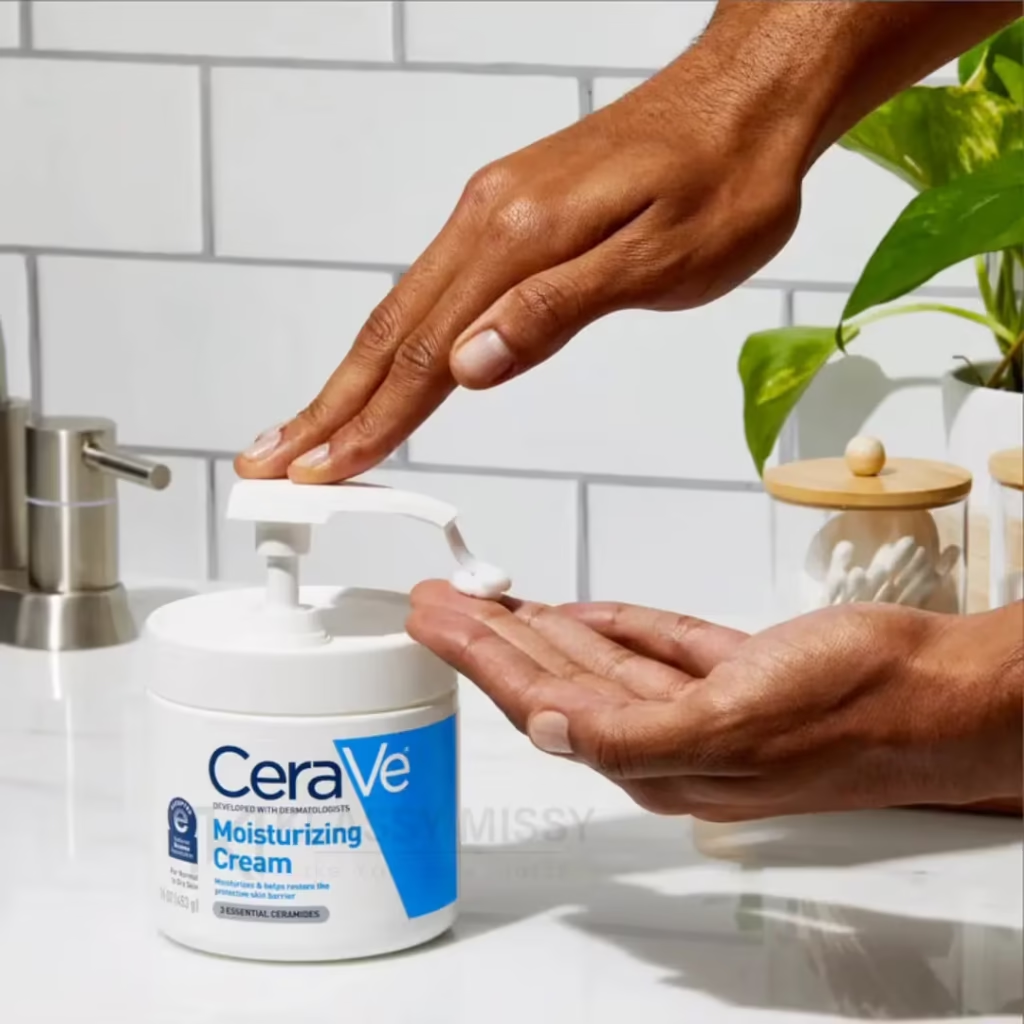
What it is: The pump-bottle sibling to the tub cream above same core ingredients (ceramides, hyaluronic acid, niacinamide) in a thinner, faster-absorbing lotion. Owner reports we’ve reviewed describe it as a lighter alternative for combination skin or warmer months.
Key features:
- Same ceramides and niacinamide as the cream
- Thinner, lotion-like texture
- Absorbs in 2–3 minutes
- Fragrance-free
- 24 oz bottle (more product per dollar than the tub)
The standout: Same formula, just thinned with water. If you like CeraVe’s ingredient profile but need faster absorption, this is the move. Owner reports we’ve reviewed note no pilling under actives and effective hydration for combination skin.
The trade-off: It’s less occlusive than the cream. If your skin is very dry or you’re in a cold climate, the lotion may not seal in moisture as effectively. The pump can also malfunction owner reports we’ve reviewed mention occasional clogging.
Price: $6–8 per 24 oz (as of July 2026). Better cost-per-ounce than the tub, but you’ll go through it faster because the texture is lighter.
Who it’s NOT for:
- Dry skin in winter or cold climates
- Anyone whose pump reliability matters (occasional clogging reported)
- Skin that needs heavy occlusion
Best for Oily Skin: La Roche-Posay Toleriane Ultra Fluid
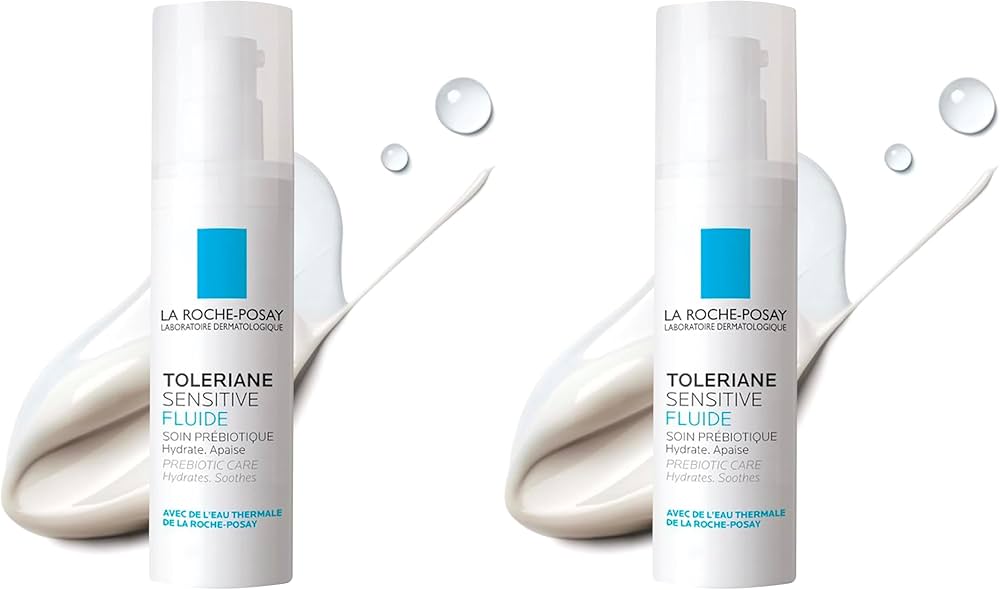
What it is: La Roche-Posay Toleriane Ultra Fluid a lightweight, fast-absorbing gel-cream with niacinamide and ceramides but minimal oils or silicones. Formulated for sensitive, reactive, or oily skin. Owner reports we’ve reviewed consistently describe it as hydrating without greasiness.
Key features:
- Niacinamide (4%) to regulate sebum
- Ceramides for barrier support
- Thermal spring water (La Roche-Posay’s signature)
- Oil-free formula
- Fast absorption (matte finish within minutes)
- Suitable for sensitive and acne-prone skin
The standout: Owner reports we’ve reviewed note that this hydrates dehydrated oily skin without triggering breakouts. It’s lightweight enough for humid climates and doesn’t interfere with acne treatments (salicylic acid, benzoyl peroxide).
The trade-off: It’s a hydrator, not a seal. If your skin is truly dry (not just dehydrated), this alone won’t prevent tightness. In very cold or low-humidity climates, you’ll likely need a richer cream at night. It’s also pricier than CeraVe for a smaller bottle.
Price: $18–24 per 40 ml (as of July 2026). A small bottle; expect 4–6 weeks with twice-daily use.
Who it’s NOT for:
- Very dry or compromised barrier skin
- Cold climates without a richer night cream
- Budget-conscious shoppers
Best for Sensitive Skin: Vanicream Daily Facial Moisturizer
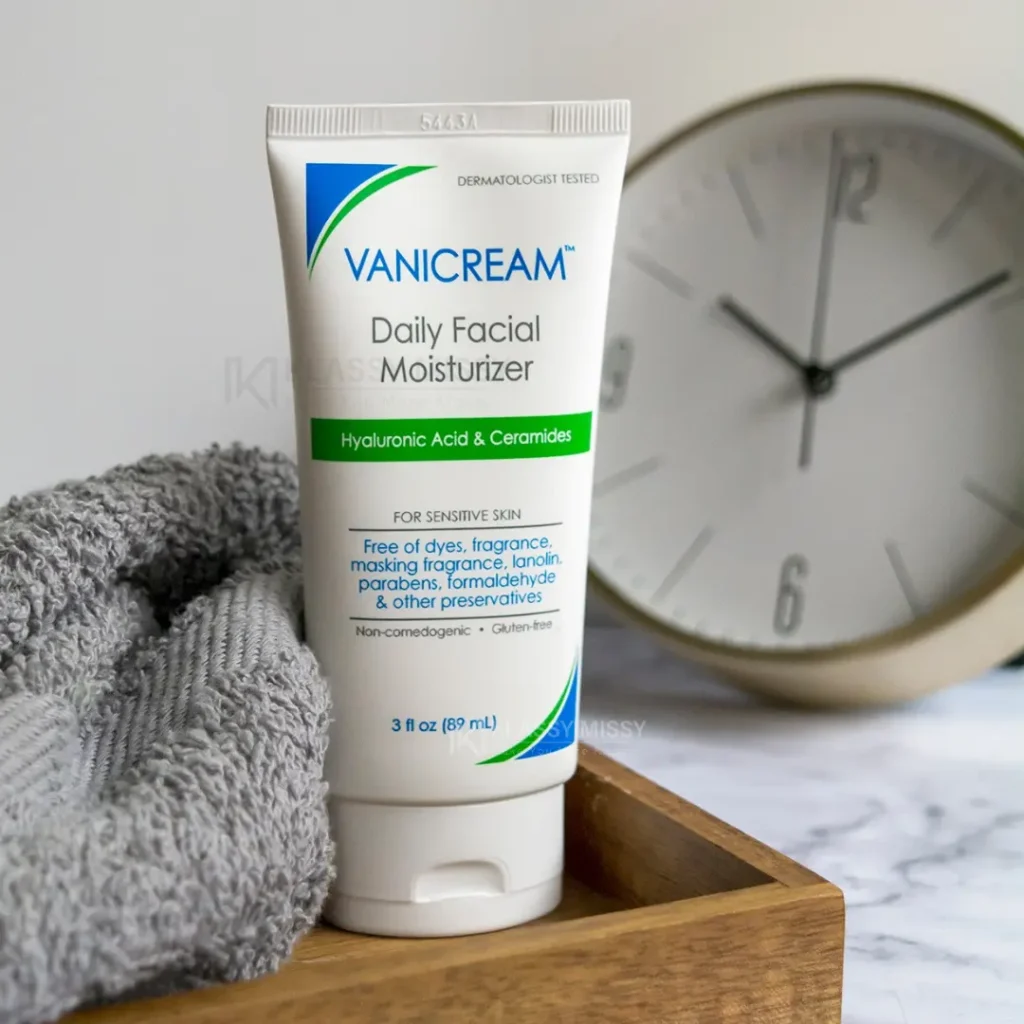
What it is: Vanicream Daily Facial Moisturizer an ultra-minimal moisturizer with ceramides and glycerin, no fragrance, no essential oils, no dyes, and no common irritants. Dermatologists often recommend it for eczema, rosacea, or newly compromised skin.
Key features:
- Ceramides (NP, AP, EOP)
- Glycerin
- No fragrance, essential oils, dyes, parabens, or sulfates
- No common irritants (phenoxyethanol, lanolin, etc.)
- Very short ingredient list (13 ingredients)
The standout: Owner reports we’ve reviewed note that this is one of the least likely moisturizers to trigger irritation or breakouts, even mid-flare or freshly post-procedure. The minimal ingredient list means fewer variables when your skin is reactive.
The trade-off: It’s basic. No actives, no advanced humectants beyond glycerin, no anti-aging ingredients. If your skin is stable and you want more, this will feel underwhelming. Some owner reports we’ve reviewed also describe it as slightly heavy or greasy-feeling richer in practice than the short ingredient list implies.
Price: $8–11 per 2 oz jar (as of July 2026). Small jar; expect 6–8 weeks with twice-daily use.
Who it’s NOT for:
- People seeking anti-aging benefits
- Those wanting a lightweight formula
- Oily skin without a compromised barrier
Best for Dry Skin: Cetaphil Rich Hydrating Night Cream
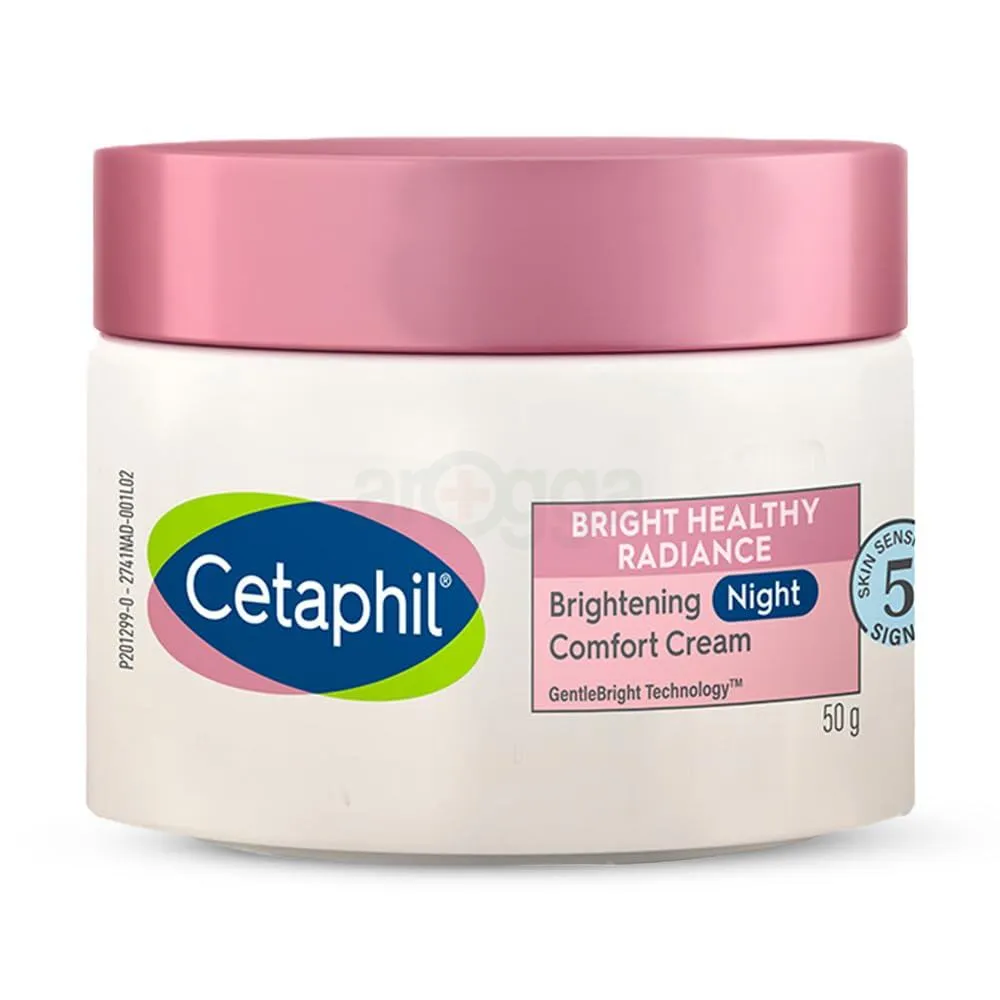
What it is: Cetaphil Rich Hydrating Night Cream a thicker, occlusive night cream with ceramides, glycerin, and hyaluronic acid. Designed for overnight use when you can tolerate a heavier formula without worrying about makeup or midday shine.
Key features:
- Ceramides for barrier repair
- Hyaluronic acid and glycerin as humectants
- Rich, occlusive texture
- Fragrance present (mild)
- Designed as a night treatment
The standout: Owner reports we’ve reviewed note visible reduction in morning tightness and improved skin texture after a week of nightly use. The occlusive nature seals hydration in during sleep, when skin repairs itself.
The trade-off: Too heavy for daytime or oily skin. The fragrance is a liability for sensitive skin. If you’re using actives (retinol, AHAs), this cream can make it harder to assess irritation because it’s so soothing a con if you’re dialing in a new routine. It also pilled in owner reports we’ve reviewed when applied over other products without adequate drying time.
Price: $10–14 per 1.7 oz (as of July 2026). Rich formula; expect 8–10 weeks with nightly use.
Who it’s NOT for:
- Fragrance-sensitive skin
- Daytime use
- Oily or combination skin
- Active retinol users (unless you’re confident in your routine)
Upgrade Pick: Augustinus Bader The Rich Cream
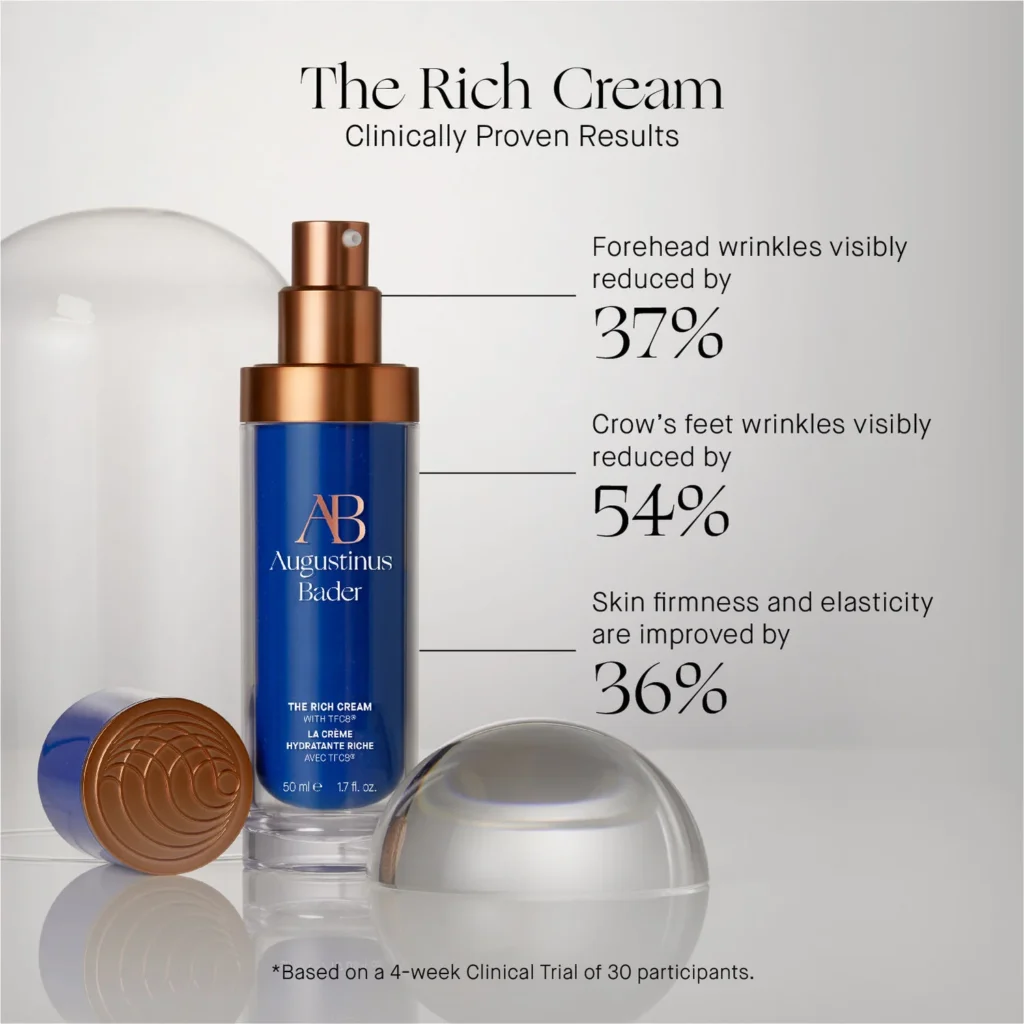
What it is: Augustinus Bader The Rich Cream a luxury moisturizer with peptides, hyaluronic acid, and squalane, positioned as an anti-aging and barrier-supporting cream. Owner reports we’ve reviewed describe the texture as luxurious, though the price sits at the high end of the market.
Key features:
- Peptides (claimed to support collagen; research is preliminary)
- Hyaluronic acid and glycerin
- Squalane for occlusion
- No fragrance; clean ingredient philosophy
- Designed for mature or dry skin
The standout: Owner reports we’ve reviewed consistently praise the texture silky, absorbs well and note that skin feels plump and hydrated. The formula doesn’t feel heavy despite being rich.
The trade-off: You’re paying for brand positioning and packaging as much as performance. Notably, it lacks ceramides a surprising omission for a luxury moisturizer. Peptide benefits for skin texture are real but modest; they’re not the same category of proven barrier-repair as ceramides. If your skin barrier is compromised, CeraVe will likely perform as well or better at roughly one-sixth the price.
Price: $90–100 per 2 oz (as of July 2026). Expensive; expect 8–12 weeks with twice-daily use.
Who it’s NOT for:
- Budget-conscious shoppers
- People with compromised barriers (no ceramides is a real gap)
- Anyone skeptical of peptide marketing
- Oily or combination skin
Best for Combination Skin: La Roche-Posay Toleriane Ultra Fluid
Same pick as oily skin, above and deliberately so. Combination skin is typically oily in the T-zone and normal or dry elsewhere. This lightweight gel-cream hydrates without overloading the forehead. Apply a thinner layer to the T-zone and a slightly more generous amount to the cheeks and neck, where dryness tends to concentrate.
Best for Cold/Dry Climates: Eucerin Advanced Repair Cream
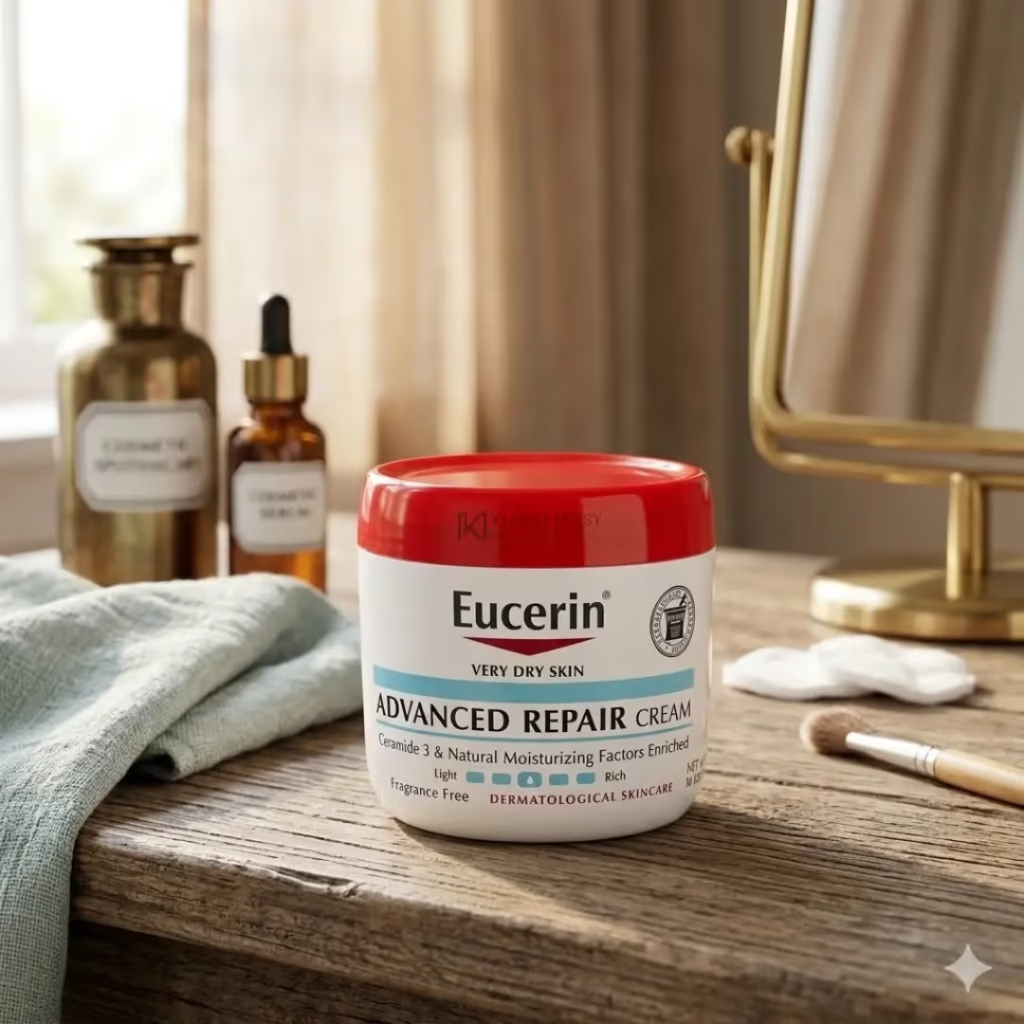
What it is: Eucerin Advanced Repair Cream a fragrance-free, ceramide-rich cream with glycerin and glycosaminoglycans (natural humectants that function similarly to hyaluronic acid). Formulated specifically for very dry skin and harsh climates.
Key features:
- Ceramides (1 and 3)
- Glycerin
- Glycosaminoglycans (hyaluronic acid alternative)
- Fragrance-free
- Thick, occlusive formula
- Dermatologist-recommended
The standout: Owner reports we’ve reviewed note this is especially effective in winter or low-humidity environments because it stacks multiple humectants with strong occlusion. The texture is noticeably richer than CeraVe.
The trade-off: It’s heavy oily skin won’t get along with it. The ingredient list is longer than Vanicream’s, so if you’re sensitive, there are more potential irritants. Some owner reports we’ve reviewed also describe a slightly greasy feeling immediately after application in warm indoor spaces.
Price: $9–13 per 1.6 oz (as of July 2026). Rich formula; expect 8–10 weeks with twice-daily use.
Who it’s NOT for:
- Oily skin
- Hot or humid climates
- Minimalist ingredient preferences
Best Lightweight Option for Dehydrated Oily Skin: Neutrogena Hydro Boost Hydrating Tint
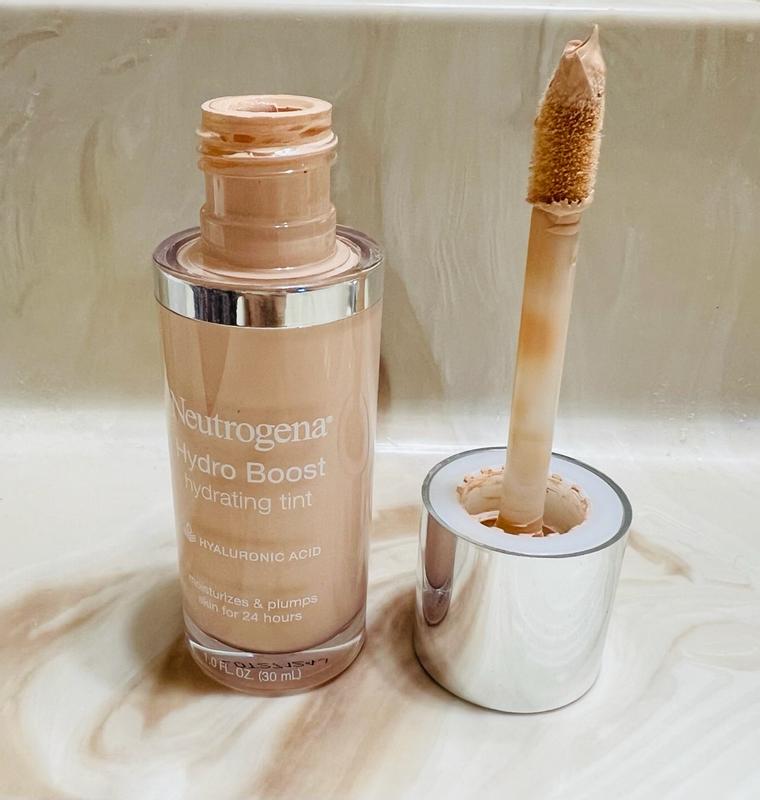
What it is: Neutrogena Hydro Boost Hydrating Tint a gel moisturizer with hyaluronic acid and glycerin, plus a light tint to even skin tone. Designed for oily or acne-prone skin that needs hydration without heaviness. Owner reports we’ve reviewed describe it as hydrating and non-comedogenic.
Key features:
- Hyaluronic acid and glycerin
- Light tint (not full coverage, but adjusts overall complexion)
- Oil-free formula
- Fast absorption
- Budget-friendly
The standout: This is a genuine multi-tasker it hydrates and provides subtle coverage, so on clear days you might skip concealer entirely. Owner reports we’ve reviewed note it plays well with acne treatments.
The trade-off: Minimal occlusion. The tint can be hard to match owner reports we’ve reviewed mention it either disappearing entirely or reading ashy depending on skin tone. It’s also a hydrator, not a barrier repair: if your moisture barrier is compromised, this alone won’t fix it.
Price: $6–8 per 1.7 oz (as of July 2026). Good value.
Who it’s NOT for:
- Very dry skin
- Those who prefer to keep skincare and coverage separate
- Cold climates without a richer night cream
What We Cut and Why
Cetaphil Daily Facial Moisturizer (original formula, pump bottle): This was the budget standard for years, but owner reports we’ve reviewed increasingly note it’s too light for most dry skin and lacks the ceramide profile of CeraVe Facial Moisturizing Lotion. For the same price, CeraVe does more. Cut for redundancy.
Aveeno Positively Radiant Moisturizer SPF 15: Budget-friendly, but owner reports we’ve reviewed note it lacks ceramides and leans heavily on soy extract. More critically, SPF 15 falls below the recommended minimum of SPF 30, so it can’t pull double duty as a sun product. CeraVe Lotion is stronger for the same price. Cut because it’s a compromise that doesn’t excel at either job.
Clinique Moisture Surge Extended Thirst Relief: Owner reports we’ve reviewed cite good hydration but also consistent pilling under actives and a heavy texture that doesn’t justify the $35+ price. For anti-aging, you’re better served by Augustinus Bader or a serum-plus-CeraVe combination. Cut for poor price-to-performance ratio.
Kiehl’s Ultra Facial Cream: A competent moisturizer, but owner reports we’ve reviewed describe it as less effective than La Roche-Posay Toleriane for oily skin and less occlusive than CeraVe for dry skin. It’s a generalist that doesn’t do anything exceptionally well. Cut because narrower picks outperform it at similar prices.
Application Tips for Maximum Efficacy
Timing: Apply moisturizer to slightly damp skin (not dripping wet, but visibly moist). Damp skin absorbs humectants better. Wait 30 seconds after cleansing so skin isn’t actively wet.
Amount: A dime- to quarter-sized amount for the face (including neck and décolletage). More doesn’t equal better hydration; excess sits on skin and can pill or clog pores.
Layering: If you use a hyaluronic acid serum, apply it first (on damp skin), then moisturizer. Actives (retinol, AHA) go under moisturizer, not after. The order: cleanser → toner (if used) → actives → serum → moisturizer → SPF (daytime only).
Climate adjustments: In humid climates, you can use less occlusive formulas (lighter creams, gels). In dry climates, use a richer formula and consider a facial oil under moisturizer for added sealing. Indoors in winter, a humidifier supports hydration meaningfully.
Breakout troubleshooting: If a moisturizer causes breakouts, the culprit is usually the occlusive (silicones, heavy oils) or a specific ingredient. Try a lighter texture or strip back to CeraVe Lotion, which is hard to react to. Avoid re-applying moisturizer mid-day; use a hydrating mist instead.
How to Tell If Your Moisturizer Is Working
Signs it’s working:
- Skin feels hydrated within 2–3 minutes of application
- No tightness after 4 hours
- Texture feels smoother; fine lines look less pronounced
- Skin tone is more even
- Actives (retinol, AHA) don’t cause irritation when layered under it
Signs it’s not working (or wrong for you):
- Tightness or flaking persists after 1 hour
- Breakouts appear within 3–5 days of use
- Greasy feeling that lasts more than 10 minutes
- Pilling under makeup or other products
- Redness or irritation you didn’t have before
Give any new moisturizer at least 2 weeks before deciding. Skin needs time to adjust, and a short rough patch (1–3 days) sometimes precedes real improvement.
FAQ
Q: What’s the best face moisturizer overall? A: CeraVe Moisturizing Cream (tub) is our top pick. It combines three ceramides, hyaluronic acid, and niacinamide in a fragrance-free formula that works across dry, combination, and sensitive skin at a price ($12–15 for 16 oz) that makes it hard to beat.
Q: Do I need different moisturizers for day and night? A: Not necessarily. Most people can use the same formula twice daily. However, if your skin is oily during the day and dry at night (common), you can use a lighter gel in the morning and a richer cream at night. It’s a comfort preference, not a requirement.
Q: Is hyaluronic acid safe for all skin types? A: Yes, but it performs better in humid climates. In dry or cold conditions, hyaluronic acid can actually draw water out of skin if you don’t seal it with an occlusive. Pair it with ceramides or squalane, or substitute glycerin in very dry environments. Owner reports we’ve reviewed consistently flag this difference.
Q: Will a good moisturizer prevent fine lines? A: A good moisturizer will plump skin and make fine lines look less pronounced temporarily. Preventing actual collagen loss requires daily sunscreen, retinol, and avoiding smoking and excessive sun exposure. Moisturizer is maintenance, not prevention. For anti-aging, layer a retinol serum under your moisturizer.
Q: Is the CeraVe tub or pump better? A: Depends on your skin and climate. The tub is richer and more occlusive better for very dry skin and cold climates. The pump is lighter and faster-absorbing better for combination skin or humid climates. Both share the same core ingredients. If you can’t choose, start with the pump; it’s more versatile.
Q: Can I use face moisturizer on my body? A: Yes, but it’s wasteful. Face moisturizers cost more per ounce. Body lotion is formulated for larger areas and is cheaper. For stubborn dry patches (elbows, knees), a richer face cream works fine.
Q: What should I do if my skin reacts to a moisturizer? A: Stop using it immediately and return to your previous routine (or just cleanser and sunscreen) for 3–5 days to let skin reset. Then reintroduce a simpler moisturizer (Vanicream, CeraVe Lotion) and add complexity slowly. If irritation persists, see a dermatologist you may have a sensitivity to a specific ingredient.
The Verdict
The best face moisturizer is CeraVe Moisturizing Cream (tub): effective across multiple skin types, affordable, dermatologist-recommended, and with a long track record of non-irritation. If that’s too heavy, the CeraVe Lotion delivers about 90% of the same result at half the price. Oily skin? La Roche-Posay Toleriane Ultra Fluid is the best lightweight option. Need a budget pick? Either CeraVe Lotion or Vanicream Daily works. Want to spend up? Augustinus Bader is genuinely luxurious just don’t expect it to outperform CeraVe on hydration alone.
The mistake most people make is buying a moisturizer for “dry skin” or “oily skin” as fixed categories, then wondering why it stops working when the season changes or their routine shifts. Skin responds to hormones, climate, actives, and stress. Buy one solid baseline moisturizer (CeraVe Lotion is the most versatile), use it consistently for four weeks, then adjust based on how your skin actually responds. More products, more complexity, and more money rarely equal better hydration.
Start simple. Adjust slowly. Stick with it long enough to know.