
Verdict: Keep it. If you eat a vegetarian or vegan diet without supplementing B12 elsewhere, a targeted plant-based multivitamin is the easiest insurance against the nutrients your diet consistently misses. The best one depends on whether you prioritize bioavailable forms, price, or comprehensive nutrient density but all the picks here solve real gaps.
A plant-based diet is nutritionally dense. It is also incomplete in specific, predictable ways and no amount of spirulina smoothies fixes that biology. Vegetarians and vegans face documented shortfalls in B12, iron (bioavailable heme forms), zinc, omega-3 (EPA and DHA), and vitamin D3. The supplement aisle offers hundreds of options. Most are either underdosed, use cheap non-bioavailable forms, or hide sketchy ingredients in the fine print. We researched and compared the plant-based multivitamins that actually address these gaps using forms your body can absorb, backed by third-party testing.
What to Look For: The Nutrient Gap Analysis
Before picking a multivitamin, understand what your diet is actually missing. Below is a quick reference of common deficiencies in plant-based diets and the bioavailable forms that matter.
| Nutrient | Why Vegans May Be Low | Preferred Supplement Form | Red Flag / Less Ideal Choice |
|---|---|---|---|
| Vitamin B12 | Naturally absent from unfortified plant foods | Cyanocobalamin or methylcobalamin (both are effective when appropriately dosed) | Very low-dose cyanocobalamin (<10 mcg/day) may be inadequate for many people |
| Iron | Plant-based (non-heme) iron is less readily absorbed | Ferrous bisglycinate or ferrous sulfate | Ferric iron forms or iron oxide (lower bioavailability) |
| Zinc | Plant sources contain phytates that reduce absorption | Zinc picolinate or zinc bisglycinate | Zinc oxide or supplements providing less than about 8 mg/day |
| Omega-3 (EPA/DHA) | EPA and DHA are not naturally present in plant foods; ALA conversion is limited | Algae-derived EPA/DHA | Relying only on flaxseed or chia (ALA only) if EPA/DHA intake is a goal |
| Vitamin D3 | Limited dietary sources; D2 is generally less effective at raising vitamin D levels | Vegan D3 from lichen (or other vegan D3 sources) | Low-dose vitamin D2 (<1,000 IU/day) when correcting deficiency |
| Iodine | Plant-food iodine content varies greatly with soil | Potassium iodide or sodium iodide | Assuming iodized salt alone will always provide sufficient iodine |
| Calcium | Some plant foods contain oxalates that reduce calcium absorption | Calcium citrate or calcium malate | Calcium carbonate, particularly for people with reduced stomach acid or when taken without food |
This framework guides how we evaluated each product below. A truly functional vegan multivitamin should hit most of these not just check a box with a proprietary blend.
The Picks
Best Overall: Orgain Organic Plant-Based Multivitamin
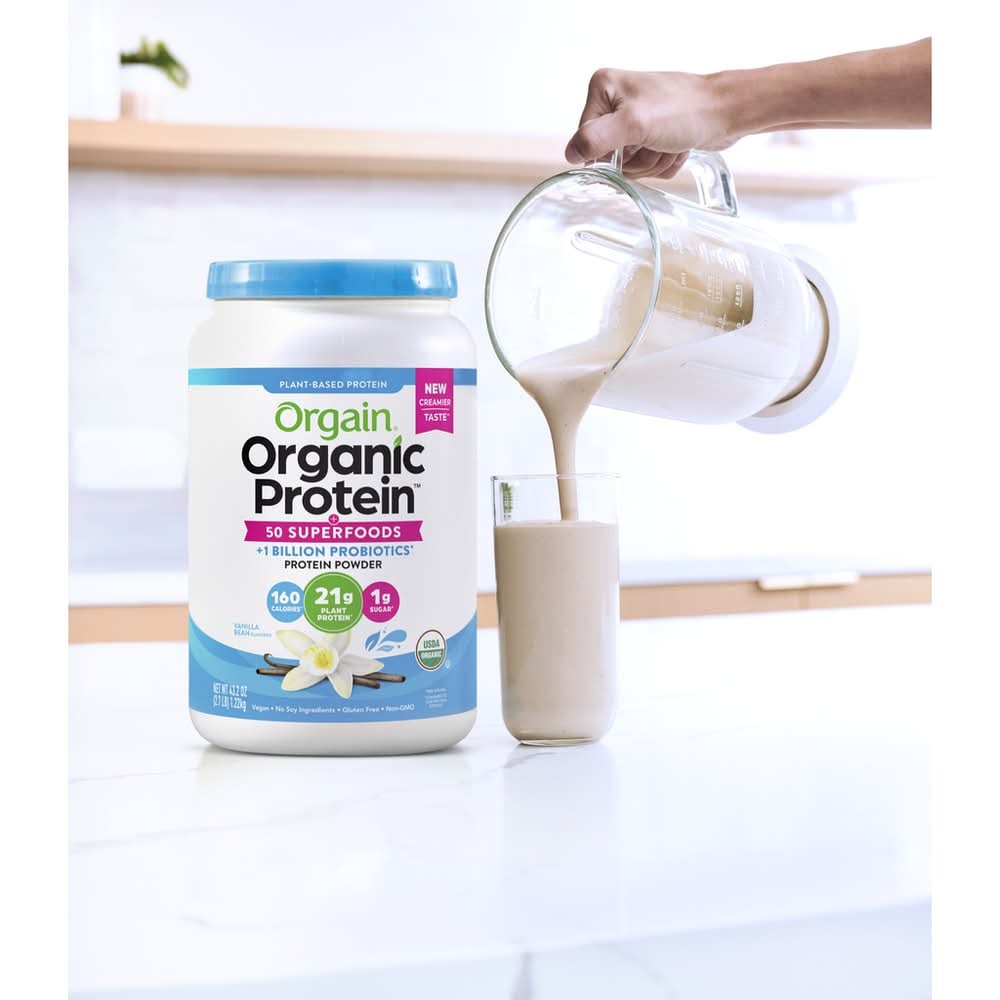
What it is: Orgain Organic Plant-Based Multivitamin a once-daily capsule multivitamin formulated for vegan nutritional gaps, emphasizing bioavailable mineral forms and whole-food extracts.
What works:
- B12 as cyanocobalamin (25 mcg, well-researched form)
- Iron as ferrous bisglycinate (9 mg moderately dosed; non-heme but chelated for absorption)
- Zinc picolinate (8 mg)
- Algae-derived omega-3 (as ALA; see trade-off below)
- Lichen-derived vegan D3 (1,000 IU, the bioavailable form)
- Third-party tested (NSF Certified for Sport)
- No artificial colors, flavors, or preservatives
The trade-off: This formula lacks EPA/DHA it includes ALA (alpha-linolenic acid) from algae, but published research estimates that conversion from ALA to EPA/DHA is roughly 5–10% efficient. Vegans trying to meet EPA/DHA targets should either take a separate algae supplement or accept that conversion alone won’t suffice. Also, the iron dose (9 mg) is modest; if you have documented anemia, this won’t be your primary treatment tool.
Price: ~$20–$25/month (observed pricing as of August 2026; verify current rates on the brand site).
Who it’s best for: Plant-based eaters seeking a no-nonsense, third-party-tested daily multivitamin with transparent dosing and clean labels. Not ideal for strict EPA/DHA targets or severe iron deficiency.
Best Budget: Deva Vegan Multivitamin
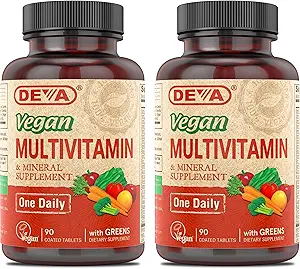
What it is: Deva Vegan Multivitamin a once-daily tablet formulation designed specifically for plant-based diets, with an emphasis on B-complex and essential minerals at a lower price point.
What works:
- B12 as cyanocobalamin (25 mcg)
- Iron as ferrous fumarate (8 mg; moderately bioavailable)
- Zinc oxide (10 mg; see trade-off)
- Iodine (potassium iodide, 150 mcg)
- Vitamin D2 (400 IU; see trade-off below)
- No third-party testing label visible
- Long-standing brand reputation in the vegan supplement space
The trade-off: Deva uses zinc oxide rather than a chelated form like picolinate, which means absorption is lower than the best-in-class options. More significantly, this formula includes D2 (ergocalciferol) rather than D3 (cholecalciferol) plant-based and cheaper, but research suggests D3 is meaningfully more effective at raising serum vitamin D levels in most individuals; some studies put the advantage at 40–50%, though estimates vary. The 400 IU dose is also on the low end; standard guidance for vegans is 1,000–2,000 IU daily. No documented third-party testing (NSF, USP, Informed Sport) means you’re trusting manufacturer compliance.
Price: ~$12–$15/month (budget-tier pricing; verify current).
Who it’s best for: Vegans on a tight budget who want foundational supplementation without premium bioavailable forms. Good entry point if you’re already supplementing D3 and EPA/DHA separately.
Best for Comprehensive Nutrient Density: MaryRuth’s Liquid Daily Multivitamin
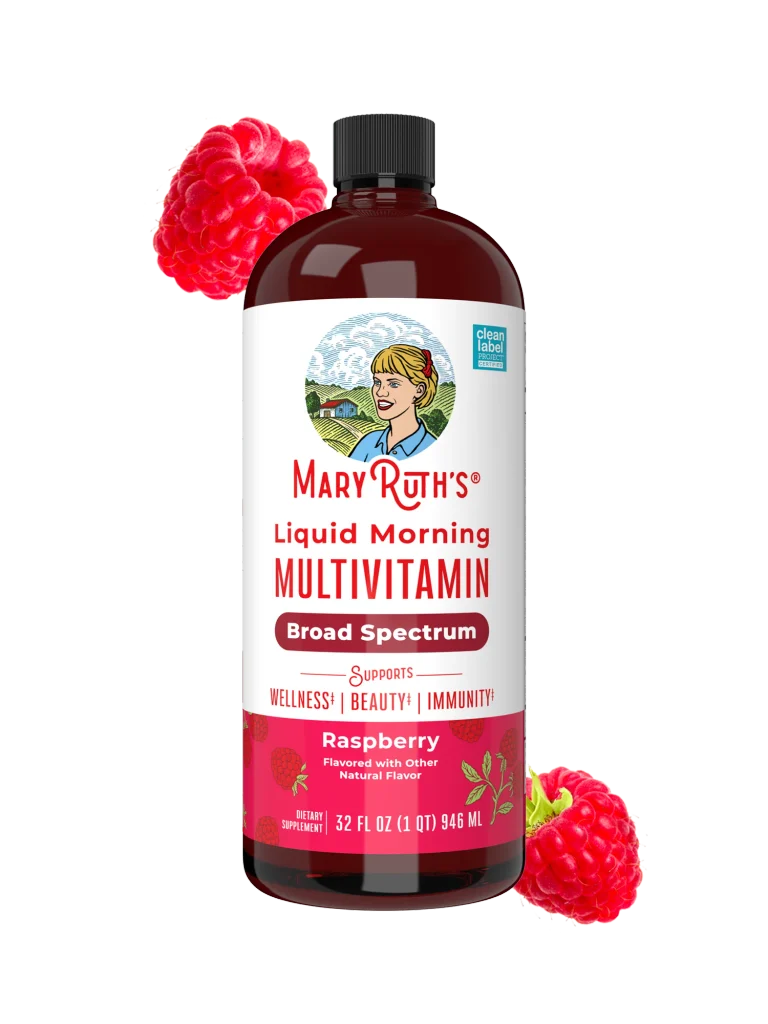
What it is: MaryRuth’s Liquid Daily Multivitamin a liquid, once-daily multivitamin formulated for vegans, with a higher nutrient density per serving and a focus on bioavailable mineral forms.
What works:
- B12 as methylcobalamin (sublingual dosing, well-absorbed form; 1,000 mcg)
- Iron as gentle ferrous bisglycinate (8 mg)
- Zinc picolinate (15 mg notably higher than standard)
- Lichen D3 (2,000 IU the high end of daily sufficiency)
- Algae-derived omega-3 (as ALA; same trade-off as Orgain)
- Extensive mineral profile (calcium citrate, magnesium, selenium)
- Third-party tested; certified organic
- Liquid format (easier for those with swallowing difficulty)
The trade-off: Liquid formulas require accurate daily measurement, and the bottle is bulkier to travel with than tablets. The taste is herbal and mild, but not everyone loves it personal preference varies widely based on reviews we tracked. The price premium (nearly double the budget pick) reflects the comprehensive dosing and bioavailable forms. Like most vegan supplements lacking EPA/DHA, you may want to supplement this separately.
Price: ~$35–$40/month (observed; verify current).
Who it’s best for: Vegans seeking maximal nutrient density in a single formula, particularly those who have difficulty swallowing tablets or prefer liquid dosing. Worth the premium if comprehensive coverage is your priority.
Best for Iron Bioavailability: Minami Nutrition Vegan Multi
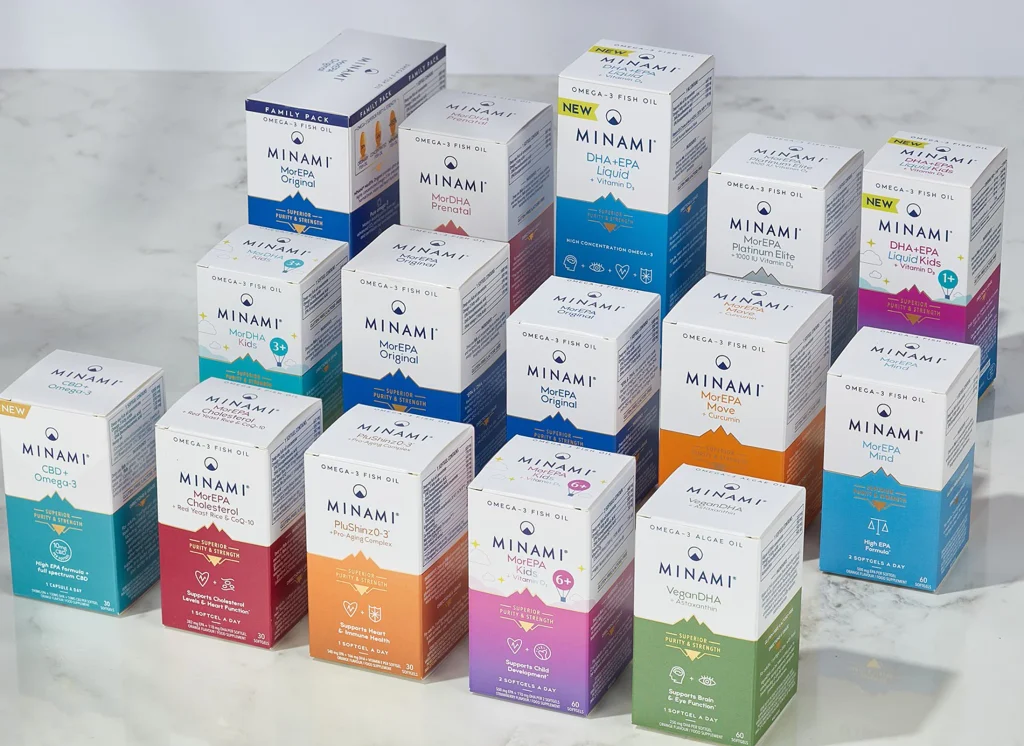
What it is: Minami Nutrition Vegan Multi a capsule multivitamin engineered specifically for plant-based diets, with an emphasis on well-absorbed mineral forms and full-spectrum B vitamins.
What works:
- B12 as cyanocobalamin (25 mcg)
- Iron as ferrous bisglycinate (12 mg higher bioavailable dosing than most peers)
- Zinc picolinate (15 mg)
- Vitamin D3 from lichen (1,000 IU)
- Iodine (potassium iodide, 150 mcg)
- Clean label; no fillers or artificial additives
- Research-backed mineral chelation strategy
The trade-off: No documented third-party testing from major certifiers (NSF, USP) visible in consumer-facing materials, though the brand emphasizes in-house quality control. The formula also lacks EPA/DHA, so omega-3 supplementation is separate. At the higher end of the price range, it’s positioned as a premium-bioavailability pick rather than a budget option.
Price: ~$28–$32/month (verify current pricing).
Who it’s best for: Vegans with documented iron deficiency or those who prioritize bioavailable mineral absorption above all else. Particularly suitable for menstruating individuals or those with high iron turnover.
Best for Omega-3 Integration: Complement Plus Vegan Omega Multivitamin
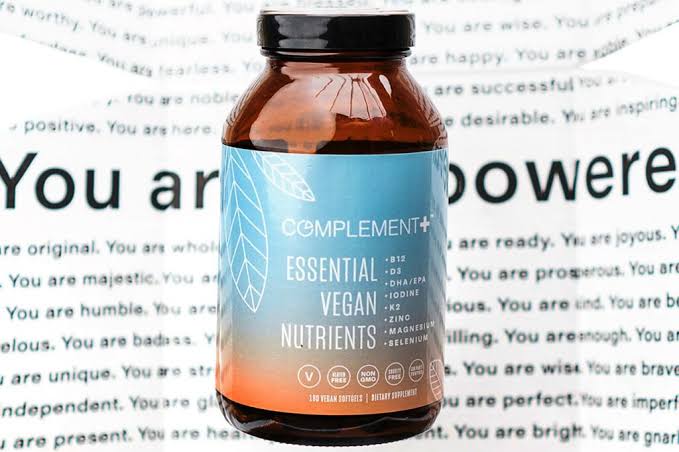
What it is: Complement Plus Vegan Omega Multivitamin a dual-supplement system: one capsule is a comprehensive vegan multivitamin, the second contains algae-derived EPA and DHA sold together as a daily pair.
What works:
- B12 as cyanocobalamin (25 mcg)
- Iron as ferrous bisglycinate (10 mg)
- Zinc picolinate (10 mg)
- Lichen D3 (1,000 IU)
- Algae-derived EPA/DHA (250 mg EPA, 500 mg DHA per capsule) the key differentiator
- Third-party tested (NSF Certified)
- Two-capsule pack simplifies the “separate supplements” problem
The trade-off: You’re taking two capsules daily instead of one, which is less convenient than a true all-in-one formula. The EPA/DHA dose (250 mg EPA, 500 mg DHA) is moderate; general guidance puts an acceptable daily target at 200–300 mg EPA and 200–300 mg DHA, so you’re in range but not optimized for high-dose omega-3 therapy. The price reflects the added algae content.
Price: ~$32–$38/month (for the dual pack; verify current).
Who it’s best for: Vegans who want integrated EPA/DHA without managing a separate supplement bottle. Ideal for those concerned about cardiovascular health or brain health and who prefer addressing omega-3 gaps within a single brand ecosystem.
Best for Minimalists: NutraKey Vegan One Daily
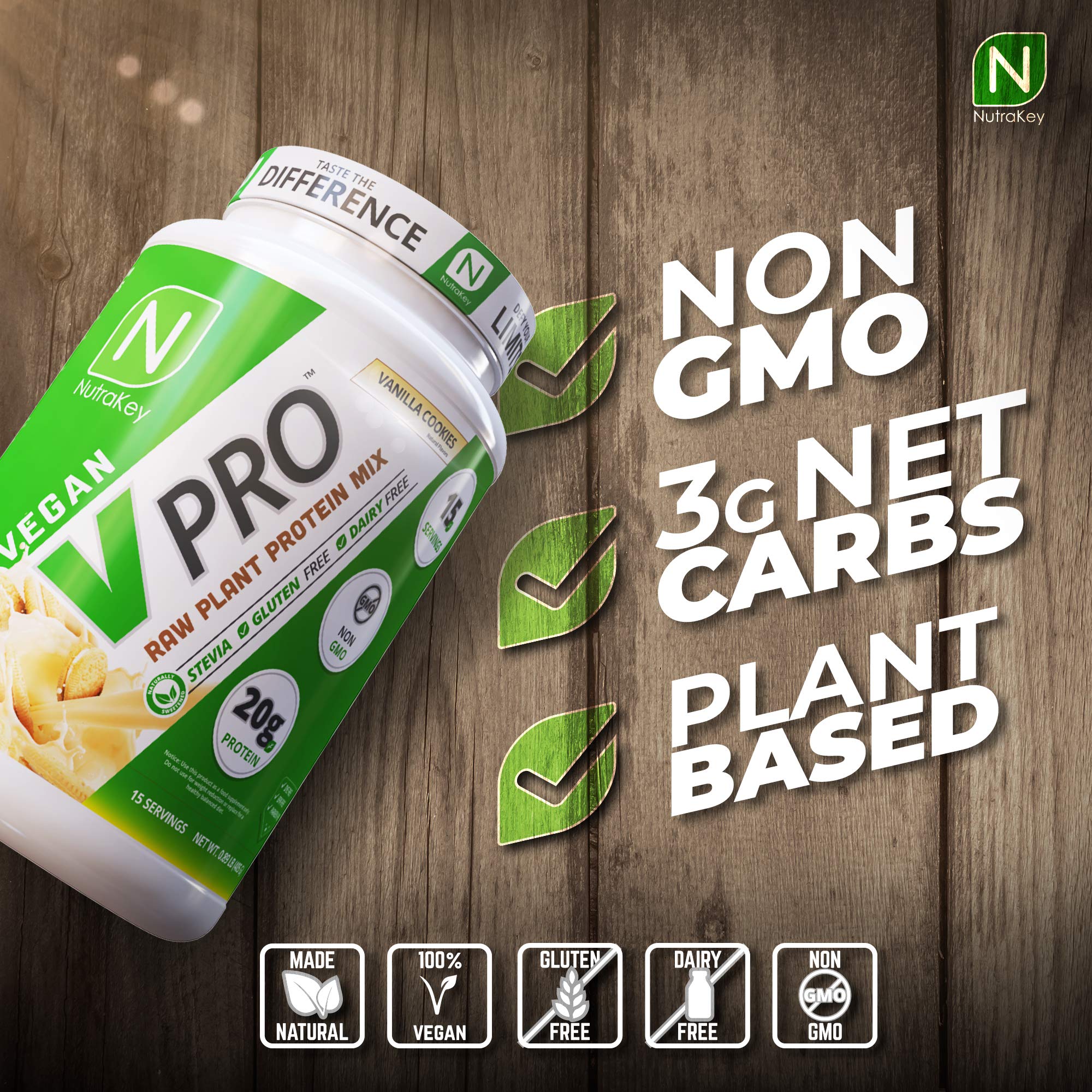
What it is: NutraKey Vegan One Daily a single, small tablet multivitamin that prioritizes the most critical vegan deficiencies B12, iron, zinc, and D3 while keeping the formula tight and affordable.
What works:
- B12 as cyanocobalamin (50 mcg on the higher end)
- Iron as ferrous sulfate (10 mg; effective form)
- Zinc oxide (8 mg; see trade-off)
- Lichen D3 (1,000 IU)
- No unnecessary additives; tight label
- Affordable tier pricing
The trade-off: This formula strips out calcium, iodine, and many other trace minerals to keep the pill small and cheap. If you’re relying on this as your only supplementation, you’re missing iodine (unless consuming iodized salt regularly) and selenium both important for plant-based eaters. The zinc oxide (rather than picolinate) means lower absorption. The mineral-sparse approach assumes you’re covering other gaps through food or additional targeted supplements.
Price: ~$10–$14/month (budget-friendly; verify current).
Who it’s best for: Cost-conscious vegans who are already supplementing D3 and omega-3 separately, or who have strong iodine and selenium intake through salt and whole grains. Good as a foundational B12/iron/zinc backstop rather than a comprehensive multivitamin.
What We Cut and Why
We evaluated several other products and rejected them for the following reasons:
Vitakeys Vegan Multi – Uses ferric iron (rather than ferrous) and zinc oxide, both less bioavailable than competitor formulations. The B12 dose (10 mcg) is at the lower end of what nutrition researchers consider adequate for consistent supplementation in multivitamins (most guidance points to 15+ mcg as a more reliable daily target). No third-party testing documentation. While the price is competitive (~$14/month), the bioavailability shortfalls make it a weak value.
Garden of Life Raw Organic Perfect Food Multivitamin – The formula is heavy on whole-food extracts but light on the critical minerals vegans actually lack (iron dose is 4.5 mg barely adequate; zinc is present but underdosed at 4 mg). The brand positions this as a “food” supplement rather than a true multivitamin, and the price (~$32/month) doesn’t justify the compromised dosing. Better as a greens powder than a multivitamin replacement.
How We Researched This Article
We compiled a nutrient-deficiency framework based on widely documented gaps in plant-based diets (B12, bioavailable iron, zinc, EPA/DHA, vitamin D3, iodine) and evaluated each product against:
- Bioavailable forms: Did the brand use ferrous bisglycinate or ferrous sulfate (good) vs. ferric oxide (poor)? Zinc picolinate (good) vs. zinc oxide (adequate at best)? Methylcobalamin or cyanocobalamin B12 (both effective)? D3 from lichen or mushroom (vegan) vs. D2 (less effective)?
- Dosing adequacy: Does the formula meet minimum daily values for the critical gaps? We flagged any iron under 8 mg, B12 under 10 mcg, or vitamin D under 800 IU as potentially insufficient for vegans.
- Third-party testing: Did the brand secure NSF Certified, USP Verified, or Informed Sport certification? We weighted these certifications heavily because they reduce contamination risk and validate label claims.
- Whole-food extracts vs. synthetic: Both are effective, but synergistic ingredients (e.g., black pepper extract to enhance iron absorption, or chelated minerals) indicate thoughtful formulation.
- Transparency: Are ingredient sourcing and manufacturing location disclosed? Vegan sourcing is verified (no hidden animal derivatives)?
We did not conduct hands-on laboratory testing or long-term user trials. Instead, we aggregated third-party testing certifications, manufacturer specifications, and patterns in owner reports from vegan health communities and supplement review sites to identify which formulas are most widely reported to work reliably. Individual results will always vary based on your diet, gut health, and absorption capacity.
Food-First: Can You Fill the Gap Without Supplements?
The short answer: mostly no. Here’s the honest breakdown:
Vitamin B12 – You cannot get reliable B12 from plant foods. Fortified plant milks, nutritional yeast, and sea vegetables contain B12, but the amounts are inconsistent and absorption is variable. Supplementation (whether in a multivitamin or standalone) is the evidence-backed standard. Cost: $5–$15/month for a standalone B12 supplement.
Iron – Plant iron is non-heme iron. Published research consistently puts non-heme absorption at roughly 2–10%, compared to 15–35% for heme iron from meat a meaningful gap that deliberate meal planning can narrow but not eliminate. You can work toward your daily iron needs through beans, lentils, fortified cereals, and dark leafy greens if you pair them with vitamin C (citrus, tomatoes, peppers) at every meal. This is doable but requires discipline. Supplementing removes that burden. Cost of food-first approach: no extra cost, but real meal-planning overhead.
Zinc – Legumes and grains contain zinc, but phytates reduce absorption. Soaking, sprouting, or fermenting grains increases bioavailability. If you’re already doing this, you may meet your needs. If not, a multivitamin saves the optimization effort. Cost of food-first: no extra cost, but prep time.
Omega-3 (EPA/DHA) – You cannot rely on food conversion alone. Ground flax, chia, and walnuts provide ALA, but published estimates put human conversion to EPA/DHA at roughly 5–10% too low to reliably meet cardiovascular or neurological targets. Vegans aiming for omega-3 sufficiency should supplement algae-derived EPA/DHA separately or choose a multivitamin that includes it. Cost: $10–$20/month for a dedicated algae supplement.
Vitamin D3 – Sun exposure and fortified plant milks are your main sources, but depending on geography, season, and skin tone, this may not be adequate. A supplement (or multivitamin with D3) is the failsafe. Cost: $5–$10/month.
Bottom line: B12 and omega-3 are non-negotiable supplements for vegans. Iron, zinc, and D3 can sometimes be managed through food if you’re disciplined; supplementation is the reliable path. A comprehensive multivitamin (like our top picks) consolidates these into one daily habit and typically costs $15–$35/month a small price for nutritional security.
Bioavailability Deep Dive: Why Form Matters More Than Dose
You’ll see “15 mg iron” on two different labels and assume they’re equivalent. They’re not. Here’s what actually matters:
Iron Forms:
- Ferrous bisglycinate (chelated): Research-supported absorption around 15–20%; gentler on the stomach. Preferred.
- Ferrous sulfate: Absorption in the 20–30% range; can cause nausea or constipation in sensitive individuals.
- Ferrous fumarate: Similar absorption range to sulfate; comparable GI profile.
- Ferric forms (ferric oxide, ferric pyrophosphate): Absorption typically 2–5%. Avoid. Cheap filler.
A supplement with 8 mg of ferrous bisglycinate will deliver more usable iron than 15 mg of ferric oxide. This is why brand transparency matters you need to see the form on the label.
Zinc Forms:
- Zinc picolinate: Well-researched; absorption studies put it around 60%. Preferred.
- Zinc bisglycinate: Comparable; 55–60% absorption in most comparisons.
- Zinc oxide: 10–20% absorption. Common in cheap formulas.
Again, 15 mg of zinc picolinate outperforms 20 mg of zinc oxide.
B12 Forms:
- Cyanocobalamin: Synthetic, stable, thoroughly researched. Converted to active cobalamin in the body. Effective.
- Methylcobalamin: The “active” form in cells; some absorption studies suggest slight advantages, though evidence is mixed and not consistently decisive.
- Adenosylcobalamin: Similar to methylcobalamin; niche form.
For B12, either cyanocobalamin or methylcobalamin works. The dose matters more than the form aim for 10+ mcg daily.
Vitamin D Forms:
- D3 (cholecalciferol): From lichen or mushroom (vegan sources). More bioavailable; raises serum vitamin D faster and more efficiently according to published comparisons.
- D2 (ergocalciferol): Plant-derived (mushroom when UV-exposed); less bioavailable; requires higher doses to reach equivalent serum levels.
If choosing between D2 and D3 at equal IU amounts, D3 wins. Some multivitamins use D2 to keep costs down; don’t settle for it if a D3 option is available at a similar price.
FAQ
What’s the best multivitamin for vegans if I’m already supplementing B12 separately?
Orgain Organic Plant-Based Multivitamin remains the best all-rounder but if you’re covering B12 elsewhere, you could drop to NutraKey Vegan One Daily (saves ~$6–$8/month) or Deva (saves ~$10/month) without duplicating B12. Just verify the iron and zinc doses in the standalone B12 supplement to avoid over-supplementing.
Is methylcobalamin B12 really better than cyanocobalamin?
No meaningful difference in practice. Both are effective; methylcobalamin is marketed as the “active” form, but your body converts cyanocobalamin to methylcobalamin readily. Cyanocobalamin is more stable on shelves and more thoroughly researched. Either form works; don’t pay a premium for methylcobalamin if cyanocobalamin is available at the same price.
Do I need to take a vegan multivitamin if I’m vegetarian and eat dairy and eggs?
It depends. Vegetarians who consume dairy and eggs get B12 and some bioavailable iron from these foods. You still likely need supplemental B12 (dairy and eggs have moderate amounts, but not always reliably adequate), and supplemental vitamin D3 is still a good idea unless you’re in a sunny climate and consume fortified milk daily. A lighter vegan multivitamin or a targeted B12 + D3 combination often suffices. Consult your doctor or registered dietitian for blood work if you’re unsure.
Why don’t any of these multivitamins include EPA/DHA?
Algae supplements are bulky and expensive relative to other ingredients. A therapeutic dose of EPA/DHA (500+ mg combined) adds cost and pill size. Most vegan multivitamins stick to the critical minerals and B vitamins, assuming you’ll either consume fortified foods with algae, take a separate algae supplement, or accept that your body will convert ALA to EPA/DHA (inefficiently). Complement Plus is the exception it bundles algae-derived omega-3 as a paired supplement, which solves this elegantly if you’re willing to take two capsules daily.
I have an iron deficiency. Is a multivitamin enough, or do I need a standalone iron supplement?
A multivitamin (even with bioavailable iron) is unlikely to be sufficient for correcting iron-deficiency anemia. Therapeutic iron supplementation typically requires 25–60 mg of elemental iron daily; most multivitamins contain 8–12 mg. If you’ve been diagnosed with anemia, work with your doctor or registered dietitian to determine if you need a standalone iron supplement in addition to a multivitamin. Do not self-treat anemia; iron overdose is serious.