

International Travel Document Requirements: Your Complete FAQ Guide
Your passport must be valid for at least six months beyond your travel dates for most countries, though some require validity only on arrival and others demand nine months or more. This single requirement causes more travel disruptions than any other check your passport expiration date before you buy plane tickets, not after.
This guide answers the real questions travelers ask when preparing for international trips. Whether you’re renewing a passport, applying for your first visa, or trying to understand a country’s specific entry rules, you’ll find direct answers here.
How Long Does a Passport Need to Be Valid for International Travel?
Your passport must typically remain valid for at least six months after your intended return date. This “six-month rule” applies to most countries in Europe, Asia, Africa, and the Caribbean. However, the requirement varies by destination, and some countries are stricter.
Common validity requirements:
- Six months minimum: Most popular destinations (UK, France, Germany, Japan, Thailand, Australia, Canada, Mexico)
- Three months minimum: Some Caribbean nations, a few Central American countries
- Nine to twelve months: India, Brazil, and several African nations
- Validity on arrival only: A small number of countries (Philippines, Indonesia in some cases)
The safest approach: assume six months unless you’ve checked the specific country’s requirements. Most airlines will refuse to board you if your passport doesn’t meet the destination’s validity rule even if you’re connecting through multiple countries. The last country on your itinerary is what matters, not your first stop.
Common myth: “I’ll renew my passport when I get home.” This doesn’t work. If your passport expires before your return date, or within six months of it, you may be denied entry or boarding.
What’s the Difference Between a Tourist Visa and a Business Visa?
A tourist visa (or visitor visa) permits leisure travel sightseeing, family visits, vacations but forbids paid work. A business visa allows you to attend meetings, conferences, or negotiate contracts, but typically doesn’t permit you to work for a local employer or earn income in that country.
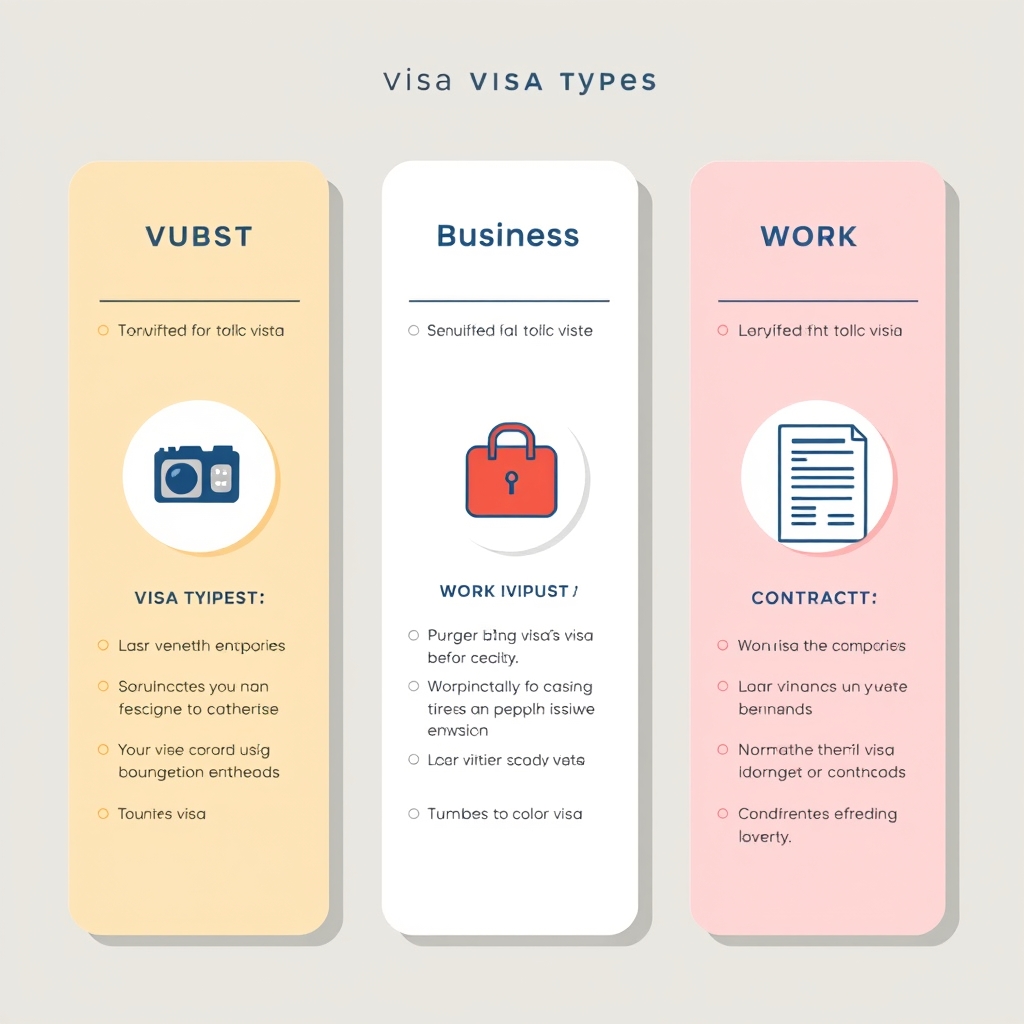
In practice, the distinction matters most if you’re planning to work while traveling. If you’re attending a conference for your U.S. employer while based in the U.S., a tourist visa usually suffices. If you’re negotiating a deal or training local staff, you’ll often need a business visa. If you’re taking a job with a local company, you need a work visa a different category entirely.
Many countries don’t distinguish sharply between tourist and business visas on entry. Immigration officers may ask your purpose and stamp you accordingly. Others require you to apply for the specific visa type upfront. Check your destination’s embassy website before you travel.
Key point: Don’t lie about your purpose to immigration. If you say “tourism” but you’re there to conduct business, you risk visa cancellation and future entry bans far worse than the cost or time of the correct visa type.
How Long Does a Passport Renewal Take?
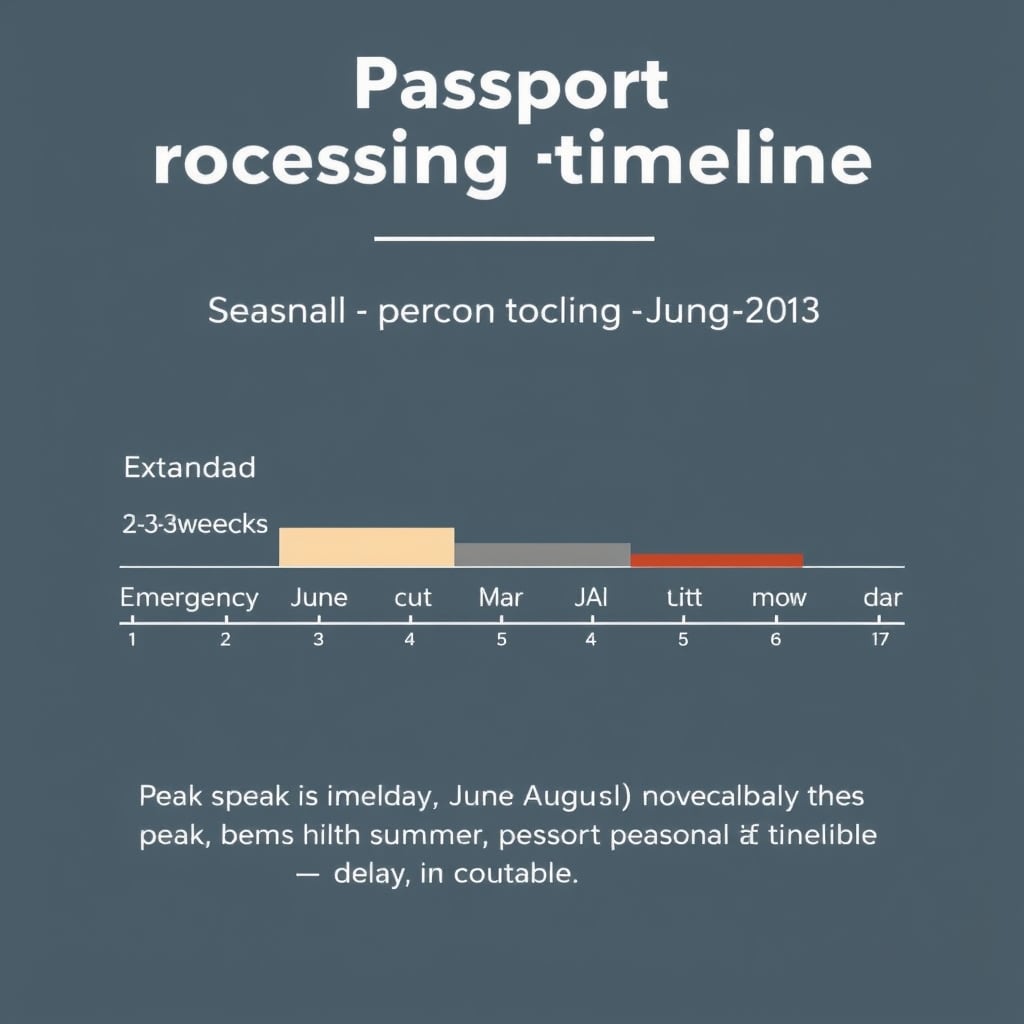
Passport processing times depend on your location and service level. In the United States, standard processing typically takes around 6–8 weeks, while expedited processing runs roughly 2–3 weeks (at additional cost). These are commonly cited estimates; actual times shift with demand, so check your passport agency’s current posted times before planning.
Processing timelines by service level (U.S. example; vary by country):
- Routine (standard): Around 6–8 weeks
- Expedited: Roughly 2–3 weeks (add rush-delivery fees)
- Emergency/same-day: Available at passport acceptance agencies in major cities; often costs significantly more
Processing times vary seasonally. Summer months (June–August) often see longer wait times because travel demand peaks. Apply well before your trip not two weeks before you leave.
If you’re renewing a passport in another country while traveling, contact your home country’s nearest embassy or consulate. Processing can take weeks or months depending on staffing and your location.
Pro tip: Check your country’s official passport agency website for current processing times. Many agencies publish real-time estimates, and those are more reliable than any general range, including the figures above.
Do I Need a Visa to Visit the European Union?
It depends on your citizenship and how long you’re staying.
U.S., Canada, Australia, New Zealand citizens: You do not need a visa for tourism or business trips up to 90 days within any 180-day period. You must enter under the EU’s Schengen Agreement free-movement rules. However, as of August 2026, travelers need to register electronically via ETIAS (European Travel Information and Authorization System) before arrival a small online fee applies. Check the official EU immigration portal for the current rollout status and any updates to the launch timeline before booking.
Citizens of many other countries: Visa requirements vary by nationality. Check the European Commission’s visa wizard or your destination country’s embassy website.
Staying longer than 90 days: You need a long-stay visa (D-visa), issued by the country where you’ll reside, not at the border. Application is at the country’s embassy in your home country.
Multiple EU countries in one trip: The 90-day limit applies to the entire Schengen Area, not per country. If you visit France for 40 days and Italy for 50 days, you’ve used 90 days total.
Common mistake: Assuming that because you can travel freely within the EU without border checks, you don’t need documents. You do. Bring your valid passport and any required entry authorization (like ETIAS).
What Documents Do I Need to Cross a Border?
Your primary document is a valid passport, but other documents often matter depending on the destination and your situation.
Always required:
- Valid passport (check expiration and destination’s validity requirements)
- Any required visa, entry authorization (ETIAS, eTA, etc.), or electronic travel permit
Often required or helpful:
- Return or onward ticket
- Proof of accommodation (hotel reservation, invitation letter from a host)
- Proof of sufficient funds (bank statements, credit cards)
- Vaccination or health documentation (yellow fever vaccination cards, and other destination-specific requirements)
- Travel insurance documentation
- Driver’s license (if you’ll rent a vehicle)
- Original prescription bottles for medications
- Birth certificate or adoption papers (if traveling with children not in your immediate family)
For specific situations:
- Working or studying: Employment letter, university enrollment, or work permit
- Traveling with children: Birth certificate, parental consent form if one parent isn’t present, custody documents if relevant
- Dual citizenship or previous nationality: The passport you present must match your entry point’s records
Immigration officers have broad discretion to request additional proof of ties to your home country (employment letter, property deed, family documentation) if they believe you might not return.
How Do I Apply for a Visa Before Traveling?
Visa applications are submitted to the embassy or consulate of the country you wish to visit, in your country of residence (not at the destination). The process typically involves:
- Check requirements: Visit the destination country’s embassy website for the specific country where you’re applying (many countries have embassies in multiple cities)
- Gather documents: Passport, completed application form, photos, proof of funds, itinerary, accommodation proof
- Submit: In person, by mail, or through an authorized visa processing center
- Pay fees: Non-refundable application fee (amount varies by country and visa type)
- Wait: Processing time varies from days to weeks; some countries interview applicants
- Collect: Pick up your passport with the visa stamp or send it via mail
Many countries now allow online application submission, but you still pick up the passport in person or receive it by mail.
Processing time: Ranges from 3 days (express services in some countries) to 4+ weeks. Plan ahead.
Visa refusals: Embassies can refuse visas. Most common reasons: insufficient funds, unclear travel purpose, previous visa violations, or security concerns. A refusal doesn’t prevent future applications but may require additional documentation next time.
Pro move: Use a visa service (like CIBTvisas or VisaHQ) if you don’t have an embassy nearby. They handle paperwork for a fee.
What Is an eTA or ETIAS, and Do I Need One?
An Electronic Travel Authorization (eTA) or ETIAS is an online entry permit required before arrival in certain countries. It’s not a visa you don’t get a stamp but you can’t board your flight without it.
Countries requiring eTA/ETIAS:
- Canada (eTA): Required for citizens of visa-exempt countries flying in
- Australia (ETA): Required for most nationalities
- New Zealand (NZeTA): Required for most nationalities
- United States (ESTA): Required for citizens of visa-waiver countries
- European Union (ETIAS): Now required for non-EU nationals entering the Schengen Area; check the official EU portal for current implementation details and any nationality-specific exceptions
- Turkey (e-Visa): Required for most nationalities
- India (e-Visa): Required for many nationalities
How to apply: Online, through the country’s official immigration portal. Fill out a form, pay a small fee, and receive approval within hours to days. Most are valid for 2–3 years or the length of your passport, whichever is shorter.
Common confusion: Many travelers think ETIAS is the same as a Schengen visa. It’s not. ETIAS is a pre-travel authorization; you still need a visa if the Schengen zone requires one.
What’s the Difference Between Single-Entry and Multiple-Entry Visas?
A single-entry visa allows you to cross the border once; once you leave the country, the visa is void. A multiple-entry visa allows you to leave and return during its validity period.
If you want to visit a neighboring country and return, you need multiple-entry. If you’re staying put, single-entry is cheaper and often faster to obtain.
When you apply, specify which you need. Some countries grant only one type; others let you choose.
Do Children Need Their Own Passports?
Yes. Every person, including infants, needs their own passport to travel internationally. Children cannot be listed on a parent’s passport in most countries (a few nations allow this for very young children, but it’s becoming rare).
Application for children:
- Both parents (or legal guardians) typically must consent in person
- Birth certificate is required
- Photos, fees, and processing times are similar to adult passports
- Some countries require additional documentation if parents have different surnames or if one parent is absent
Applying early is especially important for family travel since you may need to gather multiple birth certificates or custody documents.
How Long Is a Visa Valid After You Receive It?
Visa validity depends on the type and country. A tourist visa might be valid for 30 days, 90 days, six months, or a year. The validity period is printed on the visa itself check it carefully.
“Valid for 90 days” typically means you have 90 days from issue to enter the country. Once you enter, how long you can stay depends on a separate “length of stay” rule, often printed as “30 days per entry” or similar.
Overstaying your permitted length of stay is a serious violation that can lead to fines, deportation, or future entry bans.
What Happens if My Passport Expires While I’m Traveling?
Your passport is your only proof of citizenship abroad. If it expires while you’re traveling, you cannot fly home. You must visit your country’s embassy or consulate immediately for an emergency passport or travel document.
Emergency passports are typically issued quickly (sometimes same-day) and are valid only for the return journey. They cost more than standard renewals.
Lesson: Renew your passport well before it expires, especially if you travel frequently.
What’s a Vaccination Certificate or Health Documentation, and Where Do I Get It?
A vaccination certificate proves you’ve received specific vaccines required or recommended by your destination. As of 2026, COVID-19 certificates are no longer widely required, but yellow fever, typhoid, and other vaccines may be mandatory or recommended depending on your destination.
Get vaccination certificates from your doctor or travel clinic. Your doctor records the vaccine and date in your medical record; you receive a paper certificate (often a CDC Yellow Card in the U.S.) or a digital record via your health provider’s portal.
Some countries require proof of yellow fever vaccination if you’re arriving from countries where yellow fever is endemic. Others strongly recommend it.
Check your destination’s health requirements on the CDC website (U.S. travelers), your country’s equivalent health agency, or the official embassy website.
Can I Travel with a Passport Expiring Soon if I Don’t Leave Until After It Expires?
No. Your passport must be valid on the date you depart, not when you return. If your passport expires in three months and your trip is in two months, you’re fine. If your trip is in four months, you cannot travel until you renew most countries won’t let you board with an expiration date fewer than six months away.
When Should I Apply for a Visa?
Apply as soon as your travel dates are confirmed, ideally 8–12 weeks before departure. Visa processing can take weeks, and peak seasons (summer, holidays, visa office staffing changes) can cause delays.
Some visas require proof of flight bookings or hotel reservations; you may want to book these before applying, which adds another planning step.
If you’re traveling within 8 weeks and need a visa, check for expedited services (usually available for a higher fee).
What Documents Do I Need for a Schengen Visa?
A Schengen visa (for travel within the EU’s free-movement zone) typically requires:
- Valid passport
- Completed visa application form
- Recent color passport photo (usually 35×45mm)
- Proof of accommodation (hotel booking or invitation letter)
- Proof of sufficient funds (bank statements; many embassies cite a per-day threshold, commonly in the range of €50–100, though this varies by country and is set at each embassy’s discretion)
- Proof of travel insurance (typically requiring substantial medical coverage often cited at €30,000 or more required by most Schengen countries)
- Return or onward ticket
- Employment letter or proof of student status
- Completed travel itinerary
Requirements vary slightly by the country you’re applying to (France, Germany, Italy, etc.) because each country’s embassy sets its own standards. Check the specific embassy website where you’re applying.
Schengen visa fees were standardized at €80 for adults as of the last published fee schedule; verify the current figure on the relevant embassy website, as fees are reviewed periodically.
What’s the Difference Between a Passport Book and a Passport Card?
A passport book is the standard travel document a booklet with your photo, signature, and entry/exit stamps. A passport card is a credit-card-sized version with your photo and basic data.
Passport cards are valid for travel within North America (U.S., Canada, Mexico) by land or sea, but not for air travel. If you’re flying internationally anywhere except Canada or Mexico, you need a passport book.
Passport cards are cheaper and faster to obtain but far less useful for international travel. Unless you’re only driving to Canada or Mexico, get a passport book.
What Should I Do If My Passport Is Lost or Stolen While Traveling?
Contact your country’s embassy or consulate immediately. They can issue an emergency passport or travel document, valid only for the return journey. You’ll need:
- Proof of citizenship (if you have a copy of your passport, photos, or birth certificate)
- Identification (driver’s license, credit cards with your name)
- A police report (if the passport was stolen)
- Passport photos (the embassy may have a photo booth or direct you to one)
- Payment for the emergency document
Emergency passports are typically issued within hours to a day. Some embassies have emergency contacts for after-hours situations.
After you return home, apply for a replacement passport immediately.
How Do I Know What Visa or Entry Authorization My Destination Requires?
Visit your destination country’s official embassy or consulate website in your country of residence. Most embassies have a clearly labeled “Visa” or “Entry Requirements” page listing what you need by nationality.
The U.S. State Department’s travel website (travel.state.gov) includes entry requirements for all countries. Similar resources exist for other countries.
Never rely on:
- Travel blogs or forums (information becomes outdated)
- Assumptions based on similar countries
- Your travel agent’s recollection (they should verify current rules)
Always verify directly with the official embassy website before booking your trip.
Visa Requirements by Popular Destination
These requirements reflect commonly reported rules for U.S., Canadian, Australian, and EU citizens as of August 2026; requirements vary by nationality and change periodically. Always check the official embassy website for your specific citizenship.
| Destination | U.S. Citizens | EU Citizens | Typical Maximum Stay | Entry / Visa Type |
|---|---|---|---|---|
| Mexico | Visa-free | Visa-free | Up to 180 days (subject to immigration approval) | Visitor permit (FMM or successor digital entry process, where applicable) |
| Canada | Visa-free (eTA required for air travel) | Visa-free (eTA required for visa-exempt nationals arriving by air) | Up to 6 months | Visitor status |
| United Kingdom | Visa-free for short visits | Visa-free for short visits | Up to 6 months | Standard Visitor |
| France | Visa-free (part of the Schengen Area) | Visa-free (EU citizens have freedom of movement) | Up to 90 days in any 180-day period for non-EU visitors | Schengen short-stay / Visitor |
| Japan | Visa-free | Visa-free | Up to 90 days | Temporary Visitor |
| Thailand | Visa-free or visa exemption (depends on current policy) | Visa-free or visa exemption | Typically 30–60 days, depending on entry method and nationality | Tourist / Visa Exemption |
| Australia | eVisitor/ETA or Visitor Visa depending on eligibility | eVisitor (eligible nationalities) or ETA depending on nationality | 3–12 months, depending on visa granted | ETA / eVisitor / Visitor Visa |
| India | e-Visa required | e-Visa required for many eligible EU nationalities | 30–365 days, depending on e-Visa category | e-Visa |
| Brazil | Entry requirements vary by nationality and current reciprocal agreements | Entry requirements vary by nationality | Varies by visa or visa-exempt status | Tourist / Business |
| Singapore | Visa-free | Visa-free | Up to 30 days (varies by nationality) | Short-Term Visit Pass |
Pre-Travel Documentation Checklist
Use this checklist to ensure you have everything before departure:
Passport & Visas
- [ ] Passport valid for at least 6 months beyond return date
- [ ] Required visa(s) received and checked for spelling of name and dates
- [ ] eTA/ETIAS/entry authorization approved and confirmation saved
- [ ] Visa-free entries confirmed for all countries on itinerary
Proof of Funds & Accommodation
- [ ] Hotel bookings or invitation letter from host
- [ ] Bank statements or credit cards demonstrating sufficient funds
- [ ] Travel insurance documentation and policy number saved
Health & Vaccination
- [ ] Vaccination certificate if required (yellow fever, etc.)
- [ ] Copy of prescriptions for any medications
- [ ] Doctor’s letter if carrying unusual medications or medical devices
Travel Logistics
- [ ] Flight confirmation and e-ticket
- [ ] Return or onward ticket confirmation
- [ ] Detailed itinerary printed and in phone/email
- [ ] Hotel and car rental confirmations
Documents & Identification
- [ ] Driver’s license or national ID card
- [ ] Copies of passport (stored separately from original)
- [ ] Copies of visa pages (stored separately from original)
- [ ] Emergency contact information for your country’s embassy
Money & Cards
- [ ] Credit and debit cards activated for international use
- [ ] Emergency cash in local currency
- [ ] Currency exchange rate checked
Children (if applicable)
- [ ] Each child’s valid passport
- [ ] Parental consent forms if traveling with one parent only
- [ ] Birth certificate or custody documentation
- [ ] Vaccination records
FAQ: The Real Questions Travelers Ask
How do I know if my passport is still valid? Check the expiration date printed on the biographical page (first page with your photo). If the date has passed, your passport is expired. If it expires within six months, assume most countries won’t let you travel until it’s renewed.
Can I renew my passport while traveling internationally? Yes, at your country’s embassy or consulate in the destination country. Processing is usually slower than at home (weeks instead of days) and costs more. Plan ahead rather than renewing abroad.
What if a country requires a visa but I don’t have time to apply before my trip? Some countries offer visas on arrival or e-visas processed in minutes to hours. Check the embassy website. If no fast option exists, you’ll need to delay your trip or change your itinerary.
Do I need travel insurance even if my visa application is approved? Yes. Travel insurance covers medical emergencies, trip cancellations, and lost luggage not your visa status. Many Schengen visa applications require proof of insurance, but it’s also smart for any international trip.
What if my name changed since I got my passport? You need a new passport reflecting your current legal name. Bring a marriage certificate, court order, or other legal documentation of the name change when you apply. You can’t travel on a passport with a different name than your current legal identity without additional documentation explaining the discrepancy.
How long is an International Driving Permit valid for? An International Driving Permit (IDP) is usually valid for one to three years, depending on the issuing country. Check the validity date on your IDP before travel. You must also carry your original license.
Can I travel with a temporary passport? Yes, if it’s been properly issued by your government. Some countries (notably Australia and the UK) issue temporary passports while waiting for a replacement. Check that your temporary passport has the required validity length for your destination.
Is a digital copy of my passport sufficient, or do I need the physical copy? You need the physical passport for all international border crossings. Carry a color copy or scan as a backup stored separately (in your phone, email, or cloud storage), but immigration will always ask for the original.