
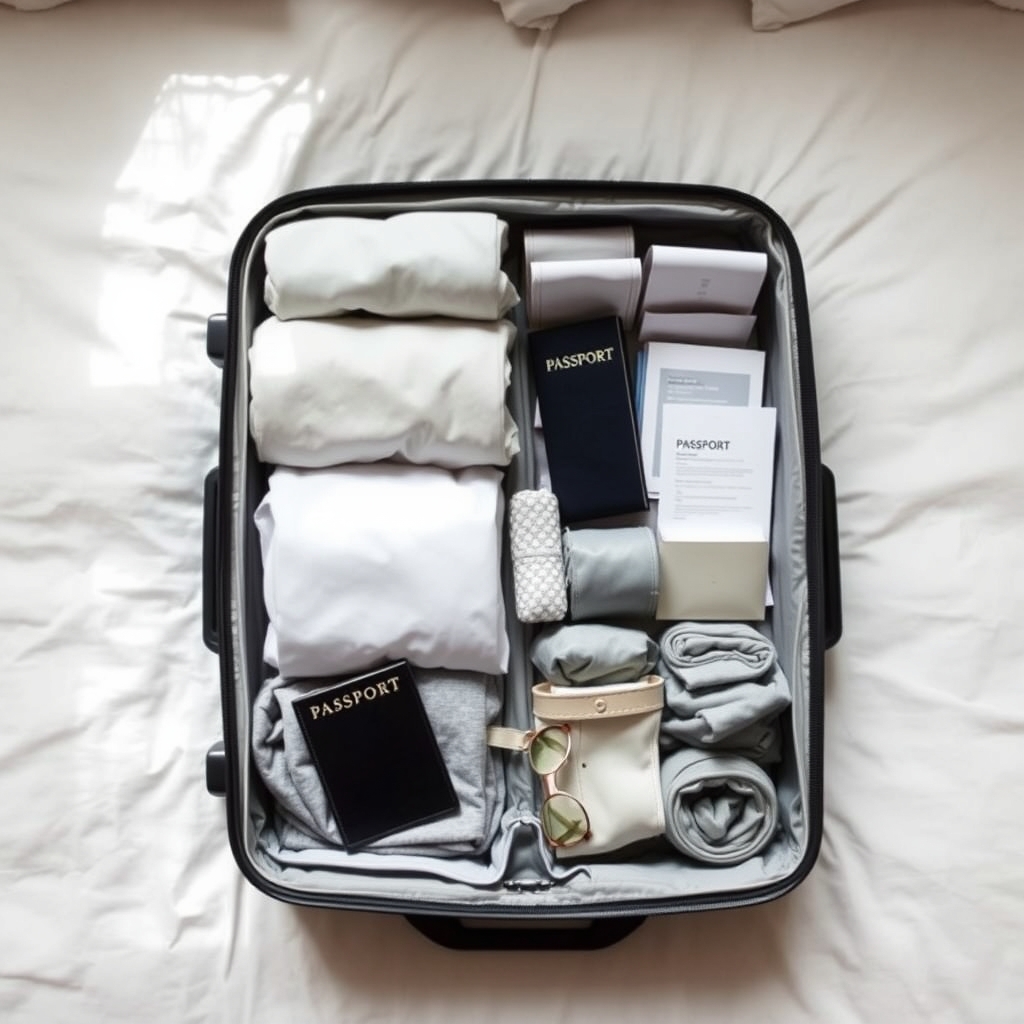
A smart packing checklist organizes your luggage by destination and prevents the last-minute scramble to find your passport, medications, or that one thing you always forget. Whether you’re heading to the beach, mountains, or a city, tailoring your packing list to the specific climate and activities you’ll do takes the guesswork out of travel prep.
This guide includes three destination-specific checklists you can customize, plus strategies for folding, rolling, and organizing so nothing gets left behind.
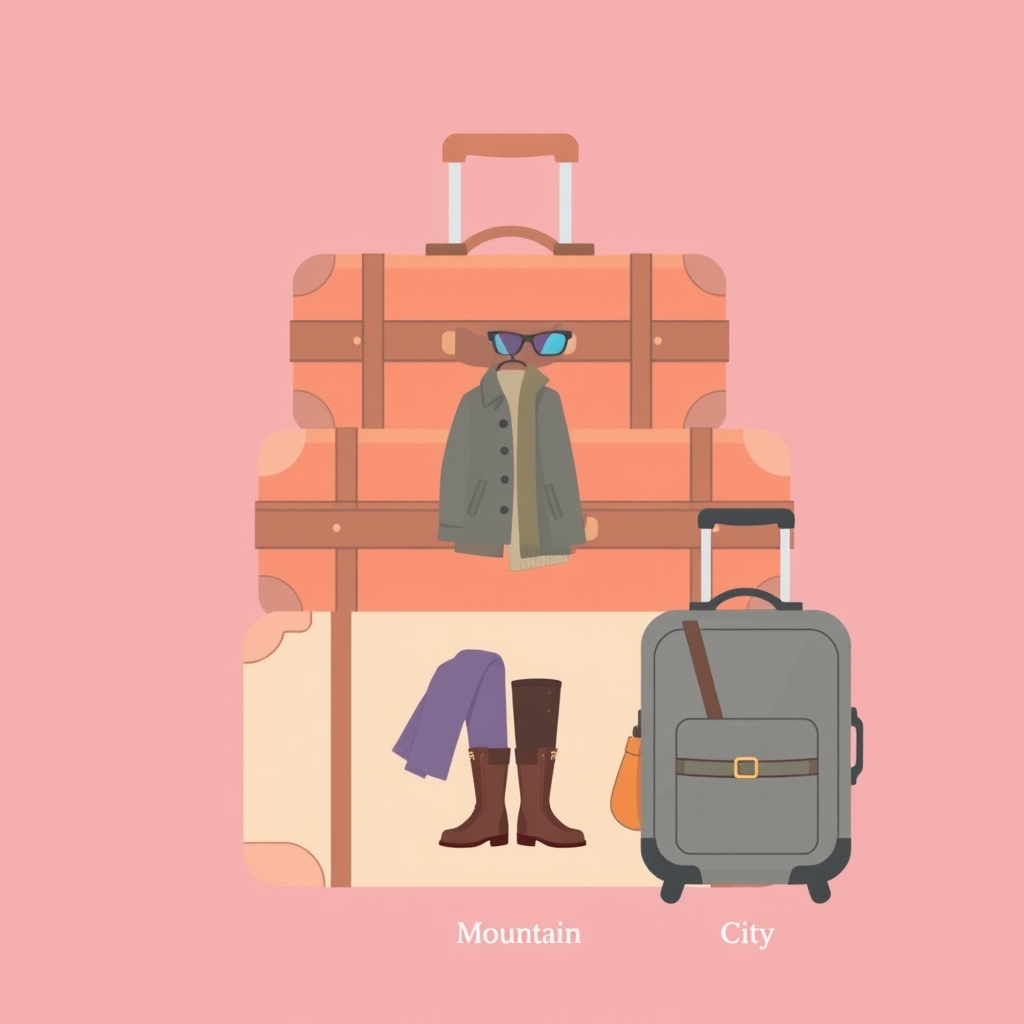
What Makes a Good Packing Checklist?
A packing checklist works best when it’s organized by category, tied to your actual itinerary, and leaves room for personal tweaks. Generic “bring everything” lists often miss climate-specific items or include things you’ll never use wasting luggage space.
The most useful checklists separate essentials (documents, medications, toiletries) from clothing, then break clothing down further by climate and activity. That structure lets you scan quickly, check off as you pack, and spot gaps before you zip up your bag.
The Three Destination Checklists
Beach Travel Packing Checklist
Beach trips demand sun protection, quick-dry fabrics, and water-safe gear. Salt air and sand are harder on clothing and electronics, so bring extras of consumables (sunscreen, lip balm) and keep valuable electronics in a waterproof bag.
Essentials & Documents
- Passport or ID
- Travel insurance documents
- Flight confirmations
- Debit and credit cards
- Phone and charging cable
- Medications and first-aid kit
Clothing (5–7 days)
- 3–4 lightweight t-shirts or tank tops
- 2–3 pairs of shorts (cotton or synthetic blend)
- 1–2 sundresses or lightweight pants
- 1 lightweight cover-up or button shirt
- 7 pairs of underwear
- Lightweight sleepwear
- 1 light sweater or fleece (for evening air conditioning)
- Socks (a few pairs for travel days)
Beach-Specific Gear
- Swimsuit (2 if you want one to dry while wearing the other)
- Beach cover-up or sarong
- Waterproof phone bag or dry case
- Reef-safe sunscreen (SPF 30+)
- Lip balm with SPF
- Aloe vera gel (for inevitable sunburn)
- Hat or visor
- Sunglasses with UV protection
- Beach towel (or plan to rent)
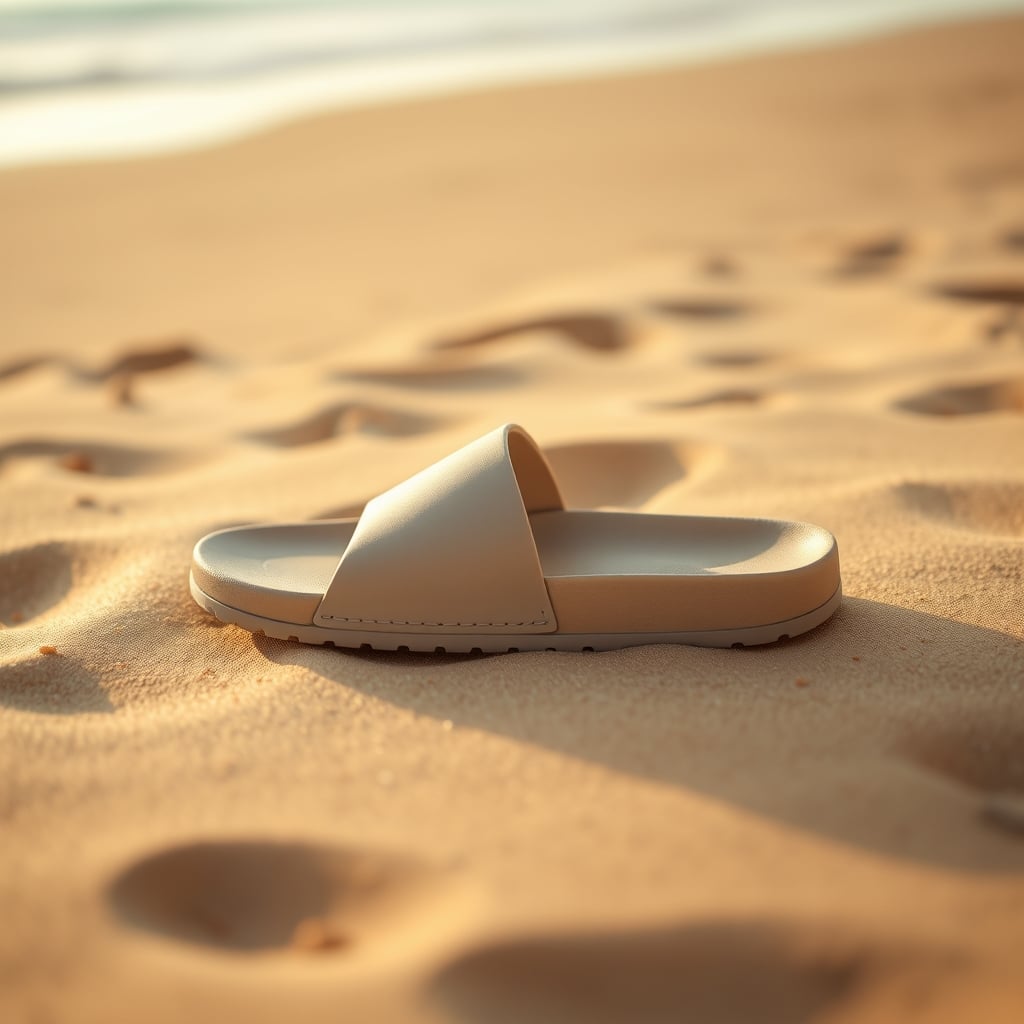
- Water shoes or sandals
Toiletries
- Toothbrush, toothpaste, floss
- Deodorant
- Shampoo and conditioner (travel size, or buy on arrival)
- Body wash
- Moisturizer (salt and sun are drying)
- Insect repellent (if in tropical areas)
- Any prescription skincare
Mountain or Hiking Trip Packing Checklist
Mountain trips require layering, sturdy footwear, and gear to handle temperature swings. Elevations cool quickly at sunset, rain can appear without warning, and trails demand supportive shoes. Pack extra socks and base layers wet feet and damp clothes lead to discomfort and potential cold-related issues.
Essentials & Documents
- Passport or ID
- Travel insurance and emergency contact info
- Flight confirmations
- Hiking permits or park passes (if required)
- Debit and credit cards
- Phone and portable charger
- Medications and first-aid kit (include blister treatment)
Clothing (5–7 days, layers prioritized)
- 2–3 moisture-wicking base layers (long-sleeve and short-sleeve)
- 2–3 pairs of hiking pants or convertible bottoms
- 1–2 pairs of shorts
- 1 lightweight insulating layer (fleece or down jacket)
- 1 waterproof rain jacket
- 1 warm beanie or hat
- Gloves (if cool or cold weather expected)
- 2–3 pairs of wool or synthetic hiking socks
- 5–7 pairs of underwear
- Thermal sleepwear or lightweight pajamas
Footwear
- Broken-in hiking boots (already tested on shorter hikes)
- Trail or casual shoes for camp or town
- Wool hiking socks (bring extras)
Hiking-Specific Gear
- Daypack (typically 20–30L for day hikes; adjust for your own load preferences)
- Headlamp or flashlight with extra batteries
- Reusable water bottle or hydration bladder
- High-energy snacks (trail mix, energy bars)
- Sunscreen and lip balm with SPF
- Hat or cap for sun protection
- Sunglasses with UV protection
- Trekking poles (if knees are sensitive or terrain is steep)
- Blister prevention tape or pads
- Pain reliever and anti-inflammatory medication
- Whistle or bear bell (depending on region)
Toiletries
- Biodegradable soap or camp shampoo
- Toothbrush and toothpaste
- Deodorant (solid, to reduce weight)
- Toilet paper and a small trowel (for Leave No Trace practices)
- Hand sanitizer
- Lip balm
- Sunscreen (high SPF; reapply often)
- Insect repellent
- Blister treatment and athletic tape
City Travel Packing Checklist
City trips center on walking, public transportation, and dining out. Pack fewer, more versatile pieces that layer well and mix-and-match easily. Comfortable walking shoes are non-negotiable, and a day pack or crossbody bag beats a large rolling suitcase on narrow sidewalks and crowded transit.
Essentials & Documents
- Passport or ID
- Travel insurance documents
- Flight and accommodation confirmations
- Debit and credit cards (and notify your bank of travel dates)
- Phone and charging cable
- Medications and basic first-aid items
- Hotel or Airbnb address and check-in details
Clothing (5–7 days, mix-and-match focus)
- 2–3 neutral base layers (white, gray, or black t-shirts or long-sleeves)
- 1–2 button-up shirts or blouses (works for casual or slightly dressier occasions)
- 2–3 pairs of versatile bottoms (dark jeans, chinos, neutral leggings)
- 1 casual dress or jumpsuit (if you like dresses)
- 1 cardigan or structured jacket (layers in and dresses up outfits)
- 1 water-resistant or rain jacket
- Comfortable walking shoes (already broken in)
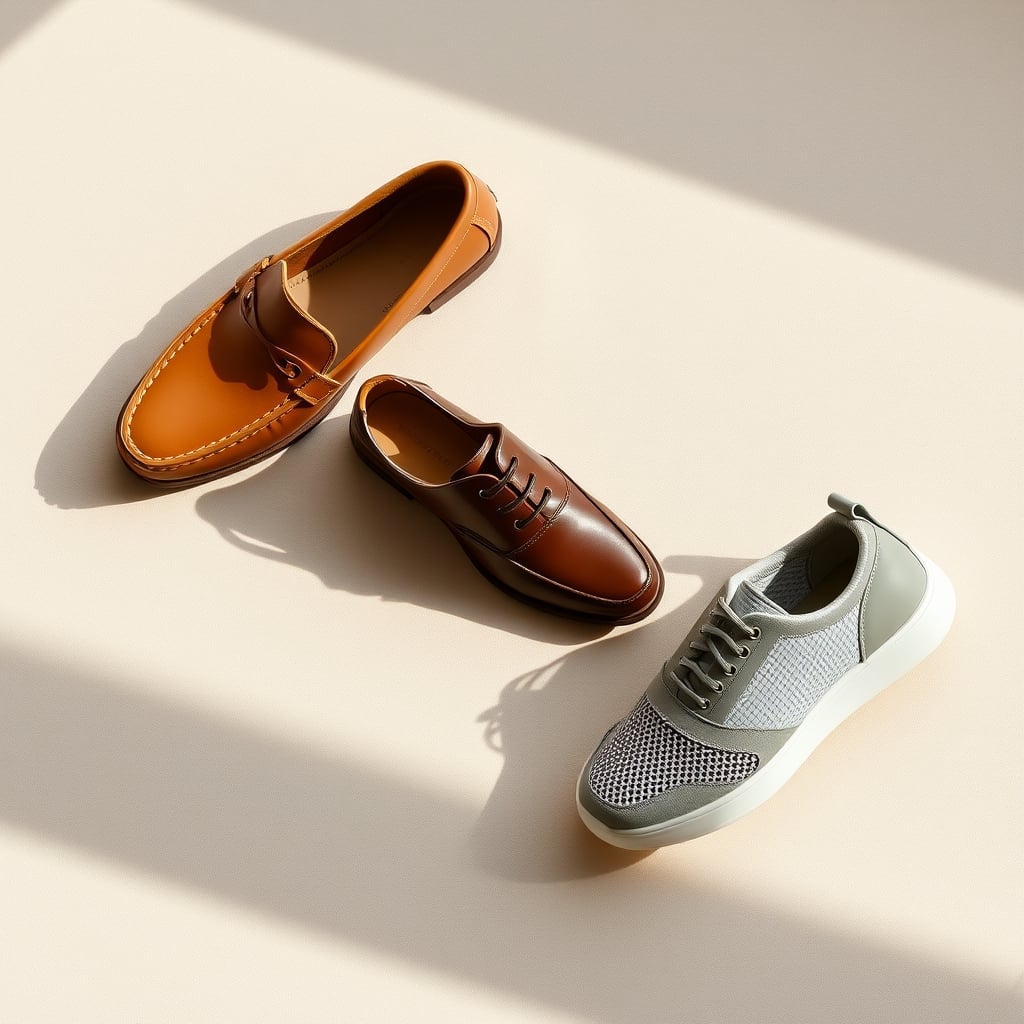
- Casual slip-ons or loafers for evenings
- 7 pairs of underwear
- Comfortable sleepwear
- 1 swimsuit (if your hotel has a pool or there’s a beach nearby)
City-Specific Gear
- Lightweight day pack or crossbody bag
- Portable phone charger
- Reusable water bottle
- Comfortable walking socks
- Sunglasses and hat (sun protection while sightseeing)
- Sunscreen
- A lightweight scarf (warmth, sun protection, can dress up an outfit)
Toiletries
- Full-size or travel-size versions depending on trip length
- Toothbrush and toothpaste
- Deodorant
- Face cleanser and moisturizer
- Any prescription skincare or medications
- Hair styling products (travel size)
- Makeup if you wear it
- Hand lotion
- Feminine hygiene products if needed
How to Organize Your Packing
Roll, don’t fold. Rolling clothes saves space, reduces wrinkles, and lets you see everything at a glance. Layer rolls in your luggage by weight (heavier items on bottom) or by outfit (keeping mix-and-match pieces together).
Use packing cubes. Separate categories into small mesh or fabric cubes: one for underwear and socks, one for tops, one for bottoms, one for outer layers. Cubes compress, stack neatly, and make repacking after laundry faster.
Wear your bulkiest items on the plane. Put on your hiking boots, jacket, or sweater during travel to save luggage space. You’ll be more comfortable if the cabin gets cold anyway.
Put liquids in a transparent toiletry bag. TSA currently requires carry-on liquids to be in a clear quart-size bag; a separate toiletry organizer in checked luggage prevents spills. Place heavier bottles on the bottom. Confirm the current rule with TSA.gov before departure, as policies can update.
Keep essentials in a personal item. Store medications, chargers, documents, and one change of clothes in your carry-on day pack in case your checked luggage is delayed.
Weigh your luggage before departure. Most airlines charge a fee for bags over 50 lbs (roughly 23 kg). Weighing at home lets you redistribute items before heading to the airport.
Common Packing Mistakes to Avoid
Overpacking shoes. You need maybe three pairs for a week-long trip: one for your main activity, one for casual evenings, and one backup. Shoes take up disproportionate space.
Forgetting to check the weather. A sudden rain or cold snap catches unprepared travelers off guard. Check the forecast 3–5 days before departure and adjust your layers accordingly.
Bringing too many “just in case” items. That fancy outfit you might wear to a nice dinner, the technical hiking gear you probably won’t need, the “backup” charger these add weight and bulk. Be realistic about what you’ll actually use.
Packing liquids in carry-on above the limit. TSA’s current 3.4-ounce-per-container rule means a 5-ounce sunscreen or full-size shampoo bottle will be confiscated at security. Buy travel sizes or plan to purchase them at your destination. Check TSA.gov for any rule updates before you travel.
Not duplicating essentials. If you take a medication daily, bring more than the trip length in case of delays. Same for sunscreen, deodorant, or any item you’ll need to replenish partway through.
Climate-Specific Adjustments
Hot and humid destinations: Prioritize moisture-wicking and breathable fabrics (cotton, linen, synthetic blends). Bring extra sunscreen and lip balm; plan for more frequent laundry or pack more underwear. Include a lightweight rain jacket tropical areas often have brief afternoon showers.
Cold destinations: Layer aggressively. Merino wool or synthetic base layers trap heat without bulk. Bring hand and toe warmers if you’ll be outside for extended periods. Pack a hat that covers your ears and gloves rated for the lowest temperature you’ll encounter.
Variable seasons (spring, fall): Bring a mix of short- and long-sleeve pieces and a mid-weight layer (cardigan, fleece). Temperatures can commonly shift 20 or more degrees between morning and afternoon; layering lets you adapt without overpacking.
FAQ
How do I pack a carry-on efficiently? Use the rolling method, keep heavier items on the bottom, and use every pocket (shoes on the sides, socks and small items in shoes). Wear bulky items on the plane, store liquids in a quart-size bag, and keep documents and electronics in the front pocket for easy access.
What should I pack if I’m traveling with kids? Bring extra changes of clothes (accidents happen), snacks, entertainment (books, tablet, headphones), medications, a first-aid kit, and a lightweight blanket or hoodie for air-conditioned spaces. Pack a change of clothes for yourself too in case of spills. Use a separate small backpack for each child so they can help find their own items.
Do I really need to download a checklist, or can I just make a list? A printed or digital checklist you can check off as you pack reduces the chance of forgetting something, especially on repeat trips. If you travel frequently, a saved template saves time. For one-off trips, a simple notes app list works fine the key is writing things down and reviewing it as you pack rather than packing from memory.
What items are worth buying at my destination instead of packing? Shampoo, conditioner, body wash, sunscreen, and deodorant are bulky and heavy; most destinations have these items at similar prices to home. Medications, prescription skincare, and brand-specific items are worth packing. Consider your destination: a major city will have pharmacies and drugstores; a remote location may not.
How do I prevent wrinkles without an iron? Rolling clothes and storing them tightly minimizes wrinkles. Hang your outfit in a steamy bathroom before wearing, or use a wrinkle-release spray (travel size). Most hotel front desks can iron items quickly if you need them pressed for a special occasion.