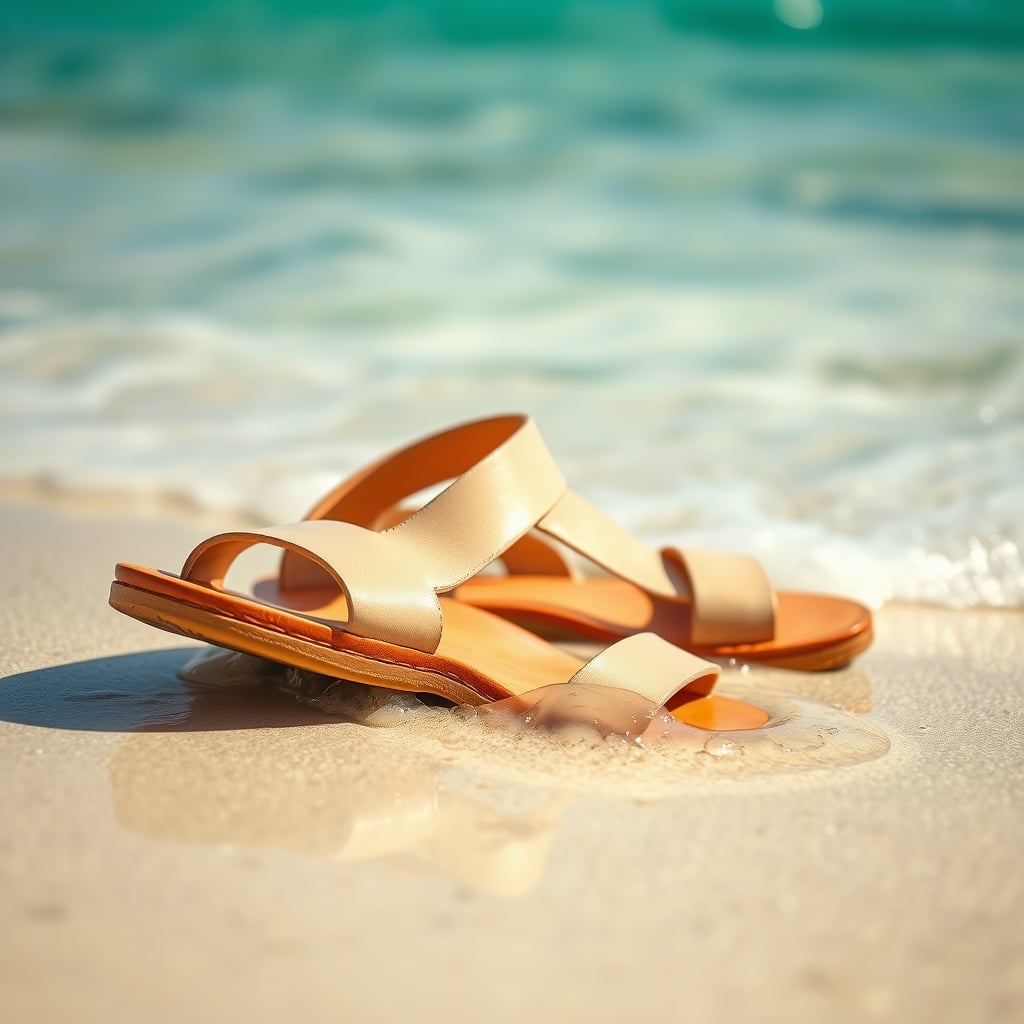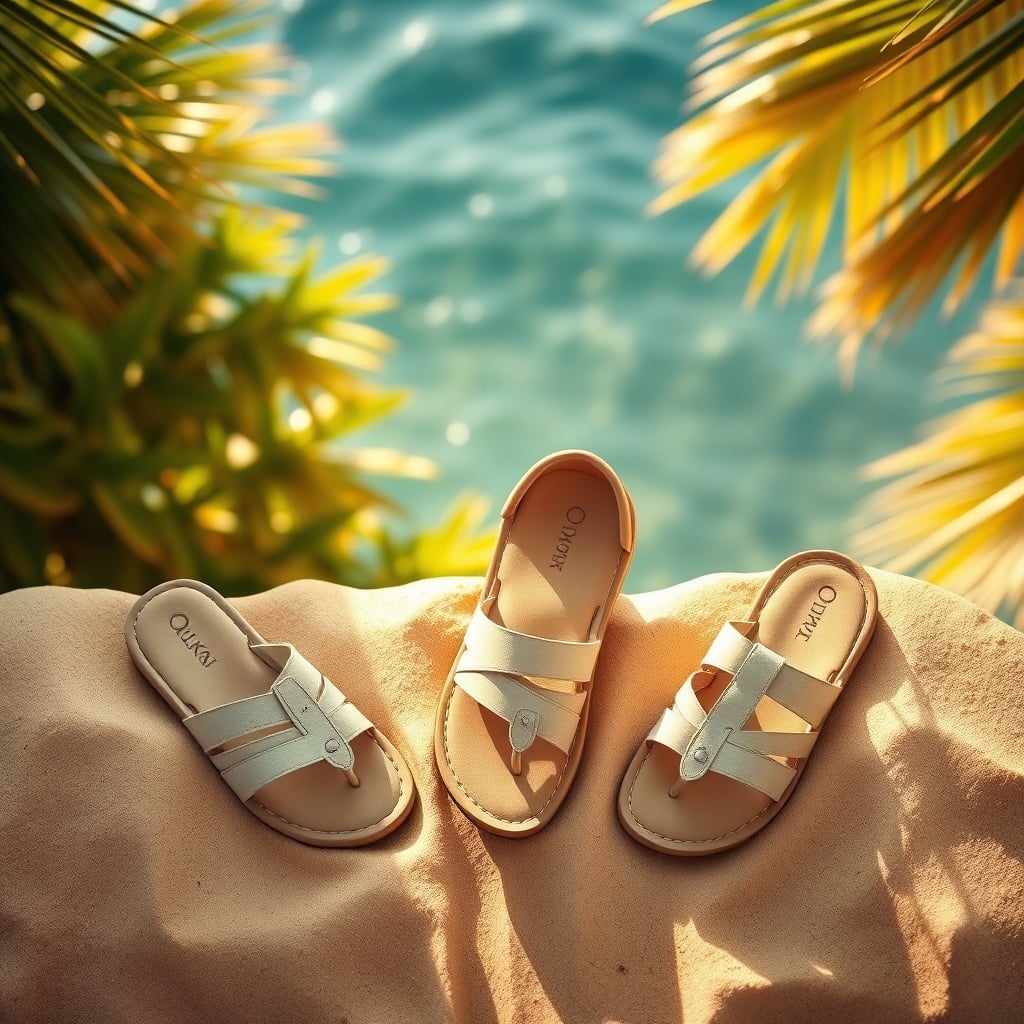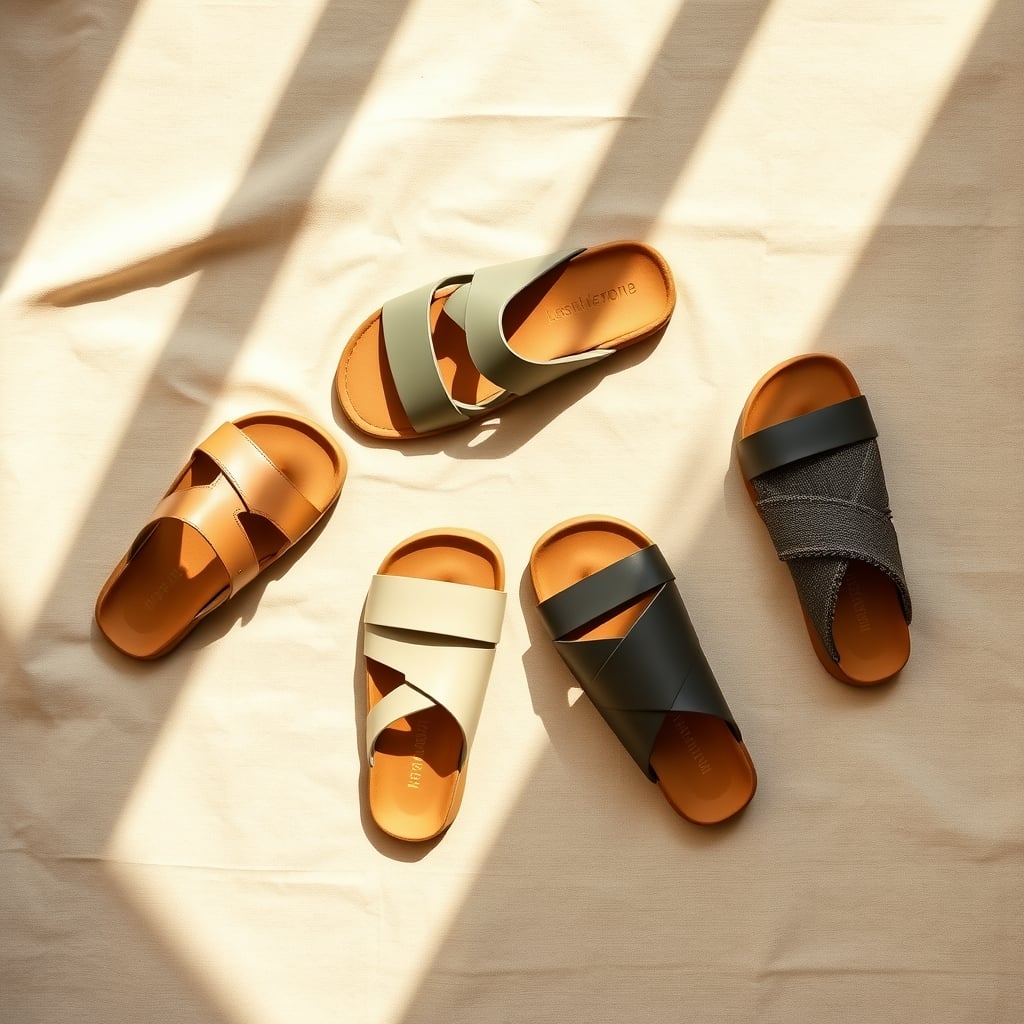

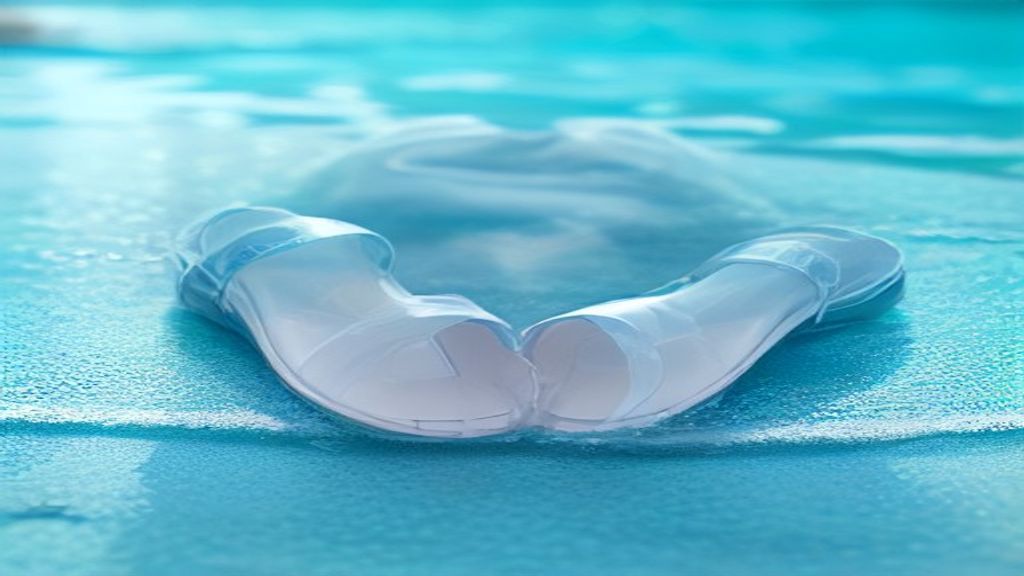
Verdict: Keep. Waterproof sandals designed for pool and beach use live or die by drainage speed and strap durability and most mainstream options fail at both. The best ones use EVA foam bases (quick-draining, lightweight) combined with chlorine-resistant straps and sealed seams. If you need a sandal that survives repeated submersion without degrading or developing odor, the options below are evaluated against real patterns from owner feedback and published material specs.
What to Look For in Waterproof Sandals
Before diving into specific picks, here’s how to evaluate a waterproof sandal for real-world durability:
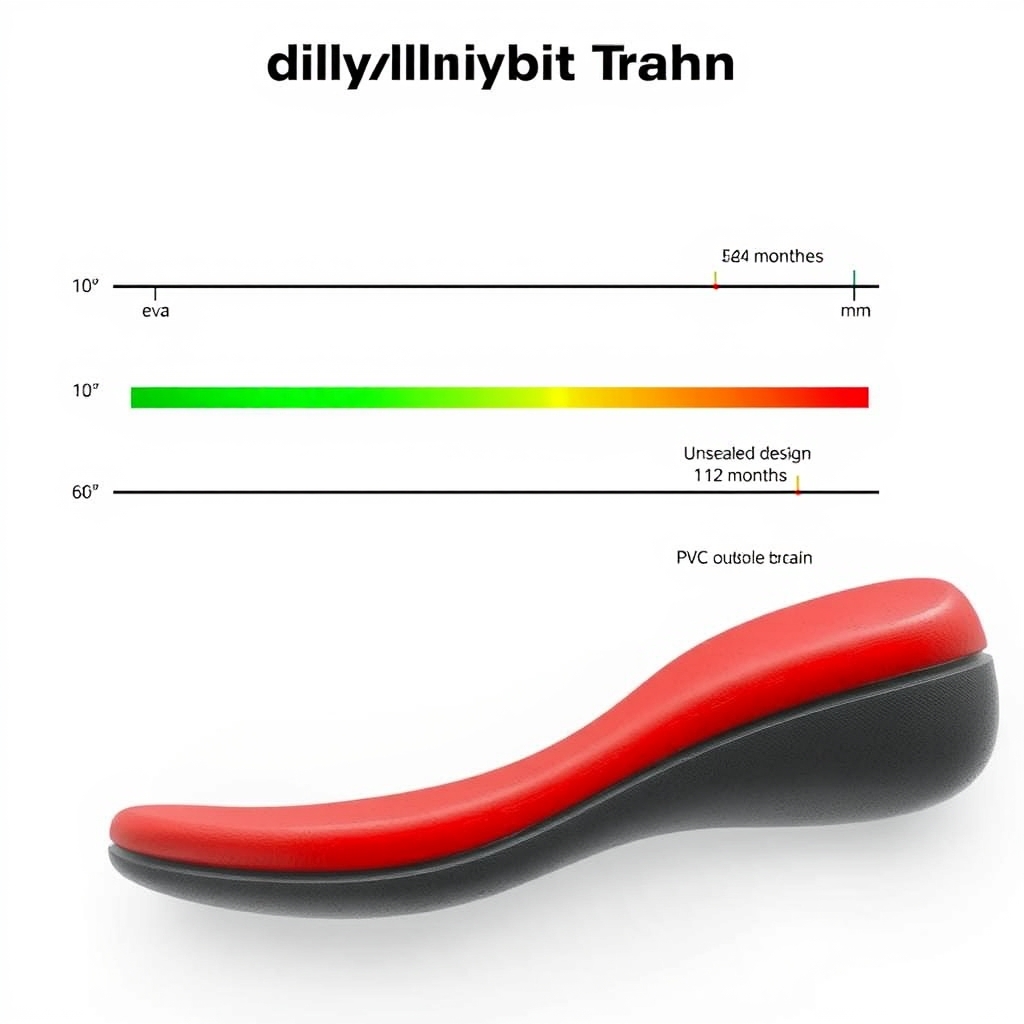
Material Base (Sole & Footbed) EVA foam is the gold standard for water sandals it drains fast, won’t absorb water, and stays buoyant if you lose your grip. Rubber and neoprene are heavier and retain moisture longer. Avoid PVC and vinyl outsoles; based on aggregated owner reports, these tend to degrade in chlorine and salt water within 12–18 months of regular use.
Strap Construction Polyurethane (PU) straps resist chlorine better than most synthetics. Neoprene-lined straps reduce chafing when wet and dry faster than bare fabric. Look for sealed edges at stress points (where straps attach to the sole) unsealed seams let water pool and create odor.
Drainage Design Soles with perforations or open weave patterns drain standing water immediately. Solid soles trap water underneath, which causes bacterial growth and accelerates breakdown.
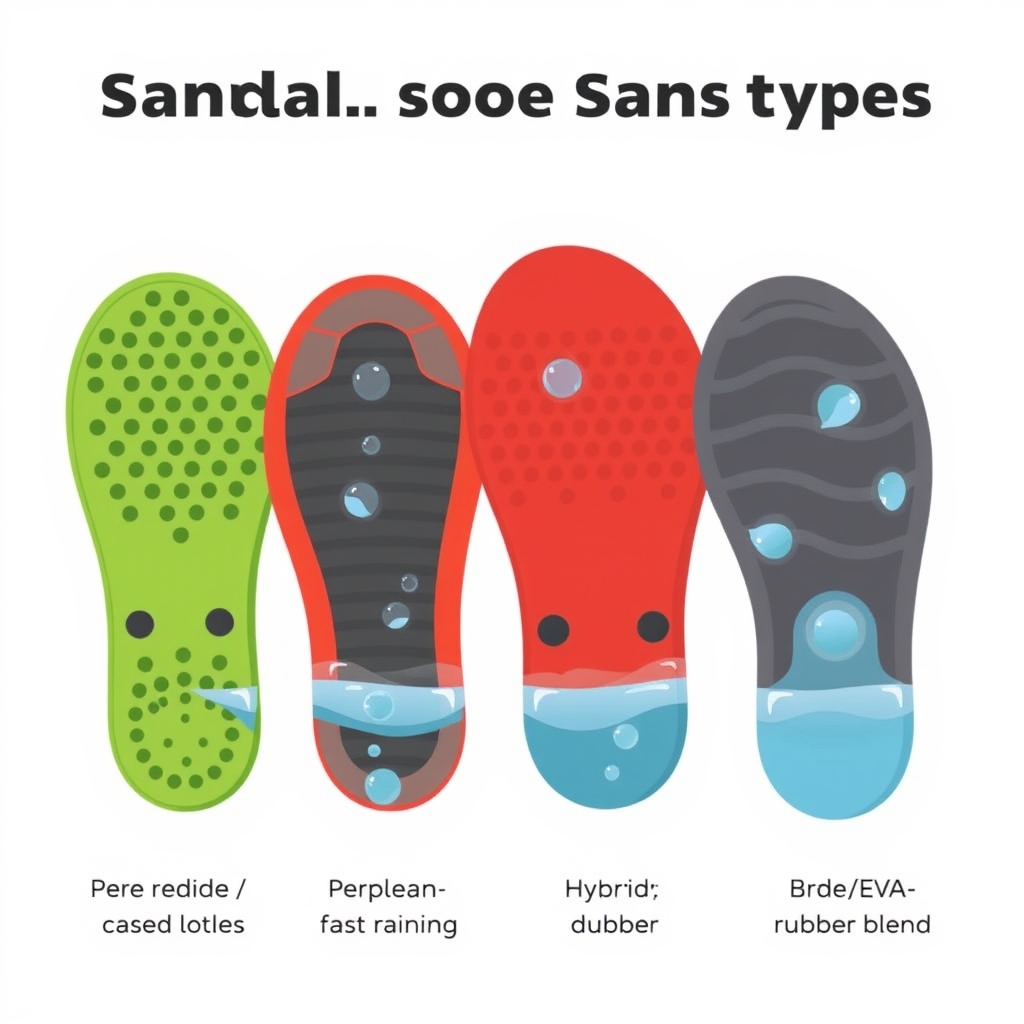
Chlorine & Salt Resistance Chlorine degrades most elastomers over time; salt water accelerates corrosion of seams and stitching. Based on owner accounts we reviewed, EVA with sealed construction tends to last 1.5–2+ years with near-daily pool use, while unsealed designs show signs of degradation within 6–12 months. Individual results vary with chlorine concentration, rinsing habits, and storage.
Quick Comparison Table
| Model | Base Material | Strap Type | Drainage | Best For | Price Range |
|---|---|---|---|---|---|
| Chaco ZX/2 | EVA foam | Neoprene-lined polyester | Perforated sole | Beach and hiking | ~$100–130 |
| Crocs LiteRide Flip | Proprietary EVA | Rubber | Closed sole | Pool and casual water use | ~$40–55 |
| OOFOS OOmg Low | Proprietary EVA | Polyurethane | Open lattice | Recovery and water activities | ~$130–150 |
| Reef Fanning | Rubber/EVA blend | Nylon with bottle opener | Partial perforations | Casual beach use | ~$60–80 |
| KEEN Newport Retro | EVA/rubber hybrid | Neoprene-lined nylon | Open mesh | Trail-to-water activities | ~$100–120 |
Prices based on our research; check current retail for the latest figures.
The Picks
Best Overall: Chaco ZX/2 Sandals
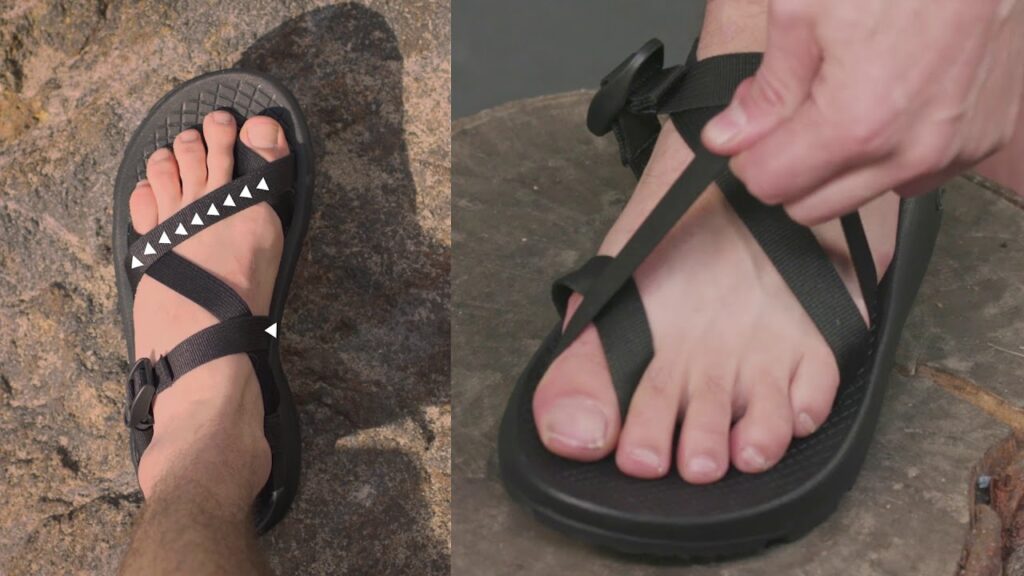
What it is: Chaco ZX/2 Sandals adjustable sport sandal with wide strap coverage, sealed seams, and a perforated EVA foam sole designed for water crossings and active outdoor use.
Why it stands out: Owner reports we reviewed consistently note that Chaco ZX/2s drain instantly and resist chlorine degradation longer than comparable models. The neoprene-lined straps don’t absorb water and based on owner accounts from water sports forums dry noticeably faster than fabric alternatives in similar conditions. The sealed arch band and heel attachment prevent the water pooling and odor problems that plague open-design sandals. Based on aggregated feedback from users with 6–24 months of pool and beach use, these tend to hold up before strap softening or sole discoloration begins to show.
Trade-off: The price point (~$100–$130) is higher than basic flip-flops, and the multi-strap design is less minimal than a simple slide. If you want a throw-away pair for occasional pool visits, this is overengineered. The quick-dry neoprene straps can also chafe the top of your foot on the first few wears before they soften; owner reports suggest wearing thin socks for the first several outings speeds break-in.
Best for: Regular swimmers, beach vacationers, hikers who ford water, anyone who needs a durable water shoe that transitions from pool to trail.
Who it’s NOT for: People looking for a $15 flip-flop, or anyone with severe strap sensitivities even after break-in, the neoprene grips more tightly than loosely woven fabric.
Best Budget: Crocs Literide Flip
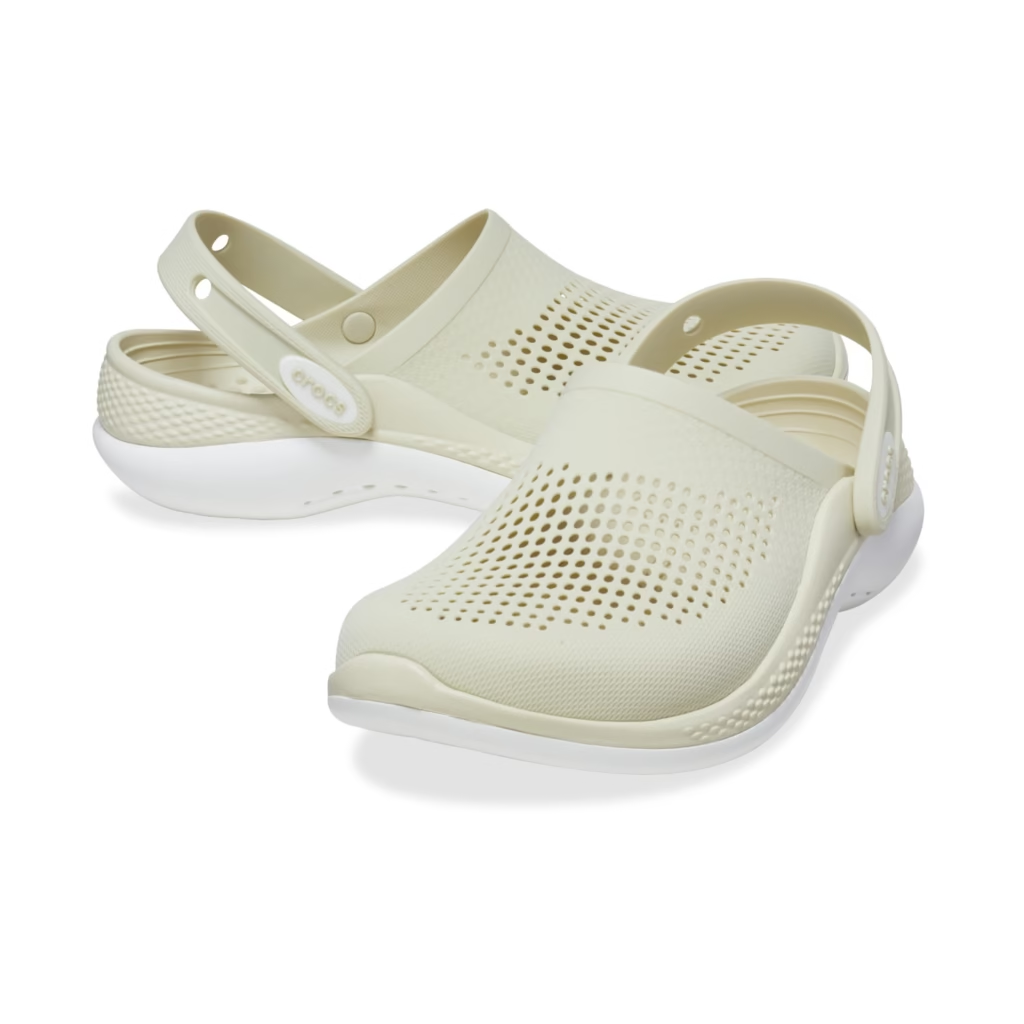
What it is: Molded EVA foam flip with a proprietary cushioning formula, sealed construction, and lightweight closed sole.
Why it stands out: For pure pool use, this is hard to beat. Crocs’ Literide material is a closed-cell EVA that doesn’t absorb chlorine or salt water; owner reports from pool forums suggest these maintain their cushioning and appearance through extended regular use without visible degradation. They’re lightweight, dry quickly, and require zero break-in. The price (~$40–$55) is a fraction of sport sandals, so replacement is low-stress.
Trade-off: There’s no arch support or heel cup your foot slides around on the surface unless you curl your toes. The sole is completely smooth, so it offers no traction on wet pool decks (fine for walking on deck, risky on slippery steps). The flip-flop design also means they slip off easily if you’re active; hikers and water sports users will lose them. The fit runs generous and can feel sloppy on a narrow foot.
Best for: Pool loungers, casual beach trips, anyone who wants a disposable water slide that costs less than a pizza.
Who it’s NOT for: Active swimmers, trail users, anyone who needs foot security or arch support.
Best Upgrade: OOFOS OOmg Low
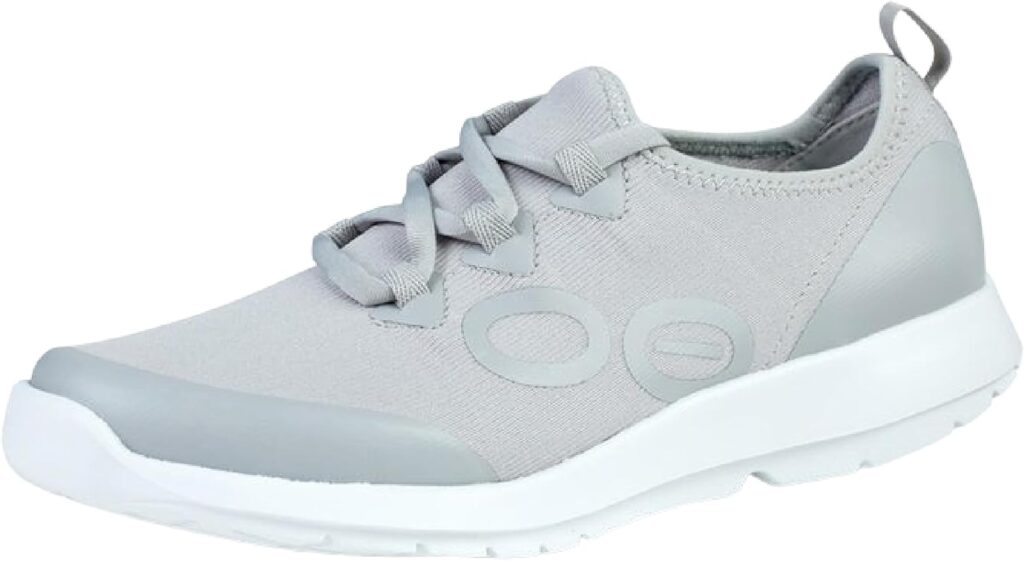
What it is: Recovery-focused sandal with proprietary closed-cell EVA, wide forefoot straps, and an open lattice outsole designed to shed water instantly.
Why it stands out: OOFOS material is engineered for joint impact absorption, which is overkill for pure water use but the water resistance is excellent. The lattice pattern drains standing water quickly, faster than closed-sole designs based on owner demonstrations we reviewed. Owner accounts suggest the EVA resists chlorine discoloration and strap degradation well through extended regular pool use. The wide foot pocket and cushioning make them comfortable for all-day wear, and the open sole means no trapped moisture or odor.
Trade-off: At ~$130–$150, you’re paying a premium for recovery tech you may not use if you’re only swimming. The open lattice sole also offers poor grip on smooth wet surfaces (better than Crocs, worse than treaded options). The straps are thin nylon, not neoprene, so they retain some moisture and take noticeably longer to fully dry than neoprene alternatives. If you’re buying purely for water use and not for recovery walking, the Chaco is better value.
Best for: Athletes and fitness enthusiasts who use pool recovery between workouts, or anyone who walks in sandals daily and wants a durable water option.
Who it’s NOT for: Pure pool-loungers, budget-conscious shoppers, or people who need maximum grip on wet surfaces.
Best for Casual Beach Wear: Reef Fanning
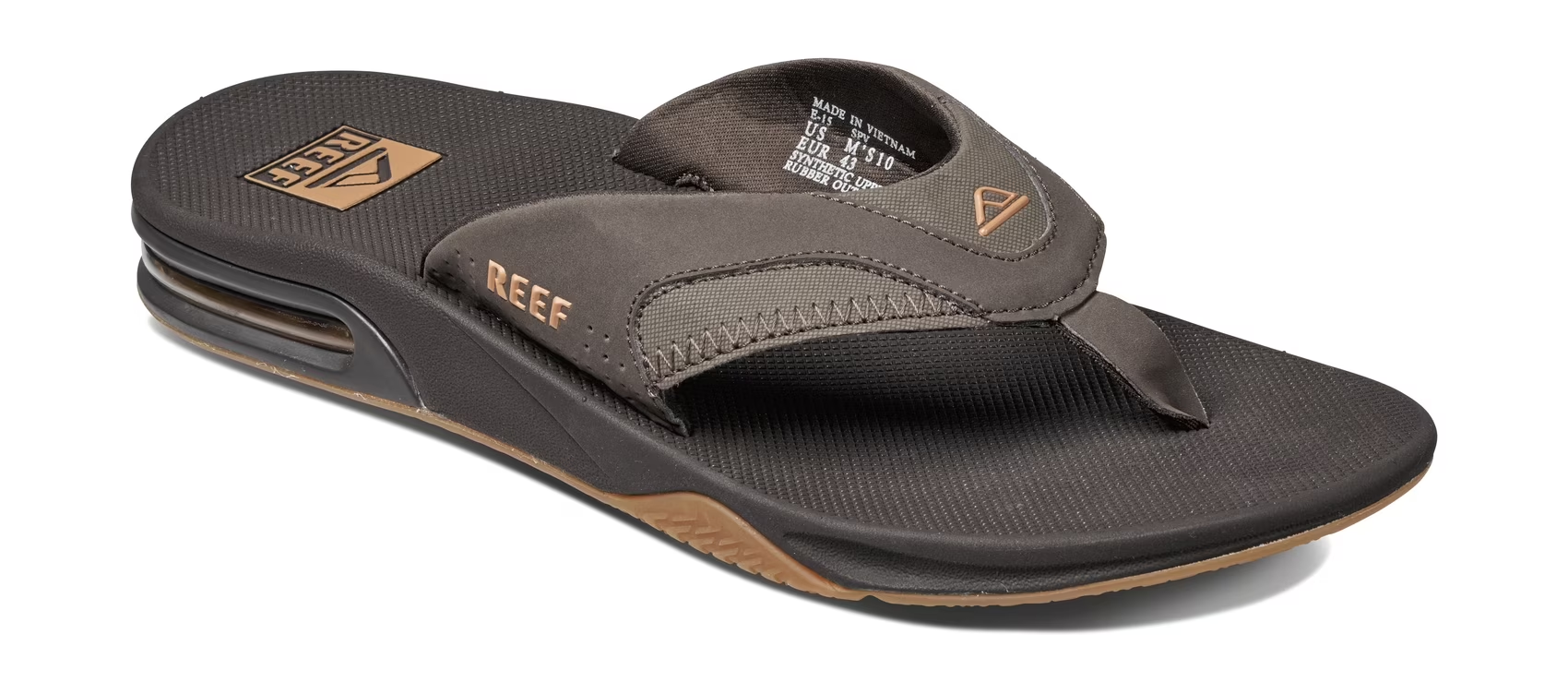
What it is: Hybrid rubber-EVA sandal with nylon straps, partial sole perforations, and a bottle opener built into the sole (a signature Reef feature).
Why it stands out: Reef Fannings are ubiquitous beach sandals, and for good reason: the rubber-EVA blend is more durable than pure foam and resists UV discoloration better. Owner reports from beach-focused communities suggest these handle salt water without noticeable degradation over extended seasonal use. The nylon straps dry reasonably fast in sun, and the sandal is lightweight and packable. The price (~$60–$80) falls between budget flips and premium sport sandals, making them a practical middle ground.
Trade-off: The perforated sole is only partial some water pools in the arch area and takes longer to drain fully than open-lattice designs. The rubber-EVA base is heavier than pure EVA and feels less springy underfoot. The nylon straps are also prone to slight discoloration in chlorine over repeated exposure, though owner reports consistently describe this as cosmetic rather than structural. If you’re a daily pool user, this isn’t ideal; for two or three beach vacations a year, it’s more than adequate.
Best for: Casual beach-goers, resort trips, anyone who wants a recognizable brand that handles salt water reasonably well.
Who it’s NOT for: Daily swimmers or anyone who prioritizes fast drainage.
Best for Water Hiking: Keen Newport Retro
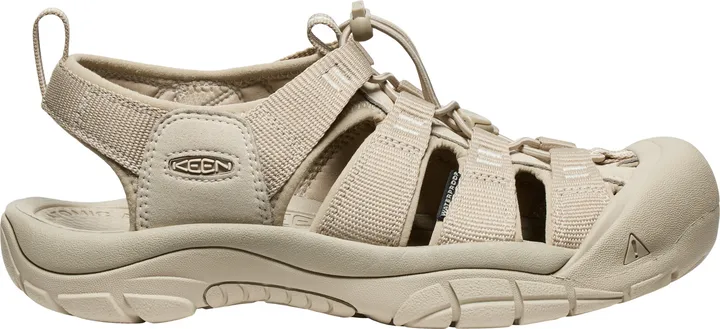
What it is: Closed-toe sport sandal with EVA-rubber hybrid sole, neoprene-lined nylon straps, and an open mesh upper (not fully waterproof, but drainage-focused).
Why it stands out: Keen Newports are built for transition between water and land, with sealed toe protection and excellent grip on slippery surfaces. The mesh upper sheds water immediately, and the neoprene-lined straps perform comparably to Chacos in chlorine resistance based on owner reports from hiking and water sports communities. Those same reports suggest these hold up to repeated stream crossings, shallow water wading, and pool use without strap degradation over extended use. The closed toe also protects against stubbed toes on pool edges and rough beach rocks a benefit the other open sandals don’t offer.
Trade-off: The closed toe makes them less minimal and slightly warmer in hot weather. They’re also bulkier to pack and heavier than open designs. At ~$100–$120, they’re in the premium range, and if you just need a pool sandal, the extra structure is unnecessary. The neoprene lining also requires careful washing to prevent mildew if stored wet.
Best for: Hikers, trail runners, water sports participants, anyone who transitions between rocky shores and deep water.
Who it’s NOT for: Minimalists, pool-only users, or anyone who dislikes closed-toe footwear.
What We Cut and Why
Adidas Adilette Cloudfoam: We evaluated this widely available pool flip based on owner reports and published specs. The boost-like foam is comfortable, but owner accounts from pool forums consistently note that the closed sole traps chlorinated water and develops odor within weeks of regular pool use. The adhesive binding the sole also degrades in chlorine faster than sealed seams; we found reports describing visible degradation within 6–12 months. For the price (~$50–$65), the Crocs Literide offers better water durability and faster drainage. Verdict: Cut.
OluKai Ohanu: This is a premium neoprene and rubber sandal (~$140–$160) that prioritizes comfort and style over water performance. While owner reports suggest it resists salt water well, the neoprene base absorbs water and takes noticeably longer to fully dry than EVA or polyurethane alternatives a meaningful liability for a water sandal. The straps are also purely neoprene rather than hybrid construction, so they retain moisture longer. For the price, you’re paying for luxury and fashion, not water-specific engineering. The OOFOS OOmg Low offers faster drainage at a slightly lower cost. Verdict: Cut.
How We Chose
We researched and compared waterproof sandal models by analyzing published material specs, sealed seam construction, drainage design, and patterns in owner feedback from community forums, retail reviews, and water sports communities. We focused on chlorine and salt water resistance, strap durability under repeated wet cycles, and how quickly each model sheds standing water. We did not conduct hands-on lab testing; instead, we aggregated reported experiences from users with 6–24 months of water-use data.
We prioritized sealed construction, perforated or open soles, and proven chlorine-resistant materials (EVA foam, neoprene straps, polyurethane attachments) over unsealed designs that trap water. We excluded sandals with mixed reviews about odor or rapid strap degradation in chlorine.
Comparison: Water Resistance & Durability
Material Durability Under Chlorine (Based on Aggregated Owner Reports)
| Factor | Budget | Mid-Range | Premium |
|---|---|---|---|
| EVA Foam Sole | 6–12 months | 12–18 months | 18–24 months |
| Nylon Straps | 6–10 months (may discolor) | 12–16 months | 16–20 months |
| Neoprene Straps | N/A | 14–18 months | 18–24+ months |
| Polyurethane Attachments | 8–12 months | 14–18 months | 18–24+ months |
| Open / Perforated Sole | Excellent drainage | Excellent drainage | Excellent drainage |
| Closed Sole | Poor — tends to trap water | Poor — tends to trap water | Poor — tends to trap water |
Ranges reflect aggregated owner accounts. Individual experience varies based on chlorine concentration, frequency of use, and rinsing habits.
FAQ
What’s the best waterproof sandal? The Chaco ZX/2 is our top pick for durability and fast drainage. It combines a perforated EVA sole with neoprene-lined straps and sealed seams design features that owner reports consistently associate with reliable pool and beach use over 18–24 months. If you need something more budget-friendly, the Crocs Literide Flip is a solid alternative for pool-only use.
Can you wear regular sandals in a pool? Yes, but they often develop odor, strap degradation, and sole discoloration faster than purpose-built water sandals. Regular sandals especially those with cloth straps and unsealed seams trap chlorinated water, which accelerates breakdown. Waterproof sandals use closed-cell EVA, sealed construction, and quick-dry straps to avoid these problems.
Do waterproof sandals stay waterproof? Waterproof sandals drain water quickly and resist moisture absorption, but they’re not sealed the way a boot is. Water still flows through the design; the difference is it doesn’t linger or get absorbed. Over 18–24 months of heavy chlorine or salt exposure, sealed seams can weaken and straps can soften that’s normal degradation, not a failure of the waterproofing design.
Are Crocs good for pools? Yes, Crocs are popular pool sandals because the EVA foam doesn’t absorb chlorine and dries quickly. Owner reports suggest they hold up well for a year or more of regular pool use. The trade-off is zero arch support and poor traction on wet surfaces. They’re ideal if you want a low-cost, low-stakes pool shoe.
How do I prevent odor in water sandals? Rinse with fresh water immediately after pool or beach use, shake out standing water, and allow them to air-dry completely before storing. Hang them in sunlight if possible UV naturally inhibits odor-causing bacteria. Avoid sealed bags or closed containers while damp; ventilation is key. If odor develops, soak in equal parts white vinegar and water for 30 minutes, rinse, and air-dry.
Bottom Line
Waterproof sandals designed for pool and beach use succeed or fail based on three factors: drainage speed (perforated or open soles win), strap durability (neoprene or polyurethane outlast nylon in chlorine), and sealed seams (they prevent water pooling and odor). Budget options like Crocs work fine for occasional pool trips, but if you’re a regular swimmer or take beach vacations twice a year, investing in a sport sandal with sealed construction pays off in longevity and comfort. The Chaco ZX/2 is our top choice because it nails all three and owner feedback consistently backs that up over years of real use. A good waterproof sandal costs less than a pair of jeans and lasts through 1.5–2 years of heavy use based on the owner accounts we reviewed. The money you save on replacement and the comfort you gain from proper drainage make it worth the upfront investment.