
Home Wellness and Recovery Devices: Infrared Saunas, Cold Plunges, and More
Home recovery devices infrared saunas, cold plunges, massage chairs, and red-light therapy systems promise faster healing, better sleep, and reduced stress without leaving your garage. The category has exploded over the last few years, and prices now range from a few hundred dollars to $20,000+. But not every device delivers on its wellness claims, and some require serious space, electrical work, or ongoing maintenance that catches most buyers off guard.
This guide walks you through five core evaluation criteria, covers the main device types, calls out the most common pitfalls, and helps you figure out what’s worth buying versus what’s marketing filler.
What Home Recovery Devices Actually Are (and Aren’t)
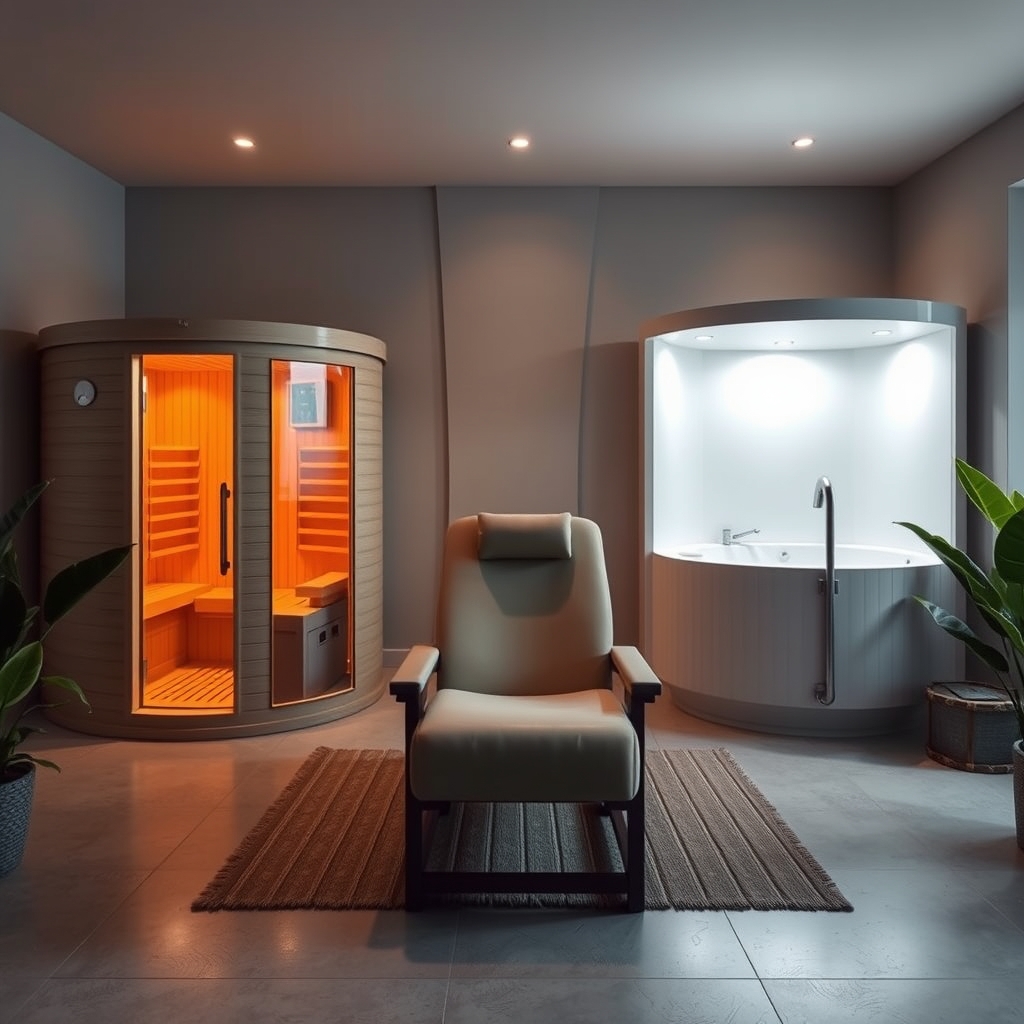
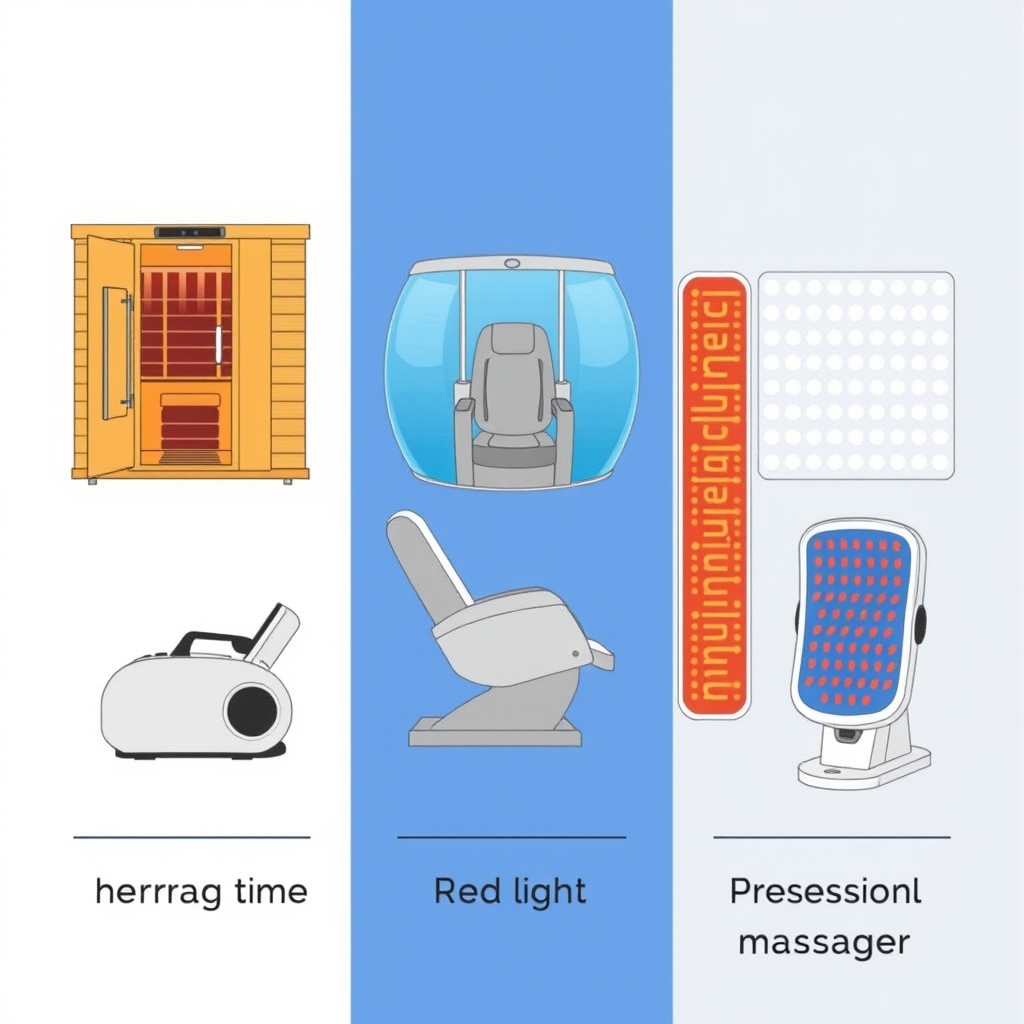
Home recovery devices are wellness tools designed to reduce muscle soreness, improve circulation, lower stress, or support sleep through heat, cold, massage, or light exposure. The category includes infrared saunas, cold plunge pools, contrast therapy setups (sauna + cold plunge back-to-back), massage chairs, percussion massagers, and light-therapy panels.
What they are: devices meant to support post-workout recovery, stress relief, and general wellness at home.
What they aren’t: medical devices (though some claim clinical-grade function), replacements for movement or sleep, or guaranteed fixes for injury.
The market is split into budget-friendly entry points (massage chairs $800–$3,000; light panels $200–$800) and premium wellness suites (infrared saunas $2,000–$8,000; cold plunges $3,000–$15,000). Most owners use combinations a sauna + cold plunge + massage chair as a weekly rotation rather than investing in a single device.
Evaluation Criterion 1: Wellness Claim Verification
Rule of thumb: Look for studies that isolate the device (not just the activity), published in peer-reviewed journals or cited by major health institutions not just brand marketing.
Almost every recovery device marketing site cites wellness research, but most of that research is about heat, cold, or massage in general not the specific device you’re buying. A sauna study, for instance, might show cardiovascular benefits, but it doesn’t prove the $4,000 infrared model sitting in someone’s garage is more effective than a $500 portable steam sauna.
The trap: Brand websites stack research citations to make it seem like their device is clinically validated. It rarely is. Most infrared saunas and cold plunges cite general heat/cold immersion science, not product-specific trials.
What’s enough: Look for (a) third-party testing or review by a wellness research organization, (b) owner reports from your preferred device across multiple reviews, or (c) realistic benefit claims (“may support circulation” vs. “cures arthritis”). If a brand’s own website is the only citation, assume the underlying science is real but the device’s advantage over a cheaper alternative is unproven.
Minimum spec to keep:
- Brand cites peer-reviewed research (not just blog posts)
- Studies reference general heat/cold/light benefits, not miraculous claims
- Independent reviewers or owners report consistent, modest benefits
- Marketing language uses “may support” or “commonly reported” rather than “proven to cure”
Common misconception debunked: Infrared saunas are not more detoxifying than traditional saunas. Both induce sweating; sweat composition is similar. The “infrared detox” pitch is marketing the device does provide heat and relaxation, but the detoxification angle is overstated. A traditional sauna works just fine.
Evaluation Criterion 2: Installation and Space Footprint
**Rule of thumb: Measure your available space against the device’s footprint plus access and ventilation clearances; most buyers underestimate the real estate needed.
Infrared saunas, cold plunges, and massage chairs all have hidden space demands. An infrared sauna looks like a phone booth but needs 2–3 feet of clearance on one side for the door. Cold plunges need plumbing access, a floor drain or pump-out system, and dedicated power. Massage chairs need 4–6 feet of legroom in front.
The trap: Buyers measure the device itself, not the space required to use it safely. A $3,000 infrared sauna crammed into a corner without ventilation will accumulate mold and feels claustrophobic.
What’s enough: Choose a location with at least the manufacturer’s recommended clearance, a nearby electrical outlet (or willingness to run a line), and ventilation (a window or exhaust fan). For cold plunges, confirm your floor can handle the weight most filled units run 2,000–4,000 lbs and that you have a drain or pump available.
Minimum spec to keep:
Evaluation Criterion 3: Maintenance and Operating Costs
Rule of thumb: Cold plunges and saunas generate recurring costs (water, electricity, filters) that most buyers underestimate; factor these into your decision before buying.
Based on published wattage specs and typical utility rates we’ve reviewed, an infrared sauna drawing around 4 kW per session translates to roughly $0.50–$2 per 45-minute use at average U.S. electricity rates though your actual cost will vary by region and usage frequency. A cold plunge chiller consumes similar or greater power depending on ambient temperature. Both require periodic filter changes, chemical balancing (for cold plunges), or cleaning. Massage chairs are lower-maintenance but can need motor or roller repairs after heavy use.
The trap: Most marketing materials quote the device’s price, not the total cost of ownership over five years. A $5,000 cold plunge with roughly $1,200/year in estimated electricity and maintenance adds up fast if you’re not using it regularly.
What’s enough: Choose a device with accessible filters, straightforward water treatment (or none), and clear electricity estimates from the manufacturer. Look for warranty coverage on the chiller and motor that’s where costs spike. A working budget of 15–20% of the device’s purchase price annually for ongoing care is a reasonable starting point based on owner community reports.
Minimum spec to keep:
Evaluation Criterion 4: Build Quality and Durability
Rule of thumb: Saunas and cold plunges are durable if their heater/chiller is rated for the climate, the wood or acrylic is sealed properly, and the electrical components are UL-certified or equivalent.
Based on owner community reports and retailer documentation we’ve reviewed, most infrared saunas hold up for 5–10 years with basic care though that range reflects significant variation in build quality. Cold plunges vary more widely: acrylic shells can crack under UV or extreme cold, and chillers fail when undersized for ambient temperature. Massage chairs typically hold up for several thousand hours of use before rollers wear or motors need rebuilding.
The trap: Premium-priced doesn’t always mean durable. A $6,000 sauna with single-wall wood and a weak heater may fail sooner than a $3,000 model with proper insulation and a solid heater element. Cold plunges in hot climates often overheat their chillers, cutting lifespan noticeably.
What’s enough: Look for devices with insulation specs (R-value for saunas), chiller capacity matched to your climate, and heater wattage that reaches the desired temperature without strain. Check that wood is treated for moisture and that seals are replaceable, not glued.
Minimum spec to keep:
Evaluation Criterion 5: Cost and Budget Alignment
Rule of thumb: Entry-level devices ($500–$2,000) deliver the majority of the wellness benefit of premium models for most users; don’t assume higher price means proportionally better results.
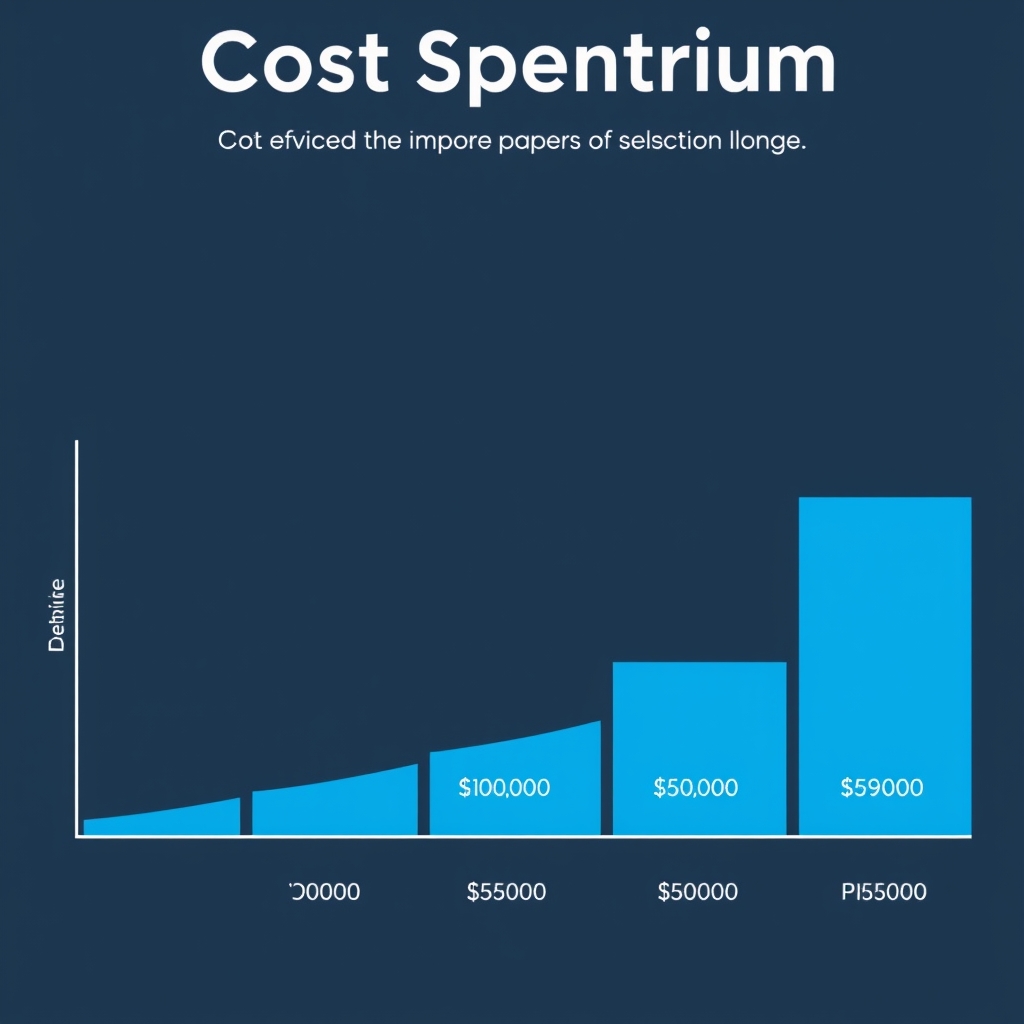
The home recovery device market has steep price tiers, but value doesn’t scale linearly. A $1,200 massage chair handles most recovery needs about as well as a $4,500 model for the average user. A $2,000 portable infrared sauna works nearly as well as a $6,000 built-in for pure heat delivery. Cold plunges, however, have wider real-world performance gaps budget chillers frequently underperform in warm weather, which is worth paying up to avoid.
The trap: Marketing positions premium devices as status symbols or all-in-one solutions. Most people end up using one or two tools regularly and abandoning the others. Overspending on a suite of devices you won’t use consistently is the most common regret we see in owner communities.
What’s enough: Define your actual use case (weekly sauna + monthly cold plunge, or daily massage chair?), then buy the minimum device that supports that habit. A single $2,000 infrared sauna used three times a week beats a $10,000 wellness suite used twice a month.
Minimum spec to keep:
Main Device Types: What to Expect
Infrared Saunas
Infrared saunas use far-infrared light to heat the body directly, rather than heating air like traditional saunas. They’re smaller, use less electricity, and reach comfortable temperatures faster. Typical observed retail range: $1,000–$8,000. Most are portable or built-in, single-occupant models; some brands (Sunlighten, HigherDOSE, Clearlight) dominate the mid-to-premium tier.
Reality check: Infrared saunas are more convenient than traditional saunas but not fundamentally superior for wellness. Both induce heat stress and improve circulation. Pick infrared if space is tight; pick traditional if you prefer higher temperatures.
Cold Plunges
Cold plunge pools are small, insulated tanks (typically 200–400 gallons) filled with cold water (usually 39–55°F / 4–13°C). A chiller maintains the temperature. Brands with strong owner communities include Plunge, Ice Barrel, and Morozko. Observed retail price range: $3,000–$15,000 depending on size and chiller capacity.
Reality check: Cold plunges are more commitment than saunas. You need dedicated space, electrical service, and water access. They’re worthwhile if you’re doing hard training, but casual users rarely find the motivation to use them regularly.
Massage Chairs
Electric massage chairs provide kneading, percussion, or shiatsu massage to back, neck, and legs. Entry-level: $800–$2,000. Premium models (Osaki, Human Touch): $2,500–$6,000. Some offer heat, air compression, or zero-gravity recline.
Reality check: Massage chairs are the most “set and forget” device in the category many people use them daily. But quality varies sharply. Budget models offer basic vibration; premium ones simulate actual massage more convincingly. If you’re committing, spending at least $1,500 is where durability becomes reliable based on owner reports.
Red-Light and Light-Therapy Panels
LED panels emit red (~660 nm) or near-infrared (~850 nm) light to support skin health, circulation, and potentially workout recovery. Brands with established track records include Joovv and BioMax. Observed retail price range: $200–$1,500 depending on output power and coverage area.
Reality check: Light therapy has solid research support for skin health and mood. It’s the lowest-commitment, lowest-cost entry point to home recovery. Start here if you’re unsure about investing in larger devices.
Massage Guns and Percussion Devices
Hand-held, battery-powered devices that deliver rapid percussive massage to muscle groups. Observed retail range: $150–$800 (Theragun, Hypervolt, Normatec are the established names). Portable and low-maintenance, but not a replacement for a full massage chair or sauna.
Reality check: Massage guns are useful for targeted muscle soreness but don’t replace full-body recovery. Use as a supplement, not a primary device.
Common Mistakes to Avoid
1. Buying without measuring space. A sauna or cold plunge that doesn’t fit your room or can’t be accessed safely becomes an expensive decoration. Measure twice, confirm clearances, and get written dimensions from the manufacturer before ordering.
2. Underestimating electricity and plumbing costs. If your home doesn’t have a 240V circuit near your sauna location or a floor drain near the cold plunge, installation costs can exceed the device itself. Get quotes from a licensed electrician or plumber before committing.
3. Assuming high price equals better wellness outcomes. A $2,000 infrared sauna delivers the same heat as a $6,000 model. The difference is finishes, insulation, and aesthetics not fundamental heat delivery. Don’t overpay for luxury if you’re focused on recovery.
4. Buying a suite when you’ll only use one device. Most people who invest in “full wellness setups” (sauna + cold plunge + massage chair + light panel) end up using one tool regularly and ignoring the rest. Start with your primary tool; add others later if you genuinely use the first one.
5. Skipping the maintenance plan. Filters, water treatment, and chiller servicing add up. Planning for roughly 15–20% of the device’s purchase price annually for upkeep is a reasonable baseline or you’ll regret it when a filter replacement feels like a surprise bill.
6. Not checking warranty and return policy.** Some devices are final-sale. If a $4,000 infrared sauna arrives and doesn’t fit, you’re stuck. Confirm 30–60 day return windows and what’s covered under warranty.
Comparison: Entry-Level vs. Premium Tiers
| Criterion | Entry-Level ($500–$2,000) | Mid-Range ($2,000–$5,000) | Premium ($5,000+) |
|---|---|---|---|
| Wellness benefit | Solid for most users | Incrementally better | Marginal gain over mid-range |
| Durability (estimated) | ~4–6 years typical | ~6–10 years typical | ~8–12 years typical |
| Build quality | Adequate; may feel utilitarian | Solid; noticeable finish improvement | Premium finishes; refined engineering |
| Maintenance | Standard; accessible parts | Standard; good support | Often easier; premium support |
| Resale value (estimated) | ~20–30% of purchase price | ~30–40% of purchase price | ~40–50% of purchase price |
| Best for | Casual users; budget-conscious | Regular users; balanced choice | Daily users; luxury expectation |
Note: Durability ranges and resale figures are estimates based on community owner reports and typical resale listings we’ve reviewed; actual results vary significantly by brand, climate, and use intensity. These are not guaranteed outcomes.
Budget Breakdown: What You’re Actually Spending
If you’re considering a $3,000 infrared sauna, here’s a realistic cost picture based on typical installation and usage scenarios:
- Device purchase: $3,000
- Electrical installation (new 240V circuit): $500–$1,500
- First-year maintenance (filters, cleaning supplies): $100–$200
- Annual electricity (estimated for ~100 sessions/year at ~4 kW): $150–$400
- Warranty/protection (optional): $200–$400
- Total first-year cost: ~$3,950–$5,500
- Year 2+ annual cost: ~$250–$600
For a cold plunge ($5,000 device):
- Device purchase: $5,000
- Installation (drain or pump, electrical): $1,000–$3,000
- First-year chiller electricity (estimated; varies significantly by climate and usage): $800–$1,500
- Water treatment and filters: $200–$400
- Total first-year cost: ~$7,000–$9,900
- Year 2+ annual cost: ~$1,000–$2,000
For a massage chair ($2,000 entry-level model):
- Device purchase: $2,000
- Delivery and setup: $200–$500
- Maintenance (occasional repairs, warranties): $100–$300/year
- Total first-year cost: ~$2,300–$2,800
- Year 2+ annual cost: ~$100–$300
The key takeaway: cold plunges and saunas are ongoing investments. Massage chairs are lower-cost and lower-commitment but wear out faster. Light panels are the cheapest entry point and need almost no maintenance.
Top Picks by Category
Best Entry-Level Infrared Sauna
HigherDOSE Infrared Sauna Pod (~$2,000): Portable, single-occupant, reaches target temperature quickly, easy to move or store. Solid build, standard warranty, consistently good owner reviews. Best for: testing the category without major installation commitment.
Best Mid-Range Cold Plunge
Plunge Standard (~$3,500): 200-gallon capacity, reliable chiller, good customer support, integrated pump-out system. Fits most dedicated spaces. Best for: serious recovery enthusiasts ready to commit to weekly use.
Best Value Massage Chair
Human Touch HT-7450 (~$1,800): Entry-level price, solid build, includes heat and air compression, accessible repair parts. Not as refined as $4,000 models, but handles daily use reliably. Best for: daily massage without overspending.
Best Light-Therapy Panel
Joovv Solo (~$300): Small footprint, solid output, straightforward setup, backed by more published research than most competitors. Best for: newcomers to light therapy or targeted use.
FAQ
Q: Do I need both a sauna and cold plunge, or can I pick one? A: Pick one to start. Most people gravitate toward either heat or cold based on personal preference; few use both regularly. A sauna is easier to maintain and use casually; a cold plunge requires more mental commitment. Try one at a gym first to confirm which you’ll actually stick with.
Q: Is an infrared sauna worth the money compared to a traditional sauna? A: Infrared is more convenient (smaller, faster to heat, cheaper to run), but the wellness benefit is broadly comparable to traditional heat exposure. Choose infrared if space or electricity are constraints; choose traditional if you prefer high heat (180°F+). Don’t pay a premium expecting superior outcomes the available research supports both approaches similarly.
Q: How often do I need to use these devices for them to be worthwhile? A: Aim for at least 2–3 times per week to justify the cost. Cold plunges and saunas work best as regular weekly habits; massage chairs can be used daily. If you predict using a device fewer than twice a month, it’s not worth buying.
Q: What’s the best order to buy these devices? A: Start with the device you’ll actually use most (usually a massage chair or light panel), then add a sauna or cold plunge if you’re doing hard training. A full suite is appealing in theory but wastes money if most devices sit unused. One tool used regularly beats five tools used occasionally.
Q: Do these devices actually detoxify or remove heavy metals? A: No. Saunas and cold plunges don’t selectively remove toxins. Sweating releases some metabolic byproducts (including salt and minerals), but that’s passive your kidneys and liver do the actual detoxification work. Marketing that claims otherwise is overstated.
Q: What’s the real resale value of these devices? A: Based on community resale listings we’ve reviewed, most devices recover roughly 25–45% of purchase price when sold used. Cold plunges and saunas hold value slightly better than massage chairs if they’re in good condition. If resale matters to you, choose brands with active second-hand markets (Sunlighten, Plunge, and Joovv tend to sell better used than no-name alternatives).
Final Recommendation
Home recovery devices work best as complements to good sleep, movement, and stress management not replacements. An infrared sauna won’t fix poor sleep; a cold plunge won’t replace training. But used alongside the fundamentals, they provide genuine relaxation and can support circulation and muscle recovery.
If you’re just starting, pick one device you’ll actually use a massage chair for daily ease or a light panel for the lowest barrier to entry. Measure your space, budget for installation and first-year maintenance, and confirm you have the electrical or plumbing access before you order. Once you’re using the first device regularly, add a second only if the first one is genuinely delivering value.
Don’t buy a “complete wellness system” on hype. Most owner regret comes from overspending on gear they planned to use but didn’t. Start small, use consistently, and expand only when the first tool becomes part of your actual routine.