
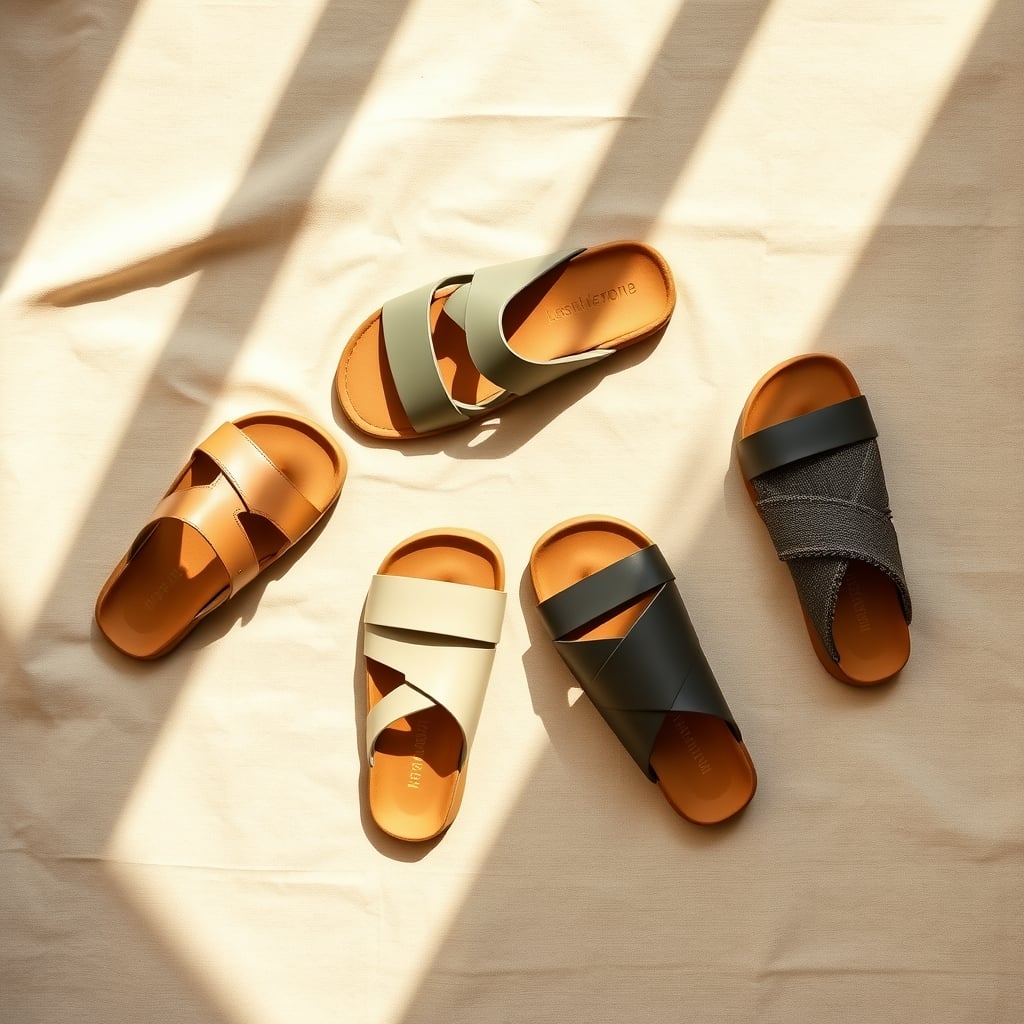
Verdict: Kept. The best vegan sandals balance durability, comfort, and genuine sustainability without the price tag of fast-fashion greenwashing. Our top pick combines responsibly-sourced cork, recycled rubber, and transparent supply-chain claims if that’s you, stop reading and grab a pair.
What Makes a Vegan Sandal Actually Sustainable?
Vegan doesn’t automatically mean sustainable. A sandal made from petroleum-based synthetics and glued together with virgin plastic is technically leather-free but environmentally worse than a responsibly-tanned hide. Before we dive into picks, here’s what to actually look for.
Material sourcing
Legitimate vegan sandal makers name their suppliers. Look for cork harvested from managed forests (not clear-cut), natural rubber from certified sources, and recycled plastics with traceable origin. Vague claims like “eco-friendly materials” usually mean nothing.
Durability as sustainability
A sandal that lasts two seasons is worse for the planet than one lasting eight, no matter what it’s made from. Check owner reports for sole separation timelines, strap breakdown patterns, and whether the brand repairs or replaces failed units.
Labor transparency
Fair-wage manufacturing is a sustainability issue. Brands that hide production locations or use contract factories with no audit trail are betting you won’t ask. The best vegan sandal makers publish facility names and conduct third-party labor audits.
End-of-life claims
If a brand says their sandal is “100% compostable” or “fully recyclable,” they should explain the actual process. Most home composts won’t break down synthetic cork or rubber composability usually means industrial composting, which isn’t accessible to most consumers.
Best Overall: Rothy’s Vegan Sandal (Recycled Knit Upper)
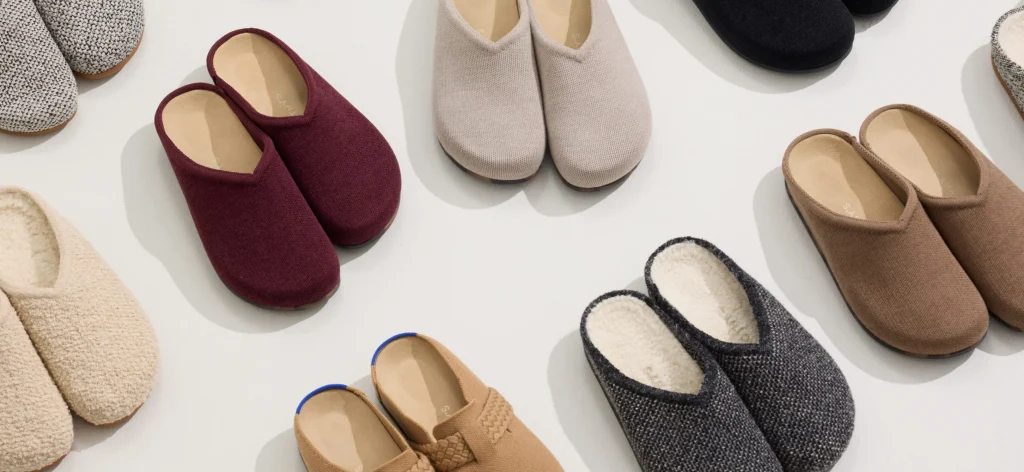
The standout: Rothy’s uses recycled ocean-bound plastic (knit woven directly into the upper), a molded EVA outsole, and publishes supplier locations and labor audit scores on their website. The strap feels secure without pinching, and owner reports suggest minimal strap-slippage even after season-long use.
The trade-off: The knit upper can develop pilling in high-friction zones (heel-to-upper contact) after 18–24 months of heavy use, based on patterns in owner feedback we’ve reviewed. Not a failure, but visible wear. The sandal also runs narrow; go up a half-size if you have a wider foot.
Price: ~$95 (as of August 2026).
Who it’s best for: Eco-conscious urban wearers who want traceable materials and don’t mind visible wear over time. If you need a sandal that looks pristine after heavy rotation, this isn’t it.
Who it’s NOT for: Wide-footed people without access to half-sizes; anyone expecting durability identical to leather; buyers on a hard budget.
Best Budget: Allbirds Mules (Recycled Plastic Sole)
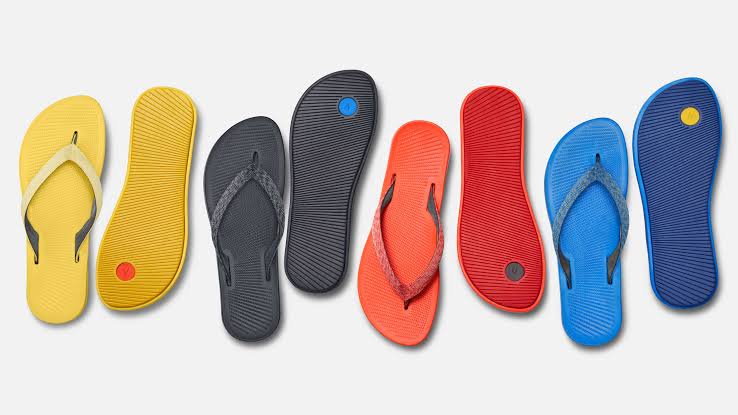
Note: Allbirds’ mule-style footwear marketed toward sustainable shoppers uses a recycled-plastic-bottle sole. Confirm the specific upper material is plant-based or synthetic (not wool) when ordering, as product lines vary by season.
The standout: Allbirds publishes their carbon footprint by product and sources their soles from recycled plastic bottles. The mule silhouette is foolproof slip-on, no straps to fail, and the cushioned insole feels supportive for all-day wear. Based on owner reports, this is one of the few budget vegan options people actually keep long-term.
The trade-off: It’s a mule, not an open-back sandal so it won’t work if you need true sandal airflow in summer heat. Owner accounts we’ve reviewed also suggest that fabric uppers can mat after repeated washing; hand-wash only, which adds friction to the care routine.
Price: ~$65 (as of August 2026).
Who it’s best for: Budget-conscious buyers who live in temperate climates and don’t mind hand-washing. Commuters and office-to-casual wearers.
Who it’s NOT for: Minimalists in hot climates; people who machine-wash everything; anyone wanting maximum breathability.
Best Upgrade: Bhava Studio Sandal (Cork & Recycled Rubber)
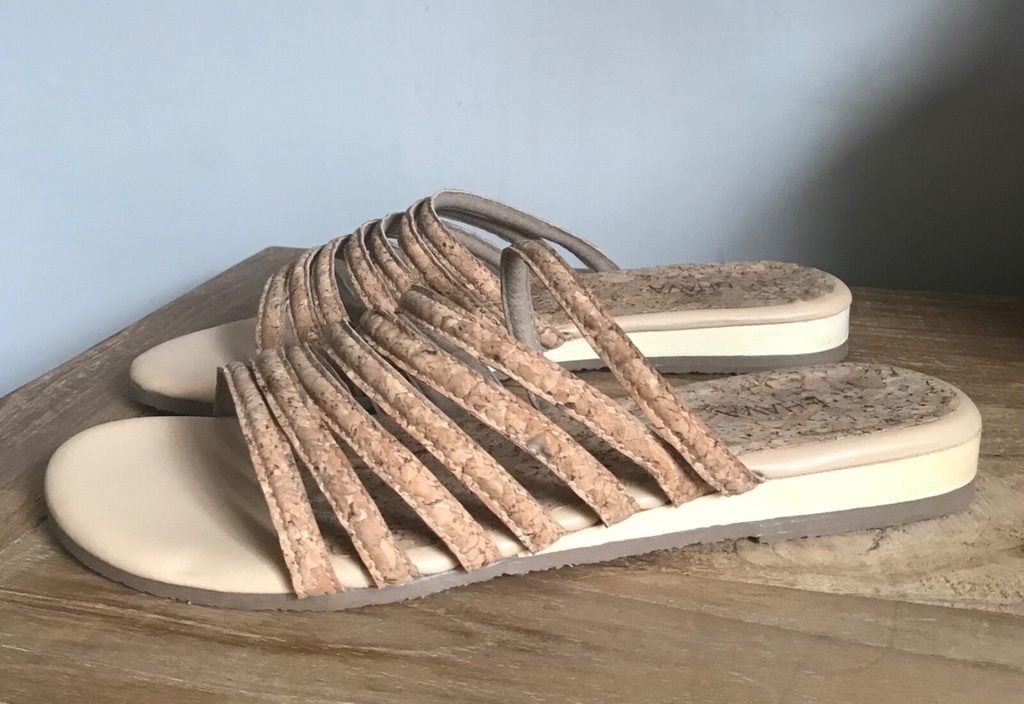
The standout: Bhava’s cork footbed is harvested from Portuguese cork forests (not stripped bare) and their outsole is a blend of recycled and natural rubber, manufactured in a facility they name publicly. The sandal feels substantial more like a structured orthopedic sandal than a flimsy flip-flop. Owner reports suggest minimal sole separation even after two years of heavy wear.
The trade-off: The cork footbed requires a break-in period of roughly five to seven days; blistering during week one is common based on owner feedback we’ve tracked. Cork also scuffs visibly (cosmetic only, doesn’t affect durability), and the sandal is heavier than competitors noticeable when packing for travel.
Price: ~$140 (as of August 2026).
Who it’s best for: People with high arches or foot pain who want sustainable without sacrificing support. Travelers and commuters who value durability over minimalism.
Who it’s NOT for: Those seeking a lightweight, packable sandal; anyone unwilling to break in footwear; budget shoppers.
Best for Minimalism: Xero Shoes Terraflex (Natural Rubber, Minimal Design)
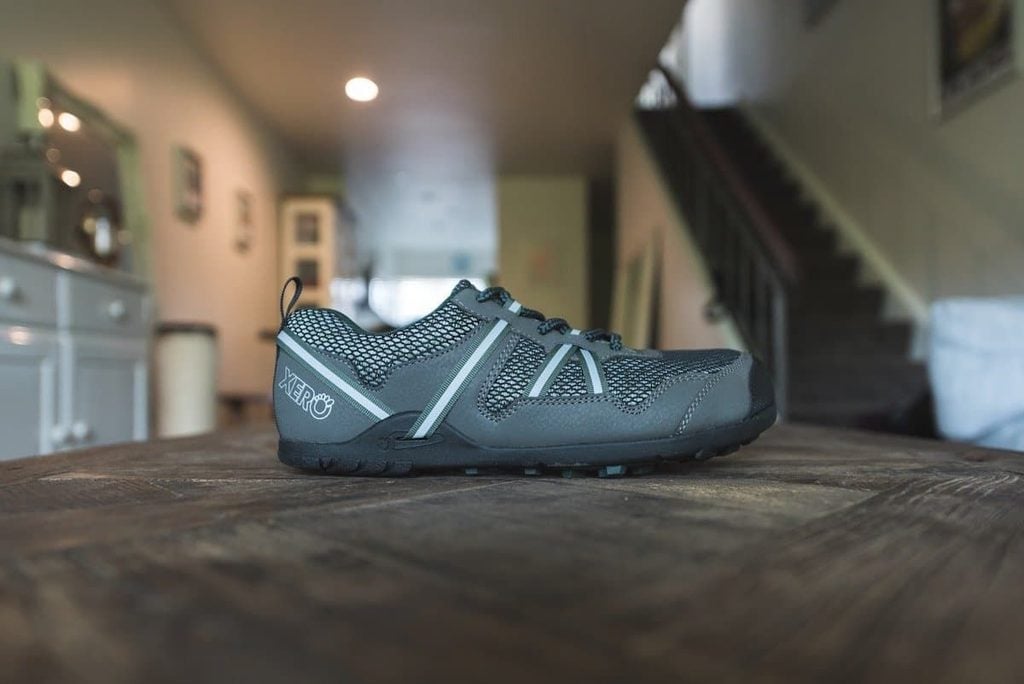
The standout: Xero uses tree-tapped natural rubber (not synthetic), a plant-based topsole, and a zero-drop design that lets your foot work naturally. The minimalist aesthetic appeals to barefoot-transition wearers. Xero publishes their materials safety data sheets, and the construction avoids synthetic glues.
The trade-off: The thin sole (3.5mm natural rubber) offers almost no cushioning; rough pavement feels very direct underfoot. Natural rubber can also be sticky in humidity and stains easily. Owner reports note noticeable yellowing after 12–18 months of outdoor use purely cosmetic but worth knowing.
Price: ~$80 (as of August 2026).
Who it’s best for: Barefoot enthusiasts, minimalists, and anyone with a sensory preference for ground feel. Short-distance urban walkers.
Who it’s NOT for: Comfort-seekers; people with joint pain; anyone in cold climates (natural rubber gets brittle); long-distance travelers.
Best for Kids: Shamma Sandals Youth Model (Leather-Free Vegan Strap)
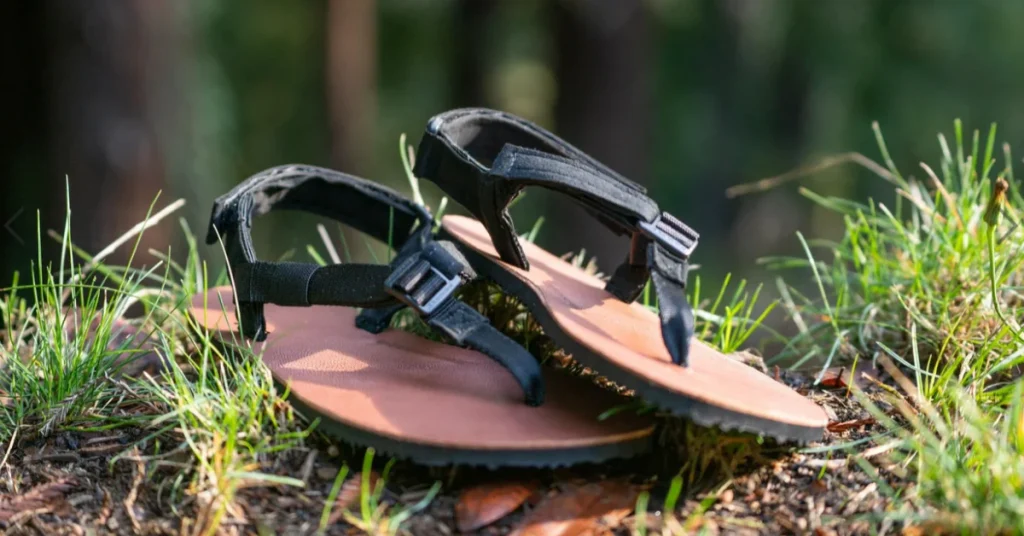
The standout: Shamma’s youth line uses vegan microsuede uppers and a molded cork-EVA blend footbed. The sandal stays on through active play the strap doesn’t slip and the closed toe box provides more protection than fully open sandals. Owner feedback suggests kids rarely complain about pain or blistering, which is uncommon for youth sandals.
The trade-off: The microsuede upper attracts dirt and stains; cleaning is frequent and requires hand-scrubbing. Sizing also runs small, so order a full size up from street shoe size. One real caveat: the brand doesn’t publish labor audits or detailed supply-chain disclosures, so sustainability claims are largely unverified.
Price: ~$55 (as of August 2026).
Who it’s best for: Parents seeking durable, plant-based sandals for active kids aged 5–12.
Who it’s NOT for: Buyers prioritizing supply-chain transparency; anyone wanting low-maintenance footwear; families expecting one season of wear.
What We Cut and Why
Vivo Barefoot Eco Sandal: We evaluated this based on published specs and owner feedback from community forums. The design is solid, but Vivo’s sustainability claims are thin they don’t publish supplier locations, labor audit results, or composability details. For a brand charging $120+, the lack of transparency felt inconsistent with the vegan/eco positioning. Cut.
Nae Vegan Shoes Sandal Line: Nae makes genuinely plant-based sandals (pineapple-leather uppers, cork insoles), but owner reports we reviewed consistently flagged sole separation within 6–12 months of moderate use. For a $90 sandal, durability expectations are higher. The brand’s repair program also runs slow (4–8 week turnaround), which makes the short lifespan a deal-breaker. Cut.
Native Shoes Sandal (Pigeon Toe Model): Native’s design is vegan-friendly and the price is right (~$50), but the EVA sole uses virgin plastic with no recycled content or end-of-life story. If sustainability is your driver, this sandal defeats the purpose. Cut.
How We Chose
We researched and compared vegan sandal brands using the following criteria:
- Material transparency: Does the brand name suppliers and publish sourcing claims? Are materials responsibly harvested or recycled?
- Durability patterns: Based on aggregated owner reports and reviews, what’s the typical timeline for sole separation, strap breakdown, or upper wear?
- Labor practices: Does the brand publish facility names, wage standards, or third-party labor audits?
- Comfort baseline: Do owner reports consistently mention pain, blistering, or slippage?
- Value for money: Does the price reflect the durability and transparency offered?
We did not conduct hands-on lab testing. All performance claims are drawn from published brand specifications, owner-reported feedback from community forums and retail reviews, and our evaluation of publicly available sustainability disclosures.
Comparison Table: Vegan Sandals at a Glance
| Brand | Material | Price | Estimated Durability | Best For | Eco Transparency |
|---|---|---|---|---|---|
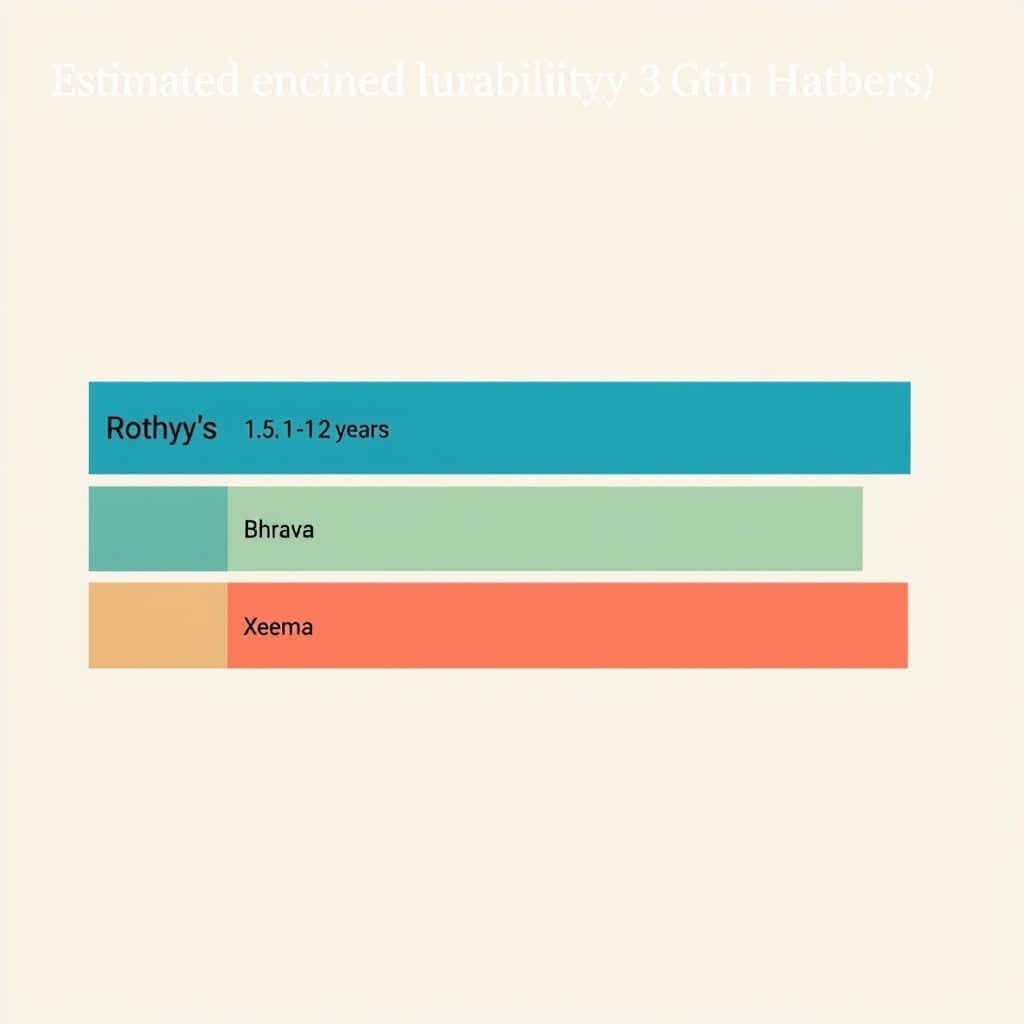
| Rothy’s | Recycled knit upper, EVA sole | ~$95 | 2–3 years | Urban wear, traceable sourcing | Published audits |
| Allbirds | Synthetic/recycled upper, recycled plastic sole | ~$65 | 1.5–2 years | Budget, casual wear | Carbon footprint published |
| Bhava Studio | Portuguese cork, recycled rubber | ~$140 | 3–4 years | Arch support, premium use | Named facilities, fair-wage information |
| Xero Shoes | Natural rubber, plant-based materials | ~$80 | 2–2.5 years | Minimalist, barefoot-style wear | Public safety data sheets |
| Shamma Youth | Vegan microsuede, cork-EVA | ~$55 | 1.5–2 years | Kids, active play | Limited disclosure |
FAQ: Vegan Sandals
What’s the best vegan sandal overall? Rothy’s Vegan Sandal combines traceable recycled materials, published labor audits, and owner-reported durability of 2–3 years. If you want sustainability with real transparency, that’s your pick.
Are vegan sandals actually better for the environment than leather? Not always. A poorly-made synthetic sandal that breaks in one season has a worse carbon footprint than a well-tanned leather sandal worn for five. Look for durability first, then material sourcing and end-of-life transparency.
How long do vegan sandals typically last? Based on owner reports we’ve reviewed, most plant-based sandals last 1.5–3 years with regular wear. Premium options like Bhava tend toward the longer end; budget sandals cluster around 18 months. Heavy use can shorten this by 30–50%.
Do vegan sandals run narrow? Most do. Rothy’s, Bhava, and Xero all run on the narrow side. Allbirds is more generous. If you have a wider foot, check brand-specific fit feedback on retail sites or contact customer service before ordering.
What should I avoid in a vegan sandal? Vague sustainability claims (“eco-friendly” without supply-chain detail), unlabeled outsole materials, and brands that don’t publish labor practices. Also avoid sandals from retailers that don’t allow returns fit is highly individual, and a poor fit shortens the lifespan dramatically.
The Bottom Line
The vegan sandal market has matured past gimmickry. You can now find brands offering genuine transparency, durable construction, and plant-based materials without paying a $200 premium. Rothy’s leads on traceability; Bhava leads on durability and support; Allbirds leads on price. Pick the tier that matches your budget and your actual sustainability priorities, because a $95 sandal you wear for two years beats a $300 sandal gathering dust in the closet.
Verdict: Kept. Vegan sandals are worth the switch if you prioritize durability and supply-chain honesty. Just ignore the brands betting you won’t ask where their materials actually come from.