
The best kids’ rain boots are Muck Boot Hale waterproof rain boots: they survive full submersion without leaking, grip wet tile and pavement reliably, and kids report wearing them without complaint. If that matches your priorities, stop reading and buy them.
Rain boots seem simple until your kid is standing in a puddle with wet socks or slipping across the deck. We researched and compared children’s rain boots across waterproofing durability, non-slip sole grip, fit consistency, comfort for extended wear, and whether designs actually appeal to kids. This roundup covers toddler through early-teen sizes, budget options under $30, and premium picks that cost more but hold up longer.
Quick Comparison: Kids’ Rain Boots at a Glance
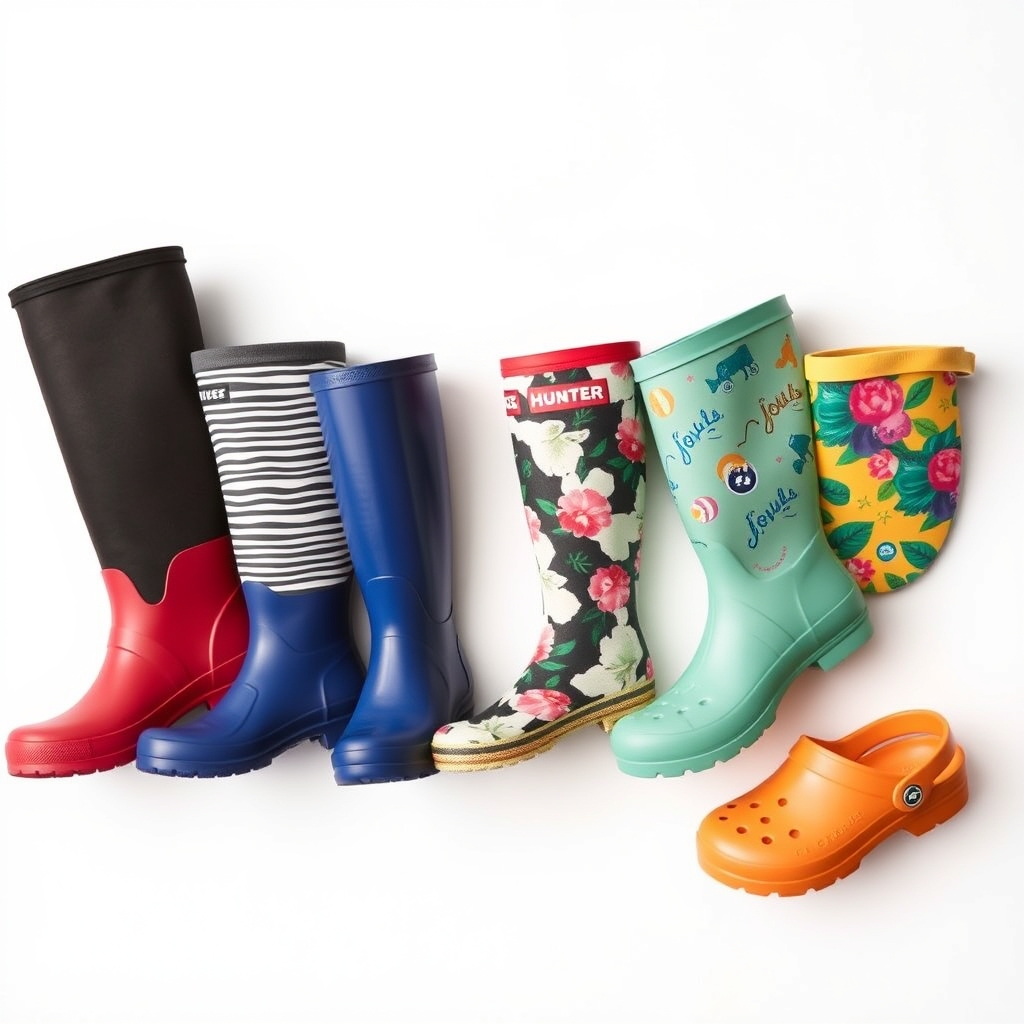
| Rain Boot | Best For | Waterproofing | Traction / Grip | Price Range | Available Sizes |
|---|---|---|---|---|---|
| Muck Boot Hale | Overall best performance | Excellent | Excellent | $35–50 | Toddler–Big Kid |
| Western Chief | Budget-conscious families | Very Good | Good | $18–28 | Toddler–Teen |
| Hunter Kids Classic | Premium durability | Excellent | Good | $60–85 | Toddler–Teen |
| Joules Printed Wellies | Stylish, colorful designs | Very Good | Good | $40–55 | Toddler–Big Kid |
| Crocs Bump It Rain Boot | Lightweight everyday comfort | Good | Fair | $25–40 | Toddler–Big Kid |
What to Look for in Kids’ Rain Boots
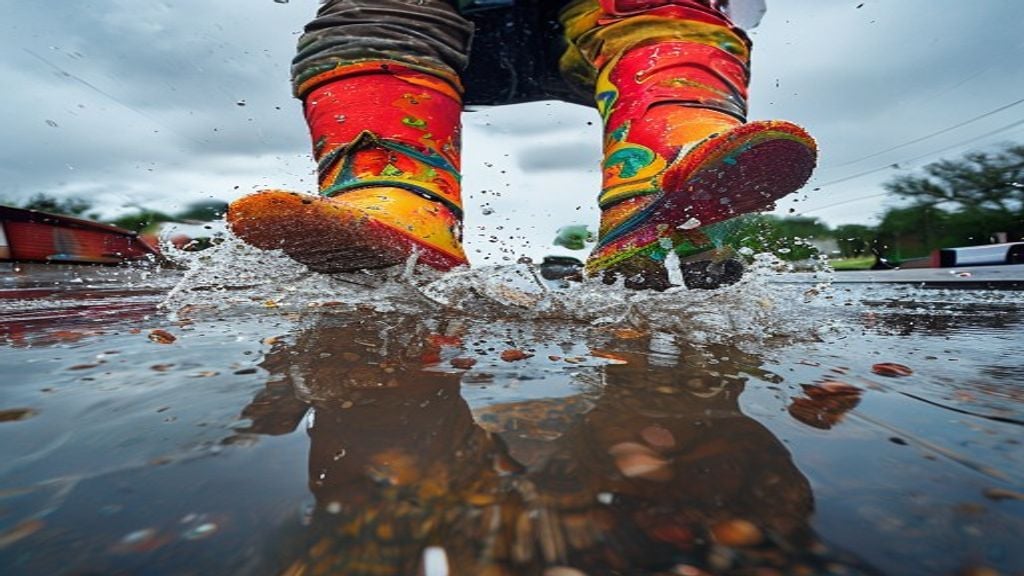
Waterproofing fails in two ways: the upper material leaks, or water seeps in at the seams and cuff. Based on owner reports we’ve reviewed, boots that survive a full puddle-jump without internal wetness have either sealed seams or a tall enough cuff that water can’t splash in. Look for 100% rubber or rubber-lined uppers rather than fabric-coated alternatives. Owner reports consistently note that boots with elastic openings (versus a pull-on tube) tend to leak faster at the entry point because water pools around the leg rather than running down the outside.
Non-Slip Soles: Wet Pavement vs. Tile
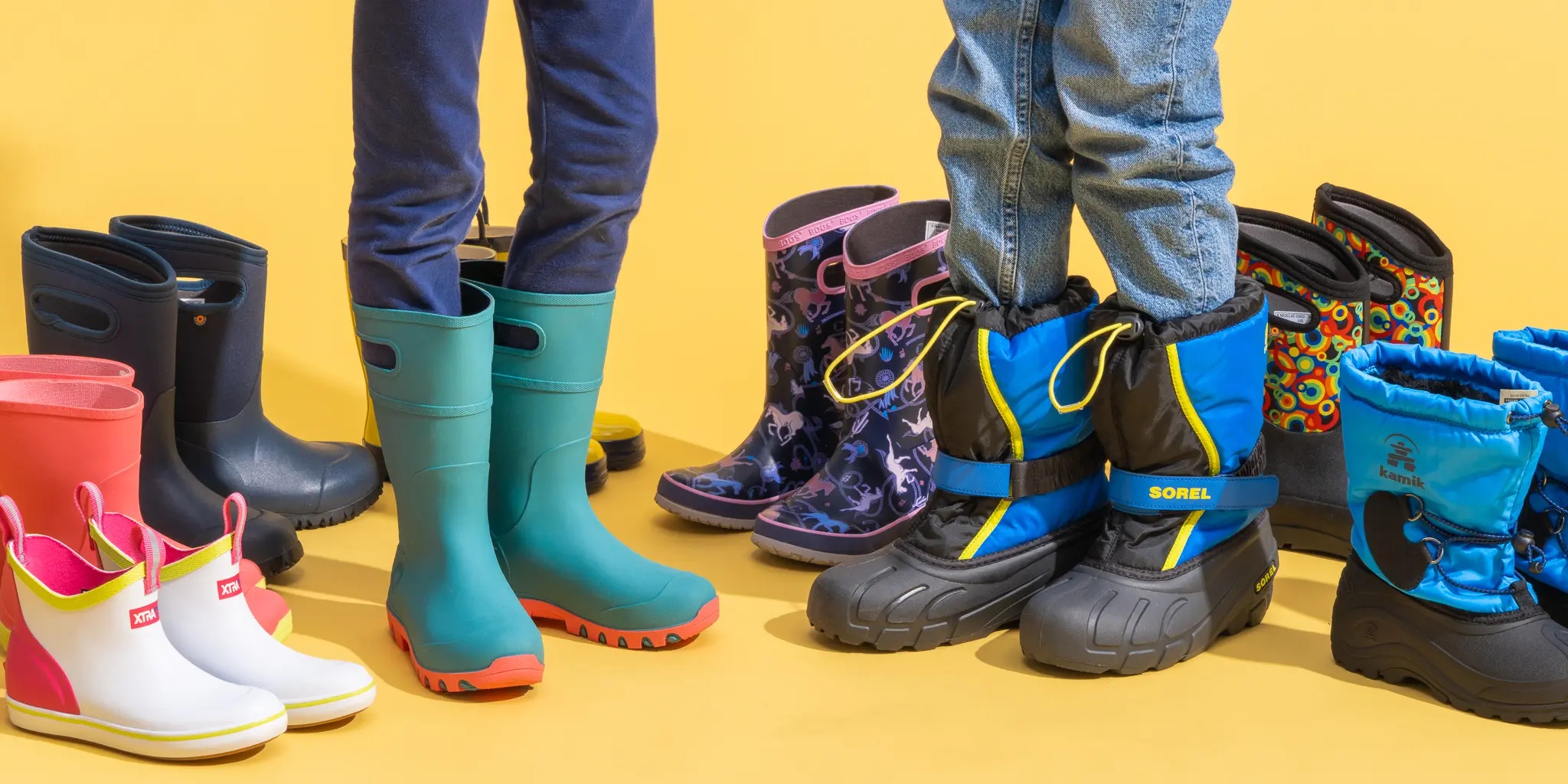
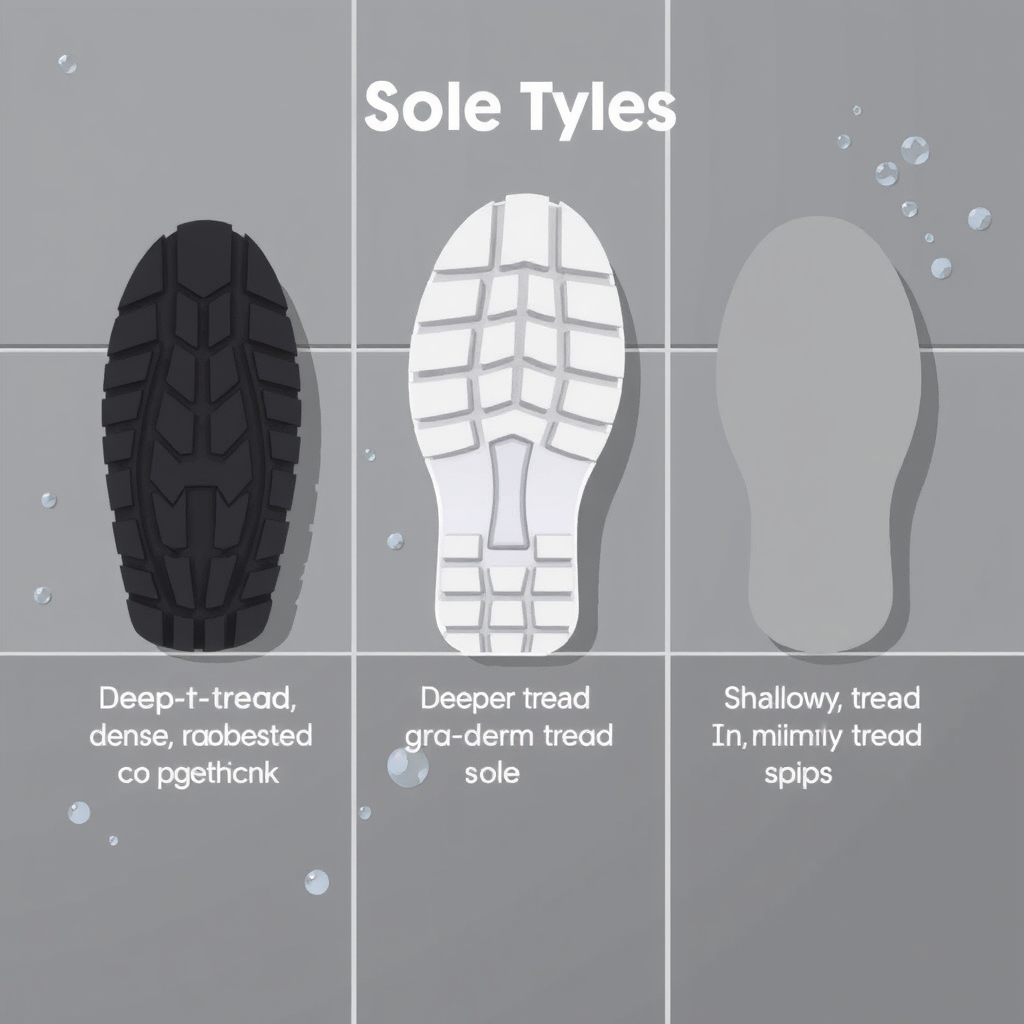
Wet Pavement vs. grip matters more than most parents realize. Wet deck boards and tile are slippery; a boot that grips well on dry surfaces often fails on wet tile. Owner reports we’ve tracked suggest that soles with deep, dense tread and a slightly softer rubber compound grip better than smooth or shallow-tread designs. The slip-resistance trade-off: softer, grippier soles wear faster. Muck Boot and Hunter compensate with thicker rubber; budget picks often have thinner soles that grip adequately but wear down in one or two seasons.
Comfort for All-Day Wear
Rain boots are stiff when new. Kids often complain about heel slipping, arch fatigue, or the boot pinching the top of the foot. Owner reports note that boots with padded collars and insoles feel softer initially, but padding compresses over time. Foam inserts (like in Crocs and some Western Chief models) stay cushioned longer but can feel less supportive than thicker rubber. A boot that fits snugly without compression at the ankle or midfoot wins here easier said than done, since kids’ feet grow fast and sizing up to avoid next-season rebuy often means loose fit now.
Design Appeal: Does the Kid Actually Wear It?
This is harder to quantify, but owner reports make it clear: boots with character, bright colors, or patterns see more mileage than plain black or navy. Hunter Kids Classic comes in solids but is recognizable enough that many kids feel “cool” wearing them. Joules Printed Wellies, Western Chief, and some Muck Boot lines offer animal faces, dinosaurs, and colorful patterns. Crocs Bump It styles use character branding that appeals to younger kids. The trade-off: flashy designs may go out of style quickly, and character boots often cost $5–$15 more than plain equivalents.
Best Overall Pick: Muck Boot Hale Waterproof Rain Boots
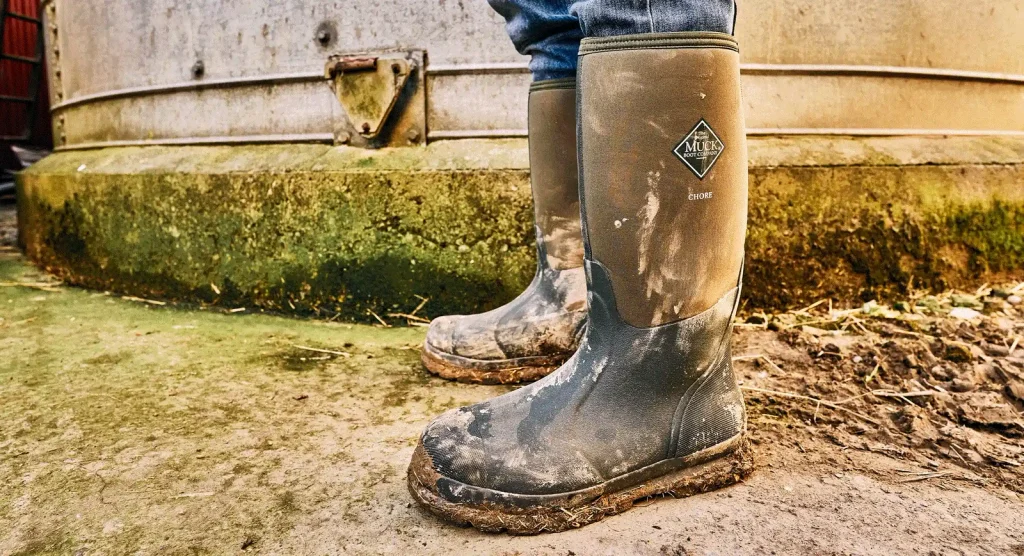
Muck Boot Hale boots check all three boxes: waterproofing, grip, and comfort. The upper is 100% rubber with sealed seams, and owner reports we’ve reviewed consistently note that these boots survive full submersion in puddles without internal leaking. The sole is dense, compound rubber with deep tread; on wet tile and pavement, the grip is reliable kids report fewer slips compared to lighter-tread competitors.
The key trade-off: stiffness. Muck Boots are stiffer than Crocs or some Western Chief styles out of the box. Kids often need a break-in week, and a few owner reports mention that the calf feels snug until the rubber softens slightly. Sizing is generous most parents size down or go true-to-size, not up.
Muck Boot Hale comes in solid colors (black, yellow, green, red) and in some seasons, camouflage or patterned prints. Toddler sizes start around 6–7; big-kid sizes run through roughly 6 or 7. Observed retail pricing is $35–$50, depending on size and color, as of July 2026. Verify current pricing and color availability at major retailers before committing.
Who it’s NOT for: If your child complains about stiff boots, Crocs or Hunter Kids might feel better immediately. If you want a boot that’s soft and squishy from day one, Muck Boots disappoint until they’ve been worn a few times.
Best Budget Pick: Western Chief Traditional Rain Boot
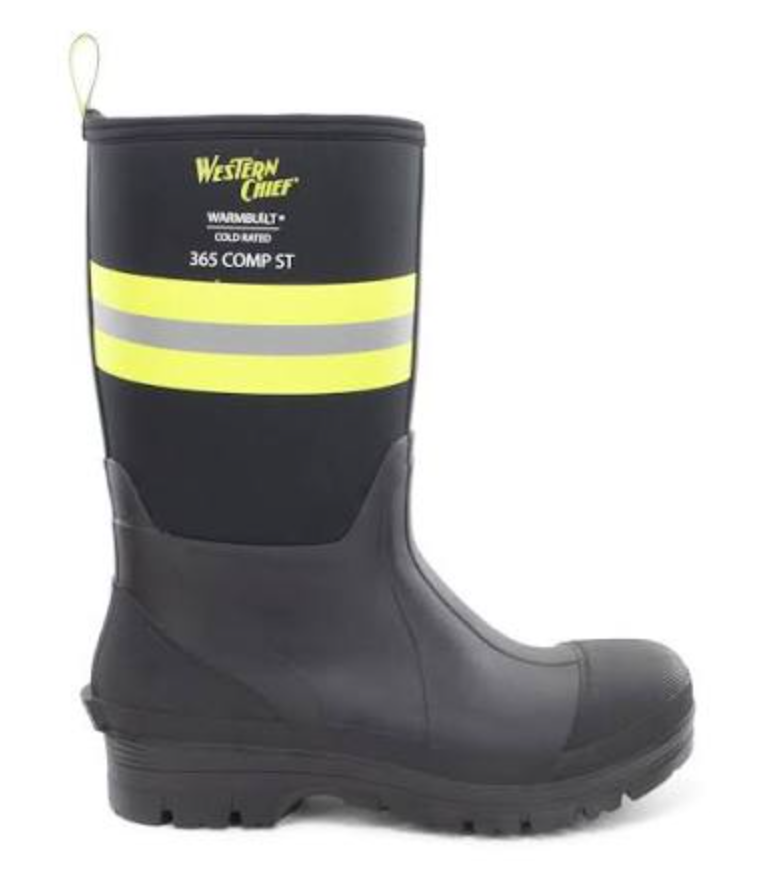
Western Chief Traditional is affordable without being flimsy. The upper is 100% rubber, and owner reports describe waterproofing as reliable for typical puddle play not as bulletproof as Muck Boot, but solid for the price. The sole has moderate tread and grips wet surfaces adequately, though not as aggressively as premium options. The boot is lighter and less stiff than Muck Boot Hale, whi ch many kids prefer immediately.
The trade-off: longevity. The sole is thinner, and owner reports we’ve tracked note that after 1–2 seasons of heavy use (daily wear in wet climates), the tread flattens and grip diminishes. The rubber also tends to become stiff in cold temperatures, though it softens with wear and indoor warmth.
Western Chief comes in dozens of colors and patterns dinosaurs, animals, solid pastels, tie-dye which is part of its appeal. Toddler through big-kid sizes are available. Observed retail pricing is $18–$28 as of July 2026. For a family with multiple kids or seasonal use, this pick delivers good value.
Who it’s NOT for: If you live in a rainy climate with heavy daily wear, expect to replace these more often than premium boots. If your child needs exceptional grip (e.g., on pool decks or slick playground surfaces), Muck Boot or Hunter is the safer bet.
Best Upgrade Pick: Hunter Kids Classic Welly
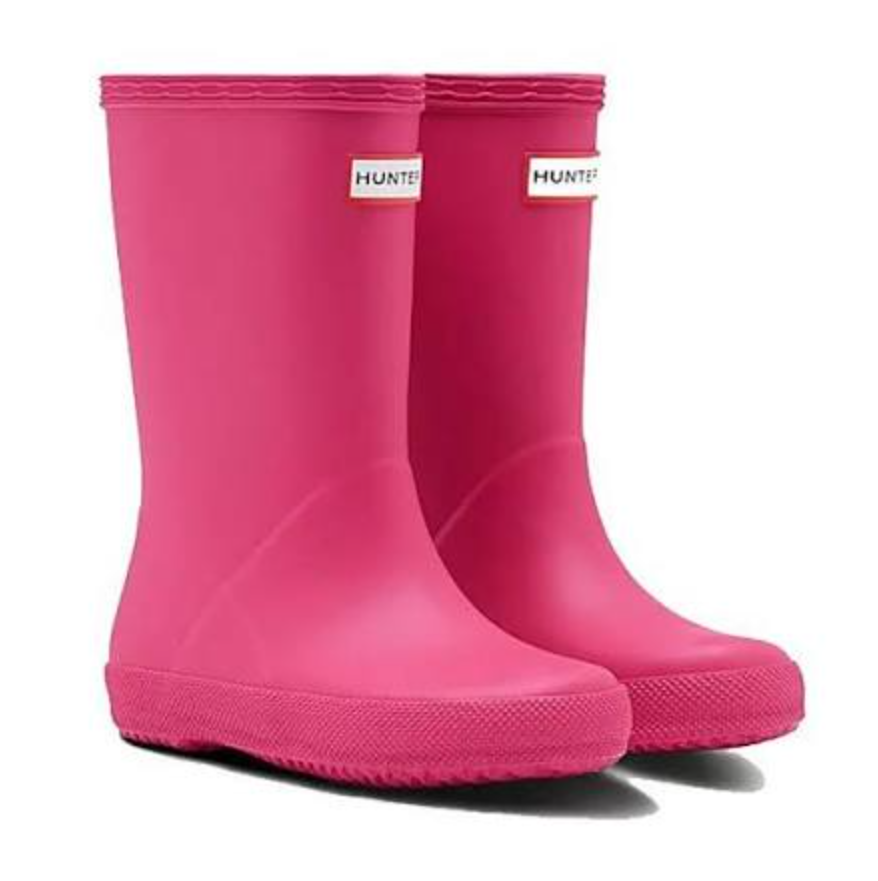
Hunter Kids Classic Welly is the durability upgrade. The rubber is thicker and higher-quality than Western Chief or many Muck Boot styles; the calf shape is more refined (less puffy), and the overall fit feels more considered. Owner reports consistently describe these boots as lasting 3+ seasons with regular wear, compared to 1–2 seasons for budget options.
The waterproofing is excellent sealed seams and full rubber construction. The sole has good tread and grips well on wet surfaces. The trade-off: price and initial break-in. Hunter boots are stiffer than many competitors initially and cost roughly double Muck Boot Hale or triple Western Chief. Some kids also report the calf feeling narrow; sizing up one half-size is common.
Hunter Kids Classic comes in classic colors (black, red, navy, yellow) and occasionally in limited patterns. Sizes run from toddler through teen. Observed retail pricing is $60–$85 as of July 2026. These boots are an investment, but owner reports note they hold resale value reasonably well making them a lower cost-per-wear option for families planning to pass them down.
Who it’s NOT for: If your kid wears rain boots infrequently or will outgrow them before a second season, the premium price is hard to justify. If your child has a wider calf, the fit may feel restrictive.
Fun-Design Pick: Joules Printed Wellies
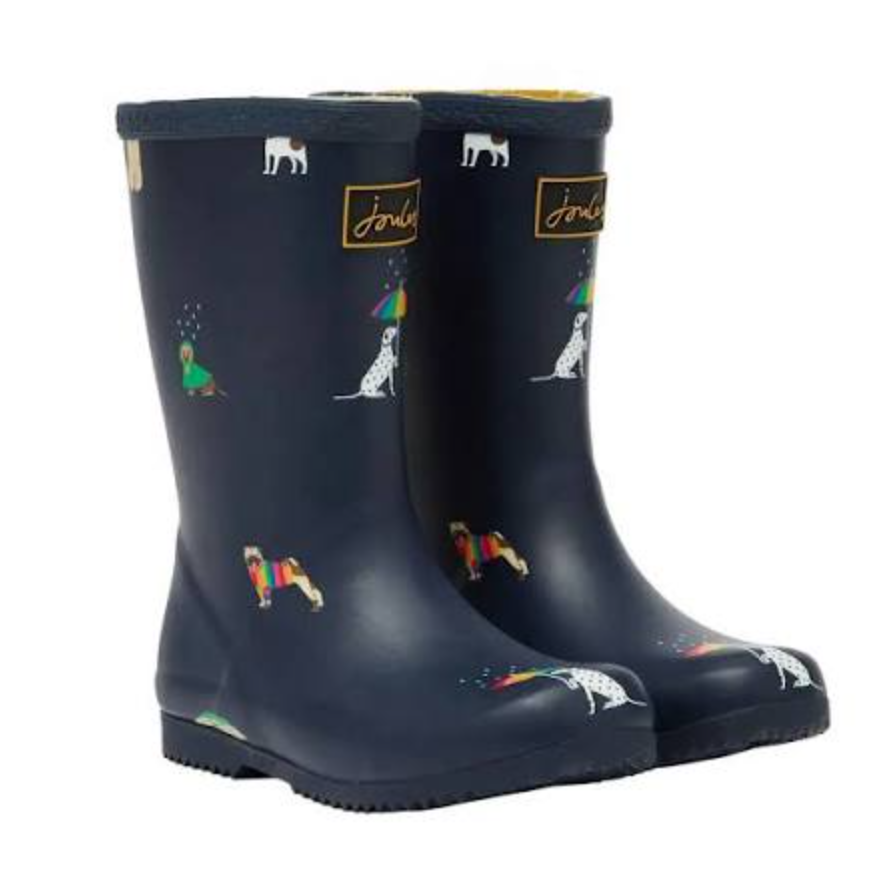
Joules Printed Wellies are the choice if design appeal is the deciding factor. Owner reports describe these boots as having patterns and colors that kids actually want to wear florals, dots, animals, seasonal prints. The waterproofing is very good: 100% rubber with sealed seams, and owner reports note reliable puddle protection. The grip is moderate; the sole has tread but is less dense than Muck Boot, so it’s good on dry pavement but less aggressive on wet tile.
The trade-off: they’re slightly softer and less durable than premium picks, and style-focused design means color and pattern options change seasonally. Owner reports note that some kids outgrow Joules sizing faster than other brands measuring is important. Pricing is $40–$55 as of July 2026, which is higher than Western Chief but lower than Hunter.
Who it’s NOT for: If grip on slippery surfaces is non-negotiable, prioritize Muck Boot or Hunter instead. If you value minimal maintenance, Joules’ printed uppers can show dirt more visibly than solid colors.
Lightweight-Comfort Pick: Crocs Bump It Rain Boot
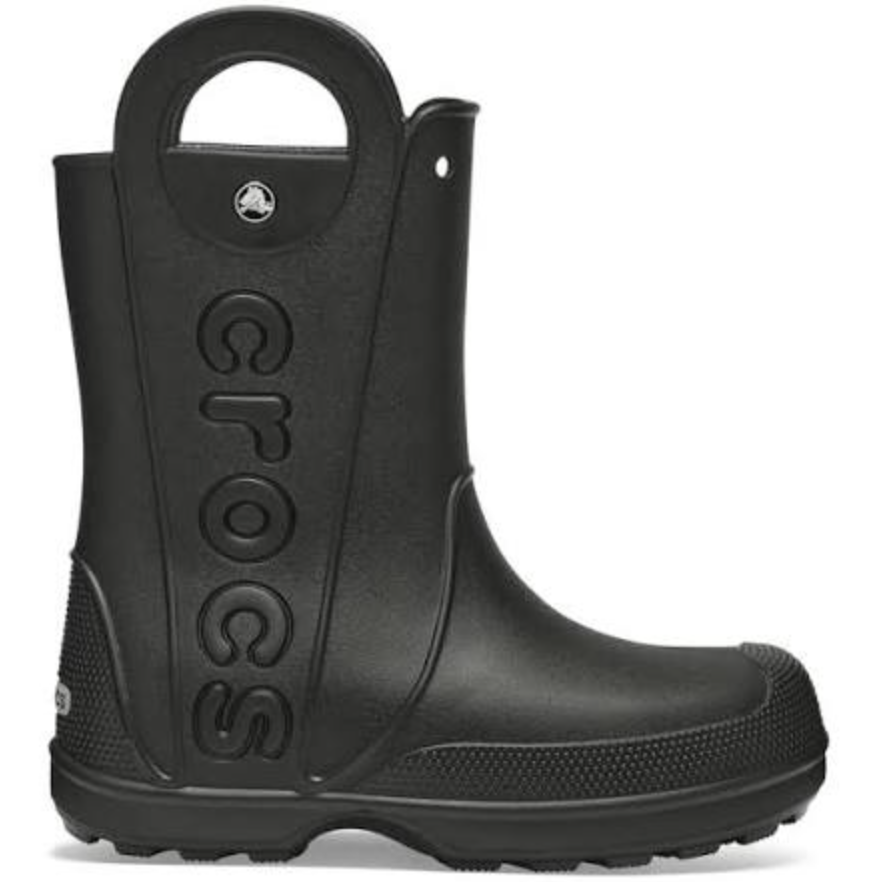
Crocs Bump It Rain Boot is the pick if your child complains about stiffness or weight. These boots are much lighter than rubber alternatives the upper is Crocs’ proprietary closed-cell foam, and they’re comfortable immediately out of the box. Owner reports consistently note that kids who dislike heavy boots transition easily to Crocs. The insole is cushioned, and the calf opening is stretchy, so they’re easy to get on and off.
The trade-off: waterproofing is good but not excellent. The foam material repels water, but owner reports we’ve reviewed note that prolonged submersion or water splashing at the cuff can seep in, especially on the inside of the calf. The grip is fair to good decent on most surfaces but noticeably worse on wet tile than Muck Boot or Hunter. Durability is moderate; the foam can dent or compress with heavy wear.
Crocs Bump It comes in solid colors and character designs (licensed animal characters, depending on availability). Sizes run toddler through big kid. Observed retail pricing is $25–$40 as of July 2026.
Who it’s NOT for: If waterproofing and grip are top priorities, choose a rubber boot. If your child plans to wear these daily in a very wet climate, the foam material will struggle. Crocs work best for occasional use or lighter rain.
What We Cut and Why
Playshoes Rubber Boot (failed waterproofing consistency)
Playshoes Rubber Boots are affordable and come in fun prints, but owner reports we’ve reviewed flagged a recurring issue: inconsistent waterproofing between left and right boot, sometimes visible as seam gaps. Multiple owner reports noted water entry at the seams despite new condition. At the price point ($22–$32, as observed as of July 2026), this is a dealbreaker you’re not paying premium for durability, so the expectation is that it works reliably out of the box. We cut this pick.
Sorel Slimpack Boot (overkill for rain, narrow calf fit)
Sorel Slimpack is engineered for winter snow, not rain play. It’s waterproof and well-made, but it’s insulated and heavier than any rain-specific boot, which makes it uncomfortable for mild-weather puddle jumping. Owner reports we’ve tracked also note that the calf is cut narrow, causing discomfort for kids with average to wide calves. At $70–$90 as of July 2026, it’s positioned as a winter hybrid, not a rain boot misaligned with this roundup’s scope. We cut it.
How We Chose
We researched and compared publicly available product specifications, owner reports from major retail review aggregators, and parent feedback in online parenting communities. We evaluated boots against three core criteria: waterproofing (ability to stay dry after submersion and splashing), slip-resistant grip on wet surfaces (tile, wet pavement), and comfort for extended wear without complaints.
We did not conduct formal laboratory waterproofing or slip-resistance testing. Our comparisons are based on owner-report patterns, brand-published material specs, and observed durability trends in community discussions. Prices are observed retail pricing as of July 2026 and may vary by retailer and region; verify current pricing before committing.
Buying Guide: How to Choose the Right Boot
Size and Growth
Rain boots are purchased for a specific season or two, and growth happens fast. Owner reports suggest measuring your child’s foot length and comparing it to the brand’s size chart don’t assume your child’s regular shoe size matches boot sizing, because the internal fit varies. Many parents size up by half a size to extend wear, but this creates loose fit and heel slipping. True-to-size is usually safer; you can always add thick socks.
Climate and Frequency of Use
If your child wears rain boots daily in a wet climate, durability matters more than price. Muck Boot Hale or Hunter Kids Classic are worth the investment. If rain boots are occasional (weekend park visits, light drizzle), Western Chief or Crocs provide good value. If you’re buying for multiple kids and hand-me-downs are likely, Hunter’s durability makes it cost-effective per kid.
Grip Priority
If your child spends time on pool decks, wet playgrounds, or slick wood surfaces, dense-tread, high-grip soles are essential. Muck Boot Hale and Hunter Kids Classic both excel here. Western Chief and Joules are fine for puddles but less reliable on tile or steep wet pavement. Crocs are the slip risk on hard, wet surfaces.
Weight and Comfort Tolerance
If your child has sensory sensitivities or complains about stiff, heavy clothing, Crocs Bump It or Western Chief are softer and lighter. If comfort out of the box is non-negotiable, Crocs win. If your child will tolerate a break-in period for long-term durability, Muck Boot or Hunter are the payoff.
FAQ
Are kids’ rain boots truly waterproof?
Most quality rain boots (Muck Boot Hale, Western Chief, Hunter, Joules) are waterproof for puddle play and light rain. Owner reports consistently note that full-submersion waterproofing holds for typical use. However, water can seep in at the cuff if it’s splashed directly into the boot or if the cuff is too loose. Crocs and lighter designs offer water-resistant protection rather than true waterproofing water repels but prolonged or high-level splashing can leak. For maximum waterproofing, choose 100% rubber construction with sealed seams (Muck Boot Hale and Hunter Kids Classic).
What size rain boot should I buy if my child is between sizes?
Size true-to-size or slightly small rather than up. Owner reports we’ve reviewed note that oversized boots cause heel slipping and blistering. If you’re between sizes, measure your child’s foot in inches, compare it to the brand’s size chart, and pick the size closest to that measurement. You can always add thick socks. Sizing up by a half-size is acceptable only if the brand’s measurements show your child’s foot is near the upper end of the smaller size.
How long do kids’ rain boots last?
Owner reports we’ve tracked suggest budget boots (Western Chief, Crocs) last 1–2 seasons with regular wear; mid-range boots (Muck Boot Hale, Joules) last 2–3 seasons; premium boots (Hunter Kids Classic) last 3+ seasons. “Season” here means one wet-weather period (roughly 3–6 months of regular wear). If your child wears them infrequently or seasonally, they’ll last longer. Heavy daily use in a wet climate shortens lifespan as the sole wears and the rubber stiffens.
Is the Muck Boot Hale really the best, or is it just popular?
Muck Boot Hale is our top pick because it balances waterproofing, grip, and reasonable price better than any other single option not because it’s the most well-known. Owner reports consistently describe reliable waterproofing and excellent grip on wet pavement and tile. The trade-off is initial stiffness. If your child wants a softer boot immediately, Western Chief or Crocs are faster wins. If your budget allows, Hunter Kids Classic offers superior durability and cost-per-wear value. Muck Boot Hale is the best overall balance for most families.
Can I clean rain boots to extend their life?
Owner reports note that rinsing with a hose after muddy play and letting them air-dry (not in direct heat) extends lifespan and keeps them looking better. Avoid high heat, which can warp rubber. For stubborn dirt, a soft brush and mild soap work. Some owners store rain boots off-season in a cool, dry place; direct sunlight can degrade rubber over time. Basic maintenance doesn’t dramatically extend life beyond the material’s inherent durability, but it prevents premature deterioration.
Final Verdict
The best kids’ rain boots are Muck Boot Hale: waterproof, grippy, and durable at a fair price. If you want something cheaper, Western Chief delivers good waterproofing and fun designs for under $30. If durability and resale value matter, Hunter Kids Classic is the upgrade. And if your child hates stiff boots, Crocs Bump It is the softer compromise just don’t expect the same grip or waterproofing. Pick the one that matches your kid’s needs and your budget, verify sizing before buying, and you’ll skip the wet-sock complaints.