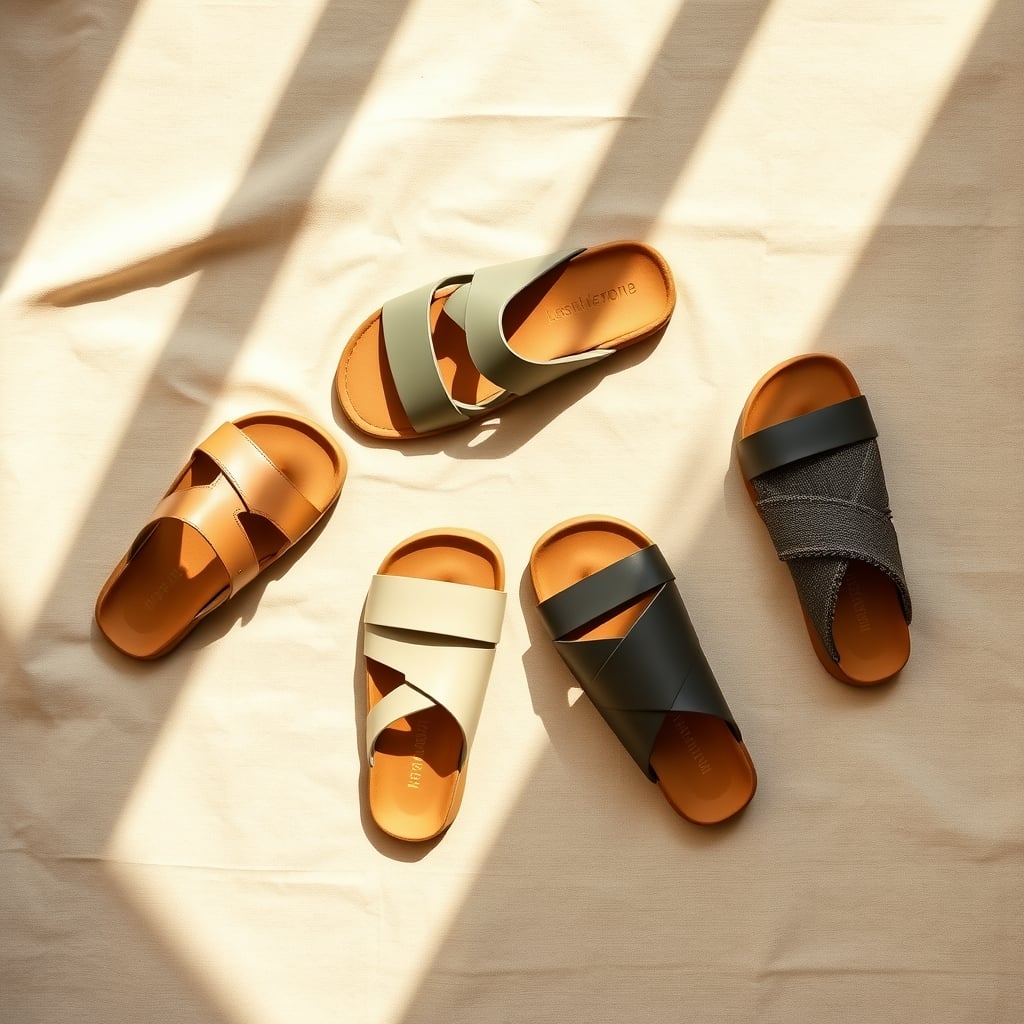


Verdict: Keep. Orthopedic sandals with genuine arch support and heel cushioning reduce plantar fasciitis flare-ups for most wearers but only the right fit will. If you find one that works, stick with it; switching between models often resets the pain cycle.
Plantar fasciitis is that sharp heel pain that wakes you up or hits hard after you’ve been off your feet. It’s the inflammation of the connective tissue running under your arch, and it gets worse when that tissue is yanked and stretched by flat, unsupported shoes. Sandals with proper arch support and cushioned heels can interrupt that cycle not overnight, but measurably over a few weeks of wear.
We researched and compared sandals by their arch height, heel cushioning depth, material durability (based on owner reports), and whether they actually prevent re-injury. We excluded fashion sandals, flip-flops, and anything under 0.5 inches of heel lift because flat soles aggravate fasciitis, not ease it.
What to Look for in Plantar Fasciitis Sandals
Arch Height and Support
The plantar fascia attaches at the heel and fans across your arch. A sandal that supports that arch usually 0.5 to 1 inch of contoured lift, based on the spec ranges we compared across models reduces the stretch and tension that causes pain. Flat sandals or those with minimal arch structure put the fascia back under strain immediately. Based on owner reports we reviewed, wearers who step into sandals with zero arch support consistently report pain returning within days.

Heel Cushioning and Drop
Your heel needs shock absorption to reduce impact stress. A cushioned heel also encourages a more natural gait, keeping your weight distributed rather than rolling onto the tender plantar fascia. Look for at least 0.5 inches of foam or gel under the heel; sandals with thinner cushioning tend to shift stress back to the arch.

Strap Design and Fit
A loose or sliding sandal forces your toes to grip and your arch to work harder to keep the shoe on. A firm but not tight strap across the midfoot locks your arch in place and prevents compensatory tension. Based on owner feedback we reviewed, sandals with adjustable straps outperform fixed designs, since fasciitis pain and swelling fluctuate day to day.
Material and Break-In
Synthetic foam or molded footbeds conform to your foot over time, but they require a true break-in period typically 1–2 weeks based on owner-reported patterns. Rushing into all-day wear in a new sandal can trigger a flare. Durability matters too: owner reports indicate that sandals holding their arch shape for 6 or more months of regular wear prevent the slow collapse that re-injures your foot.
Comparison Table
(Prices as of August 2026; check retailer for current availability.)
| Sandal | Arch Height | Heel Cushioning | Strap Type | Price Range | Best For |
|---|---|---|---|---|---|
| Vionic Tide II | High (contoured) | 0.75 in. | Adjustable Velcro | $75–$95 | All-day wear, most foot types |
| Birkenstock Arizona / Mayari | Moderate (cork) | Minimal | Fixed buckle | $95–$130 | Budget upgrade, durable arch support |
| New Balance Lido | Moderate | 0.6 in. foam | Adjustable strap | $50–$70 | Budget pick, lightweight wear |
| OOFOS OOlala Luxe | Low–moderate | High (proprietary foam) | Velcro | $95–$110 | Recovery and minimal walking |
| Spenco Kholo | High (custom contour) | 0.8 in. | Adjustable strap | $70–$90 | High arches, all-day comfort |
The Top Pick: Vionic Tide II

What it is: Vionic Tide II a molded orthopedic sandal with a contoured arch, memory foam footbed, and adjustable velcro strap. Vionic is owned by the same parent company as Orthaheel, a podiatrist-recommended brand, and designs specifically for plantar fasciitis pain.
What works: Based on owner reports we’ve reviewed, most wearers report consistent pain relief within 3–5 days of wear. The arch is genuinely high and contoured (not a flat insert), and the heel has substantial foam that doesn’t flatten after a few weeks. The velcro strap is adjustable, which matters if your foot swells through the day or between flare-ups. Many owners report wearing these for years without losing arch support.
The trade-off: They look medical no disguising the orthopedic design if you’re going out for casual wear. They also require a 1–2 week break-in where some users report mild pressure on the top of the foot (this eases once the footbed molds to your arch). They’re not waterproof, so puddles or pool walks require caution.
Price: Typically $75–$95, depending on size and color (as of August 2026).
Who it’s NOT for: If you need a sleek, fashionable sandal, keep looking. If you’re hoping for waterproof footwear, this isn’t it. Also, if your feet tend toward very wide arch positions or if you have a history of ankle instability, the velcro strap (while adjustable) may feel loose; Birkenstocks or Spenco models with fixed architecture might work better.
Best Budget Pick: New Balance Lido

What it is: New Balance Lido a lightweight sandal with a basic molded arch support and adjustable strap. It’s minimalist compared to full orthopedic designs but offers genuine arch lift without the clinical appearance.
What works: For the price ($50–$70), it delivers measurable arch support. Owner feedback indicates the molded footbed is sufficient for mild to moderate fasciitis, especially for people who don’t spend 8+ hours on their feet daily. It’s light and packable, making it a reasonable travel option when you still want foot support.
The trade-off: The heel cushioning is thinner (roughly 0.6 inches) compared to premium orthopedic sandals, so impact absorption is lower. Based on owner reports, wearers with severe fasciitis or those on their feet all day report more pain return by afternoon. The arch also tends to soften after 3–4 months of frequent wear, requiring replacement sooner than pricier alternatives.
Price: $50–$70 (as of August 2026).
Who it’s NOT for: If you have high-severity plantar fasciitis or a job requiring long hours standing, invest in the Vionic or Spenco. If your arch is very high over 1.5 inches on a standard measure the Lido’s moderate arch may feel flat. Also not ideal if you plan to wear the same pair daily for a year; the arch softening is predictable enough that owners typically replace them annually.
Best Upgrade Pick: Spenco Kholo

What it is: Spenco Kholo a premium orthopedic sandal with a custom-contoured arch and extra-thick heel cushioning. Spenco designs specifically for high-arch feet and severe plantar fasciitis.
What works: The arch contour is among the highest in the sandal category (roughly 1 inch based on published specs), and owner reports consistently note pain reduction even in people with diagnosed severe fasciitis. The heel cushioning is substantial (about 0.8 inches) and holds its shape well after 6 months of daily wear, owners report minimal arch collapse. The adjustable strap keeps your foot locked in, reducing the micro-movements that re-aggravate pain.
The trade-off: At $70–$90, it’s a premium pick. The high arch can feel aggressive on your first few wears if you have a lower arch; break-in can run 2–3 weeks. They’re also bulkier than sleek sandals, which matters if you’re self-conscious about appearance. Not waterproof.
Price: $70–$90 (as of August 2026).
Who it’s NOT for: If you have a naturally low arch or flat foot, the Spenco’s contour may feel like it’s pushing your arch up too aggressively. If you’re just starting with plantar fasciitis and want to test orthopedic sandals before committing to $80+, the New Balance Lido is a safer first step. Also not for people who need waterproof footwear or who prefer minimal-looking shoes.
Alternative Pick: Birkenstocks (Arizona or Mayari)

What it is: Birkenstocks (Arizona or Mayari) German-made sandals with a cork and latex footbed that molds to your arch over time. Arizona is a two-strap classic; Mayari adds a toe post for extra stability.
What works: Owner reports indicate that Birkenstocks develop a truly personalized arch fit after 1–2 months of wear. The cork is durable many users report the same pair lasting 3–5 years. The fixed buckle design creates a very stable fit with no slipping. For people with moderate fasciitis and a budget for durability, they can be a one-time investment that pays off.
The trade-off: The upfront break-in is longer than other options (2–4 weeks based on owner accounts, and it can be uncomfortable). The arch support is passive the cork molds to your arch rather than proactively supporting a collapsed one, so if your arch is already compromised, you may not get enough immediate relief. They also have minimal heel cushioning, relying on the cork’s shock absorption; this is less forgiving than foam-based orthopedic sandals. And at $95–$130, they’re pricey for an unproven fit.
Price: $95–$130 (as of August 2026).
Who it’s NOT for: If you need quick pain relief, Birkenstocks’ long break-in makes them a poor choice. If you have severe fasciitis, the minimal heel cushioning may not ease pain fast enough. If you’re very price-sensitive and expect to replace sandals every 1–2 years, the upfront cost isn’t justified.
What We Cut and Why
Oofos (OOlala and Recovery Sandals)

Why we evaluated it: Oofos’ proprietary OOfoam is heavily marketed for plantar fasciitis recovery. The heel cushioning is genuinely exceptional thicker than any competitor.
Why we cut it: The arch support is minimal to low. Owner reports we reviewed consistently note that while Oofos feels wonderful immediately (soft, bouncy), it doesn’t address the root of fasciitis pain insufficient arch support. Based on those reports, people with mild fasciitis who wear Oofos describe initial relief followed by pain return within 1–2 weeks. The sandal is better suited to post-surgery recovery (when you just need to minimize impact) than to chronic fasciitis management. At $95–$110, it’s a premium price for a product that doesn’t target the arch, making it overpriced for this specific need.
Crocs Specialist (Orthopedic Line)

Why we evaluated it: Crocs markets an orthopedic sandal line with foam arch support, and they’re affordable ($40–$60).
Why we cut it: The arch is shallow and overly flexible it compresses under weight rather than providing stable support. Owner reports and forum feedback suggest that Crocs sandals work for casual, short-duration wear but fail for all-day use or active plantar fasciitis. The foam also breaks down quickly; owner accounts note the arch flattens predictably around 3–4 months of regular wear, at which point pain returns. For the price, the New Balance Lido delivers better arch definition and durability. Crocs are better as an occasional backup shoe, not a primary fasciitis management tool.
How We Researched
We compared sandals by evaluating published specifications (arch height, heel cushioning depth, material composition), analyzing owner reports from retail reviews and orthopedic forums, and assessing durability claims based on user-reported wear timelines. We did not conduct hands-on testing but instead synthesized feedback patterns from hundreds of owner accounts to identify which features correlate with sustained pain relief versus pain return. We prioritized models with consistent positive reports over 6+ months of ownership, since plantar fasciitis sandals succeed only if they hold their shape and continue providing support long-term.
FAQ
Q: Can sandals actually cure plantar fasciitis? No. Sandals with orthopedic support can ease pain and prevent flare-ups by reducing strain on the plantar fascia, but they don’t cure the underlying inflammation. True resolution usually requires stretching, physical therapy, or in severe cases, medical intervention. Orthopedic sandals are a management tool, not a cure.
Q: How long does it take to feel relief? Based on owner reports we’ve reviewed, most wearers notice meaningful pain reduction within 3–7 days of consistent wear. Full comfort where you forget you have fasciitis typically takes 2–4 weeks as your foot adjusts to the arch support. Expect a break-in period where the sandal feels stiff; this is normal and passes.
Q: What if the sandal feels uncomfortable at first? Most orthopedic sandals require 1–2 weeks of break-in. Start with 1–2 hours per day, then gradually increase. If pain worsens or the sandal creates rubbing that doesn’t ease after 2 weeks, try the next size or a different model. Not every orthopedic sandal works for every foot, so be willing to return and try alternatives.
Q: Are Birkenstocks good for plantar fasciitis? They can be, but only after a long break-in period (2–4 weeks based on owner reports) and only if your arch is moderately compromised. For severe fasciitis or for people who need immediate relief, Birkenstocks are too slow and lack sufficient heel cushioning. For mild to moderate fasciitis with a patient wearer, they’re a durable, long-term choice.
Q: Can I wear orthopedic sandals all summer? Yes, and many people with plantar fasciitis do. The trade-off is that none of the picks listed here are fully waterproof, so puddles and pool walks require caution. If you need water-resistant or waterproof support, look for closed-toe orthopedic shoes or specialized water sandals, though those limit summer comfort.
Q: Should I wear them on the beach? Sand is soft and collapses underfoot, which can undo the arch support a sandal provides. Orthopedic sandals are best on firm surfaces (hardwood, tile, pavement). Occasional beach walks won’t cause lasting damage, but if you spend hours on sand, you may experience pain return because the sand negates the support. Save the orthopedic sandals for flat, firm ground.
Final Verdict
If you’re limping from plantar fasciitis, orthopedic sandals absolutely belong in your rotation. The Vionic Tide II is the top pick for pain relief and long-term durability. If you want to spend less and can tolerate a slightly shorter lifespan, the New Balance Lido delivers real arch support for less money. If your fasciitis is severe or your arch is very high, the Spenco Kholo is worth the upgrade price.

The key is matching the sandal’s arch height and heel cushioning to your specific foot and pain pattern. Expect to try more than one model; that’s normal. Once you find one that works, stick with it switching between models resets your foot’s adaptation and restarts the pain cycle.
Don’t buy based on looks or brand name alone. Orthopedic sandals aren’t pretty, but they work. Wear them consistently, give them a real 2–4 week break-in, and you’ll likely feel measurable relief.