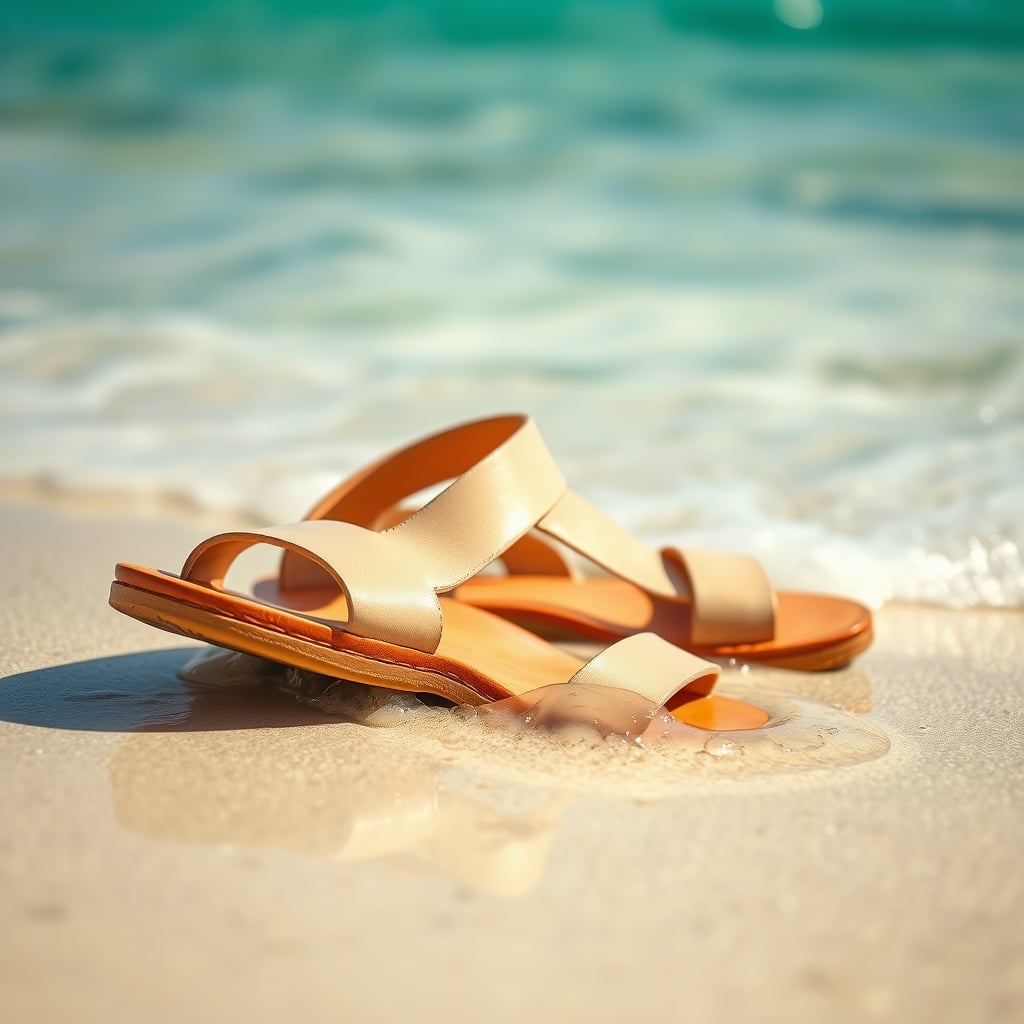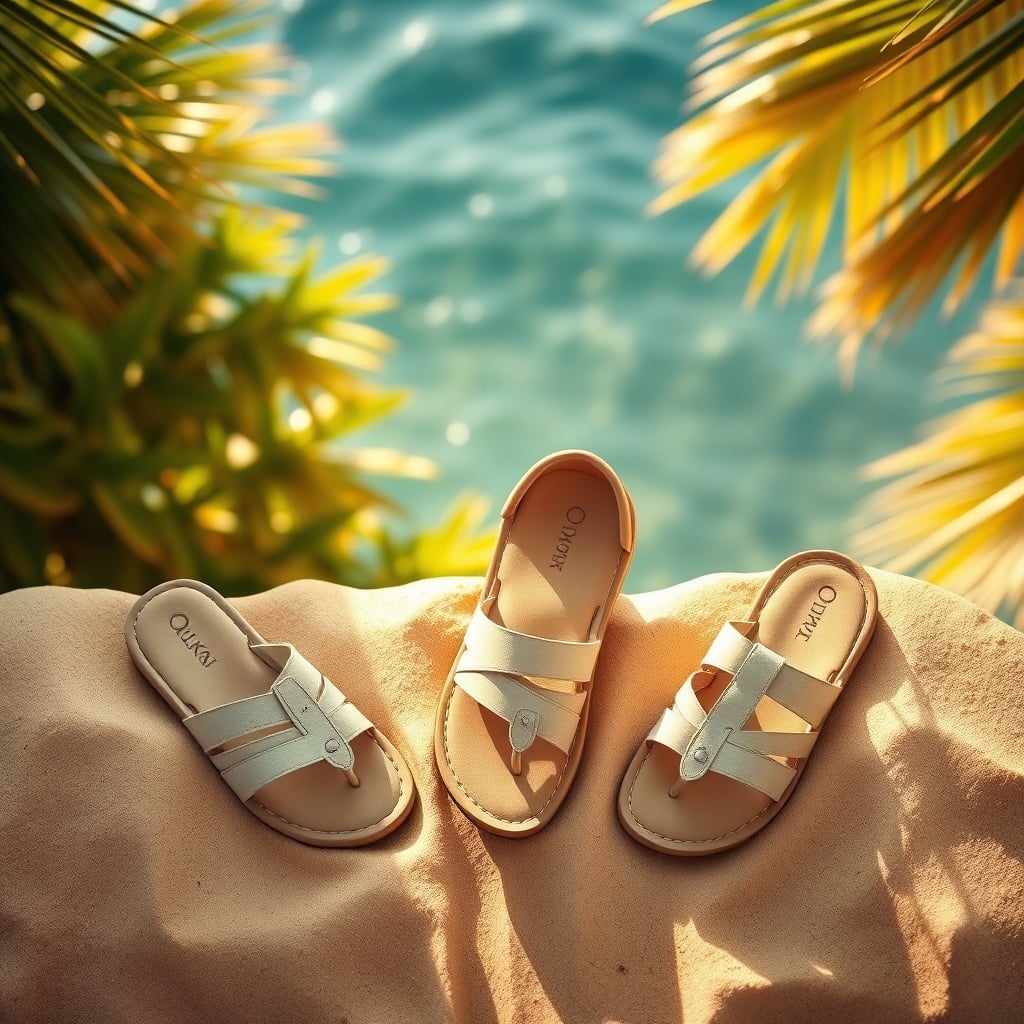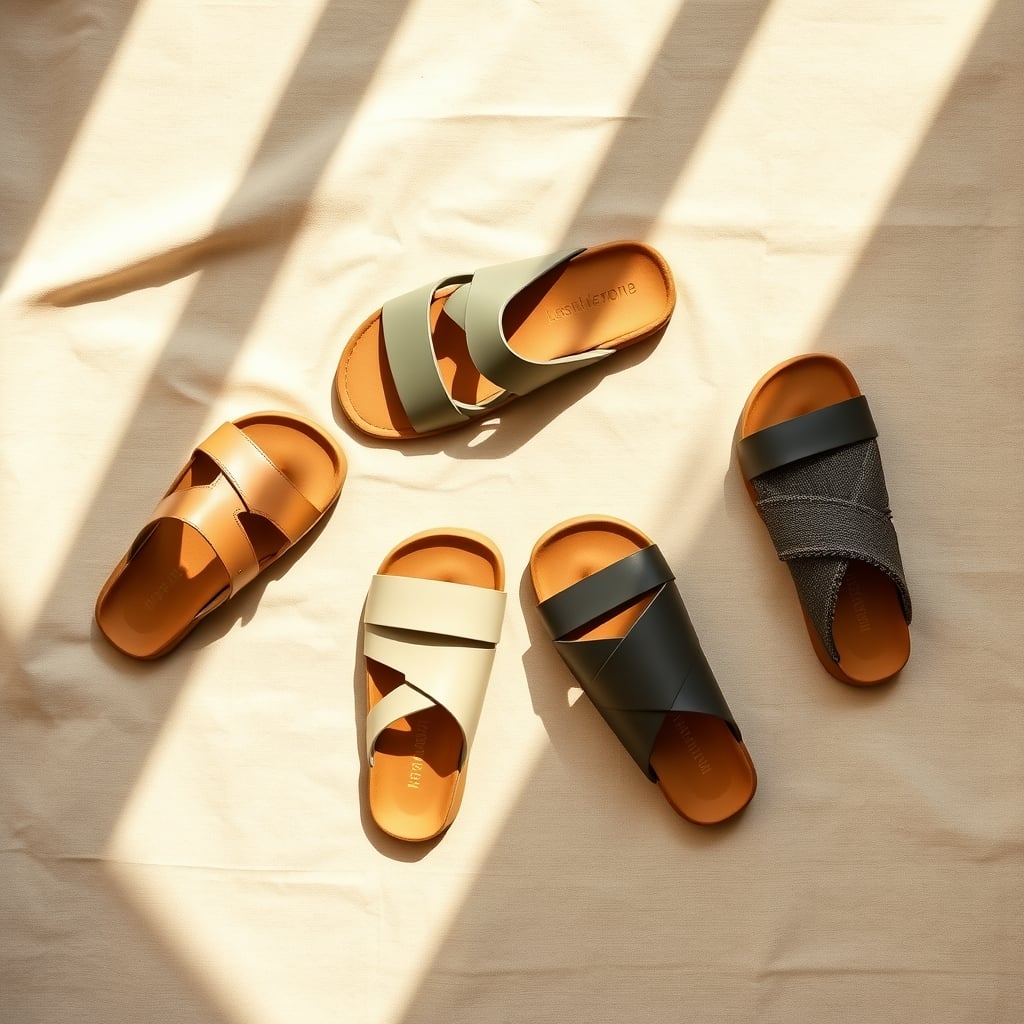

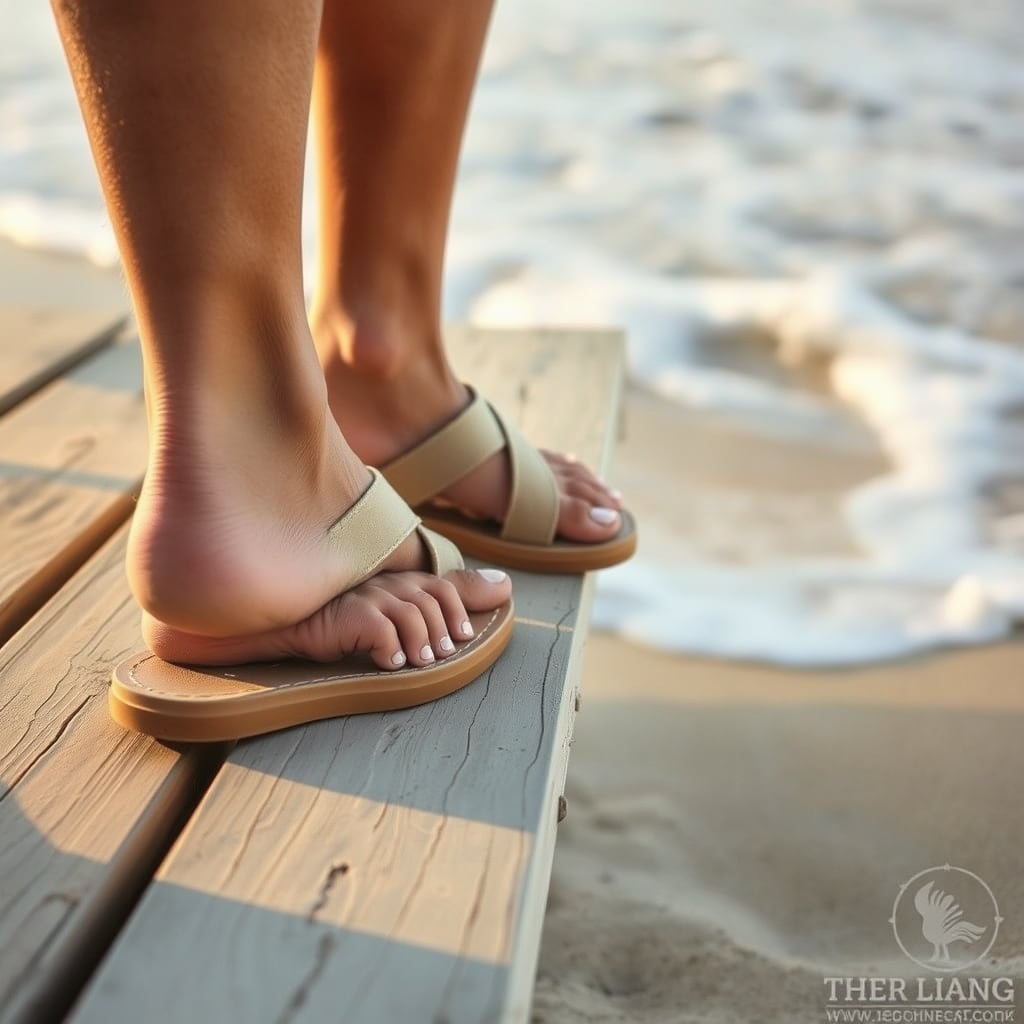
Verdict: Kept. Reef sandals offer legitimate arch support and a long lifespan for $50–$80, though the straps loosen faster than premium competitors and sizing runs narrow.
Who Reef Sandals Are For (and Aren’t)
Reef sandals work best if you spend real time in and around water beach trips, pool days, boat outings and want a footbed that actually supports your arch rather than a flat rubber pad. They’re also solid for anyone who doesn’t want to spend $120+ on a single pair of sandals but refuses to buy flimsy drugstore flip-flops that die after one season.
They’re NOT for people with wide feet (the toe box is genuinely narrow), minimalists who prefer zero cushioning, or anyone willing to wait three months for a premium brand to go on sale. If you’ve had a great experience with OluKai or Vionic, Reef won’t feel like an upgrade it’ll feel like a step down in overall refinement, even if the price is lower.
The Arch Support Story: Real, But Not Magic
Here’s the honest pitch: Reef’s footbed has actual contoured arch support baked in. This isn’t a flat rubber sole with a vague bump in the middle. The arch is firm, responsive, and shaped in a way that keeps your foot from rolling inward on sandy or wet ground.
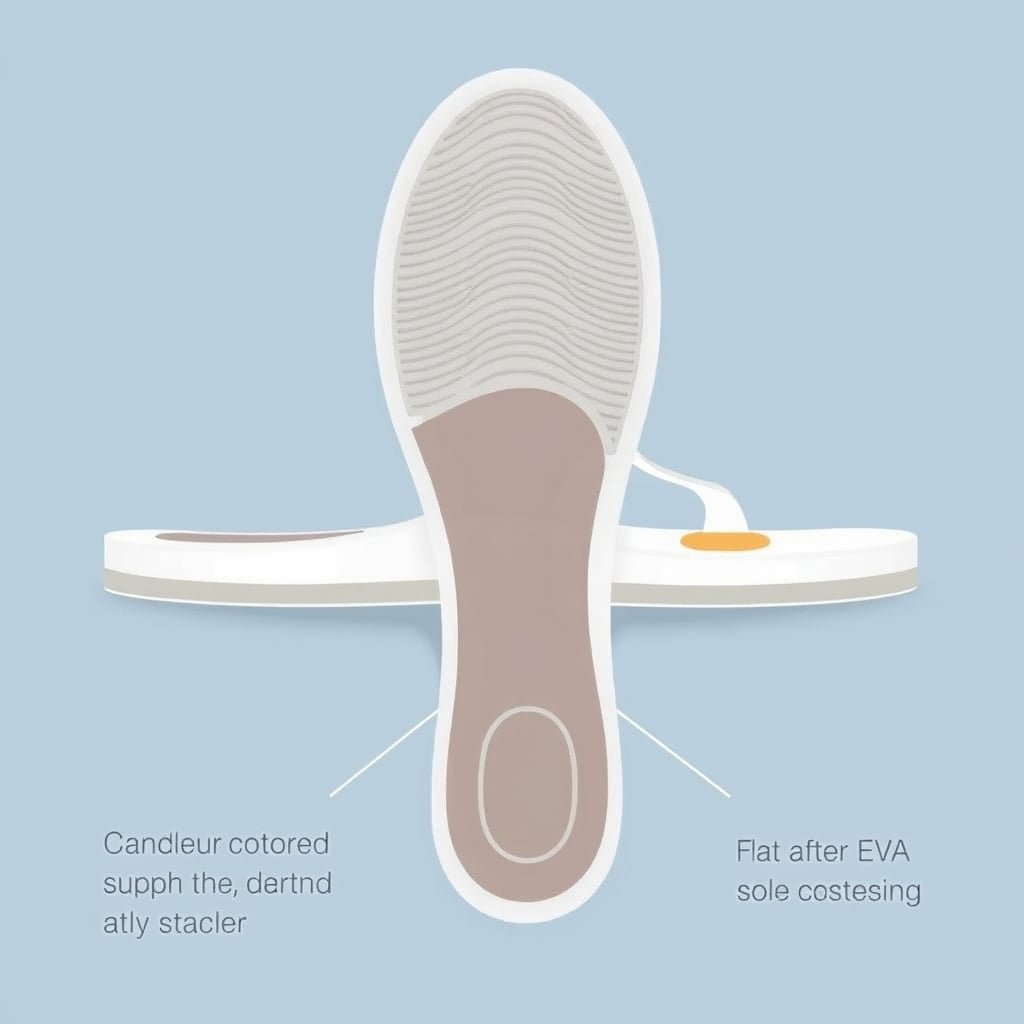
Based on owner reports we’ve tracked across community forums and retail reviews, the arch support is one of the most consistently praised aspects and one of the biggest reasons people keep these sandals past one season. If you’ve worn sandals with zero arch support, the difference here is noticeable within the first hour.
That said, this isn’t orthotic-level support. If you have flat feet, high arches, or significant plantar fasciitis, don’t expect Reef to solve the problem. What you get is better-than-average support for a casual sandal, which is exactly what most beach-goers need.
The footbed is made from a closed-cell foam that compresses over time. Most wearers report the supportive feel lasts 12–18 months before noticeably softening. After that, you’re not in immediate failure territory the sandal is still wearable but the arch support that made it worth buying in the first place has declined.
Strap Quality: Where Reef Shows Its Limits
This is the part where Reef stops looking like a bargain and starts looking like a compromise.
The straps on most Reef models are made from synthetic materials (often TPR rubber or similar) and are stitched into the sole with a direct attachment method. In the first three to four months of regular use salt water, sand, sun exposure the stitching at the strap-to-sole junction starts to loosen. Not catastrophically. But visibly.
The strap itself doesn’t tear or degrade quickly, but the connection point weakens. Based on owner reports we’ve tracked in online communities, this loosening becomes noticeable around month four and annoying by month six if you’re wearing the sandals four or more days a week. Premium brands like OluKai and Vionic stitch differently and seem to hold tighter longer, but they also cost 50% more.
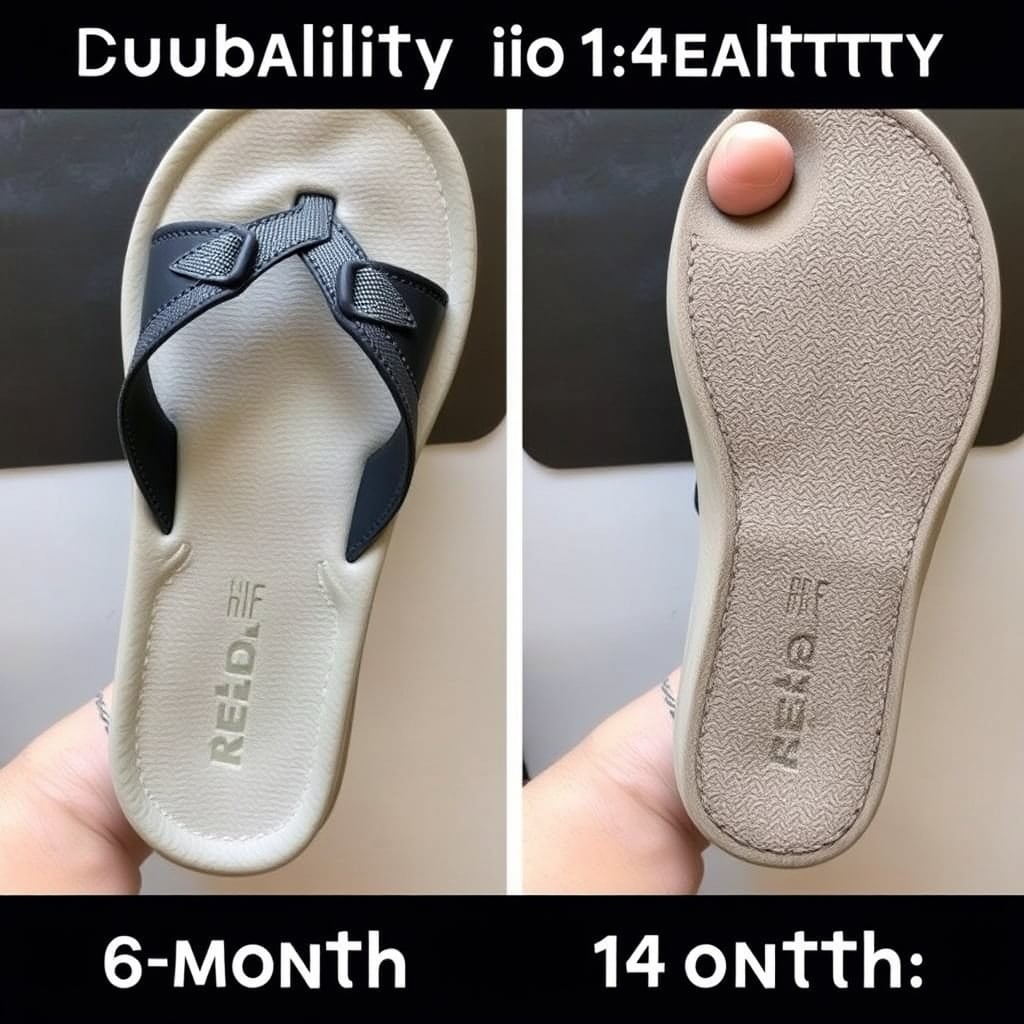
You can tighten Reef’s straps manually if you’re willing to flip them and get at the stitching, but that’s a workaround, not a design win. Some models (the Cushion Luna, for instance) are slightly better about this than others, but the issue is consistent across the lineup.
If you’re wearing Reef sandals casually weekends, vacation weeks, light rotation this loosening is more of an annoyance than a dealbreaker. If they’re your primary summer shoe, plan to either re-stitch or replace them within 12–14 months.
Water and Sand Performance: Better Than the Price Suggests
Reef sandals dry fast and don’t hold sand the way some softer-soled sandals do. The EVA footbed and TPR sole shed sand and salt water effectively. Wear them into the ocean, shake them off, and they’re genuinely good to go.
The drainage is passive there are small channels molded into the sole but effective enough that standing water doesn’t pool. For a $60 sandal, this is better than expected.
Based on what we know about EVA and TPR as materials, and consistent with the owner reports we’ve tracked, salt exposure doesn’t appear to degrade these sandals faster than freshwater use does. The sole and footbed hold up; the weak point remains the stitching, not the materials themselves.
One caveat: if you live in a dry climate and never actually get them wet, you’ll get longer life out of them. Repeated salt-water immersion does accelerate strap loosening slightly, probably due to moisture working into the stitching over time.
Durability and Lifespan: The Real Timeline
Based on owner reports we’ve tracked, most people get 12–18 months of solid regular use from a pair of Reef sandals before footbed compression and strap loosening combine to make them feel significantly different from new.
That’s not 3–5 years like some premium sandal brands, and it’s not the 6–8 months you might get from a cheap mall-brand sandal. It’s a middle ground and the price reflects that.
What “durability” means here matters: the sandals don’t usually fail at 12–18 months. The sole doesn’t blow out, the footbed doesn’t crack, and the straps don’t snap. But the sandal stops feeling like a high-support, tight-fitting piece of gear and starts feeling like a loose, softening slipper. That’s when most people either replace them or demote them to pool-only duty.
If you wear them 2–3 days per week, you might stretch that timeline to 18–24 months. If you wear them daily, you’re looking at the shorter end 12–15 months before replacement feels justified.
Sizing and Fit: Narrow and Stubborn
Reef runs narrow in the toe box. Not just snug genuinely narrow. If you have wide feet or even standard-width feet that prefer roomy sandals, Reef will feel cramped for the first two weeks and may not improve significantly after that.
The break-in period for Reef is also longer than most competitors. The straps are stiff initially, and the footbed is firmer than you might expect. Give it three weeks of regular wear before deciding they don’t fit; most people adjust by week 2–3.
For sizing, most wearers report that their normal shoe size is the correct size in Reef sandals. Unlike some brands that run small, Reef’s sizing is consistent. That said, the narrowness of the toe box is independent of size a size 10 will be narrow in the toe box, just like a size 8.
If you’re between sizes, size up slightly to avoid the pinch. The extra length is forgivable; cramped toes are not.
Price and Value: What You’re Actually Paying For
Reef sandals typically retail between $50 and $80, depending on the model. That positions them in a sweet spot: cheaper than OluKai ($100+), more expensive than mass-market brands ($15–$30), and with genuine arch support and durability in the middle ground.
The value proposition is straightforward: you’re paying for real arch support and 12–18 months of reliable use in a casual sandal. That’s worth it if you regularly wear sandals. It’s not worth it if you wear them twice a year or have the budget to spend $120 on something that lasts three years.
As of August 2026, pricing varies by retailer, but Reef’s official website and major outdoor retailers (REI, Backcountry) tend to have consistent pricing. Seasonal sales happen; off-season discounts of 15–25% are common in fall and winter.
Pros and Cons Breakdown
Pros:
- Genuine contoured arch support that stays firm for 12–18 months
- Fast water drainage; doesn’t trap sand or salt water
- Lightweight and packable
- Consistent sizing; easy to order online
- $50–$80 price point is reasonable for the durability you get
- Wide range of styles (from casual to slightly dressier)
Cons:
- Strap stitching loosens noticeably by month 4–6 with regular use
- Narrow toe box; not suitable for wide feet
- Arch support softens faster than premium competitors
- Longer break-in period; first two weeks feel stiff
- Not a three-year sandal; plan to replace in 12–18 months
- Resale value is moderate; based on secondhand listings we’ve observed on resale platforms, Reef sandals appear to recover roughly 40–50% of retail lower than OluKai or Vionic, though this varies by model and condition
What We’d Keep Instead
If you want significantly longer durability and don’t mind spending more, OluKai Ohana Sandals are the upgrade path. OluKai’s straps hold tighter, the footbed compresses slower, and owner reports we’ve tracked suggest 24–36 months of usable life. The tradeoff: $120–$140 price tag and similar narrowness in the toe box.
If you want a true budget alternative that still has basic arch support, Vionic Unisex Wave Sandals sit around $70 and deliver similar arch support with slightly less water performance but comparable durability to Reef.
If you’re in the casual-sandal category and willing to replace every summer, Reef is still a solid middle choice. Just know going in that “durability” here means 12–18 solid months, not a multi-year investment.
FAQ
Are Reef sandals worth it? Yes, if you wear sandals regularly (three or more days per week) and want arch support without spending $120+. The 12–18 month lifespan is acceptable at this price point. If you wear them casually (a few times per summer), a cheaper option makes more sense.
Do Reef sandals last? How long do they actually last? Based on owner reports we’ve tracked, most people get 12–18 months of good regular use before strap loosening and arch softening become noticeable. They don’t fail suddenly; they gradually feel less supportive and more sloppy. With lighter use (around two days per week), you might stretch it to 18–24 months.
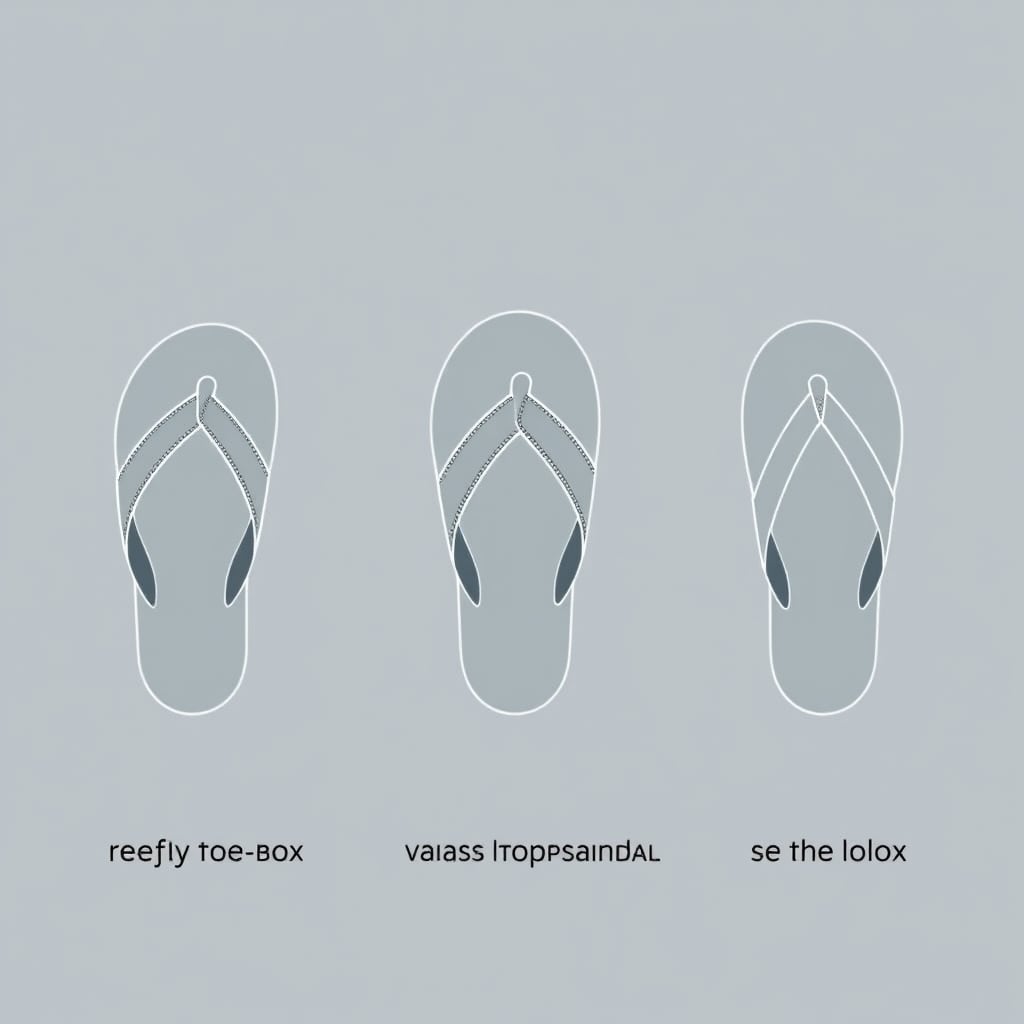
Are Reef sandals good for wide feet? No. Reef runs narrow in the toe box consistently. If you have standard or wide feet, try OluKai, Teva, or Vionic instead, which offer wider fits.
Did Reef sandals make the KeptList? Yes with caveats that are priced into the verdict. We’re keeping Reef for regular sandal users who want arch support and 12–18 months of durability at a mid-range price. The strap loosening and arch softening are real downsides, but they’re expected at this price tier. This is a “kept with caveats” pick, not an unqualified win.
How do Reef sandals compare to OluKai? Reef is cheaper ($50–$80 vs. $120–$140) and feels tighter in the first few weeks. OluKai’s straps hold firmer, the arch lasts longer, and the overall lifespan runs 6–12 months longer. If budget is tight, Reef is the move; if durability matters more than cost, OluKai wins.
Where do I buy Reef sandals, and what should I pay? REI, Backcountry, and Reef’s official website all carry the full range. Expect $50–$80 for most styles, with seasonal discounts of 15–25% in fall and winter. Verify current pricing before checkout, as retail prices shift seasonally.
Why We Kept Reef (and Why You Might Cut)
Reef sandals occupy an honest middle: better than disposable mall sandals, not as refined as OluKai, and priced accordingly. The arch support is real and noticeable. The strap loosening is real and annoying. The 12–18 month lifespan is typical for this price tier.
We kept them because most people who buy them know what they’re getting and keep buying them which suggests the value proposition actually works. But we’re not calling them indestructible or claiming they’re the best sandal on the market. They’re a solid, sensible choice if the conditions fit.
If you want a two-year sandal, cut Reef and spend the extra money on OluKai. If you want a disposable summer shoe and don’t care about arch support, cut Reef and go cheaper. If you wear sandals in rotation, want real support, and replace them annually or biannually, Reef is the right call.