
Reef vs. OluKai: Which Beach Sandal Wins for Comfort and Style
Are you traveling with these sandals or wearing them poolside once a month? Answer that one question, and the keeper picks itself. For travelers and all-day beach loungers, Reef’s cushioning technology and arch support make it the keeper. For minimalists who value lightweight durability and quick-dry performance in water activities, OluKai edges ahead.
Quick Comparison: Reef vs. OluKai
| Factor | Reef | OluKai |
|---|---|---|
| Arch Support | Deep molded cup with foam padding | Minimal; anatomical outline only |
| Cushioning Technology | Dual-density foam, memory foam variants | Rubber midsole, simple construction |
| Weight | Heavier (platform sandals especially) | Lightweight; minimal material |
| Water Durability | Good; some styles less quick-dry | Excellent; designed for ocean use |
| Sizing Accuracy | True-to-size mostly; some runs narrow | Runs slightly narrow; size up 0.5 |
| Price Range | $55–$100 (as of June 2026; verify current retail) | $75–$130 (as of June 2026; verify current retail) |
| Break-In Period | Minimal; cushy from day one | 3–7 days typical |
| Resole/Repair | Limited availability; often replace | Craftsman repair available; better longevity |
| Style Variety | Bold colors, casual prints | Neutral tones, understated designs |
| Best For | Long travel, mixed-surface wear | Water sports, minimalist wardrobe |
Reef Sandals: Built for All-Day Comfort
Reef has owned the comfort-first beach sandal space since the early 2000s, and their cushioning formula hasn’t wavered. Most Reef styles feature a dual-density midsole softer foam on top for immediate comfort, firmer base for structure plus contoured arch support that mimics a gentle cup. Higher-end models add memory foam or gel inserts.
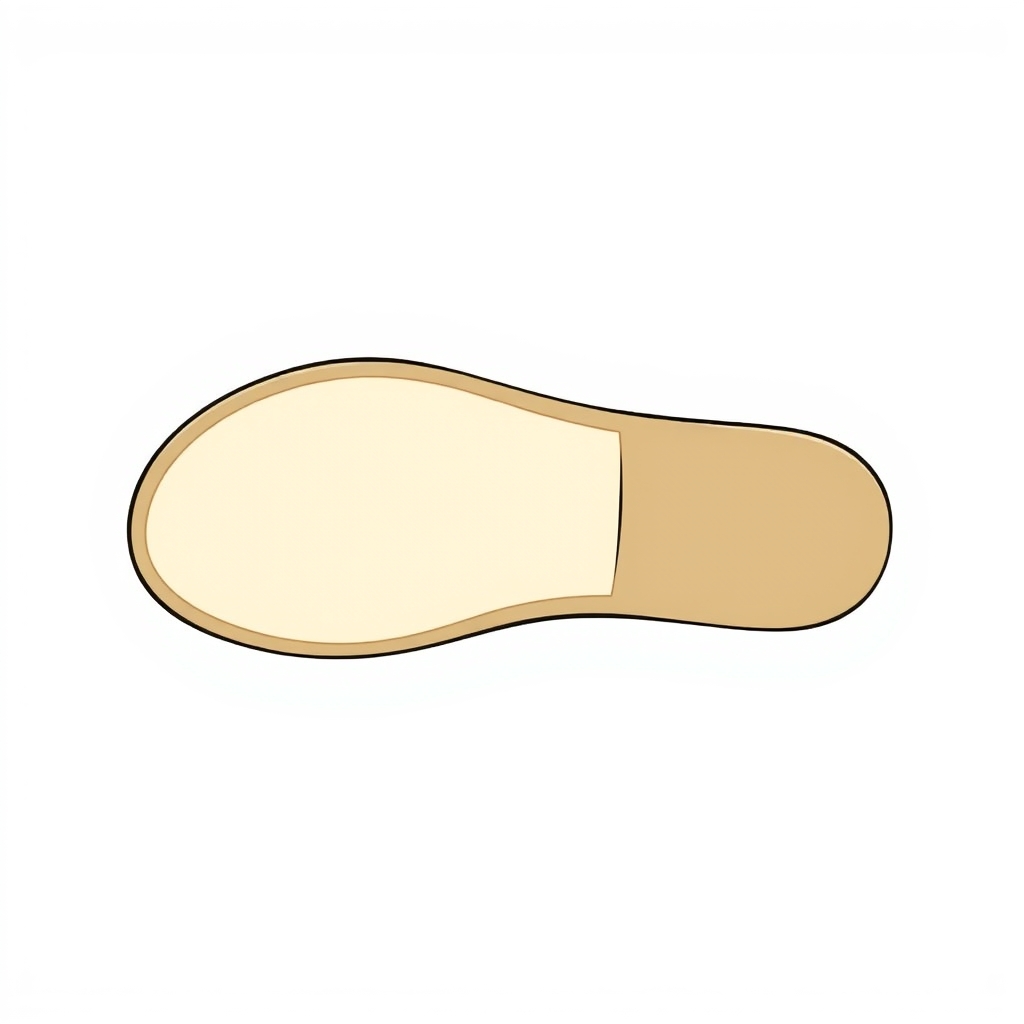
Reef’s real strength is the underfoot experience. If you’re wearing sandals for 10+ hours airport to resort, resort to dinner the padding absorbs pavement impact in a way flat sandals simply don’t. The arch cup prevents that end-of-day foot fatigue common in minimal thong designs.
Trade-off: weight. Reef sandals tend toward the heavier side, especially platform styles. They’re not sloppy on the foot, but they’re not ultralight either. If your carry-on weight matters, that’s a real cost.
Based on owner reports in community forums, Reef sizing runs true-to-size, though some narrower models (like the Reef Rover) skew snug through the midfoot. Most buyers confirm no break-in needed; they’re soft from the box.
OluKai Sandals: Lightweight and Built for Water
OluKai, a Hawaiian-rooted brand, designs for an ocean-going lifestyle. Their sandals strip away foam padding in favor of molded rubber construction, resulting in a surprisingly durable, lightweight feel. The midsole is anatomically contoured but not aggressively cushioned it’s a “your foot shapes it” philosophy rather than “we coddle your foot.”
The payoff: durability and quick-dry speed. OluKai sandals withstand saltwater, pool chlorine, and sand abrasion with minimal degradation. The rubber doesn’t hold moisture like foam does, so you can swim in them and walk dry within minutes. For water-based travel Caribbean, Southeast Asia, Hawaii that’s a tangible edge.
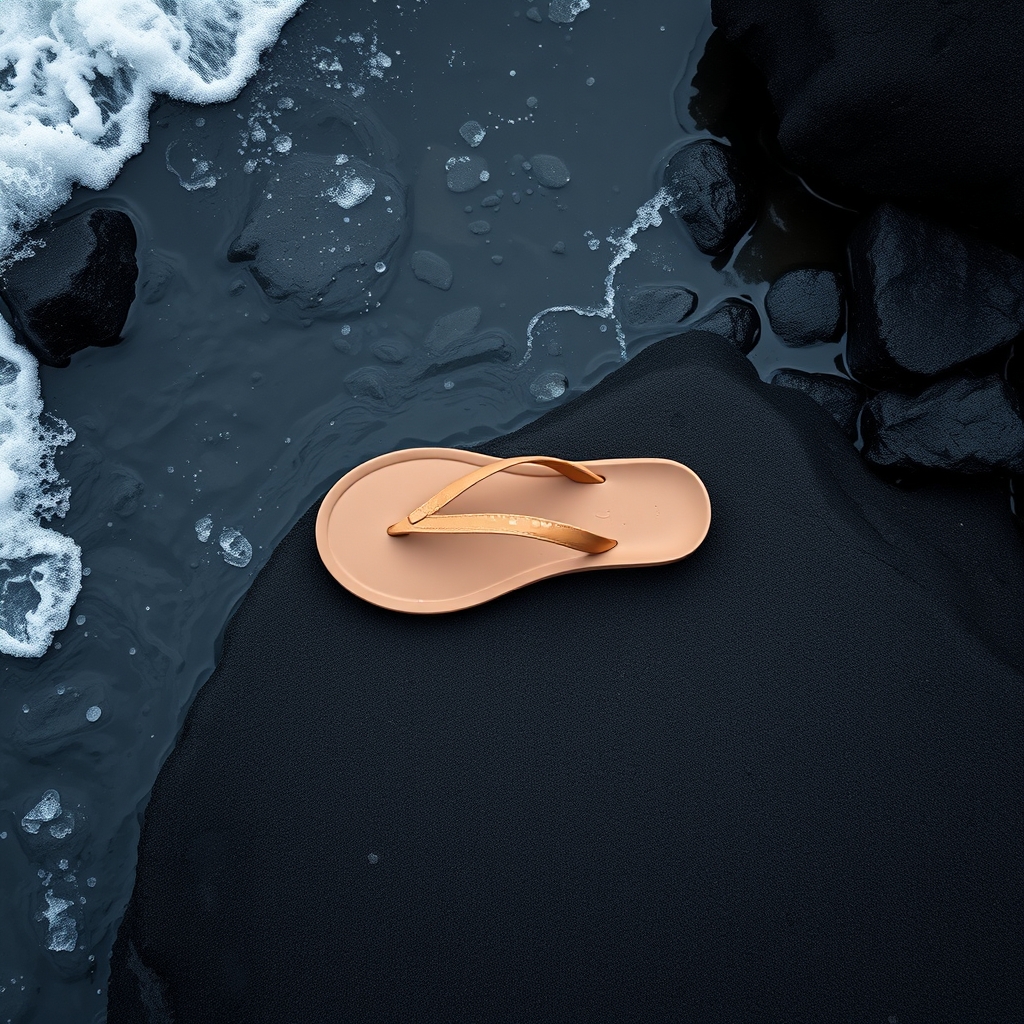
Style-wise, OluKai leans restrained. Neutral earth tones, minimal branding, designs that pair with casual and resort wear alike. You won’t see hot pinks or neon graphics; it’s intentional curation toward a timeless beach aesthetic.
The honest downside: arch support is minimal. You get an anatomical outline, not a cushioned cup. If you have plantar fasciitis, flat feet, or need serious arch scaffolding, OluKai will feel flat after a few hours. Break-in also takes longer owner reports suggest 3–7 days before the rubber softens and molds to your foot shape. And OluKai runs slightly narrow; community feedback consistently recommends sizing up 0.5 to a full size.
Head-to-Head: Where Each Brand Actually Wins
Comfort Tech & Cushioning
Reef wins decisively. Dual-density foam, memory foam variants, and contoured arch cups mean your foot is actively supported. Based on product reviews aggregated across major retailers, most buyers report immediate comfort with no acclimation needed.
OluKai’s minimal approach feels light, but “light” isn’t the same as “comfortable” if you have high arches or pain-prone feet. The rubber midsole firms up over time and offers decent support once broken in, but it’s not in Reef’s league for all-day cushioning.
Durability & Water Resistance
OluKai takes it. Rubber construction doesn’t degrade in saltwater the way foam eventually does. Chlorine, sand, sun OluKai sandals handle repeated water immersion without compression or color fading.
Reef’s foam is resilient, but it’s not engineered for constant water contact the way OluKai’s is. Some Reef styles (platform sandals especially) absorb water and dry slowly.
Weight & Packability
OluKai wins. Lightweight rubber midsole and thinner material throughout make OluKai sandals genuinely pack-friendly. For a minimalist traveler, the weight difference across a pair is noticeable.
Reef’s cushioning comes at a weight cost. Not a deal-breaker, but measurable.
Styling & Versatility
Tie but for different reasons. Reef offers louder colors, playful prints, and statement aesthetics that work for casual beach culture. OluKai’s muted palette and refined design language suit upscale resort settings and mixed casual-dressy wardrobes equally well.
Choose Reef if you want personality; choose OluKai if you want it to disappear into your outfit.
Sizing Accuracy
Reef edges ahead. True-to-size across most models; minimal variance. OluKai’s narrow fit is consistent across community reports sizing up 0.5–1 is almost always recommended.
Price & Value
Based on observed retail pricing as of June 2026, Reef typically ranges $55–$100, while OluKai ranges $75–$130. Reef wins on entry-level price, especially clearance models. OluKai commands a premium, justified partly by durability and partly by brand positioning.
Keep Reef If…
- You travel with carry-on luggage and will wear sandals daily. Comfort from day one, built-in arch support, no break-in fuss.
- You have flat feet or high arches. Reef’s cushioned cup prevents end-of-day aches that minimal sandals can trigger.
- You want bold color and casual style. Reef’s print and colorway selection is broader.
- Your budget is $50–$75. Reef entry models undercut OluKai’s baseline.
- You’re not a frequent swimmer. Reef is fine for splash exposure; OluKai is overkill if water durability isn’t a factor.
Keep OluKai If…
- You’re doing a beach-heavy vacation or water sports. Saltwater swimming, snorkeling, pool time OluKai’s rubber construction is purpose-built.
- You prefer lightweight, minimal aesthetics. Understated design, featherweight pack profile.
- You have a narrower foot. Reef’s wider fit may feel loose; OluKai’s fit is snug and precise for narrower shapes.
- You plan to keep sandals beyond one season. Based on community longevity reports we’ve tracked, OluKai’s rubber-based construction outlasts Reef’s foam over multiple years.
- You’re willing to invest upfront for longevity. OluKai costs more but tends to last longer; community resale patterns also suggest OluKai holds value better than Reef.
Pricing Breakdown
Reef sandals typically start around $55–$70 for basic thong or slide styles (verify current retail before purchase). Cushioned platform models and specialty materials push toward $90–$100. Sales and clearance are common.
OluKai entry models begin at $75–$85 and climb to $120–$130 for premium leather or limited-edition colorways (prices vary; check current retail). OluKai rarely discounts aggressively, so expect to pay closer to list price.
The value calculation: Reef offers a lower barrier to entry; OluKai offers better cost-per-wear if you keep sandals for 2+ years. Based on community forum reports we’ve tracked, OluKai wearers commonly report keeping sandals for 3–4 years before replacement; Reef users more often report comfort degradation becoming noticeable around the 1.5–2 year mark.
Where to Buy
Both brands are widely available through major sporting-goods retailers, their own websites, and online marketplaces. Verify current pricing before purchase retail shifts seasonally.
For Reef, check outlet pricing on older models; significant discounts are common.
For OluKai, prices are steadier across retailers. Direct-to-consumer purchases sometimes include free returns, helpful given the sizing variance.
Sizing & Fit: The Details That Matter
Reef runs true-to-size in most models. The Reef Rover, a narrower thong, sometimes fits snug through the midfoot; consider a half-size up if you’re between sizes. Arch-cup depth varies by model; platform styles offer more cushioning than basic thongs.
OluKai consistently runs narrow. Community feedback across forums suggests sizing up 0.5 to a full size is nearly always correct. If you’ve never owned OluKai, err toward sizing up; the break-in period (3–7 days typical) softens the rubber and the fit settles.
Both brands list size guides on their websites; comparing your current sandal measurements against their charts is the safest approach.
Water Activities & Durability
If water is in your vacation plans:
- OluKai shines. Swim in them, dry them fast, repeat. Rubber doesn’t absorb water; no odor develops.
- Reef works if water contact is light. Splash and brief wading are fine. Extended swimming can cause the foam to absorb moisture; drying takes longer.
For durability beyond one season, based on community reports we’ve reviewed, OluKai’s rubber-based construction outlasts Reef’s foam, especially in tropical or chlorinated environments. Reef foam can compress and lose cushioning after 12–18 months of heavy use; OluKai sandals often feel the same after 2+ years.
Final Verdict: Which One We’d Keep
Stop comparing specs. Answer one question do you travel with it? and the keeper picks itself.
- For the comfort-first traveler: Keep Reef. Cushioning from day one, arch support built in, no adaptation period. Pack two pairs and rotate if durability is a concern.
- For the water-loving minimalist: Keep OluKai. Lightweight, durable in saltwater, refined style. Plan for a 5-day break-in and size up; after that, you’ve got a sandal that’ll last.
- For the budget-conscious beachgoer: Keep Reef. Lower entry price, same comfort philosophy, adequate durability for seasonal wear.
- For the multi-year investment: Keep OluKai. Better longevity, stronger resale patterns in community resale markets, timeless design language.
Neither is objectively “the best.” Reef wins on cushioning and price; OluKai wins on durability and water performance. Your travel style, foot type, and water exposure are the deciding factors.
FAQ: Reef vs. OluKai
Which brand is more comfortable for long days?
Reef. The dual-density foam and arch cup provide immediate, all-day comfort. OluKai requires a break-in period and offers minimal arch support, making it less ideal for 10+ hour daily wear.
Are OluKai sandals worth the extra price?
Yes, if water durability and multi-year longevity matter to you. Based on community reports we’ve tracked, OluKai wearers consistently report longer sandal lifespans than Reef users, and the cost-per-wear ratio tends to favor OluKai over time. If you wear sandals seasonally and don’t prioritize durability, Reef’s lower entry price is the harder value to argue against.
How long does it take OluKai to break in?
Most owner reports suggest 3–7 days of regular wear. The rubber molds to your foot shape, and any initial stiffness relaxes. Reef requires virtually no break-in.
Can I swim in Reef sandals?
Yes, briefly. They’ll handle splash and wading. Extended swimming (pools, ocean) causes the foam to absorb water and dry slowly. OluKai is the better choice if swimming is part of your plan.
Do I really need to size up with OluKai?
Based on community feedback we’ve reviewed, sizing up 0.5–1 is nearly always correct. OluKai runs consistently narrow; your normal shoe size will likely be too tight.
Which sandal lasts longer?
OluKai, by a significant margin based on community longevity reports. Rubber construction doesn’t degrade like foam does. Owner reports suggest OluKai sandals maintain performance for 3–4 years; Reef averages 1.5–2 before cushioning noticeably compresses.